
Last updated October 9, 2026
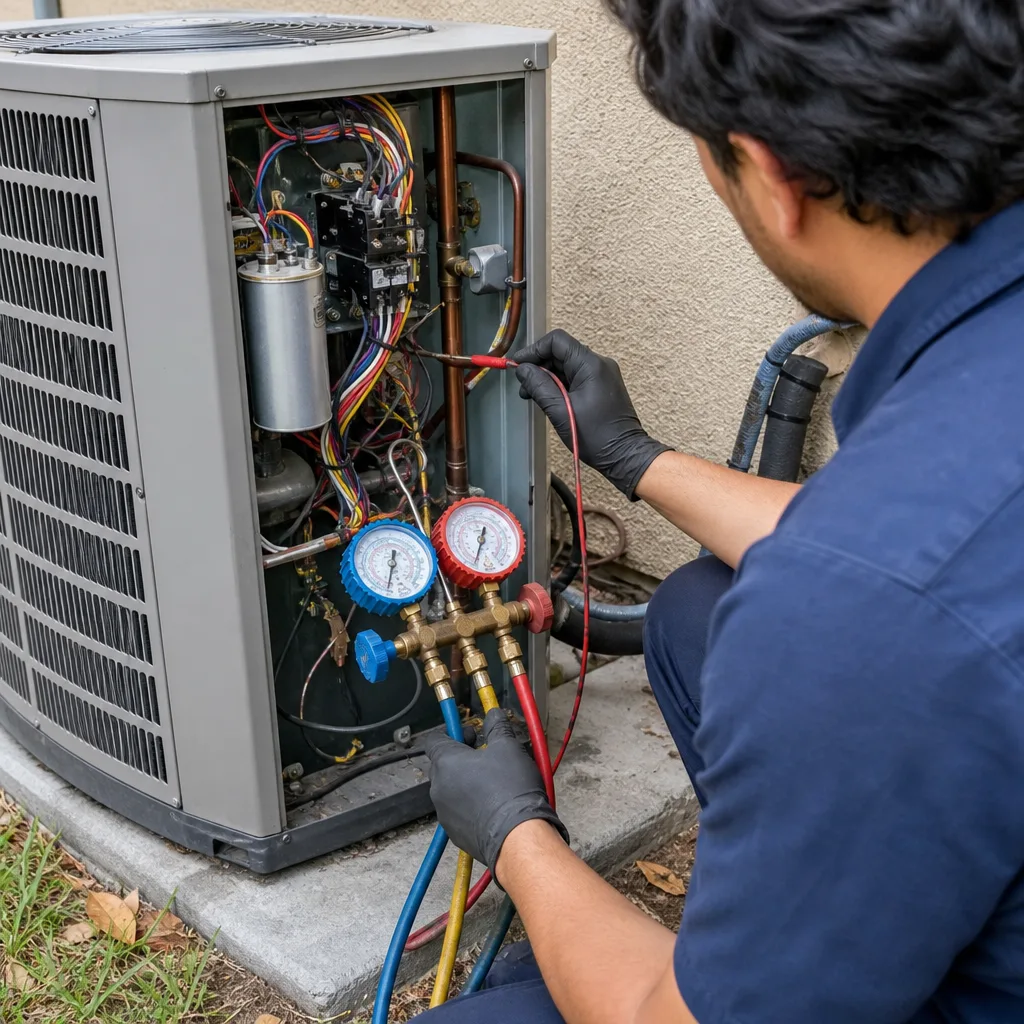
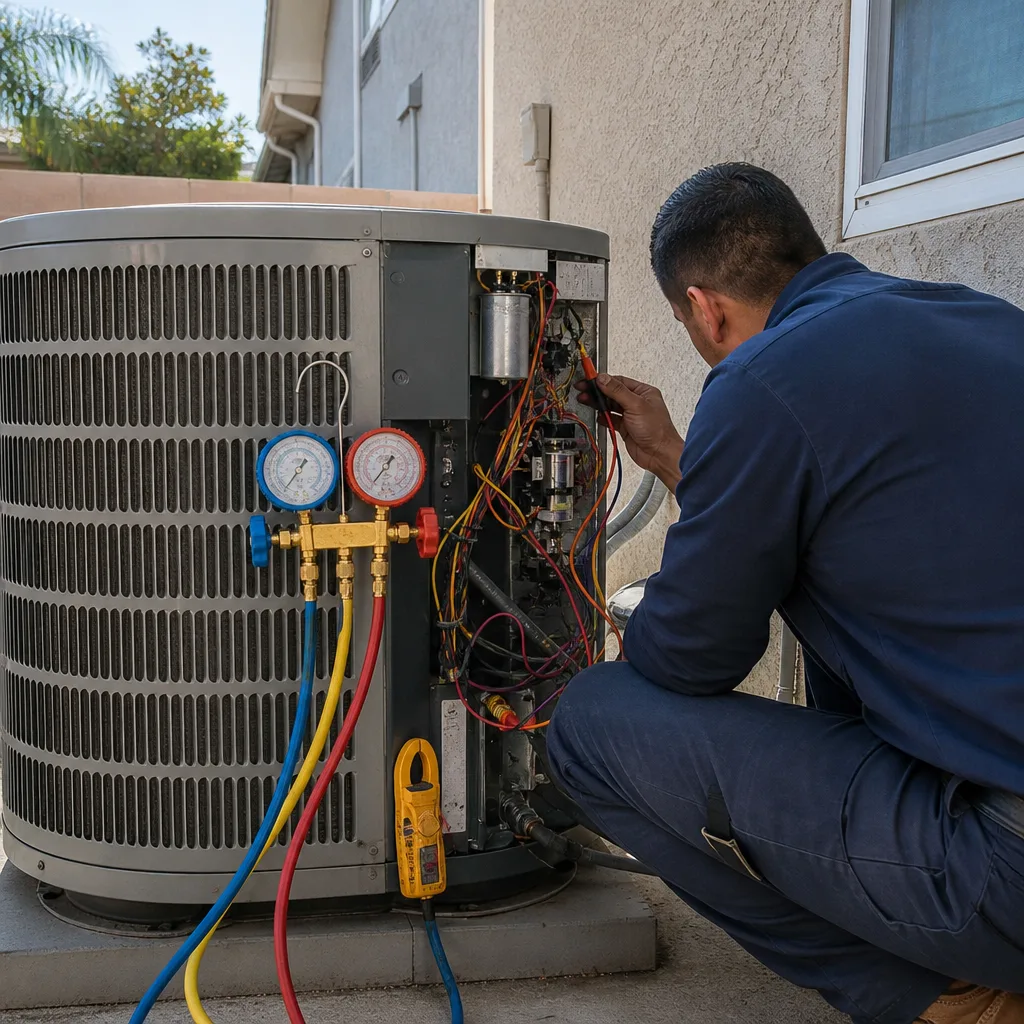
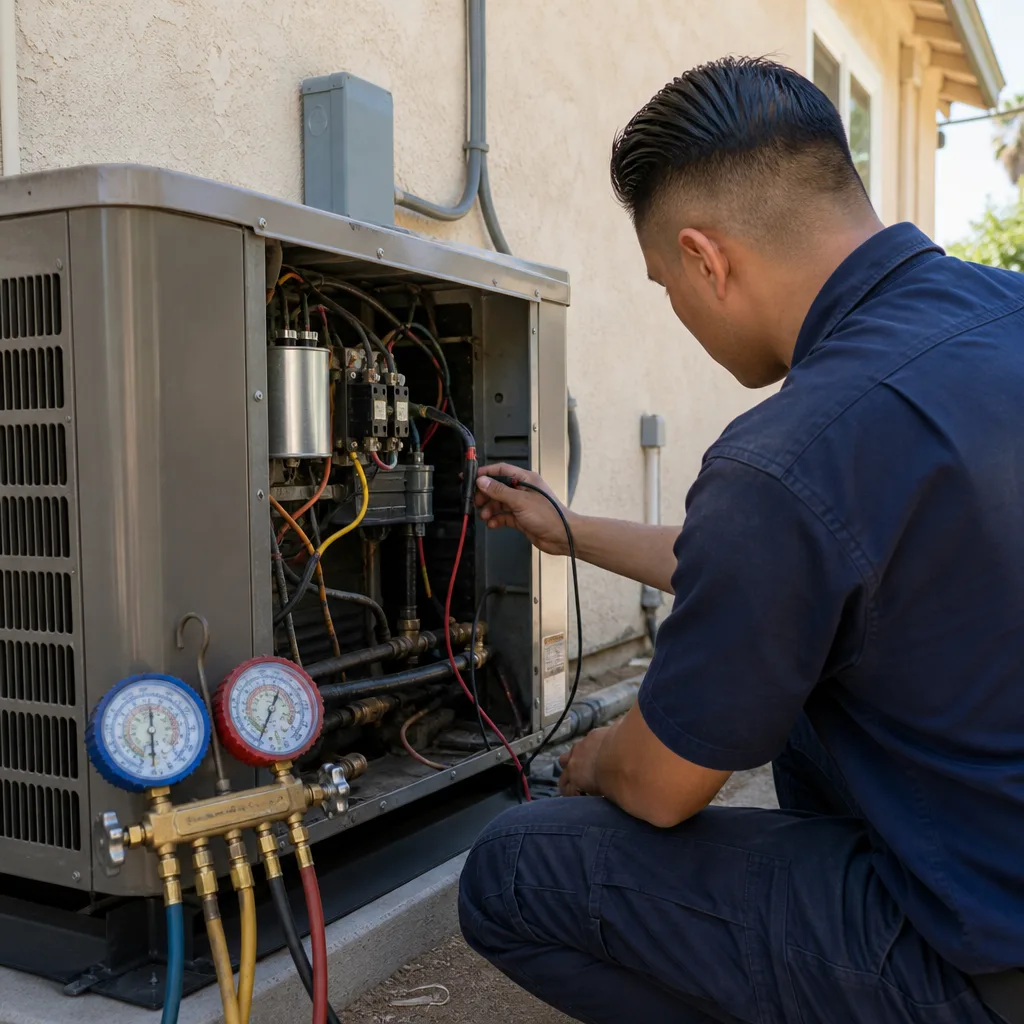
Seasonal tune-up and full diagnostic on your Carrier, Trane, or Goodman system - readings shown to you before any repair is proposed
Diagnosis first, numbers second - you approve the repair price before a single part goes in.
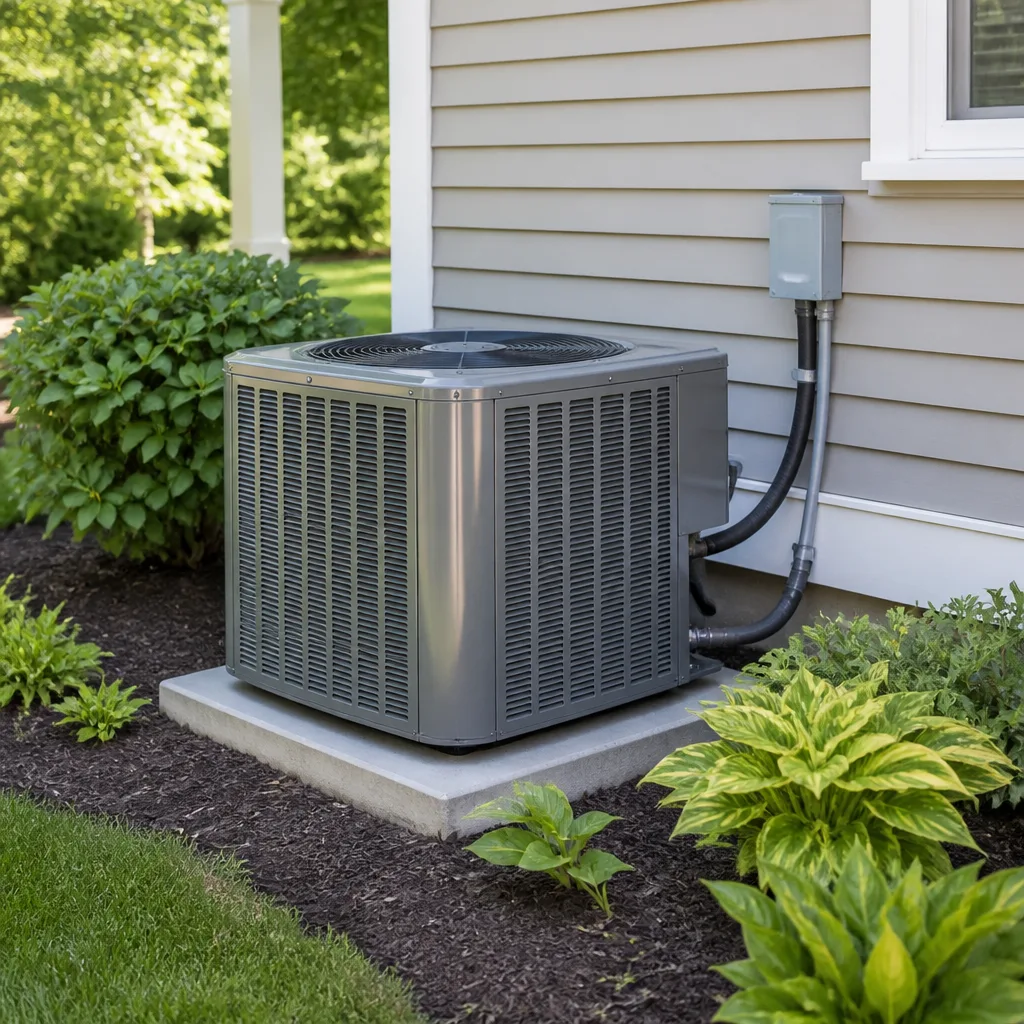
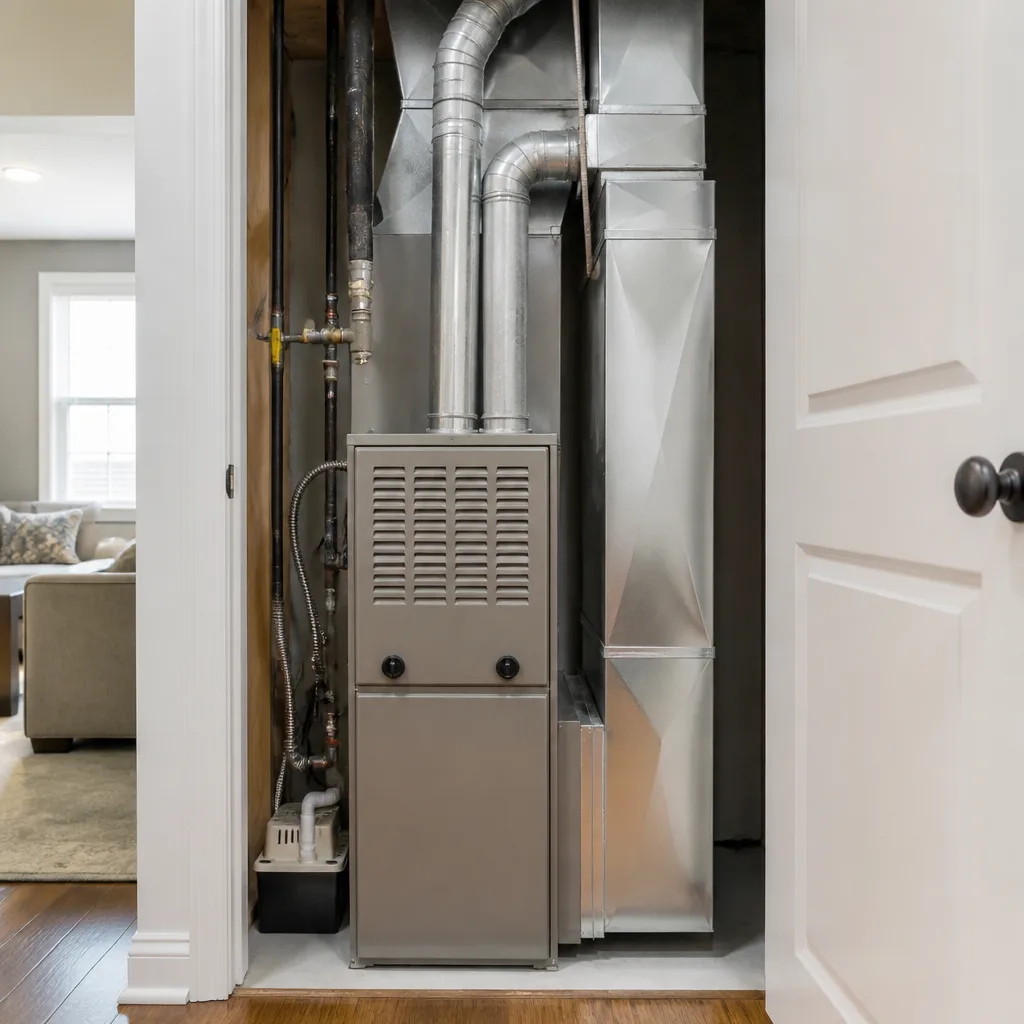
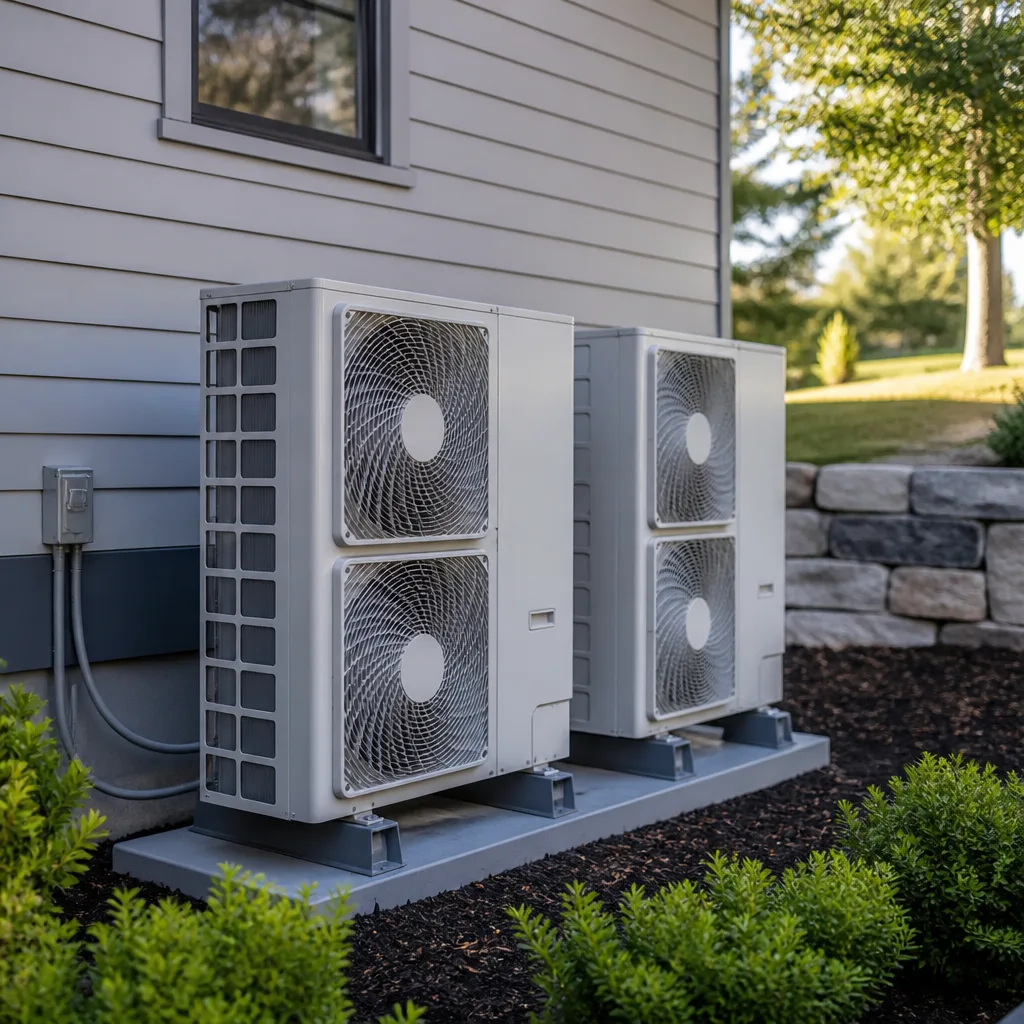
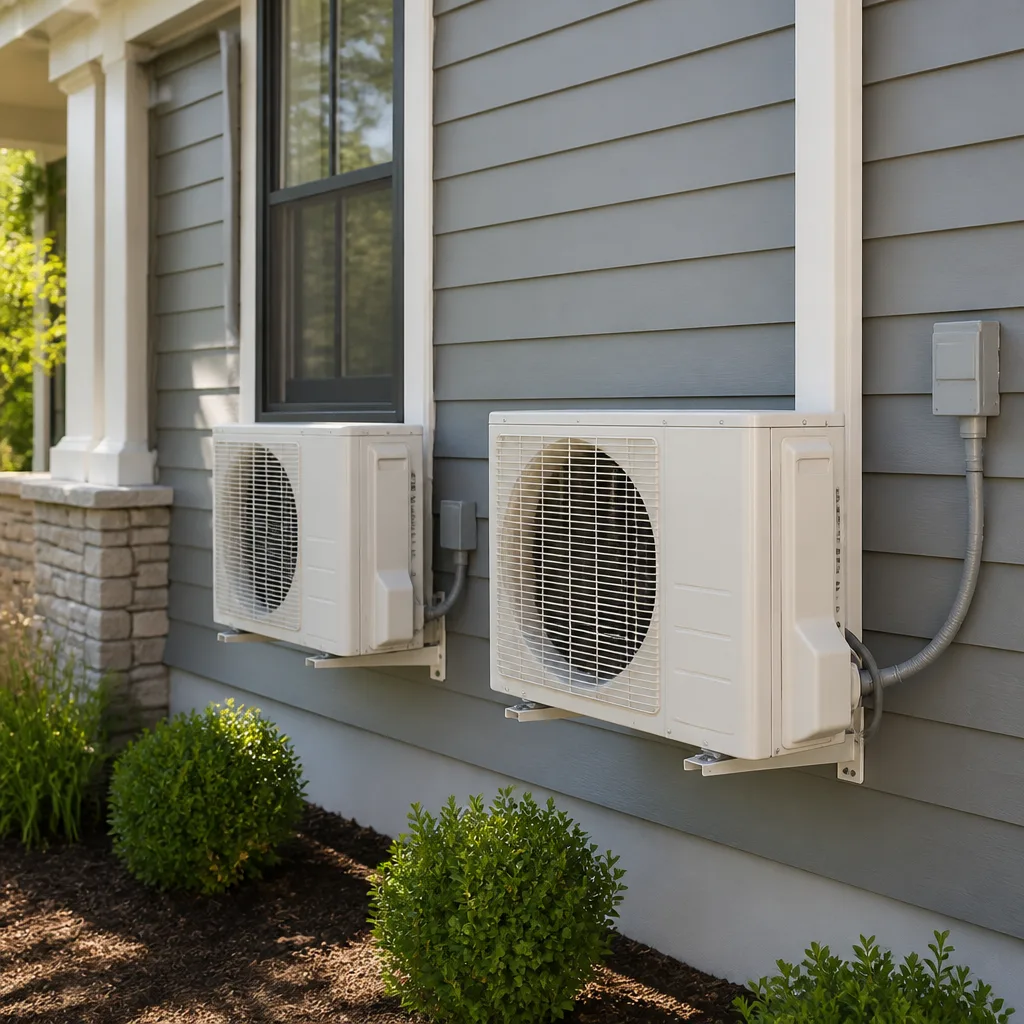
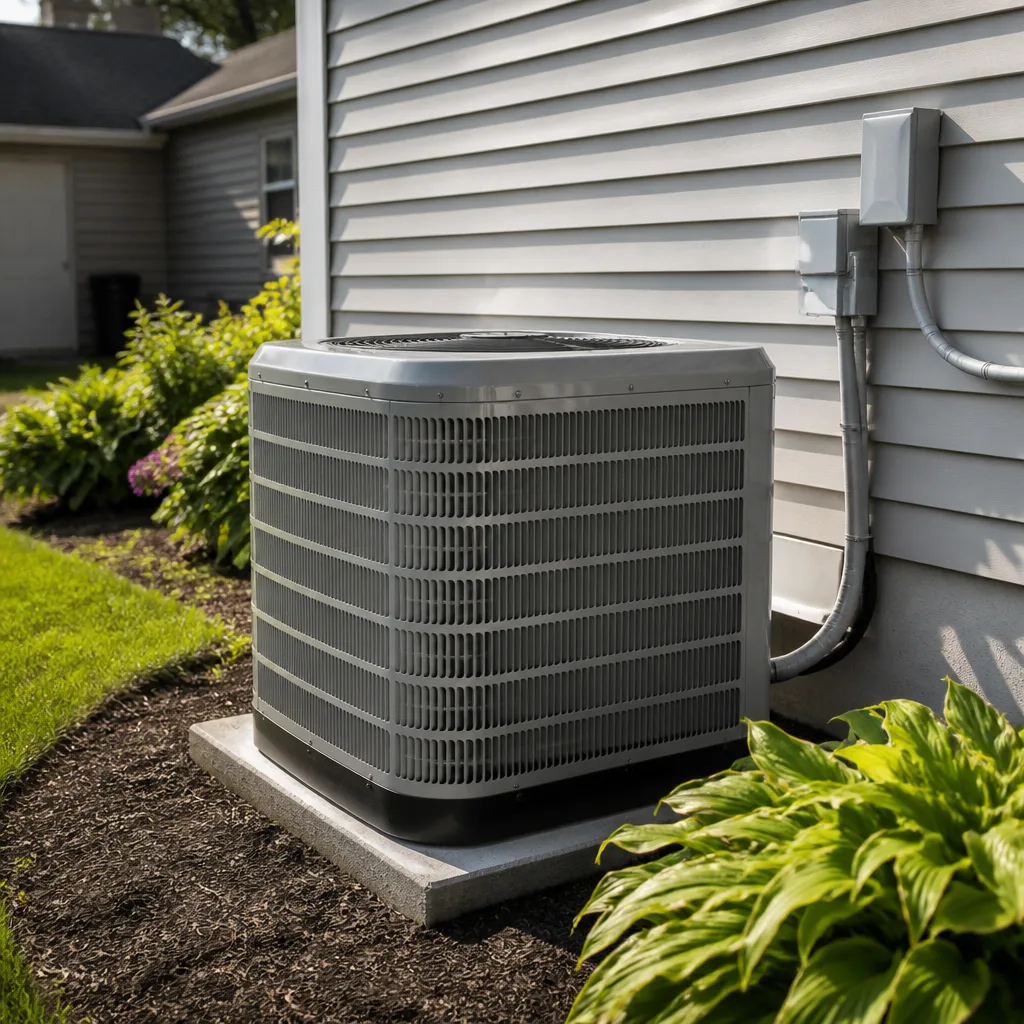
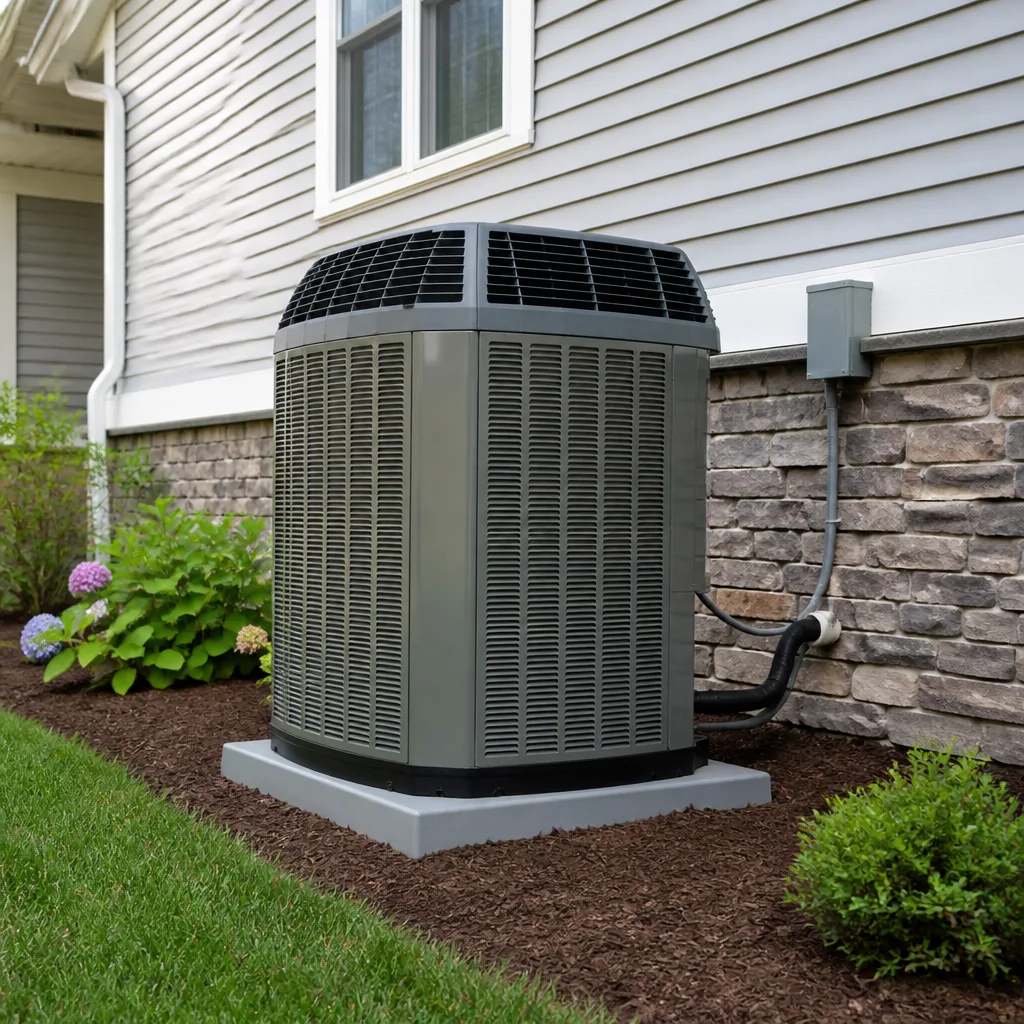
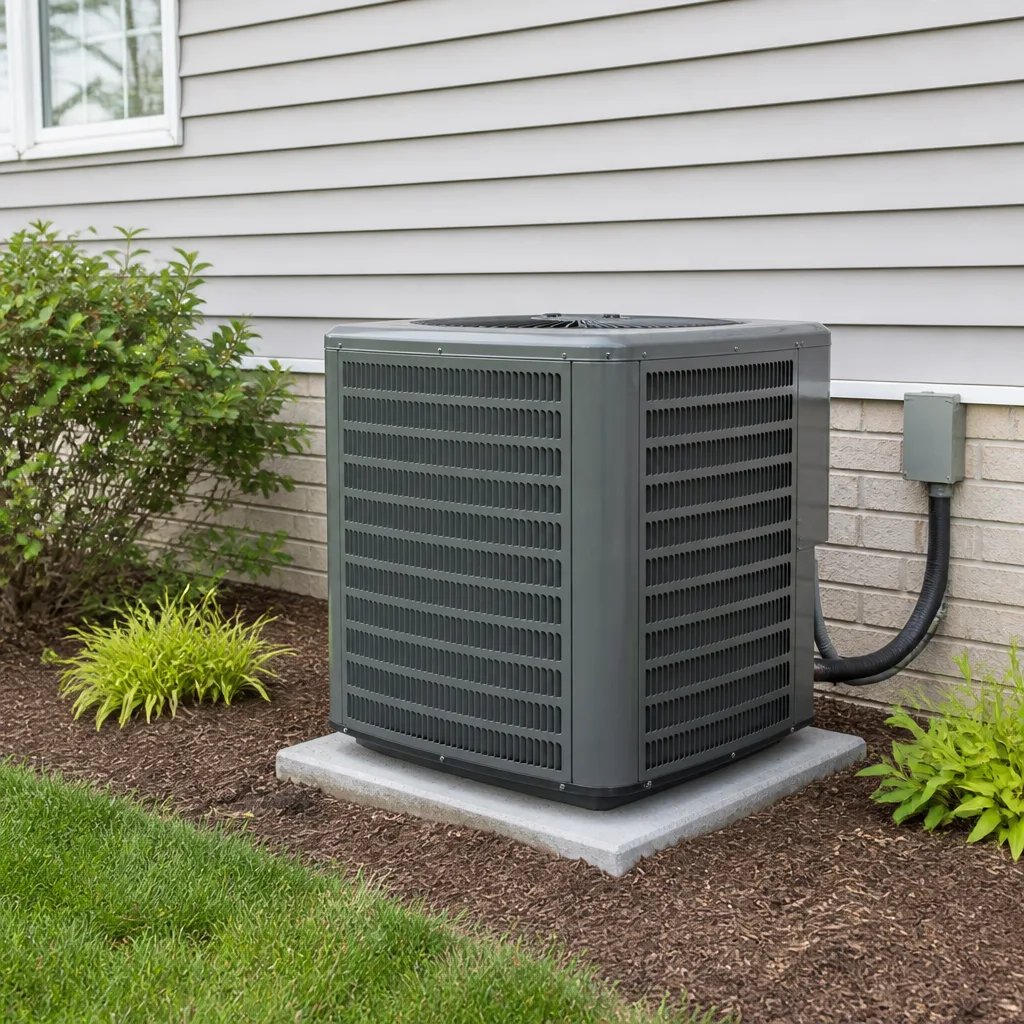
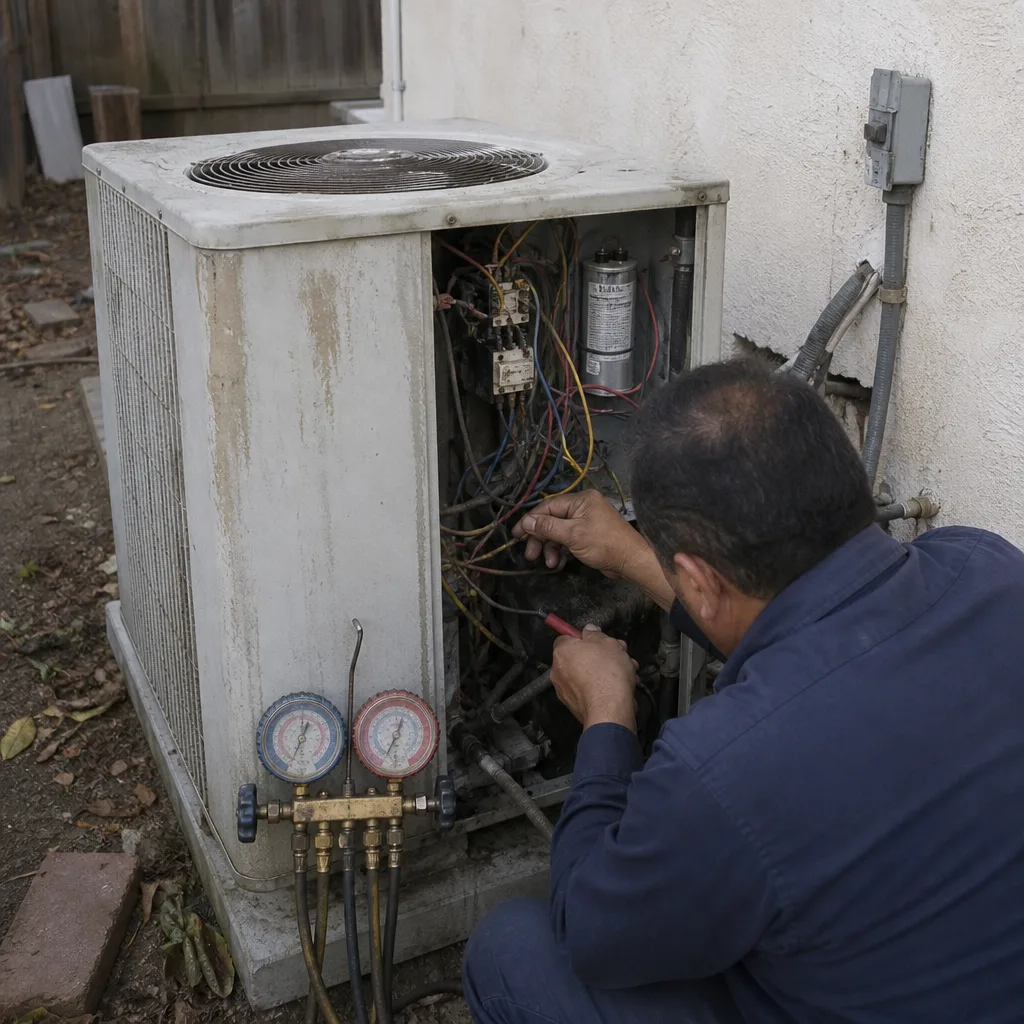 Before
 After
After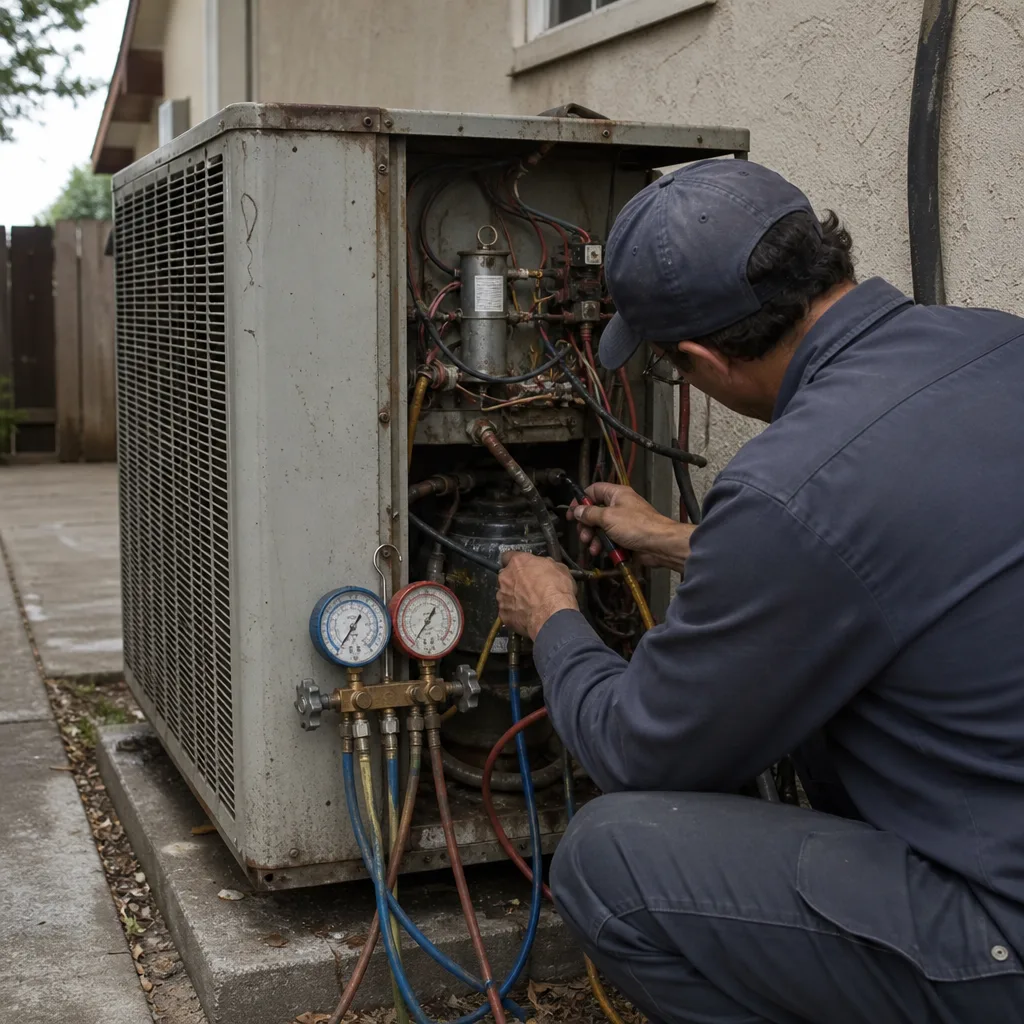 Before
 After
After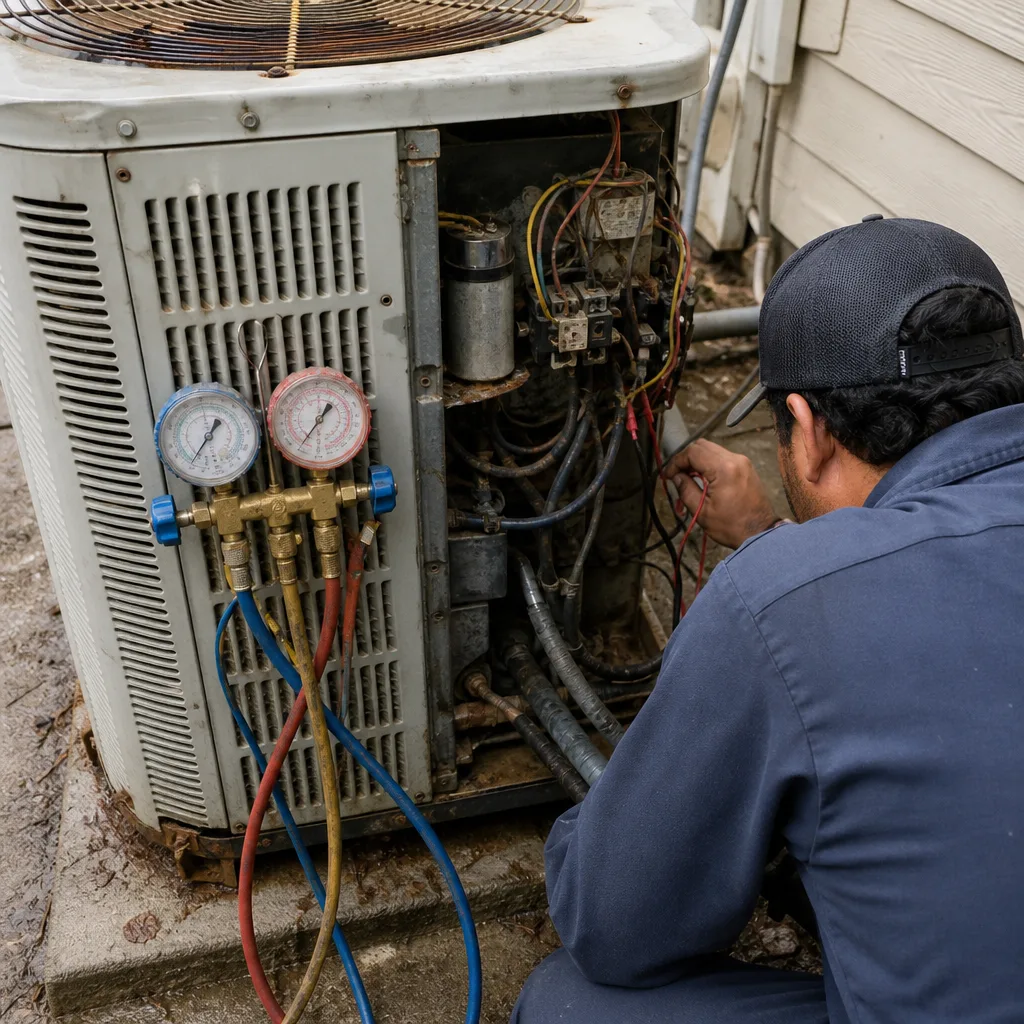 Before
 After
AfterFurnace Repair Maintenance Schedule: What to Do and When
The filter is the one furnace maintenance task every Los Angeles homeowner knows about, and it’s also the one most often done on the wrong schedule. A standard 1-inch filter in a typical LA home needs checking every 30 days during heating season, not every three months as most manufacturer labels suggest. Our dry, dusty climate loads filters faster than the national average, and a clogged filter is the single most common cause of the mid-winter no-heat calls we get. This guide lays out a month-by-month schedule calibrated for Southern California’s actual heating season, separates homeowner tasks from technician-only work, and explains what a real tune-up includes so you can spot a $49 special that’s really just a sales call. For professional help, see our Furnace Repair services.
Quick Answer
A furnace maintenance schedule that actually prevents breakdowns is built around three layers: monthly homeowner checks (filter, vents, thermostat batteries) from October through March, a professional fall tune-up in September or early October before the first cold snap, and a light spring shutdown inspection in April. The professional tune-up should include combustion analysis, heat exchanger inspection, flame sensor cleaning, and gas pressure testing, not just a filter swap and a visual once-over. In Los Angeles, the heating season runs roughly October through March, which means your maintenance calendar starts a full month before the first night you actually need heat.
Table of Contents
- Why Southern California’s Heating Season Changes the Schedule
- The Month-by-Month Furnace Maintenance Schedule
- Homeowner Tasks vs. Technician Tasks: Where the Line Is
- What a Professional Fall Tune-Up Should Include, Line by Line
- The First-Run-of-Season No-Start: What Happens When a Furnace Sits Idle
- The Maintenance Log Template Every Homeowner Should Keep
- Common Mistakes to Avoid
- When to Call a Professional
- Frequently Asked Questions
- The Bottom Line
Why Southern California’s Heating Season Changes the Schedule
Most furnace maintenance advice you’ll find online is written for Minnesota or Ohio, where the furnace runs from October through April and the filter loads with recirculated indoor air. Los Angeles is different. Our heating season is shorter, the air is dustier, and furnaces sit idle for six to seven months of the year. That idle period is when specific problems develop: igniters accumulate a fine coating of dust and oxidation, flame sensors build up a silica film that makes them read flame poorly, and condensate traps in high-efficiency furnaces dry out and crust over. A furnace in Los Angeles doesn’t fail because it was worked too hard. It fails because it sat too long and wasn’t restarted properly.
That’s why the schedule below starts in September, not November. The professional tune-up happens before the first real cold night, the monthly checks happen during the months the furnace actually runs, and the spring shutdown gives the system a clean, documented rest. The climate also means our furnaces tend to be smaller and run fewer hours per season, which extends their lifespan but also means neglect shows up differently: a 15-year-old furnace in LA might have fewer total run hours than a 5-year-old furnace in Chicago. That doesn’t mean it needs less attention. It means the attention needs to be timed differently.
The Month-by-Month Furnace Maintenance Schedule
Here’s the schedule we recommend to homeowners across Los Angeles, from the Valley to the Westside to the South Bay. It’s built around when the work actually matters, not a generic “annual tune-up” checkbox.
September: Schedule the Professional Fall Tune-Up
- Call and book a professional fall tune-up for late September or the first week of October. This gets you on the schedule before the first cold snap, when every HVAC company in LA gets slammed with no-heat calls.
- Walk around the house and clear any storage, boxes, or clutter from around the furnace closet or attic unit. The technician needs clear access to the full cabinet, not just the front panel.
- Test the thermostat in fan-only mode. If the blower runs, that confirms the low-voltage circuit and blower motor are at least functional before the heating season starts.
October: First Run Test and Filter Baseline
- After the tune-up, run the furnace for a full 30-minute cycle with the windows open to burn off any dust that settled in the heat exchanger during the idle months. A slight burning smell on the first run is normal and should clear within 30 minutes.
- Install a fresh filter and write the date on the frame with a permanent marker. This is your baseline. A 1-inch filter in Los Angeles should be checked every 30 days during heating season.
- Verify that all supply registers are open and at least 80% of return vents are unobstructed. A closed-off return starves the blower and shortens motor life.
November through February: Monthly Checks During Peak Heating Months
- Check the filter every 30 days. Hold it up to a light. If you can’t see light through it clearly, replace it. In LA, filters often need replacing every 30 to 45 days during heating season, especially if you have pets or live near a freeway or construction.
- Listen for new sounds. A hum that becomes a rattle, a squeal that appears only on startup, or a boom when the burners ignite are all early indicators of a repair need. Write down what you hear and when.
- Check the flame color through the burner sight glass (if your furnace has one). The flame should be steady and blue. Yellow or orange flickering means incomplete combustion and requires a technician’s attention.
- Watch for error codes. If your furnace displays a blinking LED or an error code on the thermostat, write down the code and the pattern before you reset anything. A code cleared without documentation is a diagnostic opportunity lost.
March: Late-Season Vigilance
March is when many Los Angeles homeowners switch their attention to air conditioning, but the furnace may still run on cooler nights. Keep the monthly checks going through the end of March. This is also the month to note any issues that showed up during the season, because they’ll guide the spring shutdown inspection. If the furnace struggled to ignite on cold mornings or cycled more frequently than usual, write that down now while it’s fresh. These can be early Furnace Repair Warning Signs Every Homeowner Should Know.
April: Spring Shutdown Inspection
- Run a final heating cycle and confirm the system reaches set temperature without unusual noise or odor.
- Replace the filter one last time so the furnace sits idle with a clean filter, not a loaded one.
- Turn the thermostat to “off” rather than “auto” if you want to fully shut the system down. If you leave it on “auto,” the blower may run periodically, which is fine but means the filter is still collecting some dust.
- Log the season’s service dates, filter changes, and any repair work in your maintenance log. This documentation matters for warranty claims and resale value.
May through August: The Idle Period
During these months, the furnace is off, but it’s not maintenance-free. Dust in Los Angeles doesn’t take the summer off. If your furnace is in a garage or attic, check the area around it once during the summer for dust accumulation, rodent activity, or water intrusion. A furnace that shares a garage with a car collects a lot of particulate, and that particulate will be inside the burner compartment when you start it up in October. A five-minute visual check in July can prevent a no-heat call in December.
Homeowner Tasks vs. Technician Tasks: Where the Line Is
There’s a clear line between what a homeowner should do and what a technician should handle, and crossing it in either direction causes problems. Homeowners who never check a filter are inviting a blower motor failure. Homeowners who try to clean a flame sensor themselves are inviting a service call that’s more expensive than the original repair would have been. Here’s the division.
Homeowner Territory: Monthly and Seasonal Checks
- Filter inspection and replacement. Every 30 days during heating season. This is the single highest-leverage maintenance task and it takes five minutes.
- Vent and register clearance. Make sure supplies and returns aren’t blocked by furniture, rugs, or storage. Airflow is a system-level issue, not a component-level one.
- Thermostat battery replacement. Once per season, ideally in September before the heating season starts. A dead thermostat battery is one of the most common causes of “furnace won’t turn on” calls that don’t actually involve the furnace.
- Visual flame check through the sight glass. Blue is good. Yellow or flickering is not. You’re observing, not adjusting.
- Listening for new sounds and documenting them. You’re collecting information a technician can use. You’re not diagnosing.
Technician Territory: Combustion, Gas, and Safety Systems
- Combustion analysis. This requires a calibrated analyzer that measures CO, CO2, and oxygen in the exhaust. A technician uses this to verify the gas valve is delivering the right fuel-air mixture. You cannot do this by eye.
- Heat exchanger inspection. A cracked heat exchanger can leak carbon monoxide into the home. Inspection requires opening the furnace cabinet and often removing the blower assembly to see the full exchanger. This is a safety-critical task.
- Gas pressure testing. Incoming and manifold gas pressures need to be measured at specific test ports with a manometer. Too high and the burners overheat. Too low and the flame is weak. Both shorten furnace life and create safety issues.
- Flame sensor cleaning and testing. The flame sensor is a small metal rod that sits in the burner flame and tells the control board that ignition actually happened. It develops a silica coating over time and needs to be cleaned with a non-abrasive pad and tested for microamp signal. This is a technician task.
- Igniter inspection and replacement. Hot surface igniters are fragile ceramic components that crack or develop hot spots. A technician checks resistance values and physical condition. Handling an igniter without training often results in a broken igniter.
The pattern: homeowner tasks are observation and basic upkeep. Technician tasks involve gas, electricity, combustion, or components that are fragile, calibrated, or safety-critical. If you’re not sure which category something falls into, call a professional and ask before touching anything.
What a Professional Fall Tune-Up Should Include, Line by Line
A real fall tune-up is a specific list of tasks, not a vibe. When we tune up a furnace in Los Angeles, here’s what we’re doing, in order, and why each step matters. This is also the list you can use to evaluate whether a $49 tune-up special is actually doing the work or just getting a salesperson in the door.
Step 1: System Startup and Baseline
The technician starts the furnace and lets it run while checking the thermostat call, the inducer motor, the igniter sequence, and the flame. They’re listening for the order of operations: inducer spins up, pressure switch closes, igniter glows, gas valve opens, flame proves, blower comes on. Any deviation from that sequence points to a specific component.
Step 2: Combustion Analysis
A calibrated analyzer samples the exhaust and measures oxygen, carbon monoxide, and flue temperature. This tells the technician whether the burners are running at the right fuel-air ratio. An analyzer reading is the difference between “the flame looks fine” and “the combustion numbers are within manufacturer spec.” This step is non-negotiable on gas furnaces.
Step 3: Heat Exchanger Inspection
The technician opens the cabinet and inspects the heat exchanger for cracks, corrosion, or soot patterns. On many furnaces, this requires removing the blower assembly to see the full exchanger from the inside. This is the step that catches the safety-critical issues. A cracked heat exchanger means the furnace gets shut down and red-tagged until it’s replaced.
Step 4: Flame Sensor Cleaning
The flame sensor gets removed, cleaned with a fine abrasive pad, and tested for microamp signal strength. A weak signal means the control board may shut the burners down mid-cycle as a safety precaution, which presents as a furnace that starts and then quits after a few minutes. This is the single most common cause of intermittent no-heat calls in Los Angeles.
Step 5: Gas Pressure Testing
The technician checks incoming gas pressure and manifold pressure at the test ports. This verifies the gas valve is delivering the right amount of fuel. High-efficiency furnaces from brands like Lennox, Goodman, and Rheem have specific manifold pressure specs that need to be verified against the rating plate, not guessed.
Step 6: Electrical and Safety Circuit Checks
Every safety switch gets tested: the door switch, the rollout switch, the high-limit switch, and the pressure switch. The technician checks capacitor values, blower amp draw, and wiring connections for tightness and heat damage. Loose connections cause intermittent failures that are hard to diagnose after the fact.
Step 7: Condensate System Service (High-Efficiency Furnaces Only)
If the furnace is a condensing unit (typically 90%+ AFUE), the technician checks the condensate trap, the drain line, and the condensate pump. In Los Angeles, these lines often sit dry for six months and develop blockages from mineral deposits. A blocked condensate line on a high-efficiency furnace triggers a pressure switch fault and a no-heat call.
Step 8: Filter and Airflow Verification
The technician checks the filter, measures static pressure across the blower, and verifies that airflow matches the furnace’s requirements. A furnace with poor airflow runs hot, short-cycles, and fails early. This is also the step where the technician should tell you what filter schedule makes sense for your home specifically.
A tune-up that skips any of these steps is not a tune-up. It’s a visual inspection with a filter change. We hear from Los Angeles homeowners regularly who paid for a “21-point inspection” that turned out to be a 15-minute sales visit. The way to protect yourself is to ask what’s included before you book, and to expect the full list above.
The First-Run-of-Season No-Start: What Happens When a Furnace Sits Idle
The most common furnace repair call we get in Los Angeles happens in the first two weeks of cold weather, and it always sounds the same: the furnace worked fine last winter, and now it won’t start at all or it starts and shuts off after a few minutes. For step-by-step diagnostics, see our Furnace Repair Troubleshooting: Common Problems and How to Fix Them. The root cause is almost always the idle period, not a sudden component failure. Here’s what happens when a furnace sits unused for six or seven months.
The flame sensor builds up a silica film. During operation, the burner flame deposits microscopic silica on the sensor rod. When the furnace runs regularly, the heat partially burns this coating off. When it sits idle, the coating hardens and insulates the sensor. The control board can’t prove the flame is lit, so it shuts the gas valve as a safety measure. The furnace tries again, fails again, and eventually locks out. The fix is simple: a technician cleans the sensor with an abrasive pad and tests the microamp signal. It takes 20 minutes and is covered by any legitimate tune-up.
The igniter cracks or fails. Hot surface igniters are made of silicon carbide or nitride, and they’re fragile. Thermal cycling over years creates micro-fractures, and the first cold-start after a long idle is when those fractures give out. A technician can test igniter resistance and replace the part before it fails, which is exactly what the fall tune-up is designed to catch.
The pressure switch sticks or the condensate line blocks. On high-efficiency furnaces, the pressure switch verifies that the inducer motor is pulling combustion air and pushing exhaust correctly. A small amount of corrosion on the switch contacts, or a blocked condensate line, produces a false negative. The switch thinks something is wrong, and the furnace won’t fire. This is a classic “worked in March, won’t start in November” scenario.
The blower motor bearings stiffen. Motors that sit for months can develop flat spots on bearings, and the first startup draws higher amperage than normal. A capacitor that was marginal last season now can’t start the blower, and the furnace overheats on startup or won’t distribute heat at all.
None of these failures are sudden. They’re all latent conditions that develop during the idle period and get exposed on the first cold night. That’s why the fall tune-up happens in September or early October, before the first cold snap. It catches the conditions while they’re still inexpensive to address.
The Maintenance Log Template Every Homeowner Should Keep
A maintenance log turns your furnace’s history into a document you can actually use. When a technician shows up to diagnose a problem, a log that shows filter changes, service dates, and error codes gets to the diagnosis faster. When you sell the home, a log demonstrates that the HVAC system was maintained. When you file a warranty claim, the log is supporting documentation. Here’s a simple format that takes 30 seconds per entry.
The Log Format
- Date – when the event happened
- Type – filter change, professional service, observed issue, thermostat battery
- Detail – what was done or what you observed
- Cost – for professional service or parts
- Next Action – when the next filter check or service is due
Example Entry
January 15, 2027 | Filter change | 1-inch MERV 8 filter replaced, was visibly gray after 32 days | $12 | Check again February 15
November 3, 2027 | Professional service | Fall tune-up completed by Dalton Heating & Air, flame sensor cleaned, combustion analysis within spec | $129 | Next tune-up September 2028
December 5, 2027 | Observed issue | Furnace started and stopped twice before staying lit, error code 31 noted on control board | $0 | Called Dalton Heating & Air, technician scheduled
Keep the log in a notes app on your phone, in a notebook near the furnace, or in a spreadsheet. The format matters less than the discipline. A furnace that’s been consistently maintained tells a different story than one that’s been neglected, and the log is how that story gets told.
Common Mistakes to Avoid
- Trusting the filter manufacturer’s “every 90 days” label. That number assumes average national conditions. Los Angeles dust, pet dander, and freeway proximity load filters faster. Check every 30 days during heating season and replace when light can’t pass through clearly.
- Skipping the fall tune-up because the furnace “worked fine last year.” The conditions that cause first-run failures develop during the idle period, not while the furnace is running. A furnace that worked fine in March can absolutely fail in November because of a flame sensor that crusted over in July.
- Cleaning the flame sensor yourself. The sensor is easy to reach, which tempts homeowners to DIY it. It’s also easy to bend, crack, or clean with the wrong abrasive, which turns a $20 service task into a $200 repair. This is technician territory.
- Running the furnace with a clogged filter because “it’s still heating.” The furnace heats, but it runs hotter and longer than it should. That extra heat stress on the heat exchanger is what causes cracks, which become carbon monoxide risks. The filter is cheap. The heat exchanger is not.
- Closing registers in unused rooms to save energy. Residential furnaces are designed for a specific airflow volume. Closing registers increases static pressure, makes the blower work harder, and can cause the furnace to overheat and short-cycle. Leave the registers open.
- Resetting the breaker without documenting an error code. If your furnace shows a diagnostic code before it locks out, that code tells the technician exactly where to look. Write it down before you reset anything. A cleared code is a lost clue.
- Booking a $49 tune-up without asking what’s included. A tune-up that’s really a sales visit costs you more in the long run, either through missed problems or through the component you’re pressured to replace. Ask for the line-by-line task list before you book.
When to Call a Professional
Call a professional when the furnace shows any of these patterns: it won’t start and shows a diagnostic code, it starts and shuts off repeatedly before staying lit, you smell gas or see a yellow flickering flame, the blower makes a new grinding or squealing sound, or the furnace runs but the house doesn’t warm up. Gas furnaces involve combustion, electrical circuits, and safety switches that are designed to shut the system down when something is wrong, and overriding or ignoring a safety lockout is how problems become dangerous. If the issue involves the gas valve, the heat exchanger, the igniter, or the control board, that’s a trained technician’s work. Dalton Heating & Air offers free estimates in Los Angeles – call (361) 306-9515 and a real person answers, 24 hours a day.
Frequently Asked Questions
Check it every 30 days during heating season, which runs roughly October through March in Los Angeles, and replace it when you can’t see light through it clearly. Most LA homes need a new 1-inch filter every 30 to 45 days during the heating months, especially homes with pets, older ductwork, or freeway proximity. Between April and September the filter loads slower, but a check every 60 days is reasonable. Call (361) 306-9515 if you want a specific recommendation for your home’s system and filter setup.
A legitimate professional fall tune-up in Los Angeles typically runs $100 to $200, depending on the furnace type and the company. A high-efficiency condensing furnace costs slightly more to service because of the condensate system. Be suspicious of tune-ups priced under $75, because the economics don’t support the full task list, which means it’s either a sales call in disguise or a visual inspection with a filter change. Dalton Heating & Air gives you a written price before any work starts, on every job, without exception.
Skipping the tune-up on a new furnace usually voids the manufacturer’s warranty, which requires documented annual professional maintenance. Beyond the warranty issue, new furnaces have the same flame sensor and igniter components that develop idle-period problems, and a new furnace with a failed igniter is still a no-heat call on a cold night. The tune-up protects the warranty and catches the early component issues.
If the furnace is under 15 years old and the repair is less than half the cost of a replacement, repair is usually the right call in Los Angeles, where furnaces run fewer annual hours than in colder climates. If the heat exchanger is cracked, the repair cost is high enough that replacement often makes more sense, especially if the furnace is over 12 years old. A technician who can show you the cracked exchanger and explain the safety implications is giving you real information; a technician who recommends replacement without showing you why is selling. Dalton Heating & Air services nine major brands, including Lennox, Goodman, Rheem, and York, and we’ll show you the problem in writing before you decide anything.
A burning smell on the first run of the season is usually dust on the heat exchanger burning off, and it clears within 30 minutes of operation. If the smell persists beyond an hour, smells like plastic or melting wire, or is accompanied by a visible haze, shut the furnace off and call a technician. A persistent burning smell is not normal and can indicate an overheating blower motor, a failing capacitor, or insulation in contact with a hot surface.
Yes. A carbon monoxide detector is required safety equipment in any home with a gas furnace, regardless of how well the system is maintained. Place detectors in hallways outside sleeping areas and test them monthly during heating season. A cracked heat exchanger can leak carbon monoxide even when a furnace appears to be running normally, which is exactly why the heat exchanger inspection is part of every professional tune-up.
The Bottom Line
A furnace maintenance schedule only works when it’s timed to your actual heating season and split between what you handle and what a technician handles. In Los Angeles, that means a professional tune-up in September, monthly filter and system checks from October through March, and a documented spring shutdown in April. The tune-up needs to include combustion analysis, heat exchanger inspection, flame sensor cleaning, and gas pressure testing, or it’s not a tune-up. The homeowner’s job is observation and basic upkeep: filters, vents, thermostat batteries, and a written log of everything. The technician’s job is combustion, gas, and safety systems. Get those two right, and a furnace in Los Angeles can run reliably for 15 to 20 years without a mid-winter failure. For more guides & resources, visit our blog.
If you’re in the Los Angeles area and want a fall tune-up done by a crew that shows up on time and puts the price in writing before any work starts, call Dalton Heating & Air at (361) 306-9515. We’re a Garrison Partners company held to The Garrison Standard since 2003: arrive inside the stated window, price in writing before starting, do the job by the book, leave the site clean, and stand behind the work for a full year. Our Dalton Heating & Air home page has our full service area, and we handle Furnace Repair in Los Angeles, AC Repair in Los Angeles, and Heat Pump Installation in Los Angeles with the same standard on every call. The estimate is free, and a real person answers the phone 24/7.
Written by Marco Benitez, Owner at Dalton Heating & Air, serving Los Angeles since 2003.