
Last updated October 9, 2026
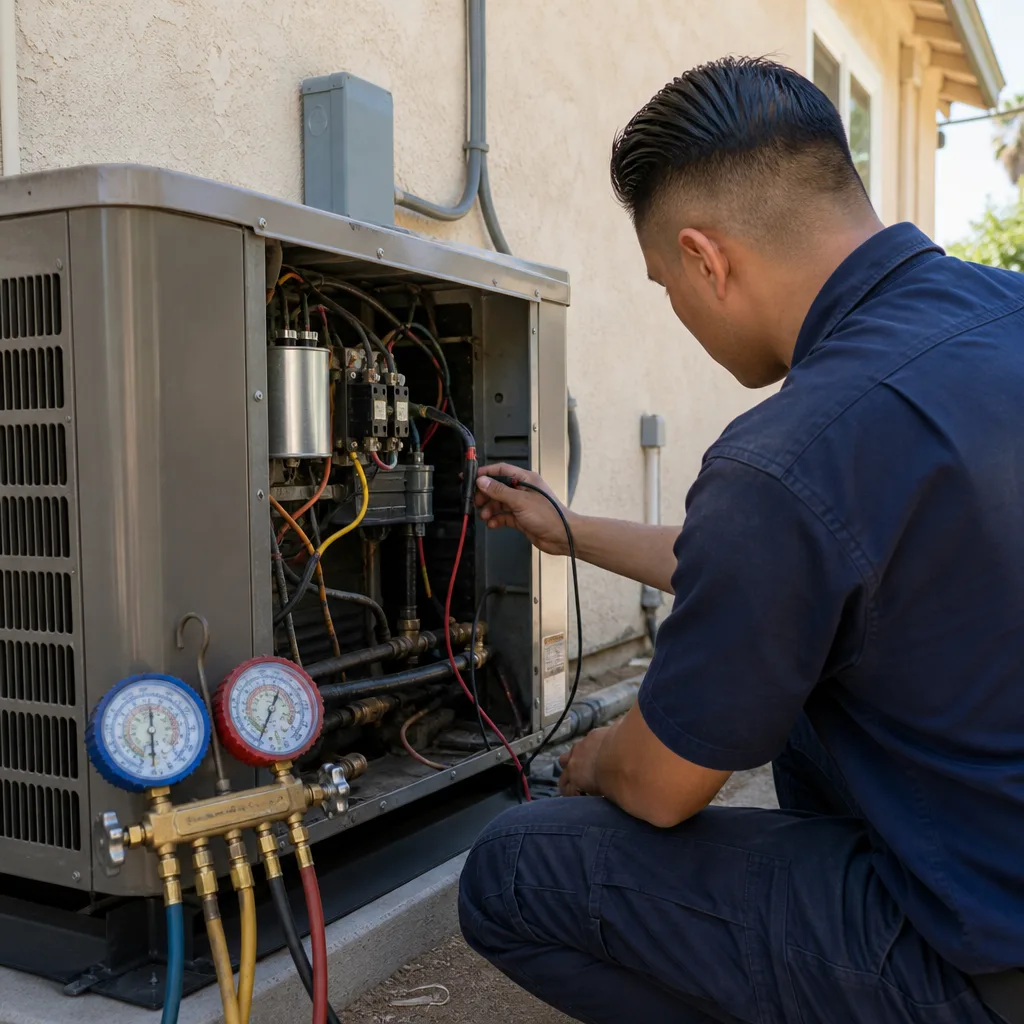
Seasonal tune-up and full diagnostic on your Carrier, Trane, or Goodman system - readings shown to you before any repair is proposed
Diagnosis first, numbers second - you approve the repair price before a single part goes in.
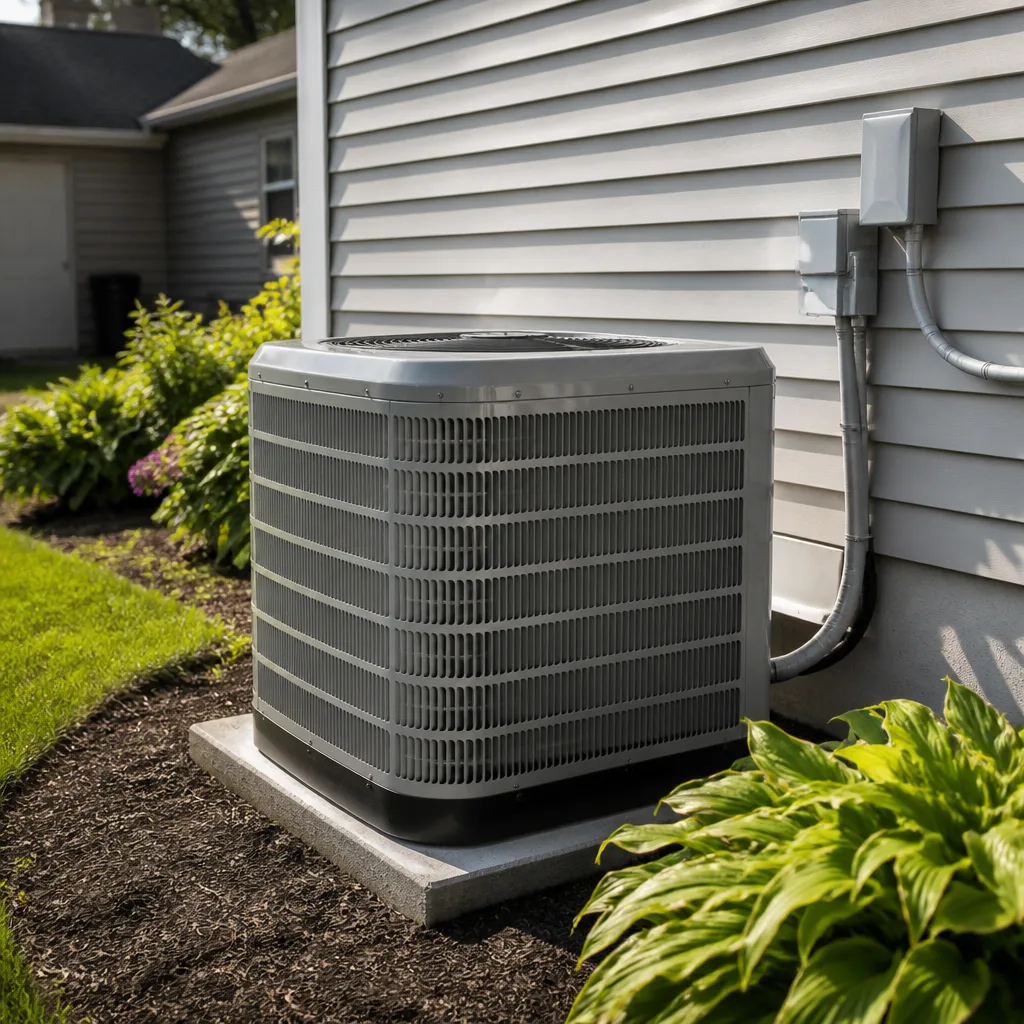
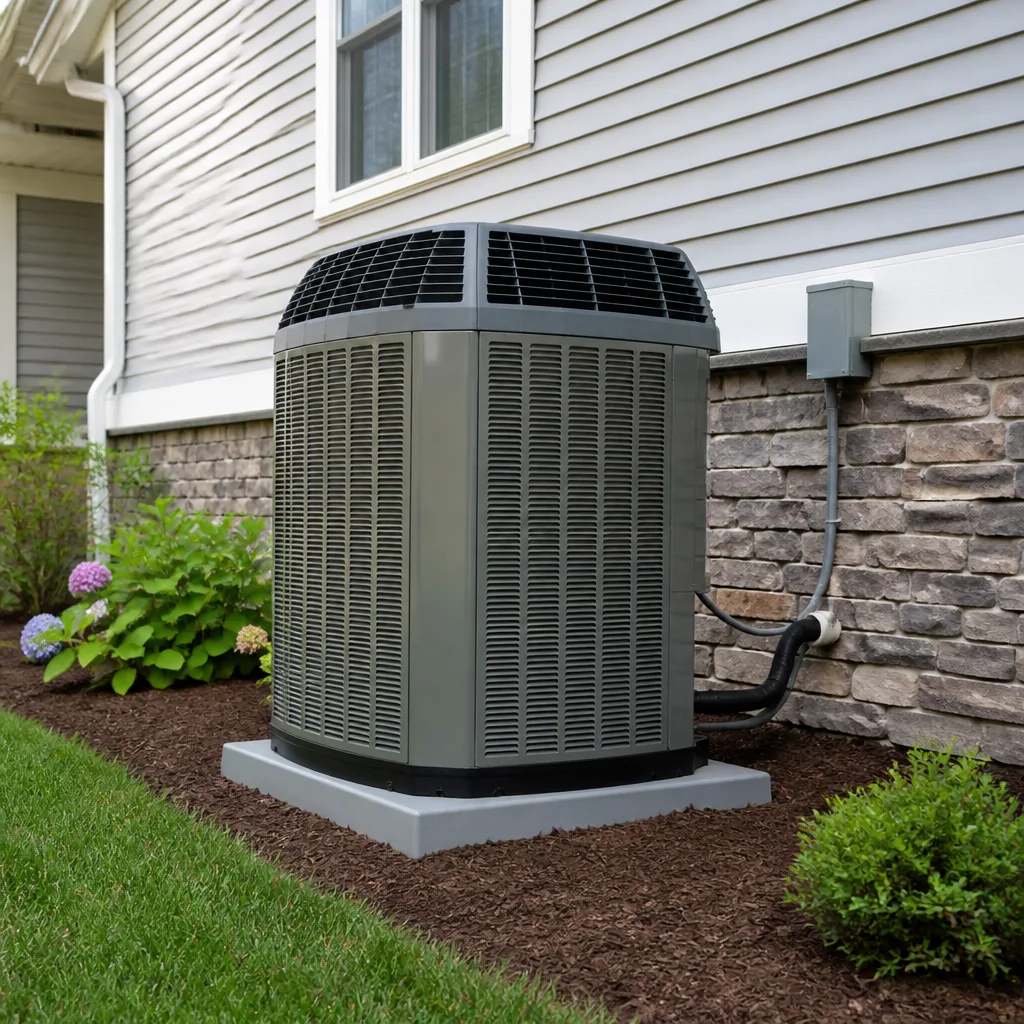
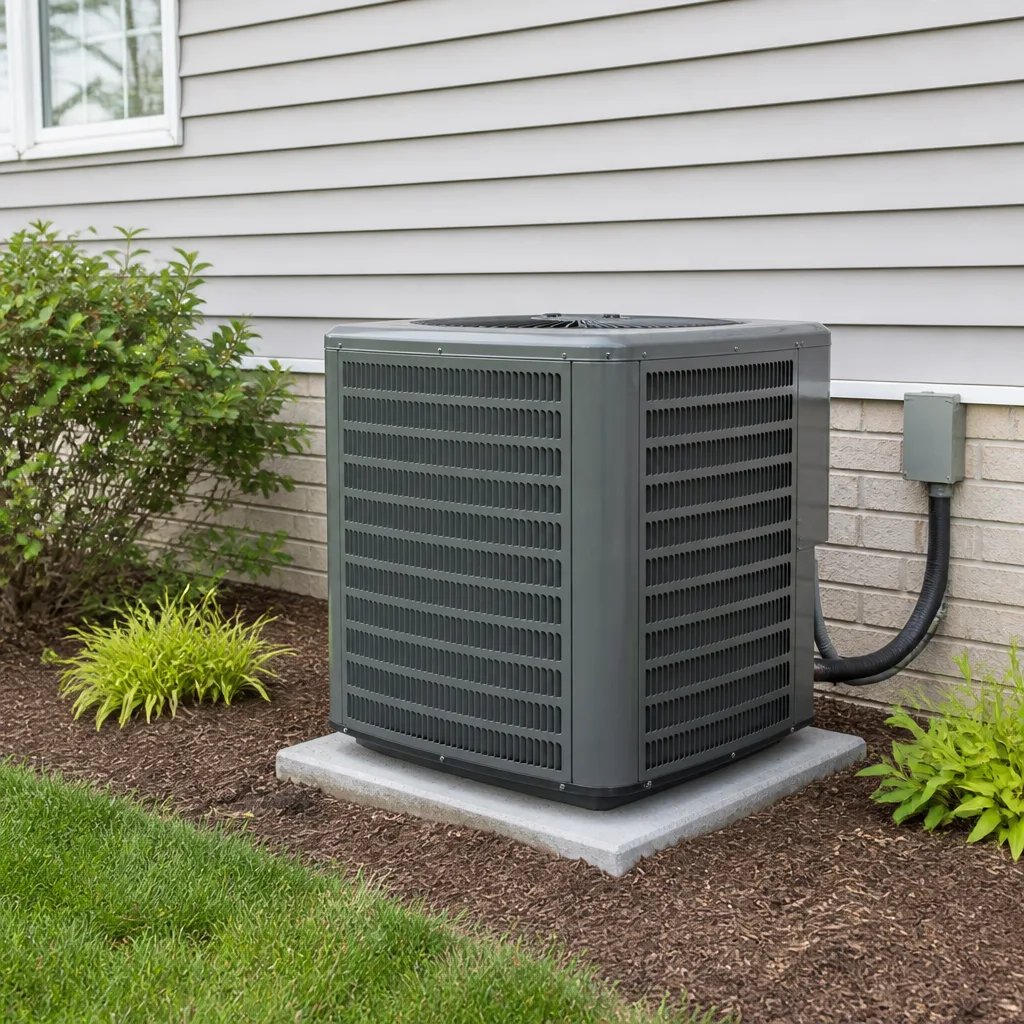
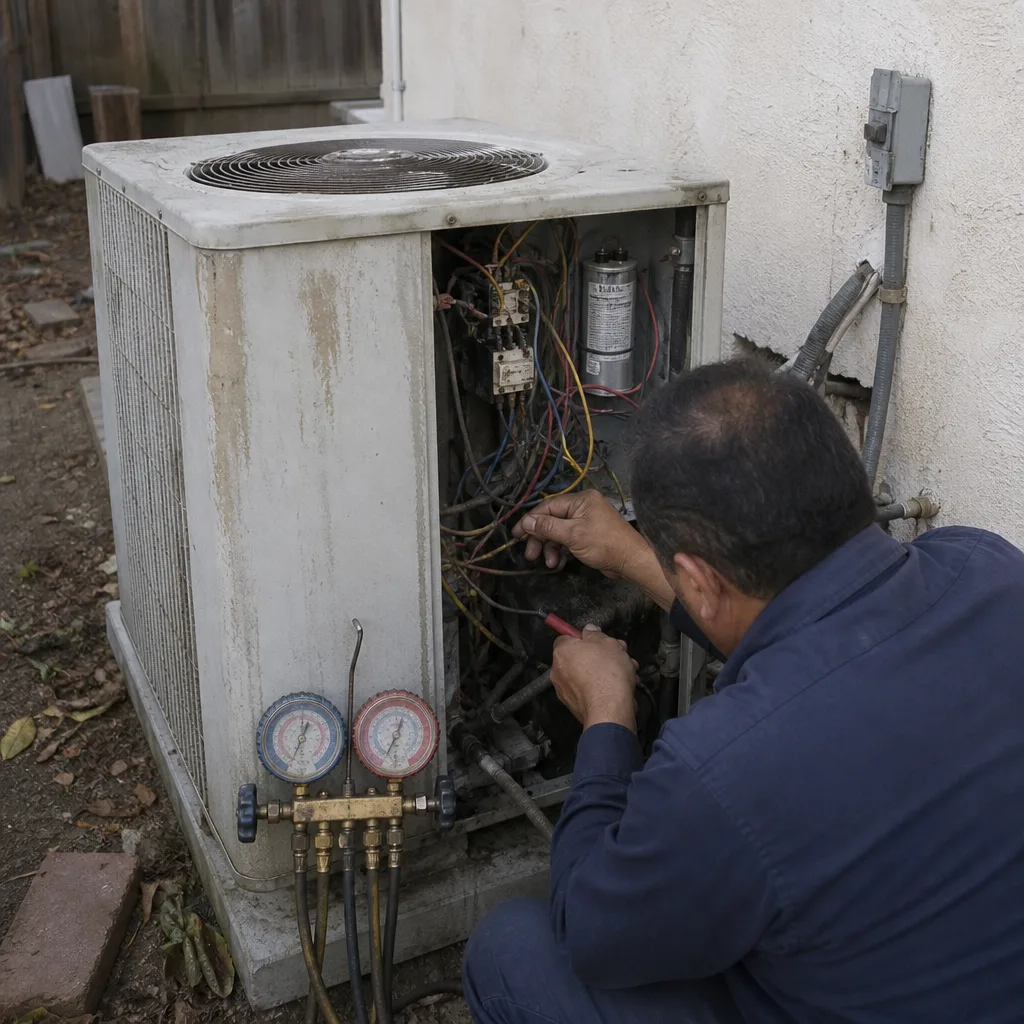 Before
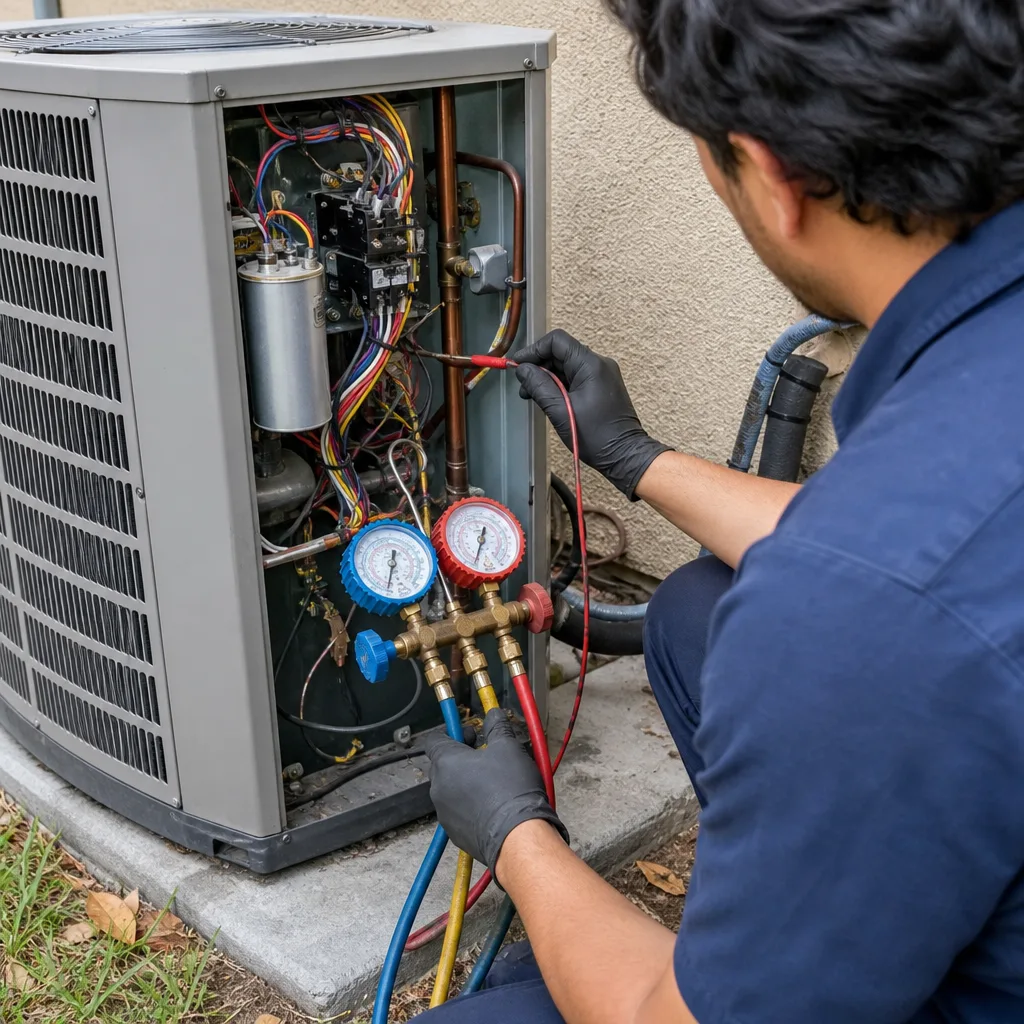 After
After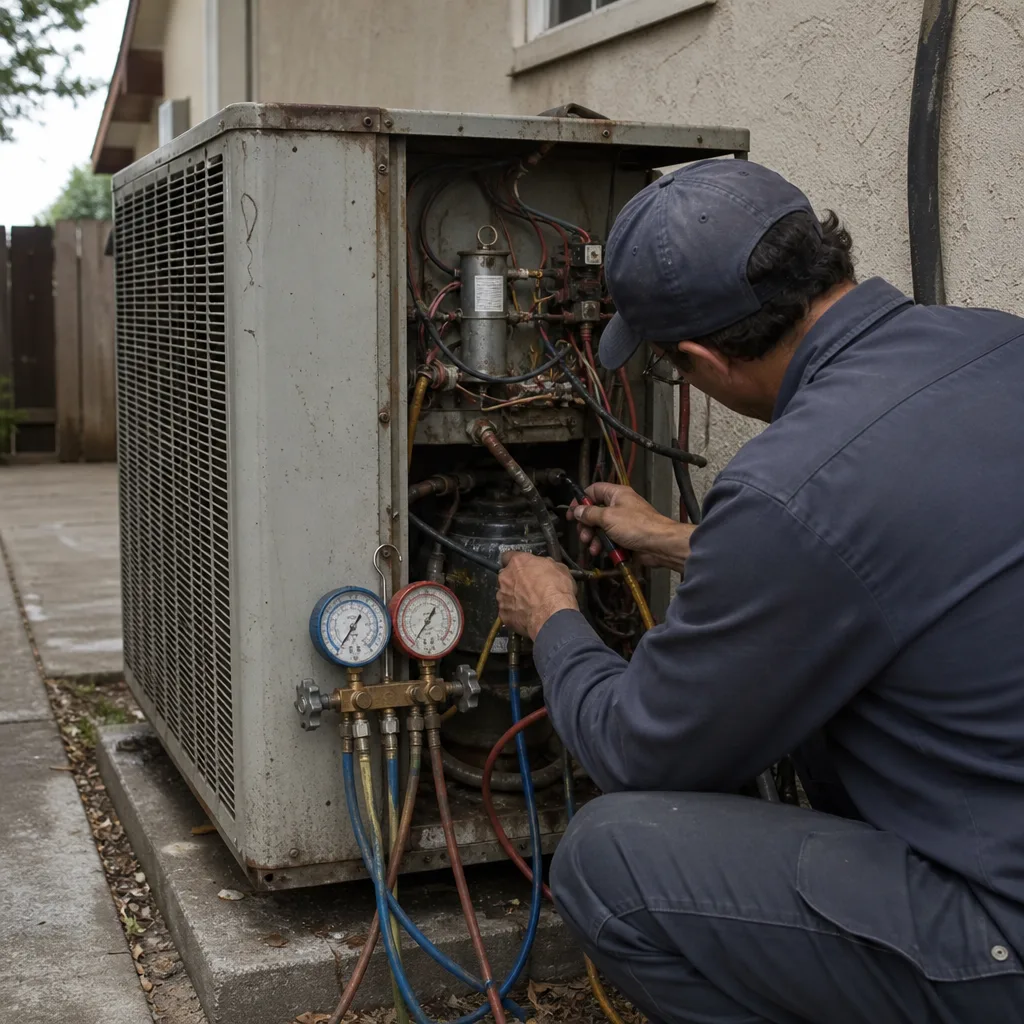 Before
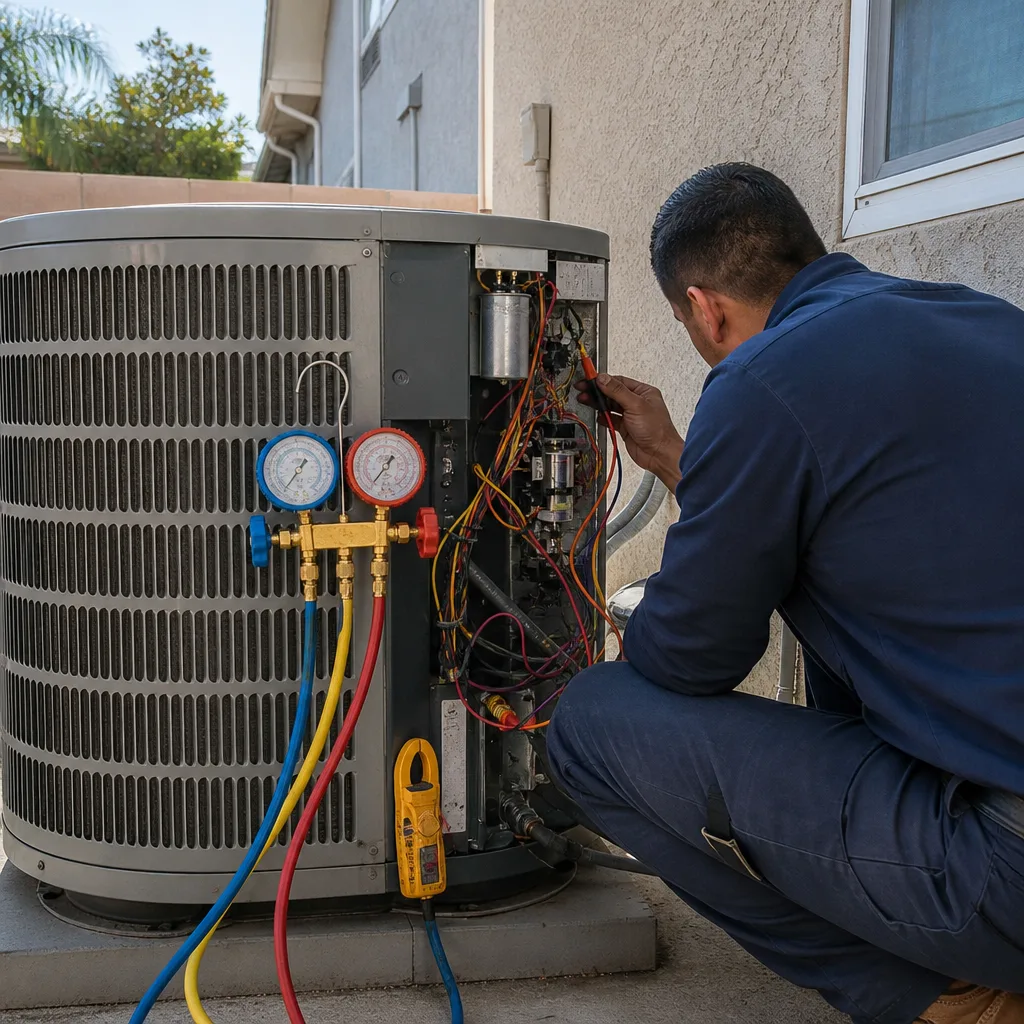 After
After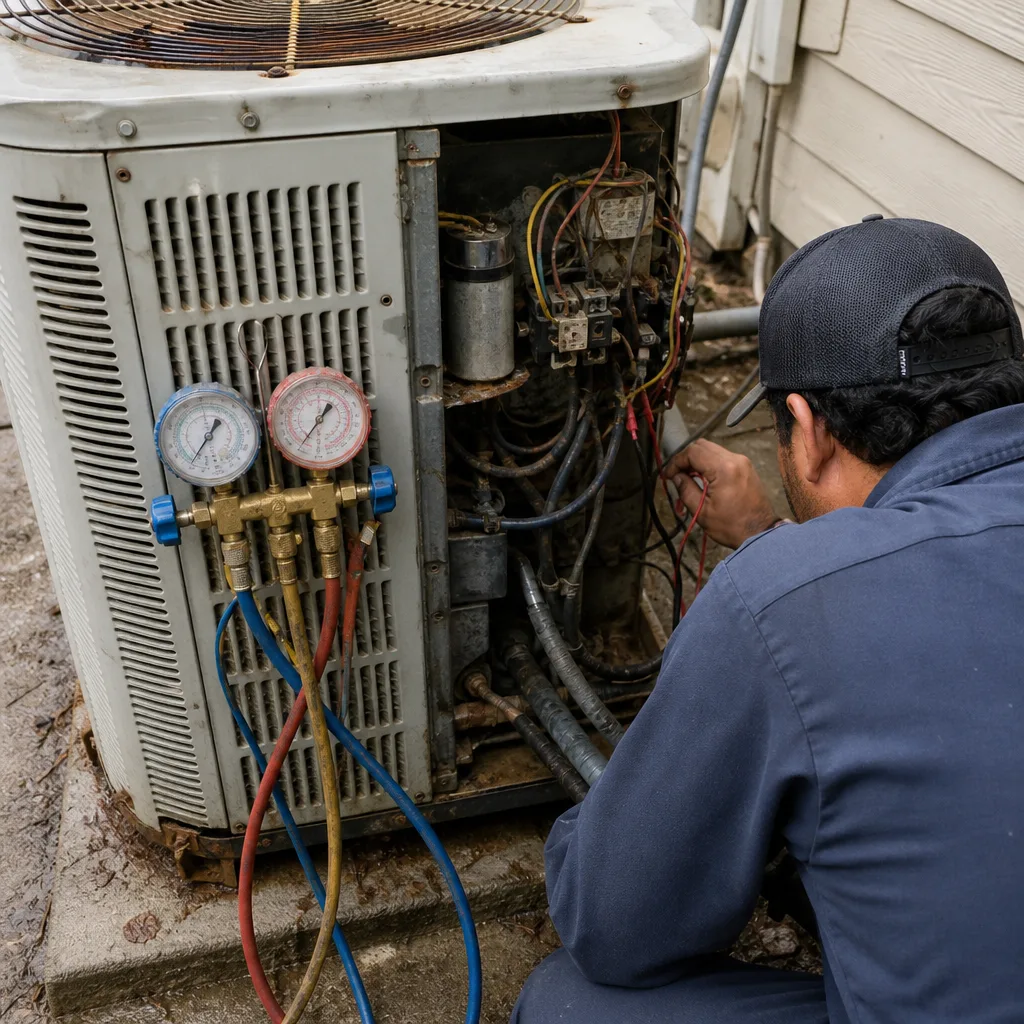 Before
 After
AfterHow Long Does Heat Pump Installation Take? Timelines and What to Expect
Most quotes promise a “one-day install,” but Los Angeles permit processing alone can add 5 – 15 business days before a technician ever touches your equipment – a fact most contractors mention only after you’ve signed. The physical installation of a heat pump usually takes 4 to 8 hours for a straightforward replacement. What stretches the timeline is everything around it: permits, equipment delivery, possible electrical work, and the final inspection. This guide maps the full timeline from first phone call to first confirmed heating cycle so nothing comes as a surprise.
Quick Answer
Our Heat Pump Installation services in Los Angeles typically take 1 to 3 weeks from signed contract to completed job. The physical installation day itself is usually 4 to 8 hours for a like-for-like replacement, but permit approval (5 – 15 business days with LADBS), equipment delivery (2 – 10 days), and final inspection (1 – 5 days) stretch the total timeline. Homes needing electrical panel upgrades or duct modifications can add another 1 to 2 weeks.
Table of Contents
- Phase 1: Site Assessment and Sizing (1 – 2 Days)
- Phase 2: Permits – The Los Angeles Wildcard (5 – 15 Business Days)
- Phase 3: Equipment Delivery and Lead Times (2 – 10 Days)
- Phase 4: The Installation Day – Hour by Hour (4 – 8 Hours)
- Phase 5: Final Inspection and Closeout (1 – 5 Days)
- Variables That Stretch the Timeline
- What a Rushed Install Looks Like vs. a Properly Closed-Out Job
- Common Mistakes to Avoid
- When to Call a Professional
- Frequently Asked Questions
- The Bottom Line
Phase 1: Site Assessment and Sizing (1 – 2 Days)
Before anyone installs anything, a technician has to see your home. In Los Angeles, this visit typically takes 60 to 90 minutes. We measure square footage, check existing ductwork, inspect the electrical panel, and evaluate where the outdoor unit will sit. This is also when we calculate the correct system size – measured in tons for cooling capacity and BTUs for heating – because an oversized heat pump short-cycles and an undersized one never keeps up.
What happens during this phase:
- Manual J load calculation – the industry-standard method for sizing equipment to your exact home, not a rule-of-thumb guess
- Electrical panel inspection to confirm you have a 240V circuit available (most modern Los Angeles homes do; older ones in neighborhoods like Highland Park or West Adams sometimes don’t)
- Ductwork inspection – looking for leaks, undersized runs, or sections that need sealing
- Placement discussion – where the outdoor unit goes, how far the line set runs, and whether noise matters to you or your neighbors
The assessment itself adds almost no time to the project. But if the technician finds issues – a panel that is maxed out, ducts that need work, asbestos wrap that requires abatement – each one adds days or weeks. At Dalton Heating & Air home services, we put the findings in writing and give you a fixed price before any work starts. No surprises at the door.
Phase 2: Permits – The Los Angeles Wildcard (5 – 15 Business Days)
Los Angeles requires a mechanical permit for heat pump installation, and the Los Angeles Department of Building and Safety (LADBS) processes most residential mechanical permit applications in 5 to 15 business days. That is the single biggest variable most contractors gloss over when they promise a fast install. The permit itself is not the holdup – it’s the queue.
Here is how the permit timeline actually works in Los Angeles:
- Contractor submits the permit application to LADBS, typically online through the e-Permit system
- LADBS reviews the application – simple mechanical permits often clear in 5 to 7 business days, but anything flagged for plan review takes longer
- Permit is issued and the fee is paid
- Work can now legally begin – the permit must be posted on-site during installation
- After installation, the contractor schedules a final inspection (covered in Phase 5)
Some contractors tell homeowners “we’ll start now and get the permit later.” That is a red flag. Unpermitted work in Los Angeles can come back to bite you when you sell the house. Title companies and home inspectors look for unpermitted HVAC work, and retroactive permits cost more in fees and frustration than waiting the extra week. The Garrison Standard means we pull the permit before we pull a single wire.
Phase 3: Equipment Delivery and Lead Times (2 – 10 Days)
Once the permit is in process, the equipment has to arrive. For common heat pump models from Bryant or Carrier, Los Angeles distributors usually have stock on hand and delivery takes 2 to 4 days. For higher-efficiency units, specific tonnage sizes, or models from Trane or American Standard that are backordered during peak season (summer in Los Angeles), delivery can stretch to 10 days or more.
What determines equipment lead time:
- Whether the unit is a common size (2 – 4 ton) or a less common one (5 ton and up)
- SEER2 rating – the newest high-efficiency units sometimes have longer distributor wait times
- Seasonal demand – summer heat waves spike AC and heat pump orders across Los Angeles County
- Brand distribution networks – some brands simply have deeper local inventory than others
This is why we quote realistic timelines during the site assessment rather than promising next-week installs that fall apart. If your chosen unit is sitting in a local warehouse, you’ll know. If it needs to be ordered, you’ll know that too – in writing, before you commit. That’s the kind of clarity that separates a disciplined shop from a crew that strings you along.
Phase 4: The Installation Day – Hour by Hour (4 – 8 Hours)
For a standard like-for-like heat pump replacement, the physical installation day in Los Angeles usually runs 4 to 8 hours. Here is what actually consumes that time – and it is a lot more than “hooking things up.”
- Setup and protection (30 – 45 minutes): Technicians lay down floor protection, set up tools, and remove the old indoor air handler and outdoor condenser unit.
- Line set work (1 – 2 hours): The refrigerant line set – the copper tubing that carries cooling fluid between the indoor and outdoor units – must be properly sized, flushed, and sometimes replaced. Reusing an old line set on a new system is a shortcut that risks contamination and premature compressor failure.
- Electrical work (30 minutes – 2 hours): If your panel already has a dedicated 240V circuit with the correct amperage, this is quick. If the breaker needs upsizing or a new disconnect box is required, this stretches.
- Indoor unit mounting and coil placement (1 – 1.5 hours): The air handler or coil gets mounted, the condensate drain line gets connected and sloped correctly, and the duct connections get sealed.
- Thermostat wiring (30 – 60 minutes): Heat pumps need specific thermostat wiring for auxiliary heat and defrost cycle control. A wrong connection here means the system runs but does not heat or cool correctly.
- Evacuation and refrigerant charge (1 – 1.5 hours): The system gets vacuumed down to remove moisture, then charged with the manufacturer’s specified refrigerant amount. This step cannot be rushed – moisture in the line set is a silent system killer.
- Commissioning and testing (30 – 45 minutes): The system is started up, checked for proper airflow, temperature differential, and refrigerant pressures. The team confirms both heating and cooling modes work.
If the job is a full system changeout – new indoor and outdoor units, new line set, possibly new thermostat – the 4 to 8 hour window holds. If it is a first-time install in a home that never had a heat pump, adding a condensate drain path or running new electrical lines can push installation into a second day. Los Angeles homes built before 1960 in neighborhoods like Echo Park or Leimert Park sometimes need more electrical work than the original panel can handle, and that is not a corner anyone should cut.
For context on what else goes into getting a heat pump installed properly in Los Angeles, see our guide on Heat Pump Installation in Los Angeles.
Phase 5: Final Inspection and Closeout (1 – 5 Days)
After installation day, the LADBS inspector needs to sign off. Your contractor schedules the inspection, and in Los Angeles the wait is typically 1 to 5 business days depending on inspector availability in your district. The inspector checks that the equipment matches the permit, the electrical connections are to code, and the unit is properly secured and clearanced.
What homeowners should have in hand at job completion:
- Written test results: Airflow measurements, temperature differential readings, and refrigerant pressure numbers. If the contractor will not put these in writing, ask why.
- Permit sign-off: The final inspection approval from LADBS, not just the initial permit pull.
- Thermostat walkthrough: A hands-on demo of how to set schedules, switch modes, and what the auxiliary heat indicator means.
- Warranty start date: The exact day your manufacturer warranty and any labor warranty begins.
- A copy of the contract and all written guarantees: At Dalton Heating & Air, every installation includes a written guarantee. If it is not in writing, it does not exist.
The inspection is not a formality. Failing inspection means the contractor has to return to fix whatever the inspector flags – and if that contractor has already been paid in full and moved on, you are the one chasing them. A company that stands behind the work shows up for the inspection, walks it with the inspector, and fixes any punch-list items without charging you more.
Variables That Stretch the Timeline
If everything above sounds like one to three weeks, you have the right picture. But some Los Angeles homes have conditions that stretch that window further. Here is what actually adds days or weeks:
- No dedicated 240V circuit: Older homes in Los Angeles sometimes have full panels or no available double-pole breaker slot. Adding a subpanel or upgrading the main panel is its own permit and its own 1 to 2 week timeline.
- Duct modifications: If the existing ductwork is undersized for the new system, leaking badly, or not present at all in some rooms, duct work adds 1 to 3 days of labor plus possibly a separate sheet metal trade.
- Asbestos wrap on old ducts: Homes built before 1980 in Los Angeles sometimes have asbestos tape on duct joints. Removal requires a licensed abatement contractor and adds 3 to 7 days.
- Non-stock equipment: Choosing an unusual tonnage, a specific high-efficiency model, or a less common brand can add 5 to 10 days of distributor lead time.
- HOA or condo association approval: Some Los Angeles condo buildings and HOAs require their own approval before exterior equipment changes. That can add a week or more, and it is on the homeowner to coordinate.
- Late-season demand: A July heat wave in Los Angeles puts every HVAC contractor at capacity. Getting on the schedule can take 5 to 10 business days just for the site assessment.
None of these are reasons to skip steps. A company that tells you “we’ll handle the panel ourselves” without an electrical permit is not doing you a favor. The Garrison Code is clear: do the job by the book. That means the right permits, the right trades, and the right order of operations.
What a Rushed Install Looks Like vs. a Properly Closed-Out Job
Homeowners in Los Angeles have seen both ends of this spectrum, and the differences are visible if you know what to look for.
A rushed, same-day install that skips inspection:
- Technician arrives in the morning, is gone by early afternoon
- No permit is posted on-site, or the contractor says “we’ll file it after”
- The line set from the old system is reused without flushing
- The refrigerant charge is “close enough” rather than measured to manufacturer spec
- You get no written test results, no commissioning report, just a verbal “it’s working”
- No final inspection ever gets scheduled – the contractor got paid and disappeared
- Three months later the system is short-cycling, the compressor is failing, and the phone number goes to voicemail
A properly closed-out job:
- Permit is posted during installation and the final inspection is on the calendar before the crew leaves
- The line set is replaced or properly flushed and pressure-tested
- Refrigerant is weighed in to the exact ounce specified by the manufacturer
- You receive a written commissioning report with actual airflow and temperature measurements
- The thermostat is programmed and you are walked through every mode
- The final inspection passes, and you get the sign-off paperwork
- The warranty start date is in writing, along with the labor guarantee
The difference is not always visible on installation day. It shows up in year three, when a properly installed system is still running quietly and a rushed one is on its second compressor. That is why we include a 365-Day Done Right Promise on every installation – if it is not done right, we make it right. That’s a full year of coverage, not a 30-day window.
Common Mistakes to Avoid
- Not asking about permits upfront. If the contractor says permits are optional, walk away. Los Angeles requires them, and unpermitted work becomes your problem when you sell.
- Choosing equipment based on price alone. A cheaper unit with a poor local distributor support network can mean waiting 3 weeks for a warranty part during a Los Angeles cold snap. Ask where parts come from and how fast they arrive.
- Reusing an old line set without asking. Some contractors do this to save time. It risks introducing old refrigerant oil and contaminants into a new system. Ask whether the line set will be replaced or properly flushed, and get it in writing.
- Paying in full before final inspection. A reasonable deposit is standard. Full payment before the LADBS inspector signs off removes your leverage if something fails inspection.
- Skipping the commissioning report. If you do not have written airflow and refrigerant pressure numbers, you do not know whether the system was actually set up correctly. “It blows cold air” is not a commissioning report.
- Not confirming the panel situation during the site assessment. A replacement heat pump needs a dedicated circuit. If your panel is full, that is a separate permit and a separate timeline. Confirm this before you sign so the schedule does not shift mid-project.
- Ignoring the warranty start date. Manufacturer warranties start at installation, not at your first service call. Get the exact date in writing so you know when coverage actually ends.
When to Call a Professional
Heat pump installation is not a DIY project, and it is not a job for a handyman with a truck. Refrigerant handling requires EPA certification. Electrical connections require a permit and a licensed electrician or a contractor working under the correct license. A wrong refrigerant charge can destroy a compressor in a single season, and a miswired thermostat can leave you without heat on the coldest Los Angeles night of the year. If your home needs panel work, duct modifications, or a first-time heat pump install, get a trained contractor who pulls permits and stands behind the work. Furnace Repair in Los Angeles and heat pump work both demand the same discipline: written pricing, proper permits, and a real guarantee. Dalton Heating & Air offers free estimates in Los Angeles – call (361) 306-9515.
Frequently Asked Questions
A straightforward like-for-like heat pump replacement takes 4 to 8 hours on installation day. That includes removing the old equipment, installing the new indoor and outdoor units, connecting the refrigerant line set, wiring the thermostat, evacuating and charging the system, and running a full commissioning test.
The difference is usually permits, equipment availability, and the condition of the existing electrical and ductwork, as detailed in our HVAC Cost Breakdown: The Los Angeles Homeowner’s Reference for 2026. LADBS permit processing alone runs 5 – 15 business days. If your home needs a panel upgrade or duct modifications, that’s additional trade work on its own schedule. A contractor promising 3 days from contract to completion is either skipping permits or skipping steps.
Yes. Los Angeles requires a mechanical permit for heat pump installation, and the work must pass a final LADBS inspection. Unpermitted HVAC work can complicate a future home sale and may violate your homeowners insurance terms.
In most Los Angeles homes, yes – if the ducts are in good condition, properly sealed, and correctly sized for the new system. If the ducts are leaking or undersized, you’ll lose efficiency and comfort until they’re addressed. A site assessment should include a duct inspection before you commit.
At minimum: a written commissioning report with airflow and refrigerant measurements, LADBS final inspection sign-off, a thermostat walkthrough, the warranty start date in writing, and a copy of your written labor guarantee. If any of these are missing, ask for them before making final payment.
Yes. We pull the LADBS permit before installation begins, schedule the final inspection after the work is complete, and walk the inspection with the inspector. Every installation includes a written price before any work starts and a 365-Day Done Right Promise. Call (361) 306-9515 for a free estimate.
The Bottom Line
Heat pump installation in Los Angeles is a one-day physical job wrapped in a one-to-three-week project. Permits take the longest, equipment availability runs second, and the installation day itself is the most visible but least variable part of the process. The homes that run into trouble are the ones where a contractor skimped on the site assessment, skipped the permit, or reused old components to save an afternoon. The homes that sail through are the ones where every phase was planned, priced, and documented before the first tool came off the truck. That’s the standard we hold to on every job in Los Angeles. For AC Repair in Los Angeles or heat pump installation, call (361) 306-9515 for a free estimate.
Written by Marco Benitez, Owner at Dalton Heating & Air, serving Los Angeles since 2003.