
Last updated October 9, 2026
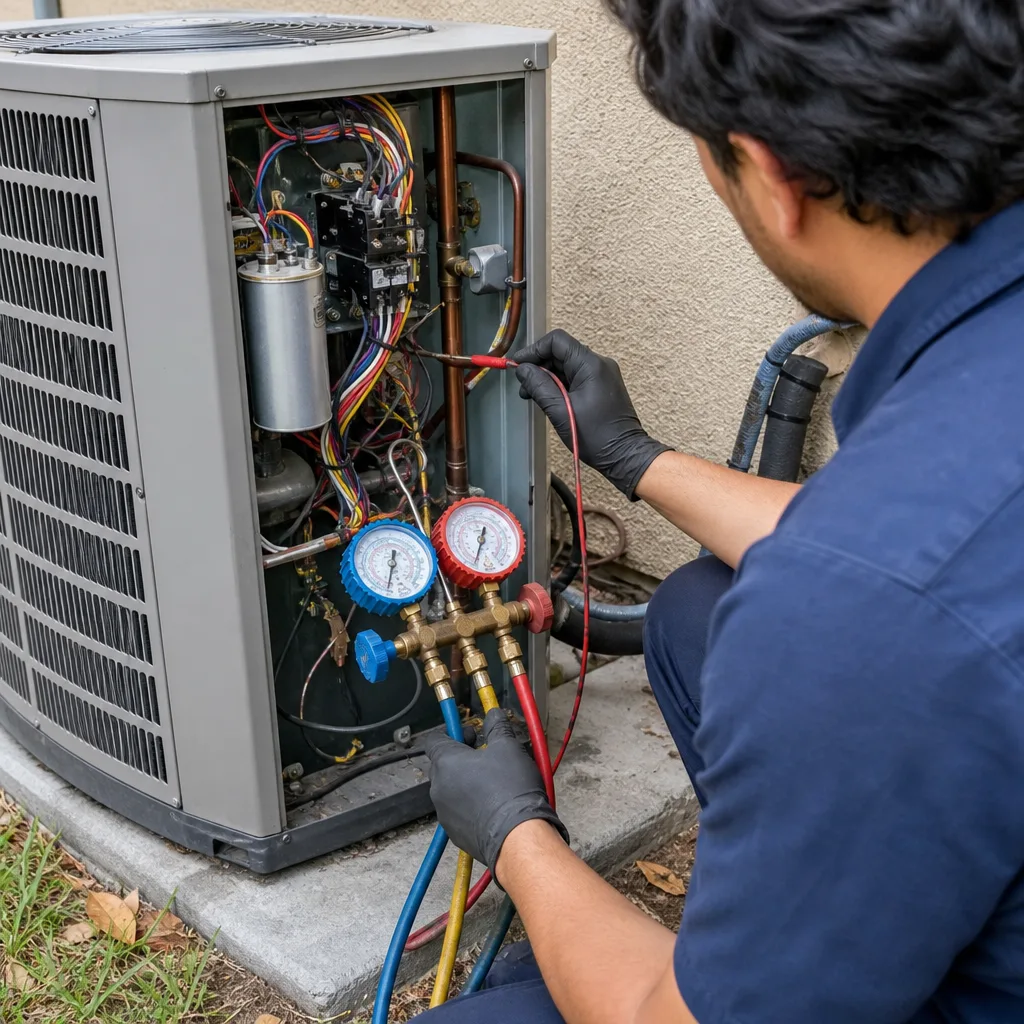
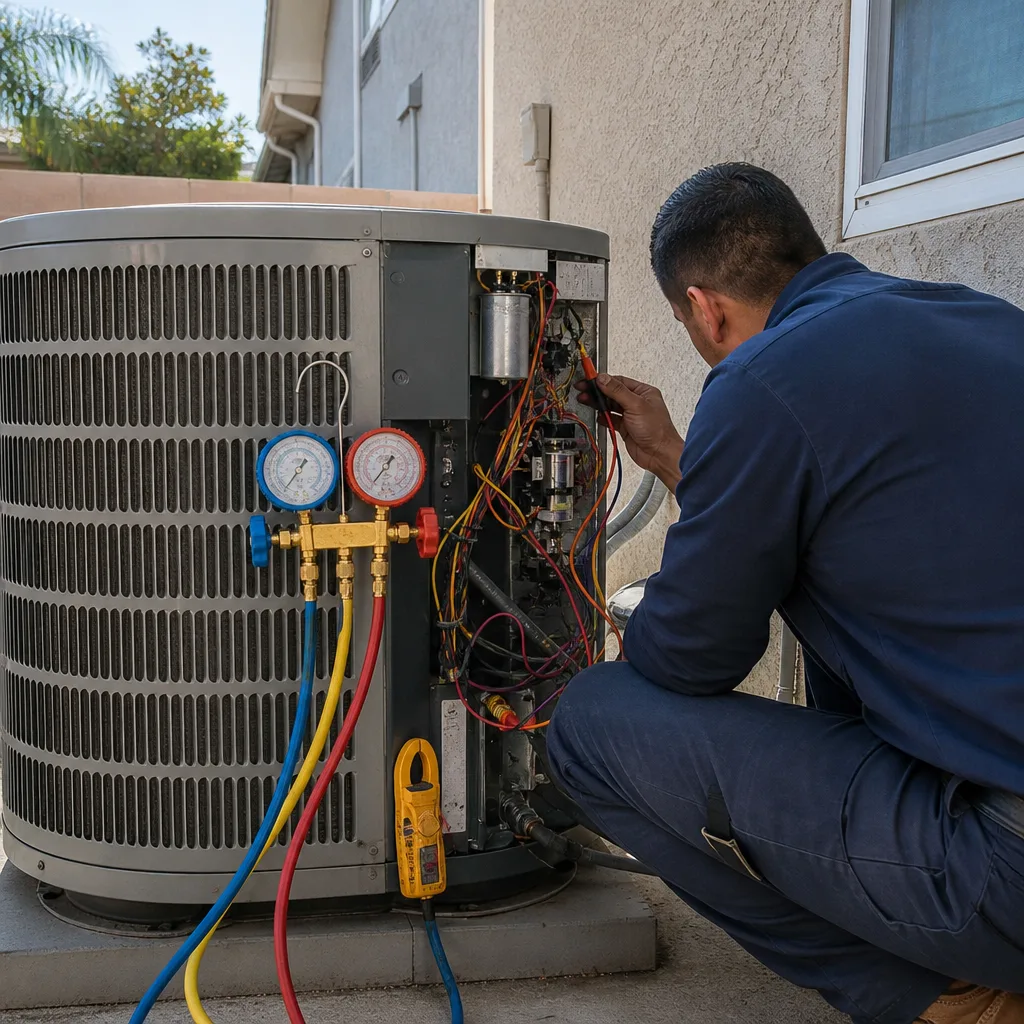
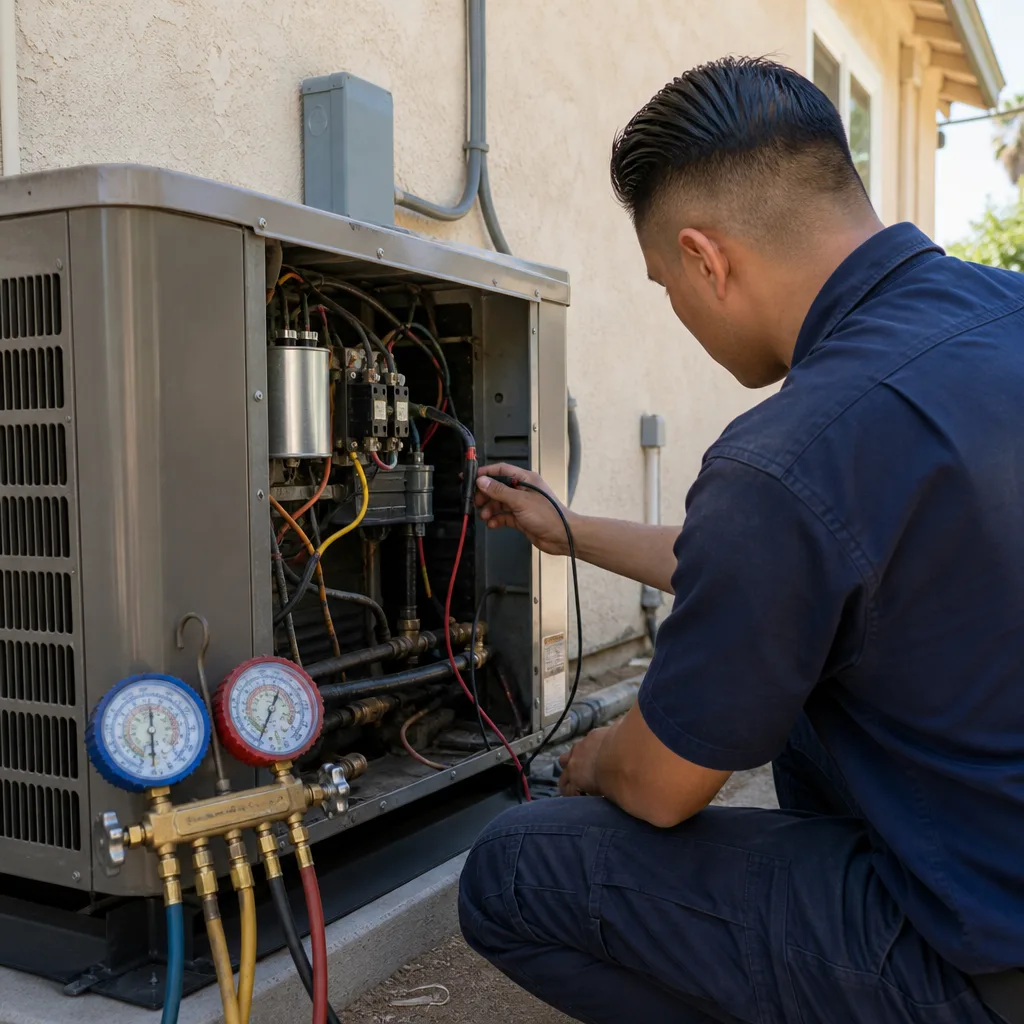
Seasonal tune-up and full diagnostic on your Carrier, Trane, or Goodman system - readings shown to you before any repair is proposed
Diagnosis first, numbers second - you approve the repair price before a single part goes in.
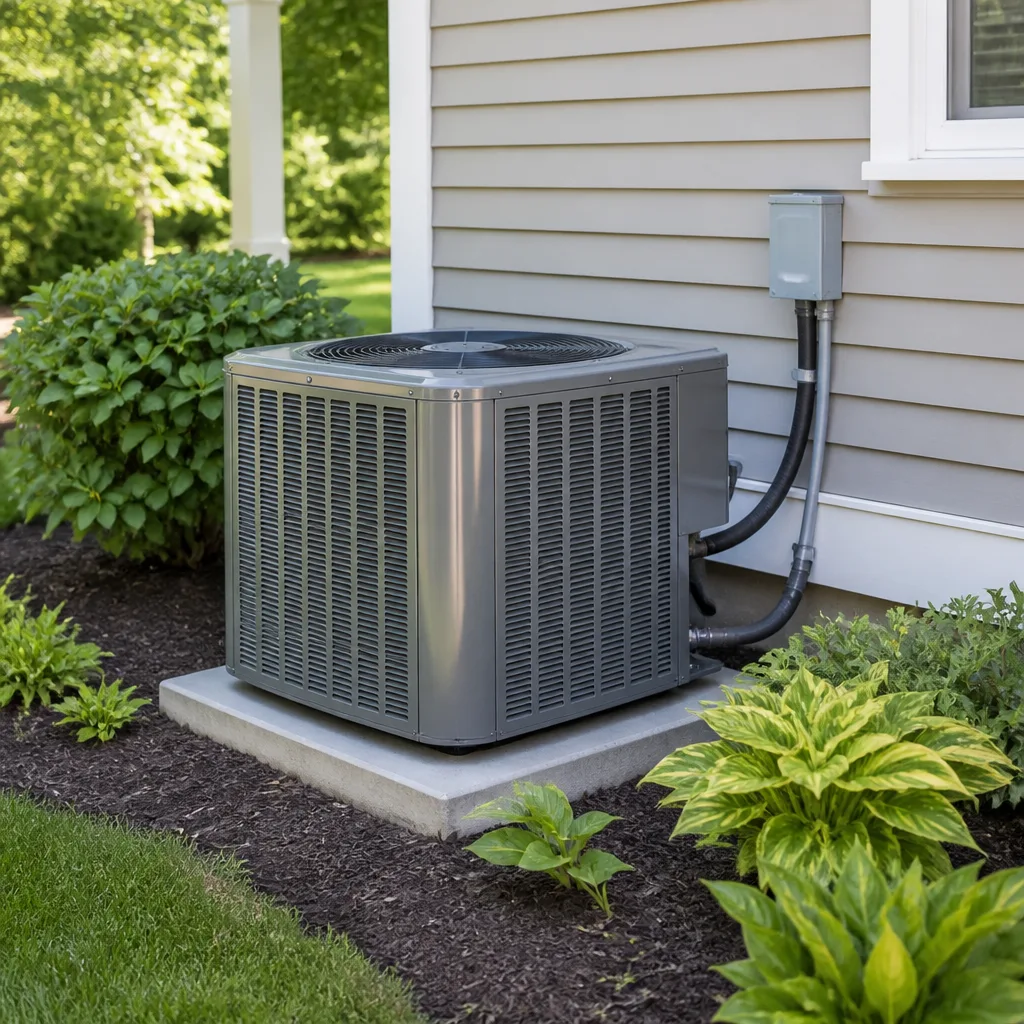
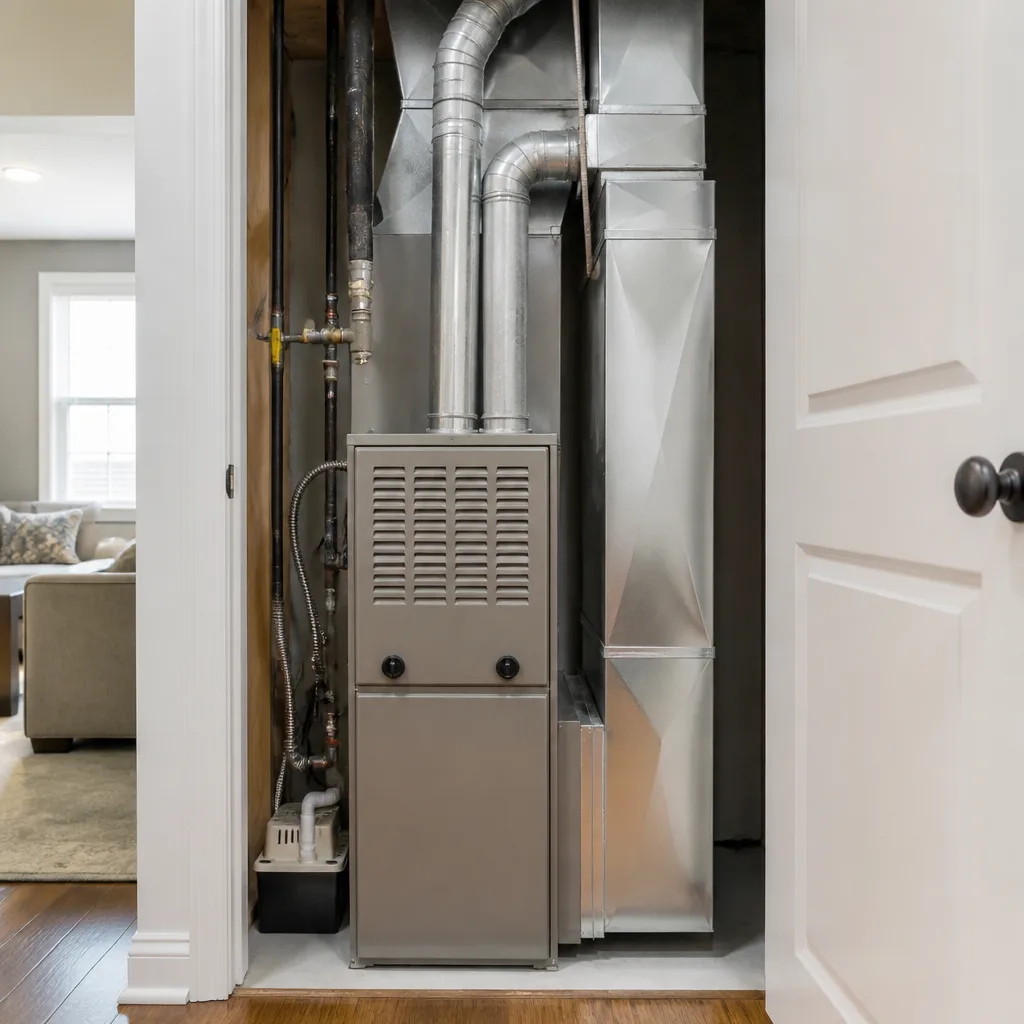
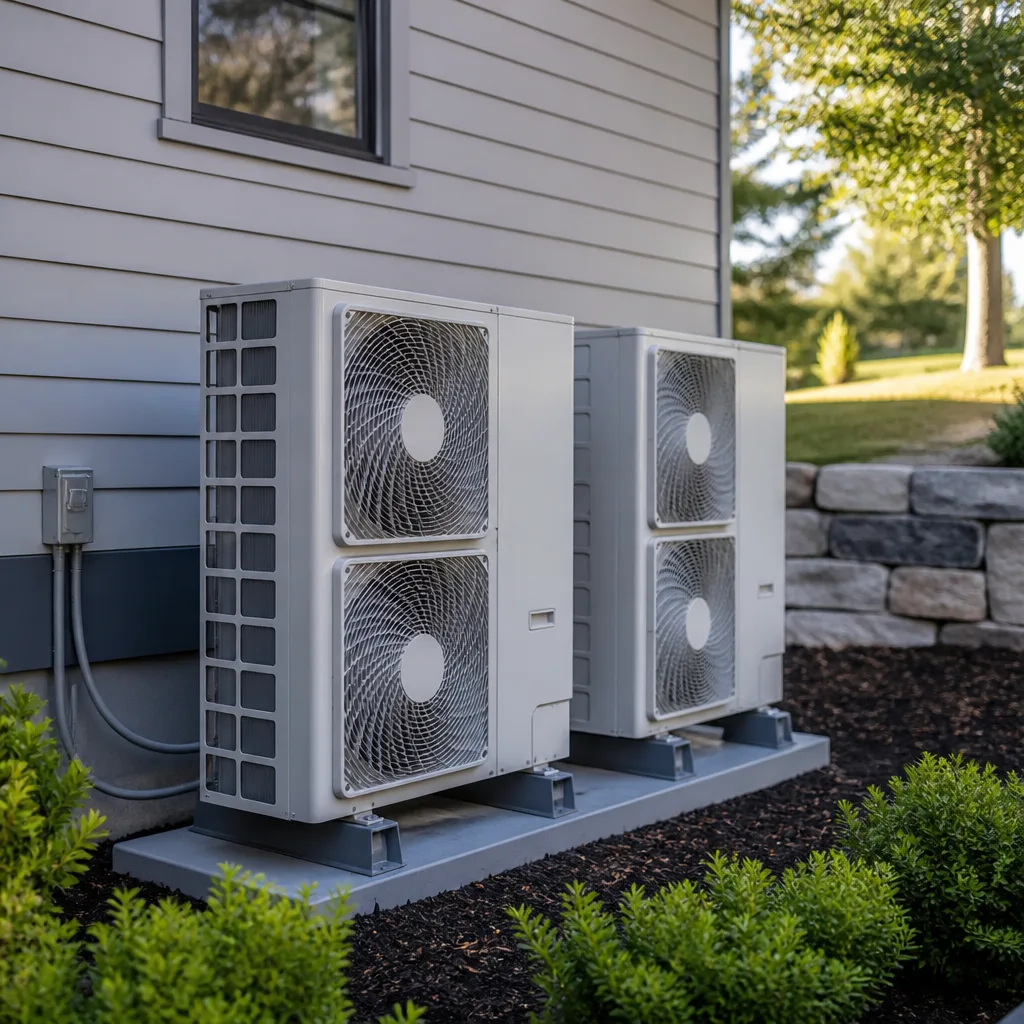
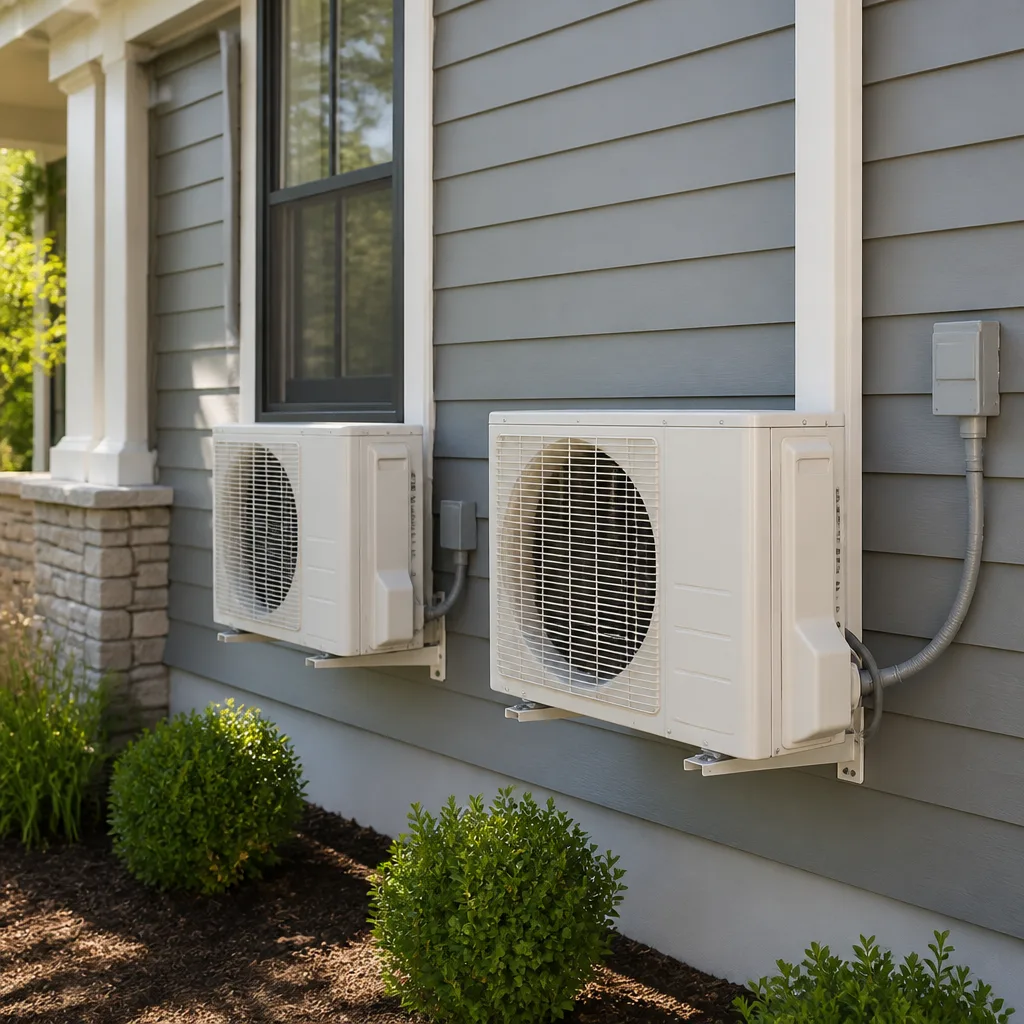
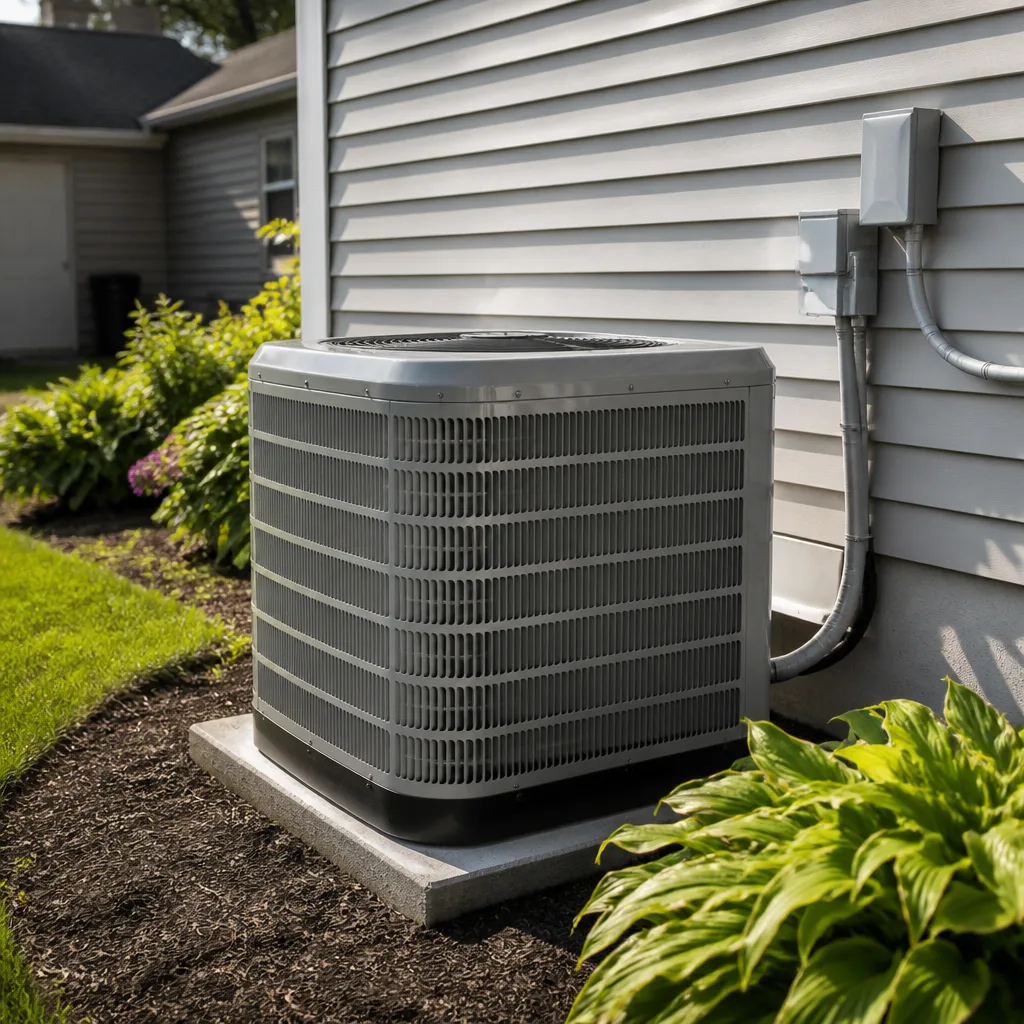
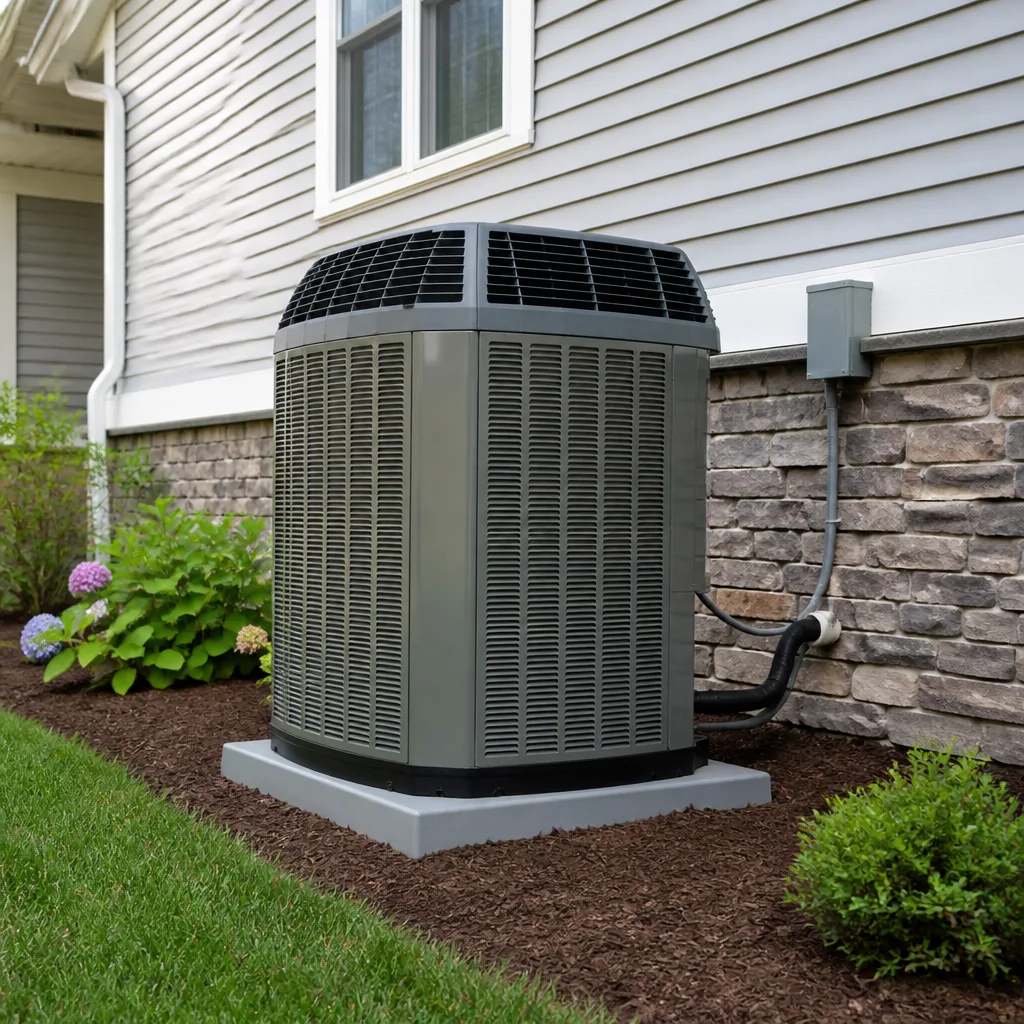
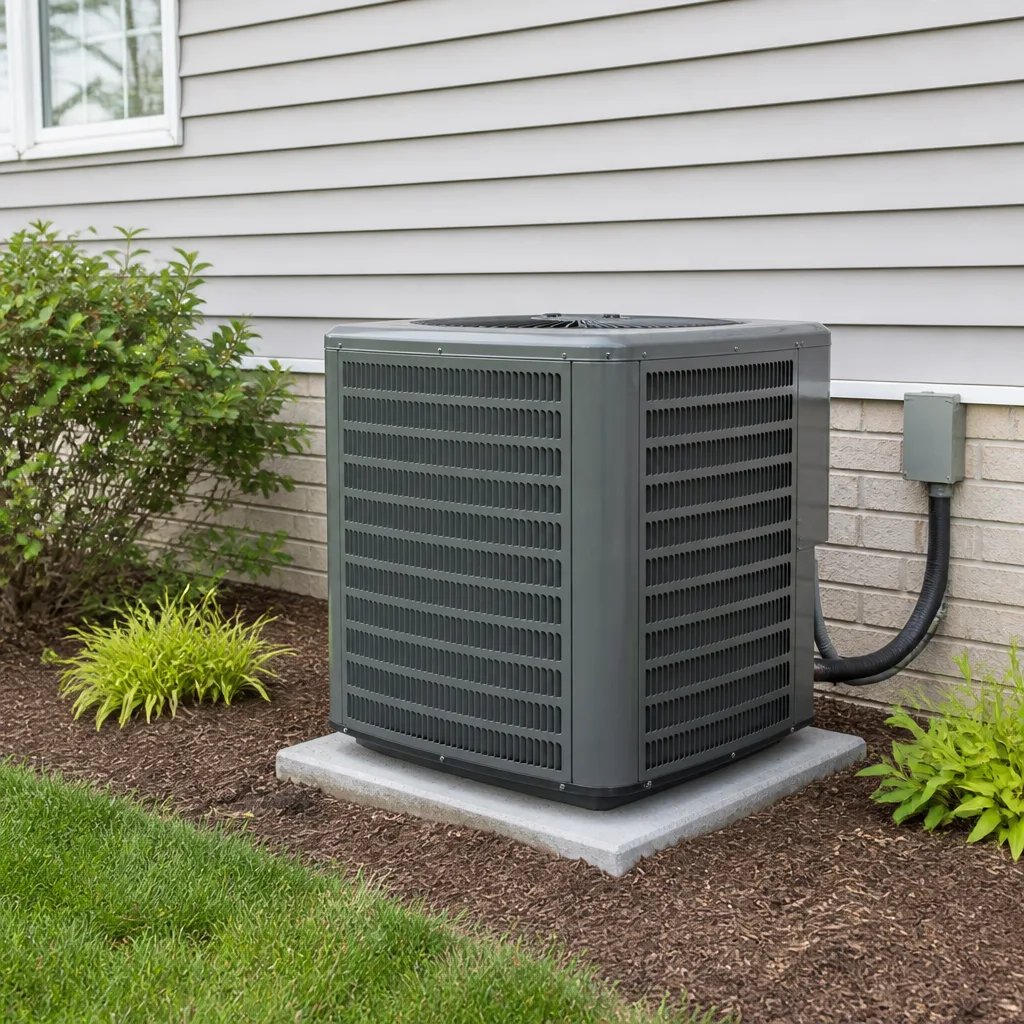
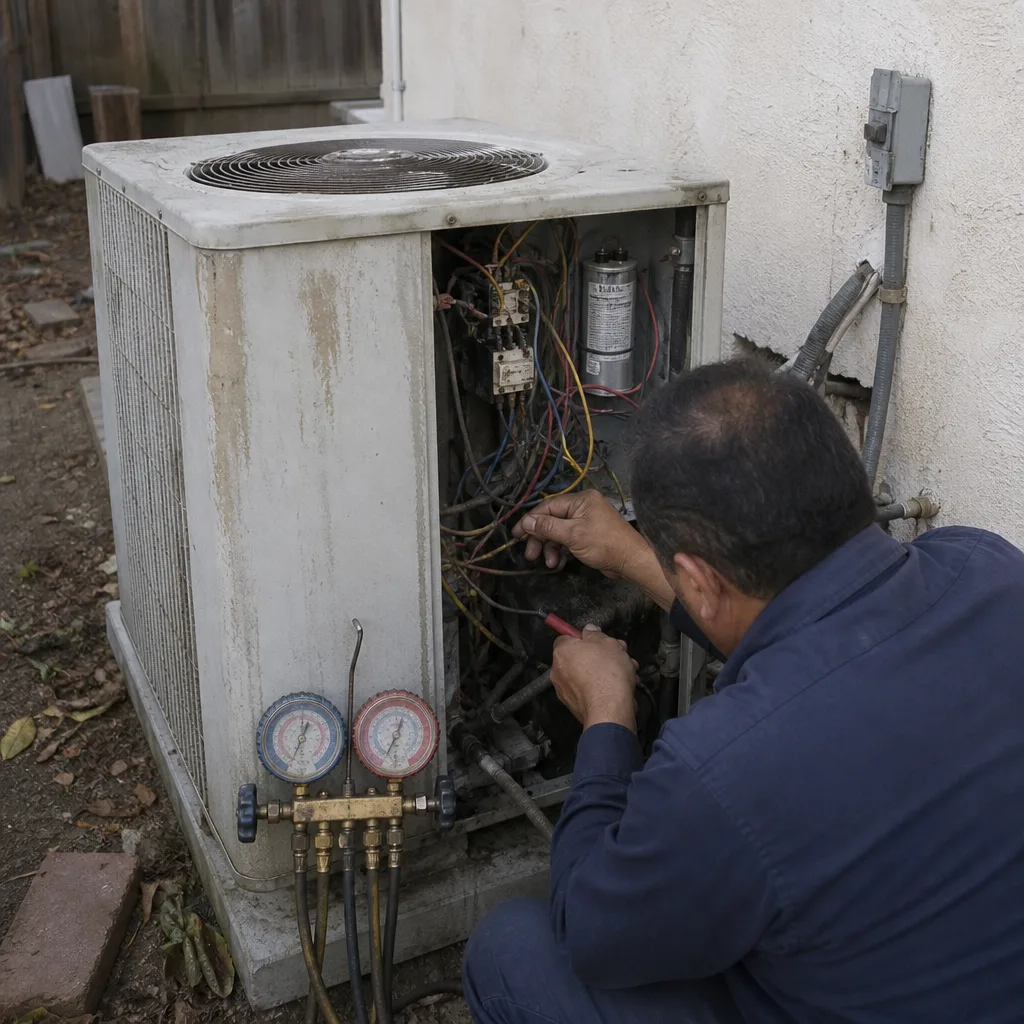 Before
 After
After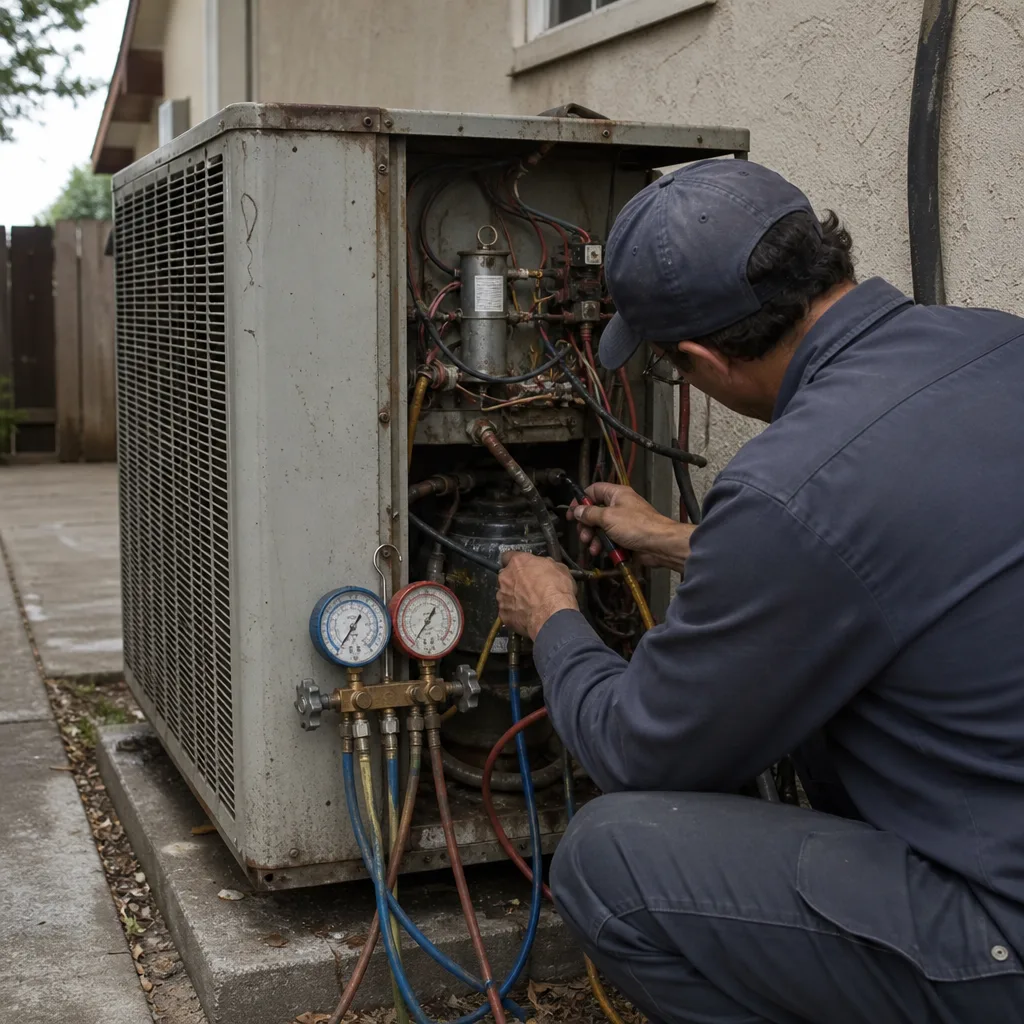 Before
 After
After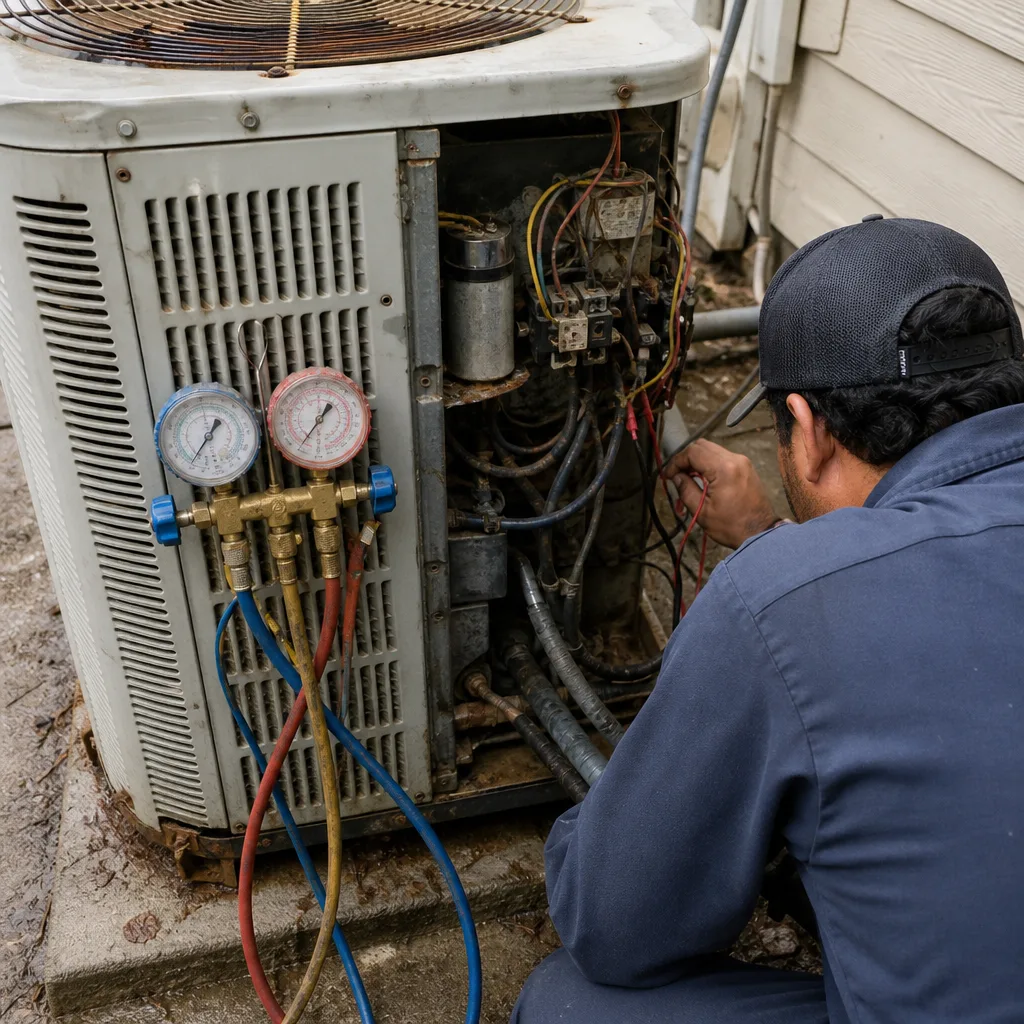 Before
 After
AfterHVAC Emergency Preparedness Guide for Los Angeles Homes
During the July 2023 heat dome, some Los Angeles HVAC companies ran 10-day repair backlogs. Ten days of triple-digit heat with no cooling. The homeowners who weathered it best were not the ones with the newest equipment. They were the ones with a documented system profile, a backup cooling plan, and a charged spare thermostat battery. This guide gives you that same edge. We’ll cover exactly what to document, what to stock, how to reset common system lockouts safely, and how to configure your system to survive LADWP demand response events. This is preparation built for Los Angeles specifically, where heat emergencies, grid strain, and wildfire conditions stack on top of each other.
Quick Answer
HVAC emergency preparedness in Los Angeles means having a one-page system profile with model numbers and refrigerant type, knowing how to reset common lockouts safely, stocking spare filters and thermostat batteries, and configuring your smart thermostat for LADWP demand response events without cooking your house. For more on what to watch for before an emergency strikes, see our HVAC Warning Signs: A Los Angeles Homeowner’s Reference Guide. The goal is to keep your system alive through the first 72 hours of a failure, because during a citywide heat event, even the best HVAC company cannot get a technician to every door the same day.
Table of Contents
- Build Your System Profile Document
- Heat Emergency Survival Protocol
- How to Reset Common System Lockouts
- LADWP Demand Response and Your HVAC System
- What to Stock Before You Need It
- Wildfire Season HVAC Preparation
- Common Mistakes to Avoid
- When to Call a Professional
Build Your System Profile Document
Every Los Angeles homeowner should keep a one-page document near the indoor unit that lists everything a technician needs to know before they even ring the doorbell. We call this a system profile, and it saves you real money. When a technician can identify your exact unit, your refrigerant type, and your filter size before arriving, they bring the right parts on the first trip. That means no diagnostic fee wasted on a second visit, no callback window, and a faster repair when the city is sweltering and every company is slammed.
Here is exactly what to put on the page:
- Outdoor unit (condenser) model and serial number – it is on a metal plate on the side of the unit. Write it down now, before the sun bakes the label into illegibility.
- Indoor unit (air handler or furnace) model and serial number – same plate, usually behind the front panel.
- Refrigerant type – this matters enormously. Older systems run R-22, which is being phased out and costs significantly more per pound. Newer systems run R-410A. A technician needs to know this before quoting a refrigerant recharge – topping off the cooling fluid your system needs to reach set temperature.
- Filter size and type – write down the exact dimensions printed on the filter frame, not just “medium.” A 16x25x1 is not the same as a 16x25x4.
- Last service date and what was done – keep a running one-line log. “March 2025, capacitor replaced, coil cleaned.” Every entry tells the next technician something useful.
- Warranty status – note whether the compressor, heat exchanger, or any major part is still under manufacturer warranty. Do not rely on memory. Photograph the warranty certificate and store it with the profile.
- Thermostat brand and model – especially if it is a smart thermostat with a proprietary app.
Tape this page to the side of the air handler, or keep it in a clear sleeve next to the unit. Give a copy to anyone who watches your house when you travel. In our experience in Los Angeles, the homeowners who hand a technician a completed system profile get diagnosed faster and quoted more accurately than those who shrug and say “it’s the big beige box out back.”
Why This Matters When Every Company Has a Backlog
During a heat emergency, the constraint is not labor hours alone. It is parts availability and diagnostic speed. A technician with your model and serial number can check warehouse stock from the truck. If your blower motor is going to take three days to arrive, you want to know that in the first hour, not on day three. The system profile converts a house call into a parts-delivery problem, and that is a problem with a shorter timeline. This is the difference between a 48-hour repair and a 10-day repair during a Los Angeles heat dome.
Heat Emergency Survival Protocol
When your AC dies during a triple-digit Los Angeles heat event, the first decision is whether to stay or leave. This is not a comfort question. It is a medical question. Indoor temperatures above 95°F are dangerous for healthy adults. Above 100°F, the risk of heat exhaustion and heat stroke climbs sharply for anyone, but especially for people over 65, children, and anyone with heart or respiratory conditions. The CDC’s guidance is clear that sustained indoor temperatures above 90°F pose health risks to vulnerable people.
Here is a numbered protocol for the hours between failure and repair:
- Call for service immediately. Every hour you wait means more homes ahead of you in the queue. A live person should answer. If you get a voicemail at noon during a heat wave, call someone else.
- Close every blind and curtain on sun-facing windows. Solar gain through glass is the single largest heat input in a Los Angeles home during summer. Blocking it reduces indoor temperature rise by 5 to 10 degrees.
- Seal off one room as your cool room. Pick the smallest room on the lowest floor, ideally on the north side of the house. Close the door. Stuff a towel at the bottom gap. Run one fan in that room. The point is not to cool the whole house. It is to keep one room survivable.
- Use fans only on people, not empty rooms. A fan does not lower the air temperature. It accelerates evaporation from your skin, which cools you only if you are in the airflow. Point the fan at yourself. Turn off fans in rooms nobody occupies.
- Track indoor temperature with a thermometer. If the indoor temperature passes 90°F and no technician is on the way within a few hours, start thinking about evacuation to a cooling center, a hotel, or a home with working AC. The City of Los Angeles opens cooling centers during heat emergencies, and LA County publishes a map of them.
- Do not run the oven, the dryer, or a hot shower. Every BTU of heat you add to the house makes the problem worse. Eat cold food. Dry clothes outside or not at all.
- Hydrate with water and electrolytes. Heat stress depletes salt as well as water. Plain water alone is not enough after several hours in a hot house.
In our experience serving Los Angeles, the homes that stay tolerable during an outage are the ones that start early. The moment your AC starts acting strange – short cycling, weak airflow, a new noise – call before it fails completely. A marginal system limping along at 78°F with reduced capacity is easier to repair than a dead system in a 95°F house. Dalton Heating & Air answers calls around the clock because equipment does not check business hours before failing.
How to Reset Common System Lockouts
A meaningful percentage of “dead” AC calls in Los Angeles are not dead systems. They are locked-out systems. Modern HVAC equipment includes safety circuits that shut the unit down when they detect a problem. Some of these lockouts are one-time events caused by a brief power flicker or a dirty filter. If you know how to check for the obvious, you can sometimes restore cooling without waiting for a technician. Here is how, and what is safe to touch.
Step 1: Check the Condensate Float Switch
Your indoor coil produces condensation when it cools. That water drains through a PVC pipe, usually into a floor drain or outside. If the drain clogs with algae or debris, water backs up into a drip pan. A float switch sits in that pan. When the water level rises, the float pops up and cuts power to the system. It is doing exactly what it is designed to do: protecting your ceiling and drywall from a flood. If your system is off and the drip pan is full of water, the fix is to clear the drain line. A wet-dry vacuum on the outdoor drain pipe often clears a minor clog. Then reset the float by draining the pan. If the float switch is wired correctly, the system restarts once the water level drops.
Step 2: Check the System Breaker
The outdoor unit has its own breaker, usually in the main panel or a small disconnect box on the wall next to the condenser. During a heat wave, a compressor under heavy load can trip a breaker. Turn the breaker fully off, wait 30 seconds, then flip it back on. If it trips again immediately or within minutes, stop. That is an electrical fault, not a nuisance trip. Calling a professional at that point is the right move. Do not keep resetting a breaker that trips repeatedly – that is how electrical fires start.
Step 3: Replace the Filter and Wait 30 Minutes
A severely clogged filter can reduce airflow enough to freeze the indoor coil. The system sees the frozen coil as a pressure problem and locks out. Replace the filter with a clean one, set the thermostat to “fan only,” and let the fan run for 30 minutes to thaw the coil. Then switch back to cooling. If the system runs normally, the filter was the trigger. In Los Angeles, with dust and wildfire ash in the air, filters clog faster than the manufacturer’s recommended 90-day interval. During fire season, check monthly. Our Seasonal HVAC Care for Los Angeles: Year-Round Homeowner’s Guide has a full maintenance calendar.
Step 4: Cycle Power at the Thermostat
Some smart thermostats lock out the compressor after cycling power multiple times in a short window, which happens when the grid flickers during a heat event. Turn the thermostat to “off,” wait two minutes, then set it back to cooling. If the thermostat runs on batteries, this is also where that charged spare battery matters. A thermostat with a dying battery can cause erratic operation that looks like an equipment failure but is not.
One safety caveat: everything above involves low-voltage controls, filters, and breakers. We do not recommend opening the cabinet to probe the high-voltage side of the unit. The capacitor inside an outdoor condenser stores enough charge to stop a heart. If the simple resets do not bring the system back, call a trained professional. Dalton Heating & Air is factory-trained on Carrier, Trane, Lennox, Goodman, Rheem, York, Daikin, Bryant, and American Standard equipment, and every repair includes a written price before any work starts.
LADWP Demand Response and Your HVAC System
Los Angeles has a distinct grid problem. On the hottest days, LADWP runs demand response programs that cycle air conditioners off for short intervals to protect the grid from overload. The permit and inspection rules behind these utility programs are covered in our guide to HVAC Permits, Codes & Inspections in CA: What You Need to Know. If you have a newer smart thermostat or a utility-installed switch on your outdoor unit, your AC may already be part of this program, possibly without you realizing it. In exchange for small bill credits, the utility can interrupt your compressor for 15 to 30 minutes at a stretch during peak load events.
The problem arises when homeowners override the thermostat during a demand response event without understanding what they are doing. Repeatedly forcing the compressor back on during a utility cycling event can trip the system’s high-pressure safety switch, which locks the unit out and requires a manual reset. That converts a 20-minute utility-controlled pause into a dead unit and a service call.
Here is how to configure a smart thermostat to protect the system during Los Angeles demand response events without sacrificing comfort entirely:
- Pre-cool the house in the morning. Run the AC 3 to 4 degrees below your normal setpoint between 6 a.m. and noon, when the grid is less strained and your system runs more efficiently. The thermal mass of the house carries you through the afternoon cycling window.
- Set a hard floor on the thermostat. Program the minimum temperature the thermostat will maintain during peak hours, usually 78°F. Accept that the house will sit a few degrees warmer between 4 p.m. and 8 p.m. on the worst days. It is better than a lockout.
- Leave the utility demand response setting enabled. The bill credit is small, but the alternative is your compressor fighting the utility’s control signal. That fight is what causes high-pressure trips.
- Check your condenser coils periodically. A dirty condenser coil makes the system run hotter at the same load. During a demand response event, a hot system hits the high-pressure limit faster. Clean coils give you more margin.
If your home is on LADWP time-of-use rates, the same smart thermostat logic applies: pre-cool when power is cheap, coast when it is expensive. The system lasts longer, and your bill stays predictable. This is not about conservation for its own sake. It is about keeping your equipment alive through a Los Angeles summer.
What to Stock Before You Need It
Most Los Angeles homeowners do not keep HVAC supplies on hand. They buy a filter when the old one looks dirty, and they buy thermostat batteries when the thermostat goes blank. That works fine until the city hits 105°F and every hardware store sells out of the filter size you need. We recommend a small, inexpensive emergency kit that lives on a shelf near the indoor unit. Every one of these items is cheap. Together, they can keep a marginal system running for an extra few days while you wait for service.
- Two replacement filters in your exact size. Mark the new filter with the date you installed it using a permanent marker. Filters clog faster in Los Angeles than in most cities because of dust, pollen, and wildfire smoke particulate.
- Fresh thermostat batteries. If your thermostat uses AA or AAA batteries, keep one set on the shelf. If it is hardwired with a coin-cell backup, keep one of those. A dead thermostat battery is the most easily preventable “AC failure” in Los Angeles.
- Condensate drain tablets. These are small chlorine-based tablets you drop into the drain pan to prevent the algae and sludge that clog the line and trip the float switch. One tablet a month during summer keeps most drains clear. If you have never used them, start now.
- A basic voltmeter. You do not need to be an electrician to confirm that the thermostat is sending 24 volts to the outdoor unit, or that the disconnect box has power. A $30 voltmeter and a 20-minute YouTube education will save you from calling a technician for a problem that is actually a tripped breaker in the main panel.
- A wet-dry vacuum. The same vacuum you use for garage spills is the fastest tool for clearing a clogged condensate drain line from the outdoor exit point. Put a rag around the hose to seal the connection to the PVC pipe.
- The system profile document described above. This belongs in the kit, not on a computer you may not be able to access during a power outage.
Nothing in this list costs more than $50 total, aside from the wet-dry vacuum, which most Los Angeles homeowners already own. The filter and battery items are not negotiable. If you do nothing else from this guide, buy two spare filters and one set of thermostat batteries this week.
Wildfire Season HVAC Preparation
Wildfire season in Los Angeles adds a layer that most HVAC guides ignore entirely. Smoke particulate is brutal on residential systems. During a nearby fire, the air outside carries fine particulate, ash, and the breakdown products of burned structures. Your outdoor condenser pulls that air across its coil. Your indoor blower pulls that air through the return grille and into the filter. Both get loaded with soot faster than any normal summer.
Here is what we tell Los Angeles homeowners during fire season:
- Run the fan, not the AC, when smoke is heavy but temperatures are moderate. The fan recirculates indoor air through the filter without pulling in new smoke from outside. Use the highest-MERV filter your blower can handle. A MERV 13 filter removes substantially more fine particulate than a standard MERV 8.
- Change the filter after every significant smoke event. A filter that looks gray or brown after a week of smoke is doing its job. Replace it immediately. That particulate is now in the filter, not in your lungs, and a fresh filter restores airflow.
- Check the condenser coil for ash coating. If you are safe to be outside, look at the outdoor unit. Ash on the coil insulates it and reduces heat rejection, which makes the whole system run hotter and less efficiently. A gentle rinse with a garden hose, no pressure washer, clears most of it. Do this only after the air quality improves enough to be outside.
- Keep the system’s outdoor breaker accessible. If you evacuate during a fire, consider shutting down the system at the breaker before you leave. A system running unattended in a smoky, ash-filled environment is a system that may be circulating contaminated air through your house when you return.
One more point that matters in Los Angeles specifically: your standard filter is the last line of defense against smoke inside the house. If you live in a wildfire-prone area, pair a high-MERV filter with a standalone HEPA air purifier for the bedroom. The HVAC filter protects the equipment. The purifier protects your lungs. They are different jobs.
Common Mistakes to Avoid
- Repeatedly resetting a tripped breaker. A breaker that trips once may be a fluke. A breaker that trips twice in an hour is a fault. Continuing to reset it can start a fire. Stop after the second trip and call a professional.
- Running the AC with a frozen coil until it “thaws itself.” A frozen coil means low airflow or low refrigerant. Running the system while frozen can slug liquid refrigerant into the compressor, which destroys the compressor. This converts a $150 repair into a $3,000 replacement.
- Closing vents in unused rooms to “save energy.” Modern systems are balanced for a specific airflow volume. Closing vents increases static pressure, which causes the blower to work harder, the coil to run colder, and the system to fail sooner. Leave vents open.
- Ignoring a new noise because the system still cools. A grinding sound from the outdoor unit is often a failing fan motor or compressor bearing. The system may cool for another week or two before the part seizes. Catching it early means a motor replacement. Waiting means a compressor replacement and a bill that is eight to ten times higher.
- Setting the thermostat to 65°F during a heat wave to “catch up” faster. The system cools at the same rate regardless of how low you set the thermostat. Setting it lower just makes it run longer, increases the chance of freezing the coil, and shortens compressor life. Set the temperature you want and wait.
- Using a window unit as a permanent replacement for a failed central system in a hot house. A window unit in the bedroom can keep a vulnerable family member safe overnight, and that is a legitimate emergency measure. But a 5,000 BTU window unit cannot cool a 2,000 square foot Los Angeles home. It is a bridge, not a solution.
- Waiting until the system dies completely before calling. Weak airflow, short cycles, longer run times to reach setpoint, and unusual noises are all early warnings. Every one of those symptoms is cheaper to fix than a dead compressor. The call you make in June costs less than the call you make in August.
When to Call a Professional
Some jobs in HVAC are genuinely dangerous and belong to trained professionals. High-voltage electrical work inside the condenser cabinet, refrigerant recovery and charging, gas furnace burner or heat exchanger work, and any repair requiring opening the sealed refrigerant system should never be a DIY project. The capacitor inside an outdoor unit stores enough charge to stop a heart, and refrigerant burns skin on contact. If your simple reset attempts did not work, or if the breaker tripped twice, or if you smell burning plastic or gas, stop fiddling with it. Dalton Heating & Air offers free estimates in Los Angeles – call (361) 306-9515. A live person answers, at any hour, and every repair includes a written price before any work starts. Our 365-Day Done Right Promise means that if a repair fails within a year, we return at no charge. The Garrison Standard has operated this way since 2003, and it is not an optional upgrade. It is the way the company runs.
Frequently Asked Questions
Call for service immediately, close all sun-facing blinds, seal off one room as your cool room, and use fans only on people, not empty rooms. If indoor temperature passes 90°F and no technician is coming within a few hours, relocate to a cooling center or a home with working AC. Dalton Heating & Air answers calls around the clock at (361) 306-9515, and every repair includes a written price before work begins.
Most HVAC repairs in Los Angeles run $150 to $450 depending on the part, with bigger-ticket items like compressor replacements running $1,800 to $3,500 installed. Emergency calls during heat waves generally carry a diagnostic fee that is typically applied to the repair if you proceed. Some companies, including Dalton Heating & Air, do not charge overtime for after-hours calls, though availability varies by company.
If the repair cost is less than 30% of the replacement cost and the system is under 10 years old, repair is usually the right call. If the system is over 15 years old, runs on R-22 refrigerant, and needs a compressor, replacement is almost always the better financial decision. A technician who gives you a written price on both options, with no pressure to choose either, is giving you the information you need to decide.
You cannot eliminate the risk, but you can reduce it by cleaning or replacing the filter monthly during summer, keeping the condenser coil clear of debris and ash, running condensate drain tablets, and addressing small issues like unusual noises or weak airflow before they become failures. The system profile document described in this guide also shortens repair time when something does fail.
During peak load events, LADWP can cycle your air conditioner off for 15 to 30 minutes at a time through a smart thermostat or a switch on the outdoor unit. This is normal and protects the grid. Repeatedly overriding the thermostat during these events can trip the system’s high-pressure safety switch, which locks the unit out and requires a service call. Pre-cooling the house in the morning and accepting a slightly warmer afternoon is the better strategy.
A live person answers the phone 24/7 at (361) 306-9515, and technicians arrive inside the stated service window. Written pricing is provided before any work starts, on every job, without exception. The company is factory-trained on Carrier, Trane, Lennox, Goodman, Rheem, York, Daikin, Bryant, and American Standard equipment, and every repair is guaranteed in writing for a full year.
The Bottom Line
HVAC emergencies in Los Angeles are not random events. They are predicted failures made worse by heat, grid strain, smoke, and demand spikes that overwhelm service capacity. The homeowners who handle emergencies best prepare before the emergency arrives. Write down your model numbers, refrigerant type, and filter size. Stock spare filters and thermostat batteries. Learn the four simple reset procedures that restore cooling without a technician. Configure your smart thermostat for demand response events rather than fighting them. None of this is expensive, and all of it extends the life of your equipment. For more guides & resources, visit our blog. When a real failure happens, call a company that puts the price in writing and stands behind the work for a full year. Dalton Heating & Air has done both since 2003, and the phone is answered by a live person at (361) 306-9515.
Written by Marco Benitez, Owner at Dalton Heating & Air, serving Los Angeles since 2003.