
Last updated October 9, 2026
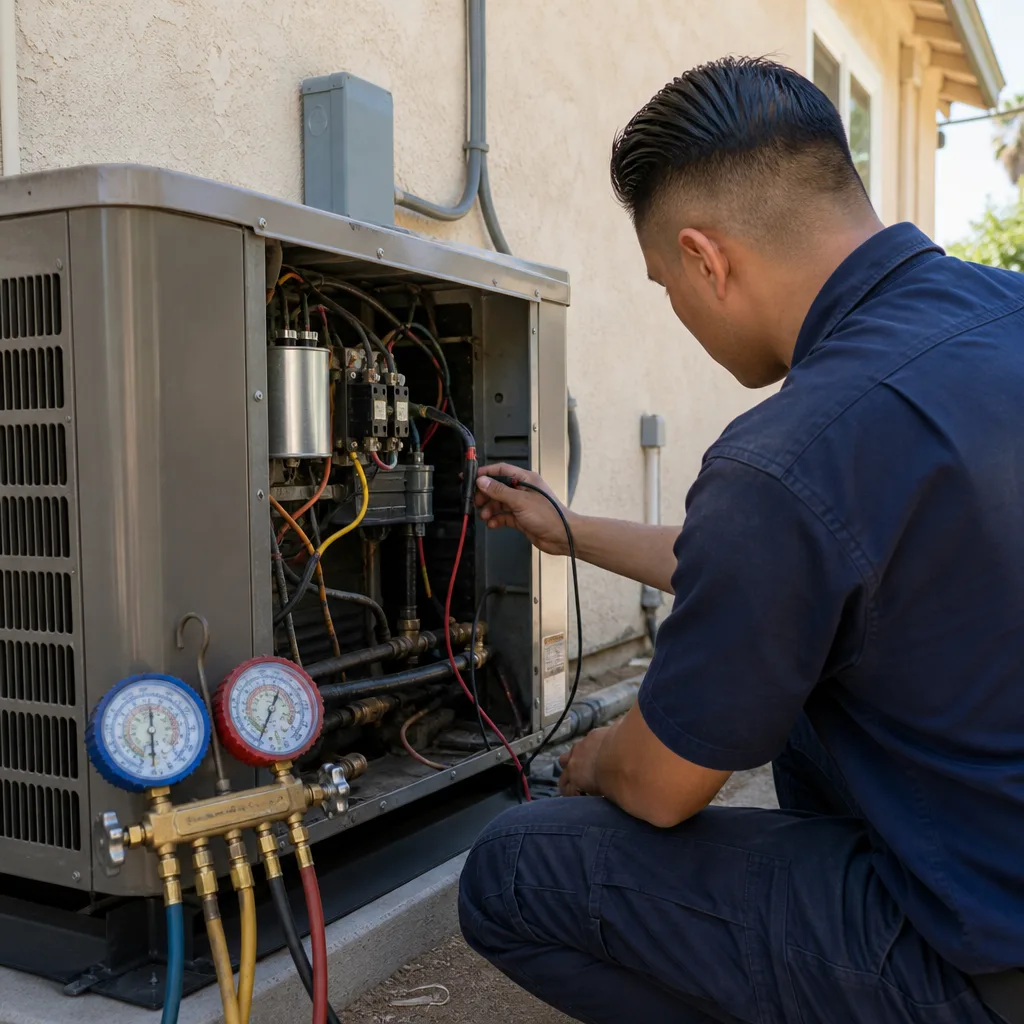
Seasonal tune-up and full diagnostic on your Carrier, Trane, or Goodman system - readings shown to you before any repair is proposed
Diagnosis first, numbers second - you approve the repair price before a single part goes in.
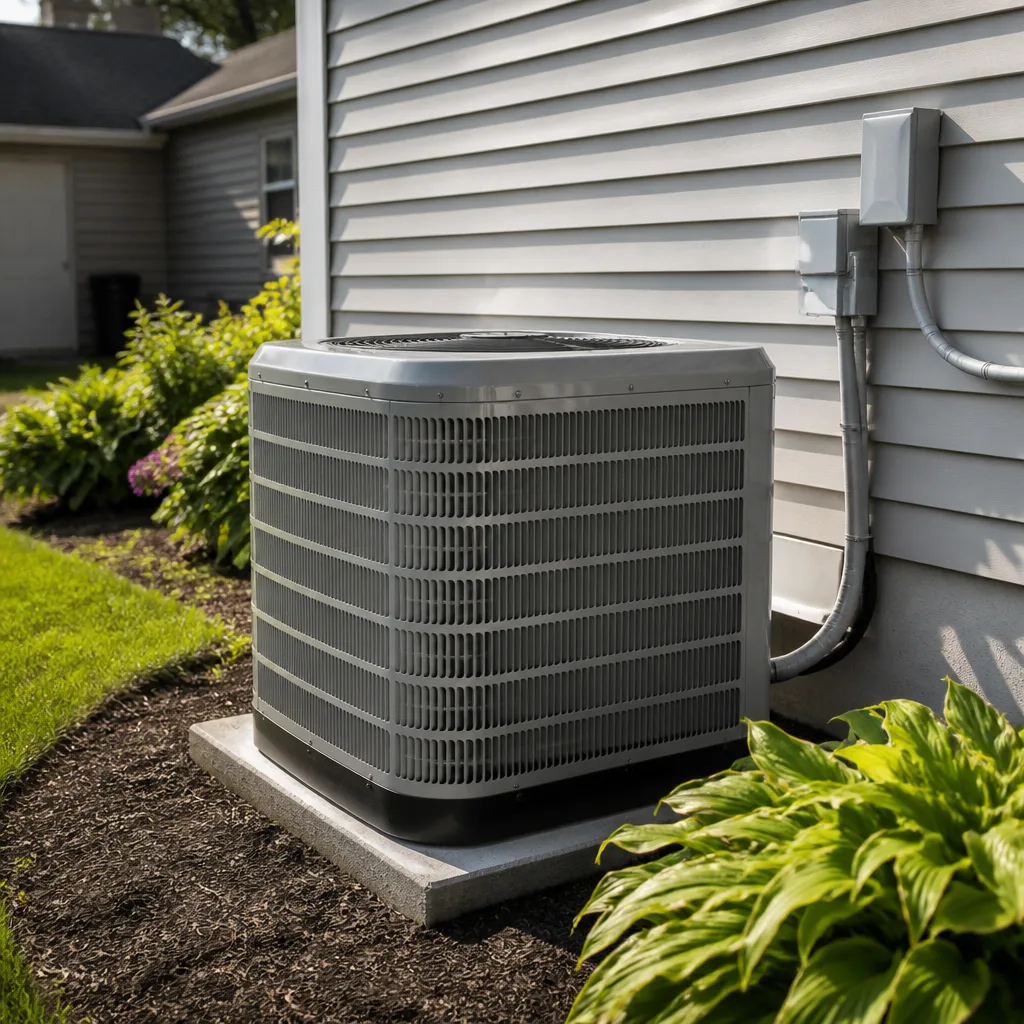
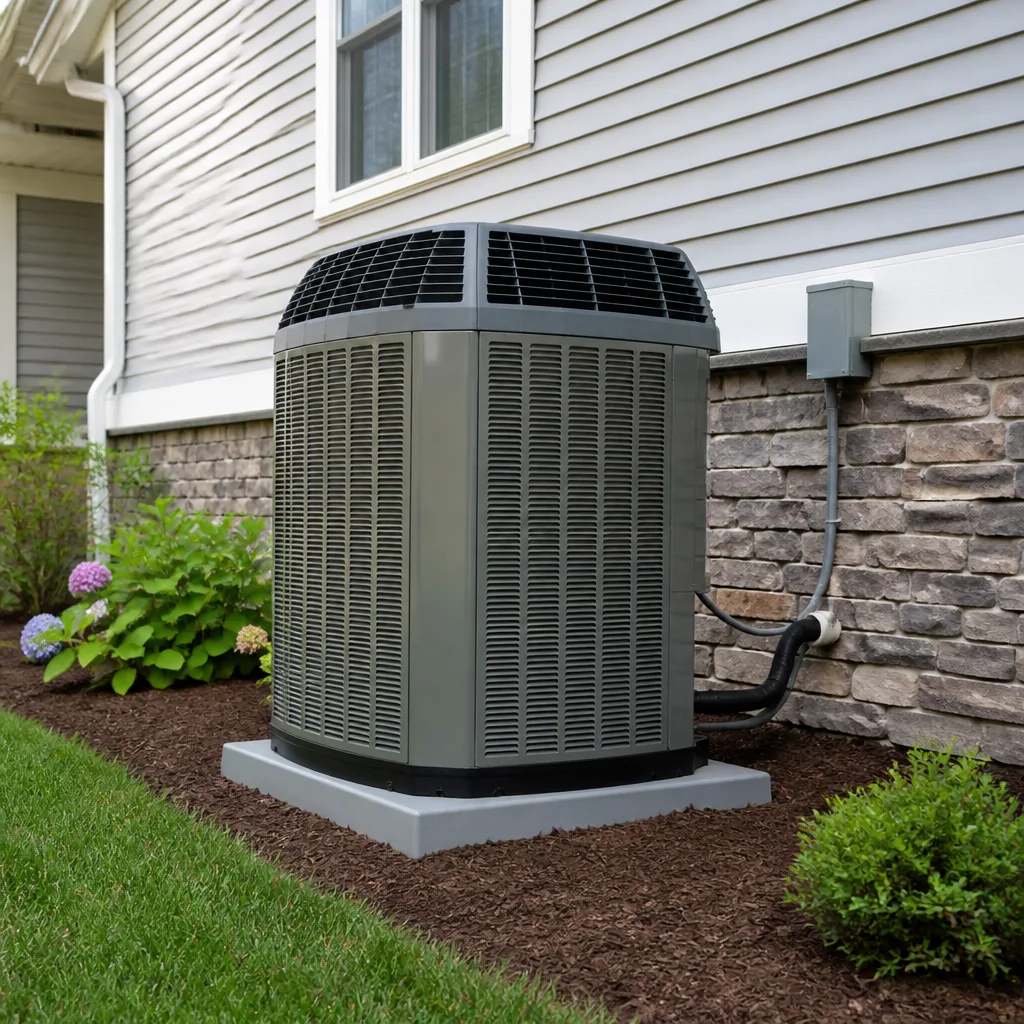
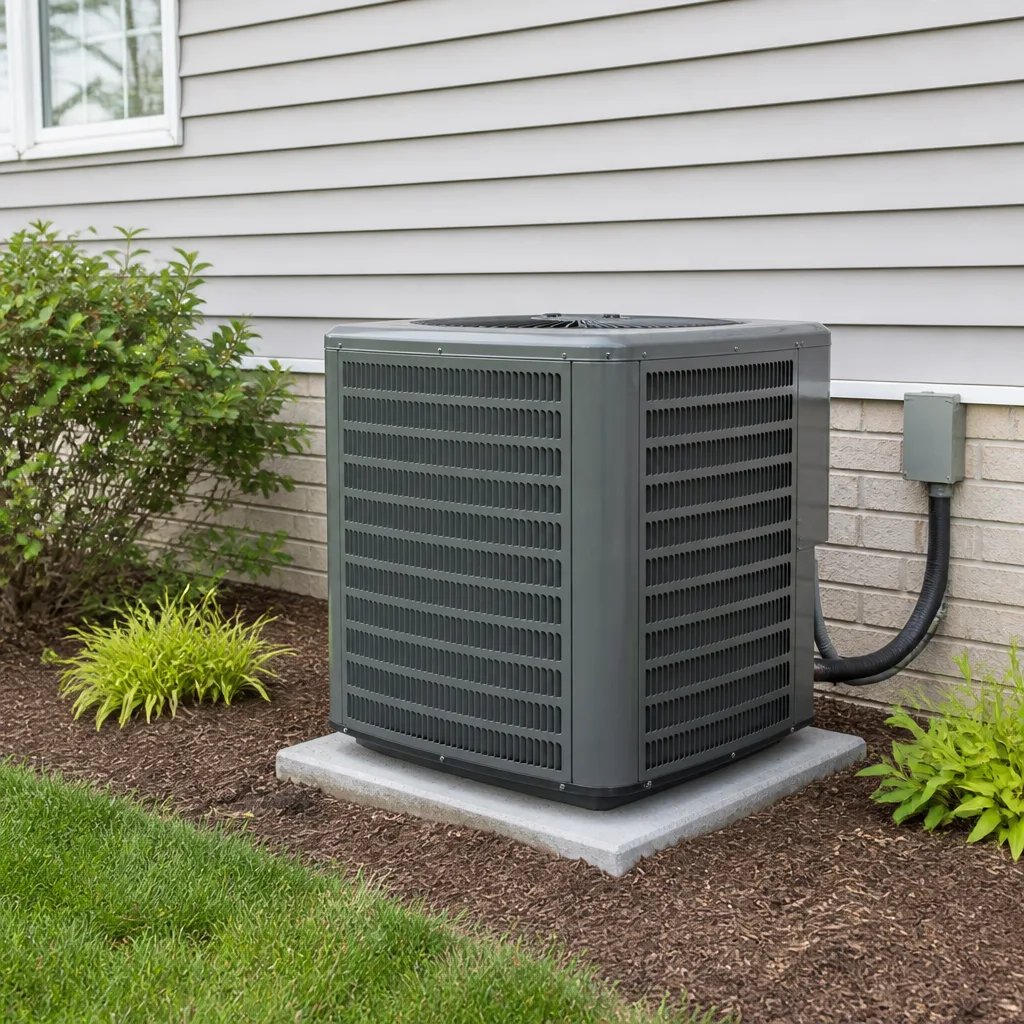
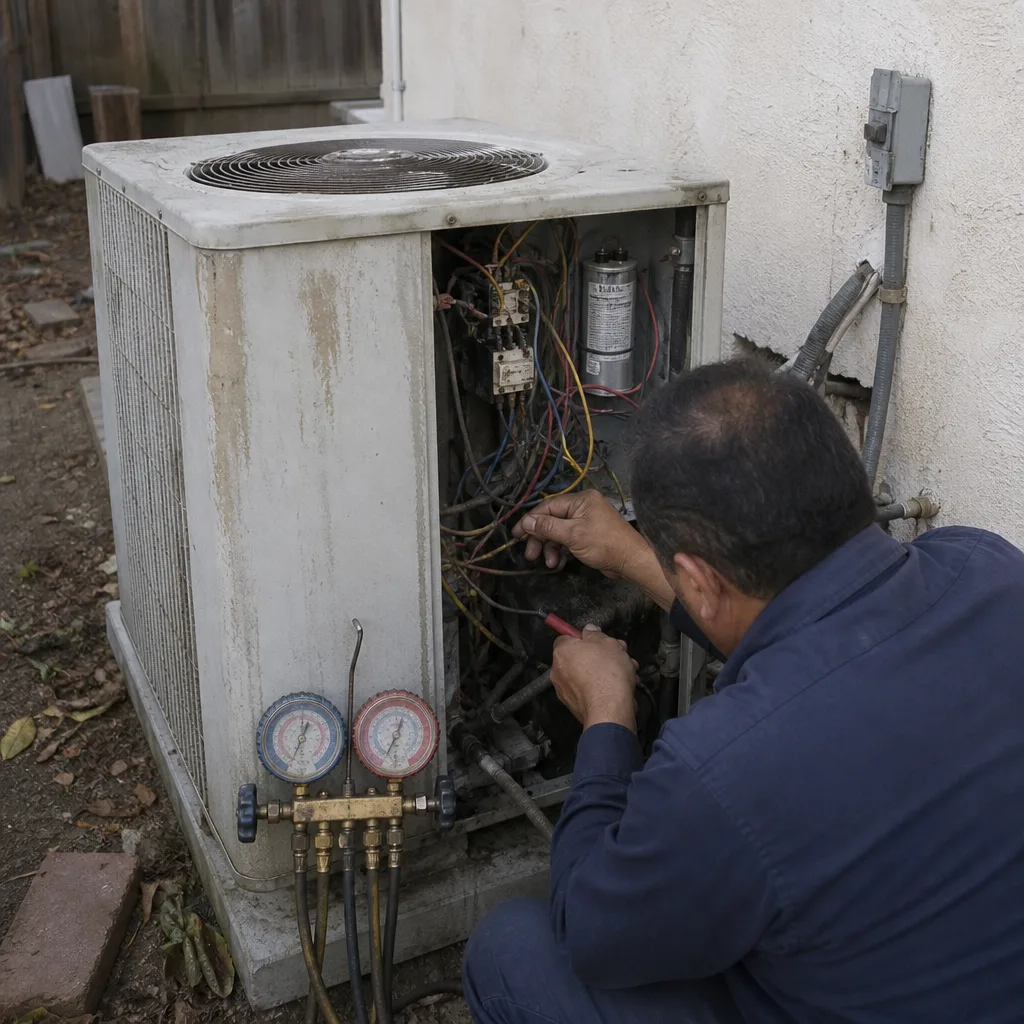 Before
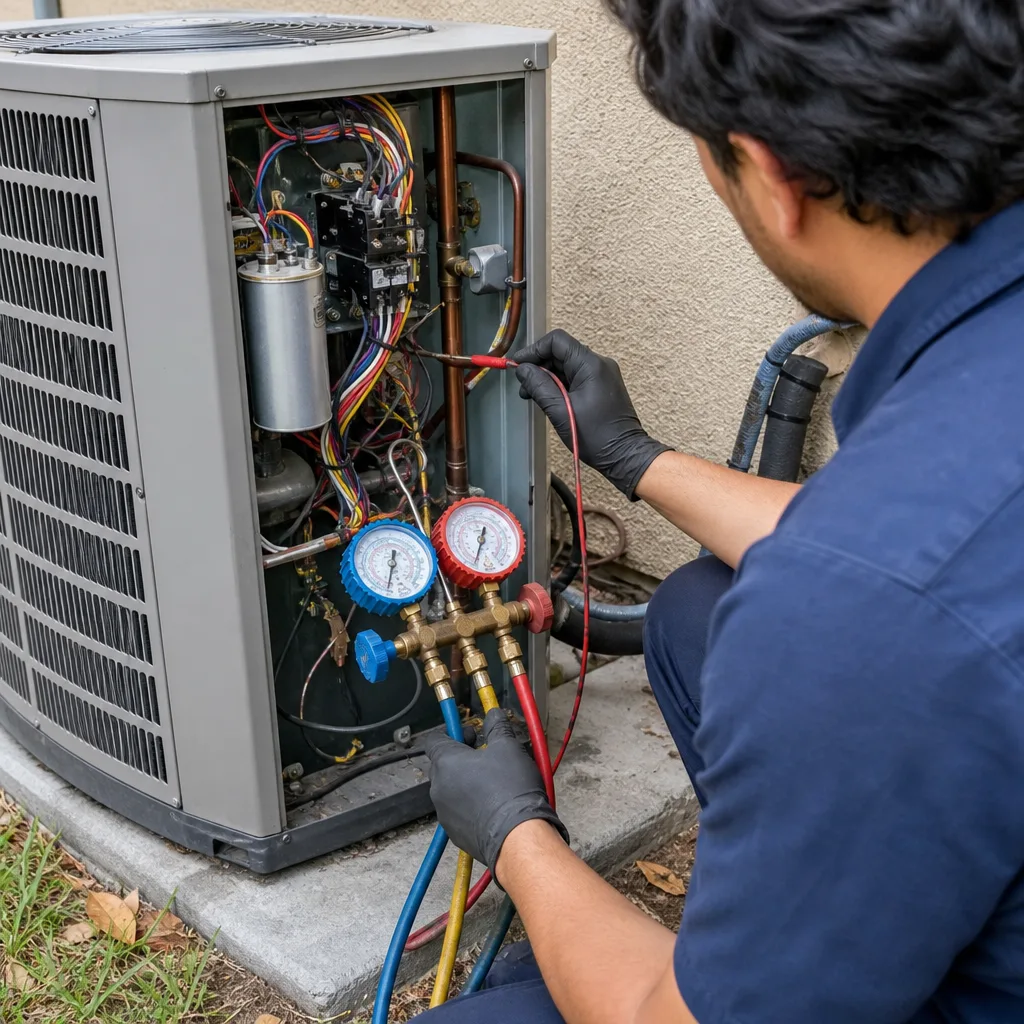 After
After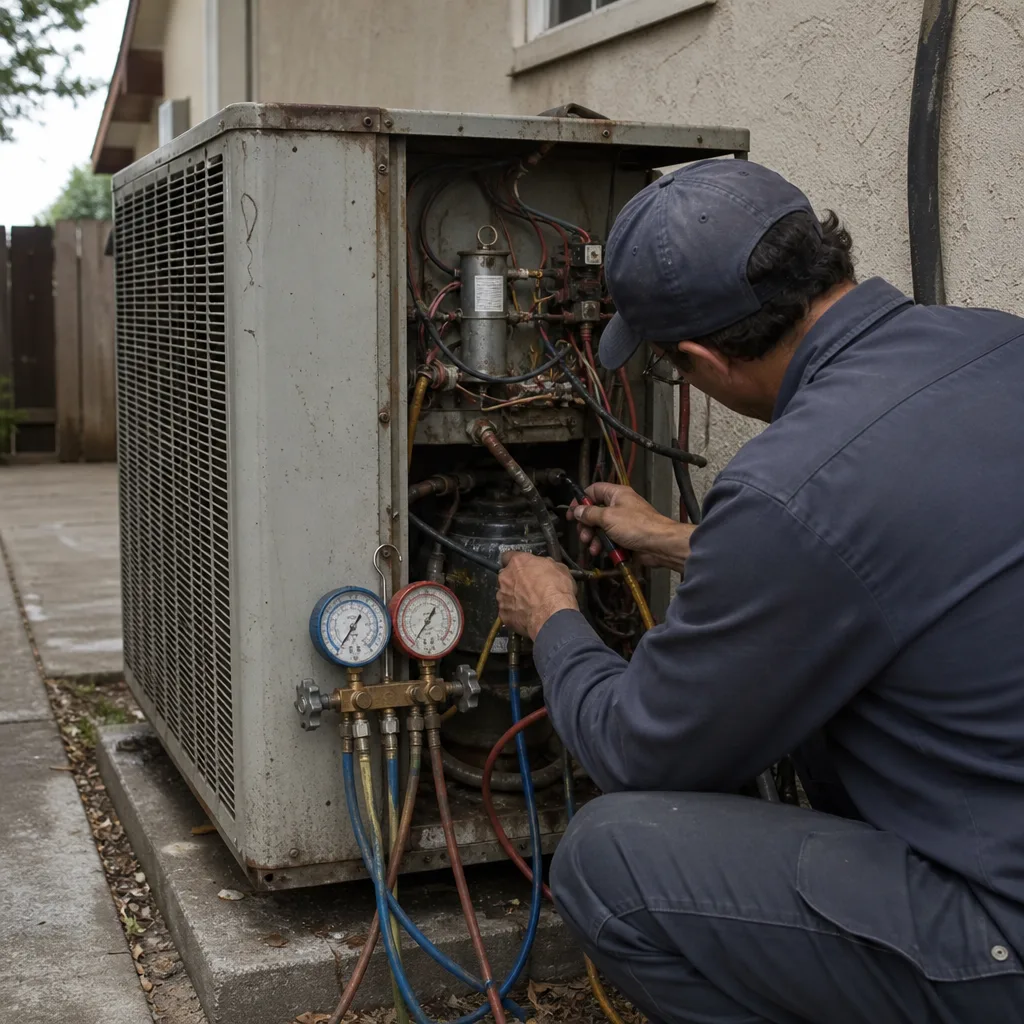 Before
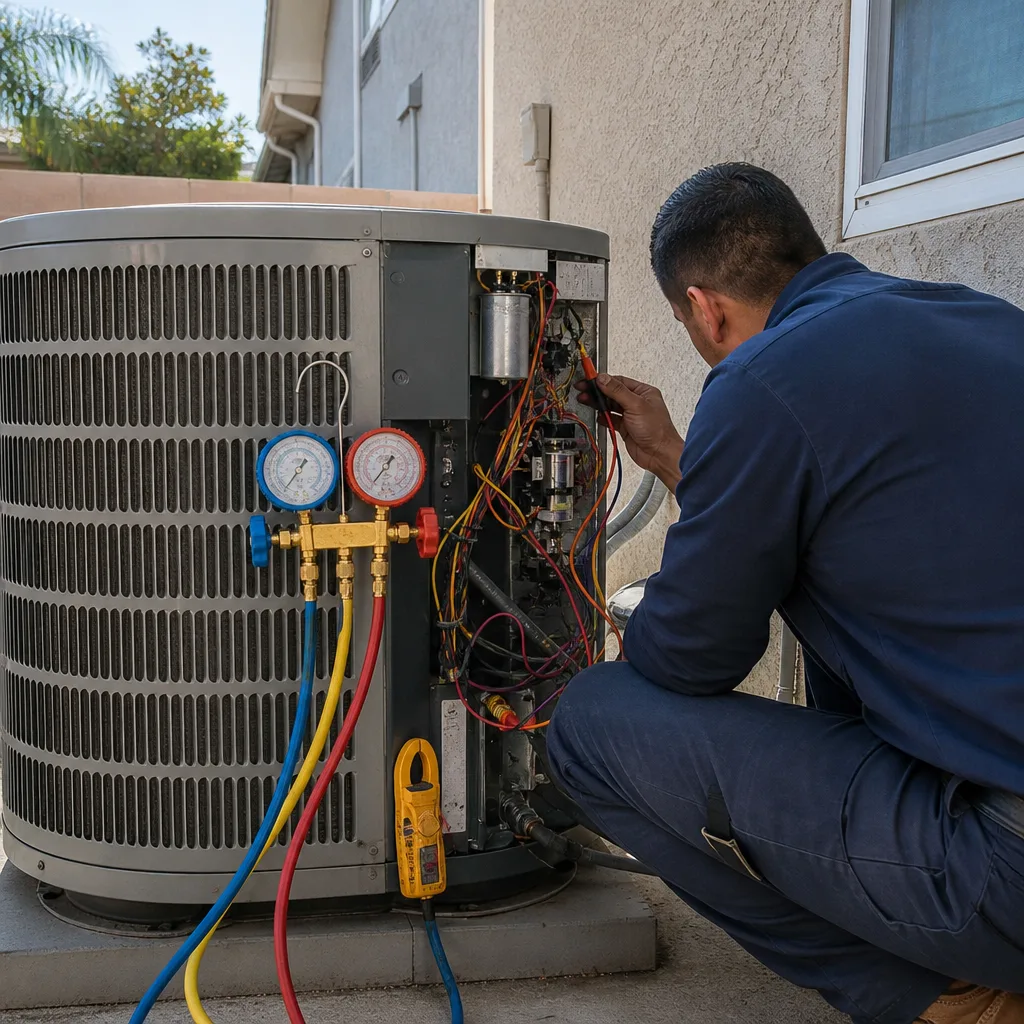 After
After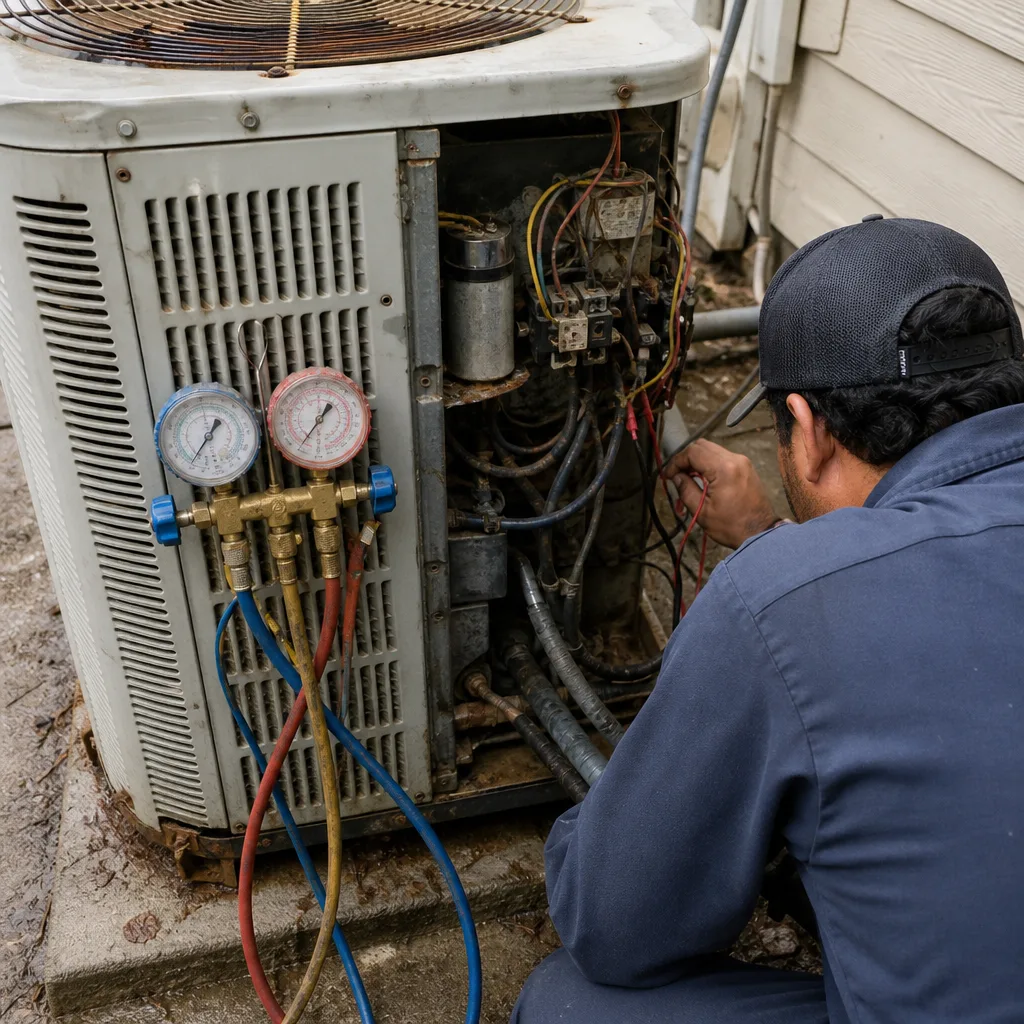 Before
 After
AfterAC Repair Warning Signs Every Homeowner Should Know
A compressor running with a weak capacitor draws excess amperage every single start cycle. It’s failing in measurable, slow motion, and it produces a specific sound most homeowners have heard and ignored for months before the system quits entirely. In Los Angeles, where a September heat wave can push attic temperatures past 140 degrees, that ignored sound becomes a Friday-night emergency with a repair bill attached. Most warning sign guides list symptoms without telling you how urgent each one is. The difference between a warm house tonight and a $2,000 compressor failure next week comes down to whether you catch a failing capacitor before it takes the compressor with it.
This guide ranks signs by urgency and damage risk, not alphabetically. You’ll learn which sounds point to which failing part, why ice on a refrigerant line demands two completely opposite responses depending on the cause, and how your utility bill can diagnose a mechanical problem before you hear a single noise. We’ve written this from our experience running Dalton Heating & Air home service calls across Los Angeles since 2003.
Quick Answer
An AC system in trouble almost always signals itself through one of five channels: warm air from the vents, unusual sounds, ice or frost on the refrigerant lines, airflow that feels weak, or a utility bill that spikes without explanation. Warm air, a burning smell, or visible refrigerant leaks mean act today. Reduced airflow, long run cycles, or ice buildup means schedule service this week. Minor new noises or a modest utility spike can be monitored for a month before calling. If you’re in Los Angeles, AC Repair in Los Angeles is available same-day for the act-today category because a failed compressor is measured in thousands of dollars, not hundreds.
Table of Contents
- The Three-Tier Urgency System: Act Today, This Week, This Month
- The Sounds That Pinpoint Which Part Is Failing
- Ice on the Refrigerant Line: Two Opposite Problems, Two Opposite Fixes
- Weak Airflow: The Overlooked Warning Sign
- Your Utility Bill Is a Diagnostic Tool
- The Documentation Habit: Logging Symptoms Like Evidence
- Common Mistakes to Avoid
- When to Call a Professional
- Frequently Asked Questions
The Three-Tier Urgency System: Act Today, This Week, This Month
Not every AC symptom deserves the same response. Treating a minor hum like a blown compressor wastes your afternoon. Treating a refrigerant leak like a minor hum wastes thousands of dollars. Here’s the system we use on service calls across Los Angeles, and it’s the same logic you’ll find in our Furnace Repair in Los Angeles diagnostic approach: urgency is determined by damage risk, not by annoyance level.
Tier One: Act Today
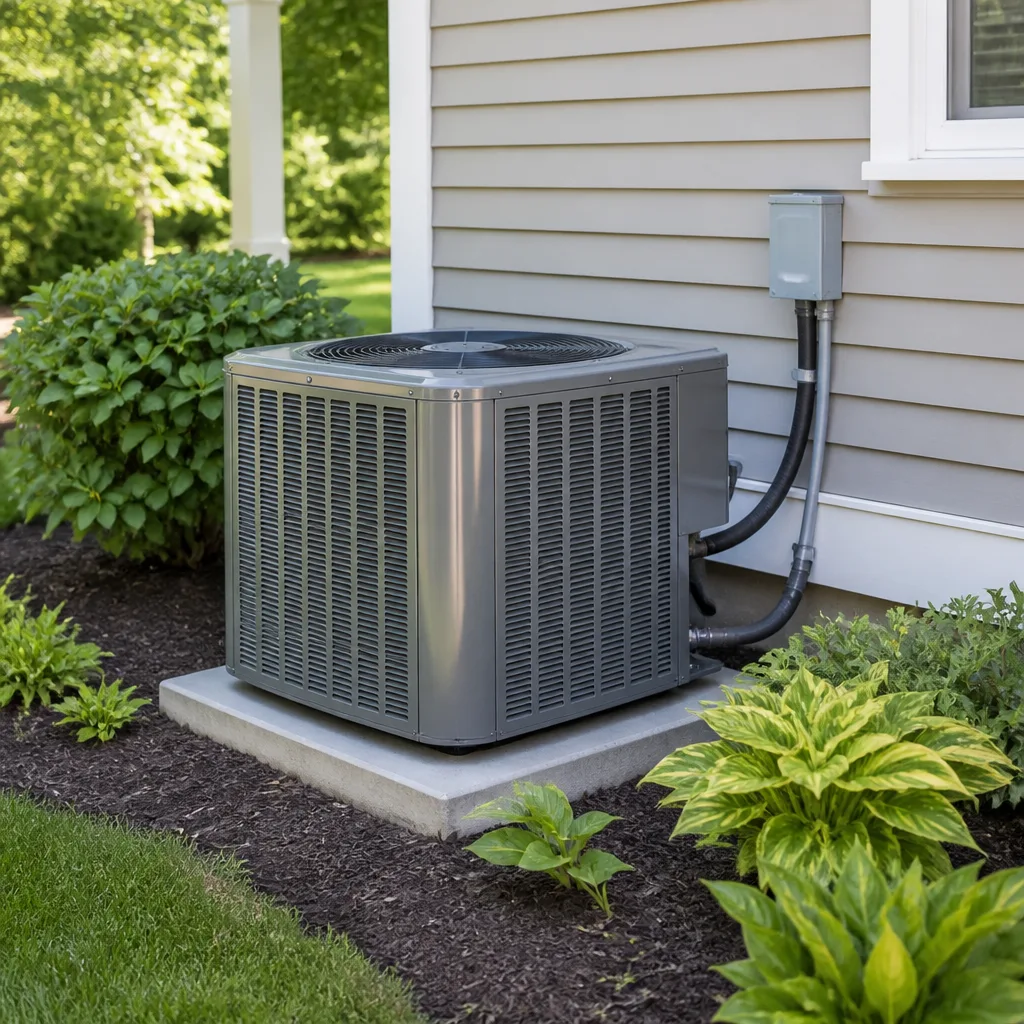
Warm air from the vents when the thermostat is set to cool. This is the classic capacitor failure, refrigerant leak, or compressor problem. If the outdoor unit runs but the air inside doesn’t cool, you’re paying for electricity that isn’t doing anything. A compressor running without sufficient refrigerant gets hot. Overheat it repeatedly and you’re replacing the whole outdoor unit instead of recharging a few pounds of refrigerant.
A burning or electrical smell. Capacitors and contactors can overheat before they fail. A burning smell near the outdoor unit or coming through the vents means something electrical is hot enough to melt insulation. That’s a fire hazard, not just a comfort issue. Shut the system off at the breaker and call a professional.
Visible refrigerant leak signs: hissing, bubbling, or oily residue on refrigerant lines. Refrigerant doesn’t get consumed. If it’s low, it leaked. A hissing sound at the outdoor unit’s line connections or an oily film on the copper lines means the system is actively losing its cooling fluid. Running an AC low on refrigerant puts the compressor at risk, and a AC Repair services visit for compressor replacement in Los Angeles typically runs $1,800 to $3,400 depending on the brand and size.
Water actively leaking inside the house. A clogged condensate drain line can overflow and damage drywall, hardwood, or electrical components. In Los Angeles, summer humidity is low, which means a clogged drain can sometimes go unnoticed longer than in coastal climates. By the time you see water, it may have been backing up for weeks.
Tier Two: Schedule This Week
Reduced airflow from the vents. A failing blower motor capacitor, a dirty evaporator coil, or collapsed ductwork all reduce the volume of air reaching the rooms. Your system runs longer to hit set temperature, which shortens its life. Schedule a diagnostic within seven days.
Long run cycles without hitting set temperature. If the unit runs for 45 minutes or more and the indoor temperature barely moves, the system has lost capacity. Common causes: low refrigerant, a failing compressor, or an undersized system fighting a Los Angeles heat wave. The longer it runs underperforming, the more wear the compressor absorbs.
Ice or frost on the outdoor unit’s copper lines. We cover this in detail below, but the short version: ice means something is preventing proper heat exchange. Two opposite causes produce the same frost, and picking the wrong fix makes the problem worse.
Tier Three: Monitor for One Month
A new faint hum or rattle that doesn’t change. Mechanical parts resonate. A loose panel screw or slightly worn fan motor bearing can produce a new sound that’s cosmetic today. Log it. If it stays the same for thirty days, mention it at your next maintenance visit. If it grows louder, it graduates to Tier Two or Tier One.
A utility bill 10 to 15 percent higher than the same month last year, with similar weather. This is a diagnostic tool we’ll cover below. One mild spike isn’t an emergency. Two consecutive months of unexplained increase means something is working harder than it should.
The Sounds That Pinpoint Which Part Is Failing
Most homeowners lump all AC noises into one category: weird. But a hard start rattle points to a different part than a shriek on startup, and confusing them leads to misdiagnosis. Here’s what we listen for when a Los Angeles homeowner calls describing a sound they can’t identify.
The Hard Start Rattle (Clicking or Chattering for 1-2 Seconds at Startup)
This is the sound of a compressor struggling against a failing start capacitor or start relay. The compressor receives a jolt of electricity to get its motor spinning, and when the capacitor can’t deliver that jolt cleanly, the compressor stutters. Each stutter draws excess amperage. Each excess amperage event generates heat in the compressor windings. The capacitor itself is a $60 to $120 part on most systems. The compressor it’s trying to start is $1,800 to $3,400. Every rattling start cycle is the capacitor asking you to spend the smaller number before it becomes the larger one.
The Shriek or Screech on Startup
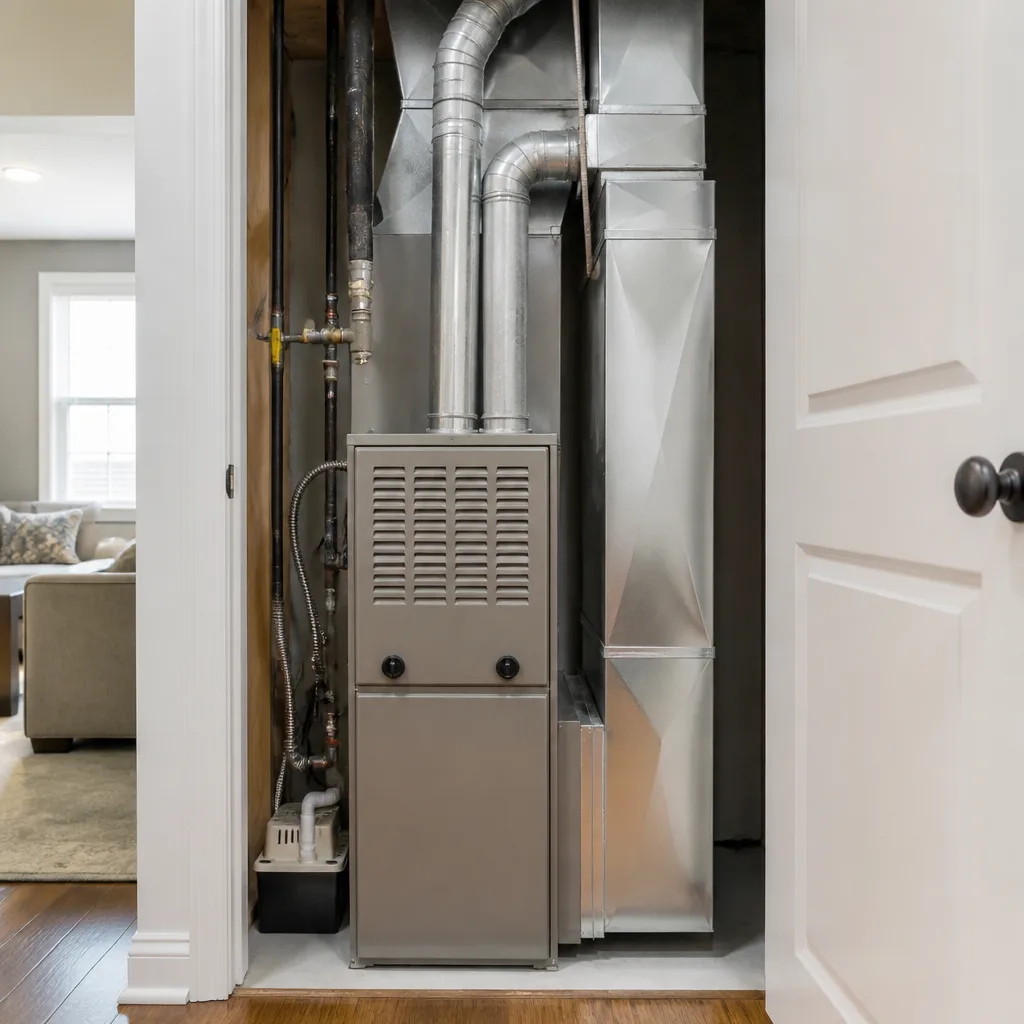
A high-pitched shriek that lasts a few seconds and then fades usually points to a failing blower motor bearing or a loose fan belt (on older systems that still use belts). Blower motors sit inside the air handler, often in a closet or attic. When the bearing starts to go, it heats up, and the heat cooks the lubricant, which makes the bearing fail faster. A blower motor replacement in Los Angeles typically runs $400 to $900 installed, depending on the system age and motor type. It’s an annoying repair, but catching the shriek early keeps it from becoming a seized motor.
The Constant Grind or Growl
A low, constant grind from the outdoor unit points to a condenser fan motor whose bearings are worn. The fan pulls air through the outdoor coil. If the fan stops, the coil can’t reject heat, and the compressor works against rising pressure until it overheats and trips its thermal limit or fails outright. Grinding means the motor is running on damaged bearings. The motor is already lost; the question is whether it takes the compressor with it.
The Buzz Without Startup
A loud buzz from the outdoor unit with no compressor startup means the contactor or capacitor has failed while trying to engage. The unit is sending power but the compressor isn’t turning. This is a Tier One call. The buzz means the compressor is being asked to run and refusing, and the longer that condition persists, the hotter the internal windings get.
We train our technicians to identify the specific sound before touching the system. A customer describing a rattle versus a shriek versus a grind gives us the first diagnostic clue before the service van leaves the shop. When you call AC Repair in Los Angeles with Dalton, describe the sound in your own words. We’ll know what to bring.
Ice on the Refrigerant Line: Two Opposite Problems, Two Opposite Fixes
Ice or frost on the copper line set connecting the indoor and outdoor units is one of the most misunderstood warning signs in residential HVAC. The visual is identical regardless of cause. The correct response is not.
Cause One: Low Refrigerant. When refrigerant charge drops, the pressure in the evaporator coil drops. Lower pressure means lower temperature. Moisture in the air passing over the coil freezes instead of condensing. The ice builds, insulating the coil, reducing cooling capacity, and pushing the system into a downward spiral. The fix is finding and repairing the leak, then recharging the system to manufacturer specifications. In Los Angeles, a refrigerant leak repair plus recharge typically runs $400 to $900, depending on leak location and refrigerant type (older R-22 systems cost substantially more than R-410A). Ignoring this condition runs the compressor until it fails, at which point you’re deciding between a $2,500 compressor replacement and a $8,000 to $14,000 system replacement.
Cause Two: Restricted Airflow. A dirty filter, collapsed return duct, or failing blower motor starves the evaporator coil of warm air. Without warm air to absorb, the coil temperature drops below freezing, and ice forms. The system has plenty of refrigerant; it just has no thermal load to work against. The fix is replacing the filter, repairing the duct, or addressing the blower. This is a $25 to $500 repair in most cases.
What happens if you pick the wrong one? If the problem is low refrigerant and you only change the filter, ice keeps forming because the charge is still low. If the problem is a dirty filter and a technician adds refrigerant without checking airflow, the system is now overcharged, which causes its own set of compressor problems. In our experience running service calls across Los Angeles neighborhoods, airflow restrictions account for about a third of the iced-coil calls we see. The other two-thirds are refrigerant issues. A trained technician checks both before touching the charge.
What to do right now: If you see ice, turn the system off at the thermostat and switch the fan to “on” to melt the ice (fastest safe response) or leave the system off entirely. Don’t run the AC while ice is present. The compressor is working against a blocked system. Wait for the ice to melt fully, check the filter, and then call for a diagnostic if the ice returns or the system won’t cool.
Weak Airflow: The Overlooked Warning Sign
Weak airflow rarely announces itself like a shriek or a rattle. It creeps in. Rooms that used to reach the same temperature as the rest of the house start running three or four degrees warmer. The system runs longer. The utility bill rises. And the homeowner adapts, adjusting the thermostat lower, which increases runtime, which accelerates the underlying problem. Weak airflow is not a comfort preference; it’s a mechanical symptom.
The filter. In Los Angeles, where wildfire smoke season has taught homeowners about filtration, high-MERV filters are common. A MERV 13 filter plugged with ash and dust restricts airflow just as effectively as a closed damper. A one-inch filter should be checked every month during peak cooling season and replaced when you can see the white through the dirt. Thicker four-inch media filters last longer, but when they plug, they plug completely. We can’t count the number of calls where a homeowner was certain the AC was broken and the fix was a $15 filter and a ten-minute explanation of static pressure.
The evaporator coil. Over years, the indoor coil collects dust and grime. The coil is the cooling surface; when it’s insulated by buildup, it can’t absorb heat effectively. Air that passes over a dirty coil comes out the other side less cool and less voluminous. A professional coil cleaning in Los Angeles runs $150 to $350, and it restores the system’s effective capacity. Skipping it because the system “still works” is a gradual tax on every other component.
The ductwork. In older Los Angeles homes, duct systems are frequently undersized for the cooling load, especially in converted attics and garage conversions. Flex duct can collapse, joints can separate, and basement or crawlspace runs can be crushed by stored items. If airflow is weak in one room but strong in another, the problem follows the duct path, not the air handler. Duct repair and modification is a case-by-case assessment, but it’s the difference between a system that cools the house and a system that cools half of it while working overtime.
The blower motor. A blower motor that’s losing power delivers less air across the board, not in one room. A failing run capacitor for the blower often causes the motor to start slow or run at reduced RPM. This is a $175 to $400 repair depending on the motor size and style, and it’s a Tier Two priority because the evaporator coil needs adequate airflow to avoid the icing problem described above.
Your Utility Bill Is a Diagnostic Tool
Most homeowners check the utility bill to see how much they owe. Few use it to diagnose the HVAC system. Here’s the method we recommend to our Los Angeles customers when they suspect something is off but haven’t heard or felt anything specific.
- Pull the same month from last year. Compare kilowatt-hours used, not dollars billed. Dollars fluctuate with rate changes; kWh reflects actual consumption.
- Account for weather. If this July was 8 degrees hotter than last July in Los Angeles, some increase is expected. The Department of Energy and LADWP both publish cooling degree day data. If cooling demand was similar and usage rose 15 percent or more, something mechanical changed.
- Check the thermostat schedule. Did you add a new schedule, change the setpoint, or have houseguests who adjusted the temperature? Eliminate behavioral changes before suspecting equipment.
- Look for the flat-line signal. If usage spiked in a single month and stayed elevated, that’s the signature of a component failure that permanently increased the system’s workload: a failing capacitor that’s now completely dead, a condenser fan motor that replaced itself with a constant draw on the compressor, or a refrigerant leak that dropped cooling capacity so the system runs longer to hold temperature.
- Look for the sawtooth signal. If usage jumps for a few days and then returns to normal, that’s the signature of an intermittent problem: a failing start relay, a condenser coil that’s partially blocked by debris on hot days, or a thermostat that’s losing its temperature calibration.
A 15 percent increase with similar weather means the system is drawing about 15 percent more power for the same cooling output. That power goes somewhere: heat in the compressor, heat in the motor windings, heat in the contactor. Every kilowatt-hour above baseline is wear that shortens the system’s life. When you call us about an elevated bill, we ask for the bill history before we even schedule the diagnostic. The numbers tell us where to look.
The Documentation Habit: Logging Symptoms Like Evidence
Here’s a habit that costs nothing and saves real money. Every time you notice something wrong with your AC, write down the date, the symptom, and what the system was doing at the time. A simple note in your phone or a page in a notebook is sufficient. Here’s why this matters.
Faster diagnosis. A technician who arrives to the report of “it made a weird sound last week” is starting from zero. A technician who reads “June 14, outdoor unit rattled for about 2 seconds at startup, happened 3 times that evening, hasn’t happened since” knows to check the start components. The diagnostic takes 20 minutes instead of 90, and you’re paying for the repair, not the detective work.
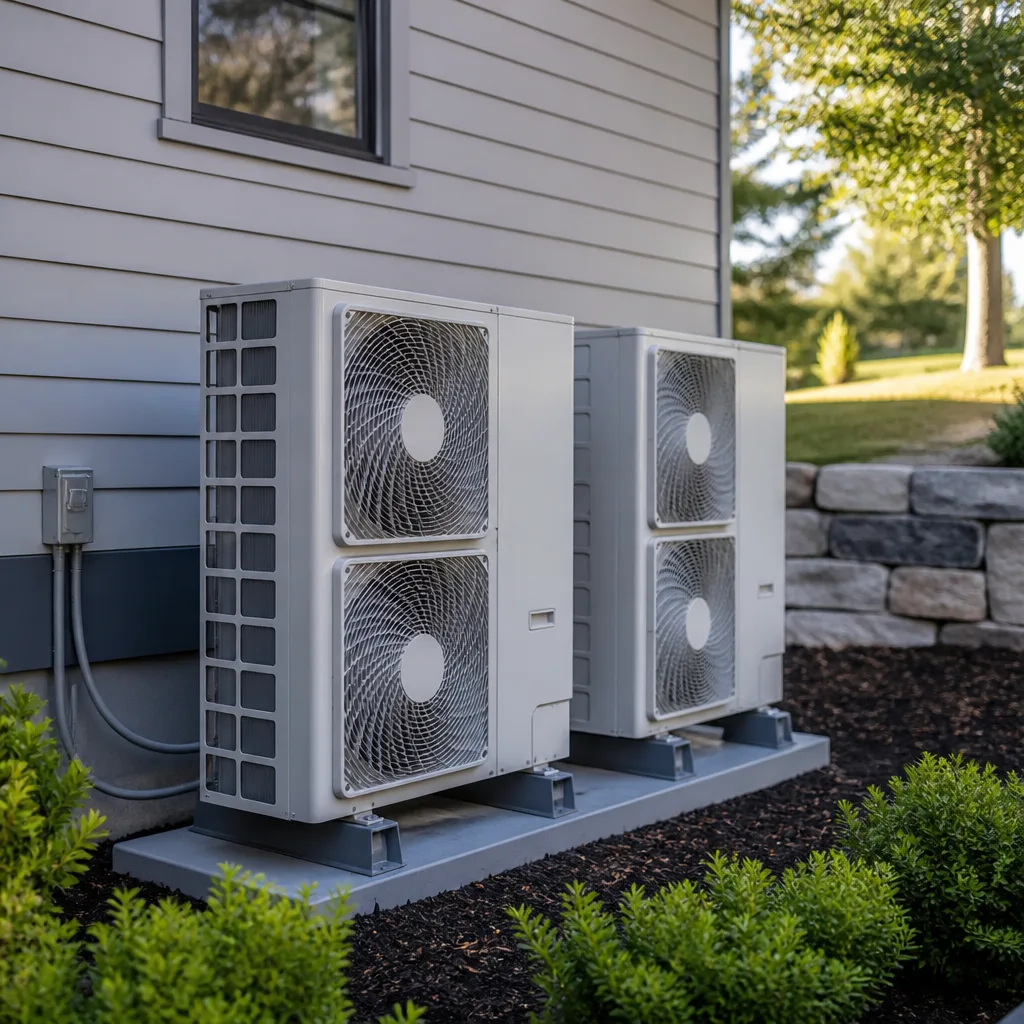
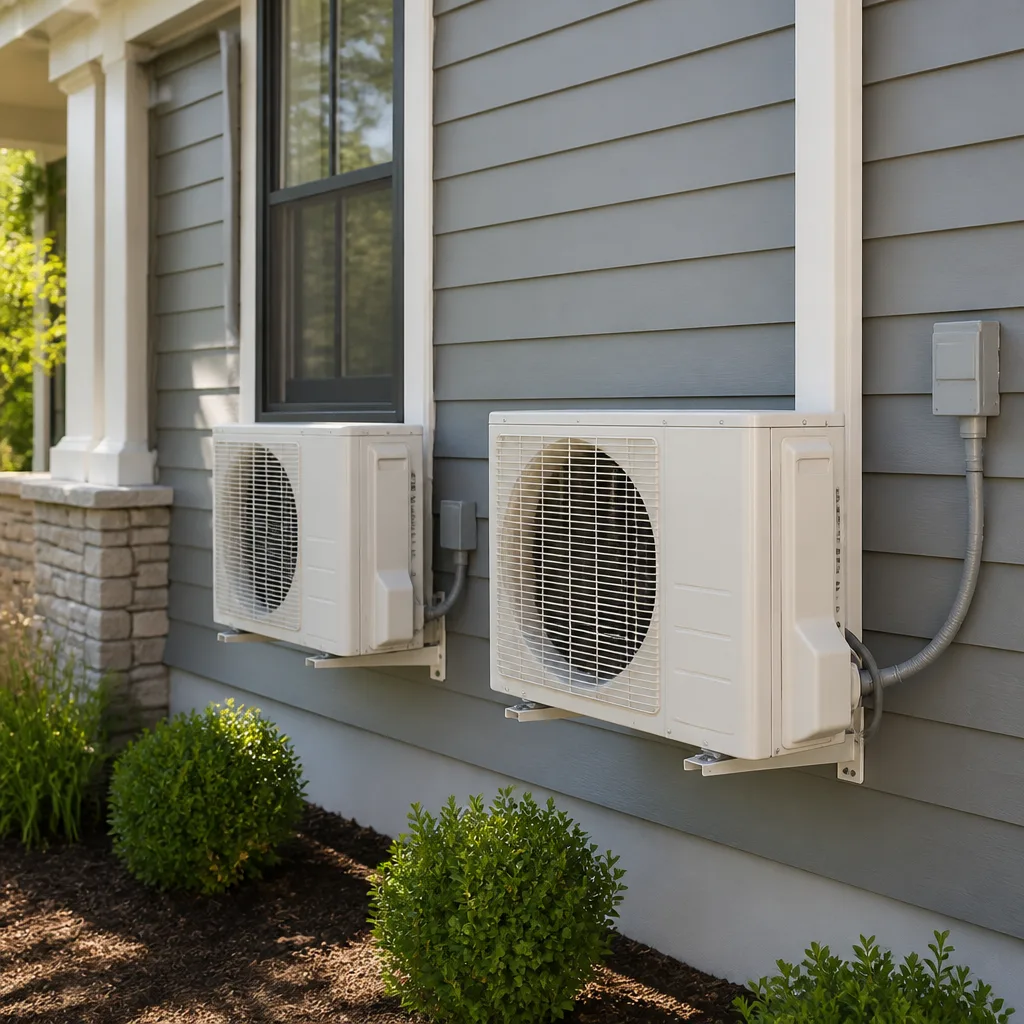
Repair-versus-replace evidence. When a system reaches 12 or 15 years old, every repair call becomes a conversation about whether it’s time to replace. If your log shows five service visits in eighteen months with escalating costs, that’s evidence. If the log shows one minor repair in three years, that’s also evidence. Having the record makes the decision clean, not emotional. In Los Angeles, where a full system replacement runs $8,000 to $14,000 depending on equipment and Heat Pump Installation in Los Angeles complexity, that decision deserves real data.
Warranty and guarantee tracking. Dalton Heating & Air writes every repair guarantee with a full year of coverage. If a component we replaced fails in month 11, your log tells us exactly when the problem resurfaced and what it looked like. The Garrison Standard includes a free second visit if the repair fails within the guarantee period. Documentation makes that process immediate.
The practical habit: when you call any HVAC company, tell them you’ve been logging symptoms. The good companies will ask to hear the log. The ones who don’t care are telling you something.
Common Mistakes to Avoid
- Ignoring a hard start rattle because the AC still cools. The compressor draws excess amperage every start cycle. Breakers, contactors, and the compressor itself take the abuse. You’re paying for a $100 capacitor replacement now or a $2,500 compressor later.
- Adding refrigerant without finding the leak. Refrigerant doesn’t wear out. If a technician offers to top it off without locating and repairing the leak, they’re selling you a temporary fix. The leak continues, the system loses charge again, and you pay for the same recharge next season.
- Replacing a blower motor without checking the filter and coil. The new motor will breathe through the same restricted airflow that killed the old one. The original problem was almost never the motor alone; it was the motor working against resistance.
- Using a too-restrictive air filter to protect against Los Angeles smoke season. A MERV 13 filter on a system not designed for that static pressure reduces airflow dramatically. Better approach: use the filter your system was designed for and add a standalone air purifier for wildfire particulate.
- Setting the thermostat much lower during a heat wave. Your AC has a fixed cooling capacity. Setting it to 68 when it’s 105 outside doesn’t make it cool faster; it just makes it run nonstop while the indoor temperature plateaus. This is how compressors overheat in Los Angeles heat waves.
- Waiting until the AC completely fails before calling. By the time the system is flat dead, the failure has typically cascaded. A failed capacitor took the contractor with it; the contactor then damaged the compressor. Early calls are cheaper calls.
- Accepting a verbal price and then a different invoice. Every Dalton Heating & Air job includes a written price before any work starts. If a technician can’t put the number in writing before touching tools, send them home.
When to Call a Professional
Call a professional the same day you notice warm air, a burning smell, active water leakage, or a compressor that buzzes but won’t start. These are damage-escalation conditions, and every hour of continued operation makes the repair more expensive. Schedule within the week for reduced airflow, ice on the refrigerant lines, or long run cycles that don’t hit set temperature. Monitor for one month only when the symptom is a faint noise or a modest utility bill increase, and only if the system continues cooling normally. If you’re unsure which tier you’re in, call and describe what you’re seeing and hearing. Dalton Heating & Air offers free estimates in Los Angeles. Call (361) 306-9515 and we’ll help you figure out whether this is a today problem or a this-month problem. Every repair includes a written price before any work starts, a written guarantee, and a full year of coverage through the 365-Day Done Right Promise.
Frequently Asked Questions
If the system cools correctly, holds set temperature, and runs without unusual noise, it needs maintenance, not repair. If it’s making new sounds, running longer than it used to, blowing warm air, or producing ice, that’s repair territory. In Los Angeles, we recommend a maintenance check in spring before cooling season begins, but a repair call is driven by symptoms, not a calendar.
A running condenser with no cooling usually means low refrigerant, a failed compressor, or a blocked evaporator coil. The outdoor unit runs because its electrical components work, but the system has lost its ability to move heat. This is a Tier One problem in Los Angeles because continued operation stresses the remaining functional components.
When outdoor temperatures exceed design conditions (typically 90 to 95 degrees in Los Angeles), run times increase substantially, and the system may run near-continuously during the hottest hours. That’s normal within limits. If the unit runs constantly and the indoor temperature still climbs, the system has lost capacity and needs a diagnostic.
Most repairs run $150 to $450 for common issues like capacitors, contactors, and drain line clearing. Refrigerant leak repairs with recharge run $400 to $900. Blower motor replacements run $400 to $900. Compressor replacements run $1,800 to $3,400. Every Dalton Heating & Air repair includes a written price before work begins, so the number you approve is the number you pay.
Most noises point to replaceable components: capacitors, contactors, fan motors, or blower bearings. The only noise that argues for system replacement is a compressor grinding internally, which typically occurs on systems already near or past their expected service life. A diagnostic will tell you which category you’re in.
Our technicians are factory-trained to service nine major residential brands: Carrier, Trane, Lennox, Goodman, Rheem, York, Daikin, Bryant, and American Standard. See our Choosing the Right HVAC Brand: A Buyer’s Guide for Los Angeles if you’re considering a new system. If your system is one of those, we carry the parts and know the temperament. If it’s older or less common, we’ll still take a look and give you an honest assessment.
The Bottom Line
Your AC system telegraphs its failures weeks or months before it quits. The hard start rattle is a $100 repair asking you not to turn it into a $2,500 repair. Ice on the line is a diagnostic fork in the road that requires the right expert call. A 15 percent utility bill jump is your system telling you it’s working too hard for the same result. Log what you notice. Act on the tier system. When a repair is needed, get the price in writing before the work starts and the guarantee in writing before the tech leaves. Dalton Heating & Air has operated under the Garrison Standard since 2003 and serves all nine major HVAC brands across Los Angeles. Call (361) 306-9515 when a warning sign shows up. We’ll tell you honestly whether it’s a today problem or a this-month problem, and we’ll put the price in writing either way.
Written by Marco Benitez, Owner at Dalton Heating & Air, serving Los Angeles since 2003.