
Last updated October 9, 2026
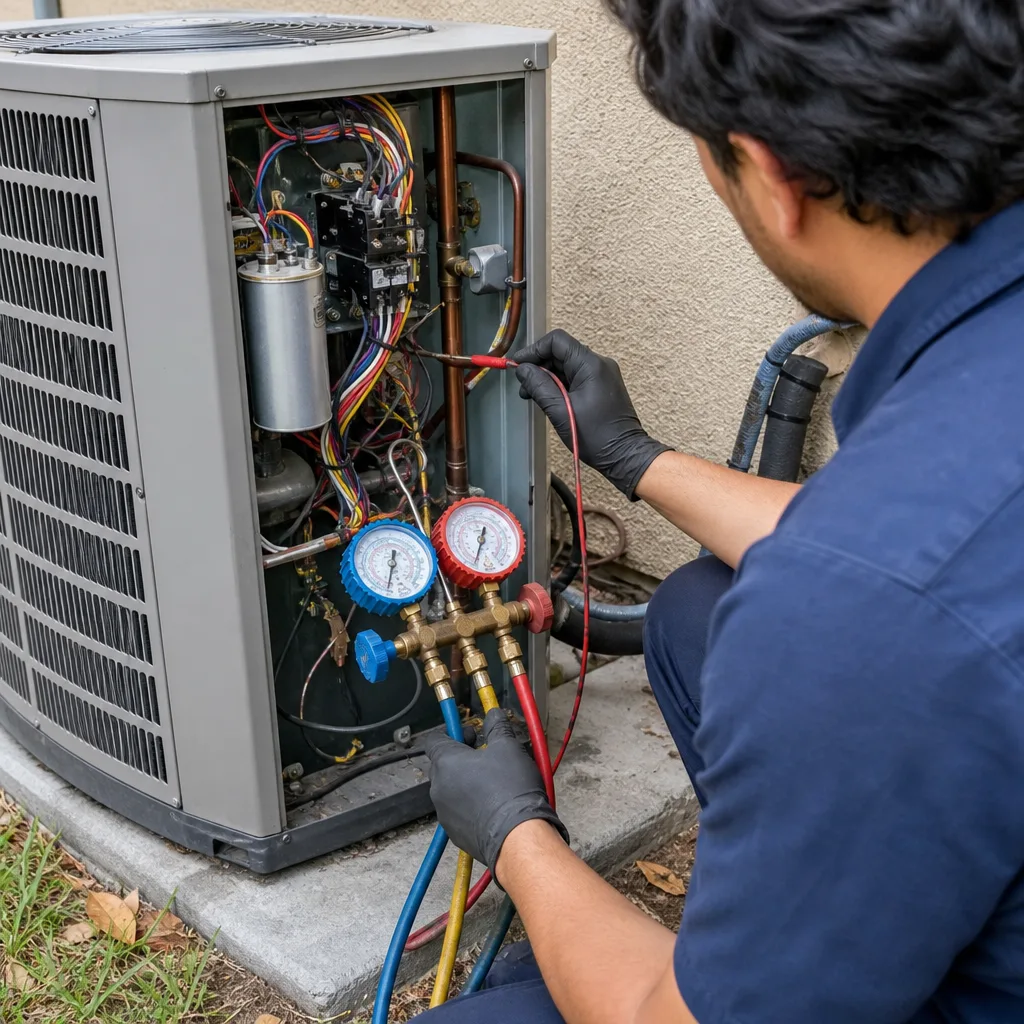
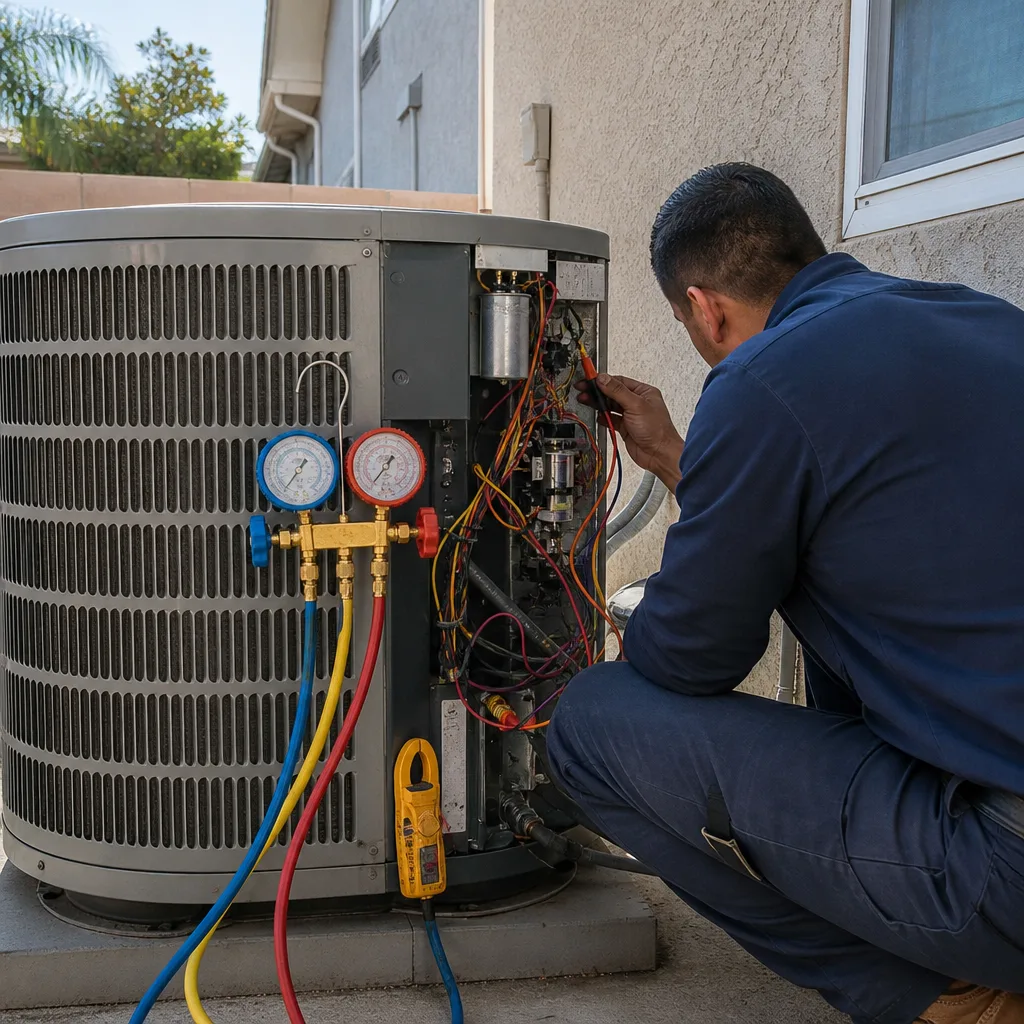
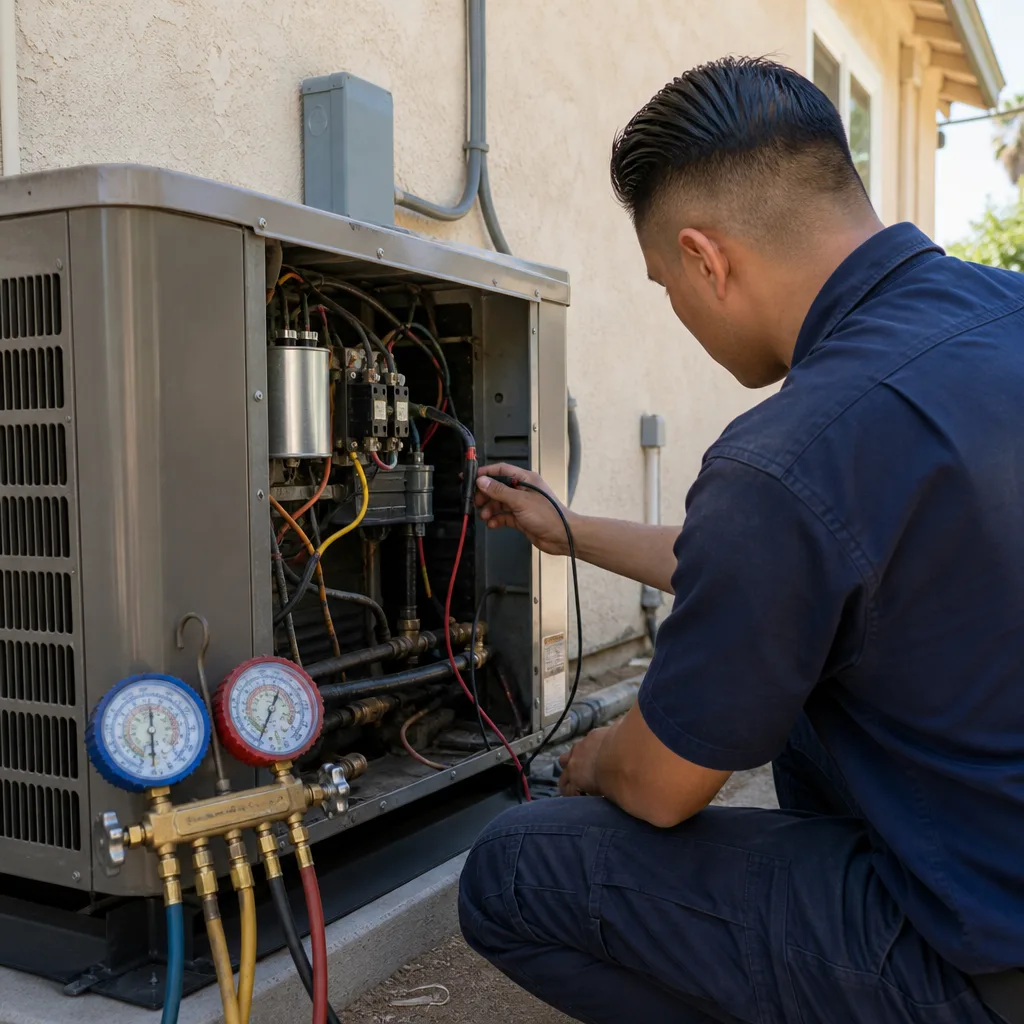
Seasonal tune-up and full diagnostic on your Carrier, Trane, or Goodman system - readings shown to you before any repair is proposed
Diagnosis first, numbers second - you approve the repair price before a single part goes in.
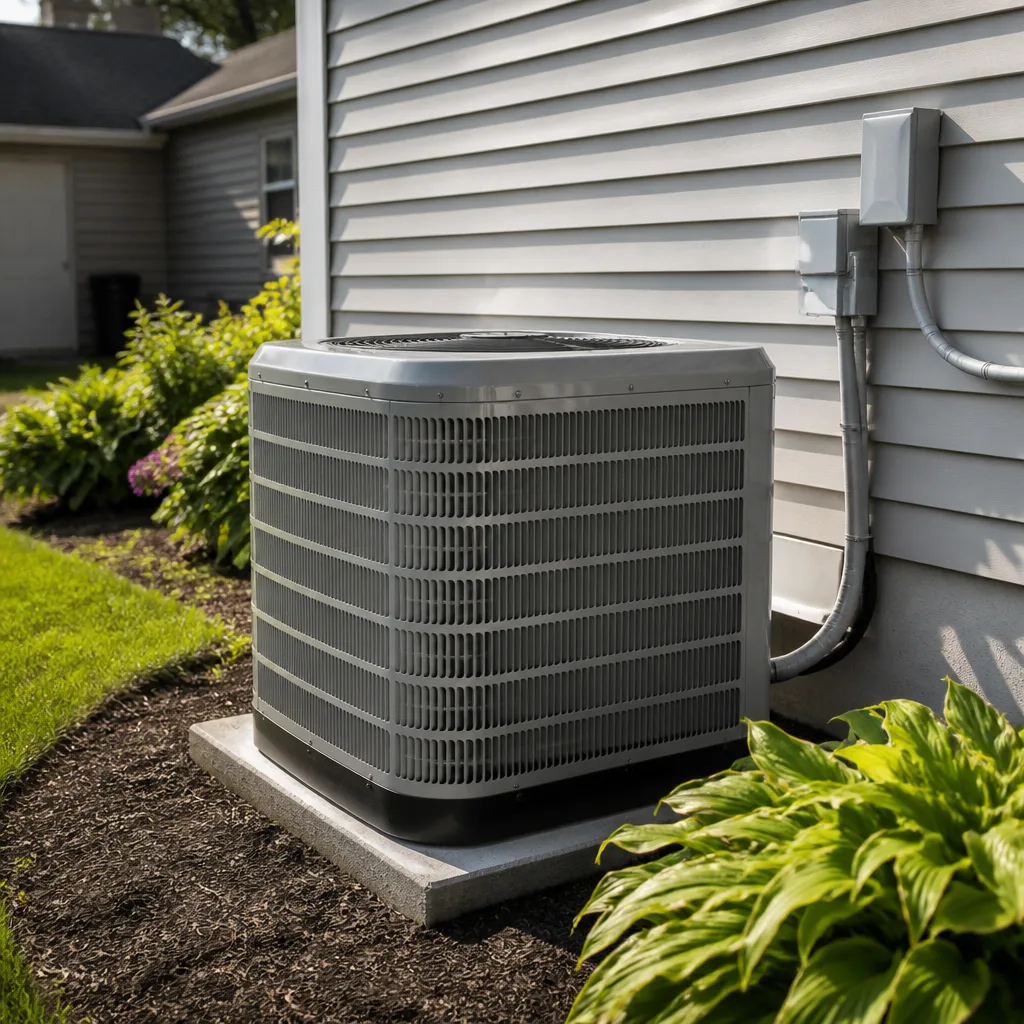
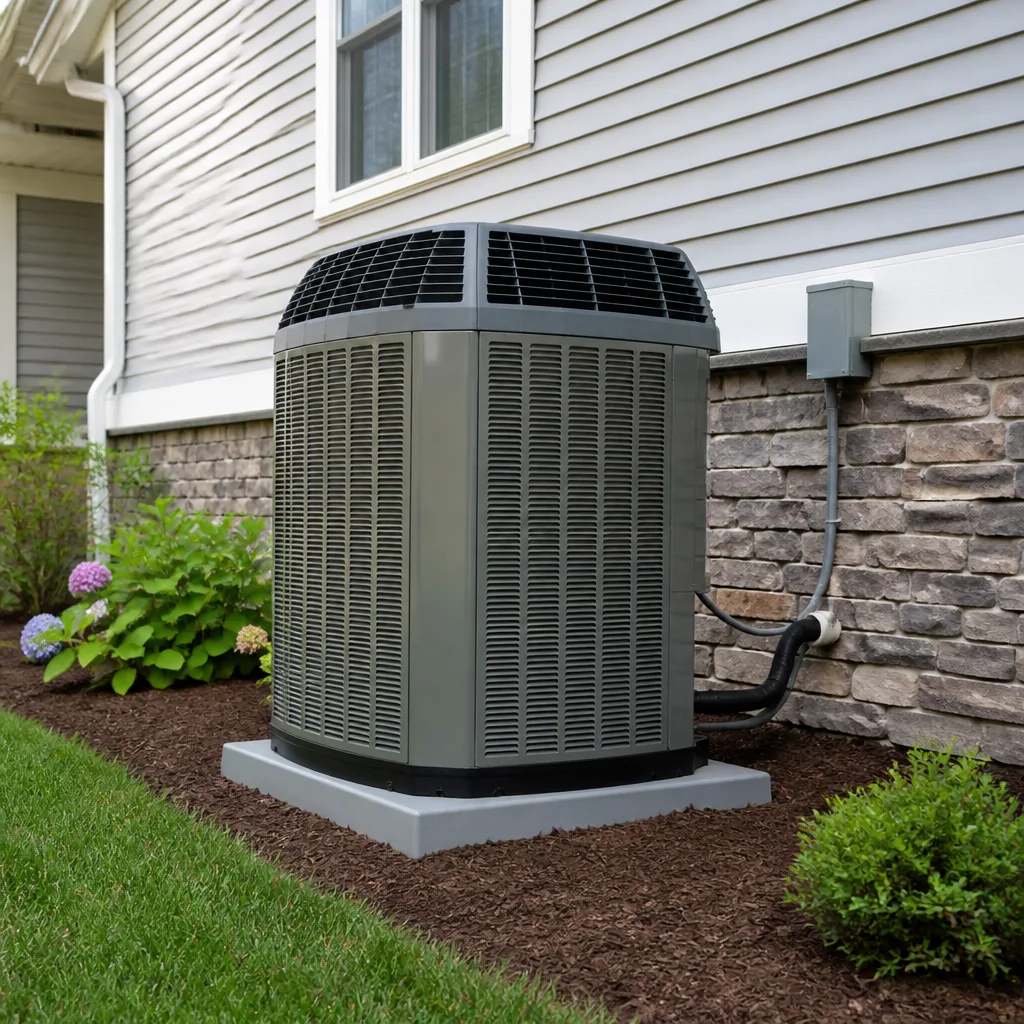
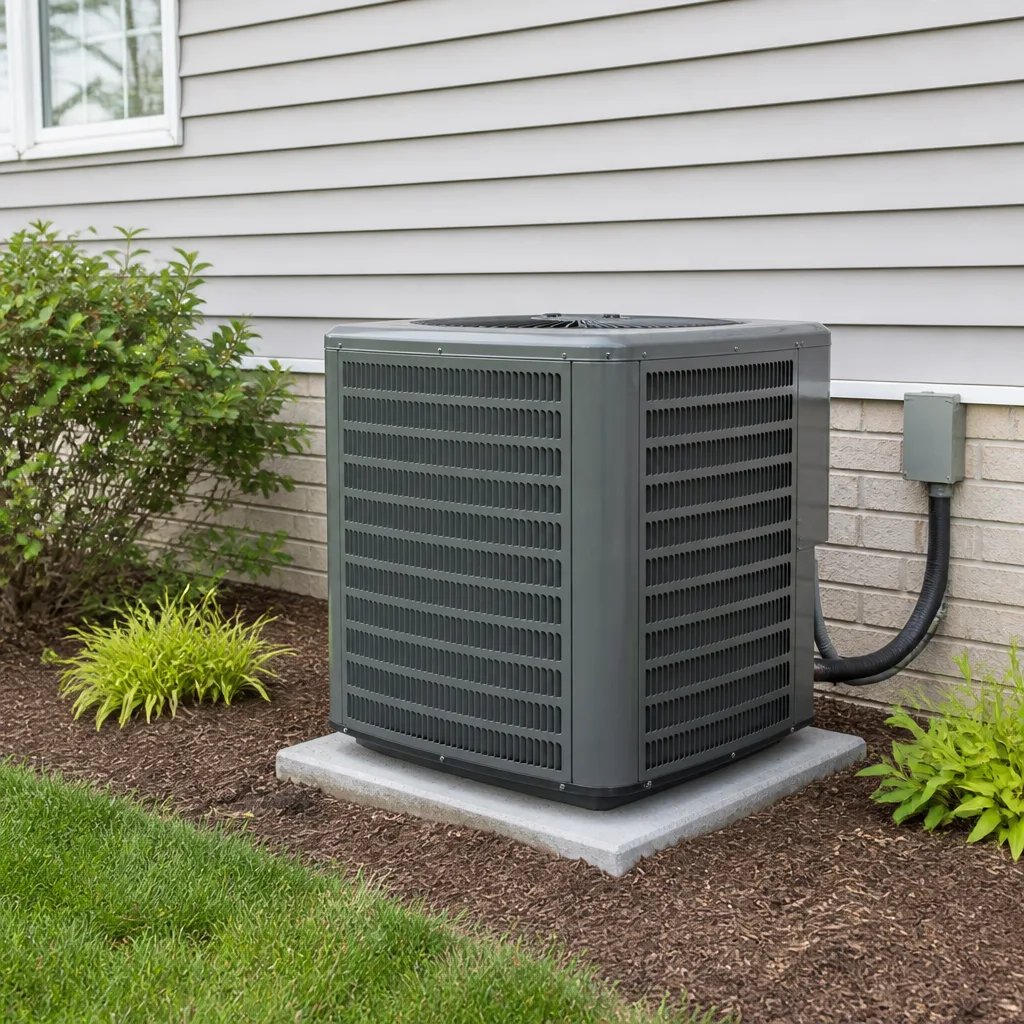
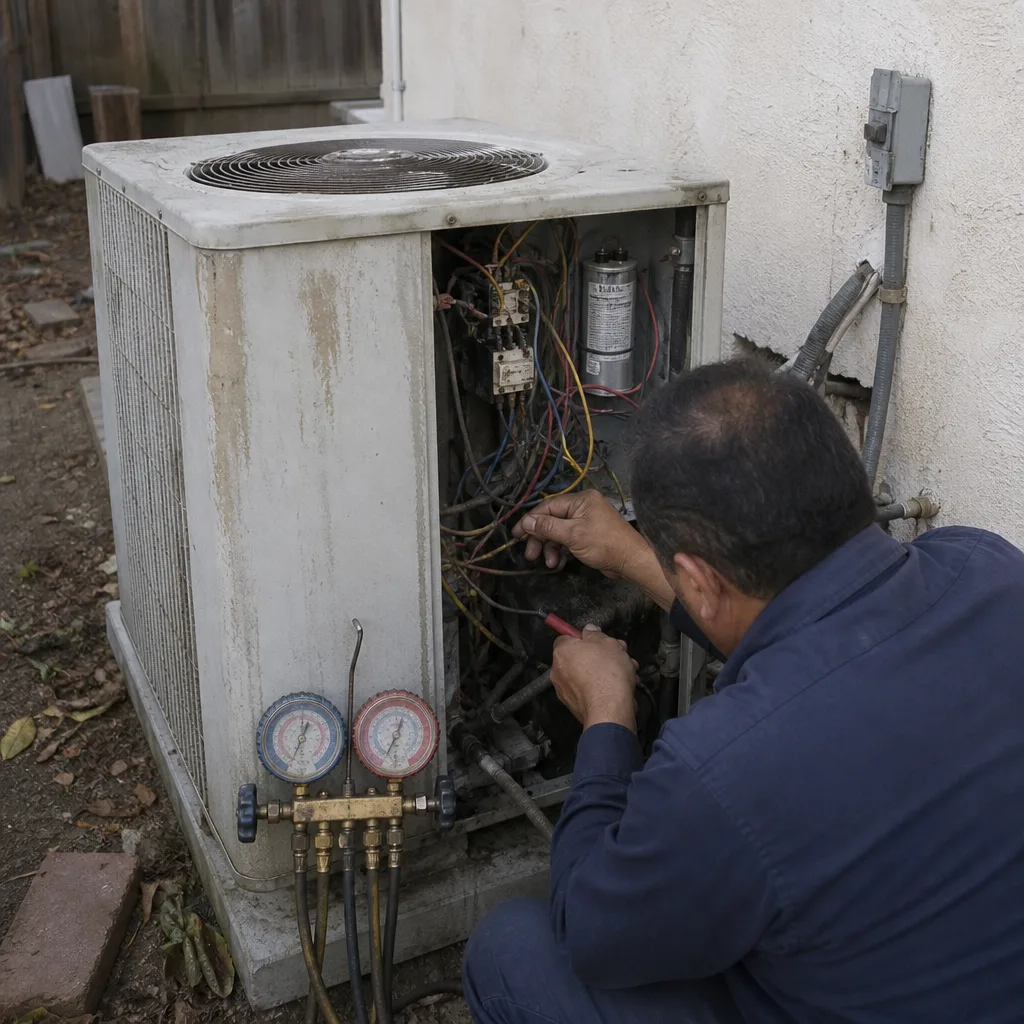 Before
 After
After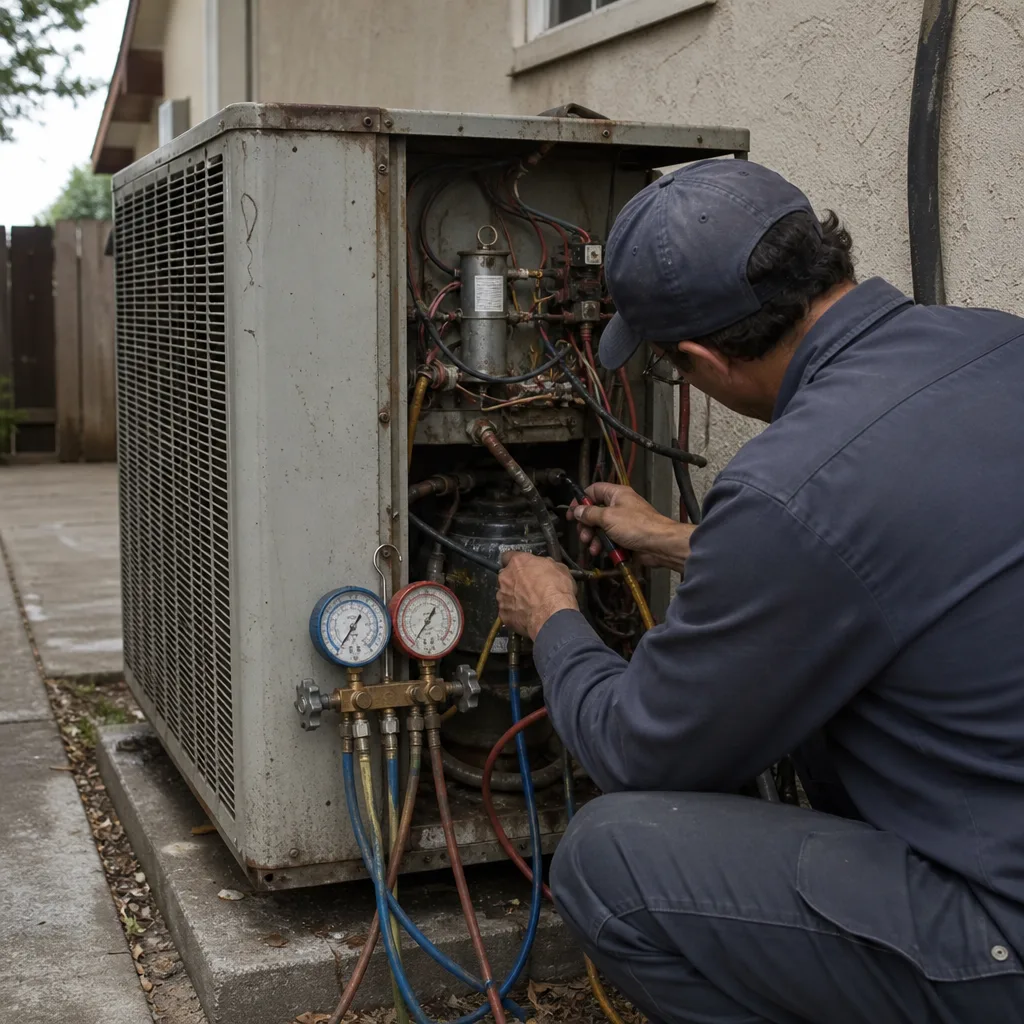 Before
 After
After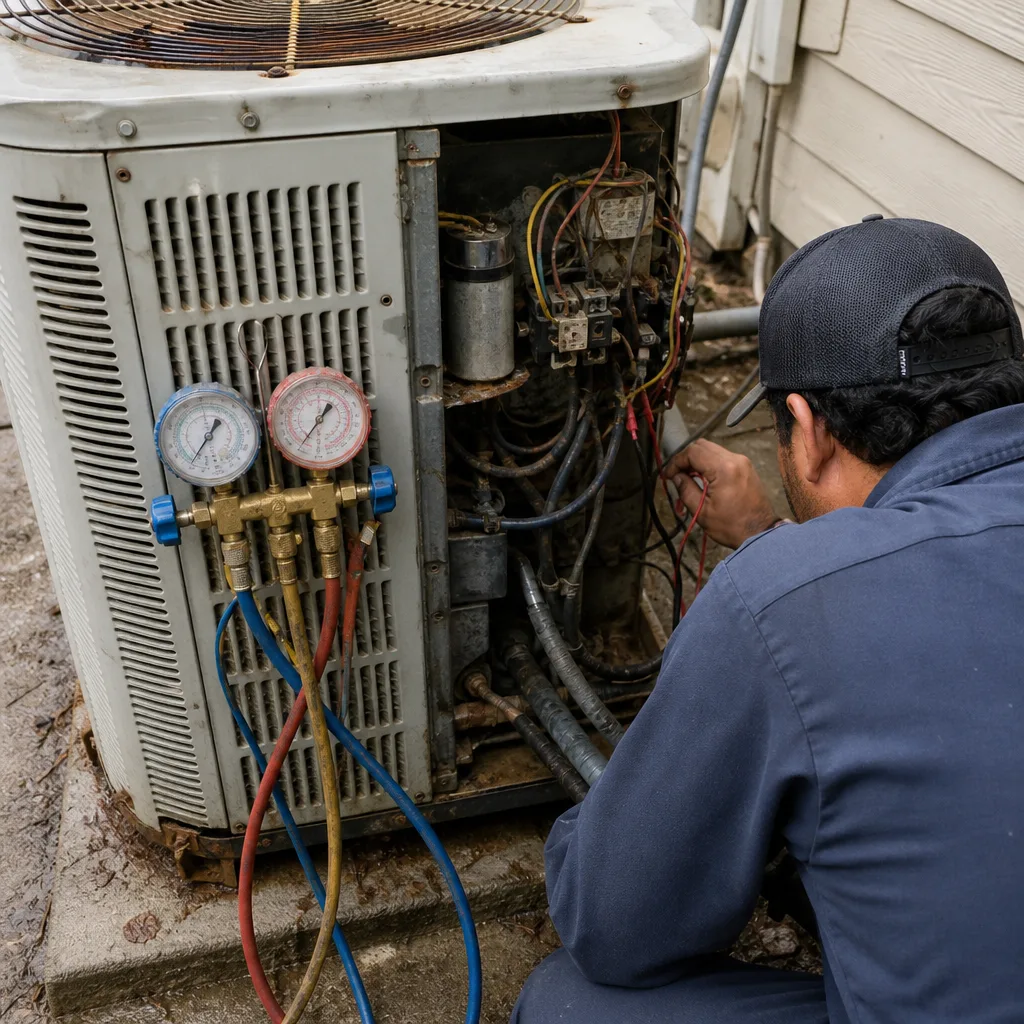 Before
 After
AfterThe Complete Guide to HVAC in Los Angeles
Here’s a number that surprises most Los Angeles homeowners: your air conditioner runs more annual hours than systems in Phoenix, and your furnace runs fewer hours than systems in Seattle. The Los Angeles basin sits in a climate category that national HVAC guides barely acknowledge. A home in Santa Monica needs different equipment than one in Woodland Hills, even though they’re 20 miles apart. This guide explains what actually matters for HVAC in Los Angeles: the microclimates that dictate sizing, the Title 24 rules that most contractors quietly skip, the rebates LADWP and SoCalGas are paying in 2026, and the heating math that changes the furnace-versus-heat-pump decision entirely. For The Complete Heat Pump Installation Guide for Los Angeles Homeowners, see our dedicated resource.
Quick Answer
HVAC in Los Angeles is a cooling-first problem, not a heating problem. Most LA homes run air conditioning 200+ days per year and heating fewer than 500 hours annually. That means you should prioritize SEER rating and humidity control over furnace capacity, verify Title 24 duct testing on any new install, and compare heat pump rebates against gas furnace replacement costs before committing to equipment. Annual maintenance runs $120 – $250, most AC repairs run $180 – $550, and a full system replacement typically lands between $8,500 and $16,000 depending on zone and efficiency tier.
Table of Contents
- How LA’s Microclimates Change Equipment Sizing
- Title 24: The Compliance Rules Most Contractors Skip
- The Real Heating Picture: LA Homes Barely Need Furnaces
- Furnace vs. Heat Pump: The LA Calculus
- 2026 LA Utility Rebates and What Qualifies
- How to Read Your Home’s HVAC History Through County Permits
- The LA Maintenance Schedule That Actually Fits the Climate
- How Long Equipment Lasts in Los Angeles and When to Replace
How LA’s Microclimates Change Equipment Sizing
Los Angeles is not one climate. It’s four or five stacked side by side, and the equipment choice that works in one zone will underperform or overspend in another. The coastal strip from Malibu to Long Beach rarely exceeds 78°F and carries marine layer humidity for months at a stretch. The San Fernando Valley, Woodland Hills in particular, routinely hits 105°F in summer and 110°F during heat waves. The San Gabriel Valley sits somewhere in between, but with worse air quality and more particulate load. Downtown and the mid-city basin act as a heat island that holds daytime temperatures into the early morning hours.
What this means in practice:
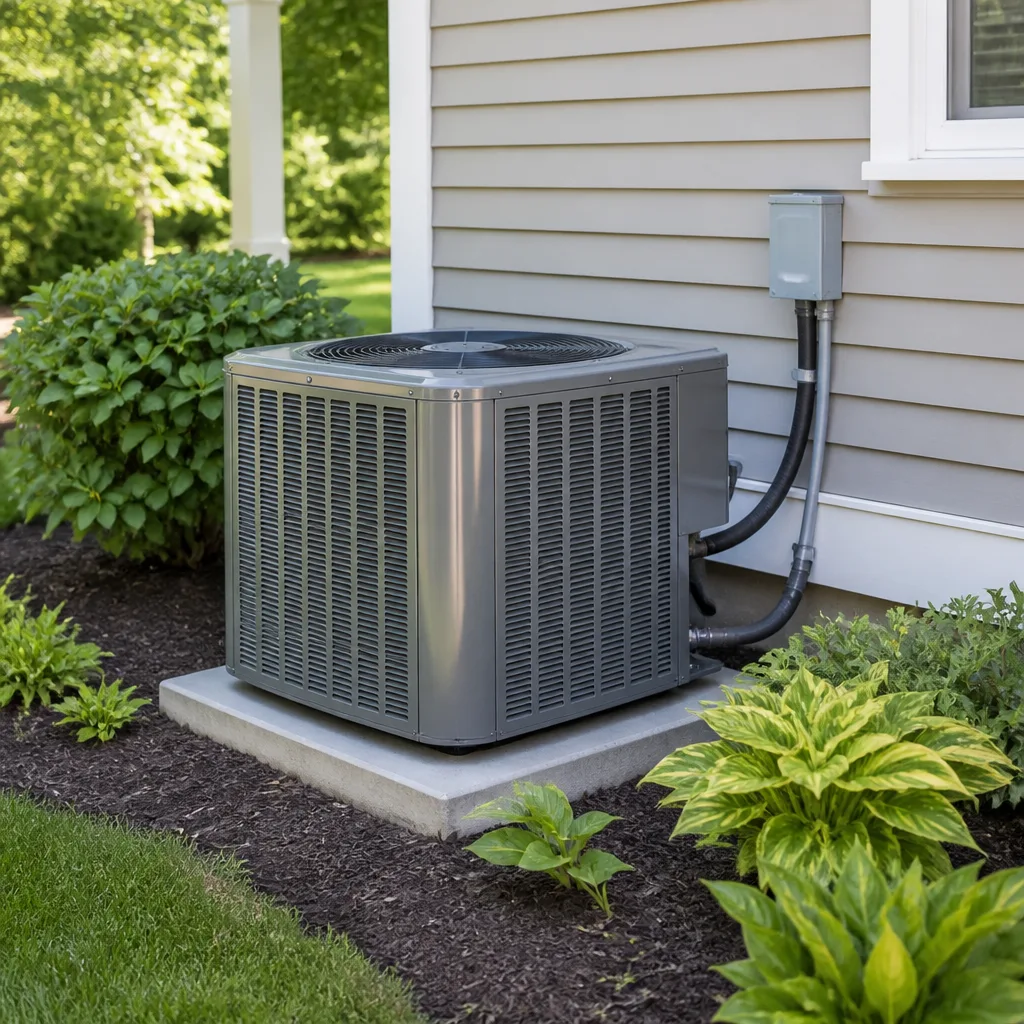
- Coastal homes: A 14 SEER unit is often sufficient. The bigger issue is humidity removal, not raw cooling capacity. Oversized equipment short-cycles and leaves the air clammy.
- Valley homes (Burbank to Woodland Hills): Minimum 16 SEER, and in the western valley, consider 18+ SEER. The temperature swing between day and night is aggressive, and units run hard from June through October.
- Basin and downtown homes: Look for two-stage cooling. Nighttime temperatures stay elevated, so single-stage units either blast cold air intermittently or run too long. Two-stage gives you a low, steady stage for nighttime and a high stage for afternoon peaks.
- Inland San Gabriel Valley: Prioritize filtration. LA’s worst particulate days land in the SGV, and a media filter cabinet or MERV 13 setup is as important as SEER here.
In our experience, the single most common sizing mistake in Los Angeles is using a national rule-of-thumb like “400 square feet per ton.” That assumes a particular heat gain profile that just doesn’t apply when you’re dealing with stucco walls, flat roofs, west-facing glass, and canyon shading. A Manual J load calculation, done properly with real window measurements and orientation data, is the only way to size equipment for a specific Los Angeles house. We’ve followed behind estimates from other companies where the unit was sized off square footage alone, and the result is always the same: a system that can’t hold setpoint on a 105°F Woodland Hills afternoon or one that short-cycles constantly in Mar Vista.
Title 24: The Compliance Rules Most Contractors Skip
California’s Title 24 energy code applies to every new HVAC installation and most replacements in Los Angeles, and it is the most commonly skipped step in the entire trade. The code sets minimum efficiency requirements, but more importantly, it mandates specific testing and verification that many contractors treat as optional.
Here’s what Title 24 actually requires on an HVAC change-out or new install:
- Duct leakage testing: When more than 40 feet of existing ductwork is retained in a replacement, the ducts must be tested and verified to leak below a specific threshold. This is not optional. We’ve measured LA homes with 35 – 40% duct leakage, and the system is essentially cooling the attic.
- Refrigerant charge verification: The system must be confirmed to be charged within manufacturer specification, verified with gauges, and documented.
- Airflow verification: The contractor must measure and record actual airflow. If the blower is delivering 300 CFM per ton when the design calls for 400, the system is not compliant.
- HERS verification: A third-party HERS rater must inspect and sign off. The contractor cannot self-certify.
In Los Angeles, city building permits are required for any HVAC replacement, and the permit record creates a paper trail. When a contractor tells you a permit isn’t necessary or that they’ll “handle it later,” that’s a signal the work will not pass HERS verification. What happens then: the system underperforms, utility bills run high, and when you sell the house, the unpermitted install becomes a title issue. Ask any contractor you’re considering: “Will a HERS rater verify this job, and will I receive the compliance documentation?” If they hesitate, move on.
The Real Heating Picture: LA Homes Barely Need Furnaces
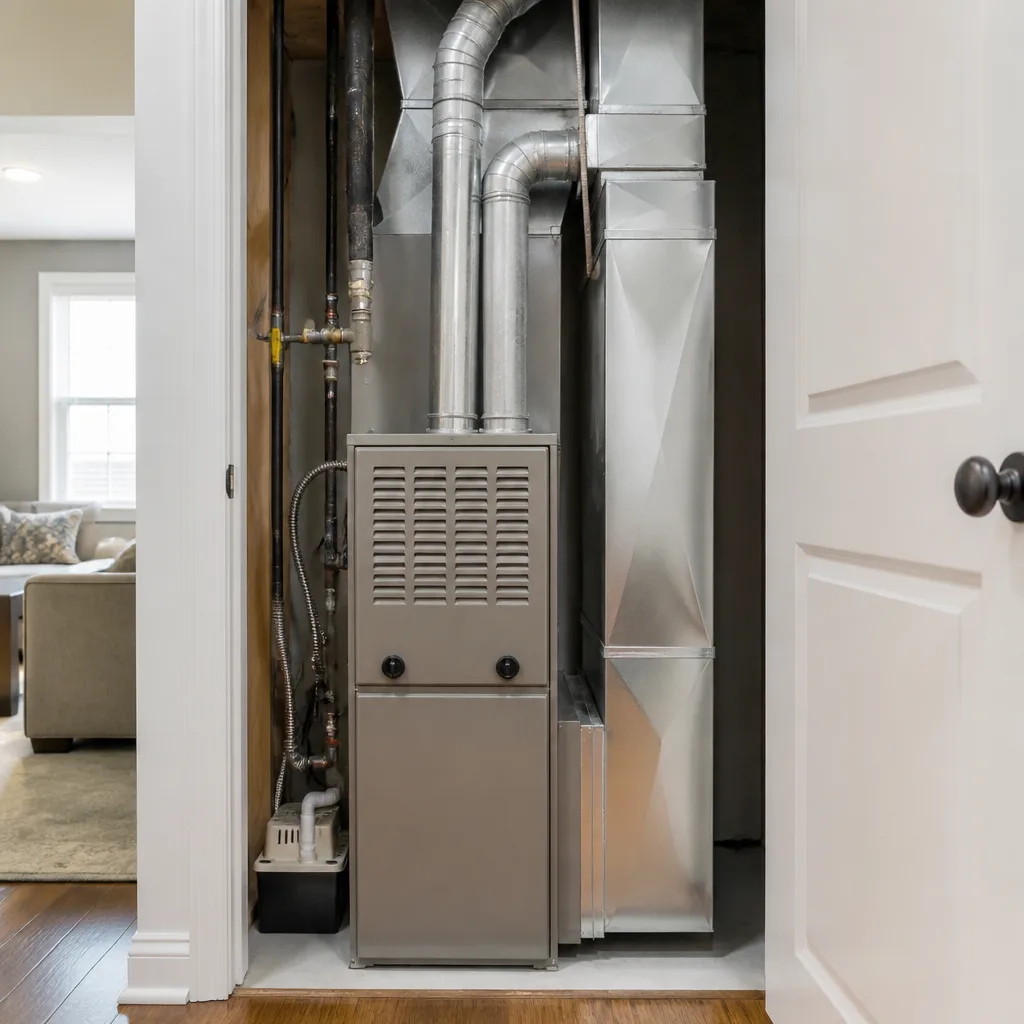
Most Los Angeles homes need fewer than 500 heating hours per year. Compare that to Minneapolis at 2,500+ hours or Chicago at 2,000+. The practical consequence is that furnace capacity in Los Angeles is routinely over-specified. A 100,000 BTU furnace in a 1,800-square-foot LA home is overkill. That furnace will short-cycle, produce uneven heat, and cost more up front than the right-sized 60,000 BTU unit.
Here’s the heating math that matters:
- Design temperature: LA’s winter design temperature is 40 – 44°F depending on zone. Furnaces are sized for the coldest 1% of hours, which in Los Angeles is mild by national standards.
- Heating hours: The basin logs roughly 300 – 500 heating hours annually, concentrated in December and January nights.
- Gas vs. electric rates: As of 2026, Los Angeles residential gas rates have climbed steadily, while LADWP’s electric rates remain relatively low by California standards. This closes the gap between gas furnace operating cost and heat pump operating cost.
What this means when you’re replacing equipment: don’t automatically replace a 80,000 BTU furnace with another 80,000 BTU furnace because “that’s what was there.” The original might have been oversized from day one. A Manual J calculation will almost always come in lower, and the smaller unit will run more efficiently, heat more evenly, and cost less. We regularly see LA homeowners who’ve lived with a short-cycling oversized furnace for years and never realized the uneven heat and frequent cycling was a sizing problem, not an equipment age problem.
Furnace vs. Heat Pump: The LA Calculus
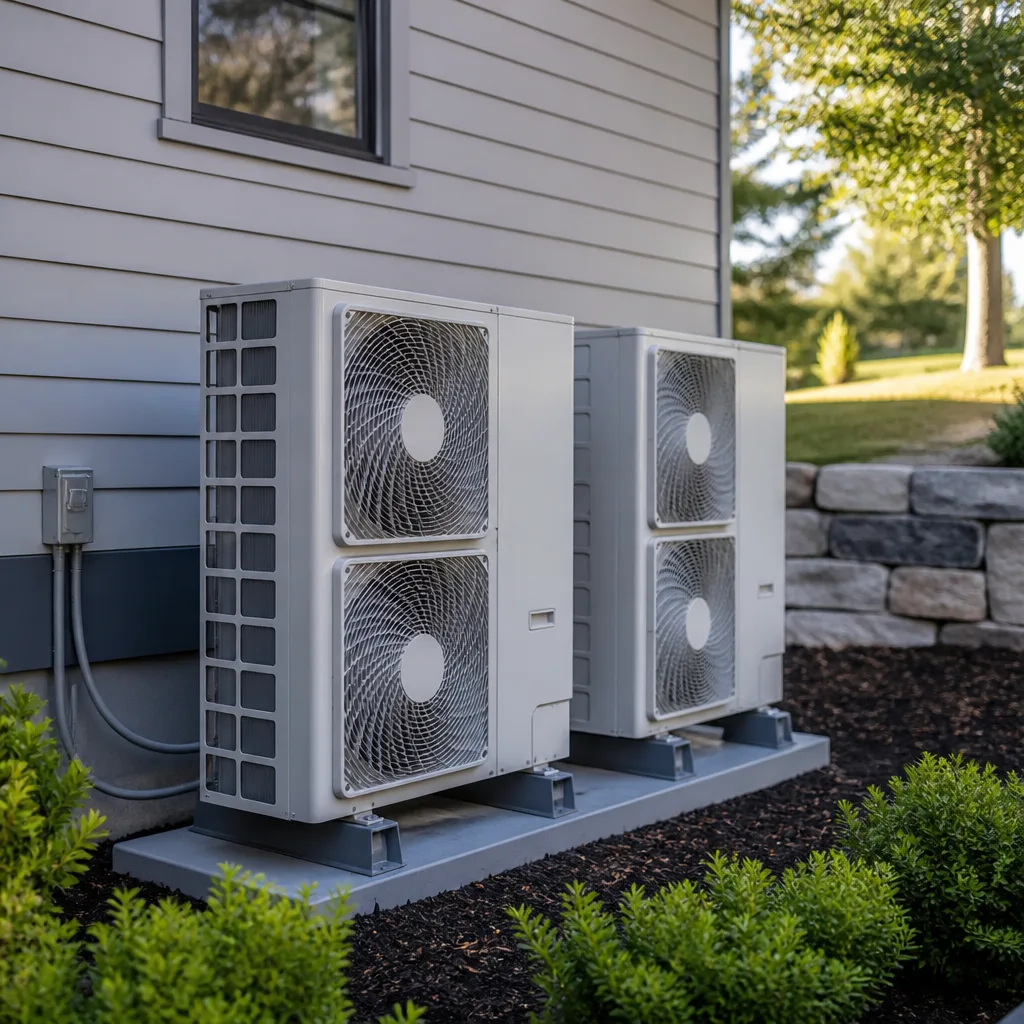
Los Angeles is arguably the best major metro market in the country for heat pumps, and the math has shifted decisively toward them since 2023. Mild winters mean a heat pump’s efficiency sweet spot lines up almost perfectly with LA’s heating needs. A modern cold-climate heat pump holds its efficiency down to 5°F, and Los Angeles almost never sees temperatures below 40°F. That means a heat pump in LA runs in its most efficient range whenever it’s actually heating.
The comparison:
- Upfront cost: A full heat pump system (outdoor condenser + air handler) runs $9,000 – $15,000 installed in Los Angeles, comparable to a high-efficiency gas furnace plus AC. A dual-fuel setup (heat pump + gas furnace backup) runs $12,000 – $18,000.
- Operating cost: In Los Angeles’s mild winters, a heat pump costs less to run than a gas furnace at 2026 utility rates, especially in LADWP territory.
- Rebates: Heat pumps qualify for larger incentives (more on those below) than gas furnaces, sometimes $2,000 – $4,000 in combined rebates.
- Downside: Heat pumps deliver lower supply air temperature than gas furnaces (typically 95 – 110°F vs. 120 – 140°F). That’s not an issue in a well-insulated LA home, but if you’re used to that blast of hot air from the register, a heat pump feels different.
The right answer for most LA homeowners depends on two things: whether you have solar, and whether your furnace still has usable life. If you’ve got solar on the roof, a heat pump is almost always the right call: you’re generating the electricity that runs it, and LADWP’s net metering makes the operating cost effectively zero. If your gas furnace is 15+ years old and the AC condenser is original, replacing both with a single heat pump system simplifies everything and eliminates the gas line dependency. Dalton Heating & Air installs heat pumps in Los Angeles with written pricing before any work starts, and we’ll run the actual numbers for your home rather than handing you a one-size-fits-all recommendation.
2026 LA Utility Rebates and What Qualifies
The rebate landscape in Los Angeles changed in 2025, and the 2026 programs are more specific about what qualifies. LADWP and SoCalGas run separate programs, and their requirements don’t always line up. Here’s what we’re seeing on current jobs:
LADWP rebates (electric service territory):
- Heat pump installation: LADWP pays $250 – $1,000 per ton depending on the equipment tier, which works out to $750 – $3,000 on a typical 3-ton system.
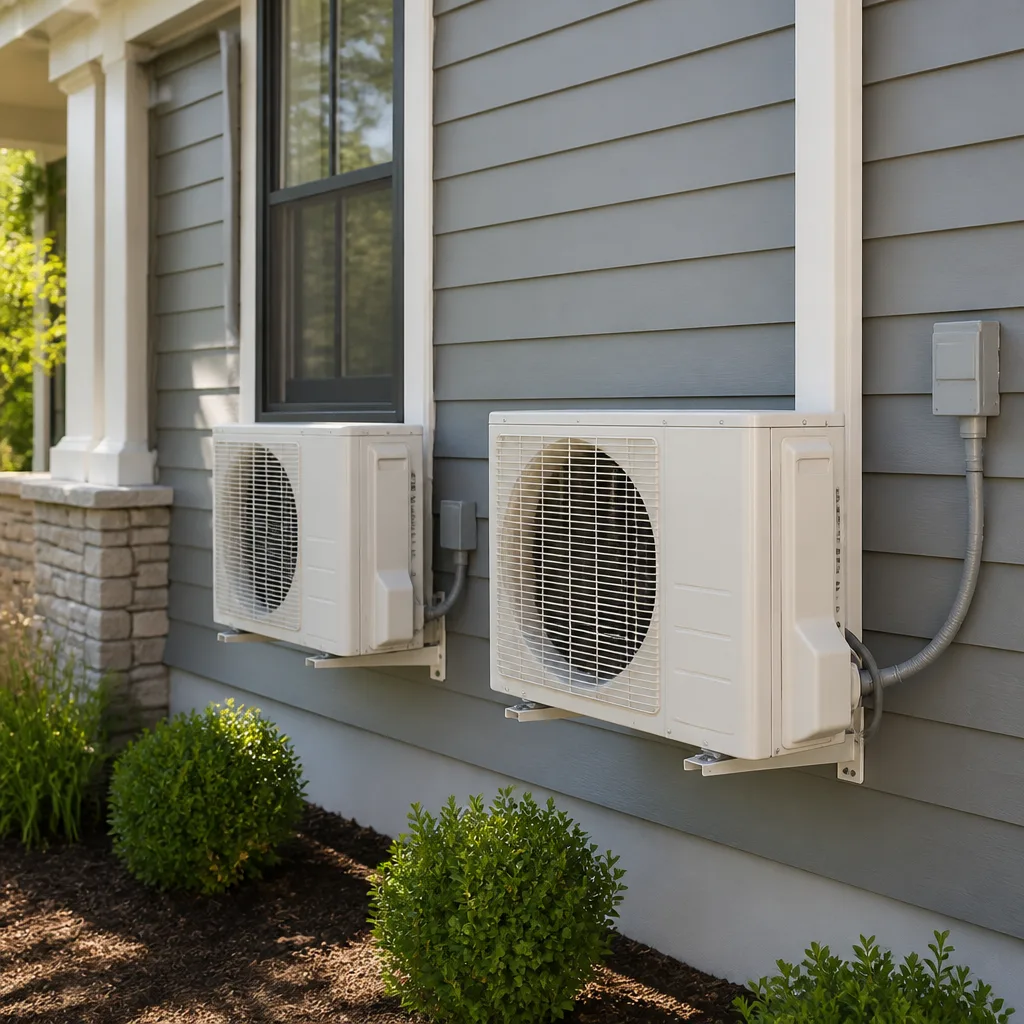
- Ductless mini-split heat pump: $300 – $500 per indoor head, capped at a certain number of heads per project.
- Smart thermostat: $75 – $125 for qualifying models enrolled in demand response.
- AC replacement with high SEER: $150 – $400 for units at 16 SEER2 and above, depending on the tier.
SoCalGas rebates (gas service territory):
- High-efficiency furnace: $200 – $500 for 95%+ AFUE models, depending on whether it’s a straight replacement or an upgrade from a lower-efficiency unit.
- Smart thermostat paired with gas furnace: $50 – $100.
- Tankless water heater / furnace-adjacent upgrades: $150 – $400 in some categories.
Important caveat: LADWP rebates for heat pumps generally require the equipment to be on a specific qualifying list, and the installation must meet Title 24 requirements including duct testing where applicable. We handle the paperwork and rebate filing on every install, because the application process is the part homeowners routinely get wrong. If you’re in LADWP territory and replacing an AC that’s 12+ years old, check the heat pump rebate math before you default to another AC + furnace combo. The numbers have shifted enough that the heat pump often comes out ahead on total cost of ownership within 4 – 6 years.
How to Read Your Home’s HVAC History Through County Permits
Every HVAC replacement in Los Angeles requires a permit, and that permit is public record. Before you buy a house or sink $10,000 into a replacement, pull the permit history. Here’s the step-by-step process:
- Go to the LA County Department of Building and Safety permit portal (or the City of Los Angeles Building and Safety portal if you’re in city limits).
- Search by property address. You’ll see a list of permits pulled for that address, including electrical, plumbing, and mechanical.
- Look for the “Mechanical” or “HVAC” permits. Each one should correspond to a furnace or AC installation or replacement.
- Note the dates. An AC condenser installed in 2009 is now 17 years old. A furnace from 2005 is 21 years old. That’s useful negotiating leverage when buying, and useful replacement planning when owning.
- Check for missing permits. If the HVAC system looks newer than the permit record suggests, the previous owner probably had unpermitted work done. That means no HERS verification, no Title 24 compliance, and potentially faulty ductwork.
Why this matters: Los Angeles homes change hands frequently, and many have had HVAC work done by handyman-level operations that never pulled permits. The equipment might run fine for years, but unpermitted work means no documentation that the ductwork was sealed, the charge was verified, or the system meets code. When we do AC repair in Los Angeles, we check the permit history as part of understanding what we’re walking into. It changes the diagnostic approach when you know the system was installed without verification.
The LA Maintenance Schedule That Actually Fits the Climate
National HVAC advice says “service your system twice a year.” That’s good advice for Minneapolis. It’s overkill for Los Angeles, where the heating season is short and the cooling season is long and hard. Here’s the schedule that fits the LA climate:
- Spring (March – April): One full AC tune-up before the cooling season starts. Coil cleaning, capacitor test, refrigerant check, drain line flush, airflow measurement. This is the highest-value maintenance you’ll do all year, and it’s when we catch the issues that would turn into a July breakdown. Cost: $120 – $250.
- Summer (July – August): Check the condensate drain once a month. LA’s summer humidity, especially in coastal zones, clogs drains with algae. Pour a cup of white vinegar down the drain line. If the water backs up, that’s a $50 fix now or a $500 ceiling stain later.
- Fall (October): A brief furnace or heat pump check before the heating season. Burner inspection for gas furnaces, heat exchanger visual check, thermostat calibration. Cost: $90 – $180.
- Winter (December – January): Change the air filter monthly if you’re running the heat every night. LA’s winter air carries particulate from the basin, and a clogged filter strains the blower motor.
If you only do one maintenance visit per year, do it in March. An LA cooling system that goes into summer with dirty coils and a weak capacitor is going to fail during the first heat wave, and that’s when every HVAC company in the city is booked out for a week. We see the pattern every year: the units that break in August are the ones that skipped spring service. The units that got a March tune-up cruise through the season.
How Long Equipment Lasts in Los Angeles and When to Replace
The conventional wisdom says HVAC equipment lasts 15 – 20 years, but Los Angeles breaks that rule in both directions. Coastal units, run fewer annual hours and exposed to salt air, can last 18 – 22 years on the condenser shell but rot the coil fins earlier. Valley units, run 1,800+ hours per cooling season, often fail compressor or electrical components by year 12 – 14 even though the cabinet looks fine. Here’s the real-world picture:
- AC condenser: 12 – 18 years in the valley, 15 – 20 on the coast. The compressor is the failure point in hot zones; the coil is the failure point in coastal zones.
- Furnace: 18 – 25 years in LA because annual hours are so low. Heat exchangers rarely crack here. The bigger issue is obsolete electronics and discontinued parts after year 20.
- Heat pump: 12 – 16 years, similar to AC but with more total annual runtime because it heats too.
- Ductwork: 25 – 40 years in LA if properly sealed. Flex ducts degrade faster in hot attics; metal ducts last longer but leak at the joints.
Replacement signals to watch: refrigerant leaks that recur after a recharge, compressor drawing high amps on startup, a 12+ year old unit needing a repair that costs more than 40% of replacement value, or R-22 (Freon) systems. R-22 is phased out and a recharge now costs $200 – $400 per pound on the remaining stock, which makes any R-22 repair a math problem. If you’re weighing repair against replacement, ask for the written repair price and compare it against the installed cost of a new system, not just the component cost. We give every furnace repair in Los Angeles and AC repair customer a straight answer on whether the repair makes financial sense, because sometimes the honest answer is “don’t put more money into this unit.”
Common Mistakes to Avoid
- Sizing a replacement off the old unit’s capacity. The old unit was probably oversized, and “same size” means repeating the mistake. Get a load calculation.
- Skipping the duct test on a change-out. Title 24 requires it when 40+ feet of duct is retained, and LA attics hide 30%+ leakage routinely. Untested ducts waste 30 – 40% of the system’s output.
- Buying a high-SEER unit without checking the rebate list. LADWP only pays on specific qualifying models. A 17 SEER unit that’s not on the list might net you nothing while a listed 16 SEER unit pays $400.
- Ignoring humidity in coastal zones. An oversized AC in Santa Monica or Playa del Rey will hit setpoint fast and leave the air humid. You need proper sizing, not more capacity.
- Relying on a furnace for the rare cold snap and ignoring the heat pump math. LA’s heating hours are so low that a furnace is often the wrong tool, especially with 2026 gas rates.
- Not pulling the permit history before buying a house. An unpermitted HVAC install becomes your problem when you sell.
- Deferring spring maintenance to save $150. The August breakdown costs $400 – $900 and a week of discomfort. The economics are not close.
When to Call a Professional
Some Los Angeles HVAC situations are safe to observe and report; others need a trained technician. If your system is running but not keeping up, you can check the filter, thermostat setting, and circuit breaker before calling. If you hear compressor grinding, see ice on the indoor coil, smell burning from the air handler, or the unit trips the breaker repeatedly, shut it down and call. Refrigerant work requires an EPA certification and the right recovery equipment, and DIY attempts on sealed systems are illegal and dangerous. Electrical work inside the air handler or condenser carries shock risk even with the disconnect pulled. For any repair that involves refrigerant, electrical components, or gas line connections, call a licensed professional. Browse more guides & resources on keeping your system running safely. Dalton Heating & Air offers free estimates in Los Angeles – call (361) 306-9515, and a live person answers 24/7.
Frequently Asked Questions
A full system replacement in Los Angeles runs $8,500 – $16,000 installed, depending on zone, efficiency tier, and whether ductwork needs sealing or replacement. Valley homes with high cooling loads land on the upper end; coastal homes with smaller capacity needs land lower. Heat pump systems run $9,000 – $15,000. Call (361) 306-9515 for a written quote with exact numbers for your home – estimates are free.
Once a year is sufficient for most Los Angeles homes: a full cooling tune-up in March or April, plus a brief heating check in October if you run the furnace or heat pump through winter. Coastal homes may want an additional drain line flush mid-summer, but a full second service visit is optional here.
Yes. The City of Los Angeles and LA County both require mechanical permits for HVAC replacements, and the job must pass HERS verification to meet Title 24. Any contractor who says a permit isn’t necessary is telling you they won’t comply with code, and that unpermitted work becomes a title issue when you sell.
In most Los Angeles homes, yes. The climate’s mild winters mean the heat pump runs in its most efficient range, the 2026 rebates favor heat pumps by $750 – $3,000, and gas rates have climbed while LADWP electric rates remain comparatively low. If you have solar, the heat pump is almost always the right call.
A standard change-out (replacing the condenser and air handler or coil) takes one full day for a two-person crew. A full system with new ductwork, new lineset, and Title 24 verification typically runs two to three days. We provide a written installation date and a written price before any work begins, so there’s no ambiguity about schedule or cost.
Coastal homes need 14 SEER minimum and benefit from 16 SEER for humidity control. Basin and mid-city homes should target 16 SEER. Valley homes from Burbank to Woodland Hills need 16 SEER minimum, and 18 SEER is worth the premium in the western valley where summer temperatures consistently exceed 100°F. SEER2 ratings apply to 2023+ equipment, so compare SEER2 numbers, not legacy SEER.
The Bottom Line
Los Angeles HVAC is a cooling-first discipline where climate zone matters more than square footage, Title 24 compliance is mandatory and frequently skipped, and the heating side is so small that heat pumps beat furnaces in most homes. The right equipment for a Mar Vista bungalow is wrong for a Woodland Hills ranch house, and the difference shows up in your July electric bill. Pull the permit history, check the 2026 rebate list, get a real load calculation, and don’t let anyone skip the duct test. When the equipment is right for the zone and installed to code, a Los Angeles HVAC system runs efficiently for 15 – 20 years. When it’s sized wrong, it fails early and costs you every month in between. We’re Dalton Heating & Air, serving Los Angeles since 2003, and we put every price in writing before the work starts – call (361) 306-9515 for a free estimate.
Written by Marco Benitez, Owner at Dalton Heating & Air, serving Los Angeles since 2003.