
Last updated October 9, 2026
Seasonal tune-up and full diagnostic on your Carrier, Trane, or Goodman system - readings shown to you before any repair is proposed
Diagnosis first, numbers second - you approve the repair price before a single part goes in.
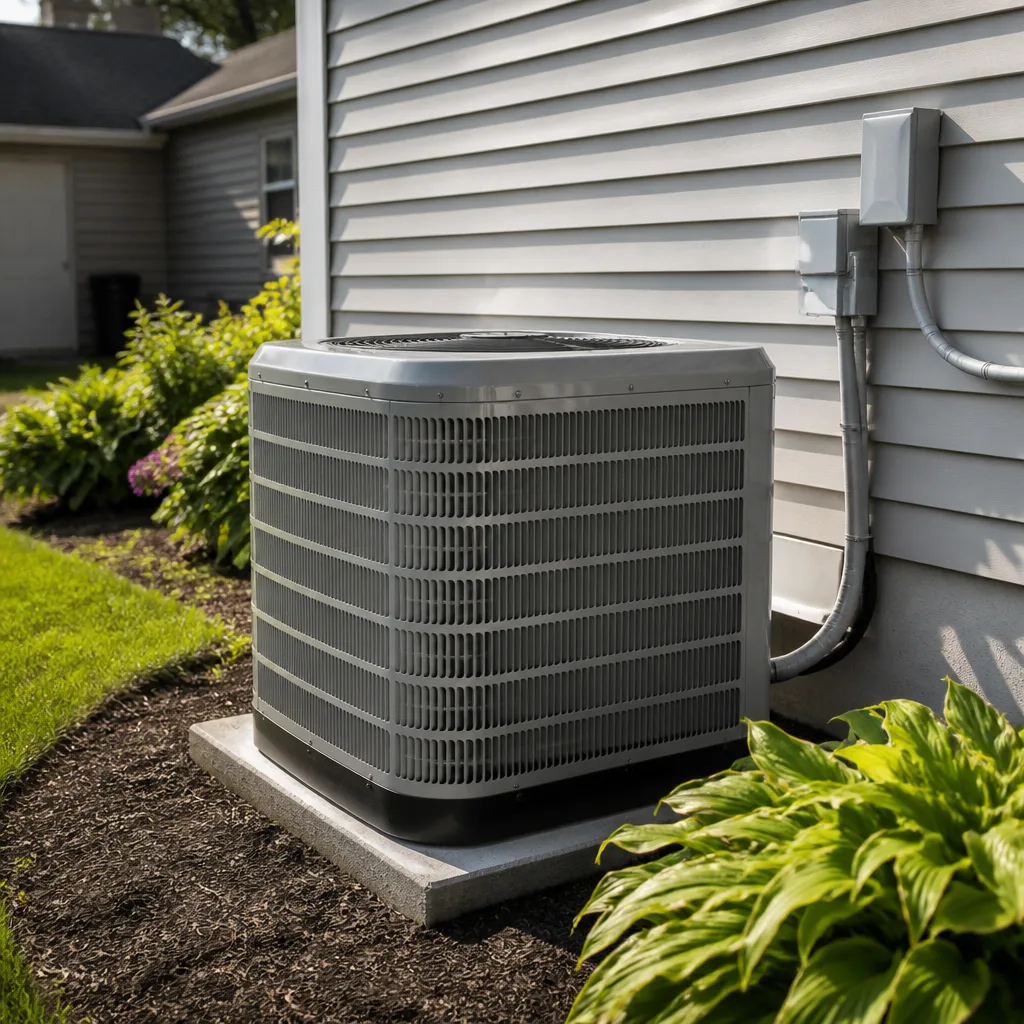
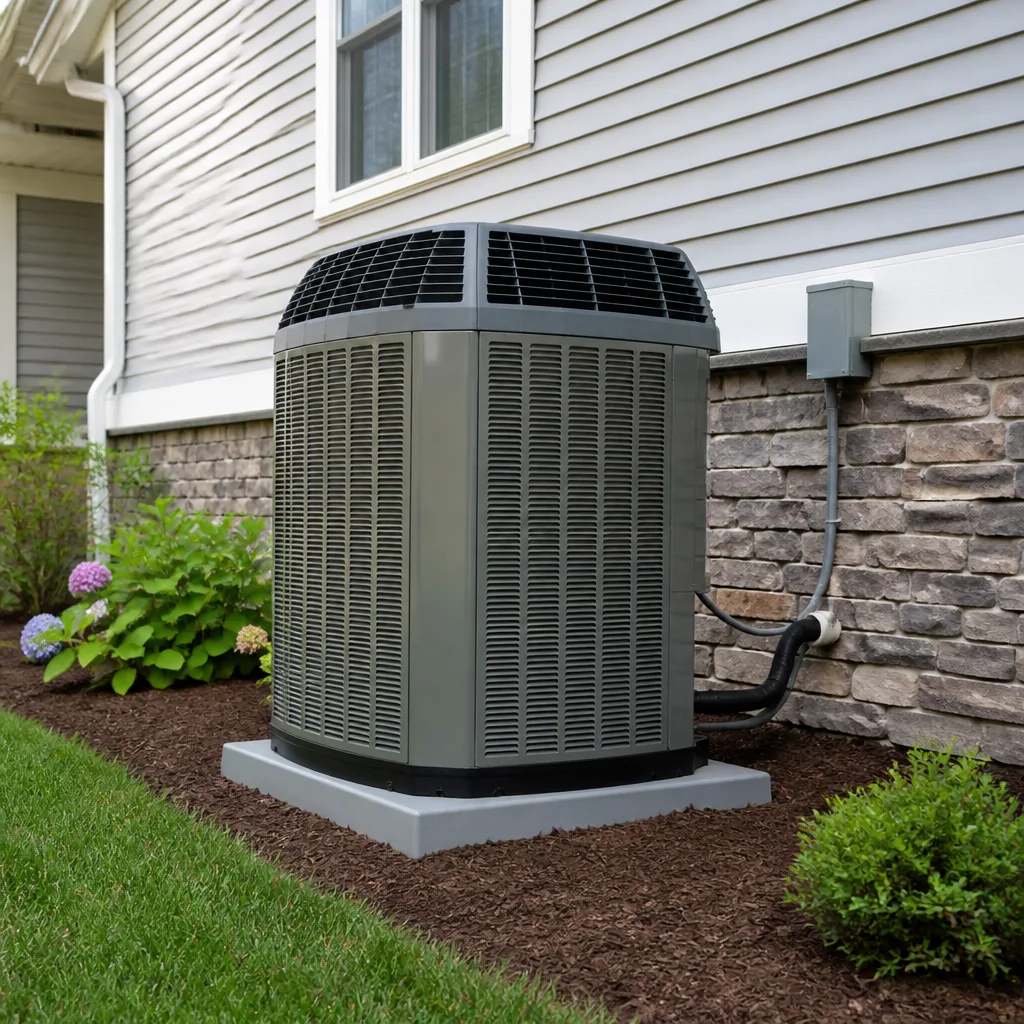
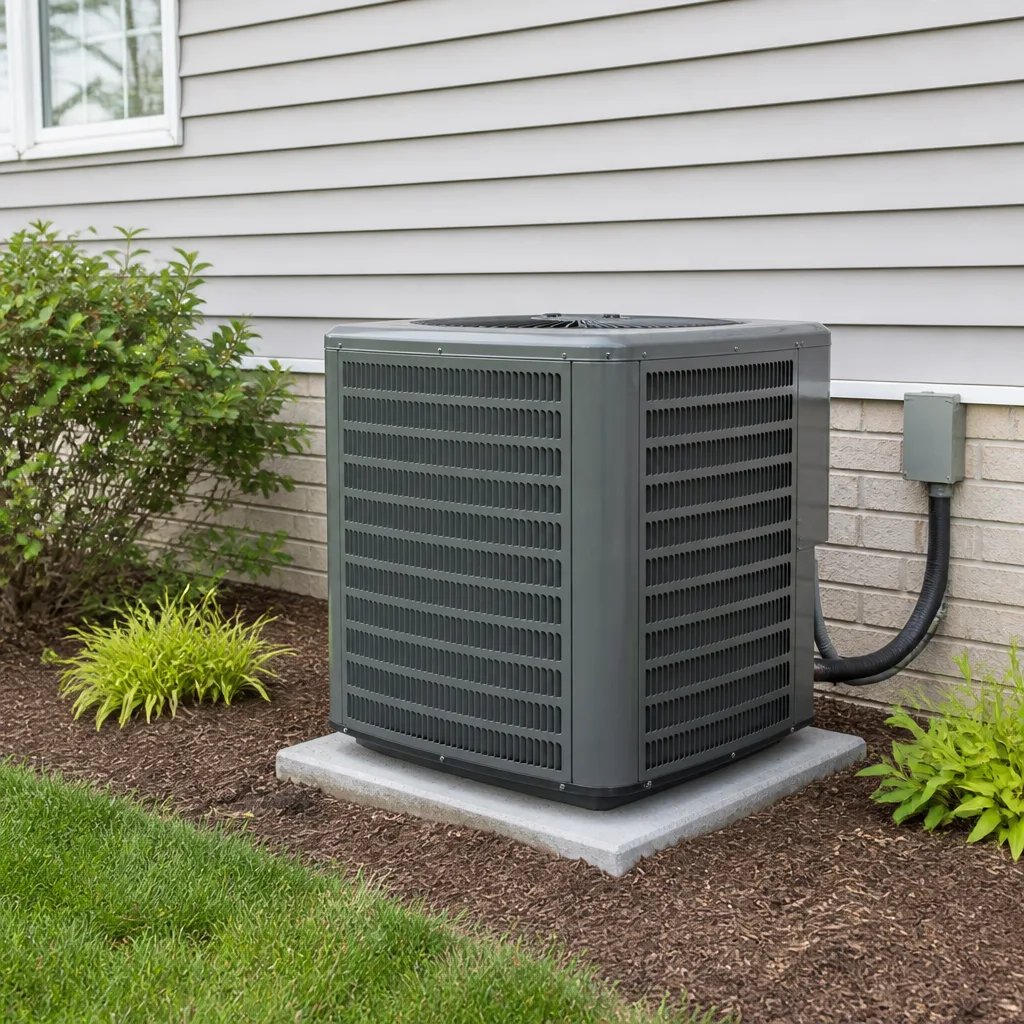
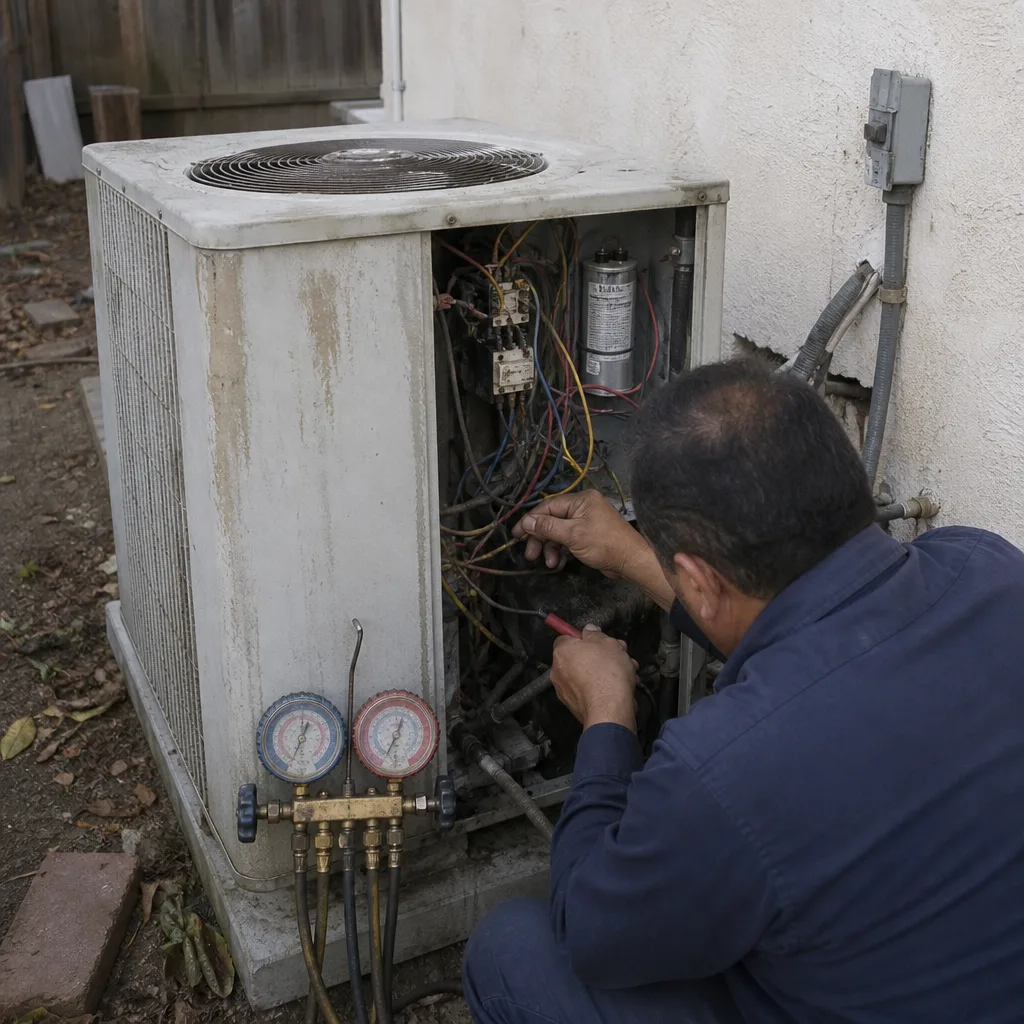 Before
 After
After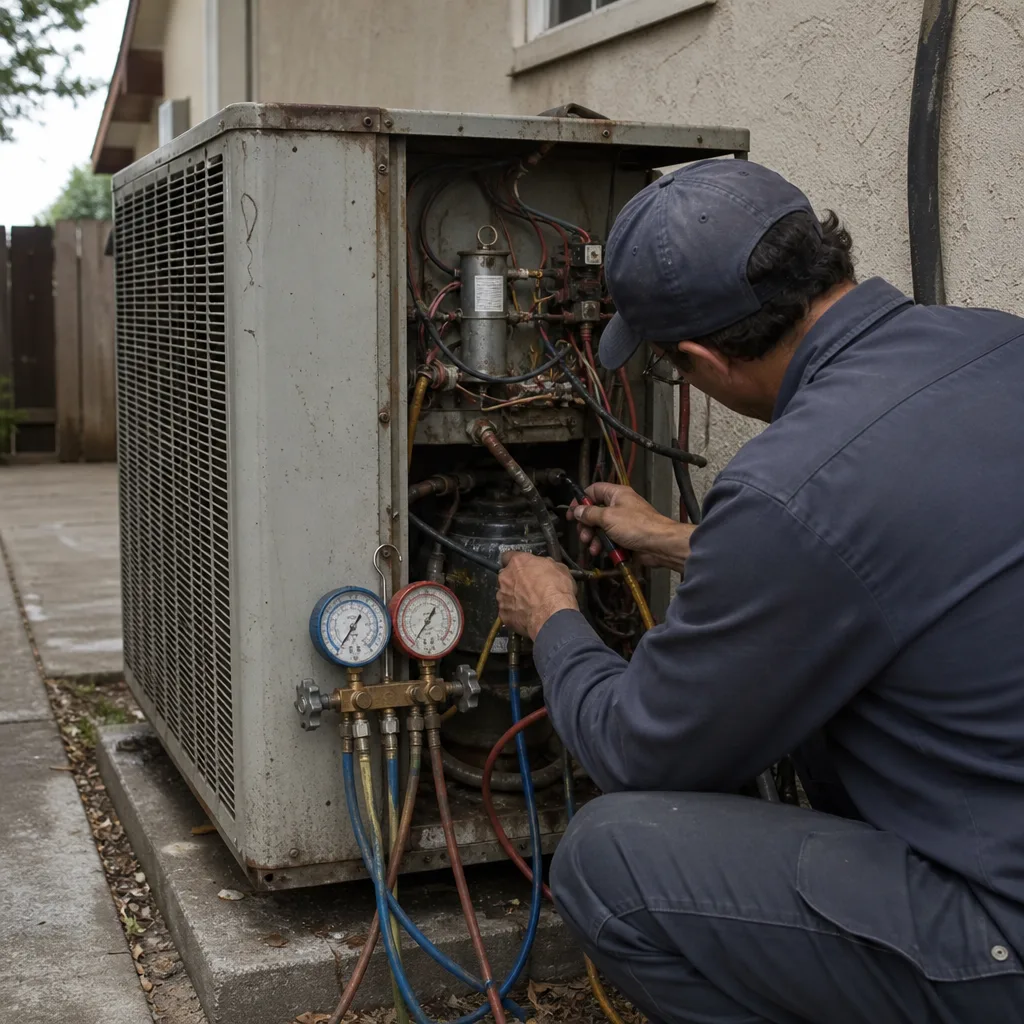 Before
 After
After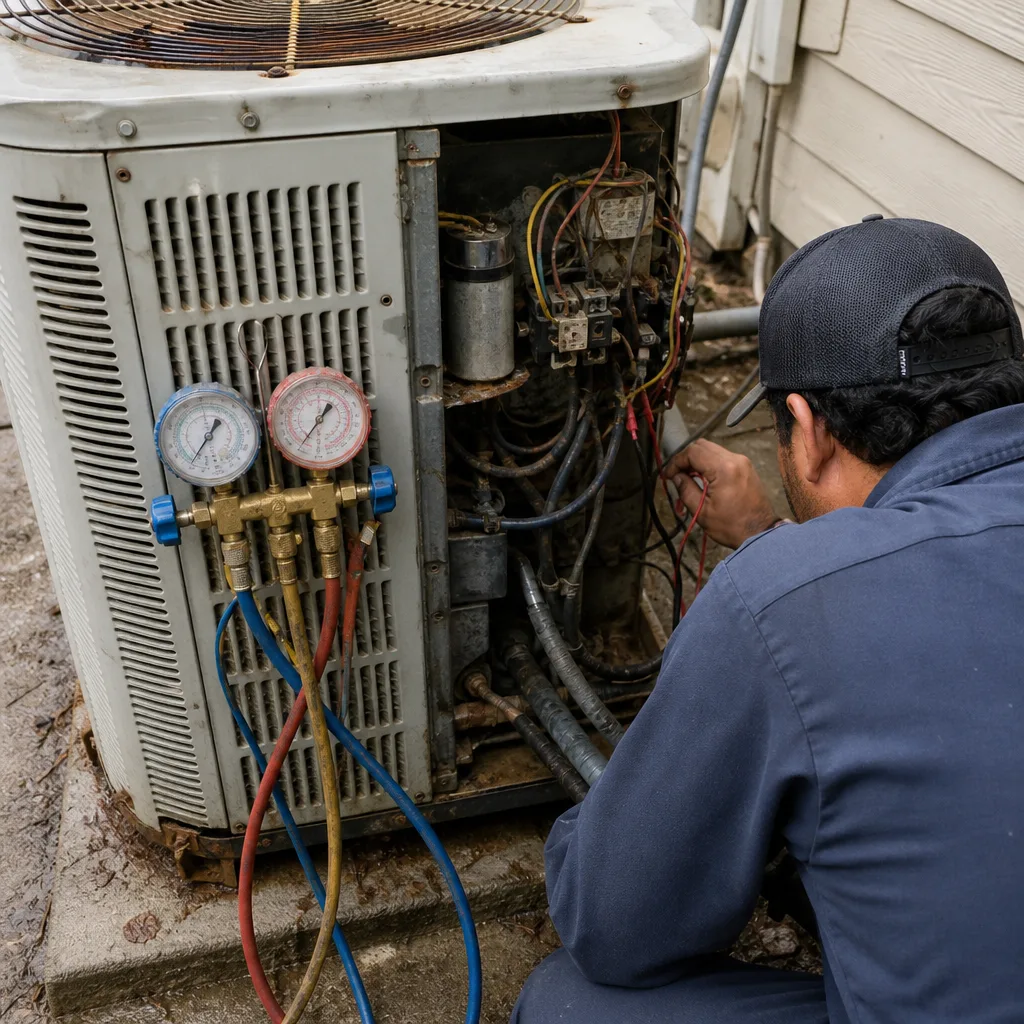 Before
 After
AfterAC Repair Maintenance Schedule: What to Do and When
Filter manufacturers print “90-day replacement” on the package assuming a national average runtime. In Los Angeles, where a unit in the San Fernando Valley runs from April through October, that same filter is functionally due every 60 days. Runtime, not calendar time, is what ages your system. This guide gives you a maintenance schedule built around Southern California operating patterns: the marine layer season, June gloom, the September heat spike, and the long shoulder seasons that make LA units run harder than most manufacturers expect. For AC Repair Warning Signs Every Homeowner Should Know, see our dedicated guide. You’ll learn which tasks actually protect the compressor, how to verify a tune-up was done properly, and when to schedule service so you are not waiting on backordered parts during a heat wave.
Quick Answer
In Los Angeles, replace your air filter every 60 days during the April through October cooling season, clean the condenser coil and check the condensate line every spring, and schedule a professional tune-up once a year before peak demand hits, ideally in March or early April. If your system runs year-round for cooling in the Valley or inland, step up to four filter changes per year. The single most important maintenance task most homeowners skip is checking and cleaning the outdoor condenser coil, which directly affects compressor life and energy use.
Table of Contents
- The Runtime Reality: Why LA Units Age Faster
- Month-by-Month Maintenance Schedule for Los Angeles
- Three Tasks That Extend Compressor Life the Most
- How to Check Refrigerant Charge Without Guessing
- What a Professional Tune-Up Should Include, Line by Line
- When to Schedule Your Annual Visit
- Common Mistakes to Avoid
- When to Call a Professional
- Frequently Asked Questions
- The Bottom Line
The Runtime Reality: Why LA Units Age Faster
A central air conditioner in Chicago runs about 400 to 600 hours per year. The same unit in Woodland Hills or Northridge might log 1,800 to 2,400 hours annually. The compressor inside your condenser is rated for a finite number of operating hours, not a set number of years. Every hour the system runs, oil circulates through the compressor, the contactor cycles, and the capacitor absorbs electrical stress. A 10-year-old Los Angeles unit may have the equivalent wear of a 20-year-old unit in a cooler climate.
This has practical consequences for maintenance. The filter that lasts 90 days in a mild climate clogs in 45 to 60 days in Los Angeles because more air moves through it. The contactor, a switch that opens and closes to start the condensing unit, cycles more often. The capacitor, which stores the energy to start the compressor and fan motor, degrades faster under repeated load. None of this is manufacturer sabotage. The parts are just living a harder life here.
Homeowners in coastal neighborhoods like Santa Monica or Playa del Rey get a partial break. The marine layer keeps temperatures down and shortens the cooling season to roughly May through September. Inland communities, from Pasadena to the Valley and out toward the Inland Empire, see less relief. If you live east of the 405, plan your maintenance around a long, heavy cooling season. If you live west of the 405, you can stretch some intervals slightly, but the filter rule still applies: check it every month during summer and replace it when it is visibly loaded with dust.
Month-by-Month Maintenance Schedule for Los Angeles
Most maintenance guides build around a four-season template: spring startup, summer monitoring, fall shutdown, winter rest. That template does not fit Los Angeles. Our cooling season is long, our winter is short, and the infamous September heat spike catches people off guard every year. Here is the month-by-month schedule we recommend for a Los Angeles homeowner.
March: Pre-Season System Check
March is the month to get ahead of the first warm stretch. By mid-March, Los Angeles daytime highs regularly cross 75°F, and the first real demand on your system comes by early April.
- Replace the air filter. If you have not touched it since last fall, it is done. A 1-inch fiberglass filter should be replaced. A 4-inch media filter may still have life, but inspect it.
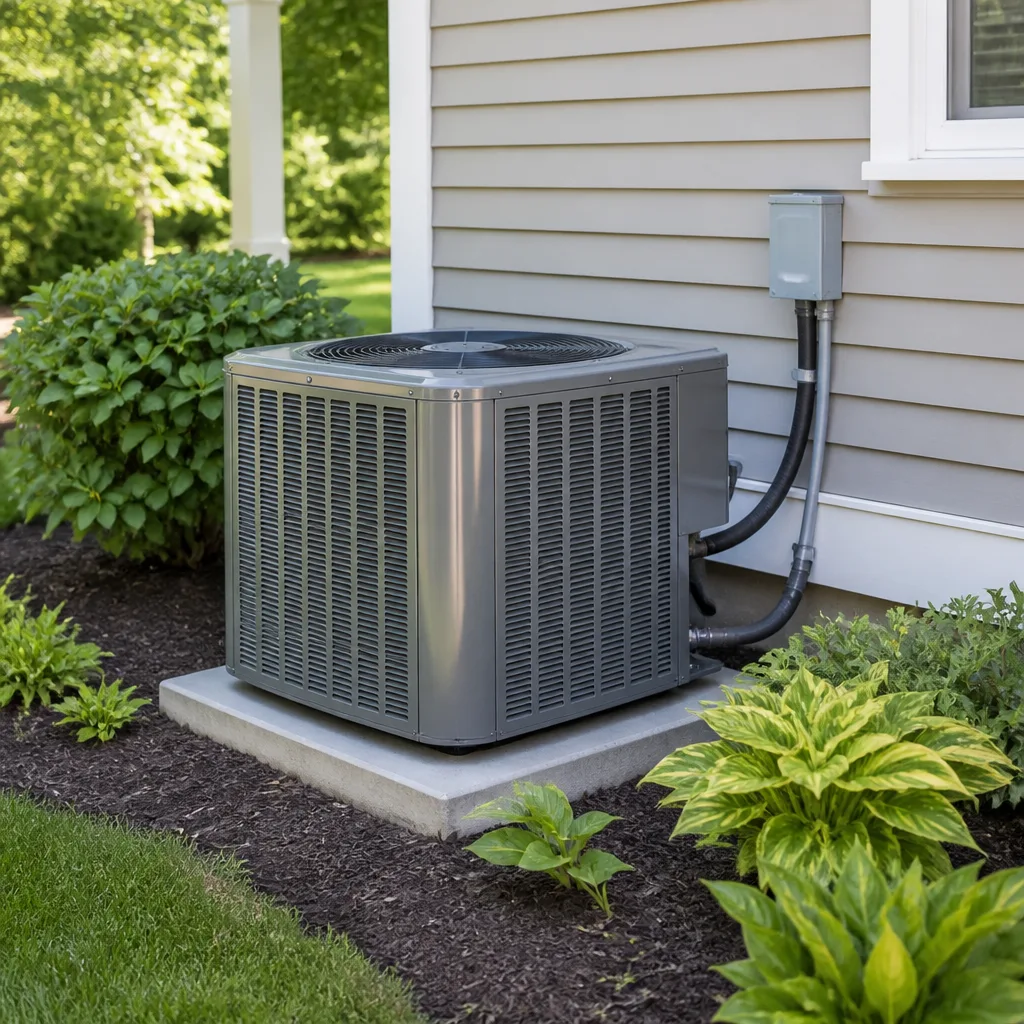
- Clear the area around the outdoor condenser. Remove leaves, twigs, and any debris that accumulated over winter. Trim back vegetation. The unit needs at least 18 inches of clearance on all sides for proper airflow.
- Check the condensate drain line. Pour a cup of white vinegar into the drain line access point to break up any algae or sludge that formed during the wet season. A clogged drain line trips the float switch and shuts down the whole system.
- Set the thermostat to cooling and run the system for 15 minutes. Listen for unusual noises. Check for airflow at the registers. Confirm the outdoor fan is spinning when the compressor is running.
April: The First Real Heat
April brings the first days above 85°F in the Valley. If your system survived March, this is when weak components reveal themselves.
- Replace the filter again if the March filter is visibly dirty. This is the start of heavy runtime, and a fresh filter keeps airflow high when the system works hardest.
- Check the outdoor coil. If the condenser fins are caked with dirt, pollen, or construction dust, gently rinse them with a garden hose. Use a low-pressure stream and spray from the inside out. Do not use a pressure washer; it bends the aluminum fins.
- Verify thermostat accuracy. Place a standalone thermometer near the thermostat and compare readings. If the thermostat is off by more than two degrees, it may need recalibration or replacement.
May and June: Marine Layer and June Gloom
May and June in Los Angeles bring the marine layer: cool, damp mornings followed by afternoon clearing. This is actually hard on systems in specific ways. The damp air encourages algae growth in condensate pans and drain lines, and the cool mornings mean many systems cycle on and off more frequently, which puts stress on the contactor and capacitor.
- Inspect the condensate pan and drain line monthly. The damp air accelerates sludge buildup. If you see standing water in the pan, the drain is partially clogged. Clear it before it trips the safety switch.
- Listen for short cycling. If the system turns on and off every few minutes, that is not normal. It usually signals a refrigerant charge problem, a failing capacitor, or an oversized system. Either way, it needs professional attention.
- Keep the area around the outdoor unit clear. June gloom means morning fog, which means wet grass and weeds grow faster. Trim regularly.
July and August: Peak Demand
July and August are when the system earns its keep. This is not the time for deep maintenance. It is the time for monitoring and rapid response. A failed capacitor in July needs same-day service, because a house without cooling in Chatsworth or Encino in August is a health risk for children, seniors, and anyone with respiratory issues.
- Check the filter every 30 days. With the system running 8 to 12 hours a day, filters load fast. Replace when dirty.
- Monitor for ice on the refrigerant lines. If you see frost on the copper lines at the outdoor unit, shut the system down and call a professional. Ice usually means low refrigerant or restricted airflow, and running the system with ice on the coil can destroy the compressor.
- Keep vents open and unobstructed. Closing too many vents raises static pressure and reduces airflow across the evaporator coil. It feels like you are directing air, but you are actually making the system work harder.
September: The Heat Spike
September in Los Angeles is hotter than June, a fact that surprises transplants every year. Systems that limped through August frequently fail in September because the accumulated wear catches up. The compressor has logged thousands of hours, the capacitor is tired, and the contactor’s contacts are pitted.
- Do a mid-season professional check if your system ran heavily all summer and is more than eight years old. A technician can test the capacitor and contactor before they fail.
- Inspect electrical connections. Loose connections generate heat, which accelerates component failure. This is a professional task, but you can look for signs: a burned smell near the air handler, a warm breaker, or a discolored disconnect box.
- Prepare for fire season. If you live in a high-fire-risk zone, keep the area around the outdoor unit free of dry brush. Embers can ignite debris that has accumulated against the condenser.
October through February: The Shoulder Season
Los Angeles does not really have a winter, but the cooling load drops dramatically from October to February. This is the time for deferred maintenance: duct cleaning, coil cleaning, and any major repairs that were not urgent during the summer. It is also the right time to tackle indoor air quality work, because the windows are closed less often and the system is not running constantly.
- Replace the filter at least once during this period. Many homeowners skip winter entirely. Even with low runtime, dust builds up.
- Schedule a full professional tune-up in January or February if you missed the spring window. Parts are in stock, technicians are available, and you will be ready for the first hot day.
- Check for rodent activity. During cool, wet months, rodents seek shelter in warm places. Inspect the area around the air handler and outdoor unit for droppings, chewed wires, or nesting material.
Three Tasks That Extend Compressor Life the Most
The compressor is the heart of your air conditioning system. A replacement compressor on a 3-ton system costs $1,800 to $3,200 installed in Los Angeles, which is a significant fraction of a whole new system. The compressor dies from three main causes: overheating due to poor airflow, slugging from liquid refrigerant entering the compressor, and electrical failure from worn capacitors and contactors. Here are the three tasks that push back hardest against those failure modes.
1. Keep the Outdoor Condenser Coil Clean
The condenser coil rejects heat from the refrigerant to the outside air. When the coil is covered in dirt, dust, and pollen, the refrigerant cannot shed heat effectively. The compressor has to run hotter and longer to move the same amount of cooling. Higher head pressure means higher compressor temperature. Over time, heat degrades the compressor’s internal insulation and motor windings.
This is the task most homeowners skip because the coil is not visible unless you look inside the top grille of the outdoor unit. But it is the single highest-leverage maintenance item for compressor longevity. Rinsing the coil once or twice a year with a garden hose takes 15 minutes and removes the insulating layer of grime. For a deeper clean, a professional coil cleaning with a foaming cleaner costs $90 to $150 in Los Angeles and is worth doing every two to three years.
2. Replace the Filter on a Runtime-Based Schedule
Restricted airflow across the evaporator coil does two bad things. First, it causes the evaporator coil to run colder, which can lead to ice formation. Second, it forces the compressor to work against higher suction pressure. A blocked filter can increase compressor energy use by 15 percent and shorten its life by years.
The filter is the easiest thing on this list to maintain, and it is the one most frequently ignored. A dirty filter is not just an air quality issue. It is a mechanical load on the compressor. Replacing a $10 filter on time is cheaper than any repair you will ever need.
3. Test or Replace the Capacitor and Contactor Before They Fail
The capacitor is a small cylindrical component inside the outdoor unit that stores and releases the electrical energy needed to start the compressor and fan motor. The contactor is a relay that opens and closes the electrical circuit. Both have finite lifespans. A capacitor typically lasts 5 to 10 years in Los Angeles, and a contactor 8 to 12 years, with heavy runtime shortening both.
When a capacitor fails, the compressor may not start at all, or it may start slowly and draw excessive current. Either scenario damages the compressor. A failed contactor can cause the system to chatter on and off rapidly, which is brutal on the motor. A professional tune-up includes a capacitor test that reads the actual microfarad value and compares it to the rating printed on the side of the capacitor. If it is more than 10 percent below spec, replace it before it fails. The part costs $20 to $60. The labor is what you are paying for, and it is cheap insurance compared to a compressor replacement.
How to Check Refrigerant Charge Without Guessing
Refrigerant is the working fluid that carries heat from inside your house to the outside. A system that is low on refrigerant will not cool properly, will run longer, and can eventually damage the compressor. Many homeowners assume refrigerant is fine unless the system stops cooling entirely. That assumption is wrong.
You can check whether your system is likely charged correctly by measuring the temperature differential between the air entering and leaving the indoor unit. This is called the temperature split or “delta T.” Here is how it works:
- Set the thermostat to cooling and let the system run for at least 15 minutes.
- Measure the temperature of the air entering the return grille. Use a simple probe thermometer. This is the “return temperature.”
- Measure the temperature of the air coming out of the supply vent nearest the air handler. This is the “supply temperature.”
- Subtract the supply temperature from the return temperature.
A properly charged system under normal operating conditions should show a temperature split between 15°F and 20°F. If the split is below 15°F, the system may be low on refrigerant, or there may be another issue like a dirty coil or a failing compressor. If the split is above 20°F, the system may have a restricted airflow problem that is causing the evaporator coil to run too cold.
This test does not replace a professional refrigerant check. A technician uses manifold gauges to read actual pressures and a superheat or subcooling calculation to determine the exact charge. But the temperature split test tells you whether the system is roughly in range. If you measure a 10°F split in August, call for service. Do not wait until the system is blowing warm air. Low refrigerant is not normal. A sealed system does not consume refrigerant. If it is low, there is a leak, and the leak must be found and repaired, not just topped off. A refrigerant recharge, which means adding cooling fluid to bring the system back to the right level, only makes sense after the leak is fixed.
What a Professional Tune-Up Should Include, Line by Line
A professional AC Repair tune-up in Los Angeles runs $120 to $200 for a standard system. That is a fair price if the work is done properly. The problem is that some companies charge the fee, spend 20 minutes at the house, change the filter, and leave. Here is what a legitimate tune-up should include, line by line, so you can verify the work was actually performed when the technician hands you the invoice.
Outdoor Unit
- Condenser coil cleaning. The coil should be rinsed with water or a foaming coil cleaner. If the coil is visibly dirty when the tech is done, it was not cleaned.
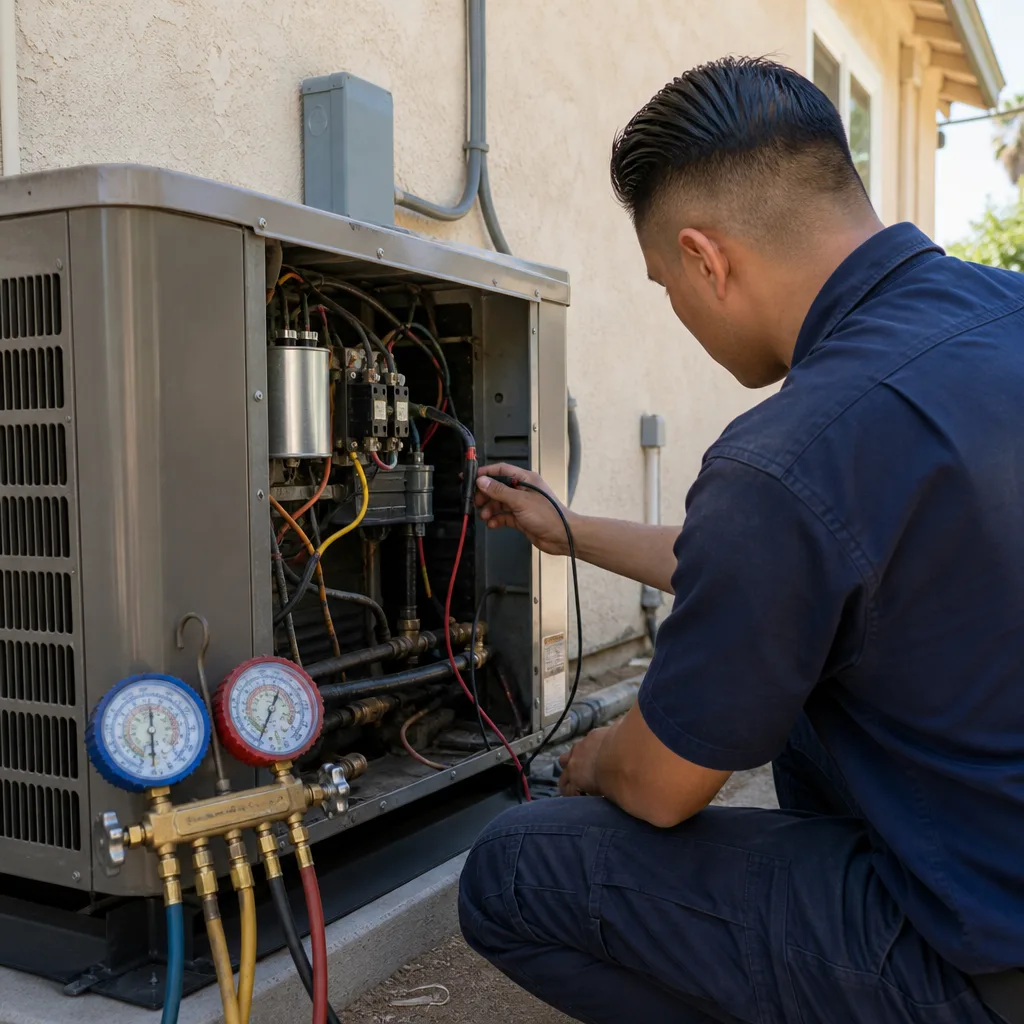
- Capacitor test. The technician should read the microfarad value with a multimeter and write the reading on the invoice, along with the rated value. If the reading is not on the invoice, ask for it.
- Contactor inspection. The contacts should be checked for pitting, burning, or wear. A worn contactor should be flagged for replacement.
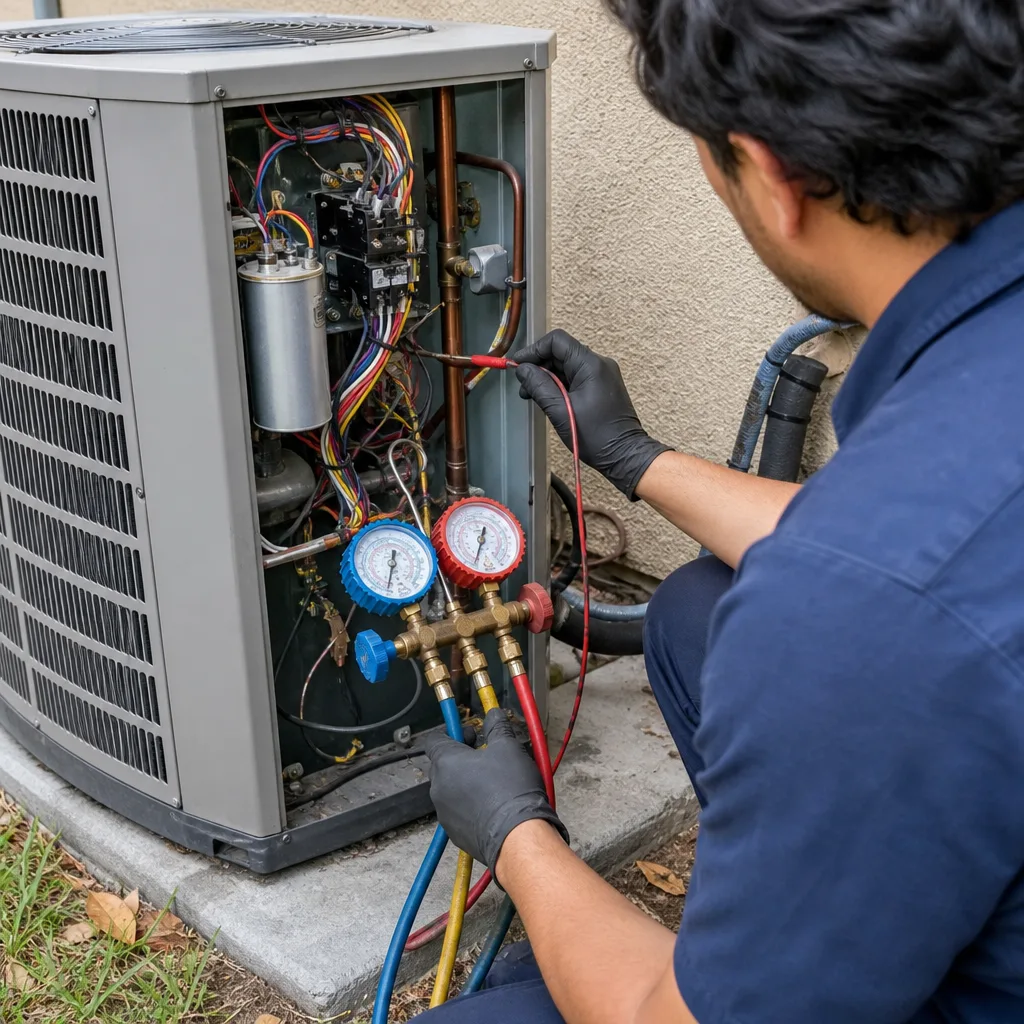
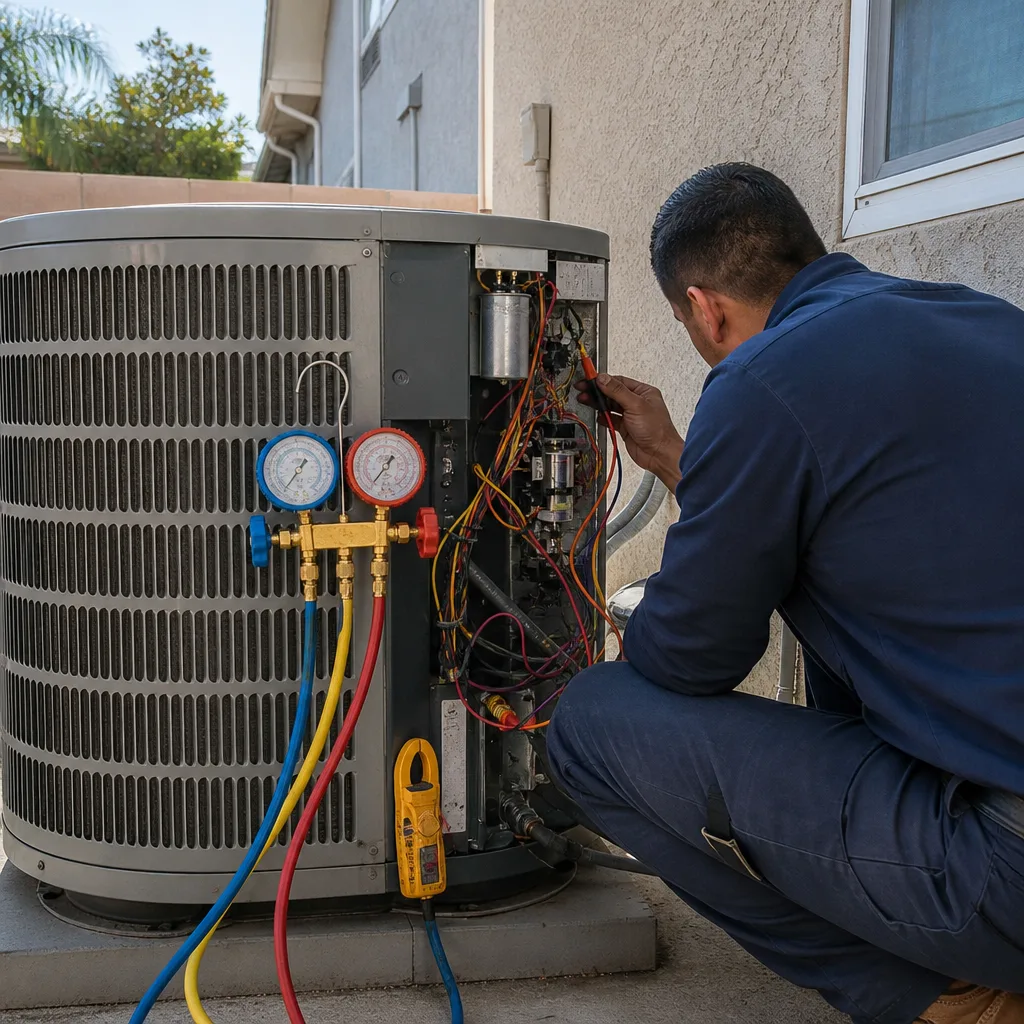
- Refrigerant pressure check. The technician should connect manifold gauges and read both high-side and low-side pressures. They should record suction line temperature and calculate superheat or subcooling.
- Electrical connection tightening. All terminals should be checked for tightness. Loose connections are a fire hazard and a reliability problem.
- Fan motor and blade inspection. The fan should spin freely, and the blades should be balanced and undamaged.
- Compressor amp draw check. The technician should measure the amperage draw of the compressor and compare it to the manufacturer’s specification. High amp draw indicates a failing compressor.
Indoor Unit
- Evaporator coil inspection. The coil should be visually checked for dirt, ice, or damage. If accessible, it should be cleaned if dirty.
- Condensate drain line flush. The drain line should be cleared with water, compressed air, or a wet vac. A sludge test: the technician can pour water into the drain pan and confirm it flows freely.
- Blower motor and wheel inspection. The blower should be checked for balance and dirt buildup. A dirty blower wheel reduces airflow by 20 to 30 percent.
- Air filter replacement or cleaning. The filter should be replaced or the customer should be told it is still serviceable.
- Thermostat calibration check. The thermostat should be checked against a known-accurate thermometer.
- Temperature split measurement. The technician should measure the return and supply temperatures and record the differential. The reading should be 15°F to 20°F.
At Dalton Heating & Air, our tune-ups follow a checklist aligned with The Garrison Standard. The price is in writing before any work starts, the work is done by the book, and the technician leaves the site clean. If your current company cannot tell you what they did, find another company.
When to Schedule Your Annual Visit
Most homeowners schedule their annual AC tune-up when the first heat wave hits. That is the worst possible time. In Los Angeles, the first sustained heat usually arrives in late April or early May. By then, every reputable HVAC company is booked out one to three weeks, and prices for emergency calls go up.
The right time to schedule your annual maintenance visit is March through early April, before demand peaks. This gives you three advantages:
- Parts availability. If the technician finds a failing capacitor, a leaking coil, or a worn contactor, the part is likely in stock at the local supply house. During peak season, common parts go on backorder, and a 30-minute repair becomes a multi-day wait.
- Labor capacity. Technicians are less rushed in March and April. They have time to do the job thoroughly, answer questions, and identify potential issues before they become emergencies.
- Pricing stability. Some companies raise labor rates during peak demand. Scheduling early locks in standard pricing and protects against surge pricing.
If you miss the spring window, the second-best option is October through January. The system is running less, and any repair you discover can be completed without urgency. The downside is that any issue you find has already been affecting your system all summer.
If you are in a position to schedule your tune-up early, do it. The best-run homes in Los Angeles treat AC maintenance like car maintenance: scheduled, not reactive. The link between AC repair in Los Angeles and regular maintenance is straightforward. The homes that skip maintenance are the homes that need repairs in August.
Common Mistakes to Avoid
- Replacing the filter on a calendar schedule without checking it. A filter that looks clean is fine to keep, regardless of the date. A filter that looks dirty is due for replacement, even if it has only been in the unit for three weeks. Los Angeles air carries dust, pollen, and smoke particulates that load filters unevenly depending on the season.
- Closing vents in unused rooms. This feels like a way to save energy, but it raises static pressure, forces the blower to work harder, and can cause the evaporator coil to freeze. Keep at least 80 percent of your vents open.
- Using a pressure washer on the condenser coil. Pressure washers bend the aluminum fins and drive dirt deeper into the coil. A garden hose with a spray nozzle is the right tool.
- Ignoring ice on the refrigerant lines. Ice is not normal. It means the system is low on refrigerant or airflow is restricted. Shut the system down and call for service. Running a frozen system will damage the compressor.
- Topping off refrigerant without finding the leak. A sealed system does not lose refrigerant. If your system needs a top-off, it has a leak, and the leak is still there after the recharge. The correct repair is to find and fix the leak.
- Waiting for the system to fail before calling a professional. By the time a system stops cooling, the damage is usually done. A $150 tune-up catches a failing capacitor before it takes out the compressor, which is a $2,000 repair.
- Skipping the condensate drain line. In Los Angeles, the marine layer season creates ideal conditions for algae growth in drain lines. A clogged drain line trips the float switch and shuts down the system entirely. A cup of vinegar poured into the line monthly during the damp season prevents the problem.
When to Call a Professional
Some maintenance tasks are homeowner work. Others require a trained professional with the right tools and knowledge. Call a professional if your system is blowing warm air, if the outdoor unit is making grinding or squealing noises, if you see ice on the refrigerant lines, if the breaker trips more than once, or if the temperature split measured at the supply and return vents is below 15°F or above 20°F. These symptoms point to electrical problems, refrigerant issues, or a failing compressor, and they will not resolve themselves. Dalton Heating & Air offers free estimates in Los Angeles, including heat pump installation in Los Angeles if your system is past the point of economical repair. Call (361) 306-9515 to schedule.
Frequently Asked Questions
Replace your AC filter every 60 days during the cooling season, which runs roughly April through October in Los Angeles. If you live inland, in the Valley, or east of the 405 where summer temperatures regularly exceed 90°F, inspect the filter monthly and replace it whenever it is visibly dirty. During the cooler months, a filter can last 90 days with light runtime, but do not skip the check entirely. A 1-inch fiberglass filter costs $5 to $15, and the replacement takes two minutes. Call (361) 306-9515 if you are not sure which filter size or MERV rating your system needs.
The best month to schedule an AC tune-up in Los Angeles is March, with early April as the cutoff. By mid-April, the first warm stretch drives demand, and reputable companies book out one to three weeks. Scheduling in March means parts are in stock, labor is available, and any issue the technician finds can be fixed before the system is running daily under load. October through January is the fallback window if you miss the spring. The point is to schedule before you need it, not when the system fails.
Expect to pay $120 to $200 for a professional AC tune-up on a standard residential system in Los Angeles. A coil cleaning runs $90 to $150 if it is not included in the tune-up. A capacitor replacement runs $150 to $300 installed, and a contactor replacement $150 to $250. These are realistic ranges for the Los Angeles market. At Dalton Heating & Air, the price is in writing before any work starts, and every repair is guaranteed in writing for a full year. Browse our more guides & resources for year-round HVAC tips. If the repair fails within that period, we return at no charge.
Yes, you can rinse the outdoor condenser coil with a garden hose to remove surface dirt and debris. Shut the system off at the disconnect box first, then spray from the inside out with a low-pressure stream. Do not use a pressure washer, which bends the aluminum fins. For a deep clean, a professional foaming coil cleaner is better, and it costs $90 to $150 in Los Angeles. If the coil has not been cleaned in years, schedule a professional cleaning rather than trying to do the job with a hose.
Measure the temperature split between the return and supply vents. Run the system for 15 minutes, then measure the air temperature entering the return grille and the air leaving the supply vent nearest the air handler. Subtract the supply temperature from the return temperature. A properly charged system shows a differential of 15°F to 20°F. If the split is below 15°F, the system may be low on refrigerant, or the coil may be dirty. A professional can confirm with manifold gauges and a superheat or subcooling calculation. For an exact diagnosis in Los Angeles, call (361) 306-9515.
As a rule, repair the system if the cost is less than 50 percent of the replacement value and the system is under 12 years old. Replace the system if the compressor has failed, the evaporator coil is leaking, or the system uses R-22 refrigerant, which is no longer manufactured and costs $150 to $300 per pound when it can be found. A new high-efficiency system in Los Angeles runs $8,000 to $16,000 installed depending on size and efficiency. Dalton Heating & Air services all major residential brands including Carrier, Trane, Lennox, Goodman, Rheem, York, Daikin, Bryant, and American Standard. We also offer furnace repair in Los Angeles for homes with combined systems. Call (361) 306-9515 for a written estimate on either repair or replacement.
The Bottom Line
A maintenance schedule built for Los Angeles looks different from the generic spring-and-fall template. Our units run harder, longer, and in conditions that manufacturers do not necessarily plan for. The filter needs attention every 60 days during the cooling season, not every 90. The condenser coil needs rinsing at least once a year, and the capacitor and contactor need professional testing before they fail. Schedule the annual tune-up in March when inventory and labor are available, and do not skip the fallback window if you miss it. Most expensive repairs in Los Angeles are the result of deferred maintenance. The work is not hard, but it has to be done. For homeowners who want the work done right, with the price in writing and the repair guaranteed for a full year, the Dalton Heating & Air home page has more on how we operate and what to expect from a service visit.
Written by Marco Benitez, Owner at Dalton Heating & Air, serving Los Angeles since 2003.