
Last updated October 9, 2026
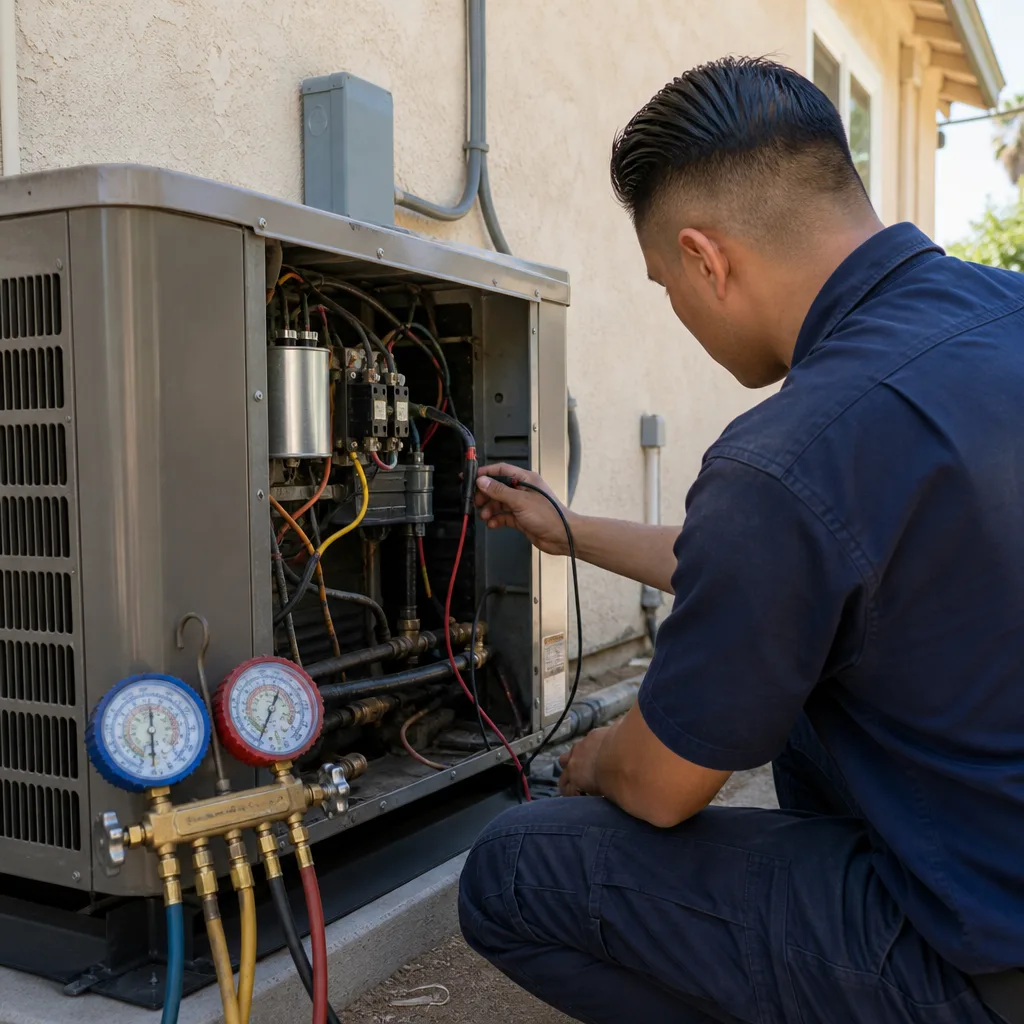
Seasonal tune-up and full diagnostic on your Carrier, Trane, or Goodman system - readings shown to you before any repair is proposed
Diagnosis first, numbers second - you approve the repair price before a single part goes in.
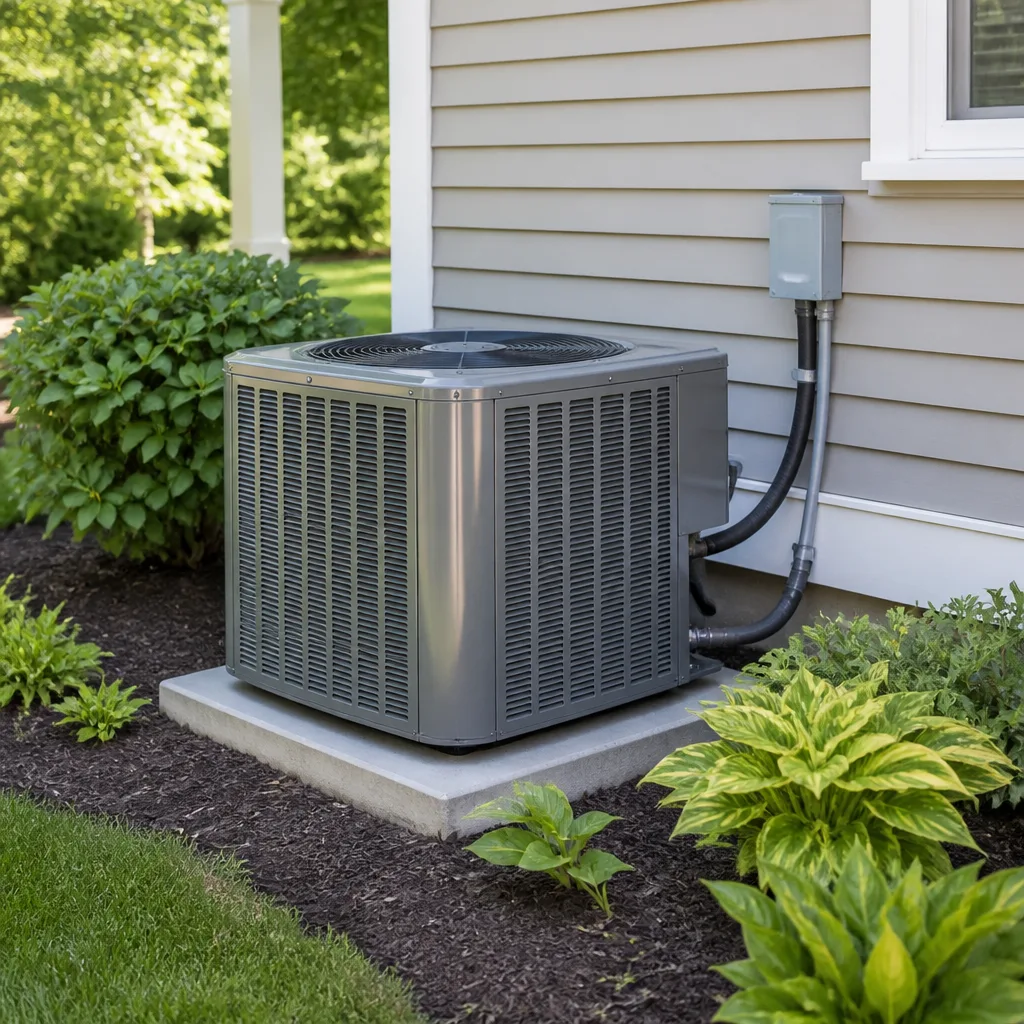
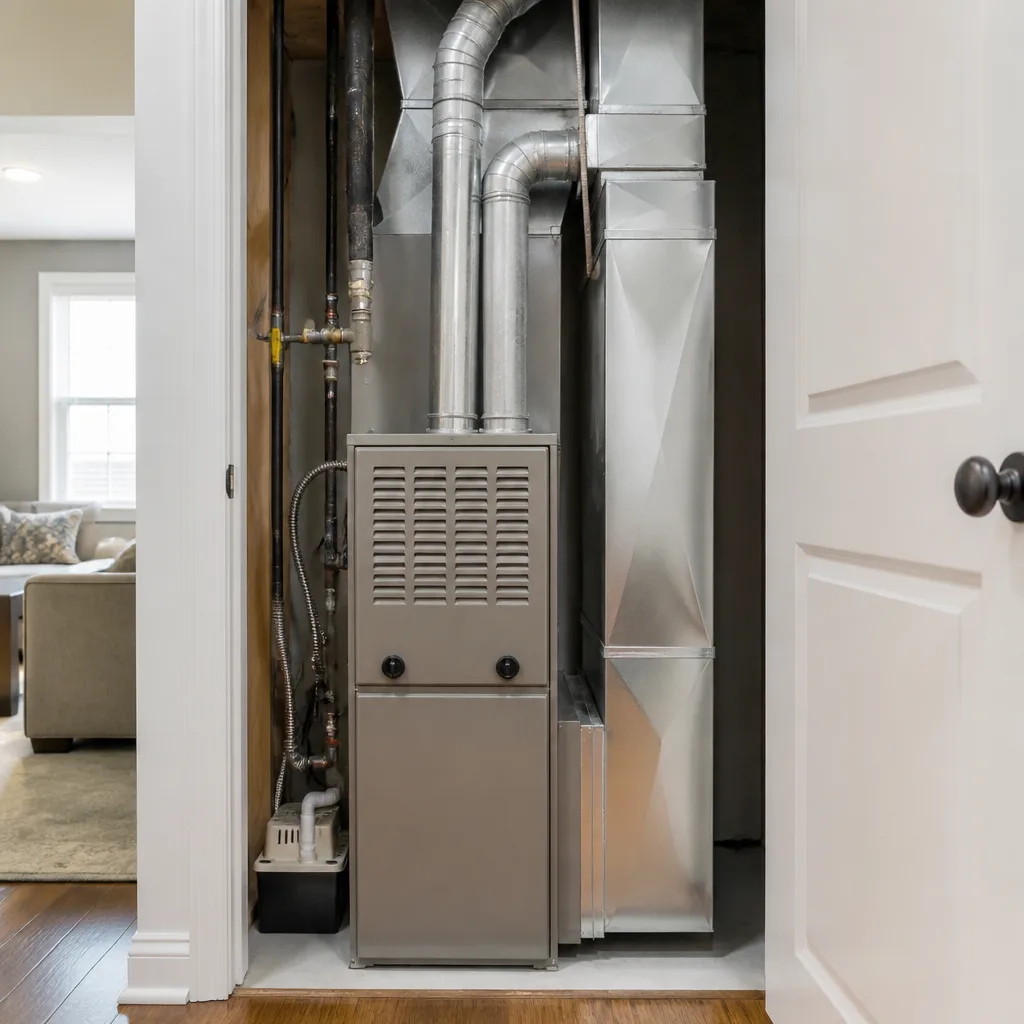
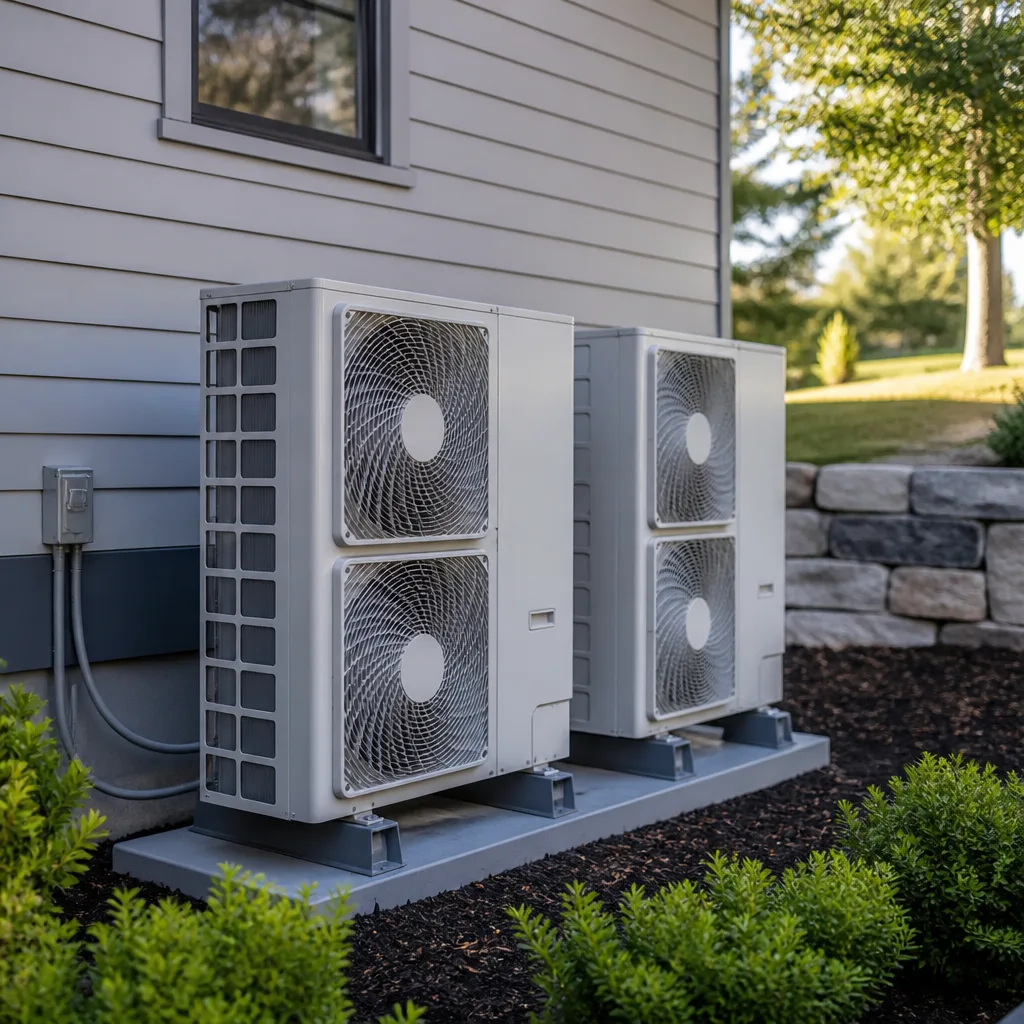
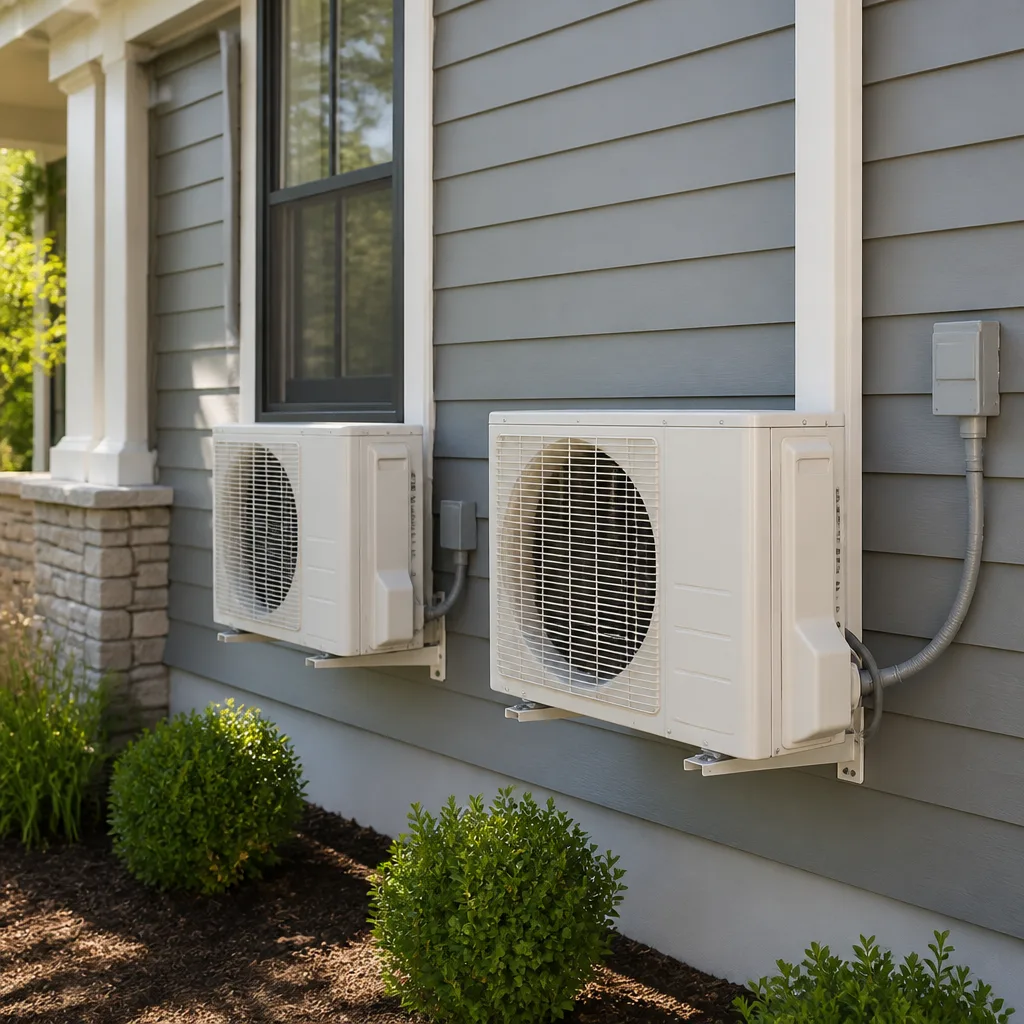
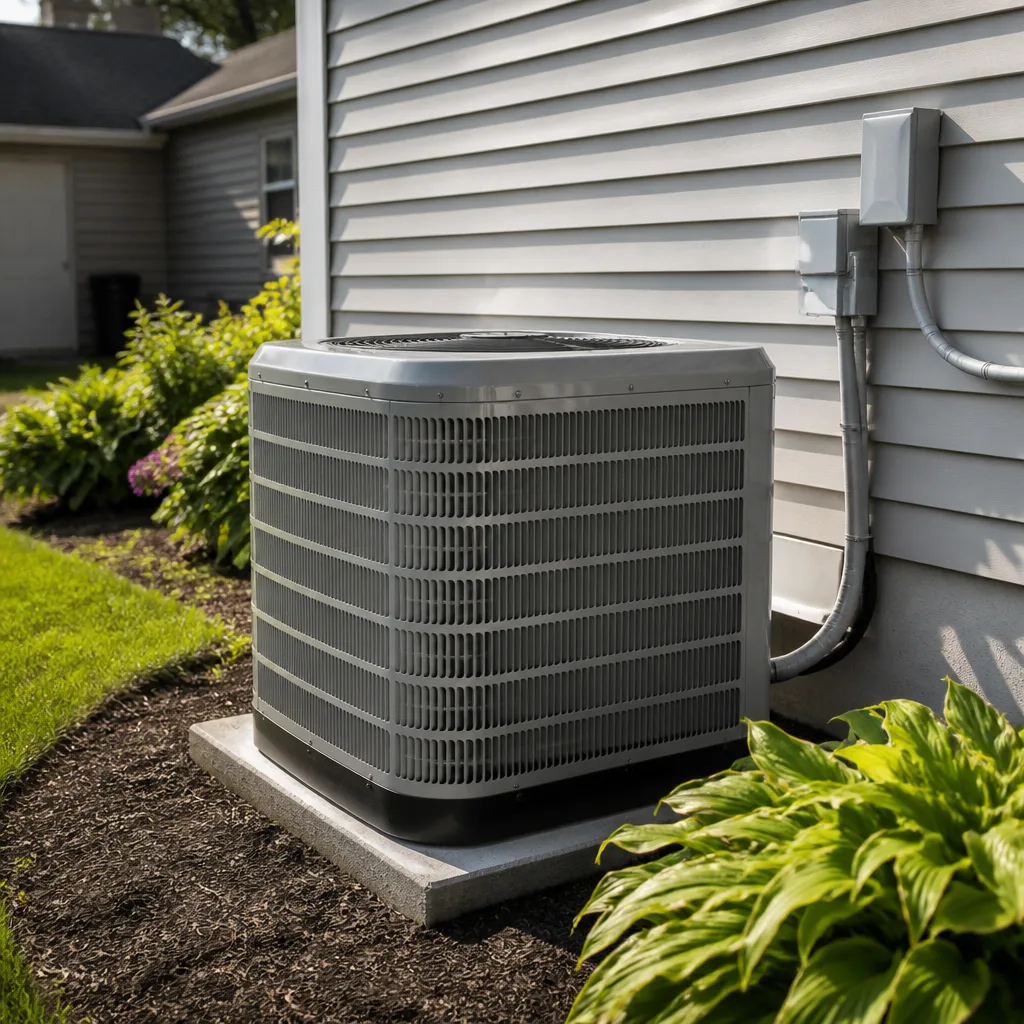
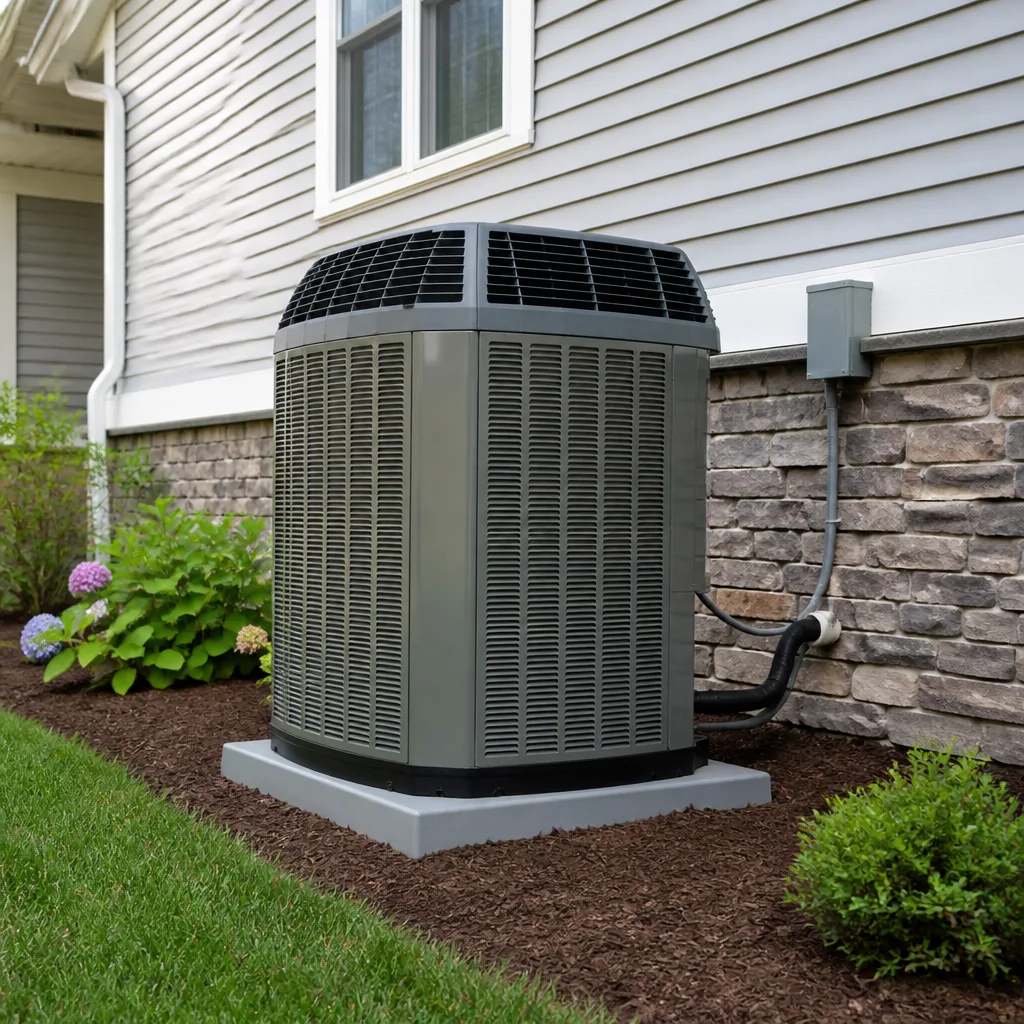
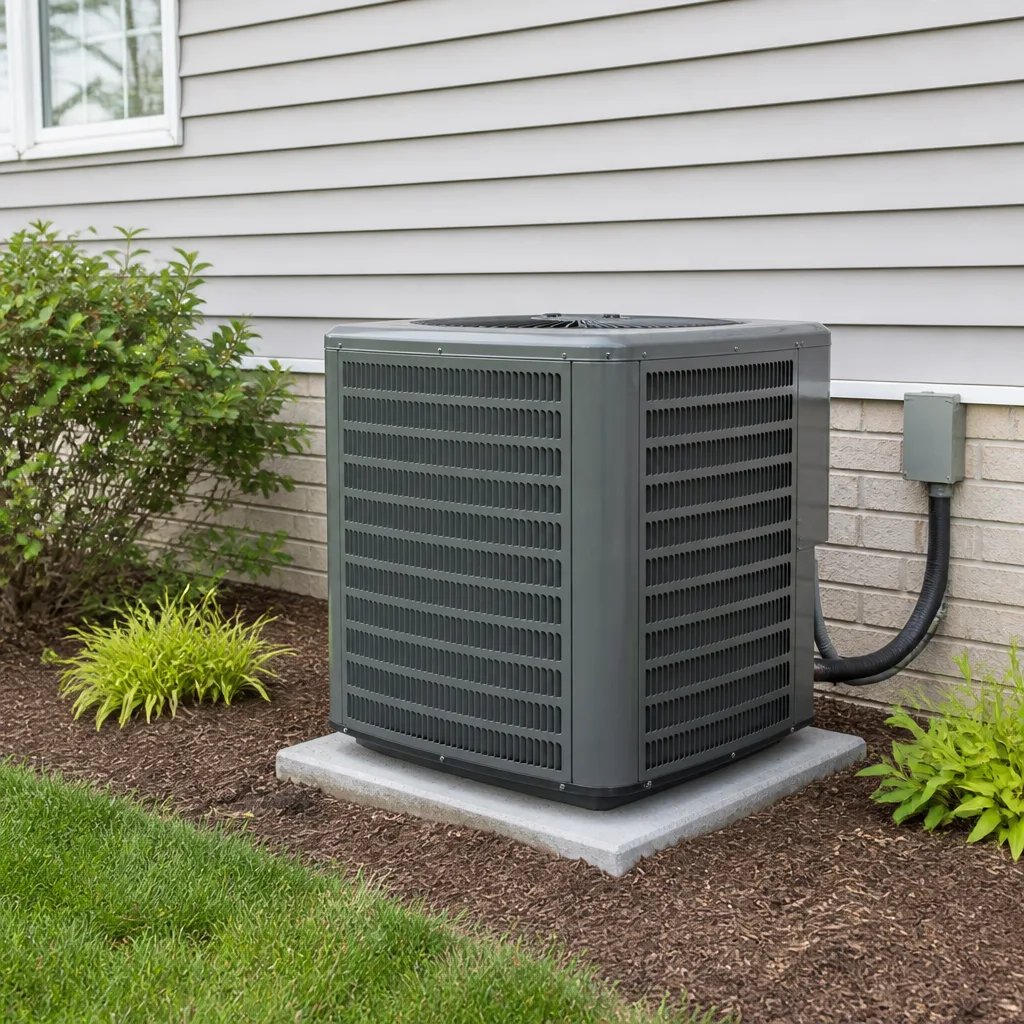
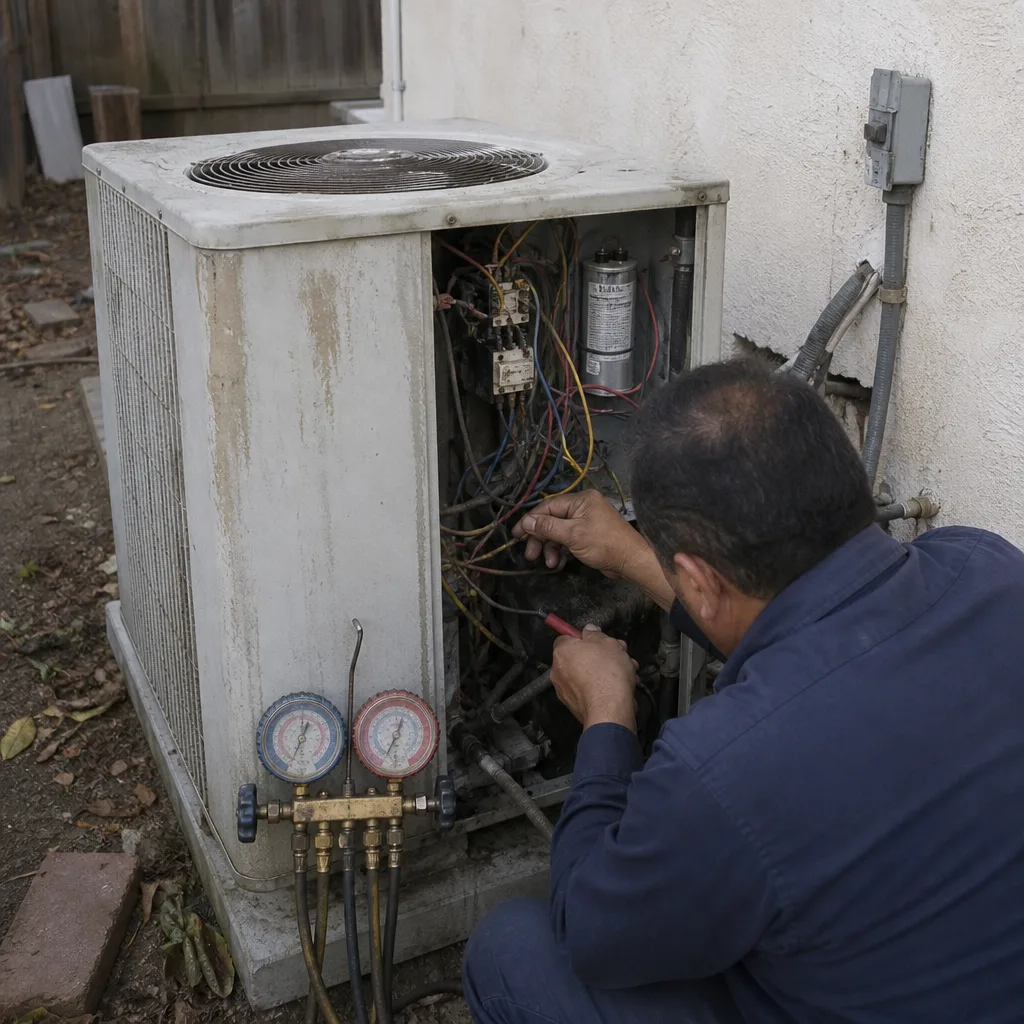 Before
 After
After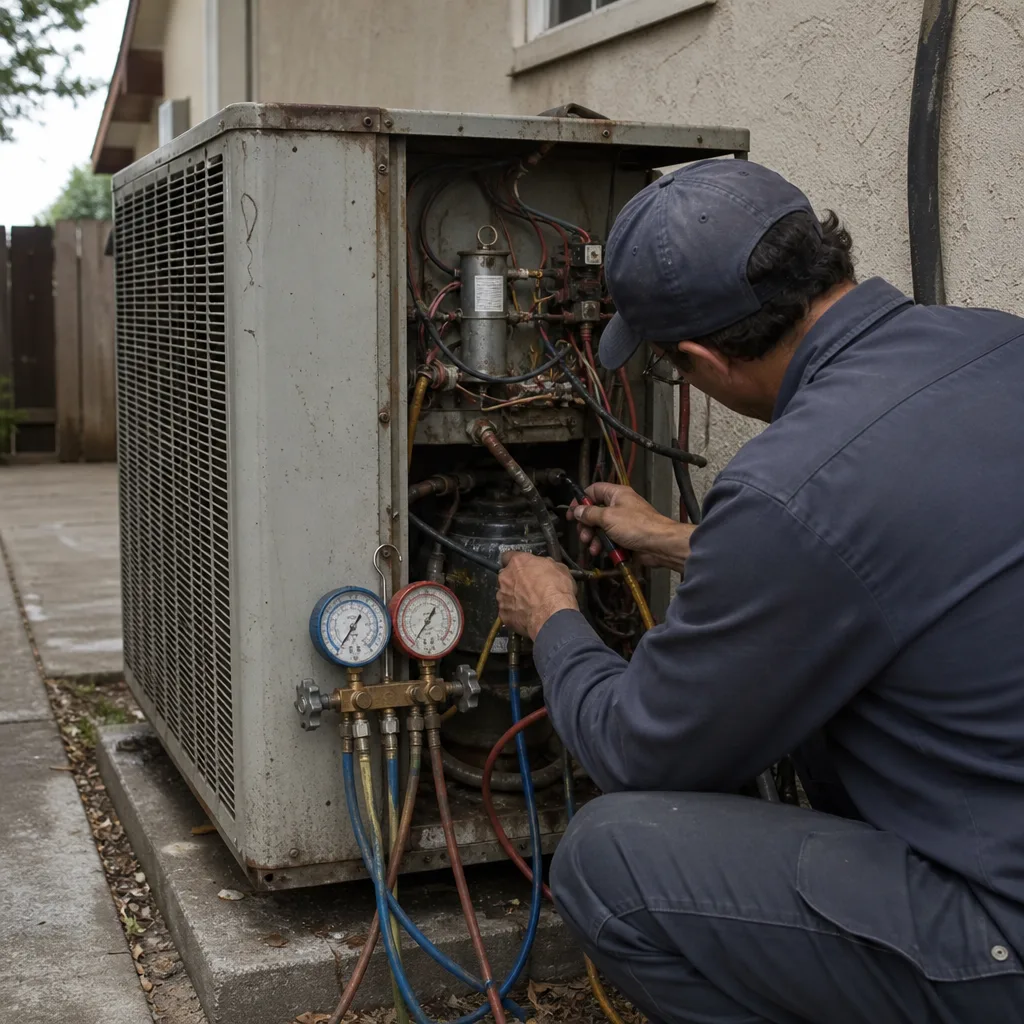 Before
 After
After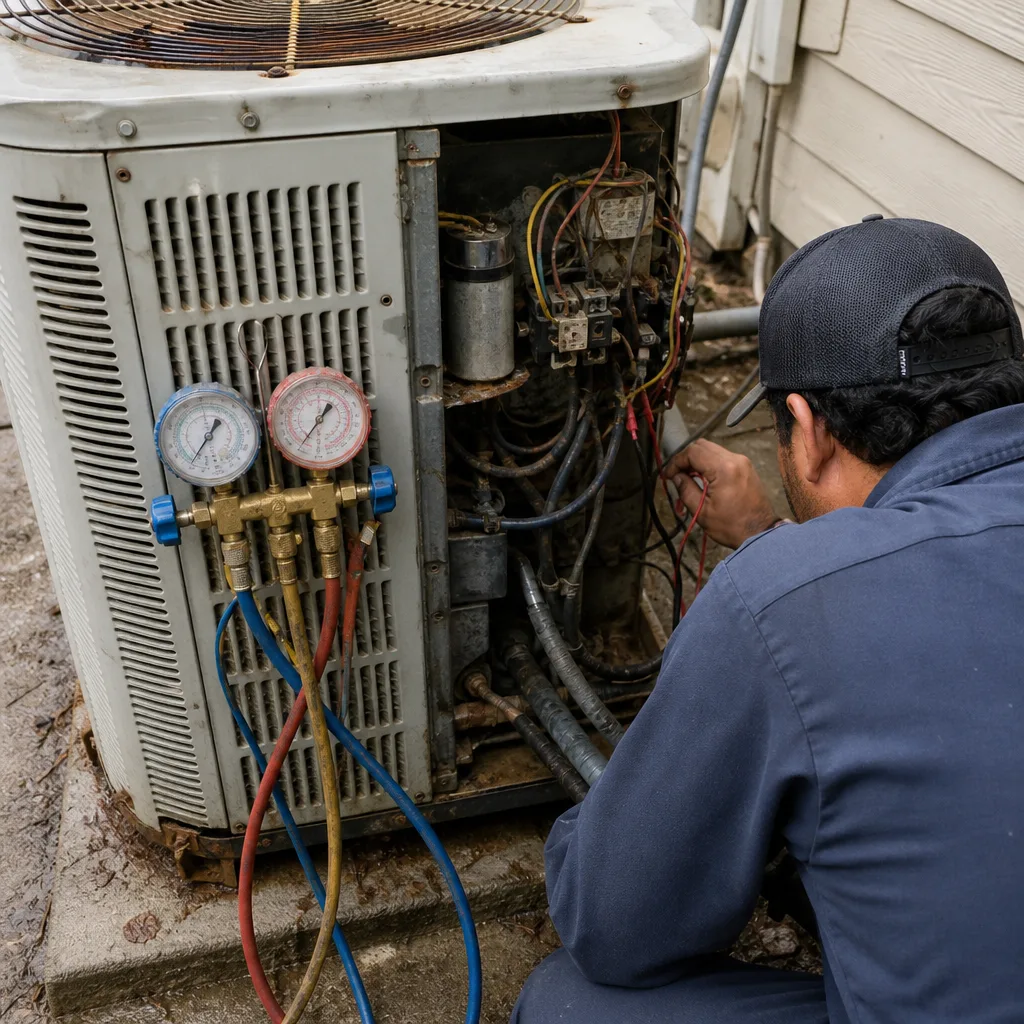 Before
 After
AfterHeat Pump Installation Warning Signs Every Homeowner Should Know
Refrigerant charge errors are one of the most common heat pump installation mistakes, and they won’t show up on your first utility bill or your first inspection. They quietly cut efficiency by 20 to 30 percent and accelerate compressor wear over the first two years. This guide covers the specific performance and paperwork signals that reveal whether your Los Angeles heat pump installation was done correctly, before the warranty clock runs out.
Quick Answer
The clearest warning signs of a bad heat pump installation are missing paperwork (no permit, no load calculation, vague warranty dates), refrigerant charge problems that cause poor efficiency and compressor wear, airflow issues like rooms that never reach setpoint, and electrical tells like a breaker that trips within the first month. Homeowners should run a 30-day and 90-day checklist to catch these problems while the installer is still on the hook. If the technician cannot show you superheat and subcooling readings, that alone is a reason to question the work.
Table of Contents
- Paperwork Warning Signs That Appear Before the Unit Even Runs
- Refrigerant Charge Errors: The Silent Efficiency Killer
- Airflow Warning Signs You Can Detect Yourself
- Electrical Installation Tells: Breakers, Disconnects, and Wiring
- Short-Cycling and Why It Destroys Compressors
- Noise and Vibration: What Normal Sounds Like
- Your 30-Day and 90-Day Post-Installation Checklists
- Common Mistakes to Avoid
- When to Call a Professional
- Frequently Asked Questions
Paperwork Warning Signs That Appear Before the Unit Even Runs
A bad heat pump installation often announces itself through missing or sloppy paperwork long before you notice a performance problem. In Los Angeles, where mechanical permits are required for heat pump replacements and new installations, the absence of a permit is not a minor administrative detail. It means the work was never reviewed by a city inspector, and if something fails later, your insurance company may have grounds to deny a claim tied to unpermitted work.
Here are the specific paperwork red flags we tell Los Angeles homeowners to look for:
- No written permit on file. Los Angeles requires a mechanical permit for heat pump installations. If the contractor says they will “handle it later” or claims a permit is not needed, that is an immediate problem. You can verify permits through the Los Angeles Department of Building and Safety.
- No Manual J load calculation. A Manual J is the heating and cooling load calculation that determines what size heat pump your home actually needs. If the installer sized the unit by square footage alone, or by matching the old unit’s size without checking, they skipped the single most important design step. Ask to see the calculation. If they cannot produce it, the sizing is a guess.
- Vague or incomplete warranty registration. Most manufacturers require the warranty card to be submitted within a specific window, usually 60 or 90 days, with the model number, serial number, installation date, and installing contractor information. A card filled out with vague dates or a contractor who says they will register it “eventually” is a red flag. If the warranty is never properly registered, you could lose 5 to 10 years of compressor coverage.
- No written commissioning report. A proper installation includes a commissioning report showing static pressure, airflow in CFM, refrigerant charge readings, and temperature split across the coil. This is the installer’s proof that the system was set up correctly. No report means no verification happened.
- No copy of the contract with equipment model numbers. You should have a written contract listing the exact outdoor and indoor unit model numbers, the thermostat model, and the scope of work. If the contractor installed something different from what was quoted, that is a problem you want to catch on day one.
When we install a heat pump through our Heat Pump Installation in Los Angeles service, our homeowners receive a written price before any work begins, plus a commissioning report and warranty registration confirmation. Those documents are part of The Garrison Standard, and they are non-negotiable.
Refrigerant Charge Errors: The Silent Efficiency Killer
A heat pump’s refrigerant charge, the amount of cooling fluid in the sealed system, has to be exact. Not close. Exact. Most manufacturers specify the charge within a tolerance of a few ounces. When an installer undercharges or overcharges the system, the heat pump will still run, and it will still produce some heating or cooling. That is what makes charge errors so dangerous. The unit looks fine on day one, but it is quietly working harder than it should be, losing 20 to 30 percent efficiency and putting extra strain on the compressor.
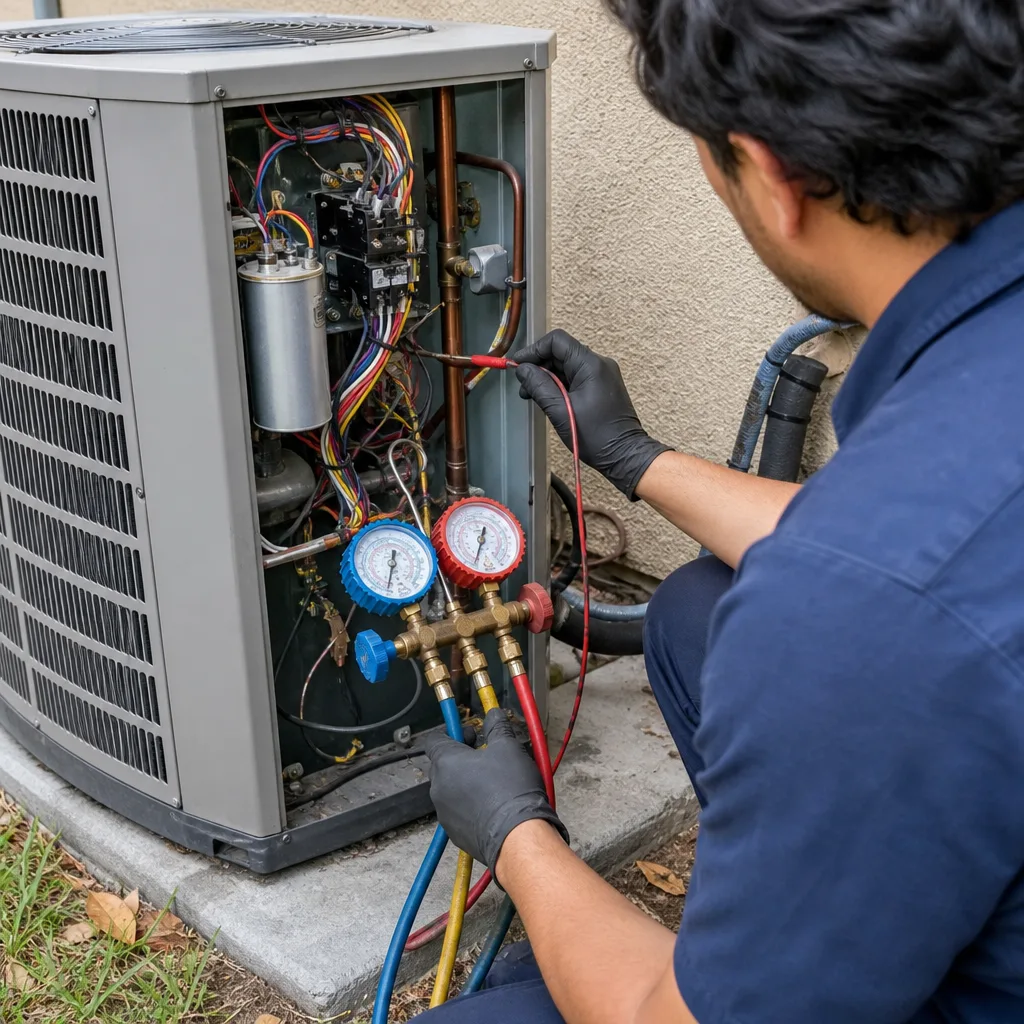
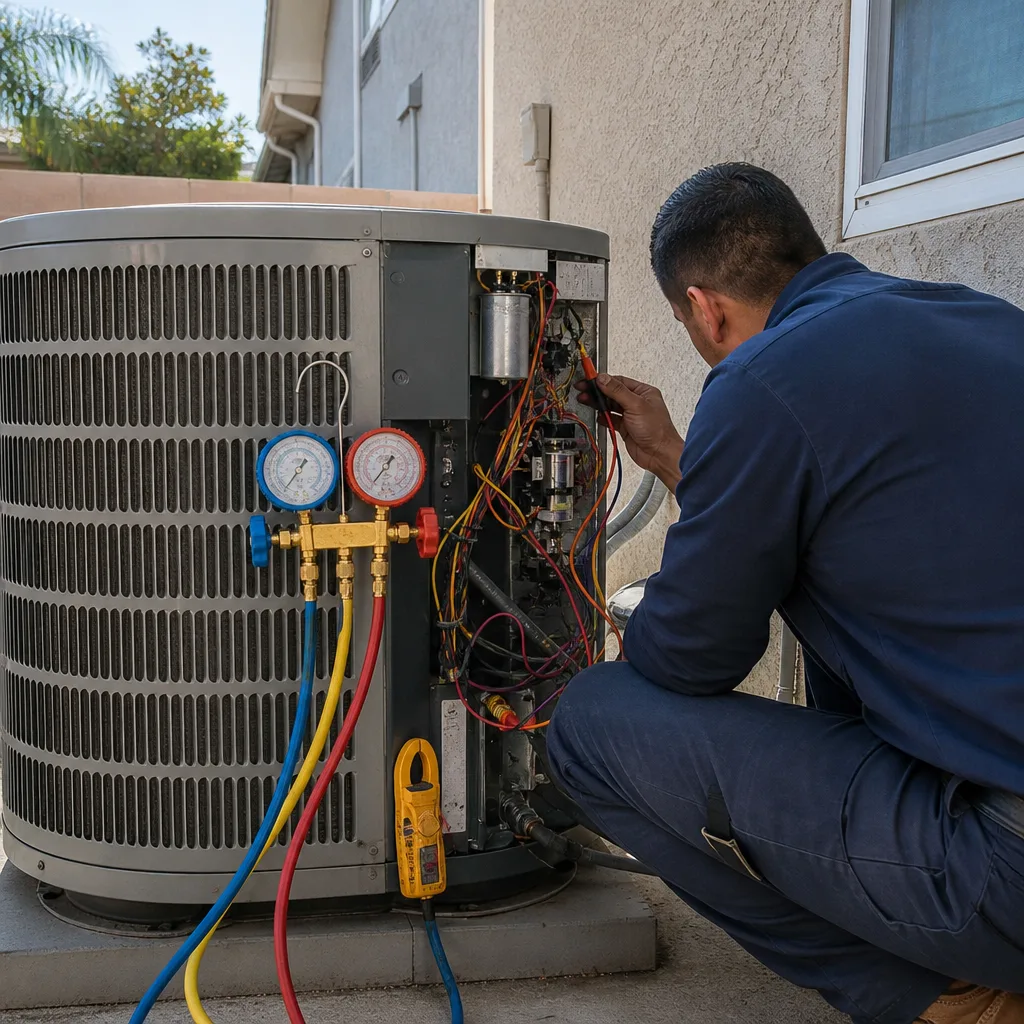
The only reliable way to verify the charge is through two measurements: superheat and subcooling. These are temperature readings taken by a trained technician using gauges and temperature probes. Superheat measures whether the refrigerant is fully vaporized before it returns to the compressor. Subcooling measures whether the refrigerant is fully condensed into liquid before it enters the expansion device. Each has a specific target range depending on the equipment, the outdoor temperature, and the length of the refrigerant lines.
Here is what you should know as a homeowner:
- A passing superheat reading on a fixed-orifice system typically lands between 5 and 15 degrees Fahrenheit depending on conditions. A passing subcooling reading on a thermostatic expansion valve (TXV) system typically lands between 8 and 14 degrees Fahrenheit. These are not numbers you need to memorize. They are numbers you should see written down on your commissioning report.
- “It feels cold” is not a test. Air coming out of the vent that feels cold does not mean the charge is correct. A system that is 30 percent undercharged can still blow 65-degree air. Your evaporator coil could still reach temperature while the compressor runs hotter than it was designed to.
- Weigh-in method vs. calculated charge. Most manufacturers recommend charging by weight for new installations when the line set length matches the specs, then verifying with superheat and subcooling. If the installer cannot tell you which method they used and what the final numbers were, the charge was probably eyeballed.
- Long line sets change the math. Los Angeles homes with longer refrigerant line runs, such as a condenser on the roof and an air handler in a basement or crawlspace, may need additional refrigerant per foot beyond the factory charge. Skipping that adjustment is a common cause of undercharge.
Refrigerant charge errors compound. A compressor running with the wrong charge for two years may fail just outside the basic labor warranty, leaving you with a $2,500 to $4,000 replacement on a unit that should have lasted 12 to 15 years. The charge verification is free to ask for and should be standard on every install. If you are in Los Angeles and the installer will not show you the numbers, that is a sign to call someone who will.
Airflow Warning Signs You Can Detect Yourself
You do not need a manifold gauge set to spot airflow problems. Your own comfort, a thermometer, and a few minutes of observation will reveal more than most homeowners realize. Airflow is the volume of conditioned air moving through your ductwork, and heat pumps are more sensitive to airflow problems than traditional furnaces or air conditioners because they move lower-temperature air in heating mode and move more total air per ton of capacity.
These are the airflow warning signs we have seen on service calls across Los Angeles:
- Rooms that never reach setpoint. If your thermostat reads 72 but the back bedroom sits at 78 in summer, the duct system may be undersized, leaky, or improperly balanced. A proper installation includes verifying airflow to each room, not just to the thermostat’s location.
- Indoor coil icing. A layer of frost or ice on the indoor coil, often visible through the condensate pump area or causing water leaks around the air handler, is a classic symptom of low airflow or low refrigerant. Ice does not mean the system is “really cold.” It means something is wrong.
- Dust or debris blowing from vents immediately after installation. A new heat pump should not deliver a blast of construction dust into your living room. That indicates the existing ductwork was not cleaned, sealed, or inspected during the install, and those same ducts are now leaking conditioned air into the attic.
- Temperature split that is too narrow. In cooling mode, the air entering the return and the air leaving the supply register should differ by roughly 15 to 20 degrees Fahrenheit. A 5-degree split means poor heat transfer, which usually points to airflow or charge problems.
- No visible increase in airflow when the fan runs. If you cannot feel air moving at the registers with the fan on, and the old system moved air fine, the blower speed may be set incorrectly or the new coil may be more restrictive than the old one.
Los Angeles homes present particular airflow challenges. Many were built with minimal duct sizing, and the mild climate meant older systems could limp along with inadequate airflow. A new high-efficiency heat pump, especially a variable-speed model from Carrier or Trane, moves air differently than a 20-year-old single-stage unit, and that can expose duct deficiencies the old system hid.
If you are experiencing any of these symptoms, document them with photos and temperature readings. A written record helps when you go back to the installer, because a specific complaint (“the south bedroom reads 80 degrees when the thermostat is set to 74”) is much harder to dismiss than a general one.
Electrical Installation Tells: Breakers, Disconnects, and Wiring
Electrical errors on a heat pump installation are less common than refrigerant or airflow problems, but they are more dangerous. A mistake here is not just a performance issue. It is a fire hazard. The good news is that electrical problems tend to announce themselves clearly, often within the first 30 days.
Here is what to watch for:
- A breaker that trips in the first month. A new heat pump should not trip its breaker. If it does, the circuit may be undersized, the wiring may be damaged, or there may be a loose connection. Do not keep resetting the breaker and hoping. A breaker that trips once can trip again while you are asleep.
- A disconnect box that runs warm to the touch. The disconnect box near the outdoor unit should stay cool or slightly warm during operation. If it feels hot, there is resistance somewhere in the circuit, often a loose lug or a corroded connection. This is a fire risk and needs correction immediately.
- Wiring that does not match the equipment’s MCA. MCA stands for minimum circuit ampacity, and every heat pump has one listed on its nameplate. The installer must size the circuit breaker and the wiring to meet or exceed that number. Undersized wiring can overheat. If you have the original quote, check whether the electrical work was included and whether the breaker size matches the equipment nameplate.
- No dedicated circuit. A heat pump needs its own breaker, not a shared circuit with other appliances. If the installer tapped into an existing circuit to save time, that is a major code violation.
- Exposed or unsecured wiring. The wiring between the outdoor unit and the disconnect box should be in liquid-tight conduit or secured properly. Loose wires, zip ties where conduit should be, or conductors exposed to weather are signs of rushed work.
In Los Angeles, where many outdoor units sit on roof decks or in tight side yards, electrical routing can be awkward. That is not an excuse for shortcuts. A professional installation includes a dedicated circuit, properly sized conductors, and a disconnect that is safe to operate. If any of these electrical tells show up in the first month, the installer should return at no charge. Under The Garrison Code, we return on our own time and our own dime if the work does not hold.
Short-Cycling and Why It Destroys Compressors
Short-cycling is the term for a heat pump that turns on and off in rapid bursts instead of running in longer, steady cycles. A normal heat pump might run for 15 to 25 minutes per cycle on a moderate Los Angeles day. A short-cycling unit might kick on for 5 minutes, shut off for 5, then repeat. It still cools or heats the house, kind of, so homeowners often dismiss it as normal operation. It is not. Short-cycling is one of the fastest ways to destroy a compressor.
Every time a compressor starts, it draws a surge of current and briefly runs with liquid refrigerant still returning to it. Frequent starts mean more of those high-stress moments. A compressor rated for 100,000 starts might hit that number in 5 years if the unit short-cycles constantly, versus 15 years under normal operation.
The most common installation-related causes of short-cycling are:
- Oversized equipment. A heat pump that is too large for the home reaches setpoint very quickly and shuts off before it has run long enough to dehumidify or distribute air evenly. This is the classic result of skipping the Manual J load calculation.
- Thermostat placement errors. If the thermostat is mounted on a wall that gets direct afternoon sun, is next to a supply register, or sits near a kitchen, it will read inaccurate temperatures and cycle the equipment erratically. Proper thermostat placement is about 5 feet off the floor, away from heat sources and supply airflow.
- Oversized blower or improper fan speed settings. If the blower is moving more air than the coil can condition, the system may satisfy the thermostat prematurely and shut down. This is a commissioning issue, not a homeowner fix.
- Refrigerant charge errors. Both undercharge and overcharge can cause the low-pressure or high-pressure safety switches to trip, cutting the compressor out prematurely. The unit then restarts once pressures equalize, creating the on-off-on-off pattern.
If you notice your new heat pump starting and stopping more than 3 or 4 times an hour on a moderate day, write down the cycle times and call the installer. A healthy system on a mild Los Angeles winter day may run very long cycles, and on a hot August afternoon it may run nearly continuously. Constant on-off cycling is never normal, and it is always a reason to call.
Noise and Vibration: What Normal Sounds Like
A new heat pump is not silent, but it should not be loud. The outdoor unit produces a steady low hum from the compressor and a whoosh of air from the fan. The indoor air handler produces a soft rush of air through the vents. Anything beyond that, rattling, buzzing, grinding, vibrating walls, or a thump when the unit starts, is a signal that something was not installed correctly.
Specific noises and their usual installation causes:
- A thump or bang at startup. Many compressors make a brief startup sound, but a sharp knock can indicate loose mounting bolts, a compressor that was not properly secured, or excessive refrigerant slugging back to the compressor at startup.
- Rattling sheet metal. The outdoor unit’s cabinet panels should be secured tightly. A rattle that changes when you press on the panel is just a loose screw, but it should not be there on a brand-new installation.
- Buzzing from the disconnect or indoor unit. A buzzing sound from the electrical disconnect is almost always a loose connection or a failing contactor. This should be checked immediately.
- Vibration felt through the wall. Outdoor units should sit on vibration isolation pads, especially when mounted on a roof deck or a wall bracket. A unit bolted directly to a wooden deck can transmit vibration through the entire room below. This is common in Los Angeles hillside homes with roof-mounted condensers.
- Refrigerant line vibration.The copper line set connecting the indoor and outdoor units should be secured every 4 to 6 feet. A line set that vibrates against a wall or floor joist will eventually rub through and leak refrigerant.
Modern units from manufacturers like Lennox and Goodman are designed to run quietly, often in the 55 to 65 decibel range at the outdoor unit. That is about the level of a normal conversation. If your neighbor can hear your heat pump from their yard, or if you can hear the condenser clearly from inside the house with windows closed, the installation may have a vibration isolation problem that needs correction.
Your 30-Day and 90-Day Post-Installation Checklists
The first 90 days after installation are the most important window for catching problems. In California, the installer is legally responsible for correcting defects during this period, and most reputable companies extend that with their own written guarantees. What you do during this window determines whether small problems get fixed early or become big problems later.
30-Day Checklist
- Verify all paperwork is in hand. Permit, load calculation, commissioning report, warranty registration confirmation, and a copy of the contract with equipment model numbers. If any of these are missing, request them in writing now.
- Check the breaker once a week. A new heat pump should not trip its breaker once. If it does, call the installer the same day. Do not wait to see if it happens again.
- Monitor run times. Spend one mild day and one hot day watching how long the system runs per cycle. More than 3 to 4 cycles per hour on a moderate day is a short-cycling red flag.
- Feel the disconnect box after 30 minutes of operation. It should be cool or barely warm. Warm is acceptable. Hot is not.
- Check the condensate drainage. The condensate line should be moving water when the system runs in cooling mode, and there should be no water stains or pooling around the indoor unit.
- Listen for abnormal sounds at startup. A gentle whoosh and a low hum are fine. Sharp bangs, buzzing, or grinding are not.
90-Day Checklist
- Compare utility bills to the same period last year. A new high-efficiency heat pump should reduce heating and cooling costs, not increase them. Los Angeles Department of Water and Power bills include daily usage data. If usage is up despite the new system, that points to a charge or airflow problem.
- Check room-by-room temperatures. Set the thermostat to a comfortable setpoint, let the system run for an hour, then walk each room with a thermometer. Differences of more than 3 to 4 degrees between rooms suggest a duct or airflow issue.
- Inspect the outdoor unit. Look for oil spots around the service valves, signs of refrigerant leakage, loose panels, or debris accumulation. A properly installed unit should still look clean at 90 days.
- Request a follow-up inspection if anything is off. Most installers will provide a free follow-up within the first season if something seems wrong. Ask for one. It is far cheaper for everyone to find a problem at 90 days than at 3 years.
We perform this level of verification on every installation we complete in Los Angeles, because The Garrison Standard requires that the job be done by the book, and the book says verify the charge, verify the airflow, and verify the electrical. If our work does not hold up, we return at no charge. That is the whole point of a written guarantee.
Common Mistakes to Avoid
- Accepting a quote without a load calculation. If the installer sized the unit by rule of thumb, you are gambling. A Manual J is the minimum standard. In Los Angeles, where temperature swings between the coast and the Valley can be 20 degrees on the same day, sizing by guesswork fails more often than it works.
- Registering the warranty yourself but entering the wrong date. A warranty card with an installation date that does not match the invoice can delay or void a claim later. Review the dates carefully before submitting.
- Ignoring a tripped breaker because “it only happened once.” One trip is the warning. The second trip may be the fire. Call the installer.
- Assuming the new system should sound the same as the old one. A heat pump moves more air and runs longer cycles than the old furnace or AC you replaced. That does not mean it should rattle, bang, or vibrate the walls.
- Waiting until summer or winter to test the system fully. Heat pumps provide both heating and cooling. Test both modes in the first month, even if you only need one. A system that cools fine but heats poorly, or vice versa, is a valve or charge problem that should be caught early.
- Not keeping a written log of issues. Memories fade, and contractors are more responsive to a specific, documented complaint than a vague one. Note the date, time, outdoor temperature, and what you observed.
- Paying the final invoice before all paperwork is delivered. Your leverage is strongest before the final payment clears. Do not release it until you have the permit, the commissioning report, and the warranty registration confirmation.
When to Call a Professional
Call a professional if your new heat pump trips its breaker at any point, if you see ice on the indoor coil, if the disconnect box feels hot, or if rooms are more than 4 degrees off from the thermostat setpoint. These are not normal break-in issues. They are installation defects. Also call if you notice a sudden spike in your utility bill, if the system short-cycles, or if you hear a sharp bang at startup. Dalton Heating & Air offers free estimates in Los Angeles, and we will tell you honestly whether we think the original installer should be the one to make it right. Our number is (361) 306-9515, and a real person answers, day or night.
Frequently Asked Questions
A correctly installed heat pump comes with a written permit, a Manual J load calculation, a commissioning report showing superheat and subcooling readings, and a warranty registration confirmation. The system should run in long, steady cycles, all rooms should stay within a few degrees of setpoint, and the breaker should never trip. If any of those pieces are missing or failing, the installation is suspect.
Incorrect refrigerant charge is the most common installation mistake. An undercharged or overcharged system will still run and may still cool the house, but it loses 20 to 30 percent efficiency and shortens compressor life dramatically. The only way to verify the charge is through superheat and subcooling measurements, which should be documented in your commissioning report.
Yes, in two ways. Electrical defects like a hot disconnect box or undersized wiring are fire hazards. Airflow and drainage problems can cause water damage from condensate leaks or indoor coil icing. A bad installation can also void the manufacturer’s warranty if the defect is tied to improper setup.
A standard heat pump replacement in Los Angeles typically takes one full day, sometimes two if the job includes ductwork modifications, electrical upgrades, or a new thermostat wiring run. A rushed same-afternoon install is often a sign that the important verification steps were skipped, which is why how long AC repair takes matters less than whether it was done right. Quality takes the time it takes.
Treat that as a serious red flag. The commissioning report is the written proof that the system was verified. Without it, you have no way to know whether the refrigerant charge, airflow, and electrical setup were correct. Ask for it in writing. If the installer refuses, have another licensed contractor inspect the system before the warranty period expires. Dalton Heating & Air can perform that verification in Los Angeles.
Most heat pumps last 12 to 15 years in Los Angeles with proper maintenance. If your unit is under 10 years old and the repair is a single component like a capacitor or a contactor, repair usually makes sense. If the compressor has failed, or if the system is over 15 years old and needs refrigerant that is being phased out, replacement is the better financial decision. Call (361) 306-9515 and we will help you work through the numbers honestly.
The Bottom Line
A bad heat pump installation rarely announces itself on day one. The house cools down, the unit looks fine, and the paperwork seems close enough. The problems show up later, in a tripped breaker, a room that never reaches setpoint, an electric bill that does not drop, or a compressor that dies at year six instead of year fifteen. For how long furnace repair takes and other timelines, see our dedicated guides. The checks in this guide cost you a few minutes of attention and a couple of uncomfortable questions. Run the 30-day and 90-day checklists. Demand the paperwork. Ask for the superheat and subcooling numbers. If the installer cannot produce them, call someone who can. At Dalton Heating & Air, the price is in writing before any work starts, and the work is guaranteed in writing for a full year. We serve all of Los Angeles County, and live phone support is available 24/7 at (361) 306-9515.
Written by Marco Benitez, Owner at Dalton Heating & Air, serving Los Angeles since 2003.