
Last updated October 9, 2026
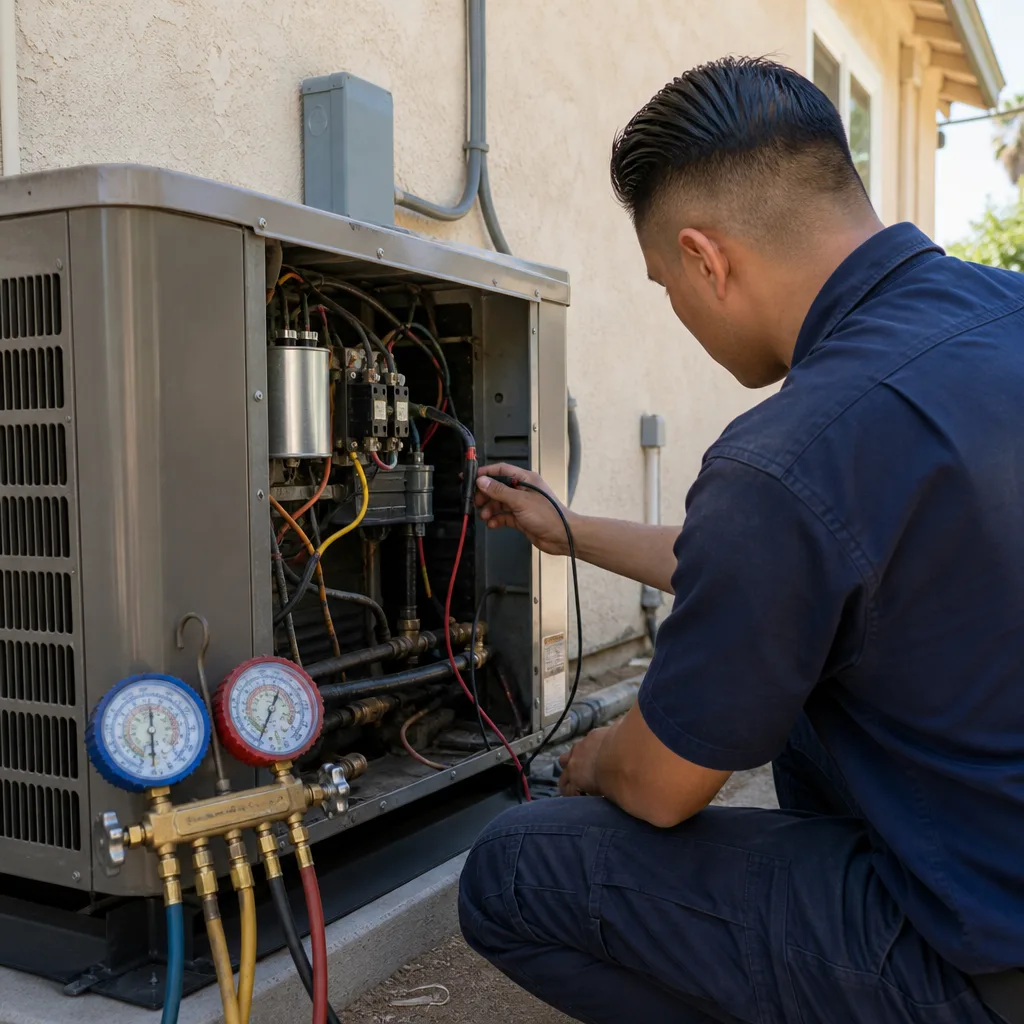
Seasonal tune-up and full diagnostic on your Carrier, Trane, or Goodman system - readings shown to you before any repair is proposed
Diagnosis first, numbers second - you approve the repair price before a single part goes in.
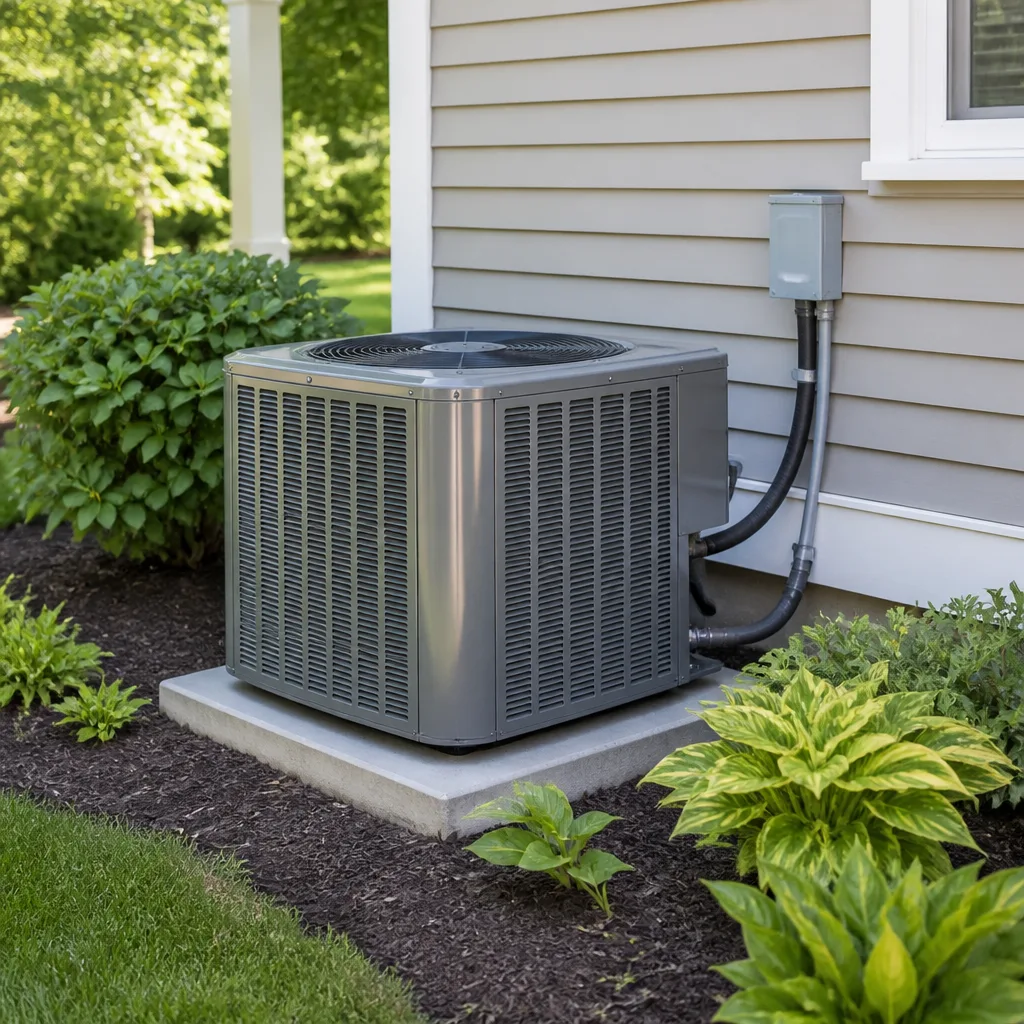
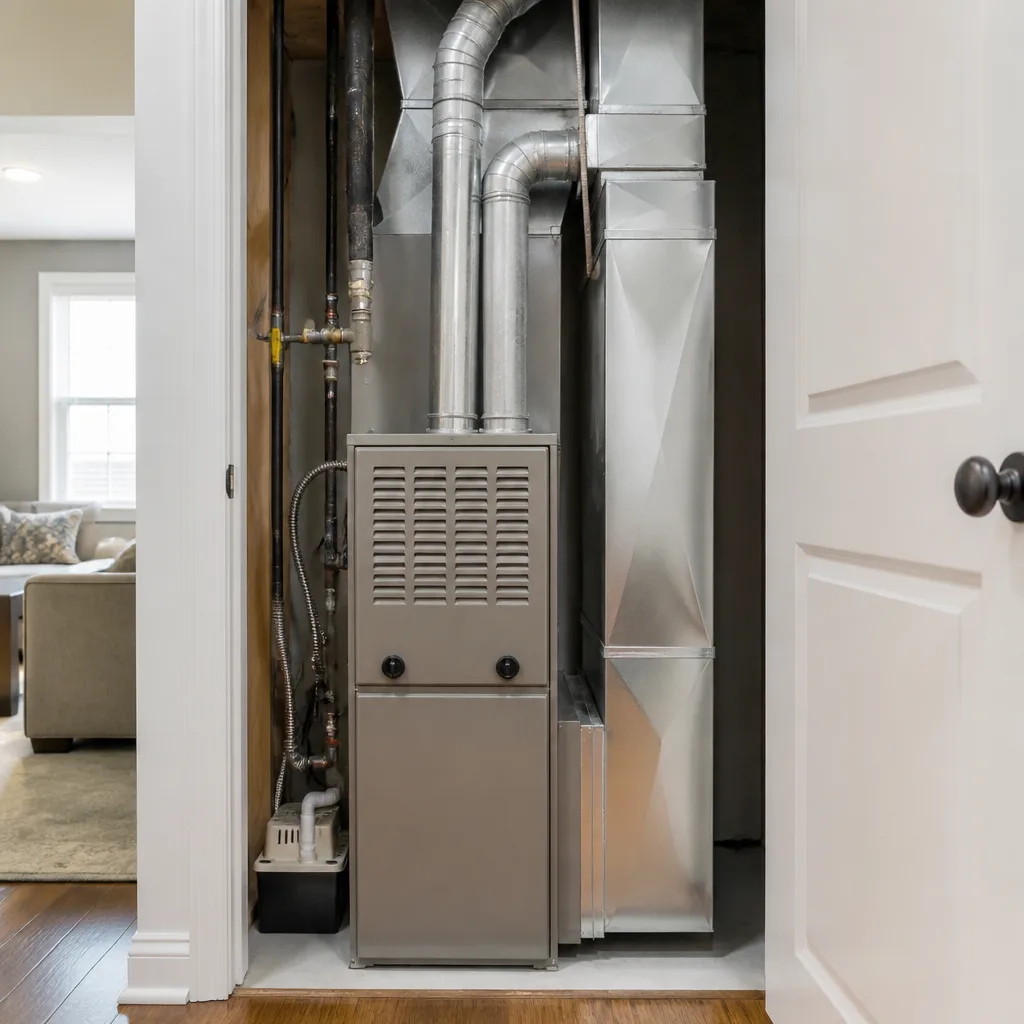
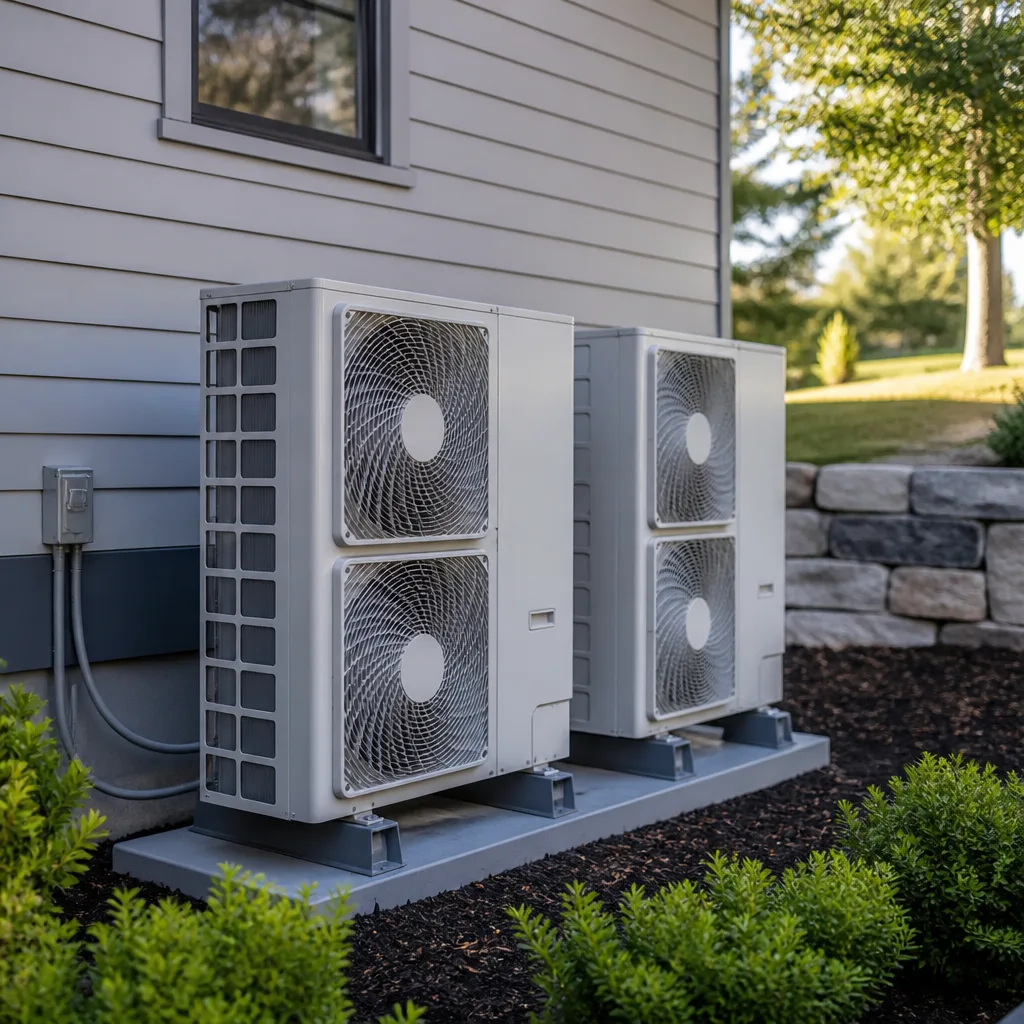
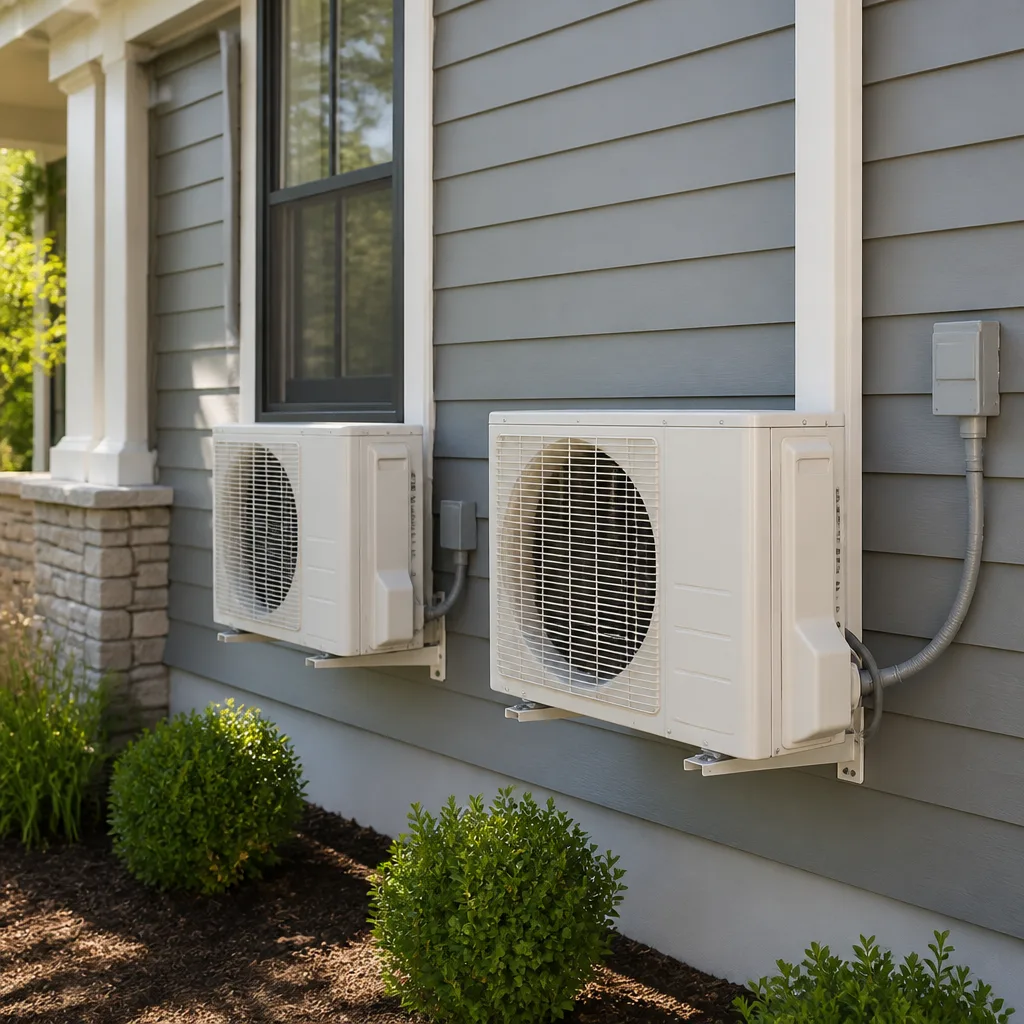
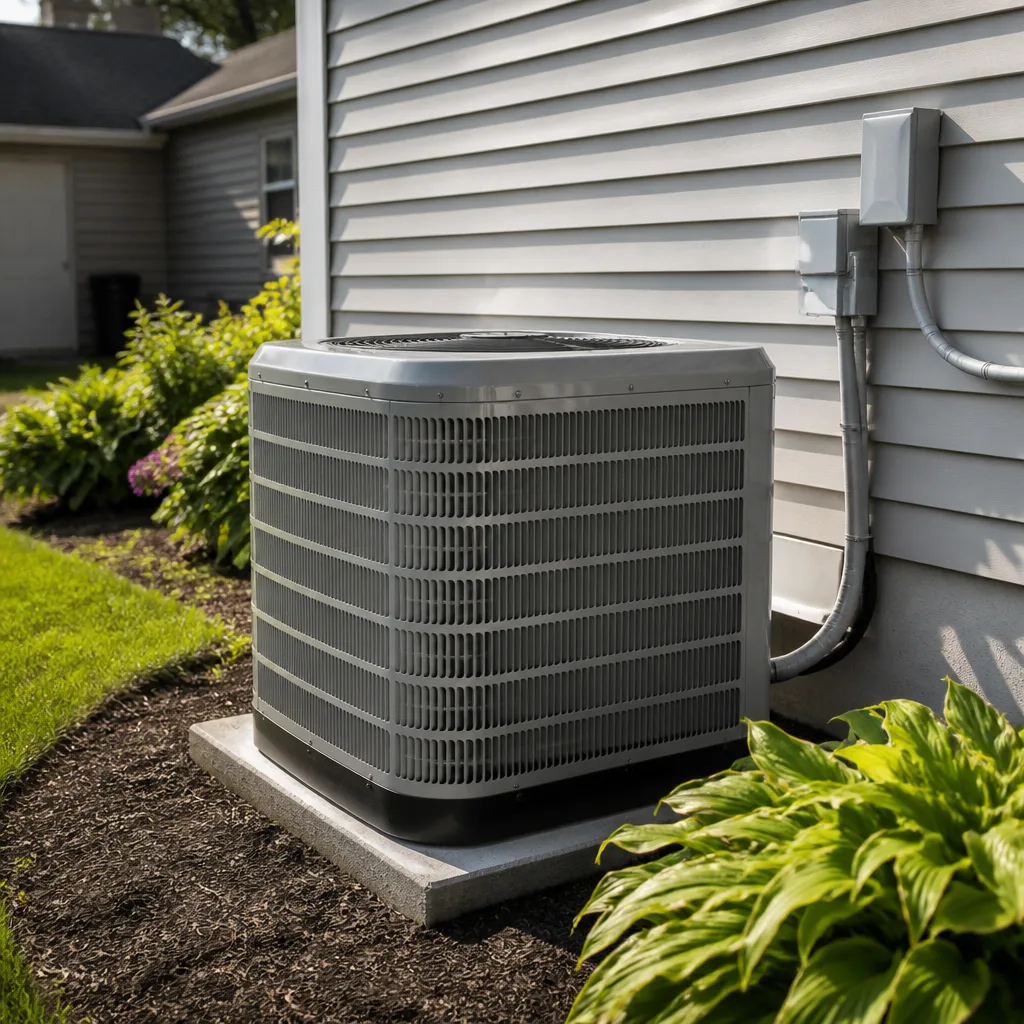
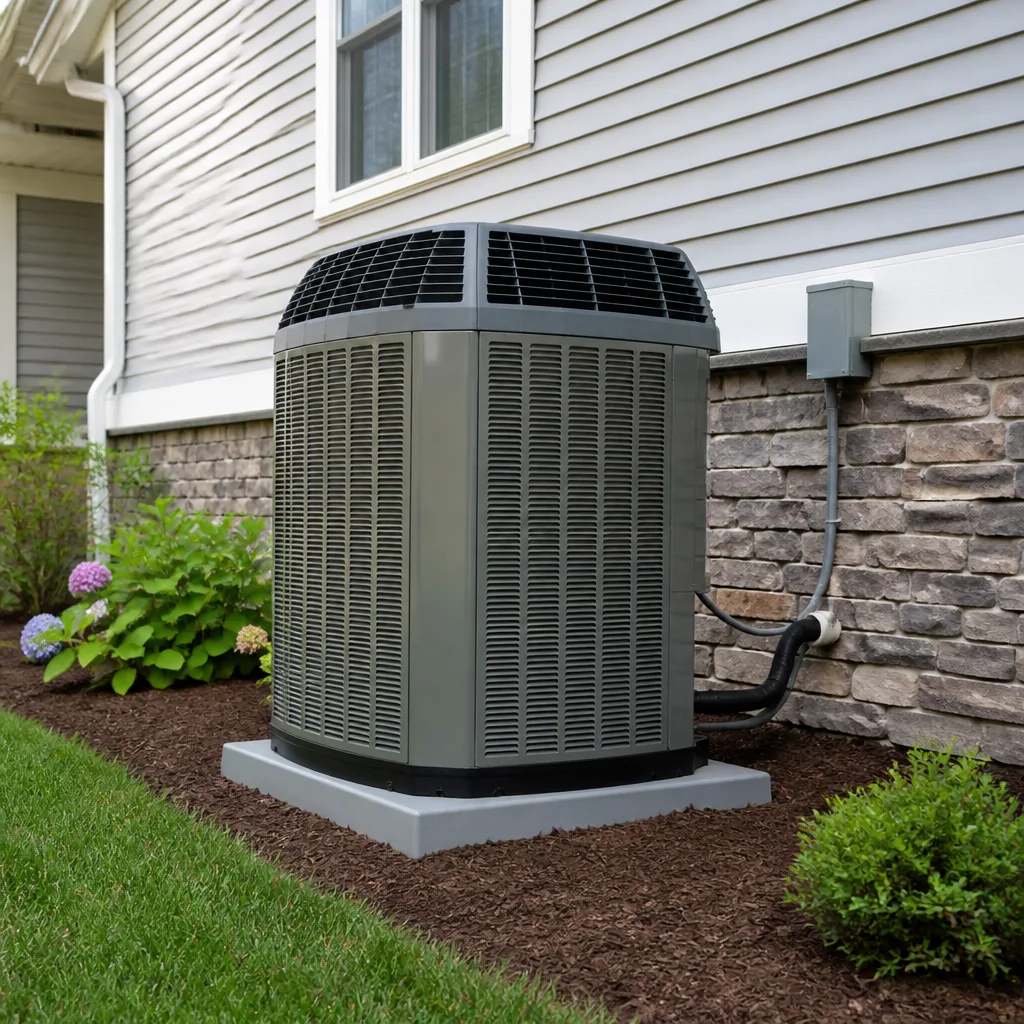
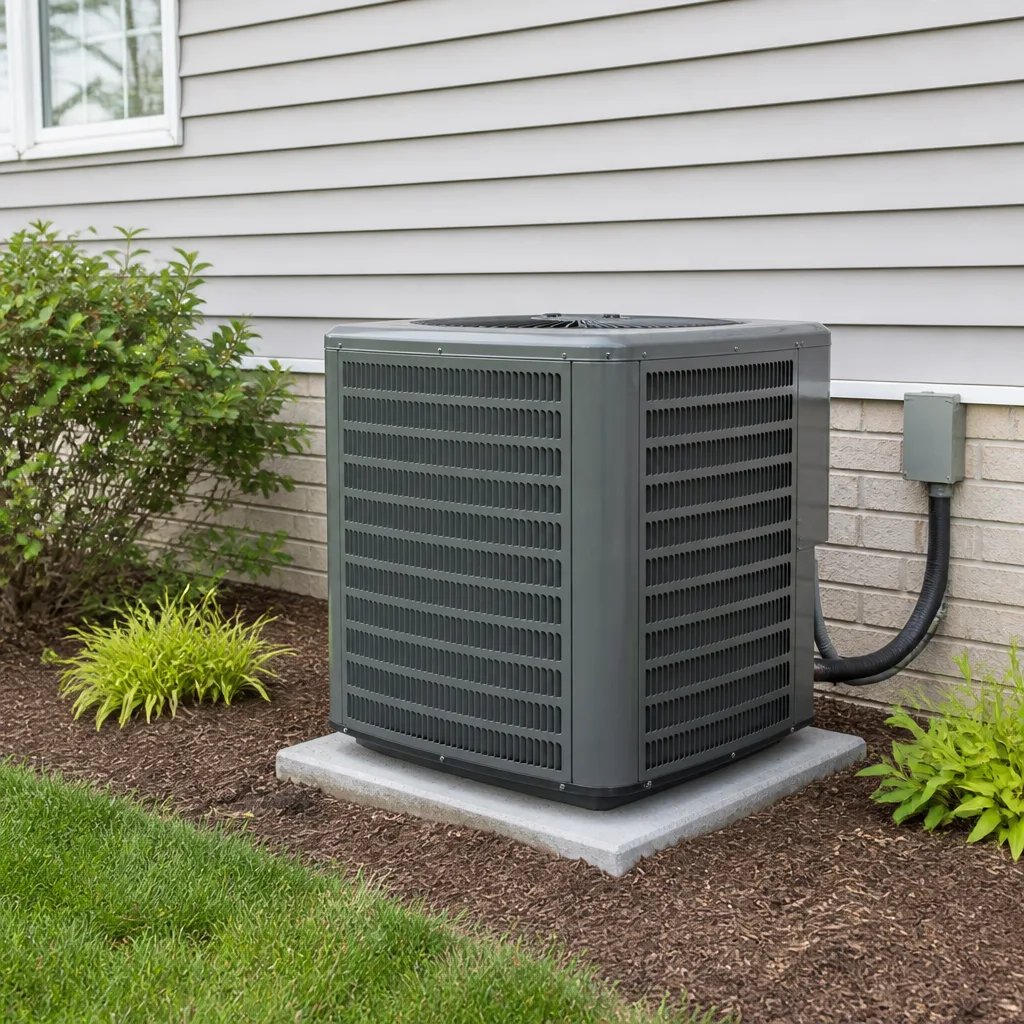
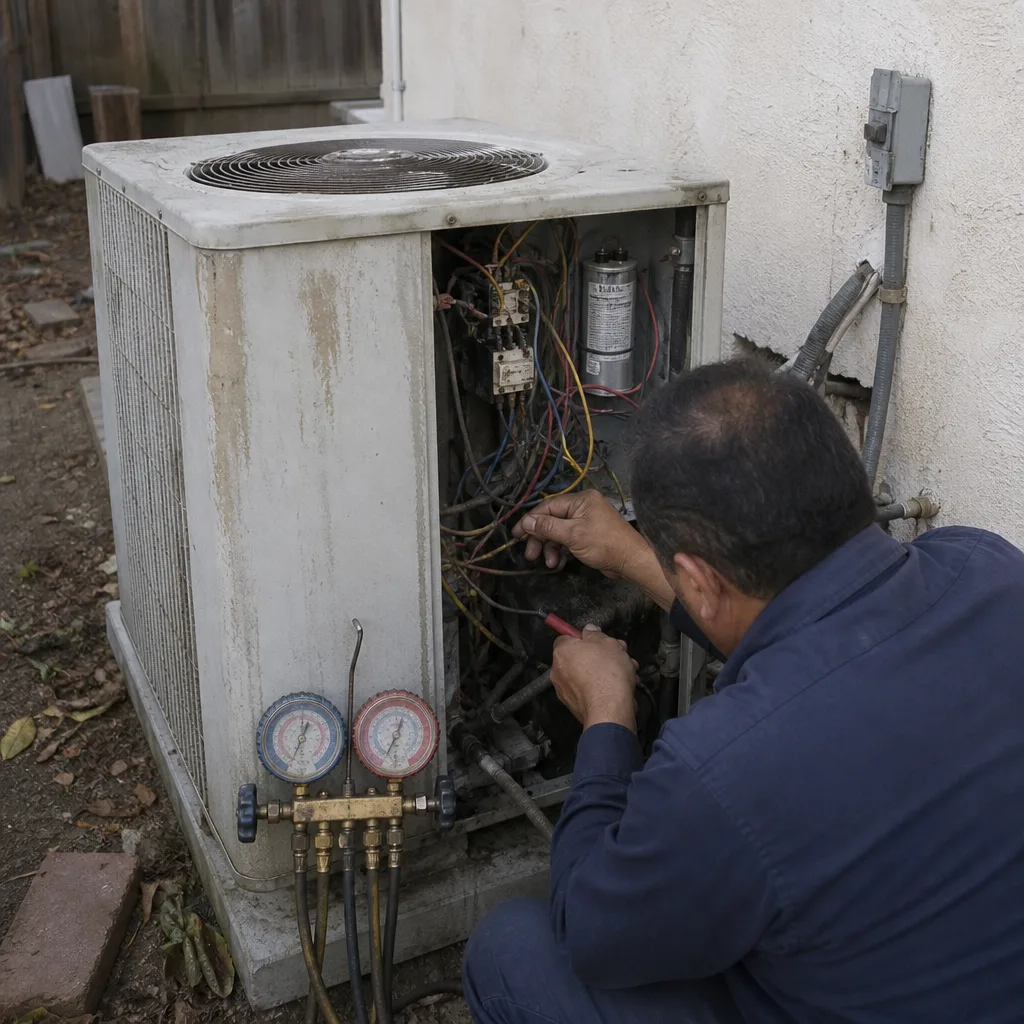 Before
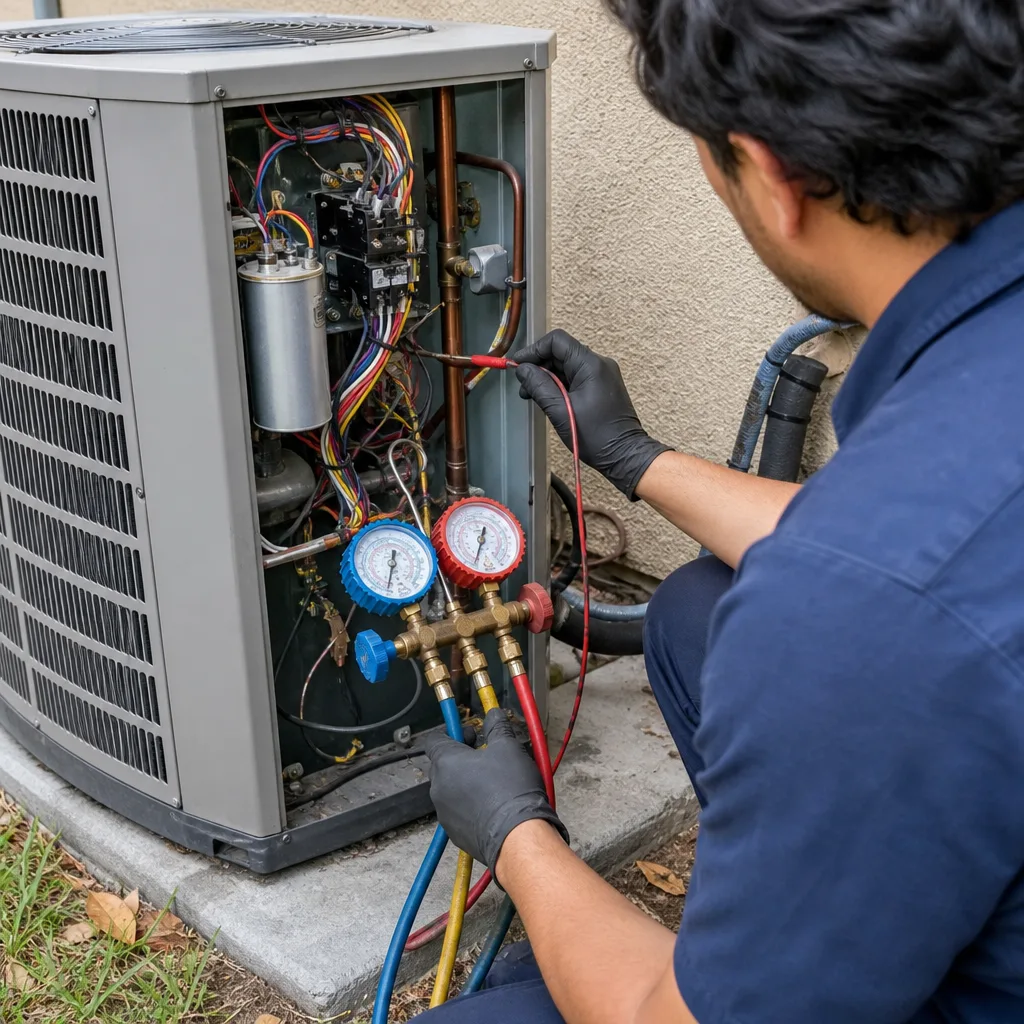 After
After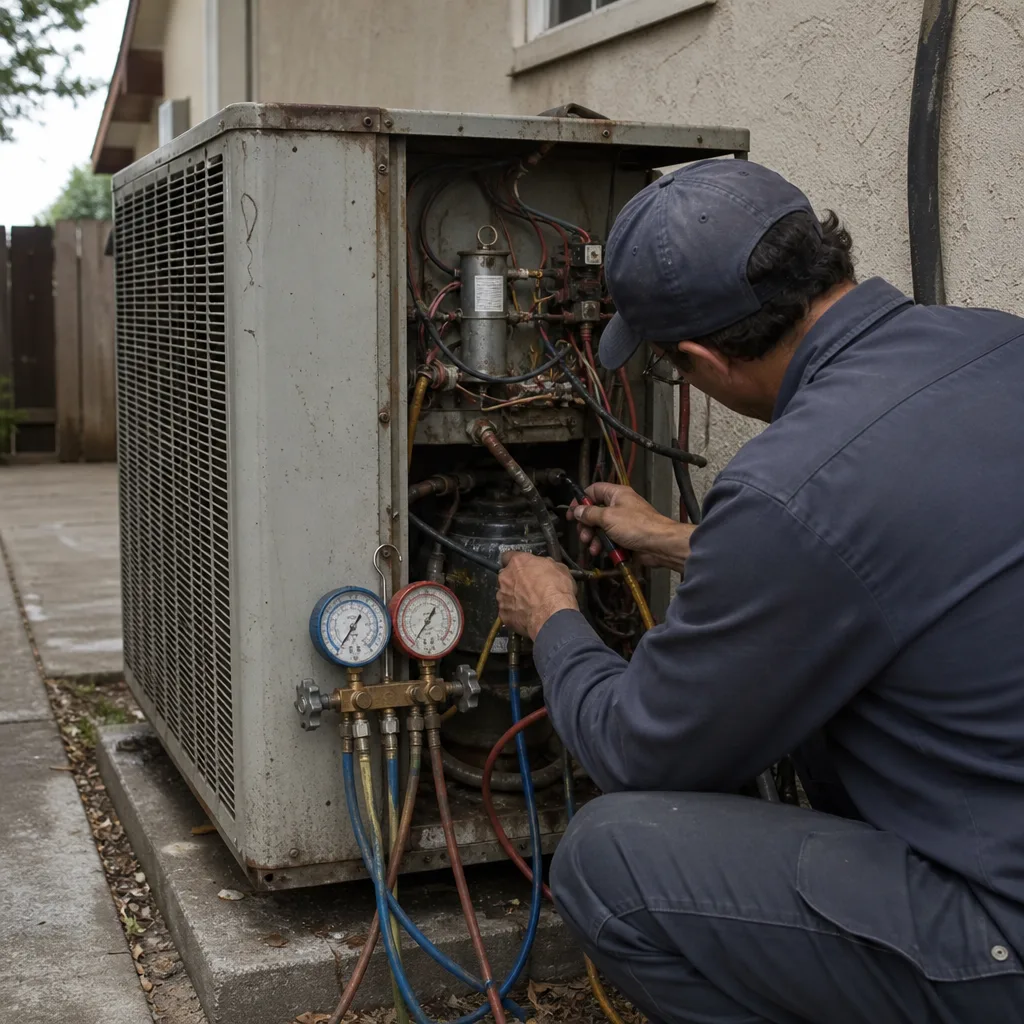 Before
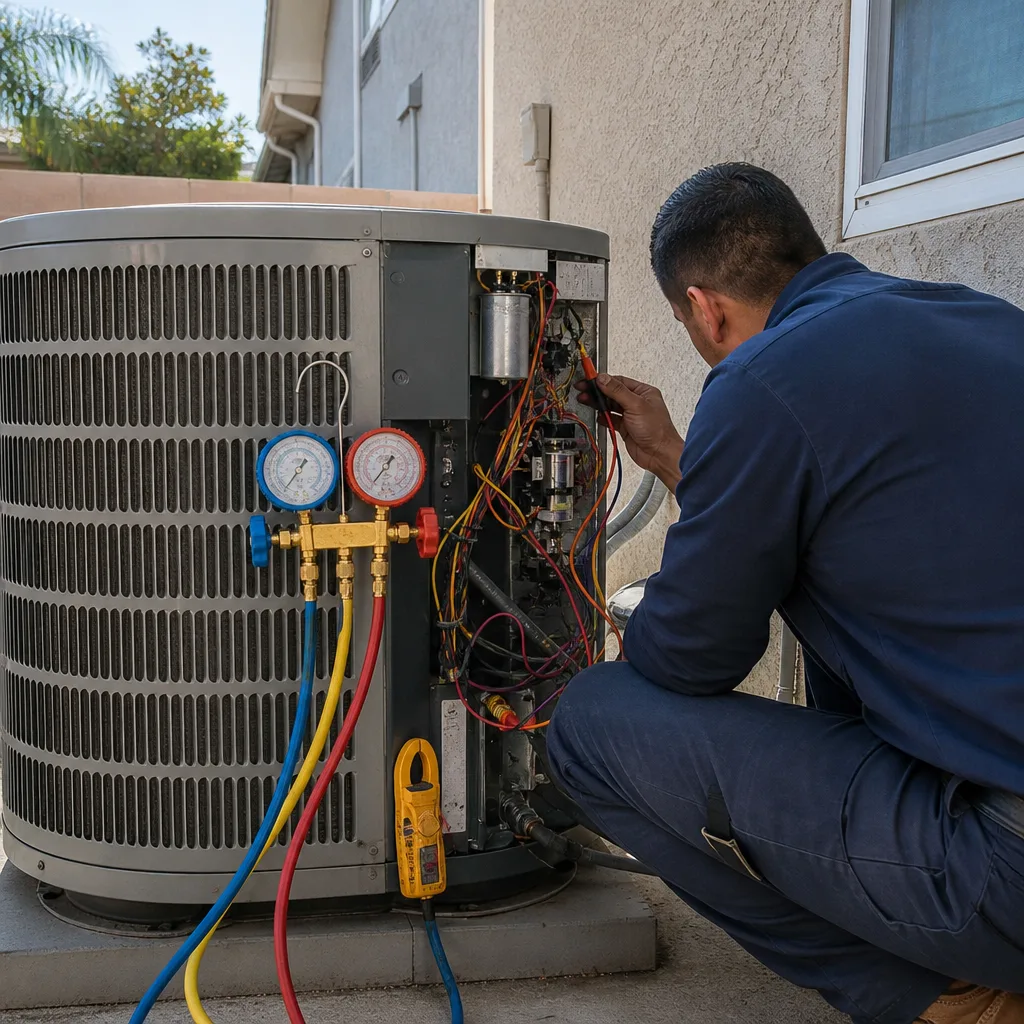 After
After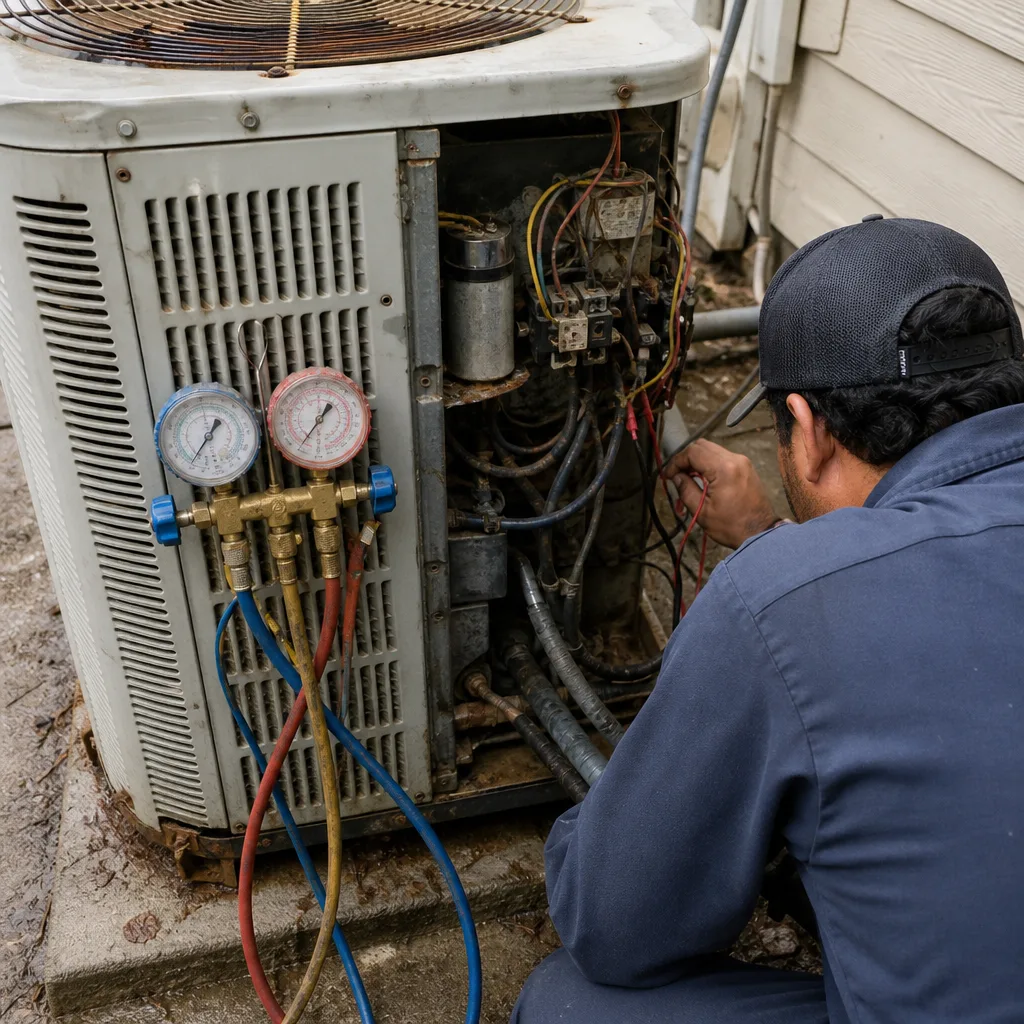 Before
 After
AfterHow Long Does AC Repair Take? Timelines and What to Expect
The most common reason an AC repair takes three days instead of three hours isn’t parts availability. It’s a missed diagnosis on the first visit that sends the technician back for a second part after the first one doesn’t fix the problem. In Los Angeles, where summer heat pushes every system hard and every repair company runs at capacity from June through September, that second trip can cost you days of waiting in a hot house. This guide breaks down realistic AC Repair timelines by job type, explains what actually drives the clock, and gives you specific steps to tighten the schedule before the technician ever rings your doorbell. Written from our experience across Los Angeles and the surrounding basin, here’s what the timeline really looks like.
Quick Answer
Most AC repairs take between 1 and 3 hours once the technician starts work, but total elapsed time from your first call to a cooling house runs anywhere from same-day to 3 to 5 business days. The two variables that stretch that window are diagnostic accuracy on the first visit and whether the needed part is stocked on the truck, available at a local Los Angeles distributor, or has to be ordered from the manufacturer. You have more control over both variables than most homeowners realize.
Table of Contents
- Realistic Timelines for the Ten Most Common AC Repairs
- What Actually Drives the Repair Timeline
- Parts Availability in Los Angeles: What’s Stocked, What’s Ordered
- Why Diagnostic Accuracy Is the Biggest Timeline Driver
- What “Same-Day Service” Actually Means in Scheduling Terms
- How to Prepare Your Home Before the Technician Arrives
- Repair vs. Replace: When the Timeline Says It’s Time
- What to Expect to Pay: Cost Ranges by Repair Type
Realistic Timelines for the Ten Most Common AC Repairs
Not all AC repairs are created equal. Some are in-and-out jobs a technician can complete before the truck cools down. Others require partial system disassembly, refrigerant recovery, and recharging a system under pressure. Here are realistic, observed time ranges for the repairs we do most often in Los Angeles, from lightest to heaviest. These times reflect the actual on-site work once the technician starts, not the elapsed calendar time from your phone call to completion.
Capacitor Swap: Under 1 Hour
The capacitor is the small cylinder that gives the compressor and fan motor the electrical kick they need to start. When it fails, the outside unit hums but won’t spin up. A technician diagnoses this in minutes, the part is a universal-fit item stocked on nearly every truck, and the swap takes 20 to 45 minutes including testing. This is the most common repair we see in Los Angeles during heat waves, and it’s the one most likely to finish same-day.
Contactor Replacement: 45 Minutes to 1 Hour
The contactor is the electrical switch that turns the outdoor unit on when the thermostat calls for cooling. Burnt or pitted contactors fail regularly in our climate because the outdoor unit cycles hundreds of times per summer. This job is fast and the part is universal.
Thermostat Replacement or Recalibration: 30 Minutes to 1.5 Hours
Sometimes the problem is not the AC at all, it’s the control. A thermostat swap is quick when it’s a standard wired unit. Smart thermostats add time for configuration, Wi-Fi pairing, and system compatibility checks. If the issue is an incorrectly wired or miscalibrated thermostat, the fix may be under 30 minutes.
Condensate Drain Clearing or Pump Replacement: 1 to 2 Hours
Clogged condensate lines are a constant in Los Angeles because our long cooling season means the evaporator coil produces moisture for months on end. Clearing a line is fast. Replacing a failed condensate pump takes a bit longer. Both are same-day jobs in nearly every case.
Refrigerant Recharge: 1 to 2 Hours
A refrigerant recharge, which means topping off the cooling fluid your system needs to reach set temperature, takes one to two hours. That includes leak testing, recovering any remaining charge correctly, and weighing in the exact amount the manufacturer specifies. Here’s a Los Angeles-specific wrinkle: R-22 refrigerant, used in systems installed before 2010, is no longer produced in the United States. Remaining stock is expensive and increasingly scarce. R-410A is more available but not immune to supply tightness during peak heat. Finding and repairing the leak must happen before the recharge, or you’re refilling a cup with a hole in it.
Blower Motor Replacement: 1.5 to 3 Hours
The blower motor pushes cooled air through your ducts. Replacement involves pulling the motor assembly from the air handler or furnace cabinet, swapping the motor, and testing airflow and amperage. For related timing details, see our guide on How Long Does Furnace Repair Take? Timelines and What to Expect. Time varies depending on whether the motor is a standard unit or a variable-speed electronically commutated motor, which costs more and is sometimes a dealer-ordered part.
Expansion Valve or Metering Device Replacement: 2 to 4 Hours
The expansion valve controls how much refrigerant flows into the evaporator coil. Accessing it often requires recovering refrigerant from the system, replacing the valve, brazing the line connections, pressure-testing with nitrogen, pulling a deep vacuum, and recharging by weight. The labor is substantial, but the part itself is often locally available.
Condenser Fan Motor Replacement: 1 to 2.5 Hours
This is the fan on top of the outdoor unit. The motor is a faster swap than the indoor blower, but if the fan blade is rusted to the motor shaft or the motor is a less common horsepower and RPM, expect a trip to a Los Angeles supply house or a distributor order. Most units use standard specs that are stocked locally.
Evaporator Coil Replacement: 4 to 6 Hours
The evaporator coil is the cold part of your system that lives inside, often above the furnace or in the air handler. It absorbs heat from your home’s air. Coil replacement is a serious job: recover refrigerant, open the cabinet, remove the old coil, install the new one, braze connections, pressure-test, pull vacuum, and recharge. Four to six hours of focused work is normal. If the coil is under warranty, the part may be free but the labor is still yours. The catch in Los Angeles is that coil model numbers change frequently. We often see the wrong coil arrive from a distributor and have to reorder, which adds a day or two.
Compressor Replacement: 6 to 8 Hours
The compressor is the heart of the system, the pump that circulates refrigerant through the entire loop. Replacing one is the heaviest single-component repair in residential HVAC. It means recovering refrigerant, removing the old compressor, installing the new one, replacing the filter drier, brazing lines, pressure-testing, vacuum, and recharge. Six to eight hours is realistic. Compressors are also the most commonly backordered part because they are matched to specific system models. Expect 2 to 5 days of lead time for the part once it’s confirmed bad. This is not a same-day repair in practice, and any company that promises same-day compressor replacement should be asked how they source the part that fast.
What Actually Drives the Repair Timeline
Once you understand the three forces below, you can read any repair company’s scheduling promises with clear eyes. These are the actual levers that determine whether you cool down today, tomorrow, or next week.
- Diagnostic accuracy on the first visit. When a technician correctly identifies the root cause in the first hour, everything downstream compresses. When the diagnosis is a guess, the first part installed doesn’t fix the problem, and the clock resets. Each reset costs 2 to 4 days in a busy Los Angeles summer because the return visit has to be re-scheduled into an already-full board.
- Parts availability. A stocked truck fixes 50 to 60 percent of common failures same-day. A local distributor run adds half a day to a day. A manufacturer order adds 2 to 7 business days, sometimes longer for discontinued or specialty parts.
- Job complexity and code requirements. A capacitor swap never triggers a city permit. A compressor replacement performed by a licensed contractor in Los Angeles requires proper refrigerant handling under federal Section 608 rules. The job itself takes as long as it takes: recovering refrigerant responsibly is a time cost, not a shortcut.
Those three factors explain almost every timeline you’ll ever get quoted. Now let’s look at the one that catches Los Angeles homeowners off guard most often: parts.
Parts Availability in Los Angeles: What’s Stocked, What’s Ordered
Los Angeles is one of the best-stocked HVAC parts markets in the country, for a simple reason: the sheer number of air conditioners running here. Major distributors have warehouses across the basin, from the San Fernando Valley down through the South Bay. That density means common parts that would take three days in a smaller metro are often same-day here. But density has limits, and knowing which side of the line your part falls on tells you a lot about your timeline.
Stocked on the Truck: Fixed Same-Day
A disciplined HVAC company stocks its trucks for the highest-frequency failures. You should expect the following to be on the truck when the technician arrives: capacitors of all common ratings, single-pole and double-pole contactors, condensate drain treatments, universal thermostats, fan motors in the most common horsepower and RPM, and electrical components like transformers and relays. If your repair falls in this bucket, same-day completion is a fair expectation.
Stocked at Los Angeles Distributors: Same Day to Next Day
This is the second ring. Dedicated brand distributors for York, Daikin, Bryant, and American Standard all maintain inventory in the Los Angeles metro. Common evaporator coils, blower motors for popular furnace and air-handler models, control boards for recent equipment, and expansion valves can often be pulled same-day with a quick parts run. The trip takes 45 minutes to 2 hours in traffic, plus the labor time for the repair itself.
Dealer Order Only: 2 to 7 Business Days
This is where timelines get real. Compressors for specific model numbers, proprietary communicating control boards, variable-speed blower modules, and warranty parts that must be processed through the manufacturer’s dealer channel are typically not sitting on a Los Angeles shelf. They ship from regional or national warehouses. Two to five business days is normal. During a supply crunch, like a late-summer rush in LA when every contractor is chasing the same parts, it can stretch to a week.
Obsolete or Discontinued: Weeks, and a Decision Point
If your system uses a discontinued part, especially an older R-22 compressor or a proprietary board for a system 15-plus years old, the part may need to be sourced from aftermarket channels or rebuilt. At that point, the honest conversation is not about when the part arrives, it’s about whether the repair makes sense at all. Most older systems that need a major component should be evaluated for replacement. You should be told that plainly, with numbers, before you spend a week waiting on a part for a system near the end of its life.
Why Diagnostic Accuracy Is the Biggest Timeline Driver
Here’s the uncomfortable truth of HVAC repair: not every first diagnosis is correct. A burned capacitor and a failed compressor can produce similar symptoms to an untrained eye. A bad thermostat can masquerade as a control board failure. A refrigerant leak that never gets found means the recharge from last month is gone this month. Every wrong turn costs you days, and in a Los Angeles summer, days without air conditioning are a health issue, not just a comfort issue.
The questions below are the fastest way to separate a verified diagnosis from a best guess. You don’t need to be an HVAC specialist to ask them. You just need to ask them before the work starts.
- “What specific test confirmed this is the failed part?” A real diagnosis comes from measurement: capacitor microfarad readings, voltage checks, refrigerant pressure and superheat numbers, amp draws, temperature differentials across the coil. A guess comes without numbers. Ask for the number that identified the failure.
- “If you replace this part and the system still doesn’t work, what’s the next most likely cause?” A complete diagnostic process considers the chain of failure. A technician who can’t answer this question may be working from a hunch.
- “Do you have the part on the truck right now, or will you need to go get it?” This seems basic, but it forces a concrete timeline before the work begins. If the part is not on the truck, ask for the exact source and lead time.
- “Is the repair guaranteed in writing, and for how long?” Companies confident in their diagnosis back it up. A written guarantee on every repair is a standard we hold to because it forces us to get the diagnosis right the first time. Return visits aren’t just expensive for you, they’re expensive for the company.
Here’s a real pattern from Los Angeles summers. A homeowner calls a cut-rate outfit in the Valley because the condenser won’t start. The technician replaces the capacitor in 40 minutes, collects, and leaves. The unit runs for a week, then dies again. The actual problem is a short-cycling compressor that keeps overheating and popping the capacitor. The capacitor was a symptom, not the cause. The price of that first “cheap” repair just became the down payment on a much more expensive second repair, plus a week of heat, plus another service call. Our position is simple: a repair is not done until the root cause is identified in the first visit. That’s what the diagnostic step is for.
For further reading, see our AC Repair in Los Angeles service page, which walks through our diagnostic process in more detail.
What “Same-Day Service” Actually Means in Scheduling Terms
The phrase “same-day service” does a lot of work in HVAC marketing. Here’s what it means in practice when you call a Los Angeles contractor in July. Same-day service means a technician arrives at your house that day. It does not mean your repair is finished that day. The arrival window and the completion window are two different things, and a company’s commitment language tells you a lot about which one they’re promising.
Reading the Commitment Language
“We’re available 24/7” means someone answers the phone. It does not mean a technician is standing by down the block. “Same-day appointments available” means a slot exists on today’s board. It does not mean you’re getting a slot today if you call at 9 p.m. “Same-day repair” is a stronger claim; it means the company expects to complete the job the same day the technician arrives. “Next-day installation” is for replacement systems and is its own scheduling animal entirely.
The most useful question for a homeowner is not “Can you come today?” It’s “If your technician finds the problem today, what’s the realistic completion window, and what would push it past today?” A straight answer names the variables: part on truck, part at distributor, part on order. A vague answer is a signal.
The Los Angeles Reality: Two Appointments, Two Different Clocks
Here’s a typical July in Los Angeles. Highs hit 95 in the Valley, and every HVAC company in the basin is booked solid by 8 a.m. A homeowner with a dead compressor calls a company at 11 a.m. They get a technician by 3 p.m., which is genuinely same-day service. The diagnosis confirms the compressor is bad. The compressor is not on the truck. It’s also not at the local distributor. It’s a dealer-order part. The completion window is now 3 business days out, and the homeowner’s same-day service was an arrival, not a repair. That’s not dishonesty, it’s reality. But a company that explains this before the technician arrives is a company that respects your time. A company that waits until the diagnosis is finished to mention parts lead time did not.
We answer our own phones 24/7, and the person who answers owns the scheduling conversation. If we know our board is full and the likely repair is a compressor, we say that early. Your time is part of the job.
How to Prepare Your Home Before the Technician Arrives
Most service calls lose 20 to 40 minutes to access issues and history questions. That might seem minor, but it’s the difference between one more job completed that day and one more homeowner waiting until tomorrow. On a compressor replacement, it’s the difference between a 6-hour job and a 7-hour job, which affects whether the system is charged and running before sundown. You can shrink your own repair timeline before the truck pulls up. Here’s how to do it, in order.
- Know your system’s history and write it down. When was the system installed? What’s the brand and model? Have you had repairs before, and what was fixed? Have you added refrigerant in the past? A one-page note with dates and symptoms saves the technician 15 minutes of detective work. We will also ask for your model and serial numbers, and Dalton Heating & Air home has more on preparing for a service call.
- Clear the access areas before the appointment. The indoor unit is typically in a closet, garage, or attic. The outdoor unit sits outside with a clearance requirement. Boxes stacked against the furnace, a car parked against the condenser, overgrown shrubs blocking airflow: all of that eats time. Clear three feet around the outdoor unit and a clear path to the indoor equipment.
- Make sure the electrical panels are accessible. The technician needs to test voltage at the disconnect box near the outdoor unit. If that area is behind a locked gate or buried under landscaping, say so before the tech arrives so they can plan for it.
- Have your filters available, or know their size. A clogged filter is the single most common preventable cause of AC failure. If the filter is dirty, the technician should know during diagnosis, not after. Knowing the filter size helps if it needs replacing.
- Be ready to describe the symptoms precisely. “It’s not working” is less useful than “it runs for 10 minutes, then the outside unit shuts off, and the air coming from the vents is warm.” Record what you observe: noise, behavior, timing, anything unusual. The more specific you are, the tighter the first-visit diagnosis.
- Ask about parts availability before the work starts. After the diagnosis, the technician should be able to tell you whether the part is on the truck or what the lead time is. If the answer is a dealer order, ask if a loaner or temporary fix is possible while you wait. Not every situation supports a temporary fix, but the conversation is worth having.
None of this requires you to be handy. It requires you to be organized. In a Los Angeles summer, when every company is running hard and the heat is not waiting, the organized homeowner gets cooled down sooner. That’s just how the schedule works.
Repair vs. Replace: When the Timeline Says It’s Time
There’s a point in many repair conversations where the timeline itself becomes the deciding factor. A compressor replacement on a 15-year-old R-22 system in Los Angeles might cost $2,500 to $4,000 and take a week of waiting, while a new system could be installed in a day or two for $8,000 to $15,000 depending on size and efficiency. The answers to three questions usually settle the decision.
First: Is the failed part under warranty? If yes, the repair cost drops substantially and leans toward repair. Second: What’s the total repair cost as a percentage of a new system? A common industry rule of thumb is that if a repair exceeds 50 percent of the replacement cost on a system older than 10 years, replacement deserves a hard look. Third: How many days are you willing to be without cooling? In Los Angeles, outdoor temps over 100 degrees are not rare in the San Fernando Valley and inland areas. A week without AC in that heat is a health and productivity cost, not just an inconvenience.
If you’re considering replacement rather than a major repair, see our Heat Pump Installation in Los Angeles guide and our Furnace Repair in Los Angeles page for related system context. A heat pump replaces both heating and cooling in one system, and for many Los Angeles homes it’s the right replacement answer.
What to Expect to Pay: Cost Ranges by Repair Type
Transparency on cost is how we operate, so here’s what we can tell you on the page. Actual prices vary by system, part availability, and the specific failure. These ranges reflect common Los Angeles market pricing for the repairs listed, assuming a licensed and insured contractor doing the work to code.
- Capacitor replacement: $150 to $350, depending on whether it’s a single or dual-run capacitor and the system size. This is a same-day job in almost every case.
- Contactor replacement: $120 to $300. Fast job, universally stocked part.
- Thermostat replacement: $150 to $500, more if it’s a Wi-Fi-enabled smart thermostat with configuration time.
- Condensate drain clearing: $100 to $250. Pump replacement runs $250 to $500.
- Refrigerant recharge with leak repair: $250 to $900, with R-22 significantly more expensive per pound than R-410A. The leak repair is the variable.
- Blower motor replacement: $350 to $900, more for variable-speed motors.
- Expansion valve replacement: $500 to $1,000, largely labor and refrigerant costs.
- Condenser fan motor replacement: $250 to $500.
- Evaporator coil replacement: $1,200 to $2,500, depending on warranty status and system type. The part often carries a 10-year warranty registration, cutting the part cost to zero for the original owner.
- Compressor replacement: $2,000 to $4,000, varying heavily with warranty status, system type, and refrigerant. This is the repair where the replace-vs-repair math matters most.
Every price we quote is written before any work begins. No verbal estimates, no door price that shifts when the bill comes. That’s a Garrison Standard we’ve held since 2003.
Common Mistakes to Avoid
- Accepting a diagnosis without a measurement. If the technician can’t name the specific reading that confirmed the failed part, you’re gambling with your timeline.
- Not asking about parts before the work starts. The time to learn the compressor is a 5-day order is before you’ve committed to the repair, not after.
- Skipping the filter check. A clogged filter is the cheapest fix in HVAC and the most common preventable failure we see across Los Angeles. Check it monthly in summer.
- Chasing the lowest service fee. Companies that charge $29 for a service call make it up somewhere: parts markup, unnecessary repairs, or rushed diagnoses that burn your time.
- Not confirming the guarantee in writing. A verbal promise fades in the Los Angeles summer heat. Get the repair guarantee in writing, with a clear term and what happens if the repair fails.
- Waiting until the system fails completely to call. Strange noises, short cycling, weak airflow, ice on the lines: all early warnings. Fixing a capacitor now costs far less than a compressor later.
- Assuming a same-day arrival means a same-day fix. Arrival and completion are separate clocks. Know which one the company is promising before they roll up.
When to Call a Professional
Call a professional for anything beyond a filter change or a blown breaker that you can confidently identify and reset. Electrical components, refrigerant handling, and compressor work are not DIY territory. Refrigerant is regulated under federal law and mishandling it is dangerous and illegal. Electrical work inside the condenser carries serious shock risk, and a capacitor holds a charge even with the power off. If your system is blowing warm air, short cycling, making a banging or screeching sound from the outdoor unit, or leaking water inside the house, shut it down and call. Dalton Heating & Air offers free estimates in Los Angeles, call (361) 306-9515 and a real person will answer.
Frequently Asked Questions
A typical AC repair takes 1 to 3 hours of on-site work once the technician starts, with capacitor swaps, contactors, and thermostat issues falling under an hour and larger jobs like coil or compressor replacement running 4 to 8 hours. Total elapsed time from first call to cooling house may be same-day or 3 to 5 business days depending on parts availability. For a precise estimate on your system, call (361) 306-9515.
Yes, most AC repairs can be completed same-day when the failed part is stocked on the technician’s truck or at a local Los Angeles distributor. Common same-day repairs include capacitors, contactors, thermostats, condensate lines, and blower motors. Compressors and some evaporator coils typically require a distributor or manufacturer order, pushing completion to 3 to 5 business days.
AC repairs stretch to multiple days when the required part is not stocked locally or when the first diagnosis misses the actual root cause and a second visit is required with a different part. Dealer-order parts like compressor units for specific models commonly take 2 to 5 business days to arrive in Los Angeles.
Replace your AC unit if it’s over 10 years old and the repair costs more than 50 percent of a new system’s price, especially if it uses discontinued R-22 refrigerant. Repair is the better call if the failed part is under warranty or the system is under 8 years old and otherwise healthy. A new heat pump installation in Los Angeles typically costs $8,000 to $15,000.
Service estimates are free, and every repair price is put in writing before any work begins. That means the number on the estimate is the number on the bill, with no door-price changes and no surprises at the end. Written guarantee on every repair comes standard. For more guides & resources, visit our blog.
Ask what specific test confirmed the failed part, whether the part is on the truck or must be ordered, what the realistic completion window is, and whether the repair carries a written guarantee. A technician who gives you clear, measured answers on all four is working from a diagnosis, not a guess.
The Bottom Line
AC repair timelines in Los Angeles break into three buckets: same-day fixes for common electrical and control failures, next-day fixes when a local distributor run is required, and 2 to 7 business days when a compressor or proprietary part is on order. The biggest variable you can control is diagnostic accuracy. Ask for the measurement that confirmed the failure, ask about parts before the work starts, and prepare your home before the technician arrives. The speed of a repair is not luck. It’s a function of a disciplined process, a stocked truck, and a company that tells you the truth about the clock. That’s how we’ve worked since 2003, and it’s how every Dalton Heating & Air job in Los Angeles still gets done.
Written by Marco Benitez, Owner at Dalton Heating & Air, serving Los Angeles since 2003.