
Last updated October 9, 2026
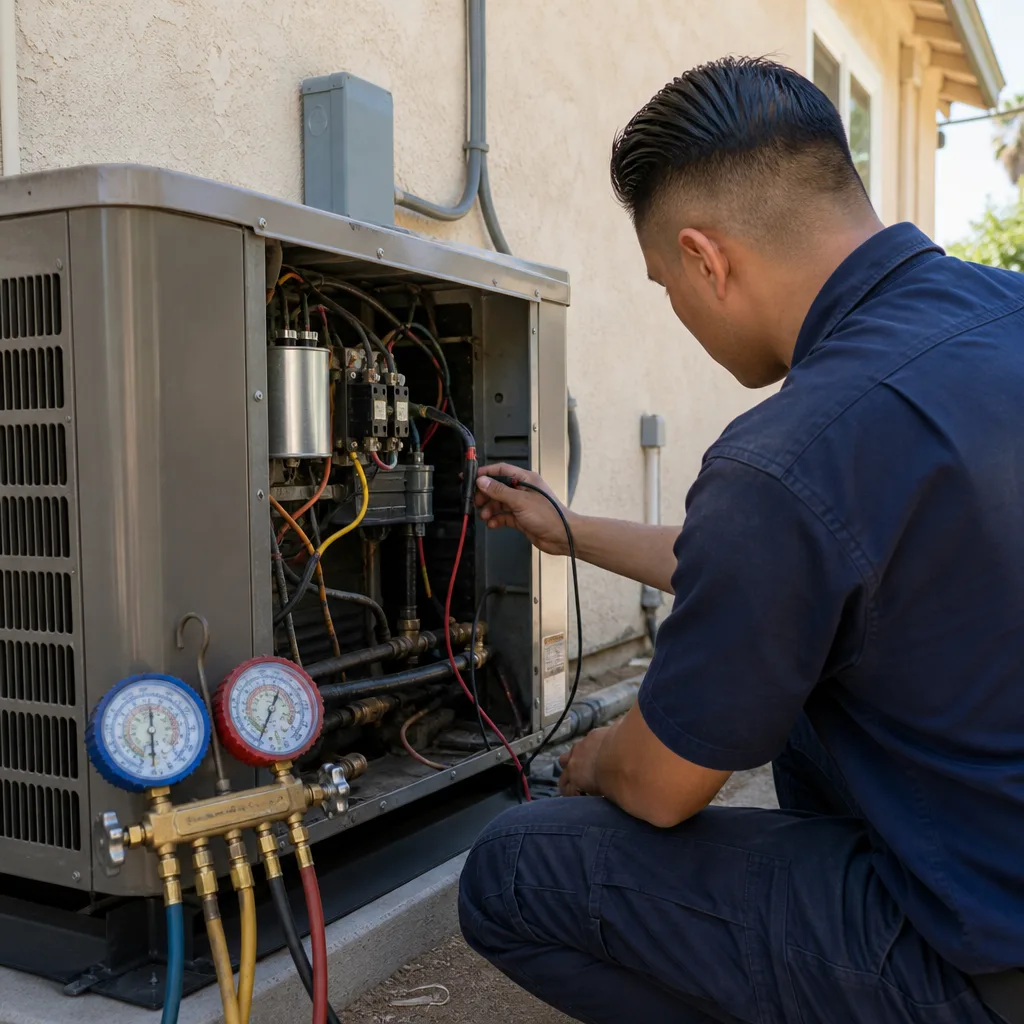
Seasonal tune-up and full diagnostic on your Carrier, Trane, or Goodman system - readings shown to you before any repair is proposed
Diagnosis first, numbers second - you approve the repair price before a single part goes in.
 Before
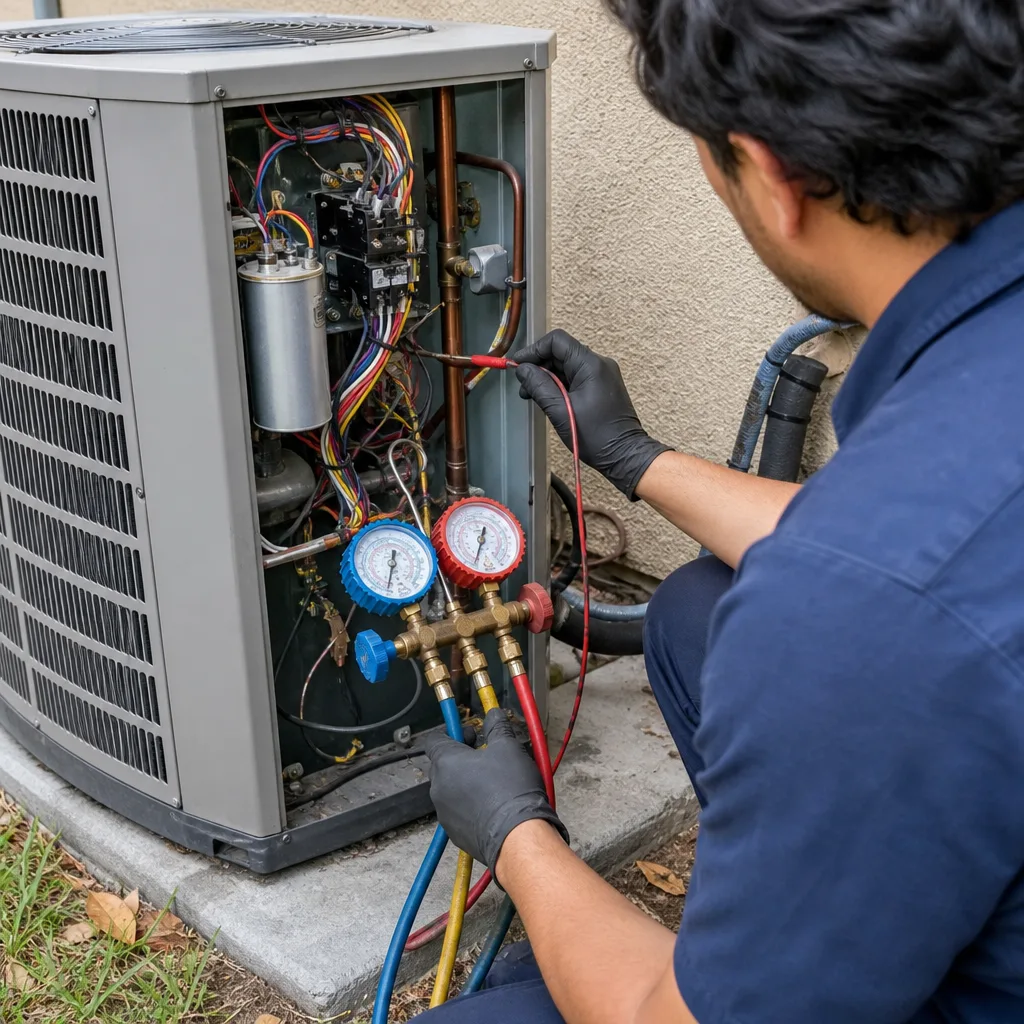 After
After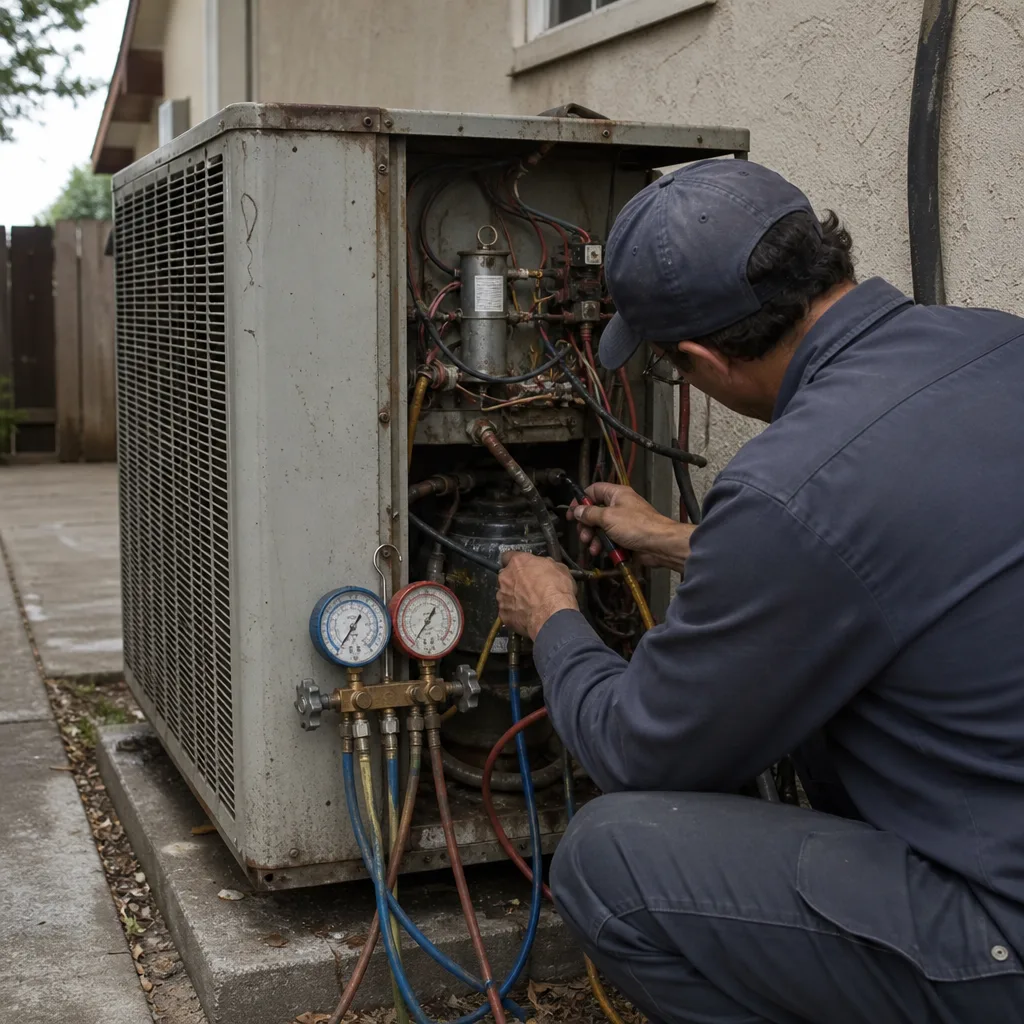 Before
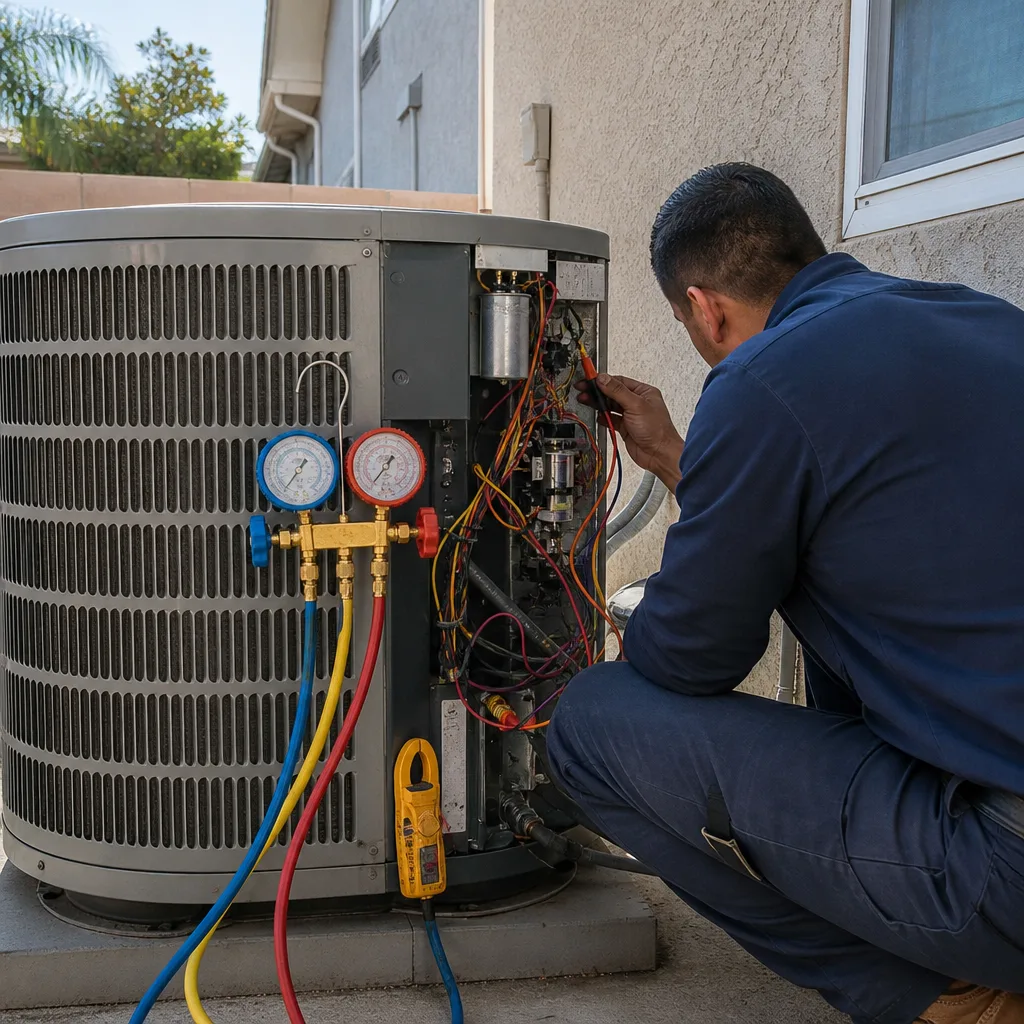 After
After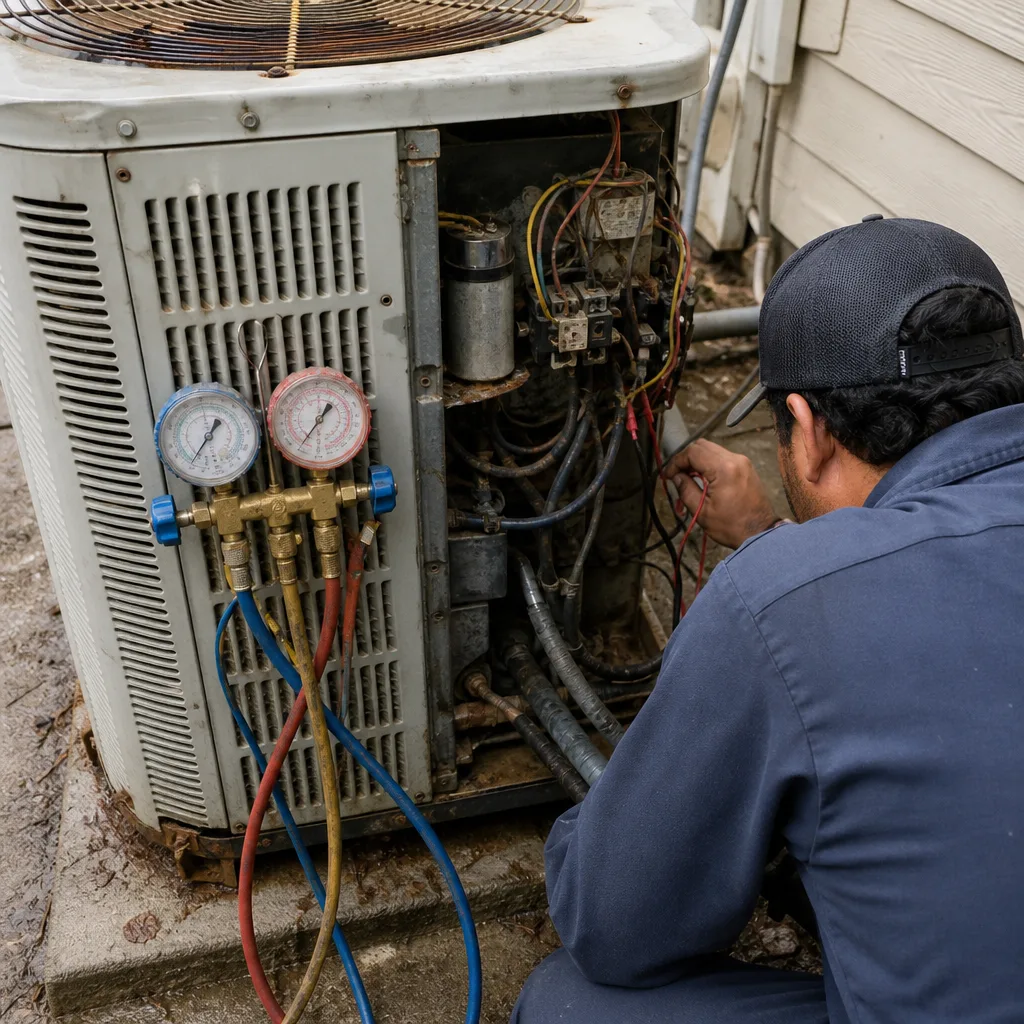 Before
 After
AfterAC Repair Maintenance Checklist for Los Angeles Homeowners
After a Santa Ana wind event, a standard 1-inch MERV-8 filter can load up in under two weeks. And a clogged filter in a high-static system is the single fastest way to burn out a blower motor that costs $400 – $700 to replace. If you live in Los Angeles, the generic “change your filter every 90 days” advice fails you because our dry heat, wildfire smoke seasons, and nearly year-round AC use mean your system accumulates wear on a faster, less predictable schedule than national averages assume. This guide gives you a month-by-month maintenance calendar built for LA’s specific conditions, plus the exact inspection points most checklists skip, and links to AC Repair Maintenance Schedule: What to Do and When for deeper guidance.
Quick Answer
A Los Angeles AC maintenance checklist should include: monthly filter checks during wildfire smoke season (typically June through October), quarterly condenser coil cleaning if you live near the 405 or 101 corridors, a visual inspection of the condensate drain line every 30 days, and a professional tune-up once per year in early spring. Homeowners can inspect filters, drains, and the outdoor disconnect box themselves, but anything involving refrigerant requires an EPA 608-certified technician. Skipping these steps in LA’s climate leads to compressor failures that run $1,800 – $3,500 to replace-issues our AC Repair services handle daily, but prevention costs far less.
Table of Contents
- Why Los Angeles AC Maintenance Needs Its Own Schedule
- Month-by-Month Maintenance Calendar for LA Homes
- Filter Check Schedule: Wildfire Smoke Changes Everything
- Condenser Coil Cleaning: Freeway Corridor vs. Coastal Homes
- What You Can Inspect Yourself (and What You Shouldn’t Touch)
- Checking Refrigerant Charge Indirectly: The 10°F Split Test
- The Maintenance Item Most LA Companies Skip: Duct Leakage
- What a Professional Tune-Up Should Include in Los Angeles
Why Los Angeles AC Maintenance Needs Its Own Schedule
Los Angeles air conditioners run harder and longer than systems in most of the country. Our cooling season stretches from April through November, and in neighborhoods like Woodland Hills, Studio City, and the San Fernando Valley, daytime highs above 90°F are common from May through September. A national maintenance schedule built around a four-month cooling season simply does not apply here.
Our air also carries more particulate than most homeowners realize. The 405, 101, 10, and 5 freeways push fine brake dust, tire particles, and diesel soot into the air. Santa Ana winds add desert dust and, increasingly, wildfire smoke from the Angeles National Forest and surrounding foothills. All of that ends up in your condenser coil and your filter.
We’ve pulled apart condenser coils in El Segundo that looked like felt blankets from jet particulates. The same coil style two miles inland in Culver City might look dusty but functional. The point is this: LA microclimates change your maintenance needs block by block. A single generic checklist does not account for that.
Month-by-Month Maintenance Calendar for LA Homes
Here is a maintenance rhythm that matches how Los Angeles actually experiences weather, wildfire smoke, and cooling demand. Follow this and you will catch most failures before they strand you on a 95-degree day.
January through March: Light Load, Deep Check
- Run the system in cooling mode for 15 minutes even if it’s cool outside. Listen for vibration, rattling, or a hard start.
- Inspect the outdoor unit for debris, rodent nests, or damaged fins from winter storms.
- Check the filter. If it’s been more than 45 days, replace it.
- Pour one cup of white vinegar down the condensate drain line to break up sludge before summer demand hits.
April through May: Pre-Season Professional Service
- Schedule a professional tune-up. In Los Angeles, book it in April before the first heat wave, not after.
- Have the technician check the capacitor, contactor, and refrigerant charge. These three items account for the majority of no-cool calls.
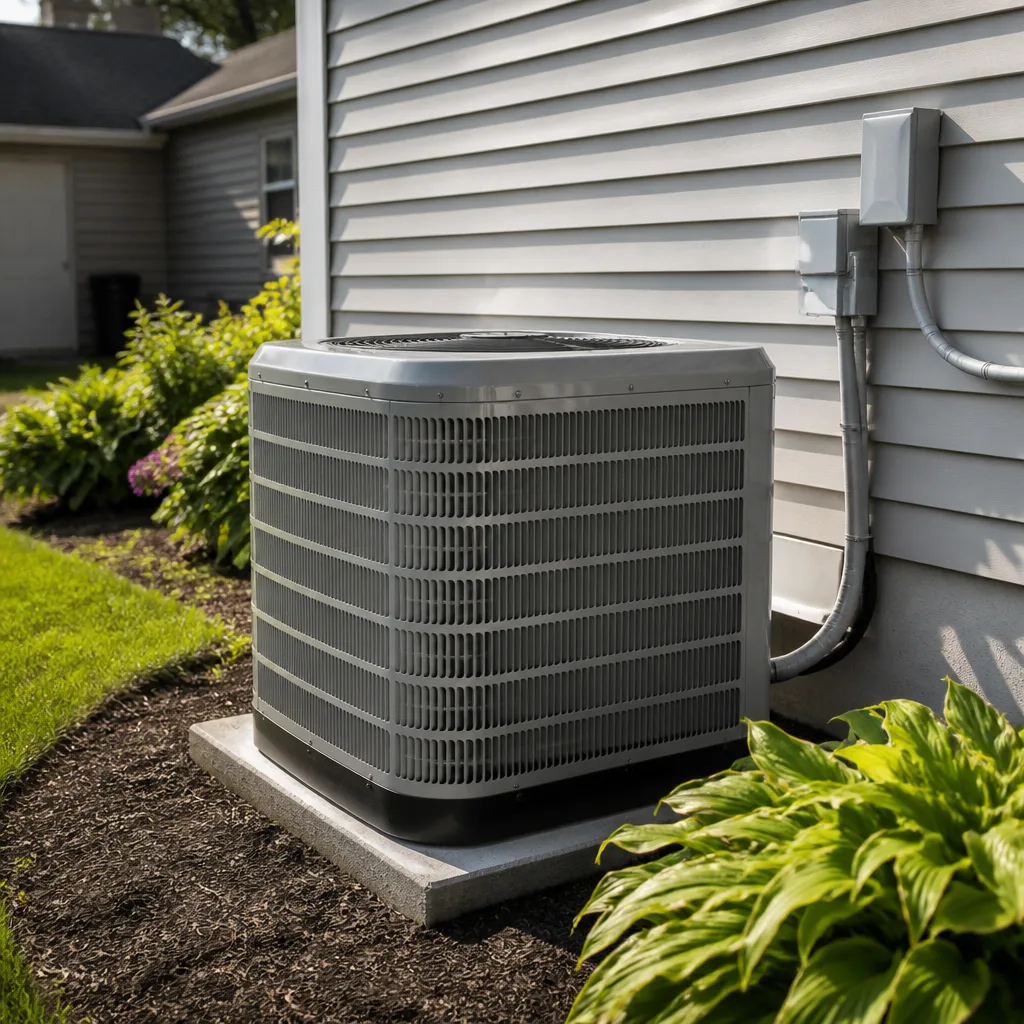
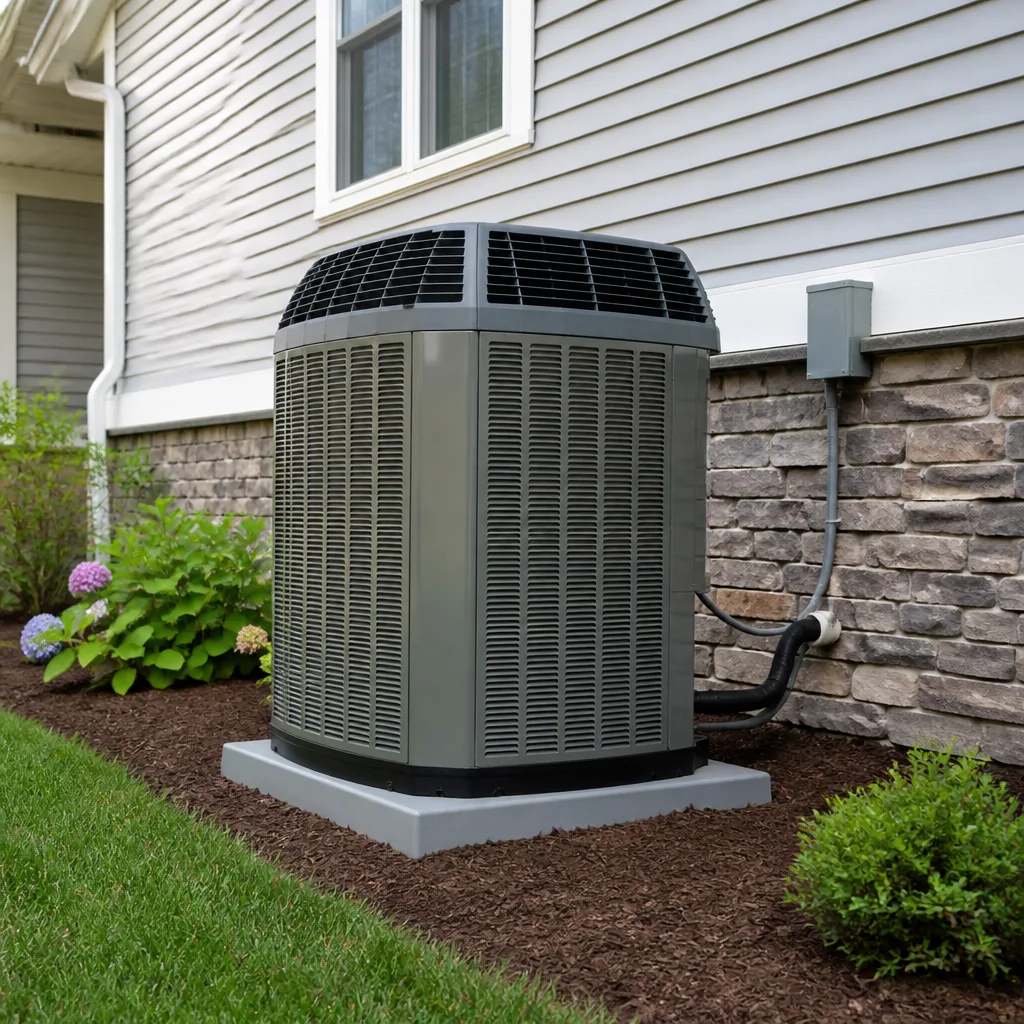
- Clean the condenser coil thoroughly. If you are near a freeway or under a flight path, request an actual coil cleaning, not just a rinse.
- Verify the condensate drain is clear and the float switch is functioning.
June through October: Wildfire Smoke and Peak Demand
- Check the filter every two weeks. This is not optional during smoke season.
- Watch for reduced airflow from vents. If the air feels weak, the filter or coil is loading up.
- Listen for the outdoor unit short-cycling, turning on and off every few minutes. That is a symptom of overheating or a failing capacitor.
- Keep the area around the outdoor unit clear of dry vegetation, especially during red flag warnings.
November through December: Post-Season Wrap-Up
- Run the system one final time before winter. Confirm the compressor engages, the fan spins, and cool air moves.
- Inspect the disconnect box for corrosion. Coastal homes in Santa Monica, Venice, and Playa del Rey see faster corrosion from salt air.
- Replace the filter one more time so the system sits clean through whatever heating season you actually use.
- Note any odd noises or smells in a maintenance log so you remember them in spring.
Filter Check Schedule: Wildfire Smoke Changes Everything
In most parts of the country, changing a filter every 90 days works because the air is relatively clean and the system runs maybe six months out of the year. In Los Angeles, that schedule breaks down for two reasons: our systems run closer to nine or ten months annually, and our air carries wildfire smoke that clogs filters faster than ordinary household dust.
During a smoke event like the 2020 Bobcat Fire or the 2025 Palisades Fire, we’ve measured brand-new MERV-8 filters loaded up in eight to fourteen days. That means a filter changed on June 1 can be fully clogged by mid-June if a fire is burning west of the 405. A clogged filter forces the blower motor to work against higher static pressure, which shortens motor life and drives up energy consumption by 15 – 20% in some systems.
Here is a filter schedule that matches LA reality:
- No smoke, inland home: Check every 30 days, replace every 60 days with a MERV-8 to MERV-11 filter.
- No smoke, coastal home: Check every 30 days, replace every 45 – 60 days. Salt air and marine layer moisture promote mold growth on filters.
- Active smoke event: Check every two weeks, replace when the filter shows visible gray or brown discoloration. Upgrade to MERV-13 during smoke season if your system can handle the static pressure drop.
- Homes near the 405, 101, or 710: Check every two weeks year-round. Freeway particulates load filters faster than anything else in our environment.
A quick warning on MERV-13 filters: older systems or undersized ductwork may not handle the added resistance. If you upgrade to MERV-13 during smoke season and notice weak airflow from your vents, drop back to MERV-11 and check the filter more often instead.
Condenser Coil Cleaning: Freeway Corridor vs. Coastal Homes
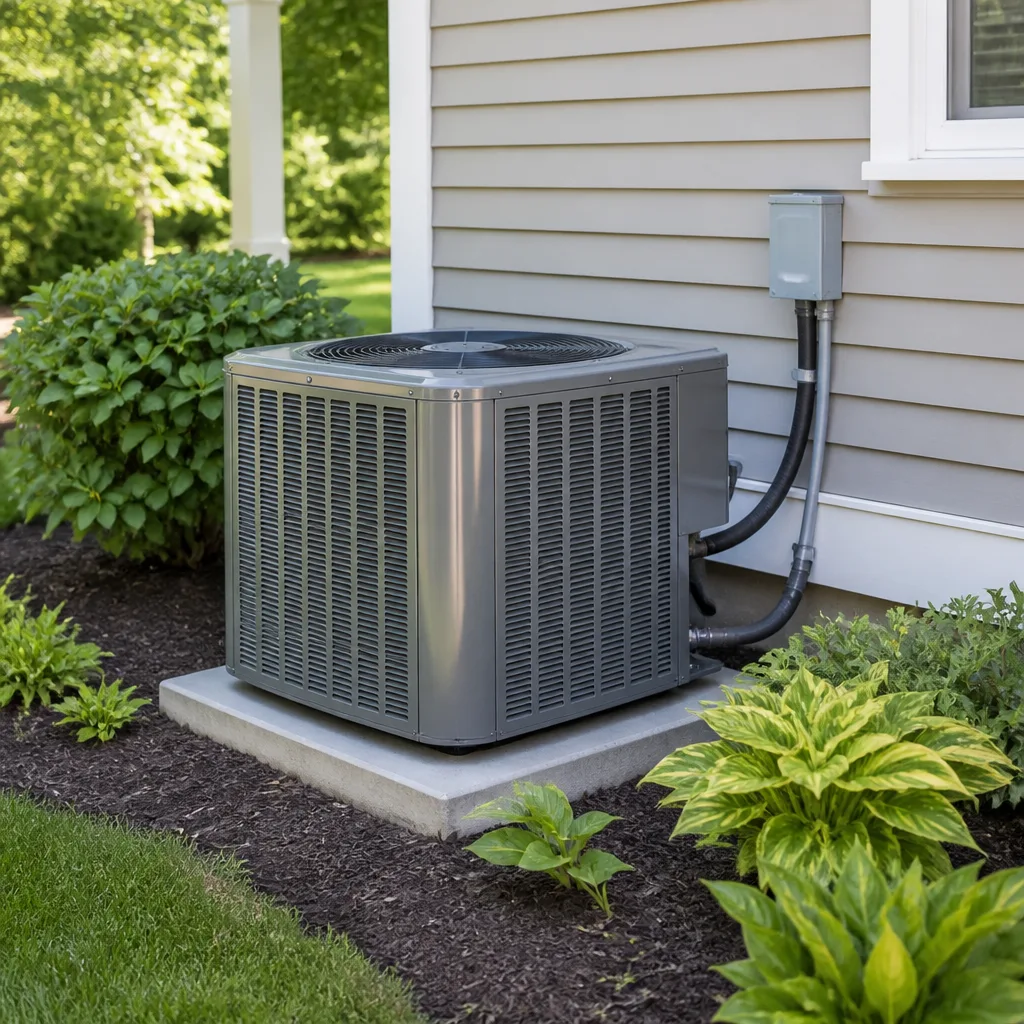
The condenser coil is the outdoor part of your AC that releases heat. When it gets coated in grime, the system cannot shed heat efficiently, so the compressor runs hotter and works harder to hit the same indoor temperature. In Los Angeles, what coats your condenser coil depends heavily on where you live.
Homes within a mile of the 405, 101, 110, 10, or 5 freeways accumulate a distinctive gray-black film on condenser coils. This film contains brake dust, diesel particulate, and tire rubber that bakes onto the coil fins under direct sun. We’ve seen coils in Sherman Oaks and Van Nuys so coated that head pressure climbed 30% above spec. That kind of pressure shortens compressor life by years.
Coastal homes in Santa Monica, Venice, Marina del Rey, and Playa del Rey face a different problem: salt air combined with morning marine layer moisture creates a corrosive, sticky film that attacks aluminum fins. Condenser coils within two miles of the ocean commonly show pitting and fin deterioration within five to seven years of installation.
Here is what that means for cleaning frequency:
- Freeway-adjacent homes (within 1 mile of the 405, 101, 10, 5, 110, 710): Clean the condenser coil every 3 – 4 months during cooling season.
- Coastal homes (within 2 miles of the ocean): Clean and rinse the coil every 3 months to remove salt film before it corrodes the fins.
- Inland suburban homes (Valley, Pasadena, Glendale): Annual cleaning is usually sufficient, unless wildfire smoke or Santa Ana dust events intervene.
- Homes near construction or open lots: Check the coil monthly during grading or building activity. Construction dust will clog a coil in weeks.
Cleaning methods matter. A garden hose rinse with a gentle fan-pattern nozzle removes surface dust. But the baked-on freeway film usually requires a foaming coil cleaner and a low-pressure rinse. Do not use a pressure washer. It folds the aluminum fins flat and destroys airflow permanently.
What You Can Inspect Yourself (and What You Shouldn’t Touch)
There is a real line between homeowner maintenance and work that belongs in the hands of an EPA 608-certified technician. Crossing that line can damage your system, void your warranty, or put you at risk. Here is exactly where the line sits in Los Angeles.
Safe for Homeowners to Inspect and Maintain
- Air filter: Check and replace monthly during peak season. This is the single highest-impact item on the list.
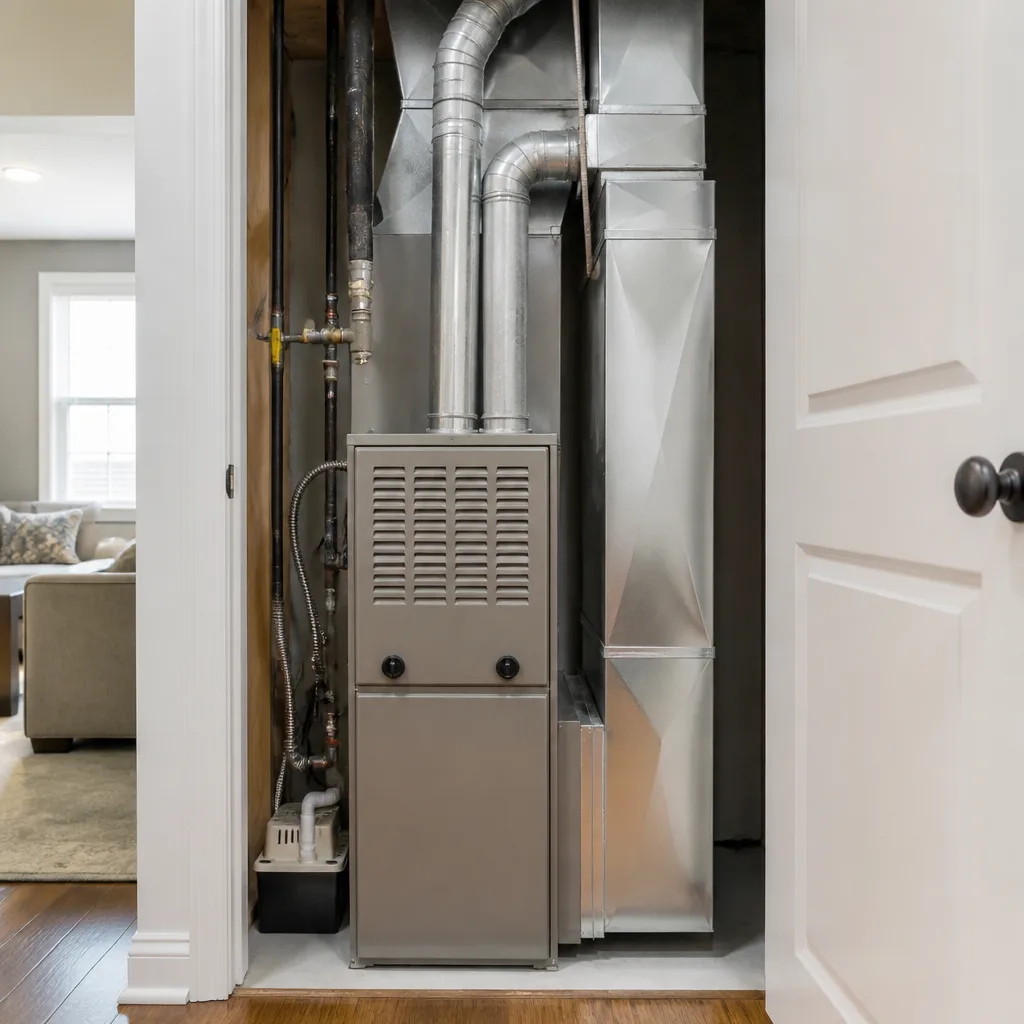
- Condensate drain line: Locate the PVC pipe near your indoor unit. Pour one cup of white vinegar down it every 30 days during cooling season. If the float switch trips and shuts off the system, the drain is clogged and needs clearing.
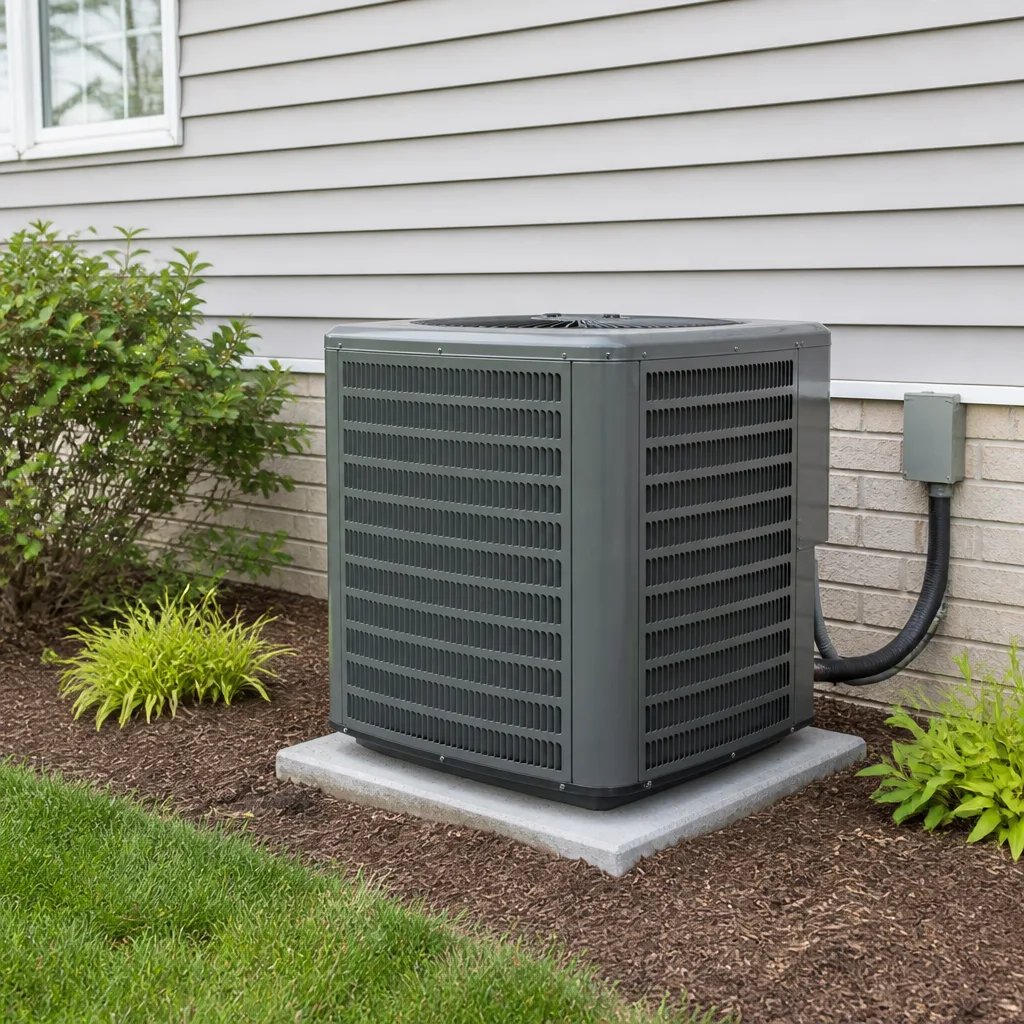
- Outdoor unit clearances: Keep at least two feet of clear space on all sides of the condenser. Trim plants, remove leaves, and pull out anything that restricts airflow.
- Disconnect box: Visually inspect the gray box mounted near the outdoor unit. Look for corrosion, melted plastic, or a tripped breaker. You can reset a breaker once. If it trips again, stop and call a technician.
- Thermostat: Check the calibration against a separate thermometer. Replace batteries annually, even if the thermostat is hardwired.
Leave These to a Certified Technician
- Refrigerant anything: Adding, removing, recovering, or even checking refrigerant levels on a sealed system requires EPA 608 certification. A homeowner cannot legally purchase refrigerant. And a low charge is always a symptom of a leak, not a maintenance issue you can top off and forget.
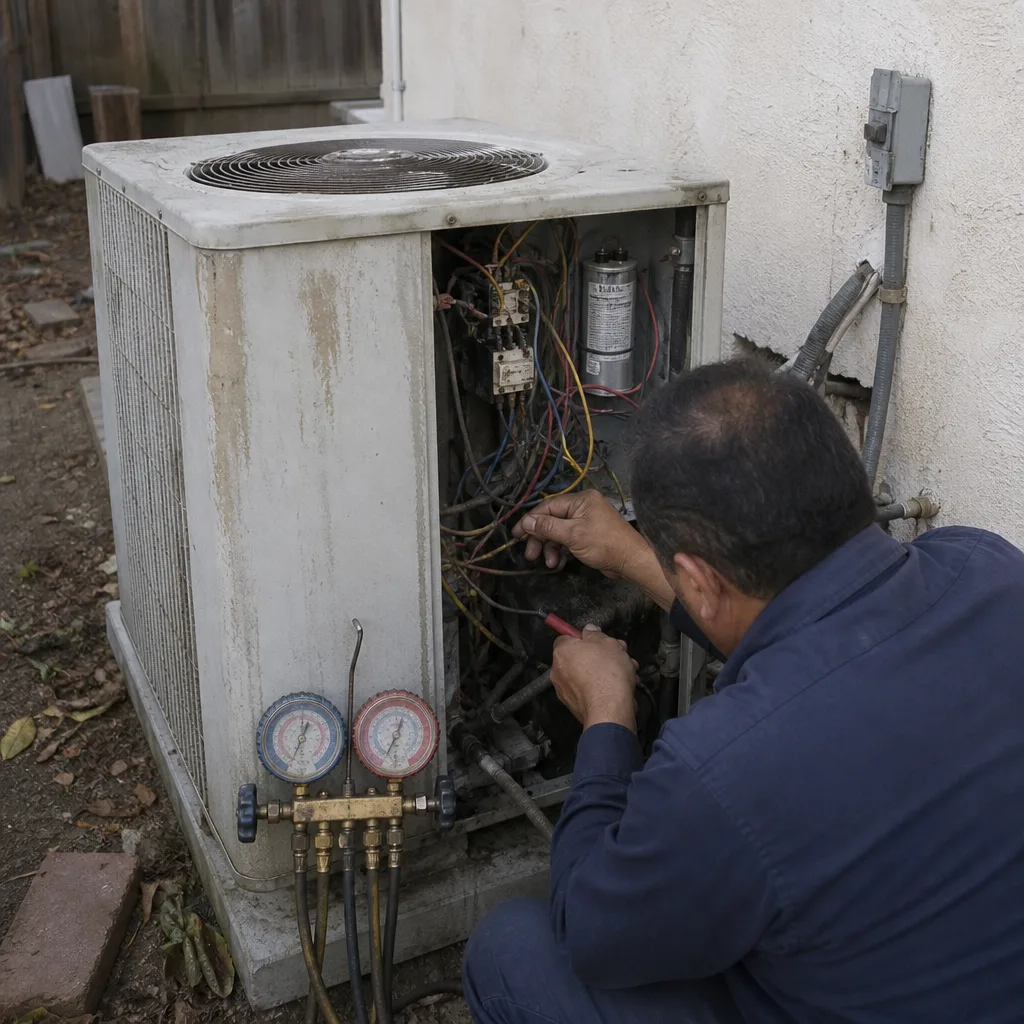
- Capacitor replacement: Capacitors store electrical charge even when the power is off. A charged capacitor can deliver a serious shock. This is a $15 – $40 part that requires safe discharge procedures.
- Contactor and electrical connections: High-voltage wiring inside the outdoor unit is not a DIY zone. Loose connections cause arcing, which causes compressor failure.
- Compressor diagnosis: If the compressor hums but does not start, or trips the breaker repeatedly, do not keep resetting it. Call a professional.
- Blower motor service: The blower sits inside the air handler and requires disassembly of cabinet panels and electrical connections. We’ve replaced motors damaged by well-meaning homeowners who pulled panels off and stripped wiring connectors.
Checking Refrigerant Charge Indirectly: The 10°F Split Test
You cannot legally measure refrigerant pressure without EPA 608 certification, but you can check whether your charge is likely correct using a simple temperature measurement. This is the most useful diagnostic tool a Los Angeles homeowner can use before deciding whether to call for service.
The test measures the temperature difference between the air entering your return vent and the air leaving your supply vents. Here is the step-by-step:
- Run the AC for at least 15 minutes with all doors and windows closed.
- Set the thermostat to cooling, about 5°F below the current room temperature.
- Use an instant-read thermometer. Measure the air temperature at the return grille, where air gets pulled in.
- Measure the air temperature at the supply vent nearest the indoor unit, where cooled air blows out.
- Subtract the supply temperature from the return temperature.
In Los Angeles, with our typical dry heat, a properly charged system should show a temperature split of 15°F to 20°F when the outdoor temperature is between 80°F and 95°F. If you are measuring a split of 10°F or less, that is a problem. It usually means the system is low on refrigerant, the compressor is weak, or the indoor coil is starving for airflow because of a loaded filter or dirty coil.
A 10°F split does not automatically mean you need refrigerant. We have shown up to service calls in Los Angeles where the homeowner was convinced the charge was low, and the real issue was a filter that hadn’t been changed in eight months. Check the filter first, then re-run the test. If the split stays at or below 10°F with a clean filter, call a technician. Low refrigerant means there is a leak somewhere, and adding refrigerant without finding the leak is throwing money away.
The Maintenance Item Most LA Companies Skip: Duct Leakage
Here is the uncomfortable truth about Los Angeles homes: many of them were built between 1950 and 1980 with sheet metal ductwork that has never been sealed, or retrofitted in the 1990s and 2000s with flex duct that is now sagging, disconnected, or leaking at the connections. Duct leakage is the single most underdiagnosed HVAC problem in this city.
The Department of Energy estimates that typical duct systems lose 20 – 30% of conditioned air to leaks. In our experience servicing Los Angeles homes from the Valley to the Westside, we regularly measure leakage rates of 30 – 45% on older flex-duct systems. That means nearly half the air you are paying to cool is ending up in your attic, crawl space, or behind your walls.
Why do most tune-up visits skip this? Because checking duct leakage takes time and requires either a duct blaster test or a thorough visual inspection of the entire duct run, including areas most homeowners never see. A $49 tune-up special does not pay for an hour in a 120-degree attic.
Here is what you can check yourself:
- Look for disconnected ducts in the attic or crawl space. Flex duct should be connected and supported every 4 – 5 feet. Sagging between supports pulls joints apart.
- Feel for air leaking around register boots. If you feel cool air escaping into the attic around the edge of the boot, that is a leak.
- Check for rooms that never reach temperature. A single warm room, especially upstairs, often indicates a disconnected or kinked duct run serving that room.
- Inspect the return side. Return ducts under negative pressure pull hot attic air into the system through any gap. This is why a room can feel stuffy even when the AC is running.
On older systems with original ductwork, we recommend having the ducts inspected at least once. If you are replacing an AC system, ask the installing company to run a duct leakage test after installation. The Garrison Standard requires this on every install we perform in Los Angeles because it is the difference between a system that cools and a system that cools efficiently.
What a Professional Tune-Up Should Include in Los Angeles
Not all tune-ups are created equal. Many companies in Los Angeles advertise a low flat price and then rush through in 30 minutes, checking only the filter and the capacitor. A thorough tune-up on a Los Angeles home takes 60 – 90 minutes and includes these specific items.
Here is the checklist we work from at Dalton Heating & Air, and it is a good benchmark for any company you hire:
- Capacitor test under load: A capacitor that reads within spec on a bench test can still fail under load. We test it while the compressor and fan motor are running.
- Contactor inspection: Look for pitting, burning, or uneven contact surfaces. A $20 contactor replacement prevents a $300 compressor failure.
- Refrigerant pressure check (by an EPA 608-certified tech): Verify subcooling on TXV systems or superheat on fixed-orifice systems. This is the only accurate way to confirm charge.
- Condenser coil cleaning: A real cleaning, not just a rinse. Freeway film requires a foaming cleaner and low-pressure wash.
- Evaporator coil inspection: Check for dust buildup, mold, or oil residue that indicates a leak.
- Condensate drain flush: Clear the line and verify the float switch operates. In Los Angeles, clogged drains cause more water damage calls than any other single issue during summer.
- Electrical connections: Torque all lugs and check for hot spots with an infrared thermometer. Loose connections arc, and arcing destroys compressors.
- Duct leakage check: Visual inspection of accessible duct work, with a pressure test if the homeowner requests it.
- Airflow measurement: Check static pressure across the system. High static pressure shortens blower motor life and indicates a filter or duct sizing problem.
- Thermostat calibration: Verify the displayed temperature matches actual room temperature and that the cooling cycle engages and disengages properly.
If a company quotes you a tune-up price for Los Angeles and the visit lasts less than 45 minutes, you are getting a filter change and a sticker on the unit, not a maintenance service. That is not enough for our climate.
Common Mistakes to Avoid
- Changing the filter on a 90-day schedule year-round. During Santa Ana events and wildfire smoke season in Los Angeles, a filter can clog in two weeks. Check it every 14 days from June through October.
- Using a pressure washer on the condenser coil. High pressure folds the aluminum fins flat and permanently restricts airflow. Use a garden hose with a fan nozzle and a foaming coil cleaner.
- Adding refrigerant to “top off” a system without finding the leak. A low charge always means a leak exists. Adding refrigerant without repairing the leak is like filling a tire with a nail in it, expensive and temporary.
- Skipping the condensate drain inspection. In Los Angeles, where AC runs nearly year-round, a clogged drain can overflow and damage drywall, flooring, and the furnace below. Monthly vinegar flushes take two minutes.
- Planting or placing anything within two feet of the outdoor unit. Restricted airflow is a silent compressor killer. We have replaced compressors in Los Angeles that died because a hedge grew over the unit in one season.
- Ignoring a 10°F temperature split. A low split is the earliest warning sign of refrigerant loss or airflow restriction. Waiting means the compressor runs hotter and wears faster.
- Running the AC with windows open during a cool marine layer morning. This pulls moisture into the system and promotes mildew on the evaporator coil. If the house is cool, turn the AC off and open windows instead.
When to Call a Professional
Call a technician if your system trips a breaker more than once, makes a grinding or screeching sound, blows warm air on cooling mode, or shows a temperature split at or below 10°F after you have confirmed the filter is clean. Water around the indoor unit, a burning smell, or ice on the refrigerant lines are also immediate service triggers. Do not keep resetting a tripped breaker. That is the system telling you something is shorting, and continued resets risk a compressor failure that costs thousands. AC repair in Los Angeles is often a same-day situation in summer, and Dalton Heating & Air offers free estimates at (361) 306-9515.
Frequently Asked Questions
Change it every 30 – 60 days under normal conditions, and every 14 days during wildfire smoke season or any active Santa Ana wind event. Homes near major freeways should check filters every two weeks year-round. A MERV-8 filter that looks clean from across the room can still be 40% loaded, and that is enough to restrict airflow.
A professional tune-up in Los Angeles typically costs $89 – $200 depending on the company and the scope. A more thorough service that includes duct inspection and full coil cleaning runs $200 – $350. Repairs found during maintenance, like a capacitor or contactor replacement, usually add $150 – $450 depending on the part. At Dalton Heating & Air, the price is always in writing before any work begins.
Yes, for the filter, condensate drain line, outdoor unit clearances, disconnect box, and thermostat calibration. Anything involving refrigerant, high-voltage electrical connections, capacitors, or the compressor should be left to an EPA 608-certified technician. The line between safe and dangerous is pretty clear, and we recommend staying on the safe side.
During summer, the most common no-cool call we get is a failed capacitor followed closely by a clogged condensate drain. Both are preventable with regular maintenance. During wildfire season, we see a spike in blower motor failures from heavily loaded filters that homeowners did not check often enough.
Yes. A system installed three years ago still needs annual service to maintain the manufacturer’s warranty, and a capacitor can fail at any age. We have replaced capacitors on systems less than two years old in Los Angeles, especially in areas with frequent voltage fluctuations. The warranty on most brands, including Carrier, Trane, and Bryant, requires proof of annual maintenance if a compressor claim comes up.
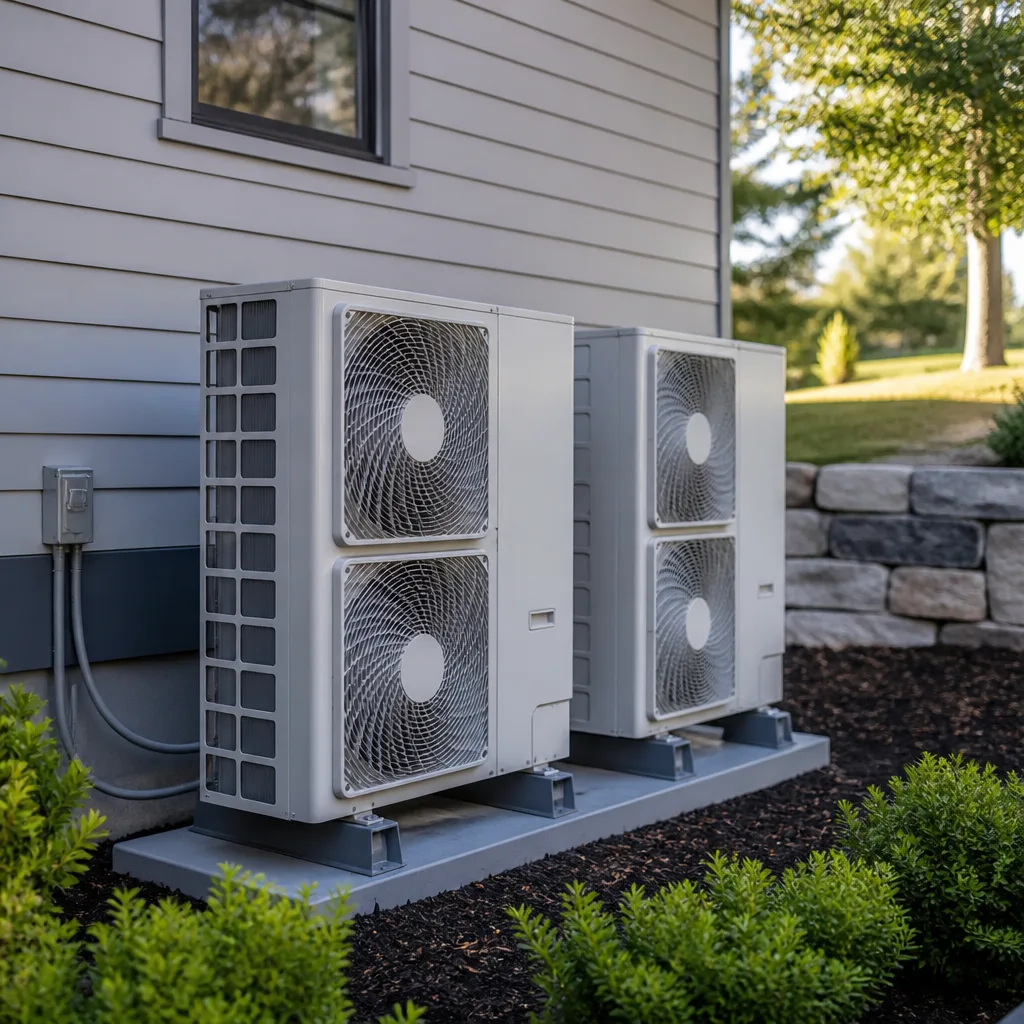
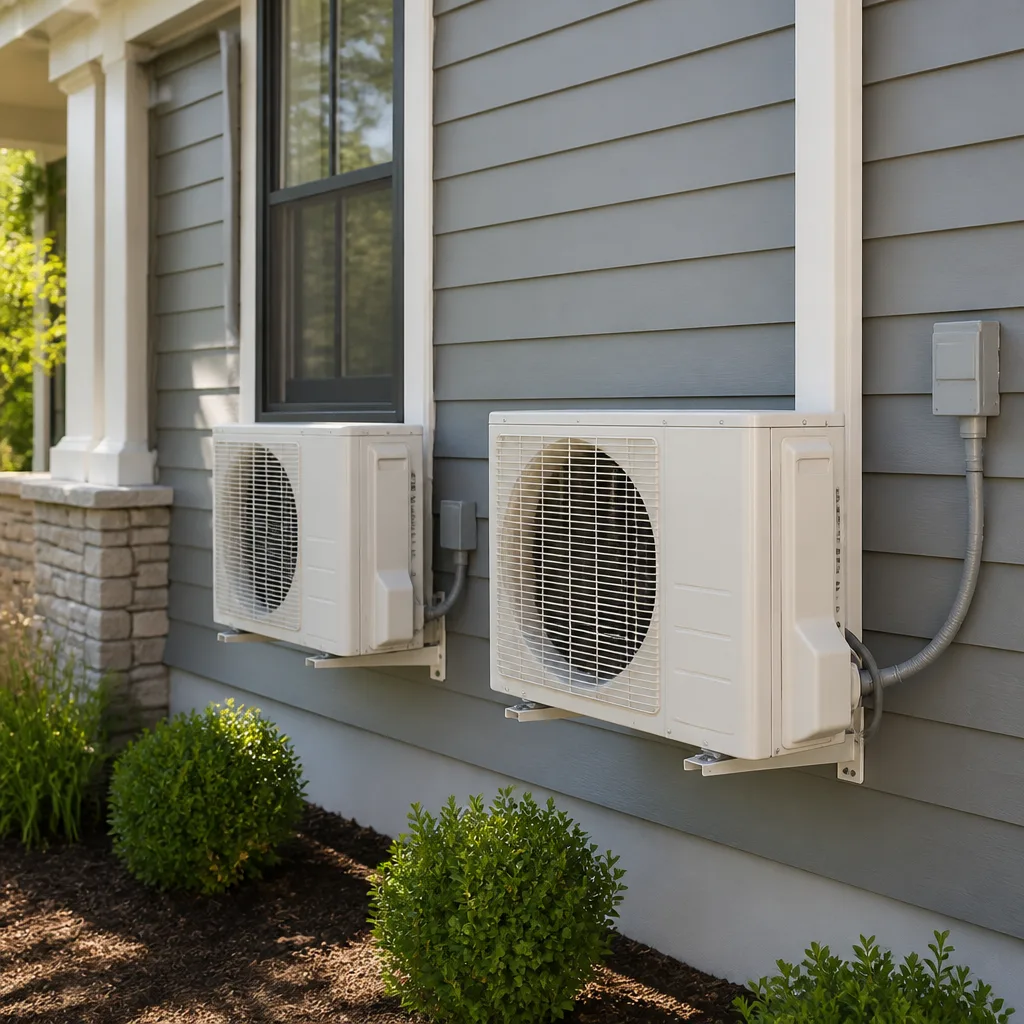
If the compressor has failed and the system is over 10 years old, replacement is usually the better investment in Los Angeles, where cooling demand is high enough that efficiency differences matter. A compressor replacement on an older system runs $1,800 – $3,500, while a new system starts around $6,000 – $9,000 installed. But the calculus changes based on your home’s duct condition, system brand, and cooling loads. If you are weighing this decision, heat pump installation in Los Angeles is increasingly popular because it handles both heating and cooling in our mild winters. For furnace-specific issues, see furnace repair in Los Angeles. Call (361) 306-9515 for a straight answer on repair versus replace for your specific system.
The Bottom Line
Los Angeles air conditioners work harder, run longer, and face more airborne particulate than systems almost anywhere else in the country. A generic maintenance checklist fails here. The schedule that works is simple: check filters every 14 – 30 days depending on smoke and freeway proximity, clean the condenser coil every 3 – 4 months if you are near a freeway or the coast, pour vinegar down the condensate drain monthly, and get a real professional tune-up once a year with a company that checks refrigerant, electrical, and duct leakage. Do that, and you will avoid most of the $1,000+ repairs we see every summer. For ongoing help, check our more guides & resources. Skip it, and the LA climate will find the weak spot in your system eventually. It always does.
Written by Marco Benitez, Owner at Dalton Heating & Air, serving Los Angeles since 2003.