
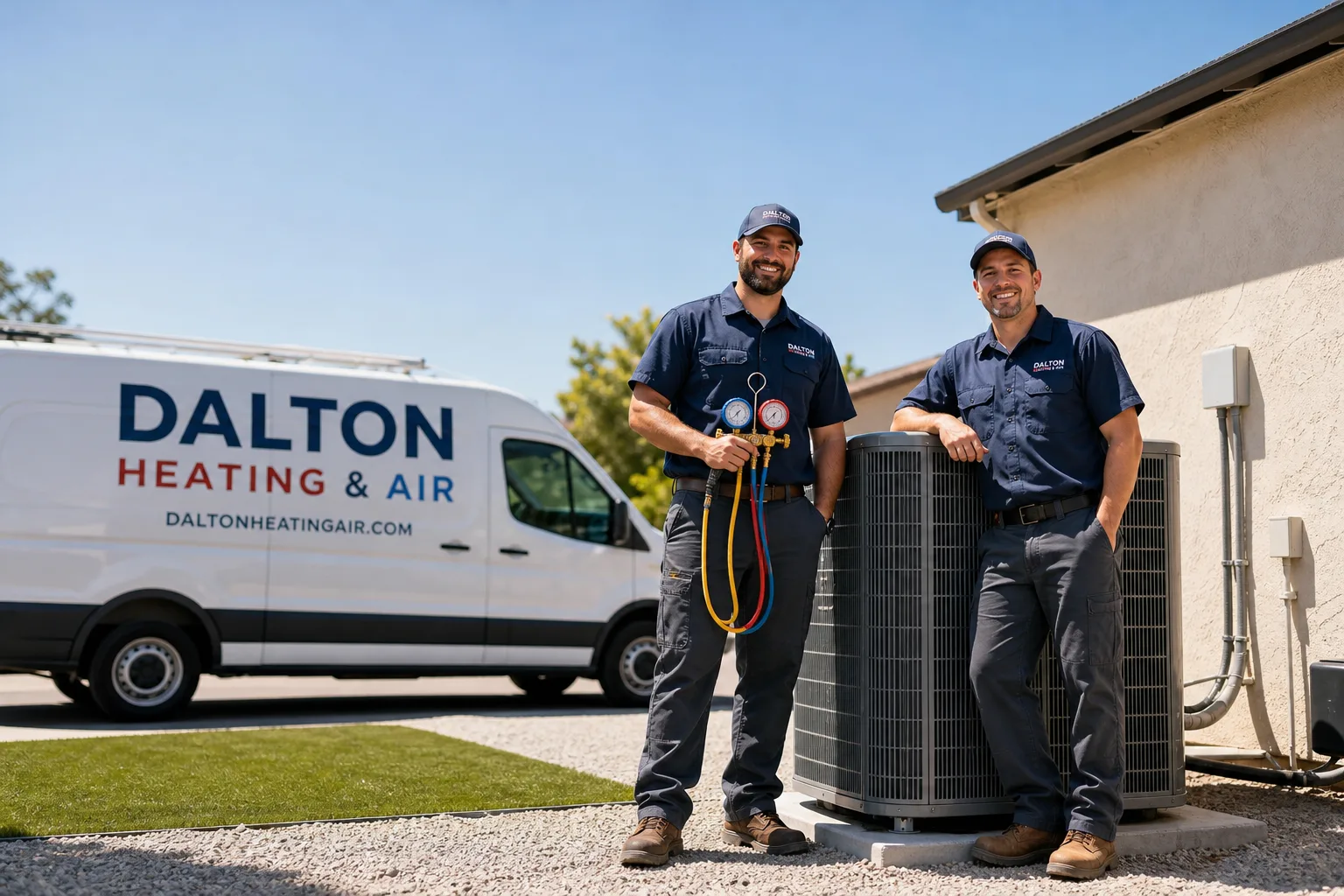
Seasonal tune-up and full diagnostic on your Carrier, Trane, or Goodman system - readings shown to you before any repair is proposed
Diagnosis first, numbers second - you approve the repair price before a single part goes in.
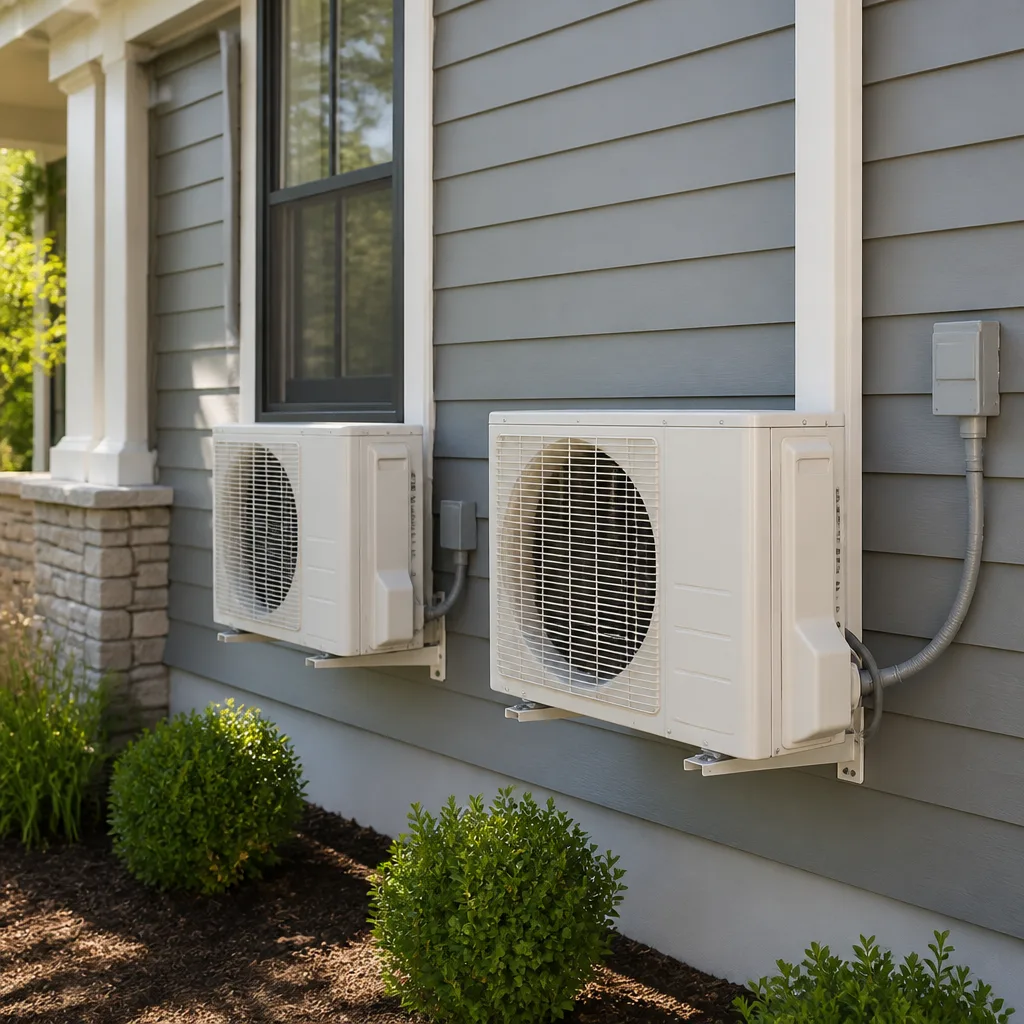
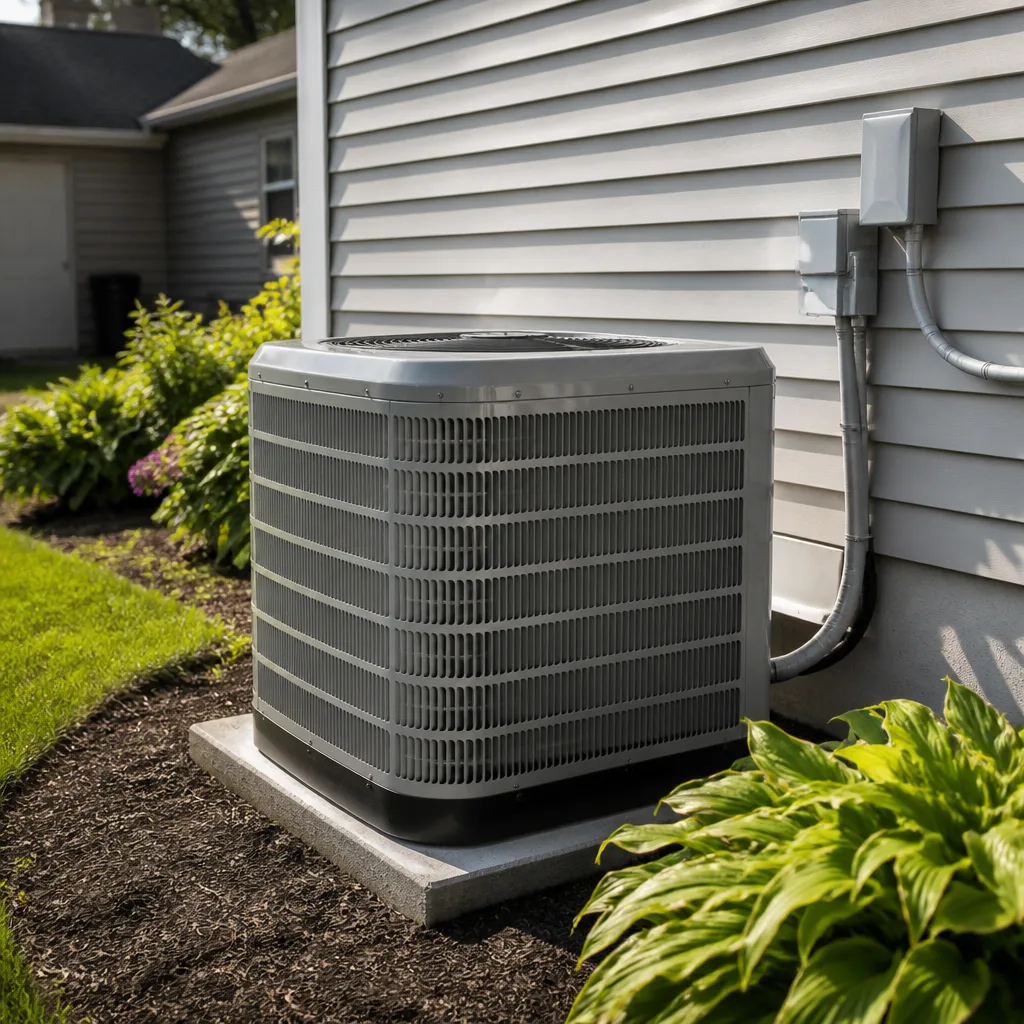
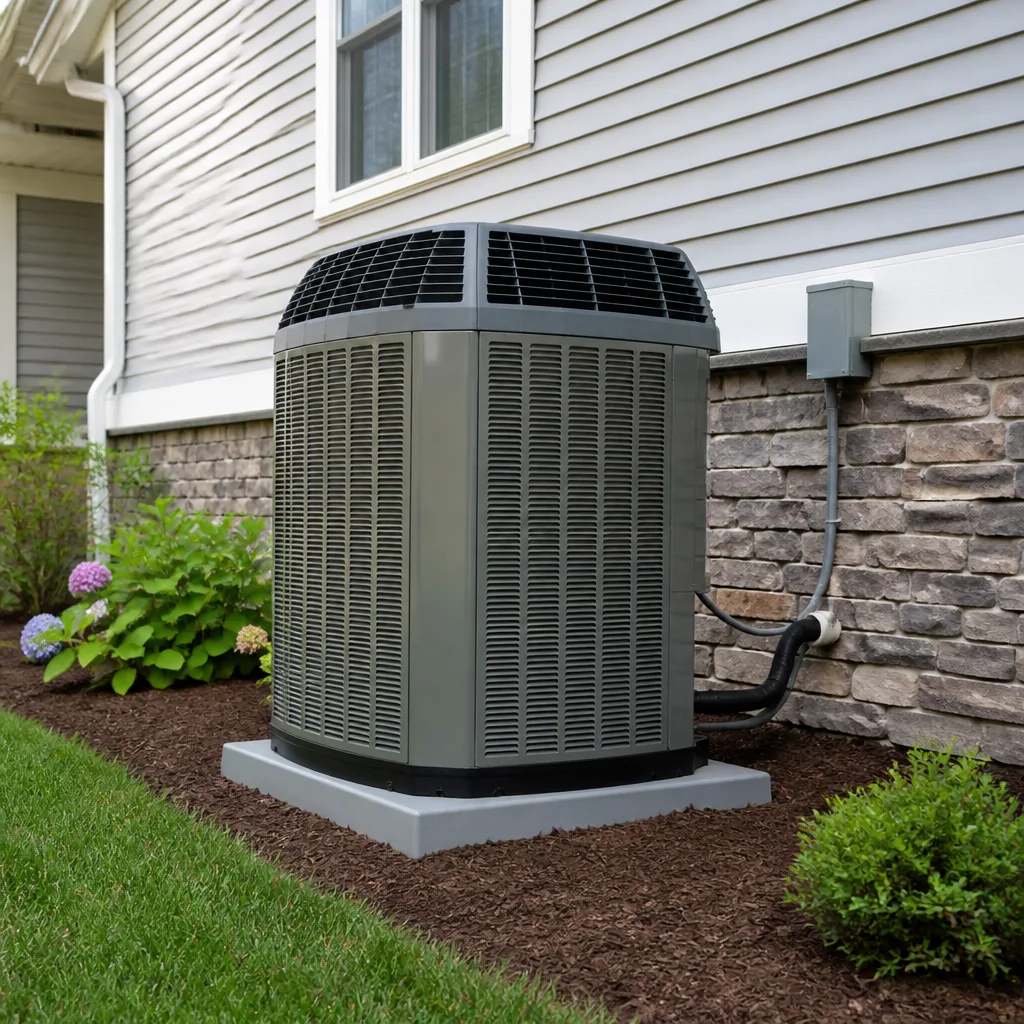
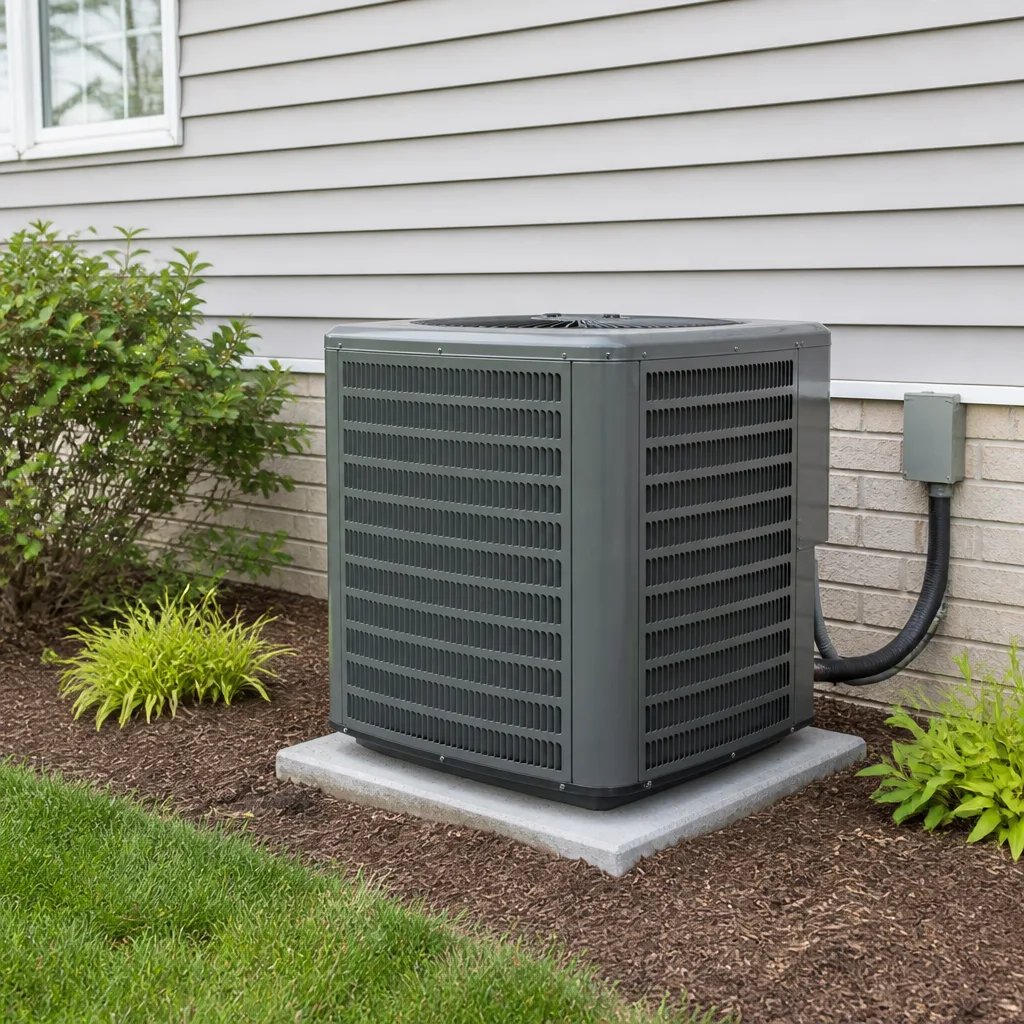
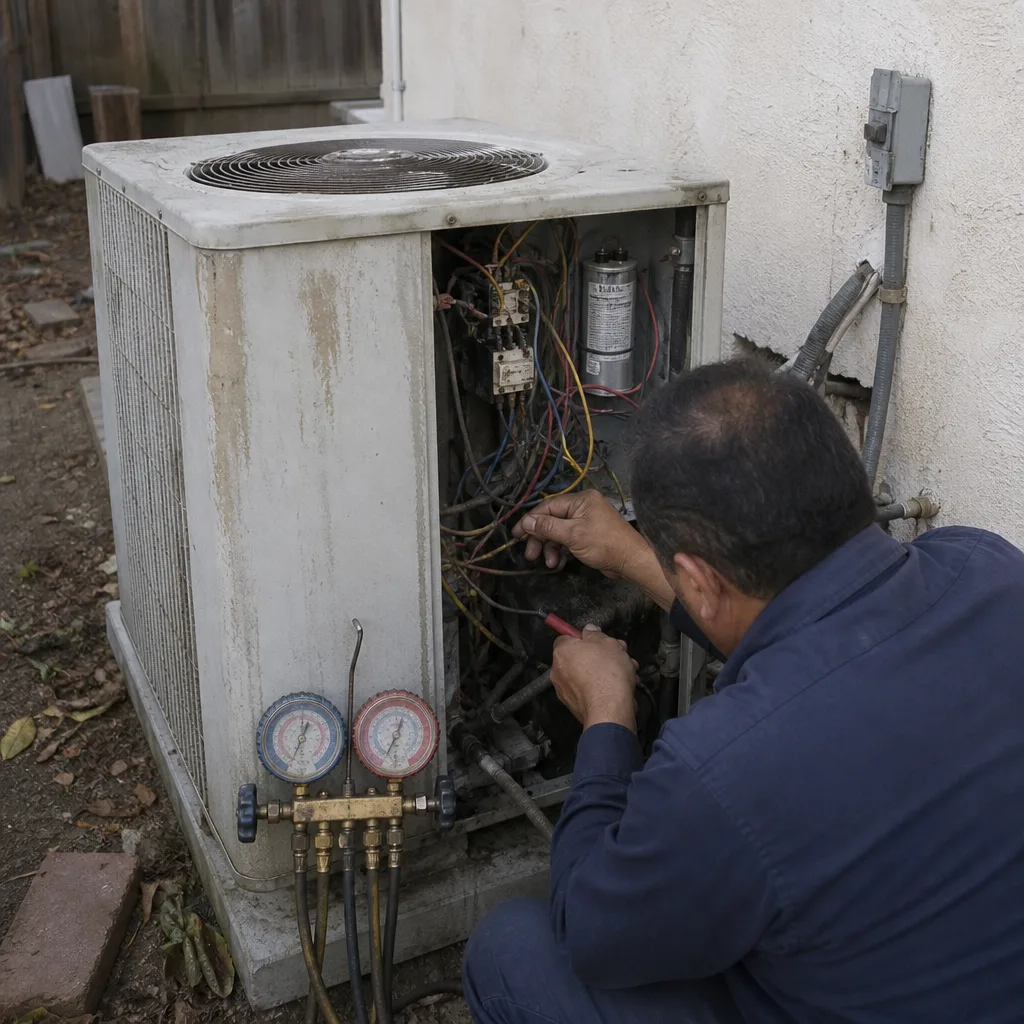 Before
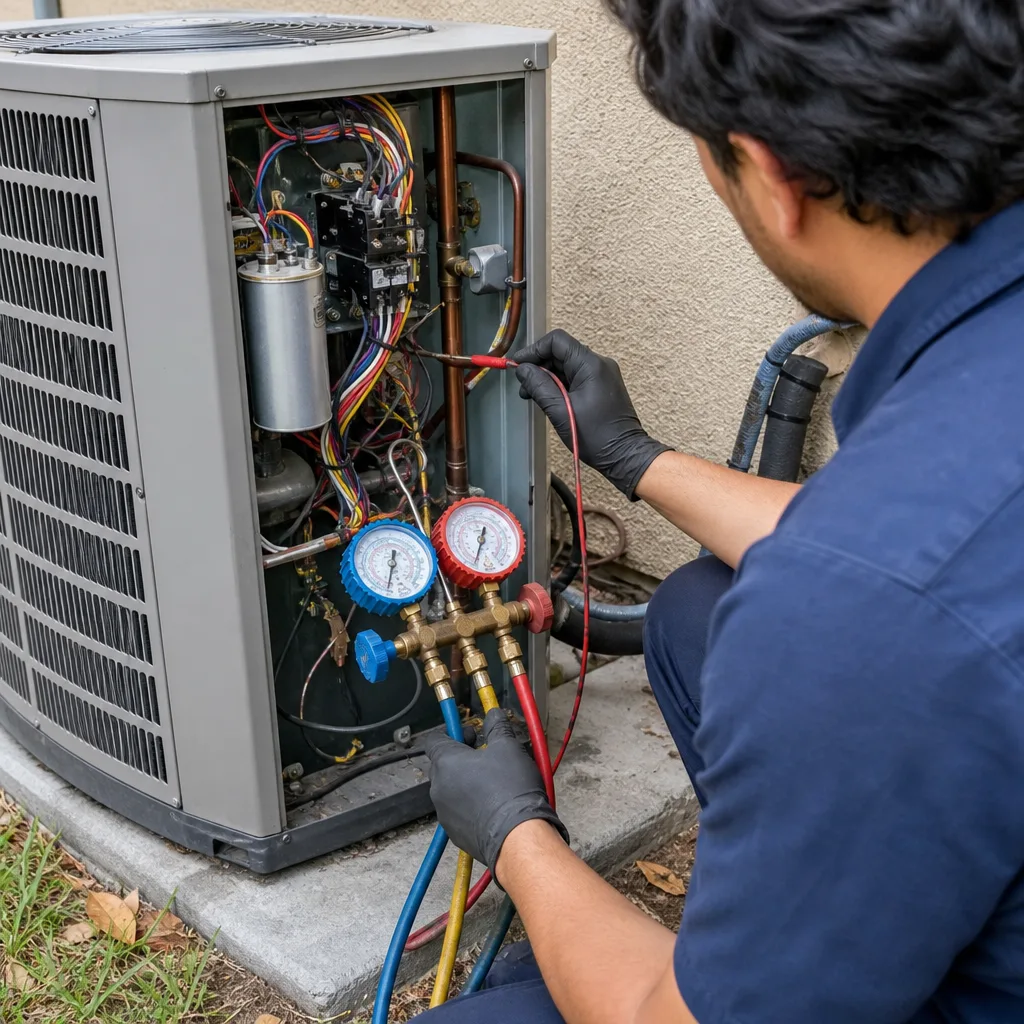 After
After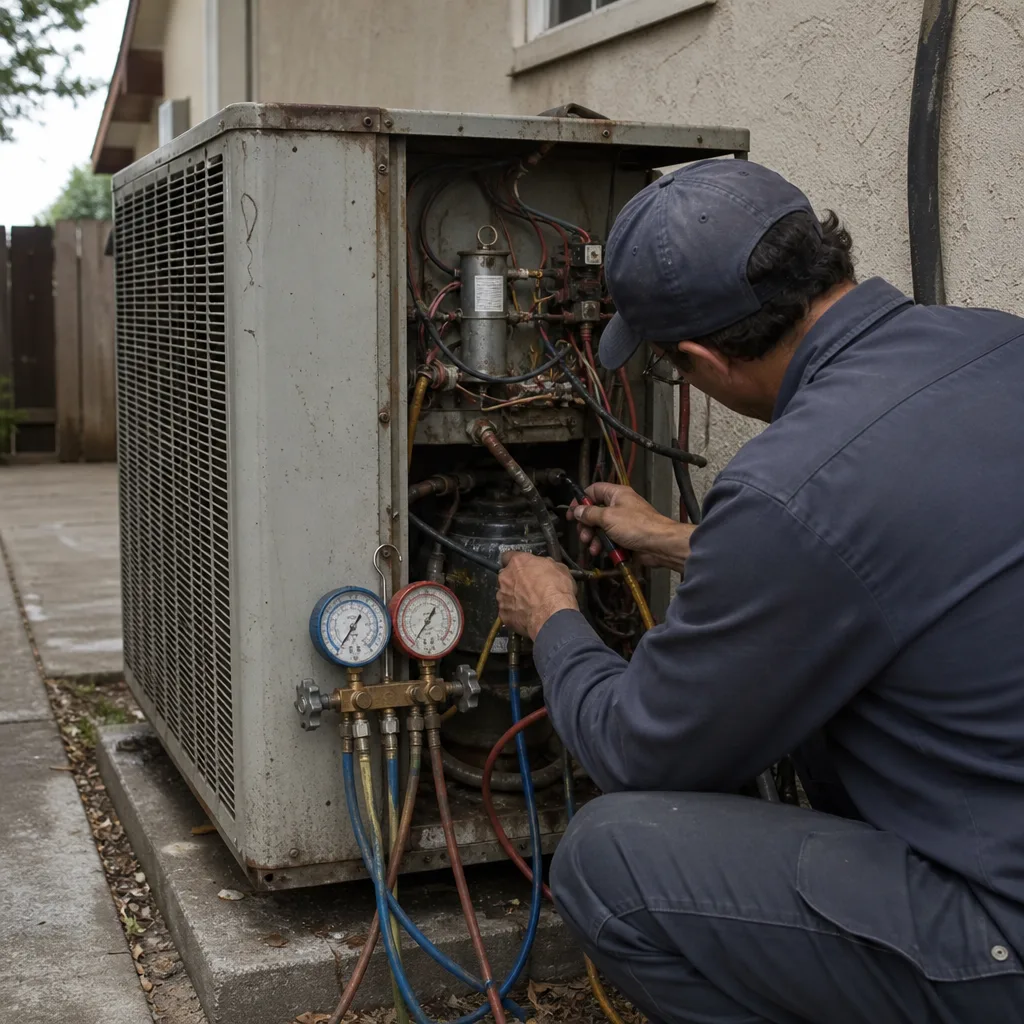 Before
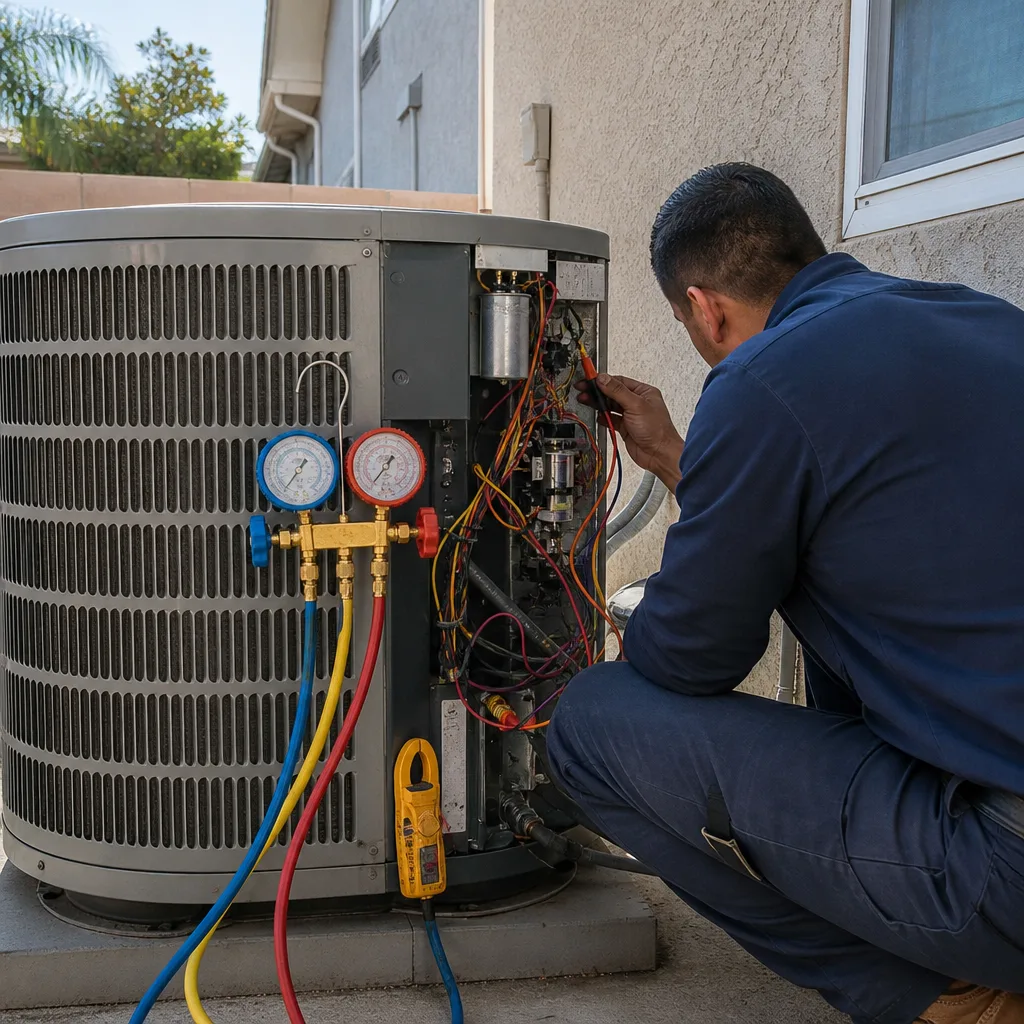 After
After Before
 After
AfterUneven Heating and Cooling
Uneven heating and cooling almost always points to one of three things: a duct system that is leaking or blocked, a blower motor that is not moving enough air, or a refrigerant or heat distribution problem in the system itself. Any one of these is diagnosable. None of them get better on their own.
What you are feeling room to room is real, and it is worth paying attention to. When one bedroom is 68 degrees and another is 78, the system is working hard without delivering. That gap is not a thermostat quirk – it is the equipment telling you something is off. Some causes are simple fixes. A few are signs that a core component is failing. The right answer depends on what a technician actually finds, which is why a written estimate before any work starts matters more than a guess over the phone.
Why It Happens
Leaking or Blocked Ductwork
This is the most common reason one part of a house gets comfortable and another stays miserable. Ducts are the airways of your system – sheet metal or flexible tubing that carry conditioned air from the air handler to every room. When a joint separates, a duct collapses, or rodents chew through the lining, a portion of that air dumps into an attic or crawlspace instead of the room it was heading to. You can sometimes spot this yourself: put your hand near a floor or ceiling register and feel whether the airflow is noticeably weaker than it is at a register closer to the unit. Weak flow at distant rooms while closer rooms feel fine is a classic duct leak pattern.
A Dirty or Failing Blower Motor
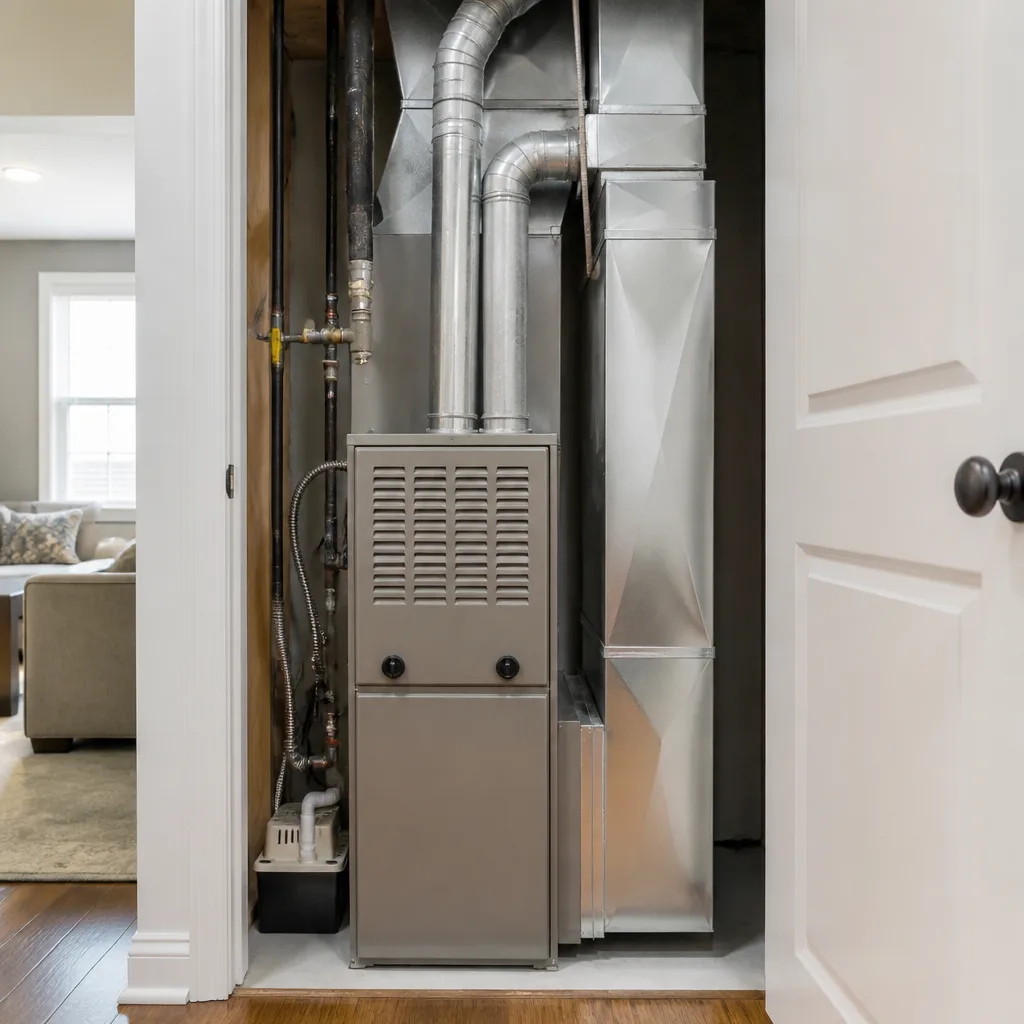
The blower motor is the fan inside your air handler that pushes conditioned air through the ducts. When it gets clogged with dust or starts to wear out, it spins slower than it should and air pressure across the whole system drops. You may notice the system running longer cycles without the house ever reaching the set temperature, or you may hear a low humming or rattling from the air handler cabinet. A clogged filter makes this worse fast – a filter so dirty it turns grey blocks airflow the same way a blocked hose nozzle kills water pressure.
Low Refrigerant (AC and Heat Pump Jobs)
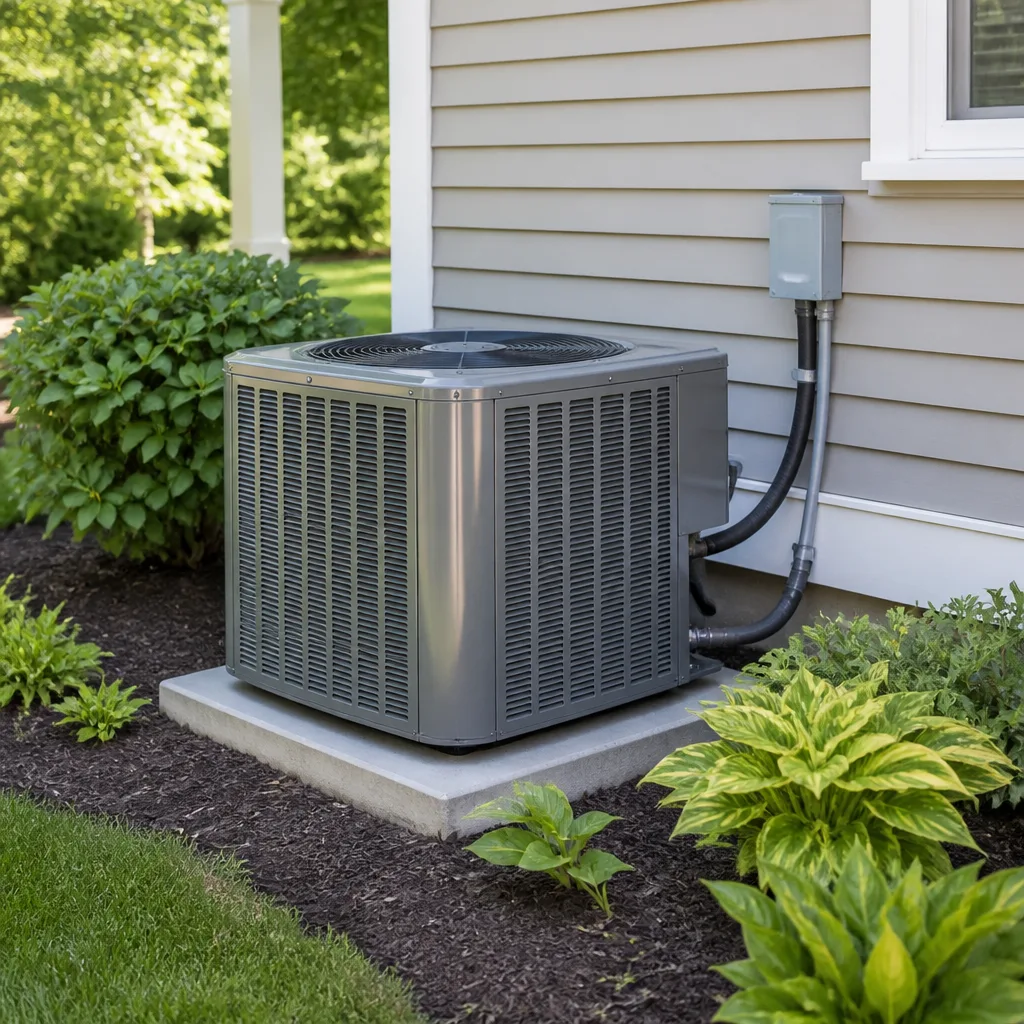
Refrigerant is the fluid that carries heat out of your home in summer and into it in winter on a heat pump. When the level drops because of a slow leak in the refrigerant lines or coils, the system loses its ability to transfer heat efficiently. Rooms farthest from the air handler usually suffer first. Signs to look for: ice forming on the outdoor unit or on the copper lines running into the house, a hissing or bubbling sound near the unit, or the system blowing air that is room temperature instead of noticeably cool or warm. If you see ice on the unit, turn the system off at the thermostat and call – running a system with a refrigerant leak damages the compressor, which is the most expensive part of the system to replace.
A Zoning or Thermostat Problem
Some homes have multiple thermostats and dampers inside the ductwork that are supposed to direct air to different zones on demand. When a damper sticks closed or a zone thermostat fails, one area of the house gets starved of air while another is overcooled. Even in a single-zone home, a thermostat mounted in a bad location – near a sunny window, above a stove, or close to a drafty exterior wall – can read a temperature that does not match the rest of the house and cause the system to shut off early. If your thermostat reads 72 but a room on the other side of the house feels nothing like 72, that mismatch is worth mentioning when you call.
What to Do Right Now
- Check your filter first. Find the filter slot on your air handler or return air grille – usually a large louvered grille on a wall or ceiling. Pull the filter out. If it is grey and dense with dust, replace it before anything else. A blocked filter can cause exactly this symptom and costs almost nothing to fix. Filters are rated in MERV numbers; a MERV 8 to MERV 11 is the right range for most homes.
- Walk the house and note which rooms feel different. Go to every register, put your hand in front of it, and rate the airflow weak, normal, or strong. Write it down or take a quick voice memo on your phone. This takes five minutes and gives a technician a real map of the problem before they touch anything.
- Look at the outdoor unit. Check whether ice has formed on the refrigerant lines or on the unit itself. If it has, switch the thermostat to the Fan Only setting (not Cool or Heat) to let the ice melt, and do not run the system in cooling or heating mode until a technician has looked at it. Running a frozen system can destroy the compressor.
- Check every register for obstructions. Furniture pushed against a floor register, a rug laid over a vent, or a register lever twisted to the closed position can cut a room off from airflow entirely. It sounds obvious, but it gets missed.
- Do not try to access the ductwork, the air handler cabinet, or the electrical disconnect at the outdoor unit yourself. Ductwork in attics and crawlspaces involves confined spaces, insulation that irritates lungs, and in older homes, materials that require special handling. Electrical components inside the air handler carry enough current to cause serious injury. Leave those to the technician.
How We Fix It
When your local Dalton Heating & Air technician arrives, the first thing they do is a system-wide airflow check – measuring static pressure inside the ducts, checking the blower operation, and walking the registers the same way you did, but with gauges. That inspection tells them whether the problem is in the ductwork, the air handler, the refrigerant circuit, or a combination.
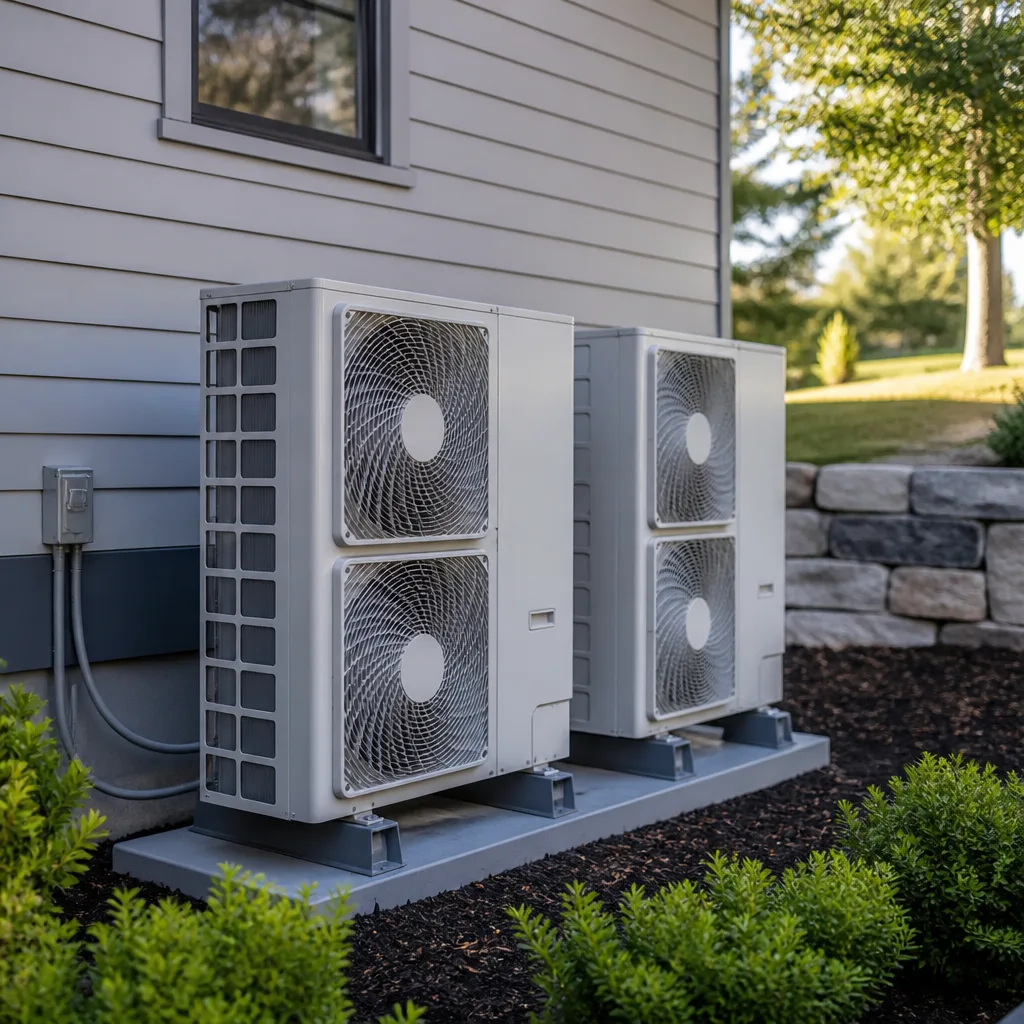
For a duct issue, the technician locates the leak or blockage, seals or replaces the damaged section, and verifies airflow at the registers before leaving. For a blower or refrigerant problem, the repair falls under our AC repair service. A heat pump showing uneven performance in both heating and cooling seasons is usually handled under heat pump installation or service work, depending on whether the unit needs a component repair or a full replacement.
Most diagnostic visits and straightforward repairs are done in a single trip. More involved ductwork or refrigerant work may take longer, and your technician will tell you exactly what is ahead before any work starts. The price is in writing first – always. The repair is covered by the 365-Day Done Right Promise: if it does not hold, Dalton comes back at no charge.
Frequently Asked Questions
It depends on the cause, but do not assume it can wait if the symptom came on suddenly. A slow refrigerant leak or a failing blower will get worse, and running a system with a refrigerant leak risks compressor damage that costs significantly more to repair. If you are seeing ice on the unit, hearing unusual sounds, or if the gap between rooms is getting wider fast, call (361) 306-9515 today and describe what you are seeing – the person who answers is a live person, not a voicemail, and they can help you decide how quickly you need a technician.
Your local Dalton Heating & Air team takes calls 24 hours a day, 7 days a week, and someone answers every time – no voicemail queue, no callback window. Availability varies by market and time of day, but calling (361) 306-9515 is the fastest way to find out when a technician can be at your door. Booking online is also an option if you prefer.
You will know before any work starts. Every Dalton job includes a written price before the technician touches anything – that is part of The Garrison Standard on every job, not something you have to ask for. There are no dollar figures worth putting here because the right price depends on what the technician actually finds, which is why the free written estimate exists. Call (361) 306-9515 and we will get someone out to give you a real number.
Age is one factor, but installation quality and filter maintenance matter just as much. A duct joint that was not properly secured at installation can separate years later. A blower motor that ran for months against a clogged filter wears faster than it should. Even a new refrigerant circuit can develop a slow leak at a fitting. The brand of equipment matters less than the quality of the work and how the system has been treated. Dalton services nine major residential HVAC brands – Carrier, Trane, Lennox, Goodman, Rheem, York, Daikin, Bryant, and American Standard – so whatever you have, the technician arriving knows it.
Get It Fixed
Call (361) 306-9515 or book online. Your local Dalton Heating & Air team answers every call with a live person, sends a background-checked uniformed technician, puts the price in writing before any work starts, and backs every repair with the 365-Day Done Right Promise.
Written by Marco Benitez, Owner and Lead HVAC Technician at Dalton Heating & Air, a Garrison Partners company serving homeowners since 2003.
What Our Customers Say
"Tech arrived in uniform right on time. AC wasn't cooling, found a failed capacitor, and replaced it in twenty minutes. The owner is a veteran and the company runs like it."
- Frank O."Blower motor died on the coldest night. They had the part on the truck and had us warm again the same day."
- Sandy G."Changed the filter size and added a better filter rack. Simple and useful advice."
- Rhonda C.