
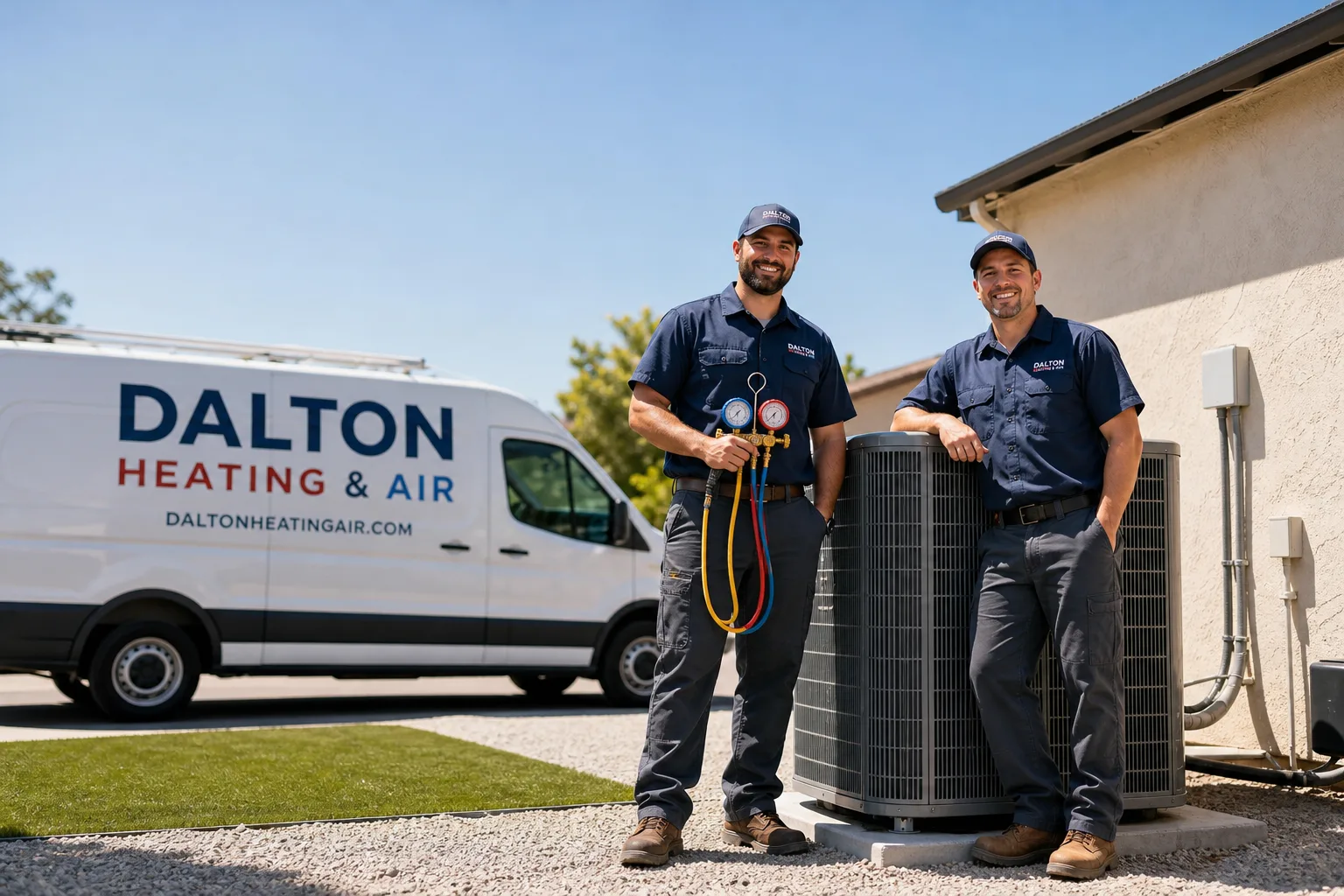
Seasonal tune-up and full diagnostic on your Carrier, Trane, or Goodman system - readings shown to you before any repair is proposed
Diagnosis first, numbers second - you approve the repair price before a single part goes in.
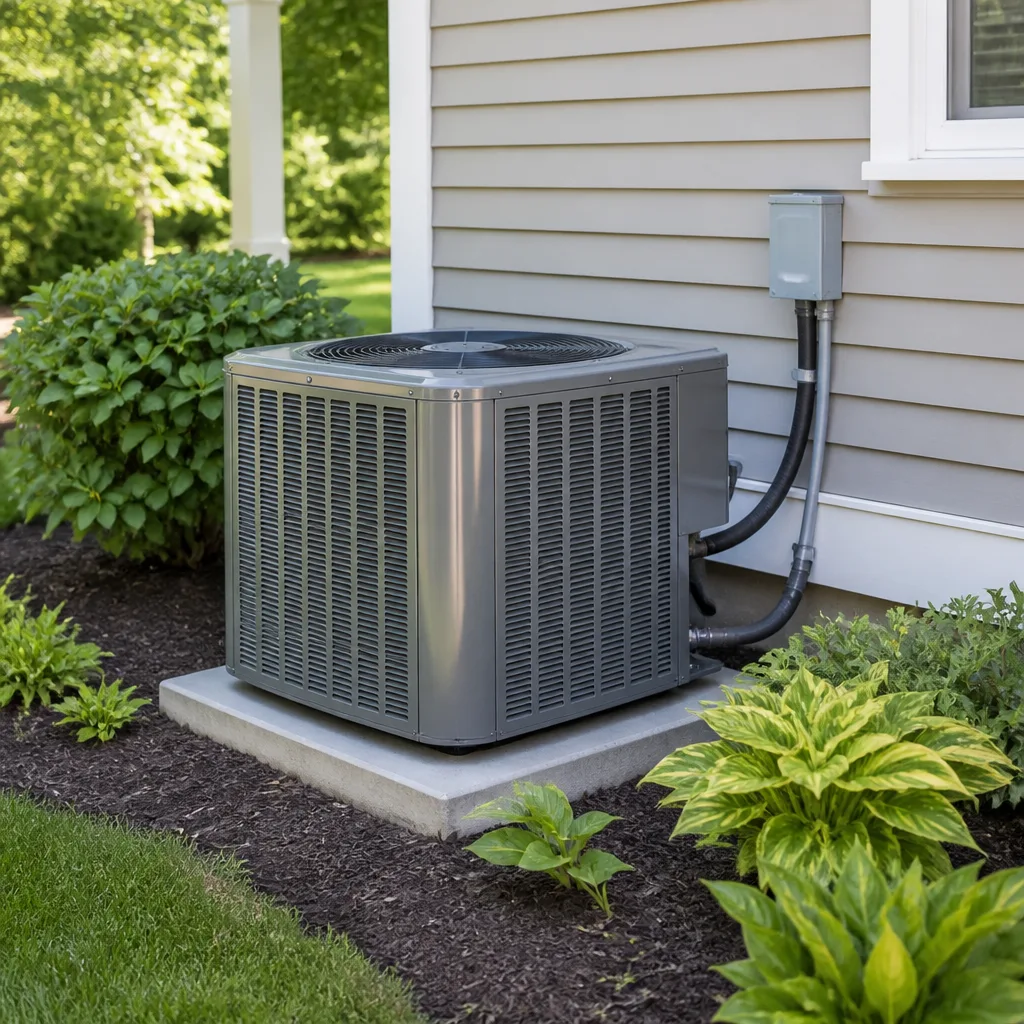
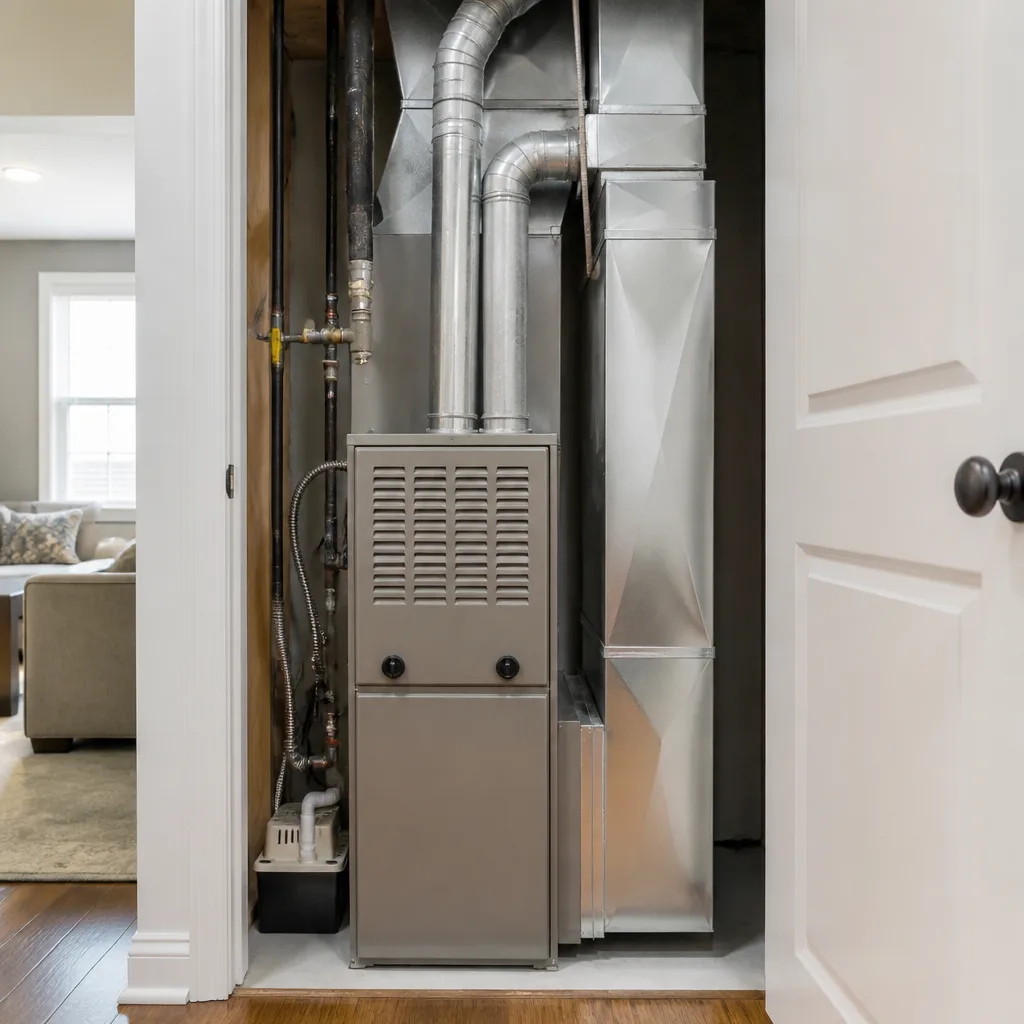
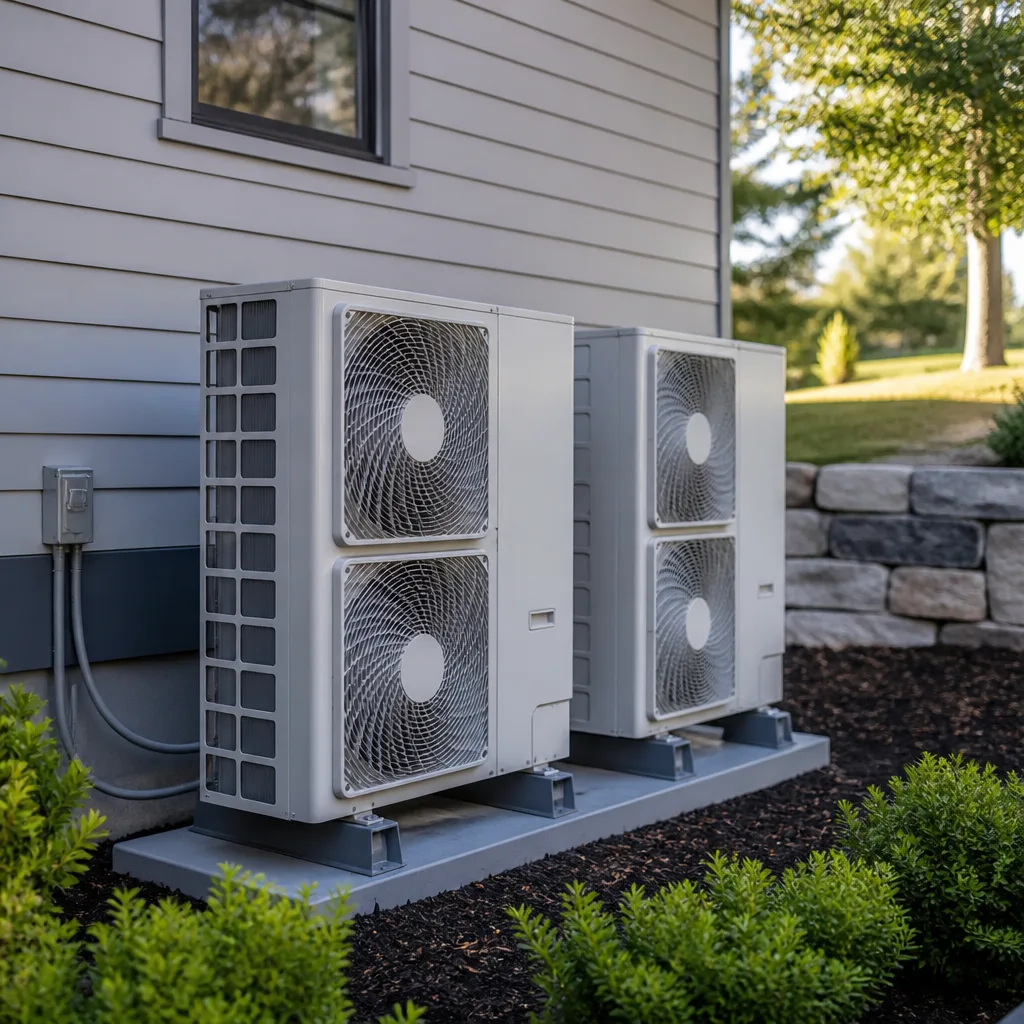
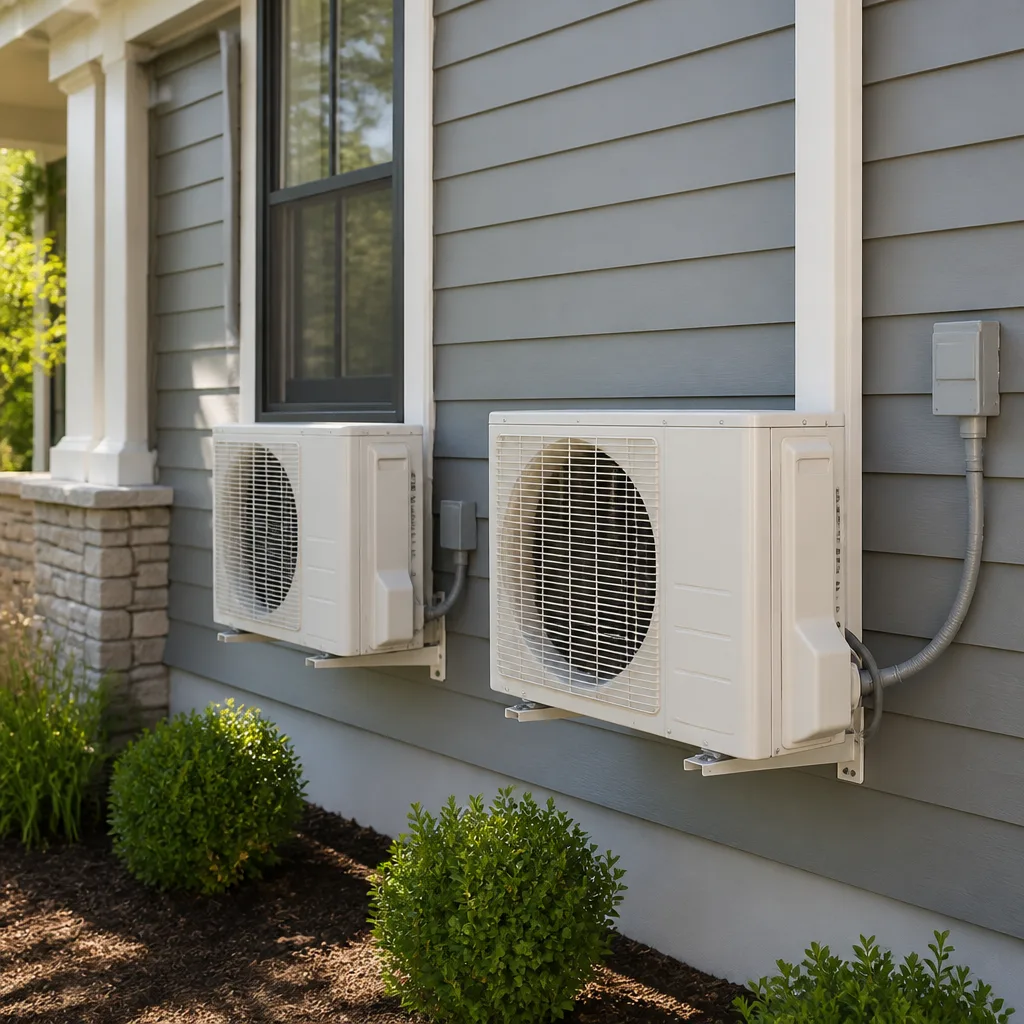
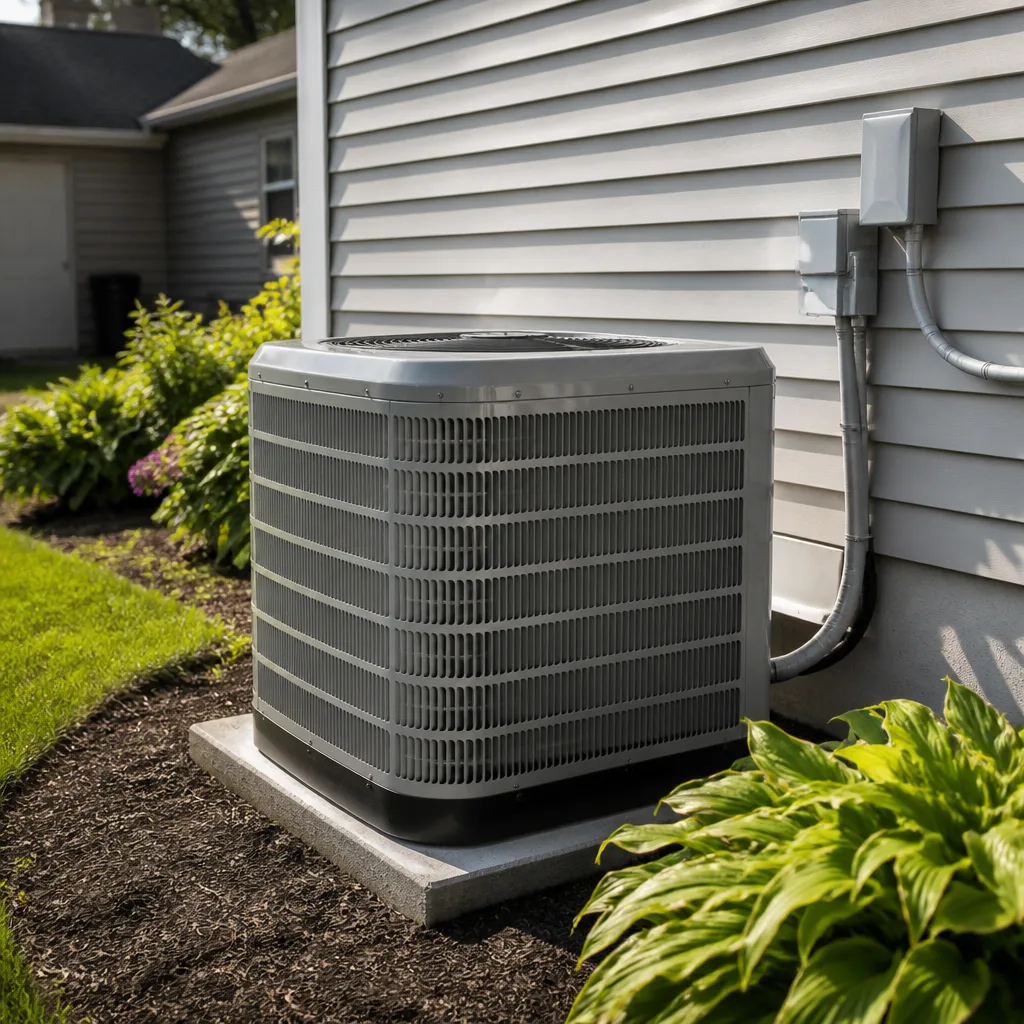
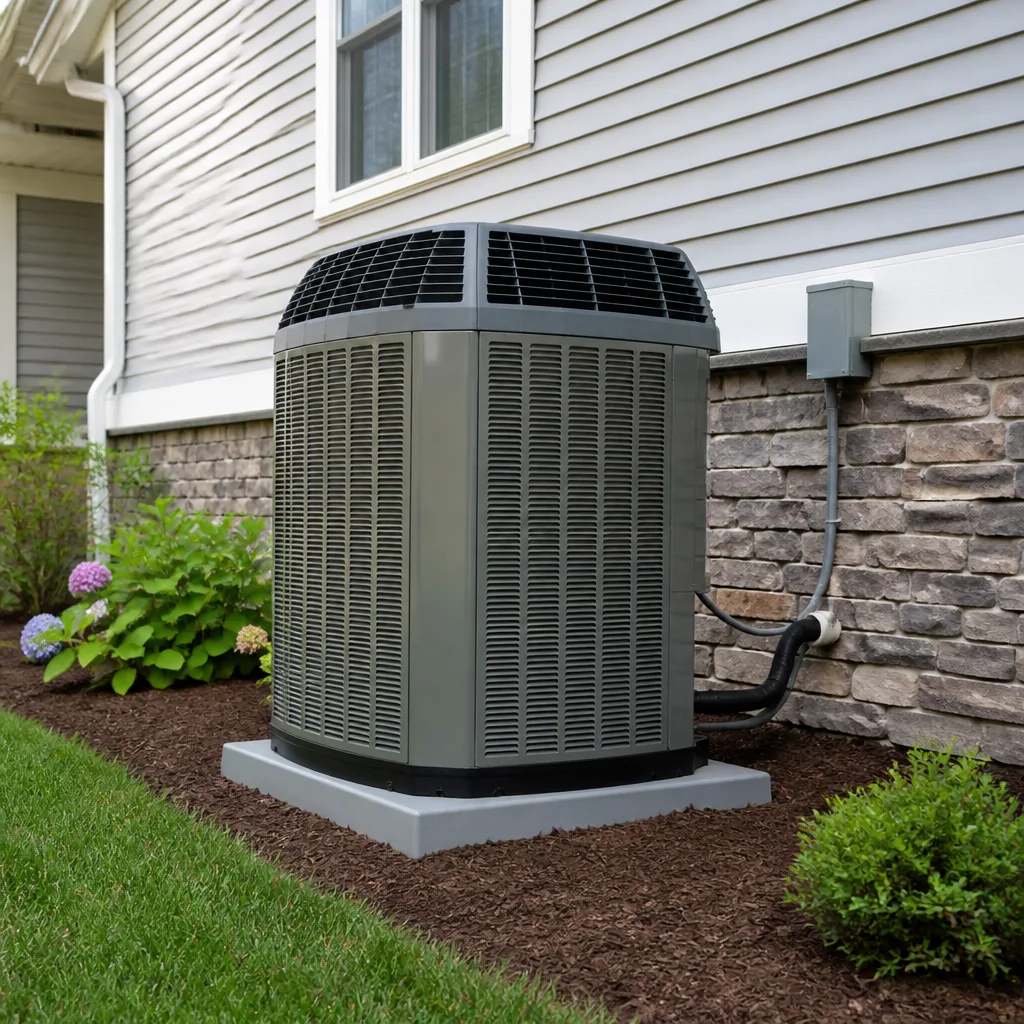
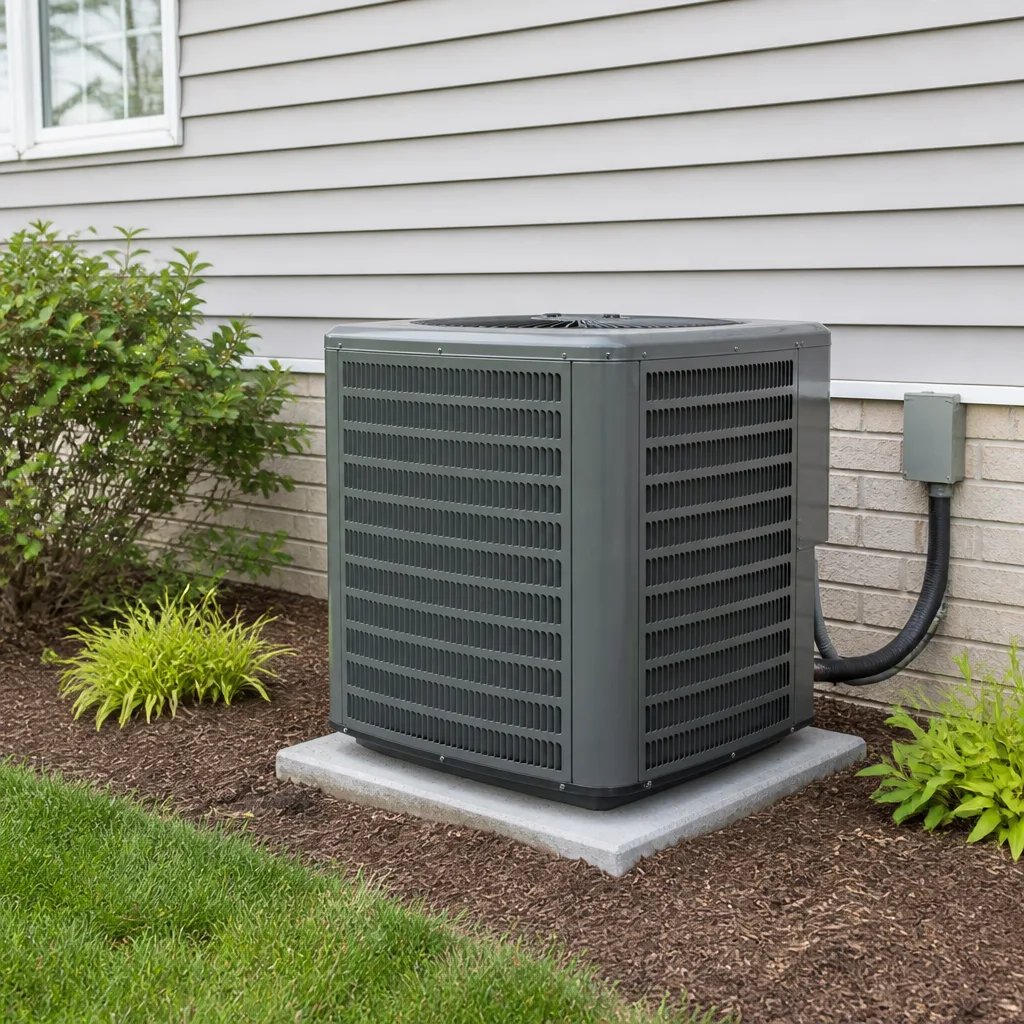
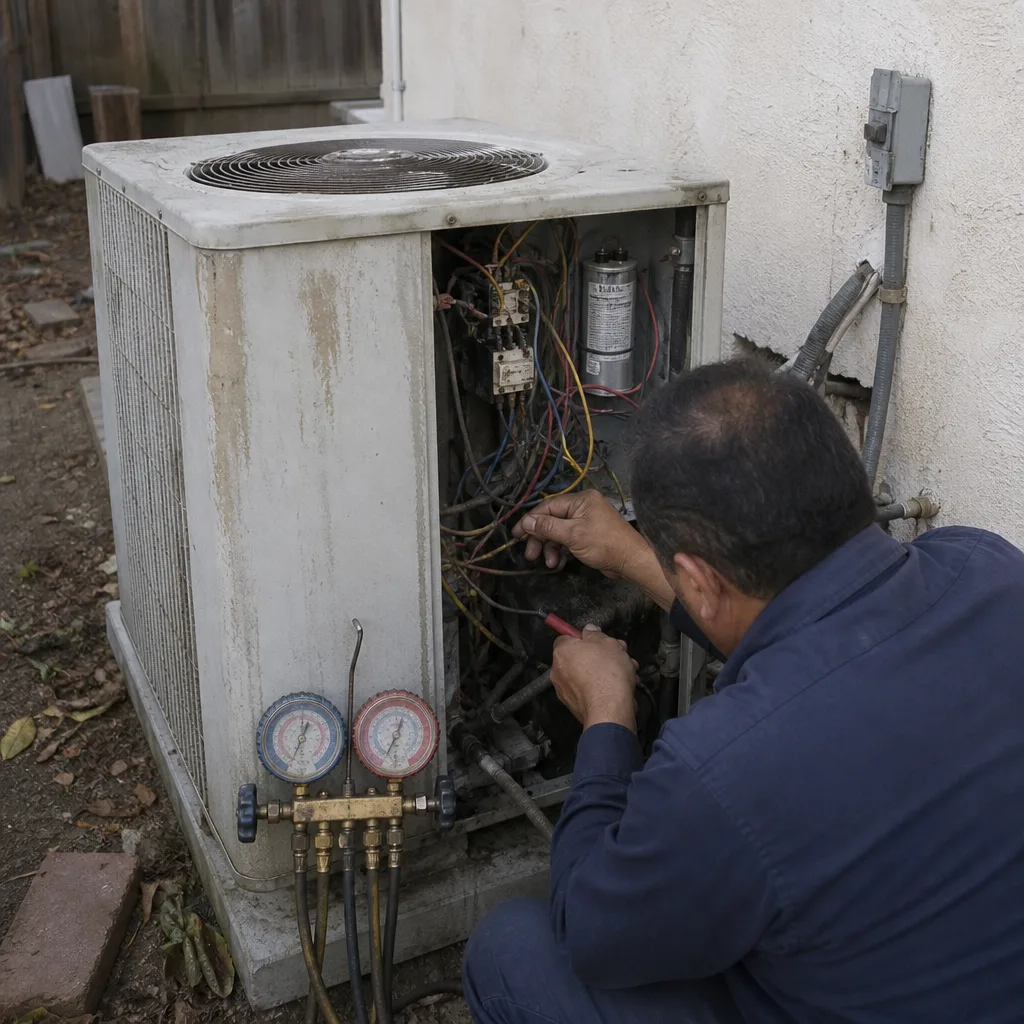 Before
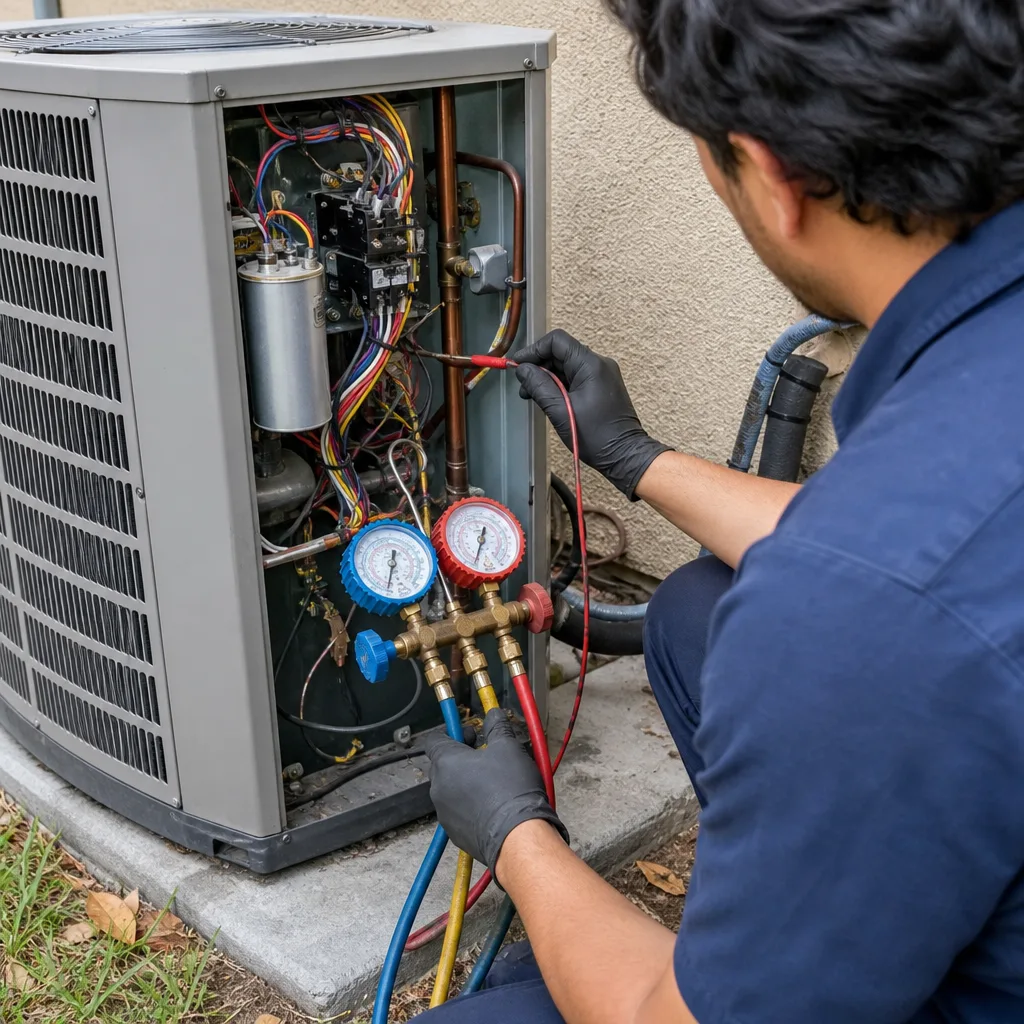 After
After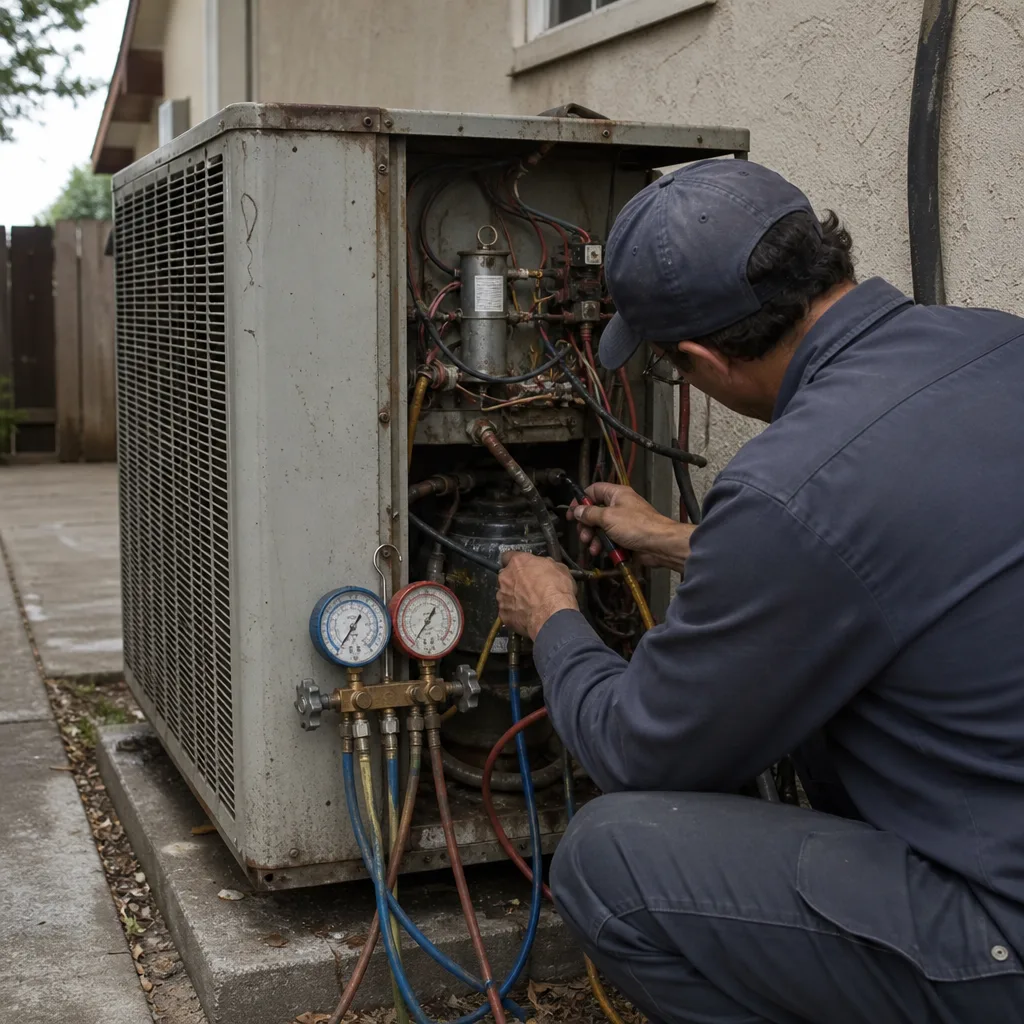 Before
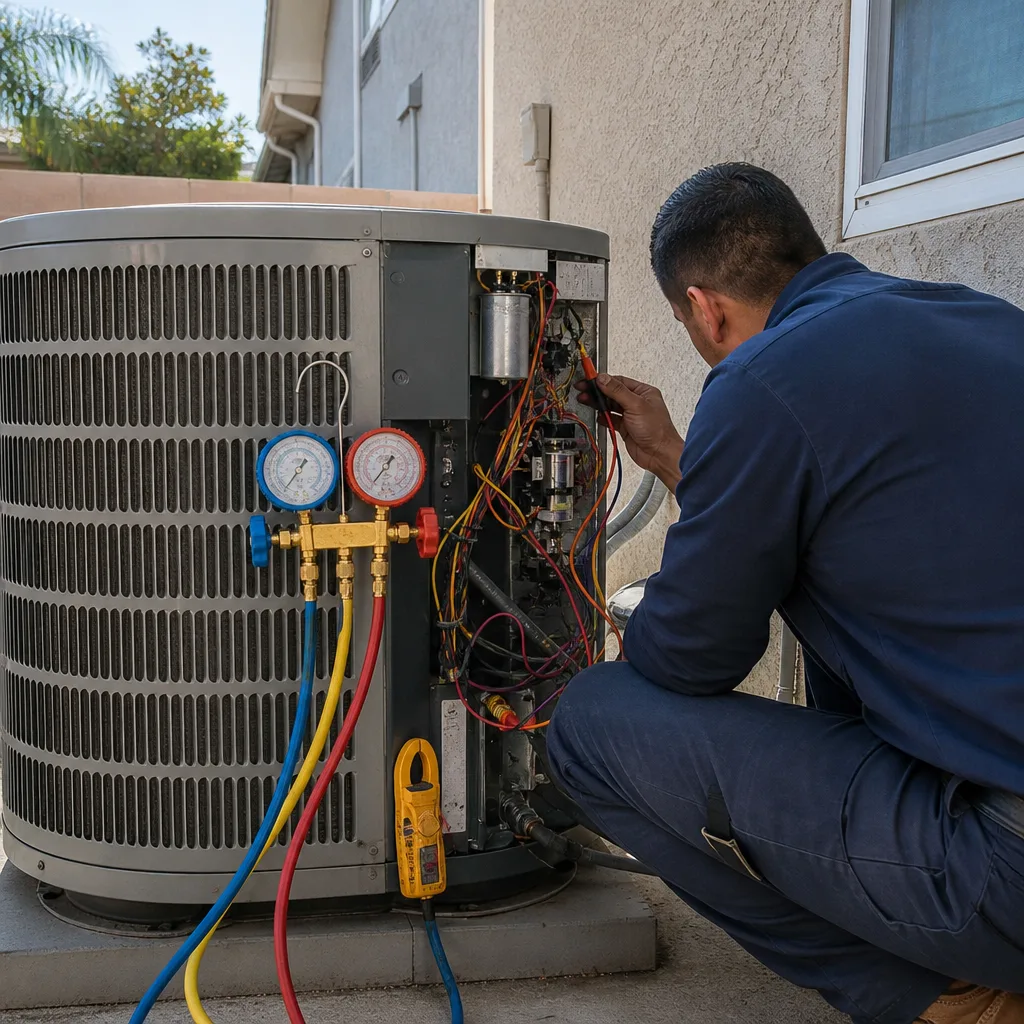 After
After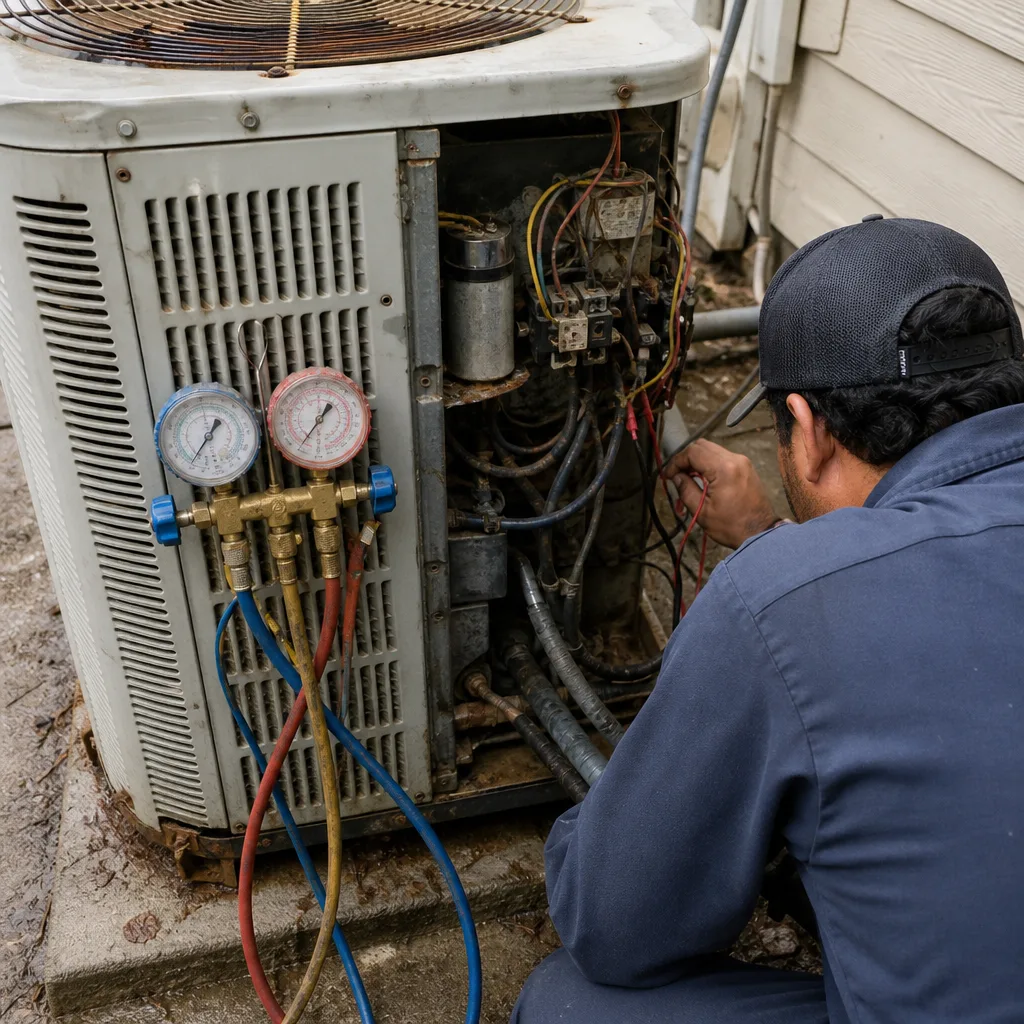 Before
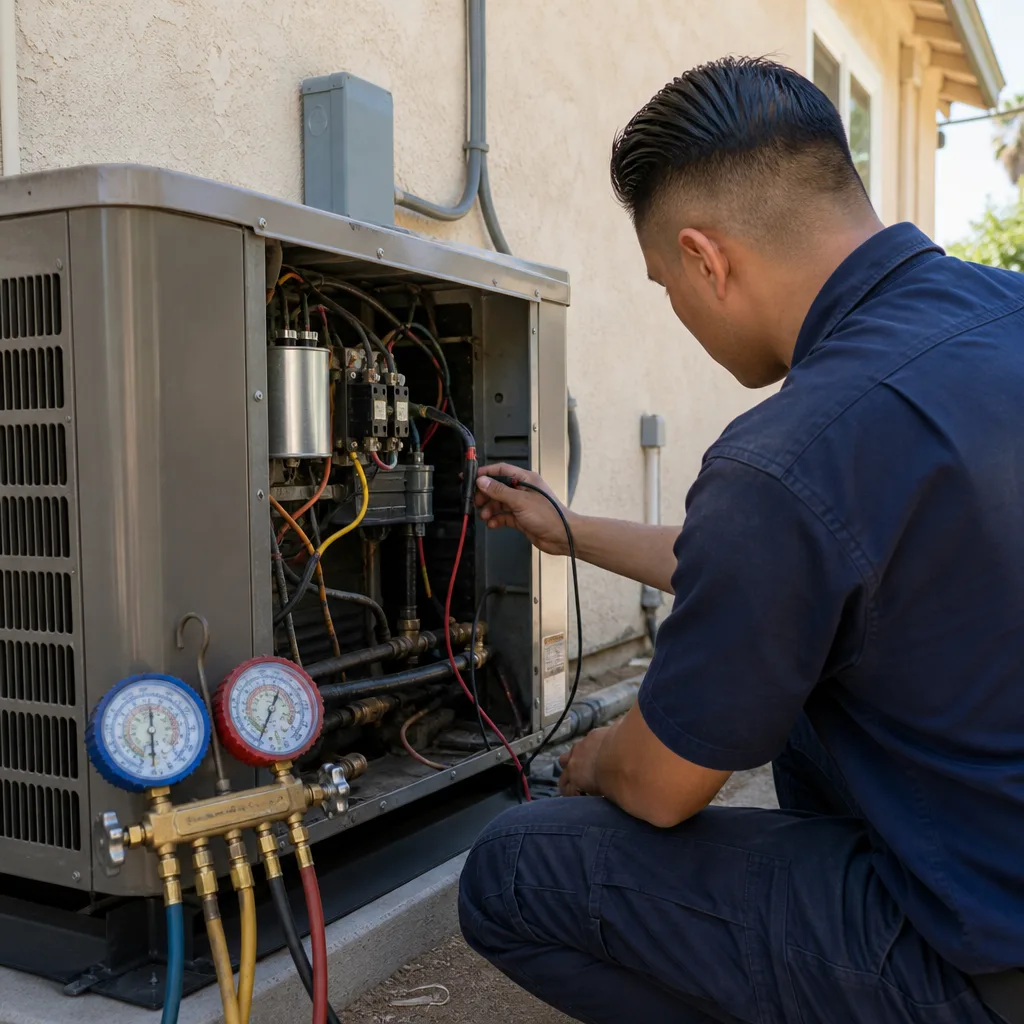 After
AfterHow Much Does HVAC Cost in San Francisco?
Most HVAC repairs in San Francisco run $175 to $825, a full system installation lands between $4,130 and $8,850, and a seasonal tune-up costs $95 to $235. The job you’re pricing decides the number: a capacitor swap on a Noe Valley furnace is a different afternoon than replacing a condensing unit on a Sunset District roof. Those ranges come from what we actually charge across San Francisco, written down before we start, not ballparked over the phone.
We’re Dalton Heating & Air, a Garrison Partners company operating under The Garrison Standard since 2003. Every visit includes a written price before any work begins, a written guarantee on the repair, and a background-checked, uniformed technician you know by name before the doorbell rings. If you’re weighing a repair against a replacement right now, start with the cost breakdown below, then call for an exact figure.
Key Takeaways
- Typical repair range: $175 – $825, depending on the part and the system.
- New system installed: $4,130 – $8,850.
- Tune-up: $95 – $235.
- The price is in writing before we touch anything, and every repair carries a full-year written guarantee.
HVAC Cost Breakdown (2026)
Here’s what San Francisco homeowners can expect to pay this year. These are real ranges from our service area, not national averages pulled off a lead-generation site.
| Service | Typical San Francisco Range |
|---|---|
| AC repair | $175 – $765 |
| Heating (furnace) repair | $175 – $825 |
| AC installation (new system) | $4,130 – $8,850 |
| Seasonal tune-up / maintenance | $95 – $235 |
Where you land inside those ranges comes down to parts and access. The low end of repair pricing is usually a straightforward fix on an easy-to-reach unit: a thermostat, a run capacitor, a clogged condensate line. The high end is a blower motor, a control board, or a job that means pulling a unit out of a cramped closet in a Marina Victorian where nothing was designed for service access. Installation pricing swings on the same idea, plus system size and whether new line sets or ductwork are part of the job.
If your system is limping along and you’re not sure which way to go, our home page walks through how we approach repairs versus replacements, with the same written numbers.
What Affects HVAC Pricing in San Francisco
San Francisco isn’t a generic HVAC market. These are the factors that move the price here specifically, and a few of them don’t show up in most of the country.
- Rooftop and condensing-unit access. Plenty of San Francisco homes, especially in the Sunset, Richmond, and Bernal Heights, have equipment on the roof or tucked into a light well. Running a lift, or hauling a compressor up a ladder, adds labor time that a yard-level install out in the suburbs never sees.
- Old ductwork and gravity systems. A lot of pre-war buildings here were built with gravity furnaces and whatever ducting someone added later. If we’re installing a modern system into one of those, duct repair or redesign becomes part of the quote, and that’s the single biggest reason an install quote climbs toward the top of the range.
- System size and efficiency tier. A small single-zone system costs far less than a larger unit rated for a multi-room house. Higher-efficiency equipment costs more up front and can reduce your Pacific Gas & Electric bill over the years, which is a real trade-off in a city where energy rates run high.
- Parts availability and brand. We service nine major brands: Carrier, Trane, Lennox, Goodman, Rheem, York, Daikin, Bryant, and American Standard. Common parts are quick to source; a discontinued control board on a 20-year-old unit can take longer and cost more, and we’ll tell you that before we order.
- Coastal air and salt exposure. In neighborhoods near the water, salt in the air corrodes condenser coils faster than it does inland. That means more frequent coil problems and a shorter equipment life, which nudges maintenance schedules tighter for anyone in the Outer Sunset or near the Embarcadero.
- After-hours and weekend calls. Standard scheduled work is the cheapest way to buy our time. Emergency or weekend visits carry a higher rate, which is why we tell people to catch small symptoms early during normal hours.
Repairs on the heating side follow the same logic. If you’re pricing out a furnace problem specifically, our furnace repair guide for San Francisco breaks down which failures cause which costs.
How Repairs Get Priced: The Steps
Homeowners ask us constantly why two companies quote the same job differently. Here’s how a Dalton quote is built, start to finish.
- You call and describe the symptoms. A live person answers, day or night. We ask what the system is doing so we can send the right technician with the right parts.
- We arrive inside the window. Arriving inside the stated window is part of The Garrison Code, along with doing the job by the book and leaving the site clean.
- We diagnose on site. The technician tests the system, confirms the failed component, and checks whether anything else is about to fail.
- You get the price in writing. Before any work starts, you see the number on paper. No revised total at the door, no surprise line items.
- We do the repair and guarantee it. Every repair carries a written guarantee for a full year. If it fails in that window, we come back at no charge.
How to Save on HVAC in San Francisco
There’s no trick to paying less for HVAC here, just a few habits that keep you off the expensive end of the range.
- Book a tune-up before the season turns. A $95 – $235 tune-up in spring, before the first warm stretch, catches the small stuff. A failing capacitor that costs little to replace becomes a full compressor failure if it’s ignored.
- Change your filter, and keep a spare. Dirty filters strain the blower motor and raise your energy use. This is the cheapest maintenance you’ll ever do on a system.
- Fix the small symptom early. A clicking relay or a thermostat that reads wrong is a cheap repair now and an expensive one in August. Calling during normal hours saves you the after-hours rate.
- Get the price in writing before work starts. This protects you from drift. Any company that won’t commit to a number up front is telling you something.
- Ask whether a repair is the right call at all. If a system is near the end of its life, putting $700 into it can be money down the drain. We’ll tell you honestly when replacement makes more sense, and you can weigh it against a $4,130 – $8,850 install with the numbers in front of you.
Our estimates are free, so there’s no cost to finding out what your actual number is. Call (361) 306-9515 and we’ll give you a written figure, not a guess.
FAQs – HVAC Cost in San Francisco
How much does a new AC system cost in San Francisco?
A new AC installation in San Francisco typically runs $4,130 to $8,850. The final number depends on system size, efficiency tier, and how much ductwork or line-set work your home needs. Call (361) 306-9515 for an exact quote, and estimates are free.
Is it cheaper to repair or replace my HVAC system in San Francisco?
Repairs run $175 to $825, and a replacement runs $4,130 to $8,850, so the math depends on the system’s age and how often it’s failing. A single repair on a unit with a few good years left usually wins. A second major repair in the same season is a signal to weigh replacement. Call us and we’ll give you both numbers in writing so you can decide.
How much does furnace repair cost in San Francisco?
Most furnace repairs in San Francisco fall between $175 and $825, depending on the failed part. Igniters and thermocouples sit near the low end; blower motors and control boards sit higher. Call (361) 306-9515 for a written price before any work starts.
How much is a seasonal HVAC tune-up in San Francisco?
Expect $95 to $235 for a tune-up. That covers the cleaning, testing, and adjustments that keep a system running to spec and catch small failures before they become expensive ones. It’s the cheapest line item on this page and the one that saves the most over time.
Can you come the same day, and does that cost more?
Same-day service is often available, and our phones are answered by a live person 24/7, so you’re never stuck in a voicemail queue. Scheduled work during normal hours is the lowest-cost way to book us; after-hours and weekend calls carry a higher rate. Call (361) 306-9515 and we’ll tell you what’s available today.
What brand of system do you service?
We service Carrier, Trane, Lennox, Goodman, Rheem, York, Daikin, Bryant, and American Standard, and our technicians are factory-trained on all nine. Parts sourcing affects both cost and turnaround, so if your unit takes an uncommon component, we’ll say so up front before ordering. Call (361) 306-9515 with your model number and we’ll get you a written estimate.
Why Homeowners Call Dalton Heating & Air
Dalton is a Garrison Partners company, independently owned and operated, and we’ve worked under The Garrison Standard since 2003. That standard is specific: arrive inside the stated window, price the job in writing before starting, do the work by the book, leave the site clean, and stand behind it for a full year. Every repair comes with the 365-Day Done Right Promise. If it isn’t done right, we make it right. If a repair fails inside the guarantee window, we return at no charge.
You’ll know who’s coming before they arrive. Every technician is background-checked and uniformed, and a real person answers the phone every hour of every day. Free estimates are standard on every job. If you’re ready to know what your system actually costs to fix or replace, call (361) 306-9515 for a written price.
Pricing reflects the San Francisco market as of 2026. Dalton Heating & Air offers free estimates – call (361) 306-9515.
Written by Marco Benitez, Owner at Dalton Heating & Air, serving San Francisco since 2003.
What Our Customers Say
"Tech arrived in uniform right on time. AC wasn't cooling, found a failed capacitor, and replaced it in twenty minutes. The owner is a veteran and the company runs like it."
- Frank O."Blower motor died on the coldest night. They had the part on the truck and had us warm again the same day."
- Sandy G."Changed the filter size and added a better filter rack. Simple and useful advice."
- Rhonda C.