
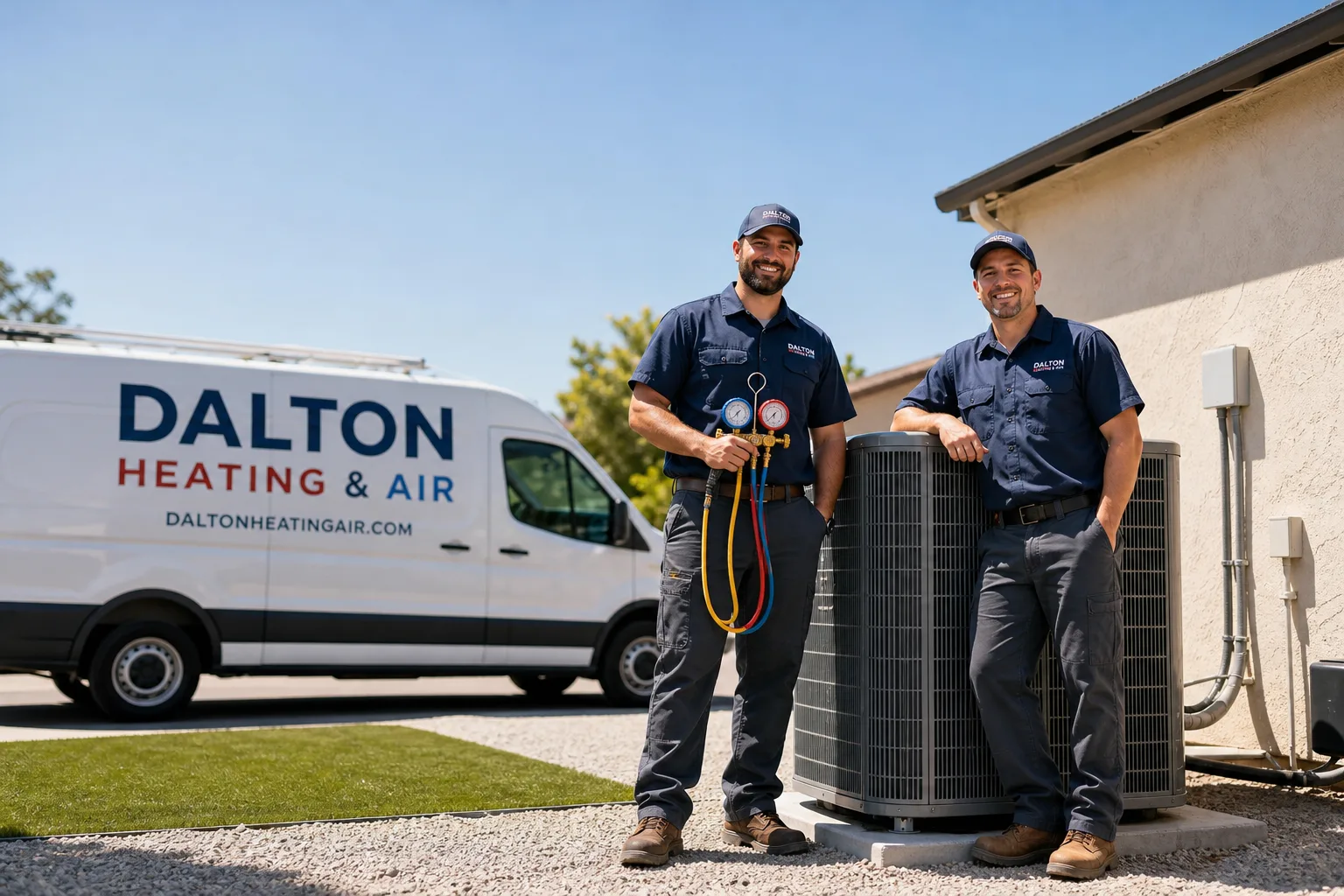
Seasonal tune-up and full diagnostic on your Carrier, Trane, or Goodman system - readings shown to you before any repair is proposed
Diagnosis first, numbers second - you approve the repair price before a single part goes in.
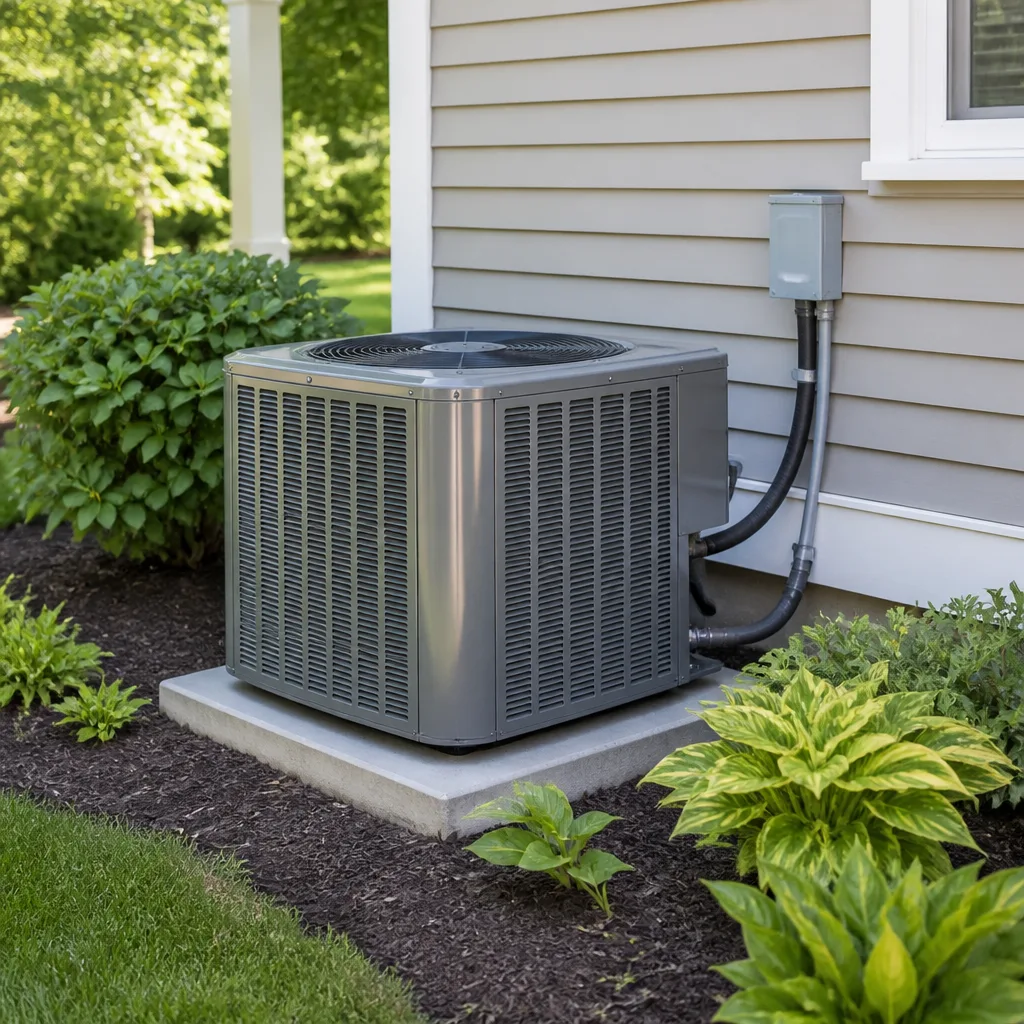
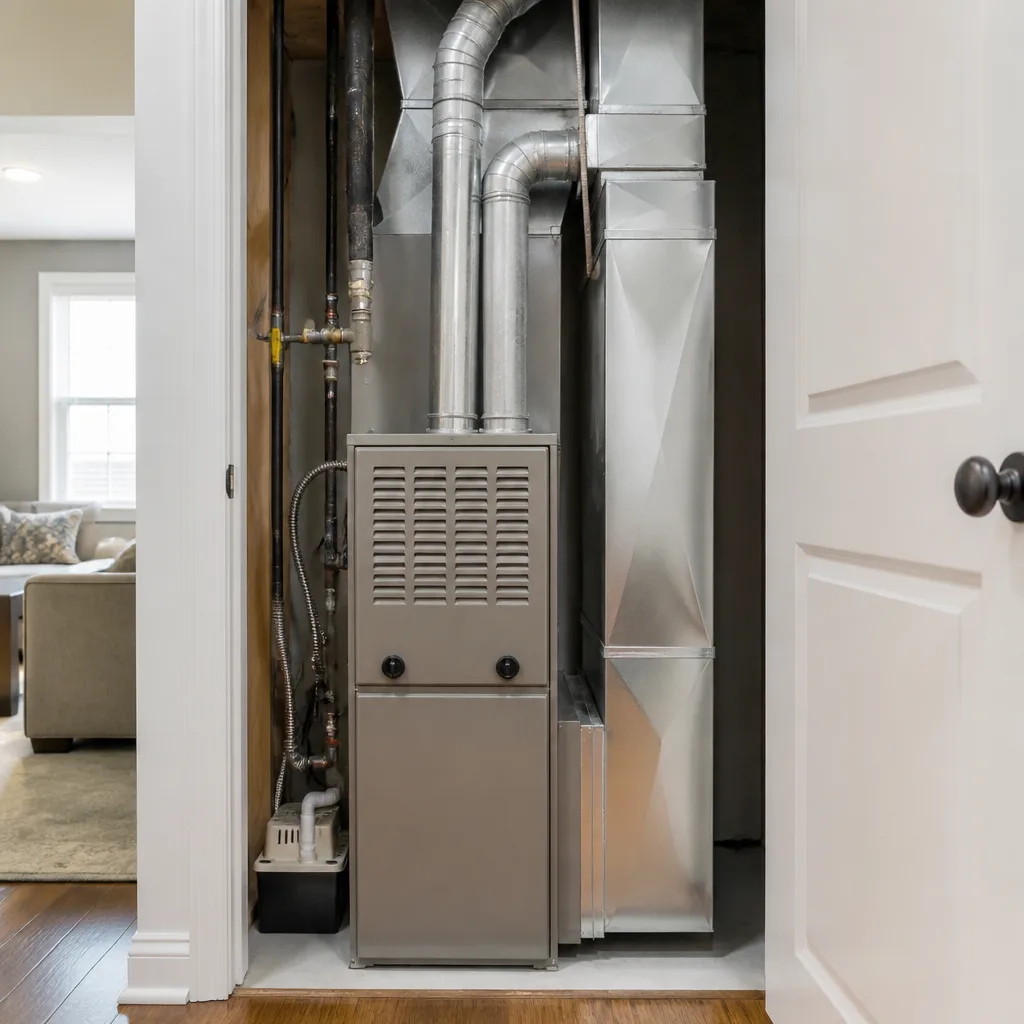
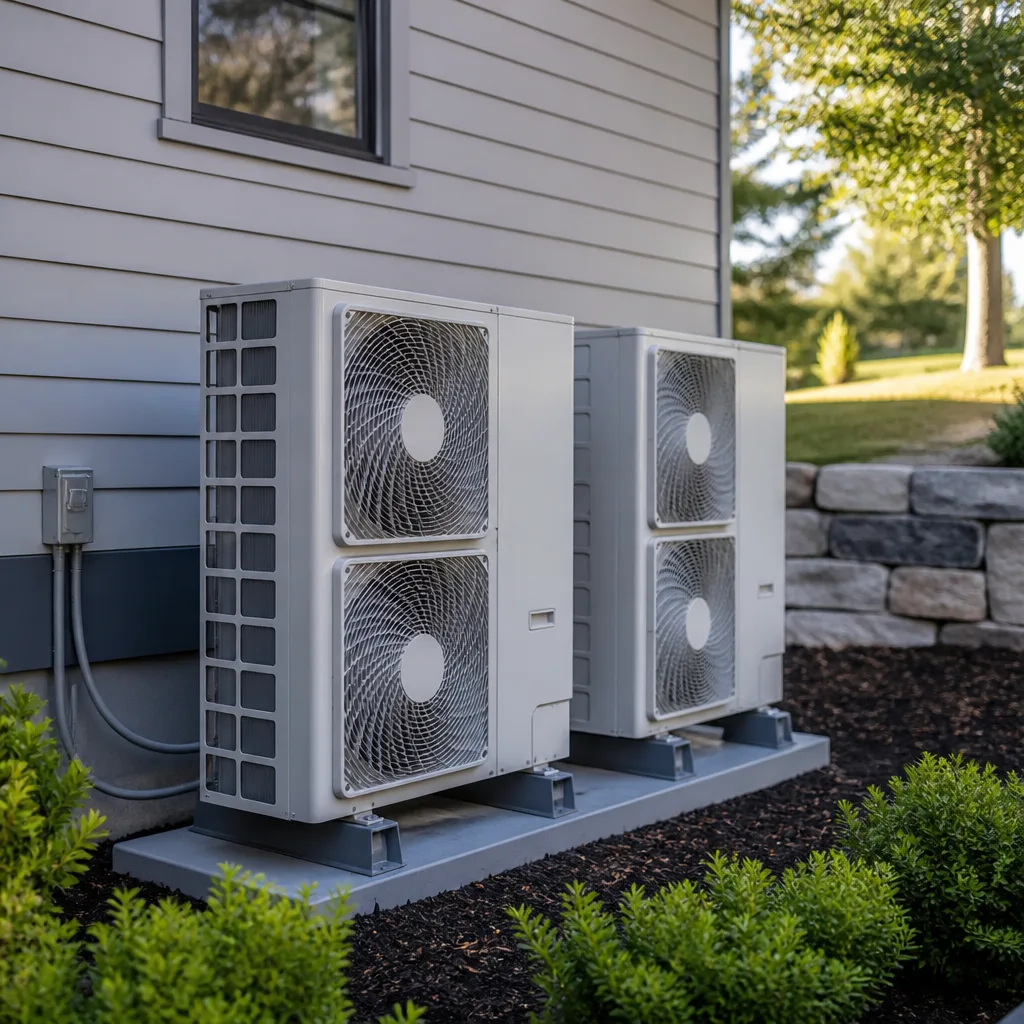
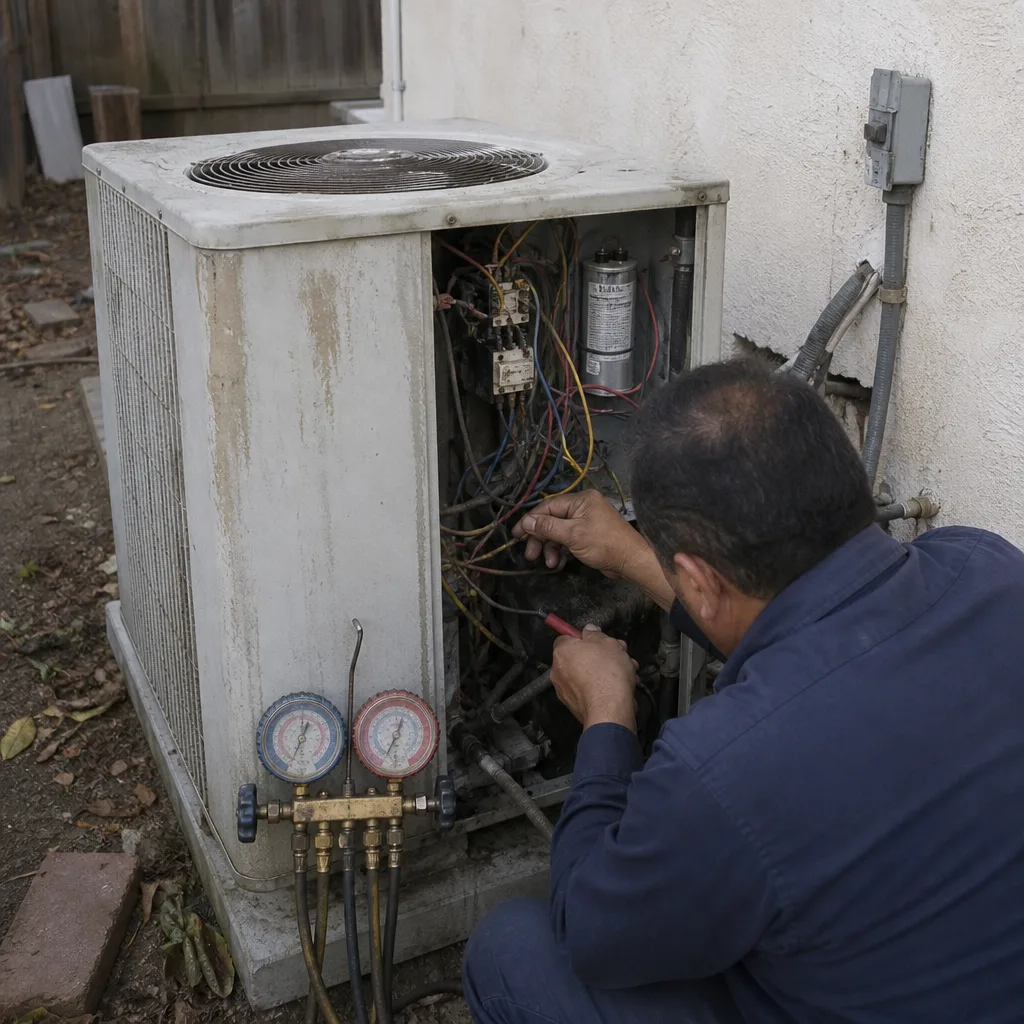 Before
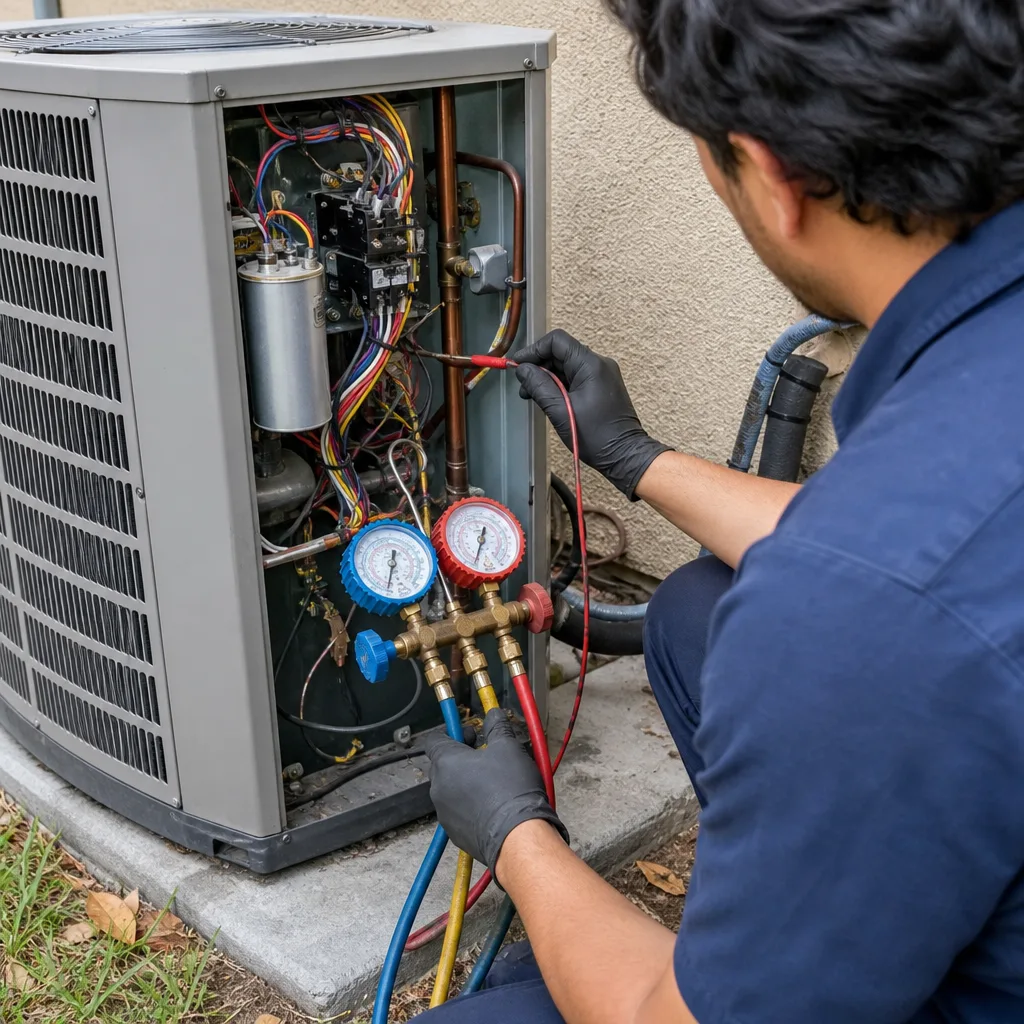 After
After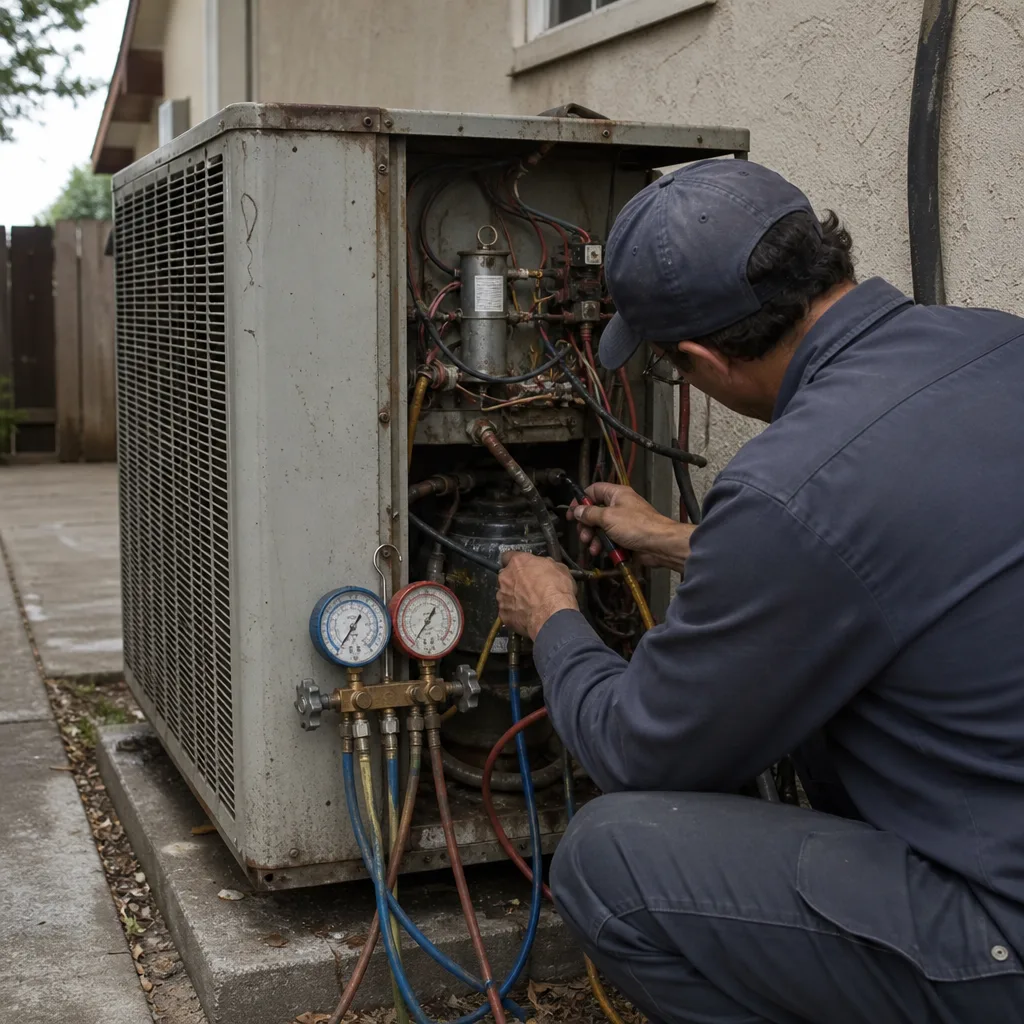 Before
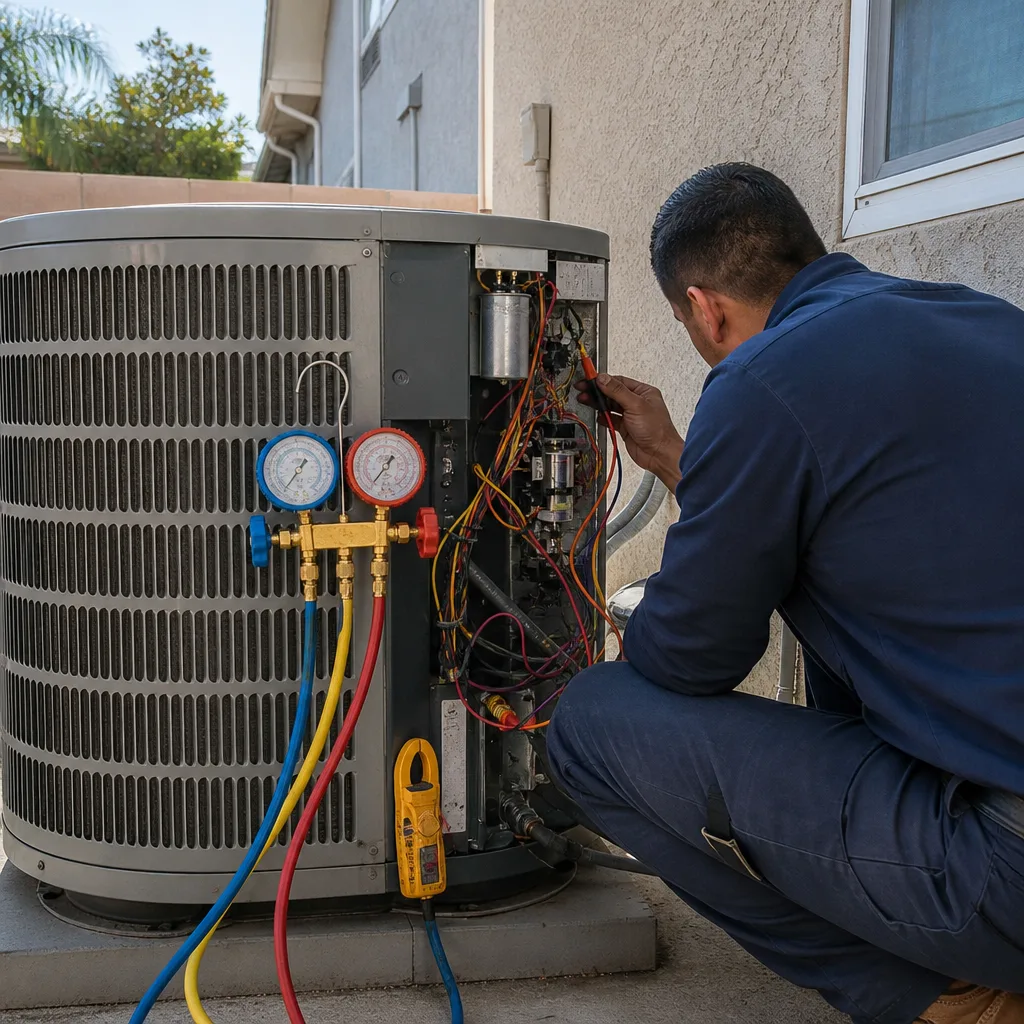 After
After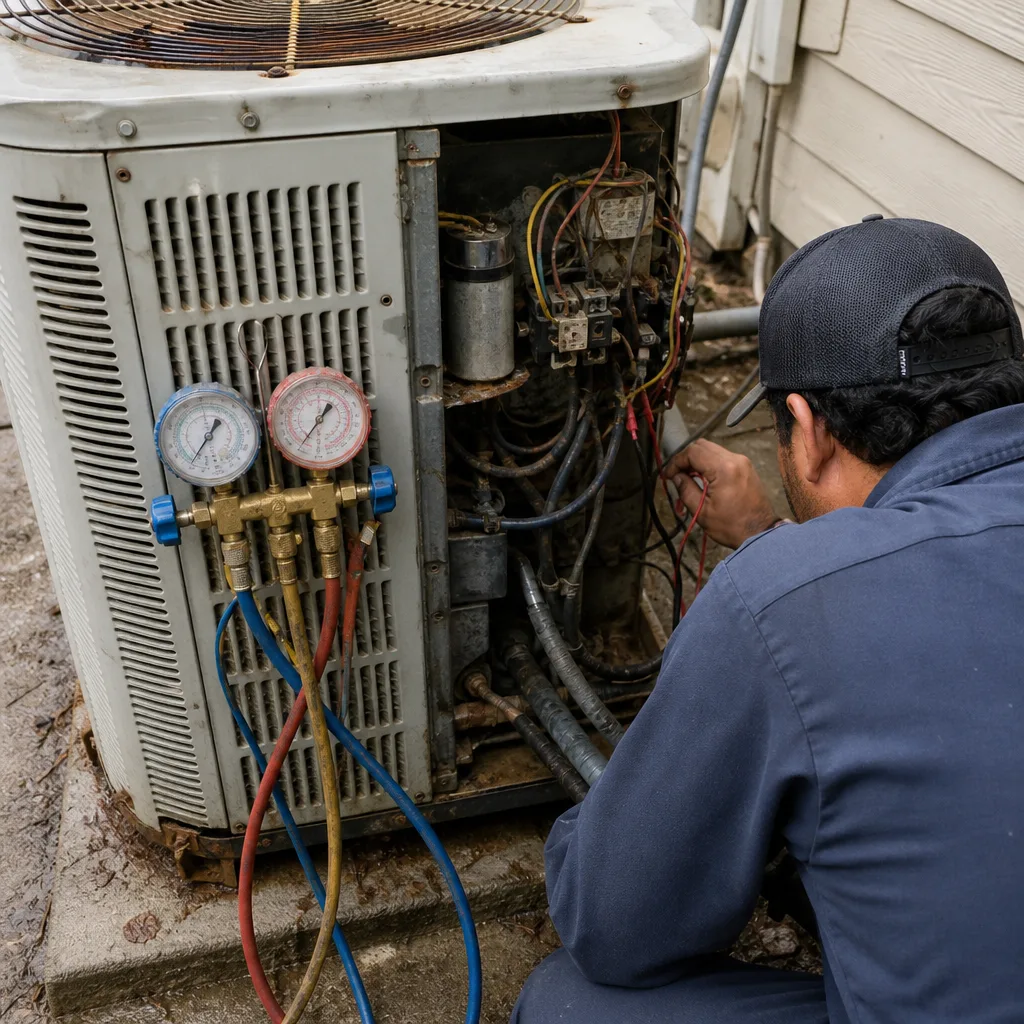 Before
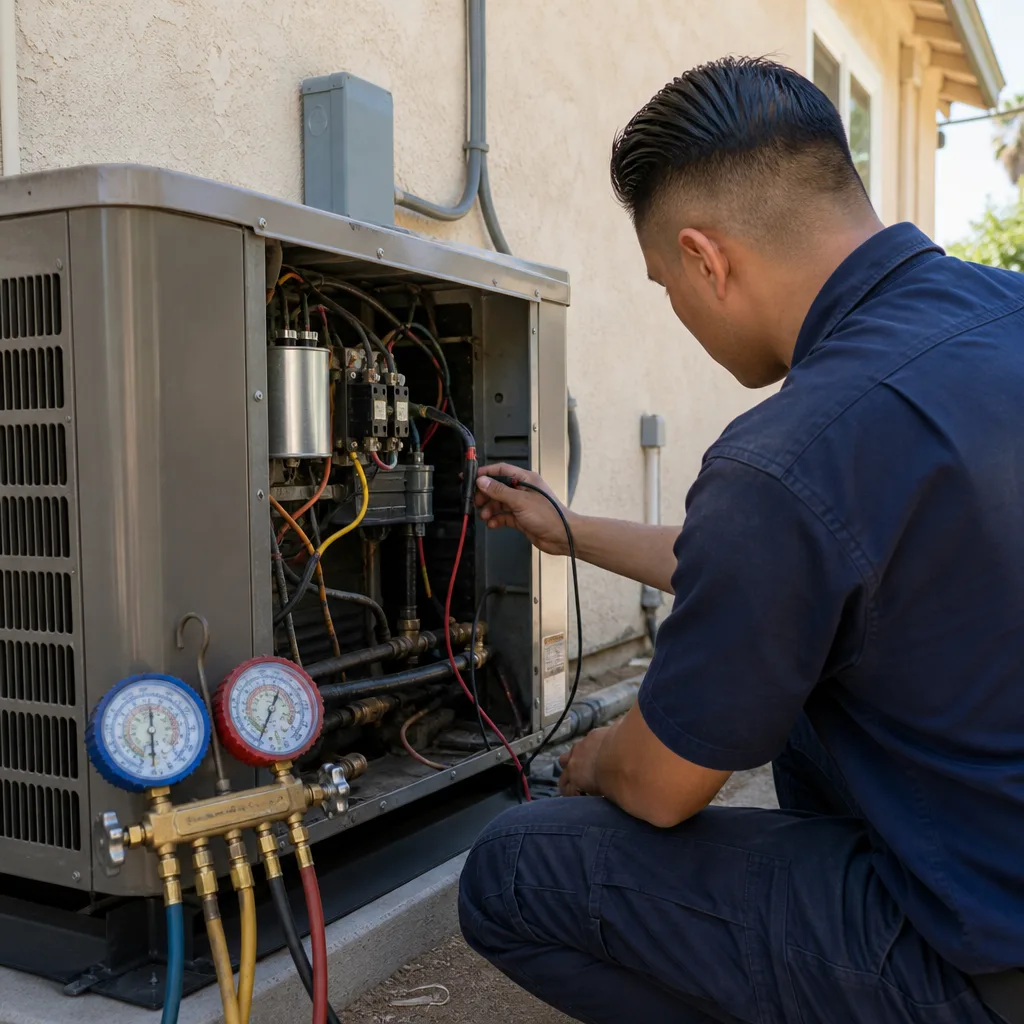 After
AfterHow Much Does HVAC Cost in Austin?
Most HVAC work in Austin runs between $80 and $7,500 depending on what you need. A routine tune-up costs $80 – $200, most AC repairs land at $150 – $650, and a full system replacement runs $3,500 – $7,500. Furnace repairs sit in the $150 – $700 range.
Those ranges reflect real Austin pricing as of 2026, not national averages. Below is the full breakdown by job type, what pushes a bill toward the top of the range, and how to keep it near the bottom.
HVAC Cost Breakdown (2026)
Here’s what homeowners across Austin are paying this year, from a single diagnostic visit to a complete system swap.
| Job | Typical Cost | Notes |
|---|---|---|
| AC Repair | $150 – $650 | Capacitor, contactor, blower motor, or refrigerant recharge |
| Furnace Repair | $150 – $700 | Ignitor, flame sensor, inducer motor, control board |
| Tune-Up / Maintenance | $80 – $200 | Coil cleaning, refrigerant check, electrical inspection |
| AC Installation (full system) | $3,500 – $7,500 | Condenser, coil, line set, and labor |
| Refrigerant Recharge | $200 – $600 | Depends on refrigerant type and how much is needed |
| Compressor Replacement | $1,200 – $2,200 | Part plus labor; often close to the cost of new equipment |
What moves you up or down that ladder? Three things matter most: the part that failed, the age of your system, and how hard your equipment has been working. A capacitor swap on a five-year-old Carrier is a fast, low-cost job. A failed compressor on a 15-year-old unit is a different conversation – at that point, replacement often makes more financial sense than repair.
We service nine major residential brands: Carrier, Trane, Lennox, Goodman, Rheem, York, Daikin, Bryant, and American Standard. Parts for all nine are readily available, which keeps repair costs predictable and gets you back to cool air faster.
What Affects HVAC Pricing in Austin
- System age and efficiency rating. Older units run R-22 refrigerant, which has been phased out and now costs far more per pound than modern R-410A. A recharge on a 2008 system can cost two to three times what the same job costs on a 2020 model.
- Part availability. Common parts like capacitors and contactors are cheap to source. Control boards and variable-speed blower motors cost more and take longer to get if the brand is uncommon. We stock for the nine brands we service, which cuts wait time and keeps pricing straightforward.
- Austin’s heat load. Central Texas summers push systems to run longer and harder than in most markets. That stress shows up in the parts that fail first. In neighborhoods like Mueller and Windsor Park, where mature tree cover and older ductwork are common, we see more airflow-related failures than in newer builds out near Bee Cave.
- Ductwork condition. Leaky or undersized ducts force your system to work harder. A repair might fix the symptom, but poor ductwork will keep driving up your bill. We’ll flag it honestly and let you decide.
- Permit and code requirements. Austin requires a mechanical permit for full system replacements. If your equipment is inside a closet or attic space, access and code compliance add labor. Older homes near Hyde Park and Clarksville sometimes need duct transitions or electrical updates to meet current code.
- Time of year. July and August are peak season. Equipment demand is high, parts move fast, and scheduling is tighter. Spring and fall are the best times to schedule a replacement.
How to Save on HVAC
The single biggest thing you can do is keep the system maintained. A tune-up at $80 – $200 catches most failing parts before they cause a no-cool call in August, when both the part and the labor cost more. Put the service on your calendar every spring, before the first 95-degree day hits.
A few other practical moves:
- Get the price in writing before work starts. Any technician who won’t put it in writing is telling you something. At Dalton Heating & Air, the price is written and agreed before a single tool comes out of the truck.
- Replace the filter every 60 – 90 days. In Austin’s dust and pollen seasons, that’s not optional. A clogged filter makes your blower motor pull more amps and run hotter. It’s a $20 habit that prevents a $400 repair.
- Consider the whole system when facing a big repair. A $1,500 compressor replacement on a unit that’s already had two other repairs in 18 months is usually money spent on borrowed time. Ask your technician to lay out both numbers side by side.
- Don’t oversize or undersize the replacement. Getting the right tonnage for your square footage and duct capacity matters more than any efficiency rating on the box. A professional load calculation is part of any installation we do.
- Schedule the replacement in shoulder season. Spring and fall installs are easier to schedule and typically cost less than a mid-summer emergency swap.
If you want a real number for your home, call (361) 306-9515. Estimates are free, and we’ll walk the system with you before quoting anything.
How We Handle a Repair, Start to Finish
- Diagnostic visit. A background-checked, uniformed technician arrives inside the scheduled window and spends 30 – 60 minutes identifying the actual failure point, not just the symptom.
- Written price before any work. You get the full cost in writing and approve it before a tool comes out. No revised invoice at the door.
- Repair. We work on the nine major brands we’re factory-trained to service, using parts that meet the manufacturer’s spec.
- Written guarantee. Every repair is guaranteed in writing for a full year under the 365-Day Done Right Promise. If something fails inside that window, we return at no charge.
- Clean site. We leave the work area as we found it. That’s part of The Garrison Code, not a courtesy.
FAQs – HVAC Cost
How much does AC repair cost in Austin?
AC repair in Austin runs $150 – $650 for most jobs. A capacitor or contactor replacement typically falls near the low end; a blower motor or control board puts you closer to $650. Refrigerant recharge, if needed, is priced separately based on refrigerant type and quantity. Call (361) 306-9515 for an exact quote – estimates are free.
How much does furnace repair cost in Austin?
Furnace repairs run $150 – $700 depending on the part. Igniters and flame sensors are usually on the lower end; inducer motors and control boards push toward $700. Austin furnaces get less runtime than in colder markets, which means some failures go undetected until the first cold snap. Call (361) 306-9515 for a same-week diagnostic.
Is it cheaper to repair or replace my HVAC system?
If your system is under 10 years old and the repair is under $800, repair is usually the better call. If it’s over 12 years old and the repair exceeds $1,500, replacement at $3,500 – $7,500 is often the smarter long-term number. The $1,200 – $2,200 compressor replacement range is where that decision gets closest. A technician can run both numbers for you on the same visit – call (361) 306-9515.
How much does a tune-up cost in Austin?
A tune-up costs $80 – $200. That includes coil cleaning, a refrigerant level check, electrical inspection, and a filter change. One tune-up a year is the cheapest insurance you can buy against a mid-summer breakdown. Call (361) 306-9515 to schedule.
How much does a new AC unit cost in Austin?
A new AC system installed in Austin runs $3,500 – $7,500. The range reflects system size (tonnage), efficiency rating, and whether ductwork or electrical updates are required to meet Austin code. Homes in older neighborhoods like Hyde Park or Rosedale are more likely to need duct transitions or a panel check. Call (361) 306-9515 for a free in-home estimate with a written price.
Pricing reflects the Austin market as of 2026. Dalton Heating & Air offers free estimates – call (361) 306-9515. Written by Marco Benitez, Owner at Dalton Heating & Air, serving Austin since 2003.
What Our Customers Say
"Changed the filter size and added a better filter rack. Simple and useful advice."
- Rhonda C."Honest, direct people. Told me what the furnace needed and nothing more, and the bill matched."
- Eliza S."Coil cleaning and a refrigerant check before summer. AC has never been this cold."
- Marty D.