
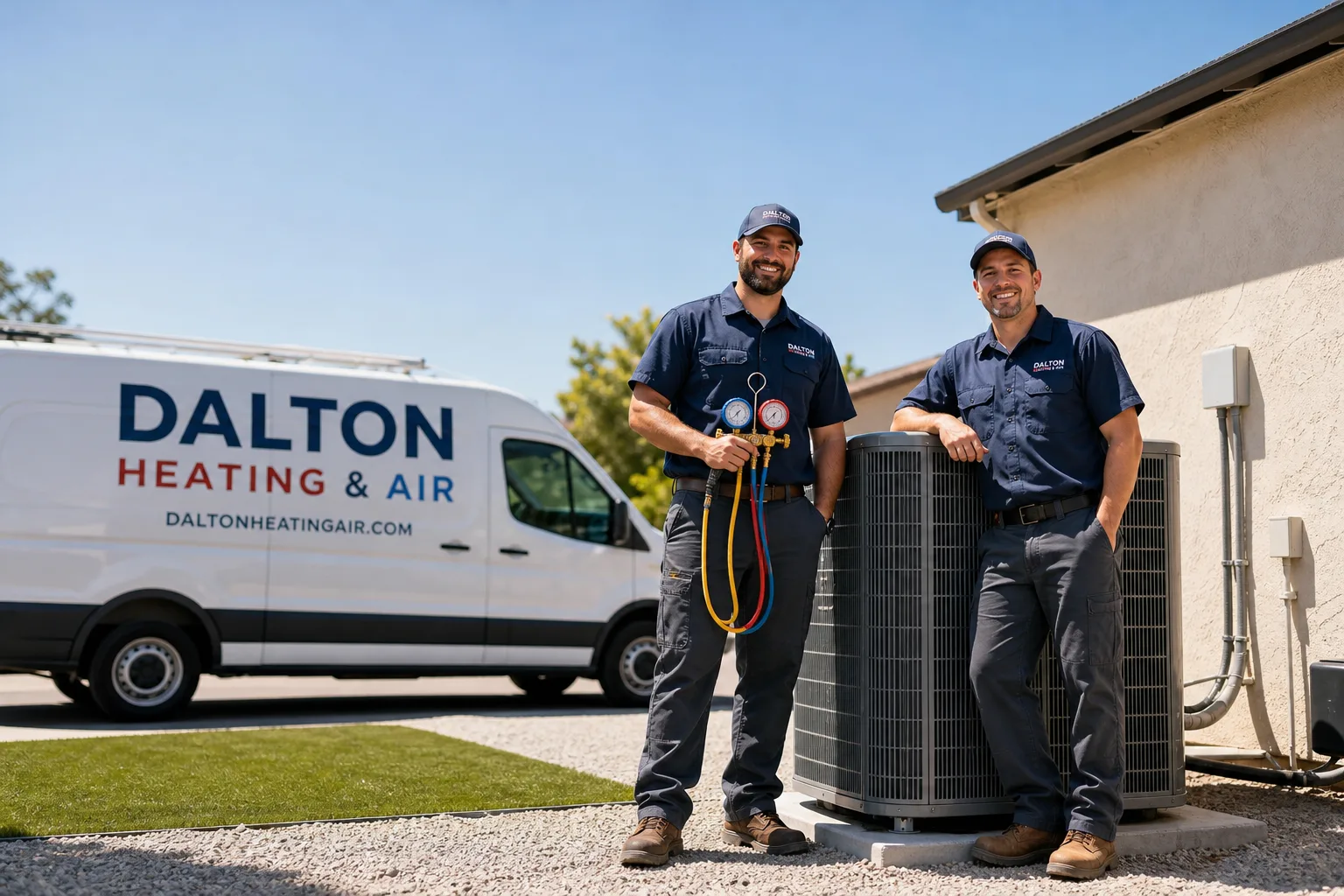
Seasonal tune-up and full diagnostic on your Carrier, Trane, or Goodman system - readings shown to you before any repair is proposed
Diagnosis first, numbers second - you approve the repair price before a single part goes in.
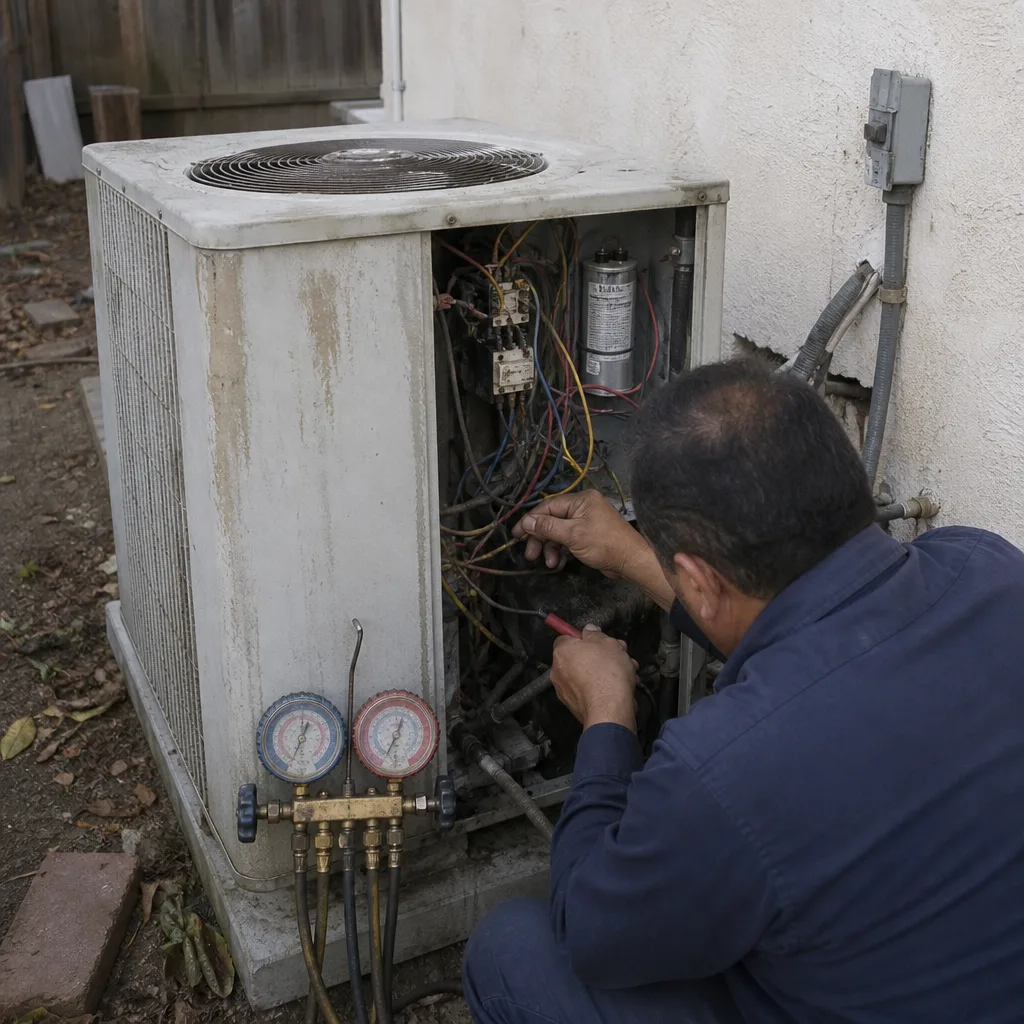 Before
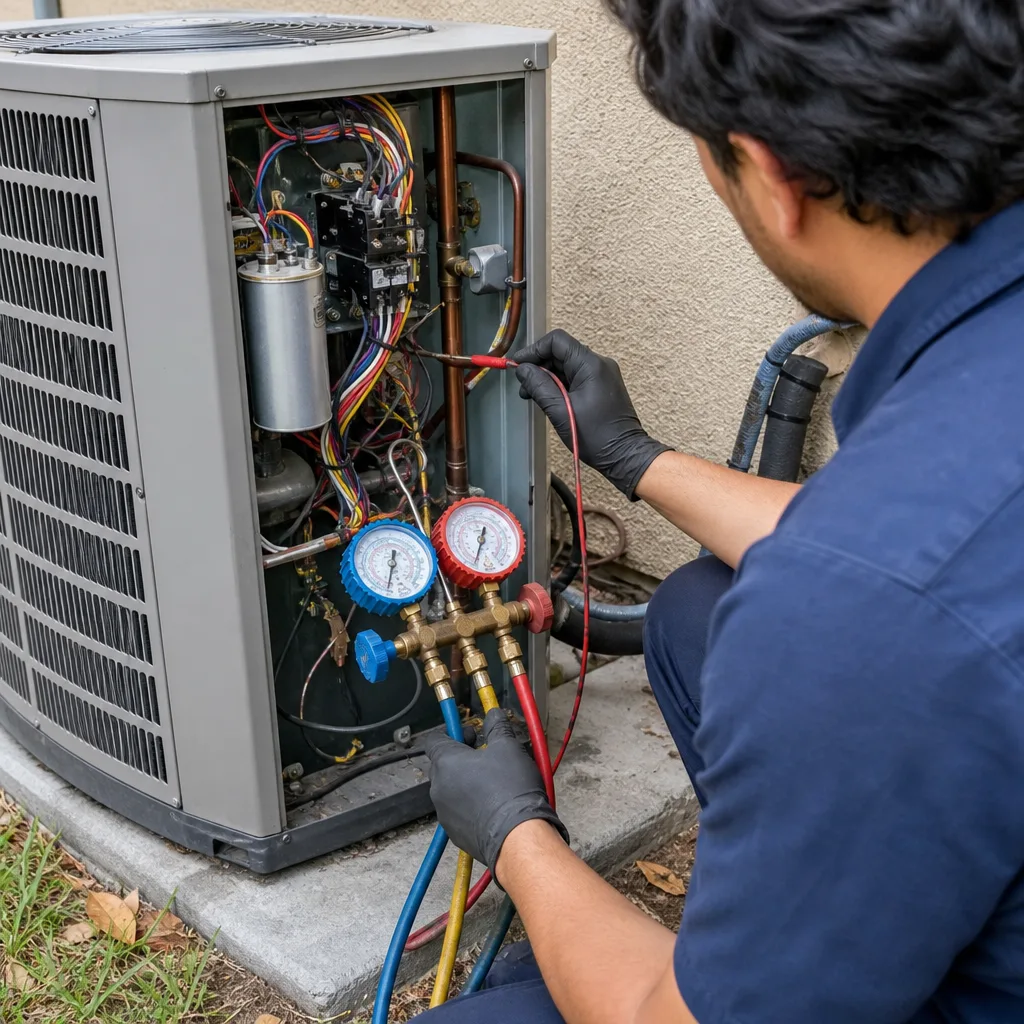 After
After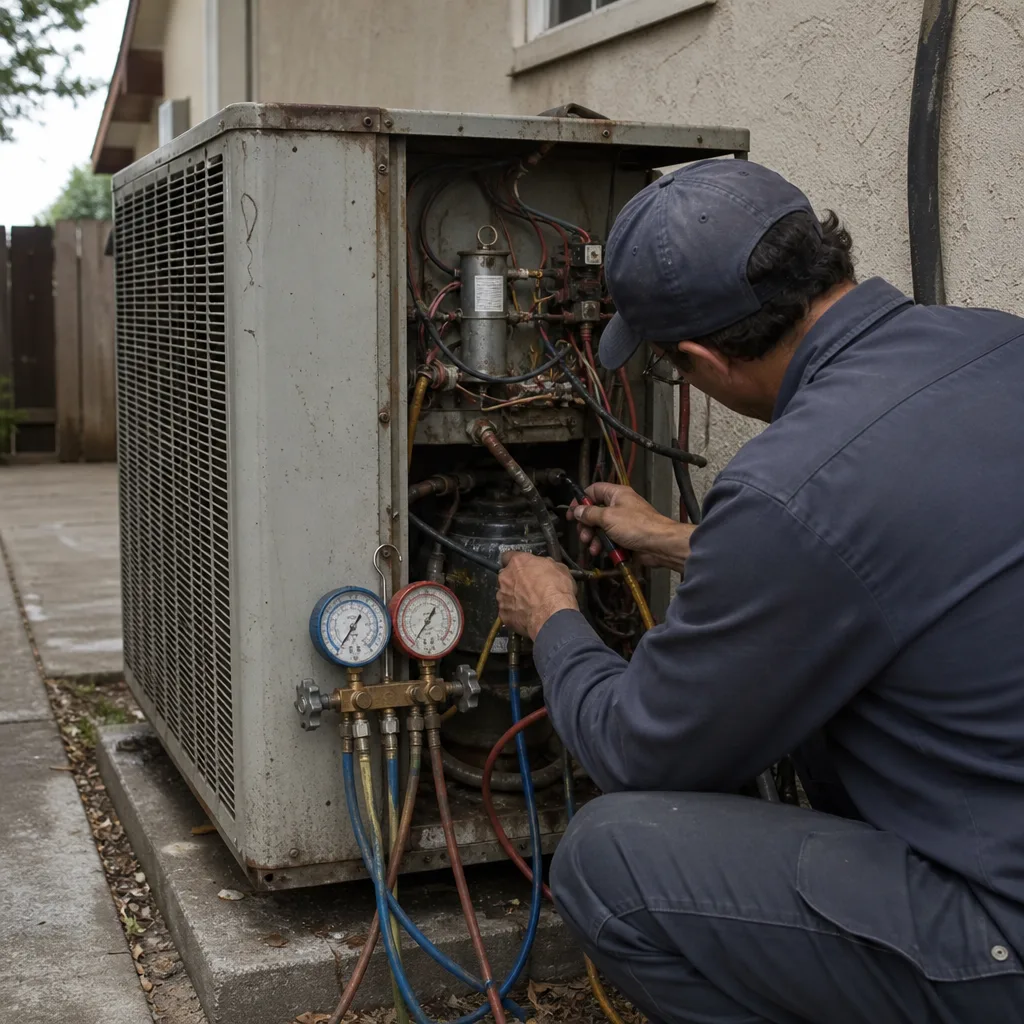 Before
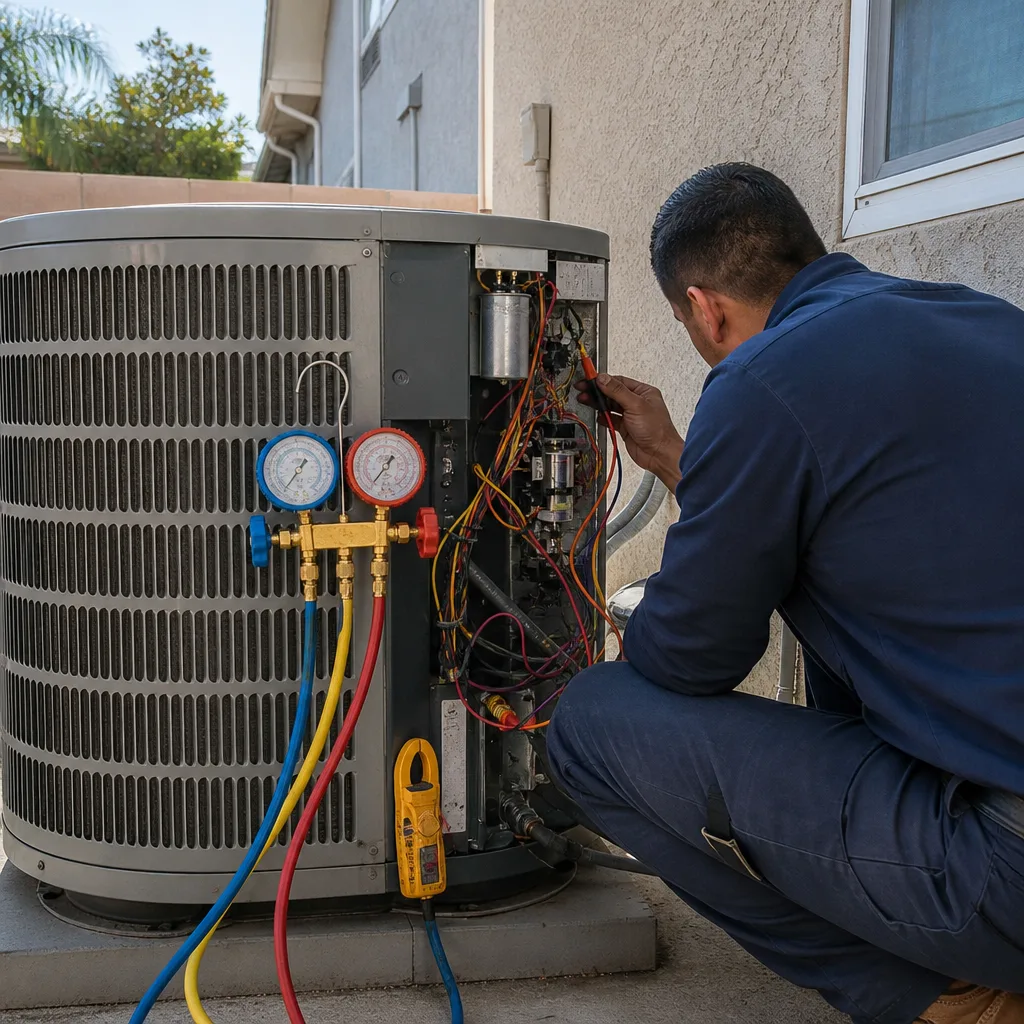 After
After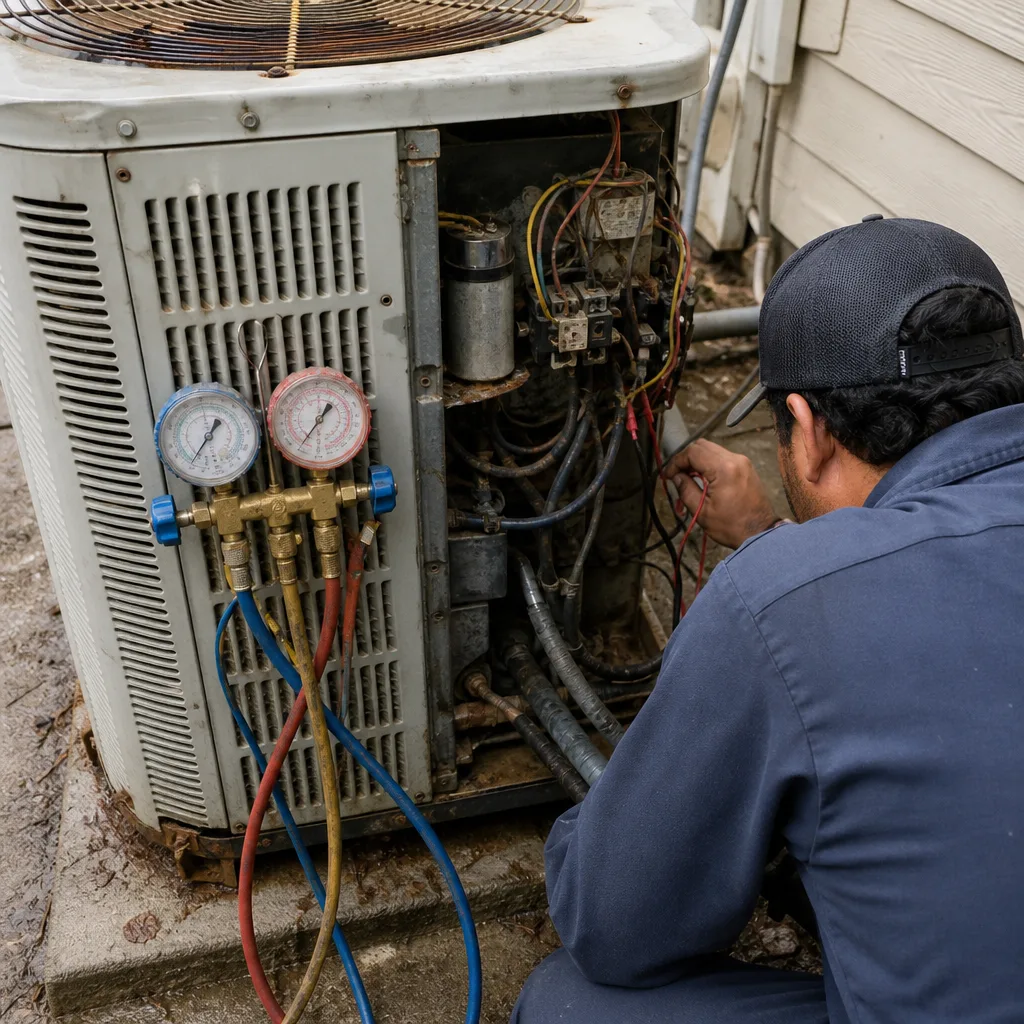 Before
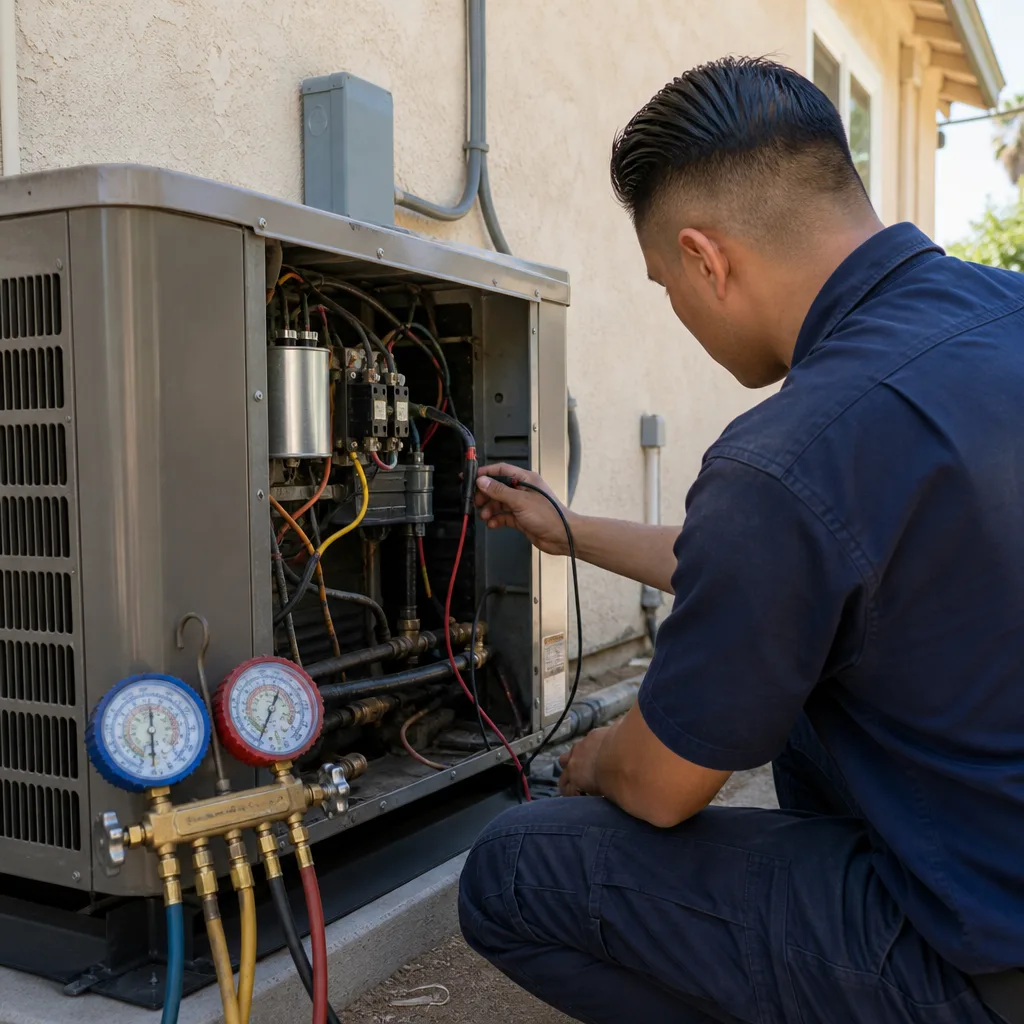 After
AfterHigh Energy Bills
A sudden jump in your energy bill almost always means your HVAC system is working harder than it should to move the same amount of air. The most common culprits are a dirty or failing component forcing the equipment to run longer cycles, a refrigerant problem reducing efficiency, or a furnace heat exchanger that’s degrading and wasting fuel. A technician can pinpoint which one in a single visit.
Most homeowners assume the utility company made a mistake, or that rates just went up. Sometimes that’s true. But when the bill climbs month over month and nothing about your usage changed, the system itself is usually the source. HVAC equipment that’s struggling draws more electricity or burns more gas to deliver the same heating or cooling – and that extra load shows up directly on your bill. The fix is almost always simpler than the bill makes it look.
Why It Happens
A Clogged or Collapsed Air Filter
This is the single most common cause, and it’s easy to miss. When the filter is packed with dust, your system has to work against restricted airflow on every cycle – longer run times, more energy, same result. Pull the filter out and hold it up to a light. If you can’t see light through it, that filter is choking the system. A standard 1-inch filter should be swapped every 30 to 90 days depending on how dusty your home runs.
Low Refrigerant (a Slow Leak)
Refrigerant is the fluid that actually moves heat – out of your home in summer, into it when you’re running a heat pump in winter. When there’s a leak, the system loses efficiency gradually, so the compressor runs longer and longer to hit the thermostat setting. You might notice the air coming out of the vents feels less cold than it used to, or the outdoor unit runs almost constantly. That’s the system compensating. It won’t fix itself, and refrigerant work requires a licensed technician – don’t attempt to add refrigerant yourself.
A Dirty Evaporator or Condenser Coil
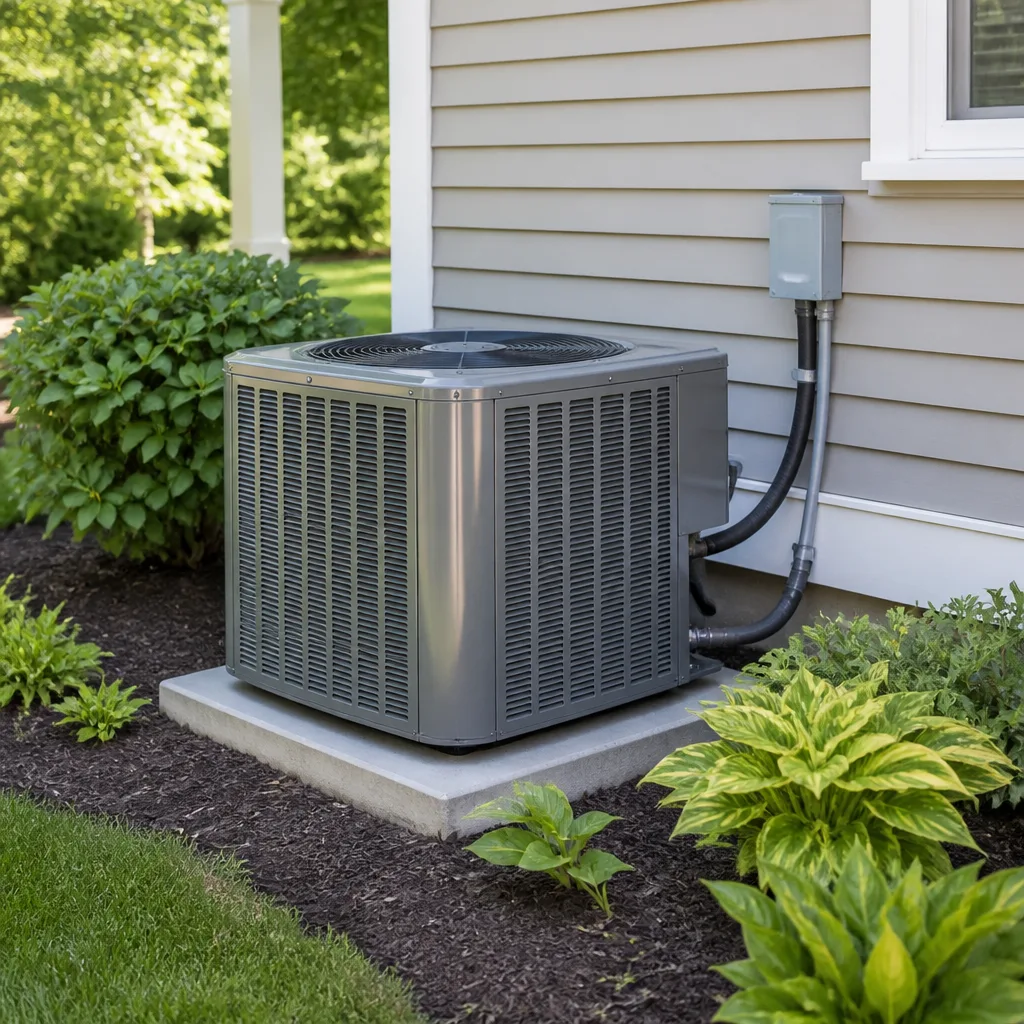
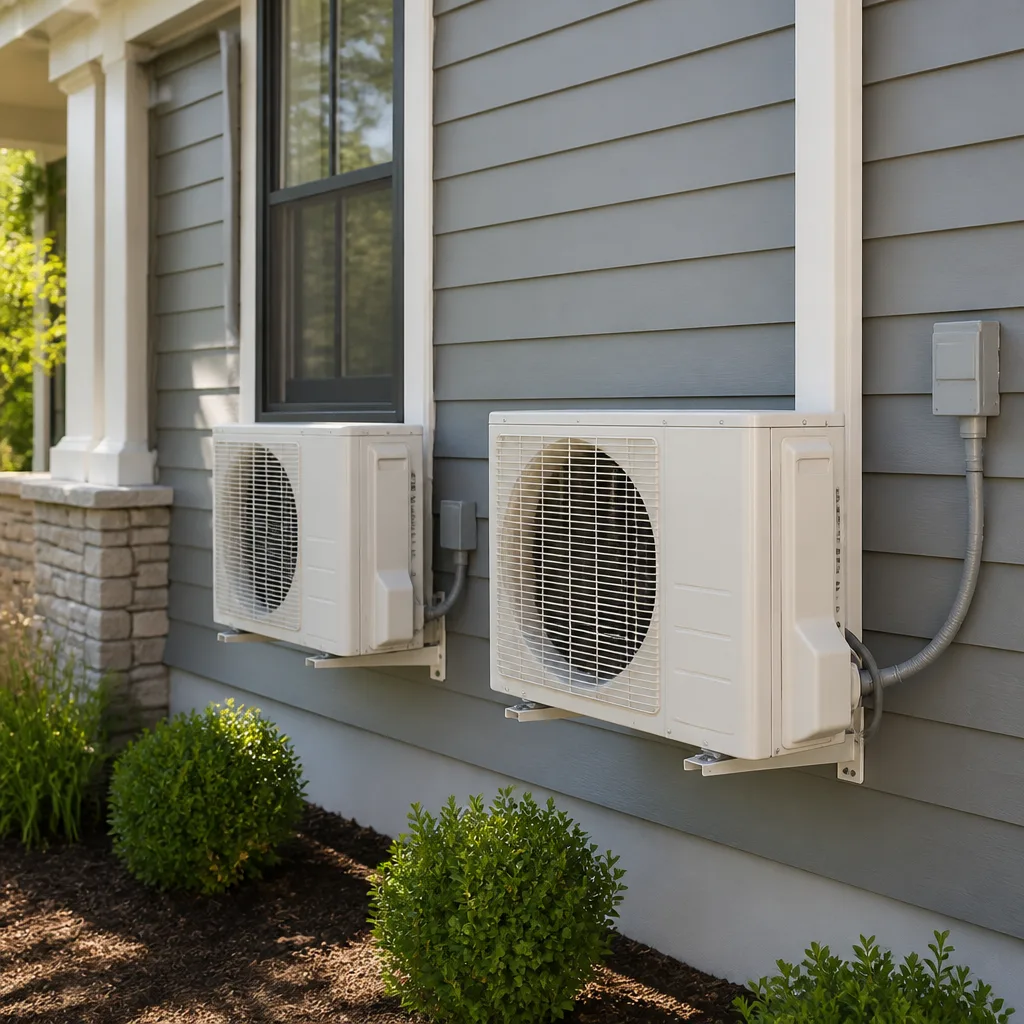
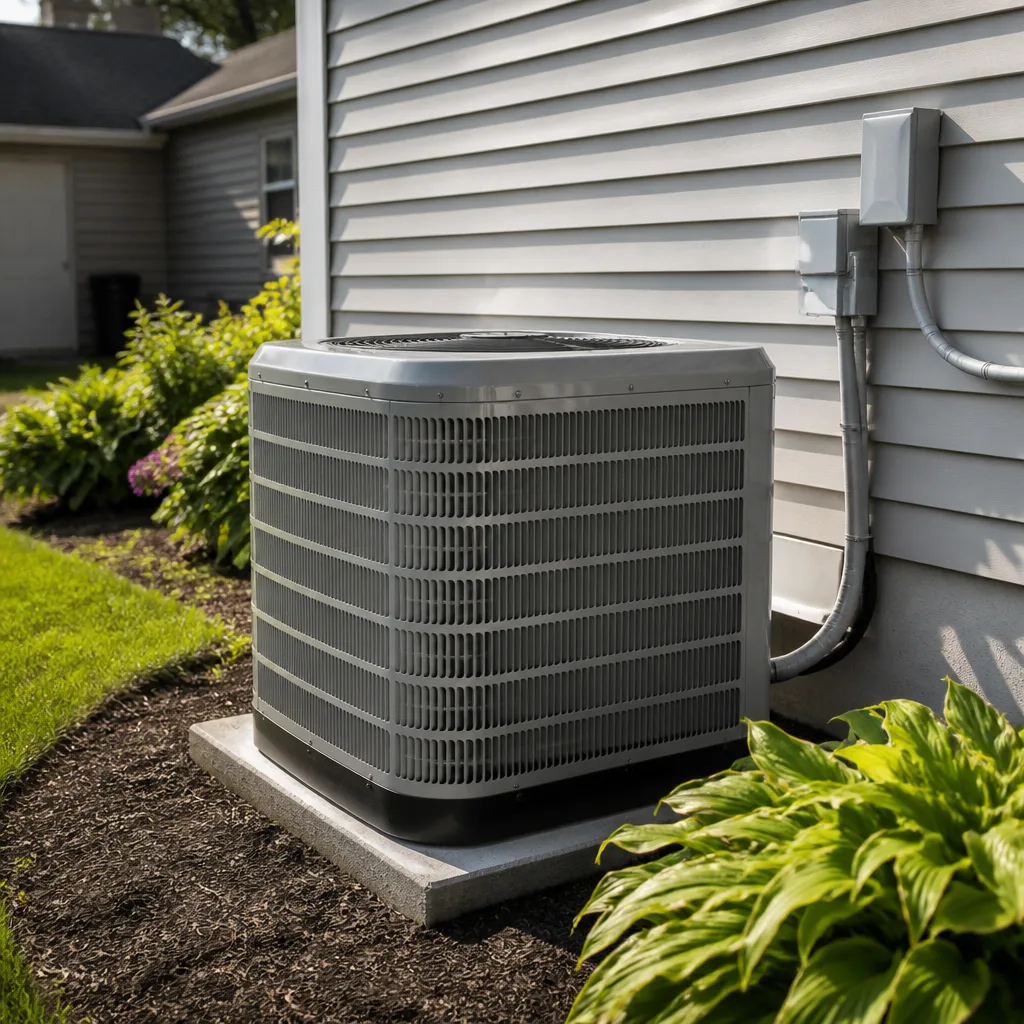
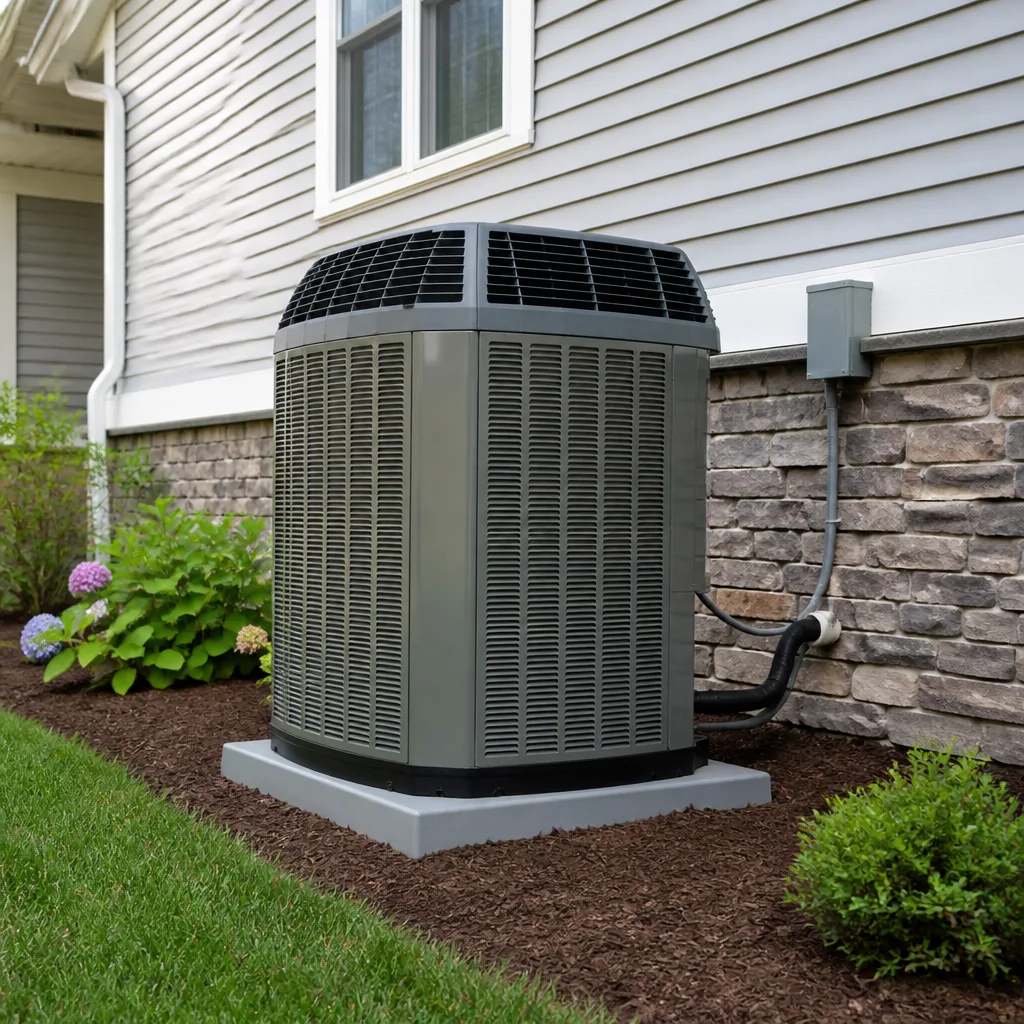
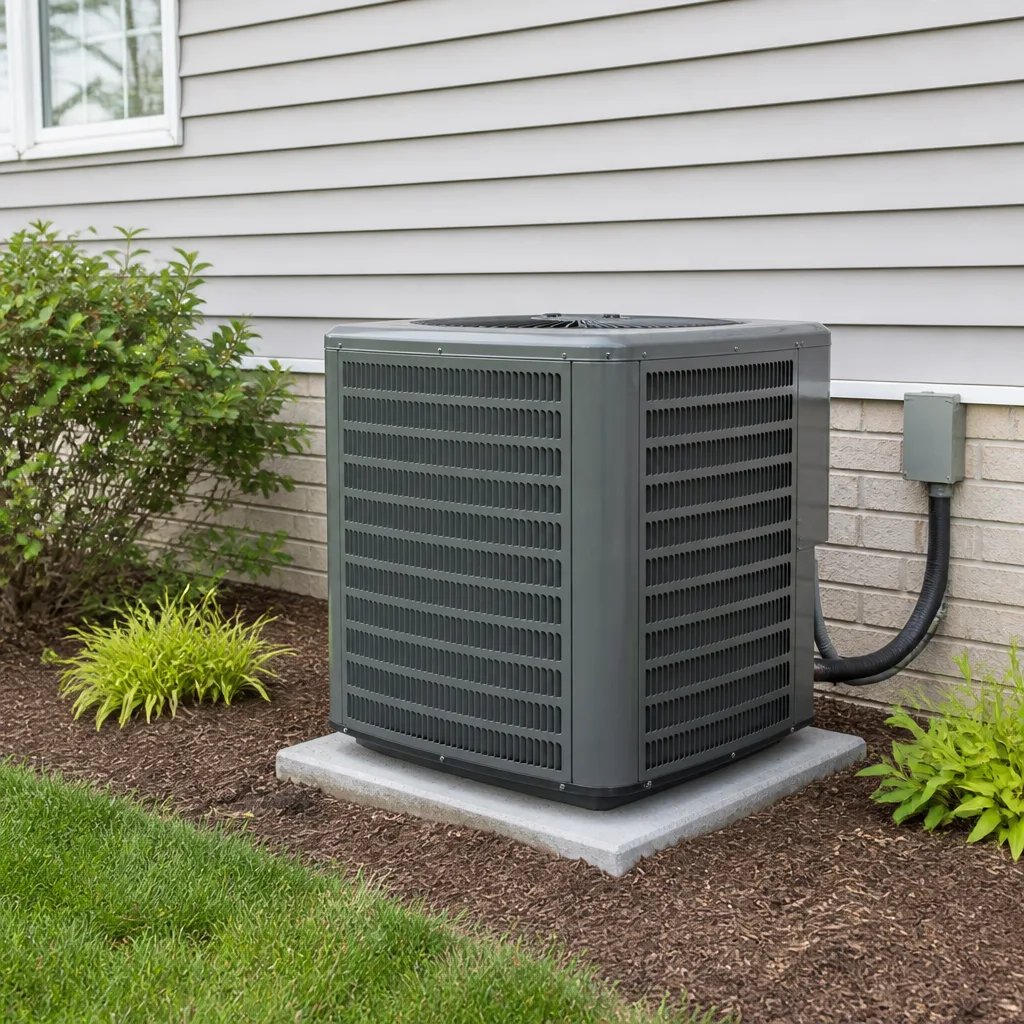
The evaporator coil sits inside your air handler; the condenser coil is inside the outdoor unit. Both transfer heat, and both accumulate grime over time. A coated coil can’t exchange heat efficiently, so the system burns more energy trying to reach temperature. You can look at the outdoor unit and see obvious debris – grass clippings, cottonwood, leaves packed against the fins. Inside coil fouling isn’t visible without removing panels, but steady efficiency loss over a season is a reliable sign.
A Furnace That’s Losing Combustion Efficiency
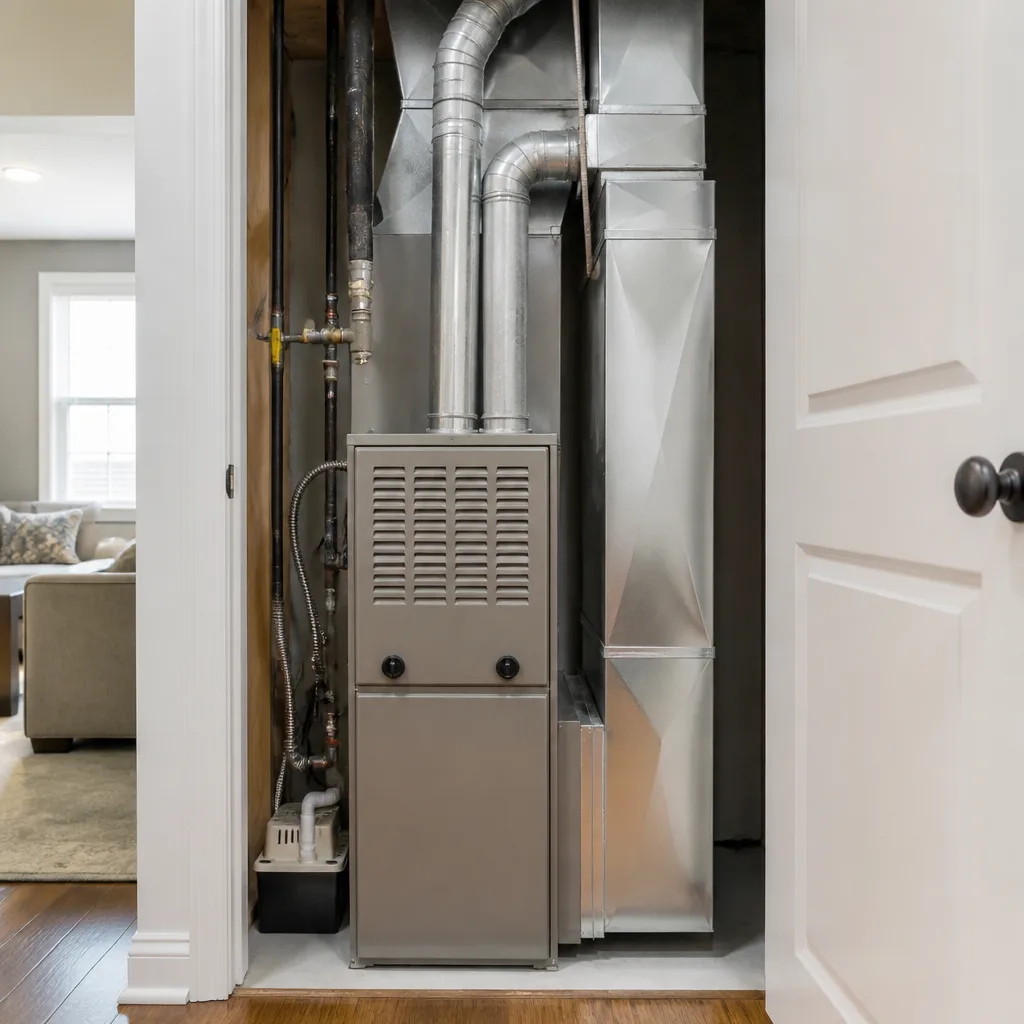
Gas furnaces have a heat exchanger – a metal chamber where combustion gases transfer warmth to your home’s air without mixing with it. As the exchanger ages or develops cracks, combustion becomes less complete and efficiency drops. You might notice the furnace cycling on and off more than it used to, or a faint smell near the unit when it’s running. A cracked heat exchanger is also a carbon monoxide risk, so if you suspect a problem, stop running the furnace and call a technician. This is not a DIY inspection.
What to Do Right Now
- Check and replace the air filter. Find your air handler or furnace (usually in a closet, basement, attic, or utility room), locate the filter slot, and pull the filter. If it’s gray and dense, replace it before anything else. Note the size printed on the frame so you get the right one.
- Look at your thermostat settings. Make sure nobody adjusted the schedule or switched from “Auto” to “On” – running the fan continuously will inflate your bill without heating or cooling anything more effectively.
- Clear the area around the outdoor unit. Remove any debris, overgrown plants, or stored items within two feet of the unit. Don’t spray it with a hose, and don’t remove any panels or attempt to clean the coil yourself – the fins are razor-sharp and the capacitor inside holds a charge even when the unit is off. That component can cause serious injury.
- Take a photo of your utility bills. Pull up the last three to six months and note when the spike started. A technician will ask, and a date range helps narrow the cause immediately.
- If you smell gas or suspect a cracked heat exchanger, shut the system off at the thermostat and call. Don’t run the furnace until a technician has inspected it. This is a health risk, not a wait-and-see situation.
How We Fix It
When your local Dalton Heating & Air technician arrives, the first thing they do is a full system check – airflow measurements, refrigerant pressure readings, coil condition, thermostat calibration, and a visual inspection of the heat exchanger if you have a gas furnace. That takes about 45 minutes on a standard residential system. By the end, they know exactly what’s driving the high bill and can show you what they found.
From there, you get a written price before any work starts. That’s not a policy we sometimes apply – it’s The Garrison Standard on every job, without exception. No number changes at the door.
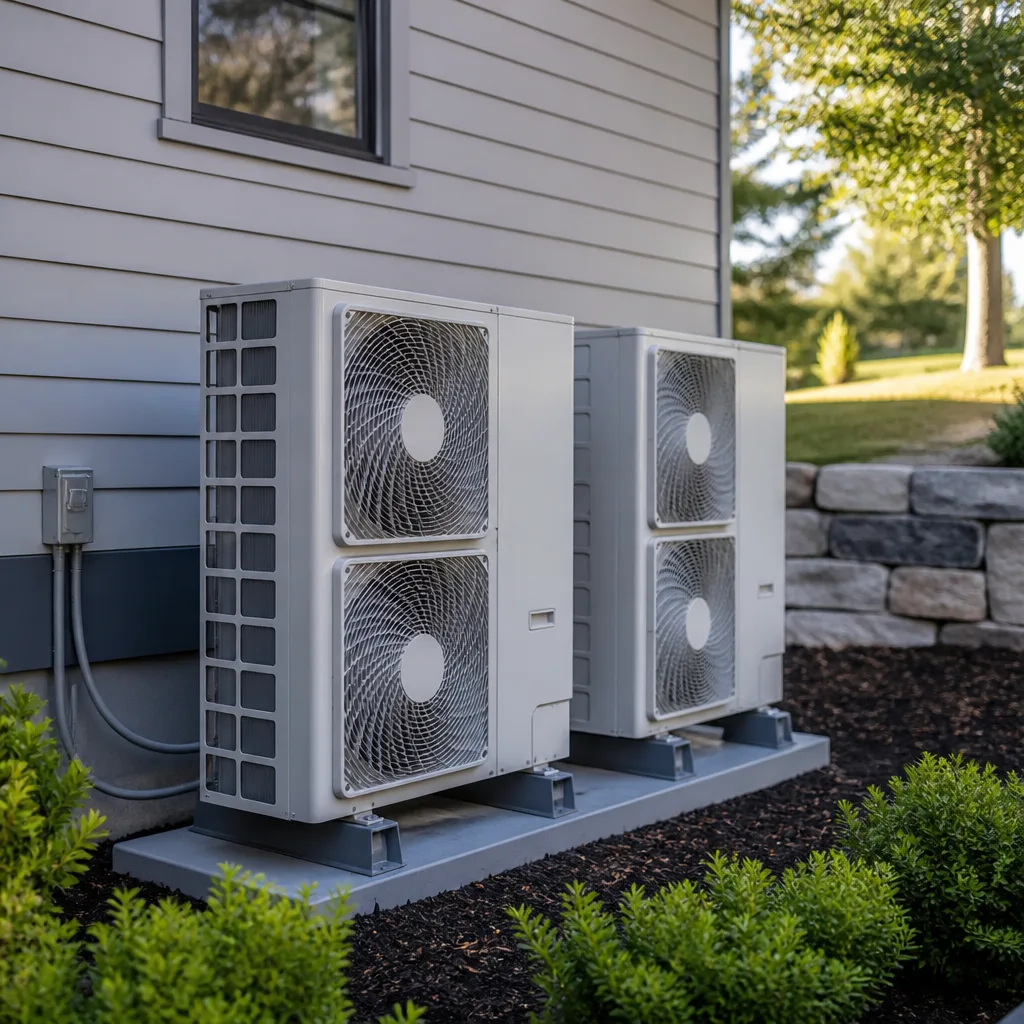
Depending on what the inspection turns up, the most common fixes are AC repair (coil cleaning, refrigerant leak repair, capacitor or contactor replacement) or furnace repair (heat exchanger assessment, ignitor replacement, gas valve service). If you’re running a heat pump, that falls under AC repair. Most single-component repairs are completed the same day. The work is covered in writing for a full year under the 365-Day Done Right Promise – if it doesn’t hold, we come back at no charge.
Frequently Asked Questions
It depends on what’s causing them. A dirty filter or a mildly fouled coil won’t get worse overnight, but a refrigerant leak will – and the longer the system runs short on refrigerant, the more strain it puts on the compressor, which is the most expensive part in the system. A cracked heat exchanger is urgent and not safe to wait on. If you’re not sure which situation you’re in, call (361) 306-9515 and describe what you’re seeing – a live person answers around the clock.
Your local Dalton Heating & Air team schedules calls for same-day or next-day service in most cases. Calls are answered by a real person 24 hours a day, 7 days a week – no voicemail, no callback queue. Call (361) 306-9515 and we’ll tell you the first available window in your area.
You’ll have a written price in hand before anyone touches the system. That’s not an estimate that adjusts after the fact – it’s the number, in writing, that the job gets done at. If the scope changes for any reason, we stop and show you the new number before continuing. No surprises at the end.
Sometimes, but not as often as you might expect. A high energy bill by itself isn’t evidence that the system is at end of life – it usually means something specific has worn out and can be fixed. If the inspection turns up a situation where repair doesn’t make economic sense, your technician will explain exactly why and what the alternative looks like. That conversation comes with the free written estimate, so you have the information you need to decide without any pressure.
Get It Fixed
Call (361) 306-9515 – a real person picks up, day or night. Your local Dalton Heating & Air team will schedule a visit, diagnose what’s driving the high bill, and put the repair price in writing before any work starts. No surprises. Covered for a full year.
Written by Marco Benitez, Owner & Lead HVAC Technician, Dalton Heating & Air, a Garrison Partners company in operation since 2003.
What Our Customers Say
"Blower motor died on the coldest night. They had the part on the truck and had us warm again the same day."
- Sandy G."Changed the filter size and added a better filter rack. Simple and useful advice."
- Rhonda C."Honest, direct people. Told me what the furnace needed and nothing more, and the bill matched."
- Eliza S.