
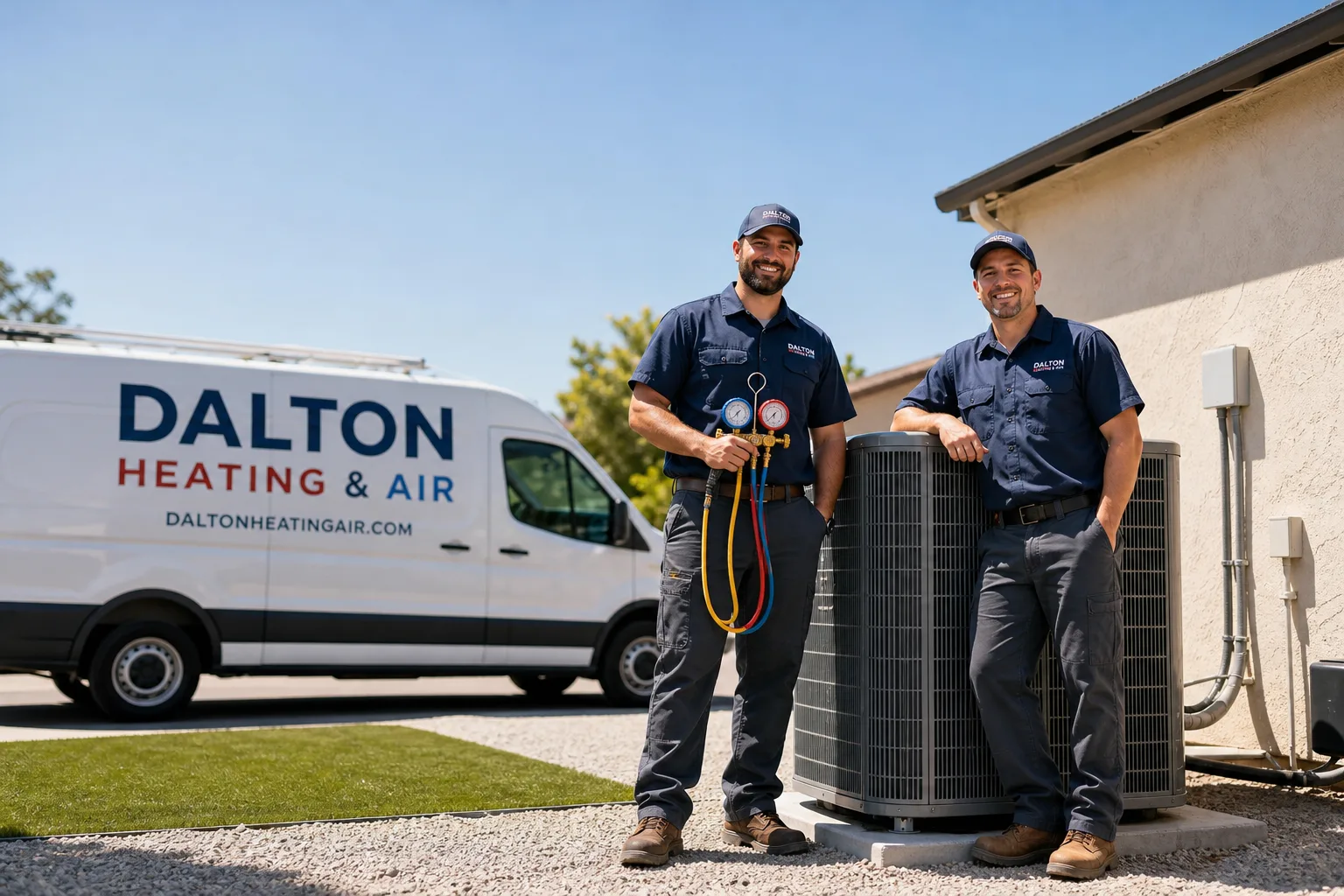
Seasonal tune-up and full diagnostic on your Carrier, Trane, or Goodman system - readings shown to you before any repair is proposed
Diagnosis first, numbers second - you approve the repair price before a single part goes in.
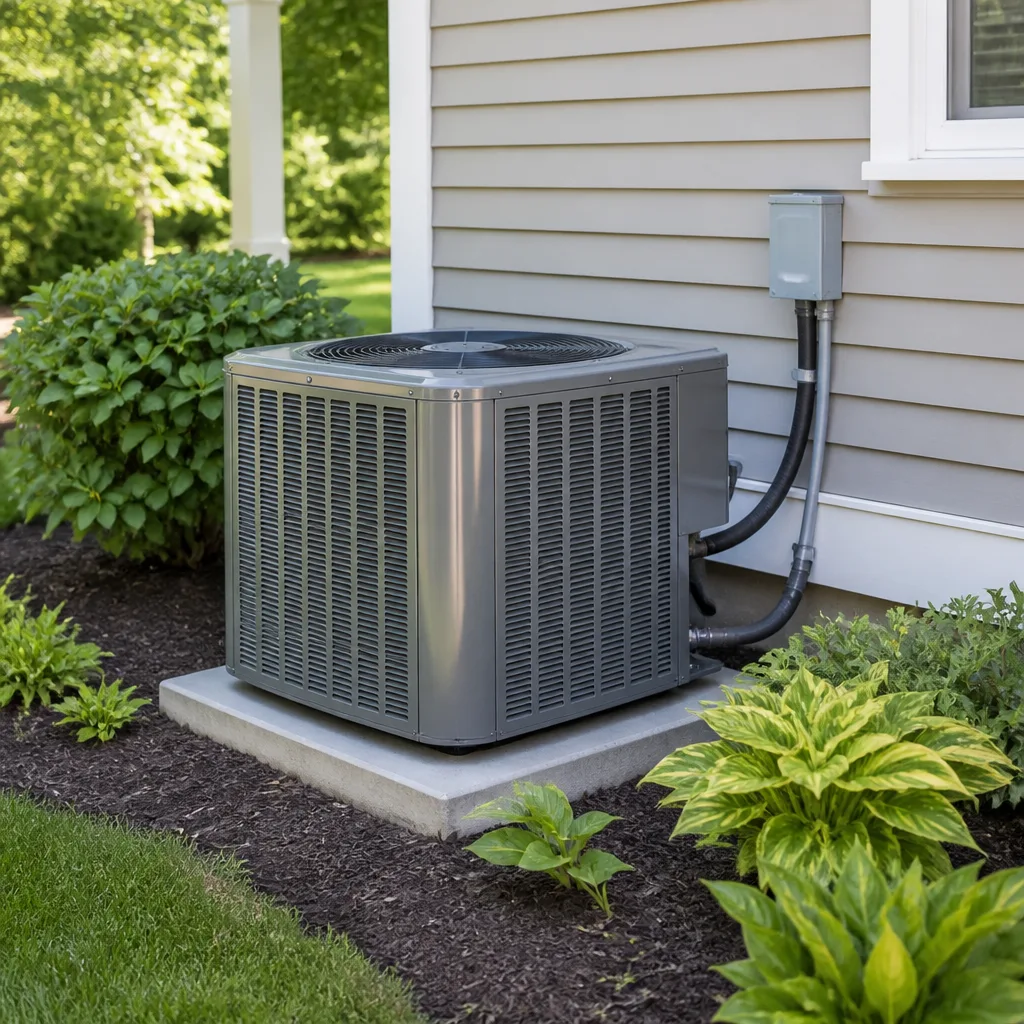
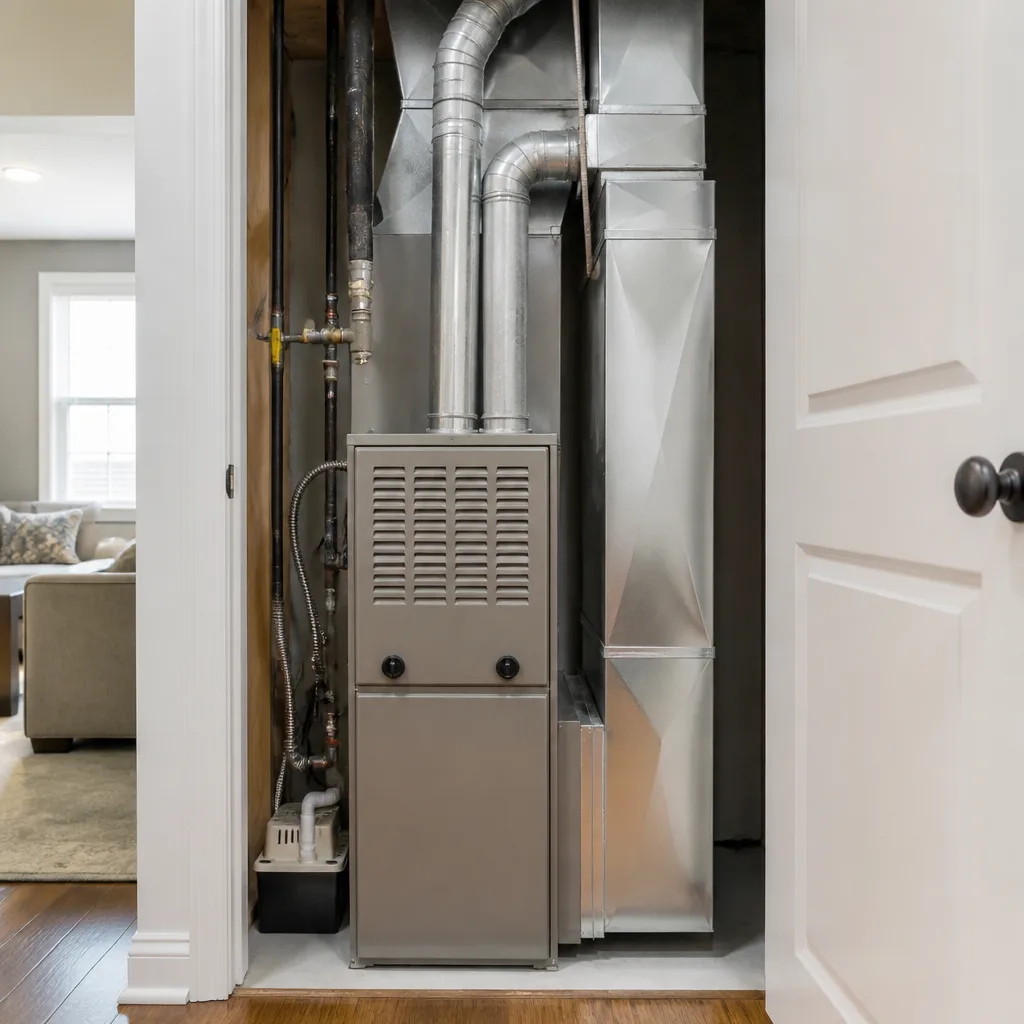
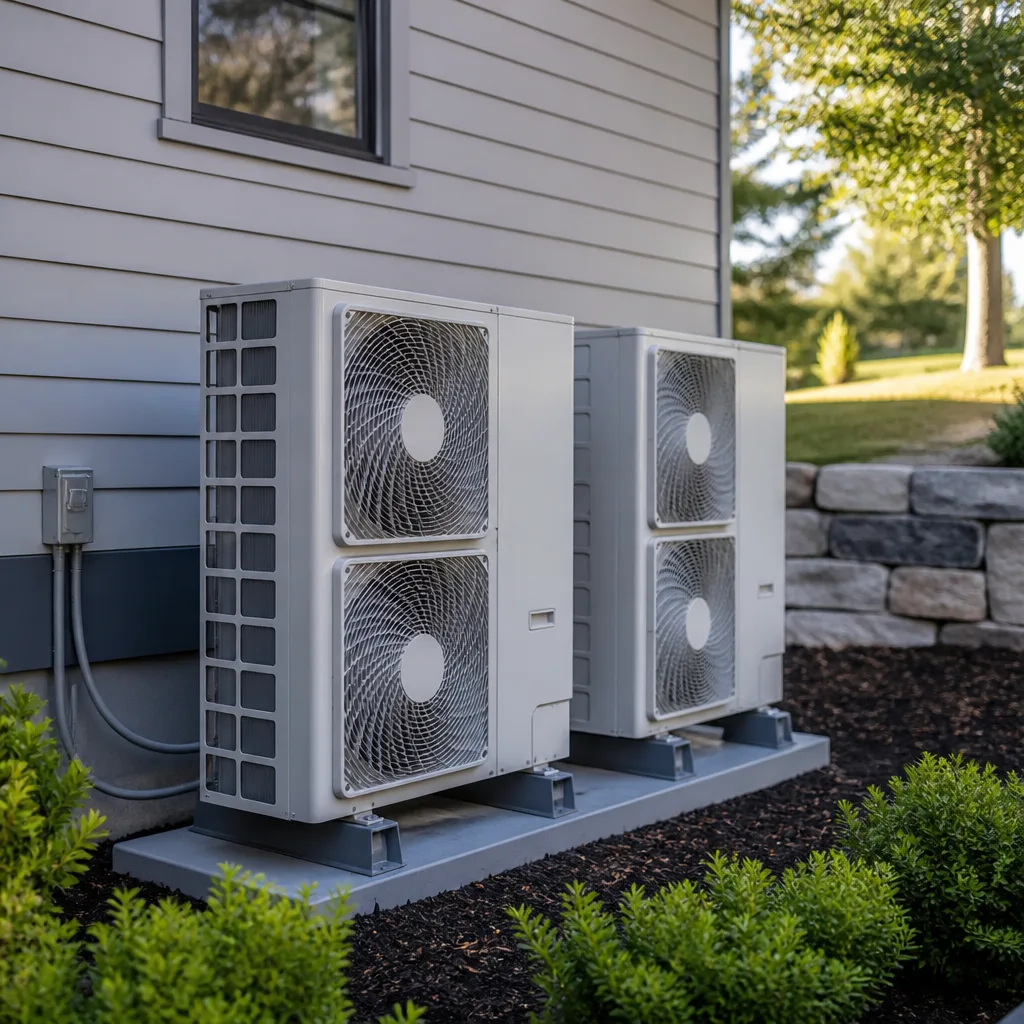
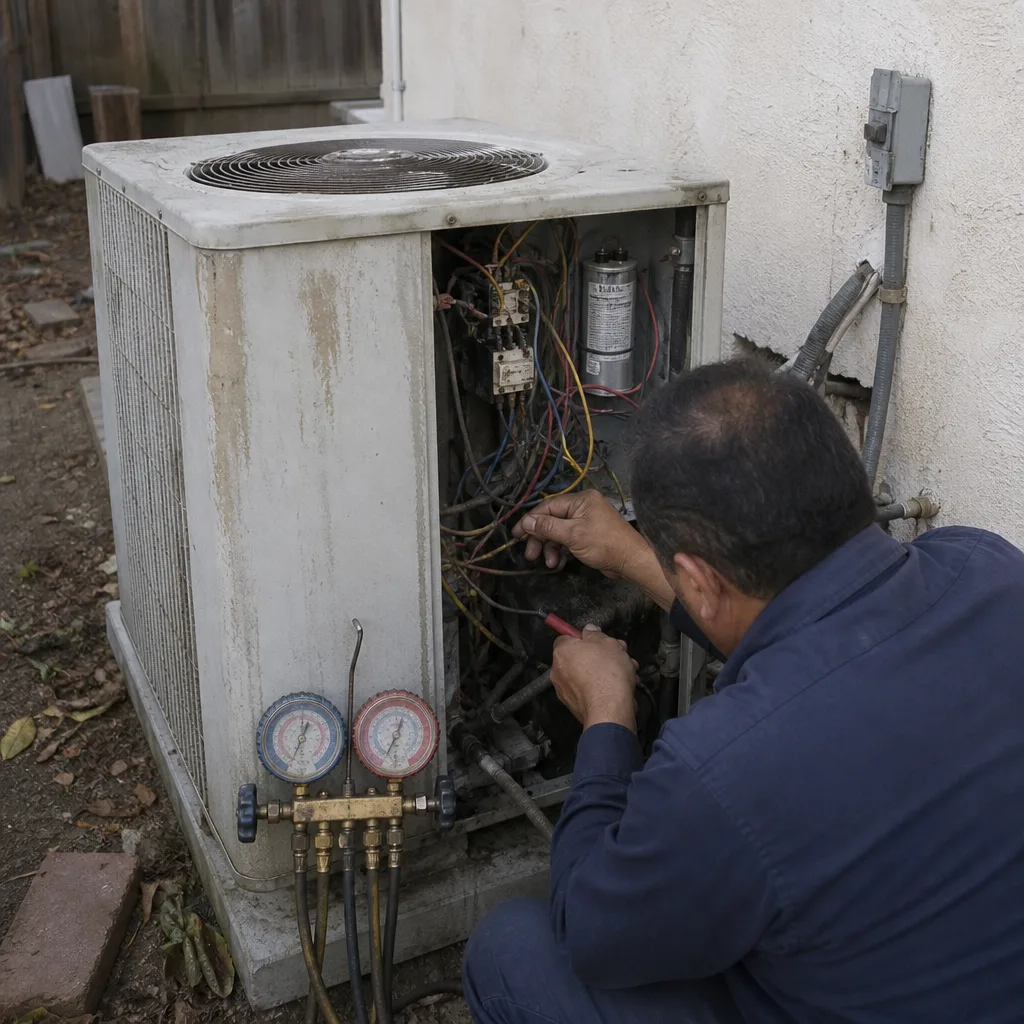 Before
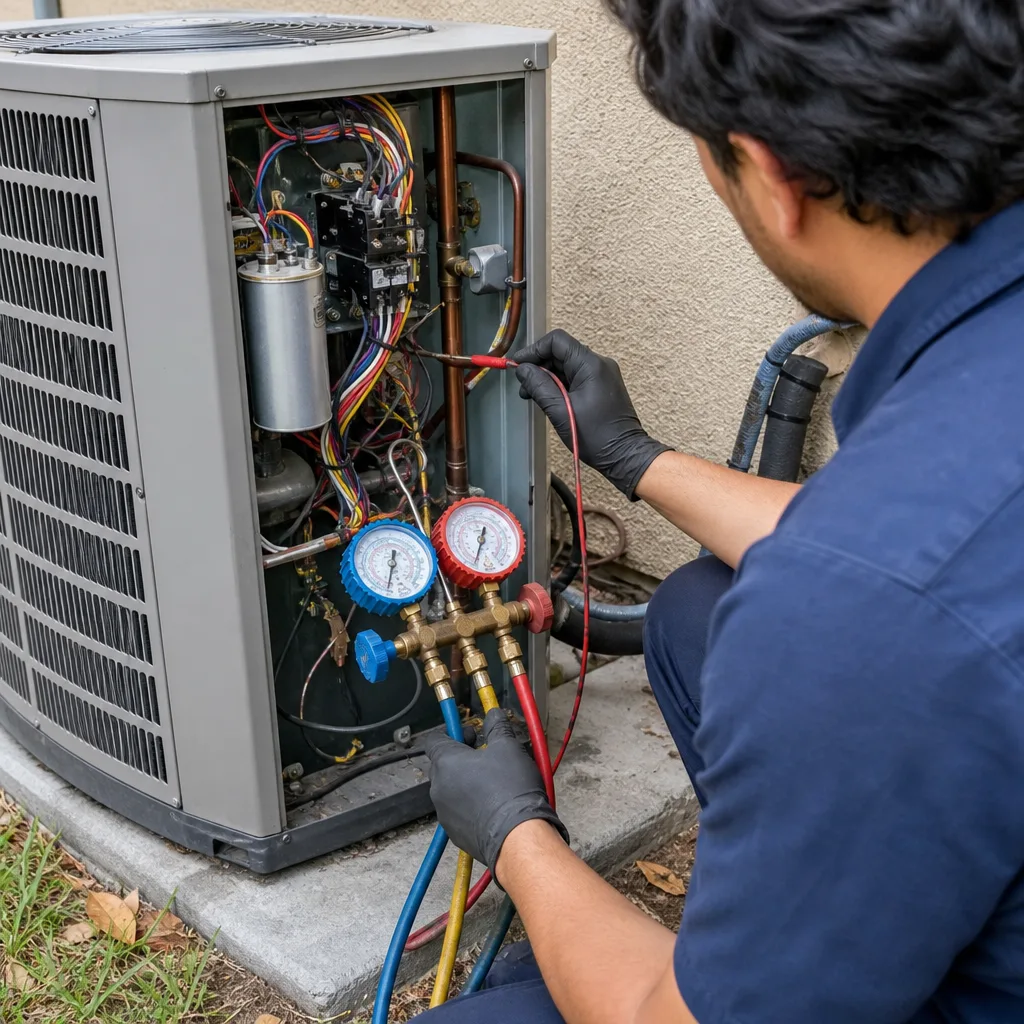 After
After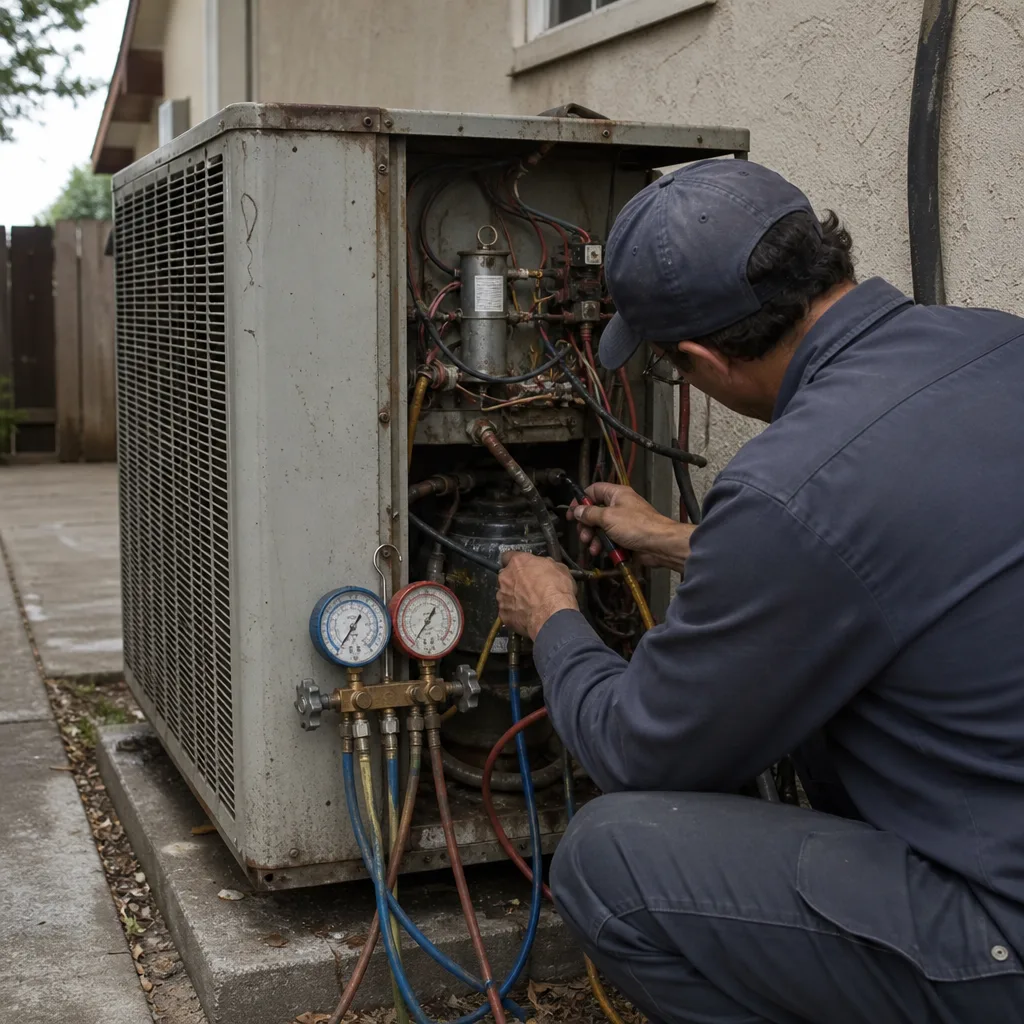 Before
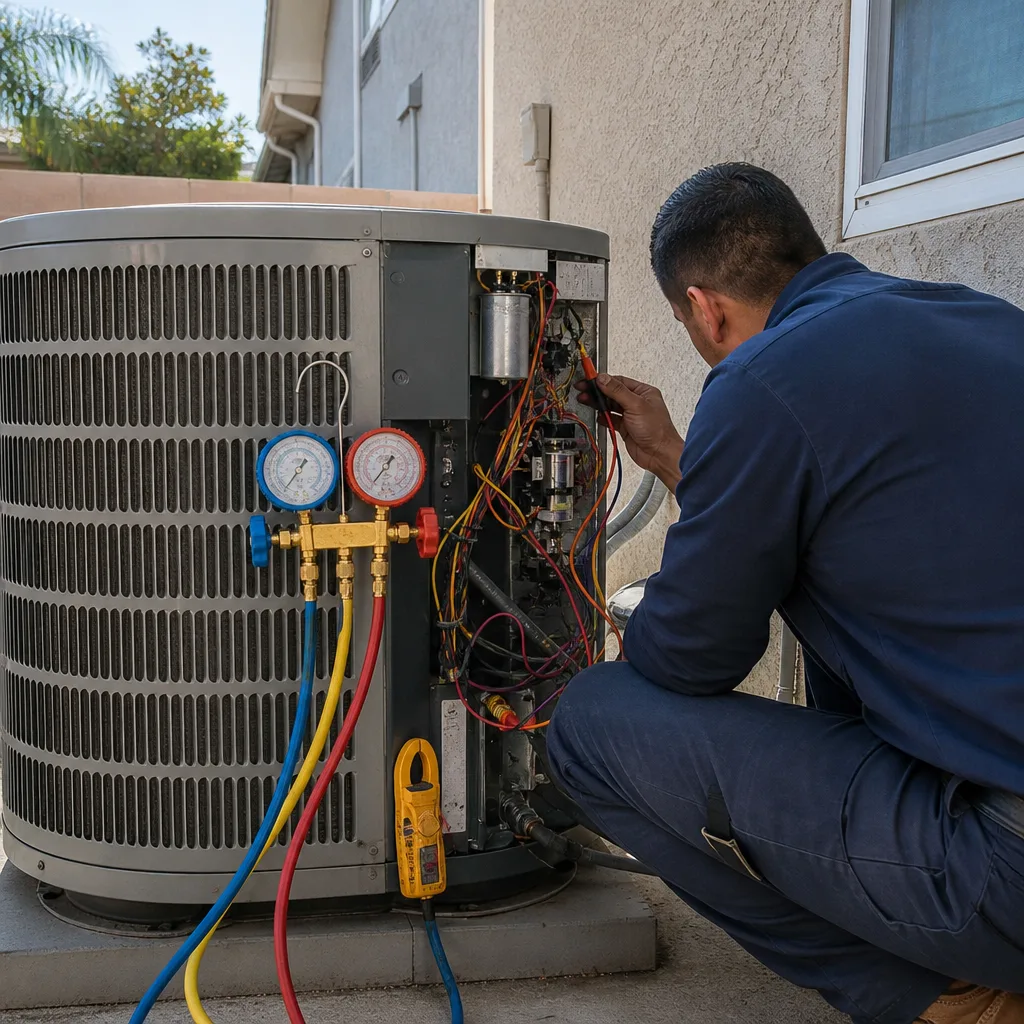 After
After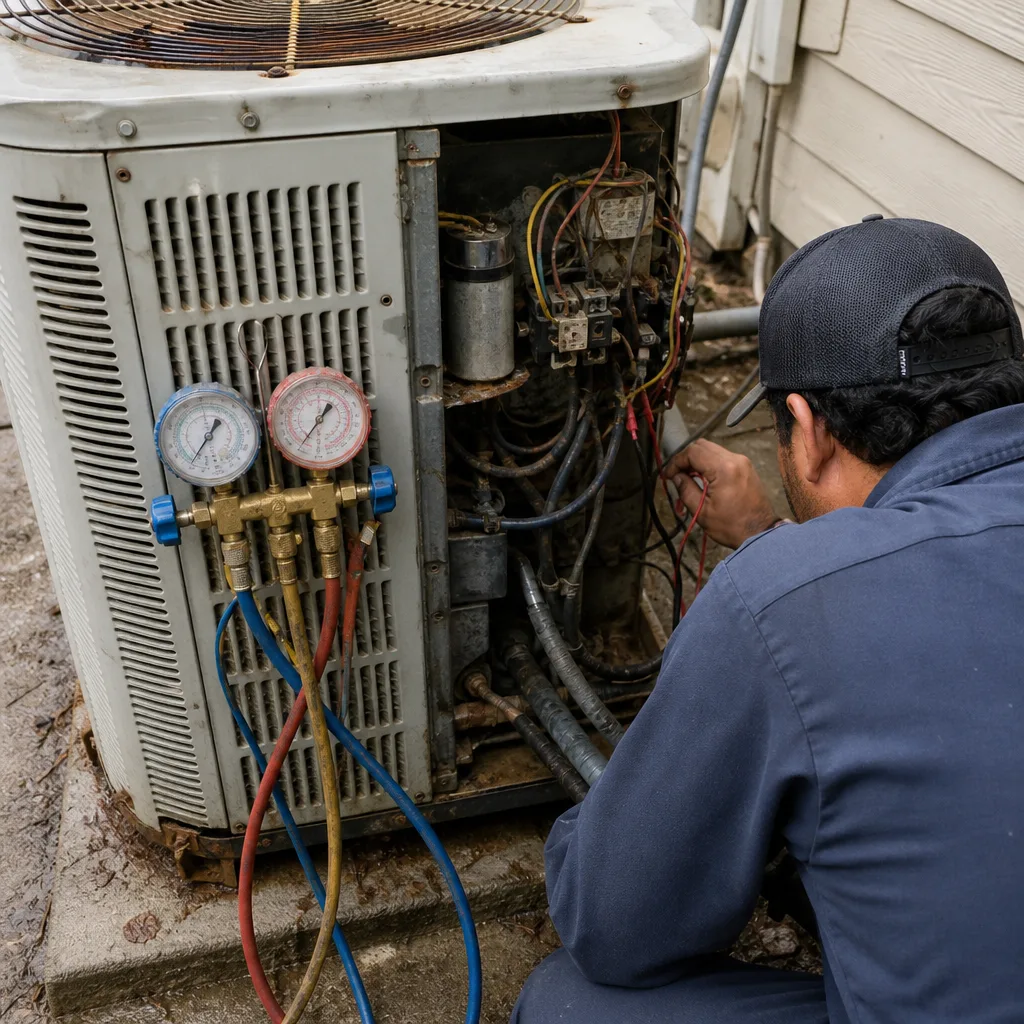 Before
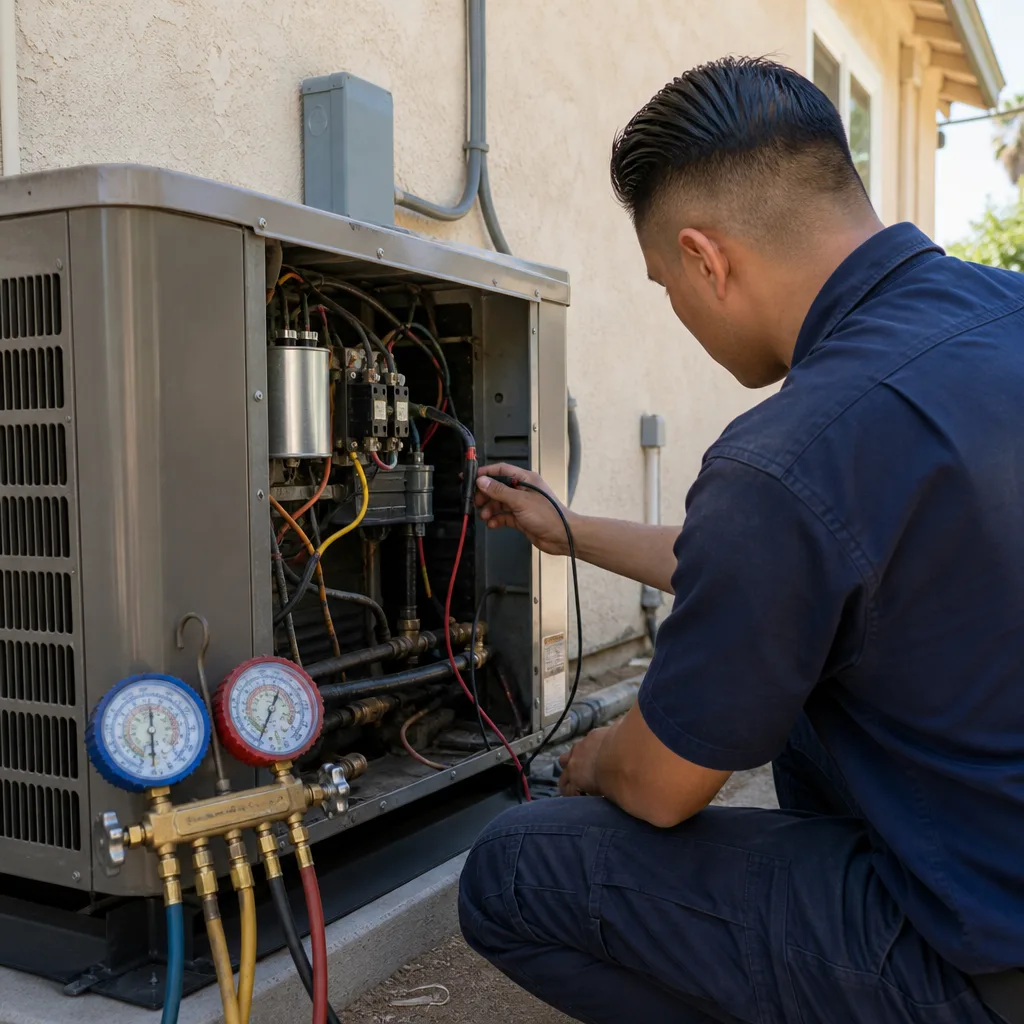 After
AfterFast, Reliable Heat Pump Installation Across New York City
Most New York City heat pump installations run between $4,130 and $8,850 depending on the equipment, the number of zones, and what we find inside the walls. That’s the honest range, and you’ll get the exact figure in writing before we order a single part. We install and service heat pumps in every borough, from brownstone Brooklyn to pre-war Manhattan co-ops, and we schedule around the doorman, the super, and the co-op board’s window rules. Call (361) 306-9515 and you’ll talk to a real person who knows the difference between a steam riser and a chase wall.
Why Dalton Heating & Air Is New York City’s Preferred Heat Pump Installation Company
New York City is not one market. It’s four boroughs of pre-war co-ops, new glass condos, brownstones with party walls, and corner lots in Queens where the neighbor’s ductwork runs six inches from yours. We’ve worked all of it. Our crews have installed ductless mini splits in apartments on West 72nd Street where the steam riser dictated the line-set path, and we’ve done full heat pump retrofits in Staten Island single-families where the old oil tank was still in the basement. The one thing every job has in common is the standard we operate under.
Marco Benitez runs the Dalton Heating & Air team here, and every job he sends a crew to follows The Garrison Standard. That means the price is in writing before work starts. The repair or installation carries a written guarantee for a full year. If the work fails in that time, we return at no charge. No fine print, no callback window, no “that part isn’t covered.” Our New York City customers call us because they’re done with prices that shift at the door and crews who leave the site looking worse than they found it. We show up inside the window, background-checked and uniformed, and we leave the job clean enough that the co-op board won’t have anything to say about it.
Mini Split Installation in New York City
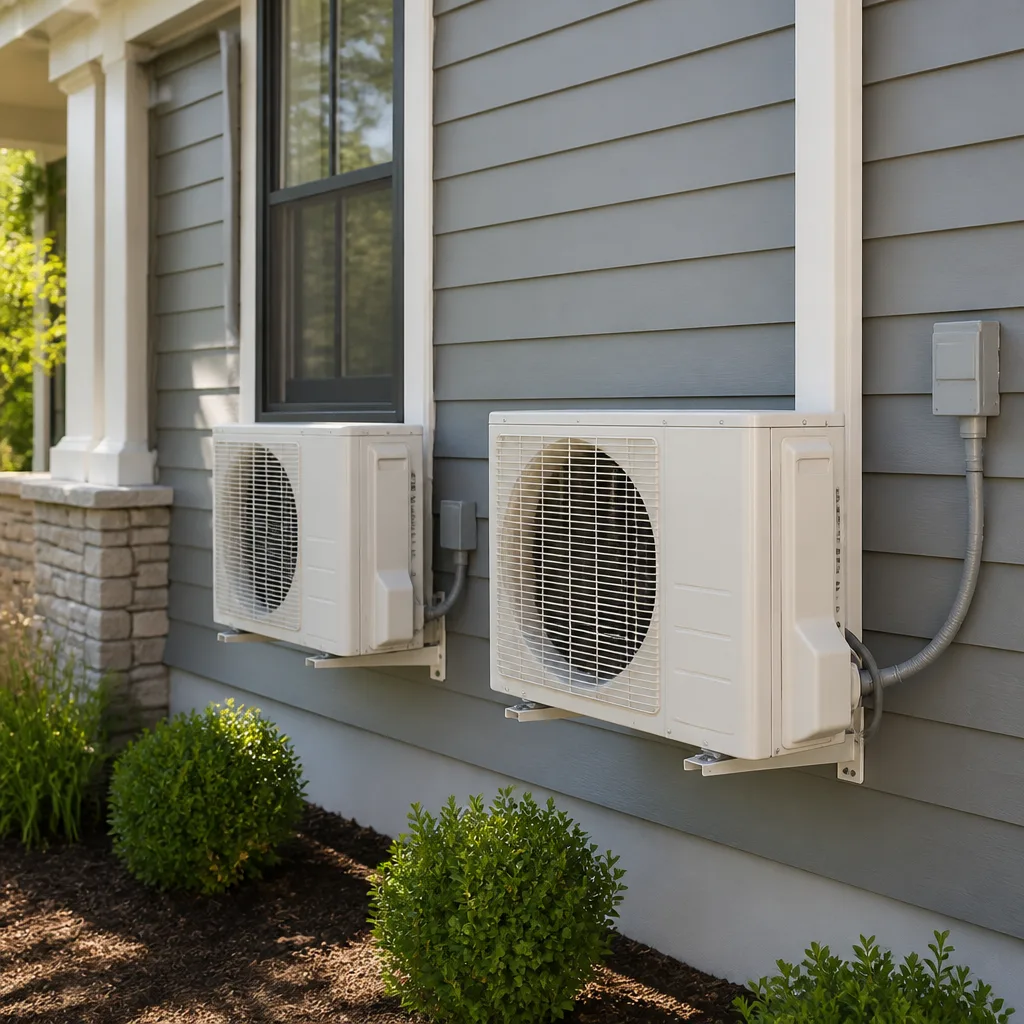
Mini Split Installation in New York City is the answer when your building has no ductwork, your co-op won’t approve a full retrofit, or you’re cooling a single room that never reaches set temperature. A ductless mini split uses a small outdoor condenser connected to one or more indoor units by refrigerant lines, which means no ducts, no window units, and no through-wall sleeves. In New York City, that matters because most pre-war buildings were never designed for central air. You work with what’s there: window-only venting, steam risers you cannot move, and walls thick enough that a simple tonnage-from-square-footage calculation will get it wrong every time.
A proper mini split installation here starts with a room-by-room load calculation, not a square footage guess. We measure window loss, account for steam-riser heat gain, and check the actual wall thickness before we recommend equipment. Then we find a line-set path that doesn’t fight the building. We’ve run lines through party-wall soffits, behind crown molding, and along baseboard channels in pre-war co-ops where drilling through a structural wall wasn’t an option. The result is an apartment that cools and heats quietly without wrecking the plasterwork.
What a Proper Installation Costs
Mini split installation in New York City runs $4,130 to $8,850 depending on the number of zones, ceiling cassettes versus wall-mounted units, and the complexity of the line-set run. A single-zone wall unit in a Manhattan studio sits at the lower end. A three-zone system with ceiling cassettes in a pre-war co-op on the Upper West Side sits at the higher end. The quote you get is the price you pay, written down, before equipment is ordered.
When New York City Homeowners Need This
You need it when the window ACs come out in November and you’re paying Con Ed to run space heaters all winter. You need it when one room gets direct afternoon sun and never cools below 78 even with the window unit on full. And you need it when the co-op board finally approves split systems but only if the condenser isn’t visible from the street. We’ve handled all three calls this month.
Heat Pump Maintenance in New York City
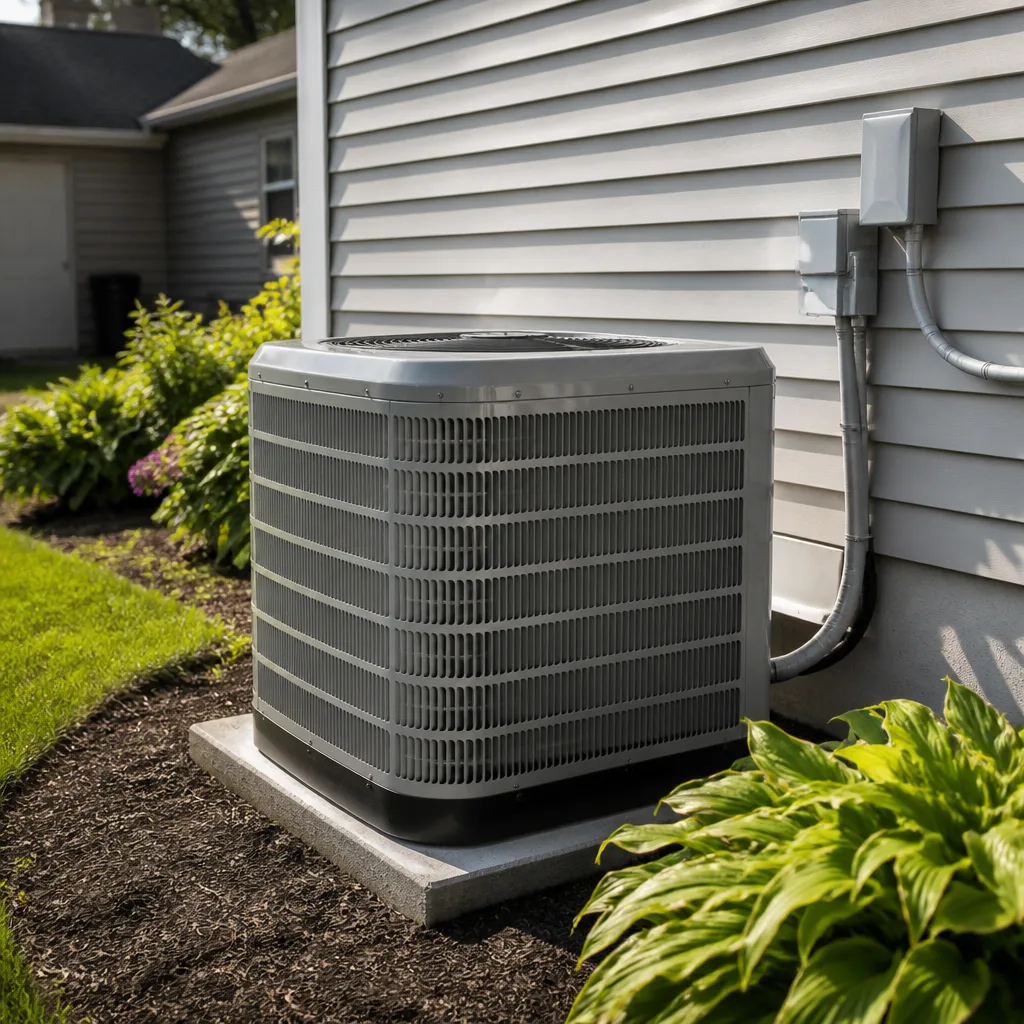
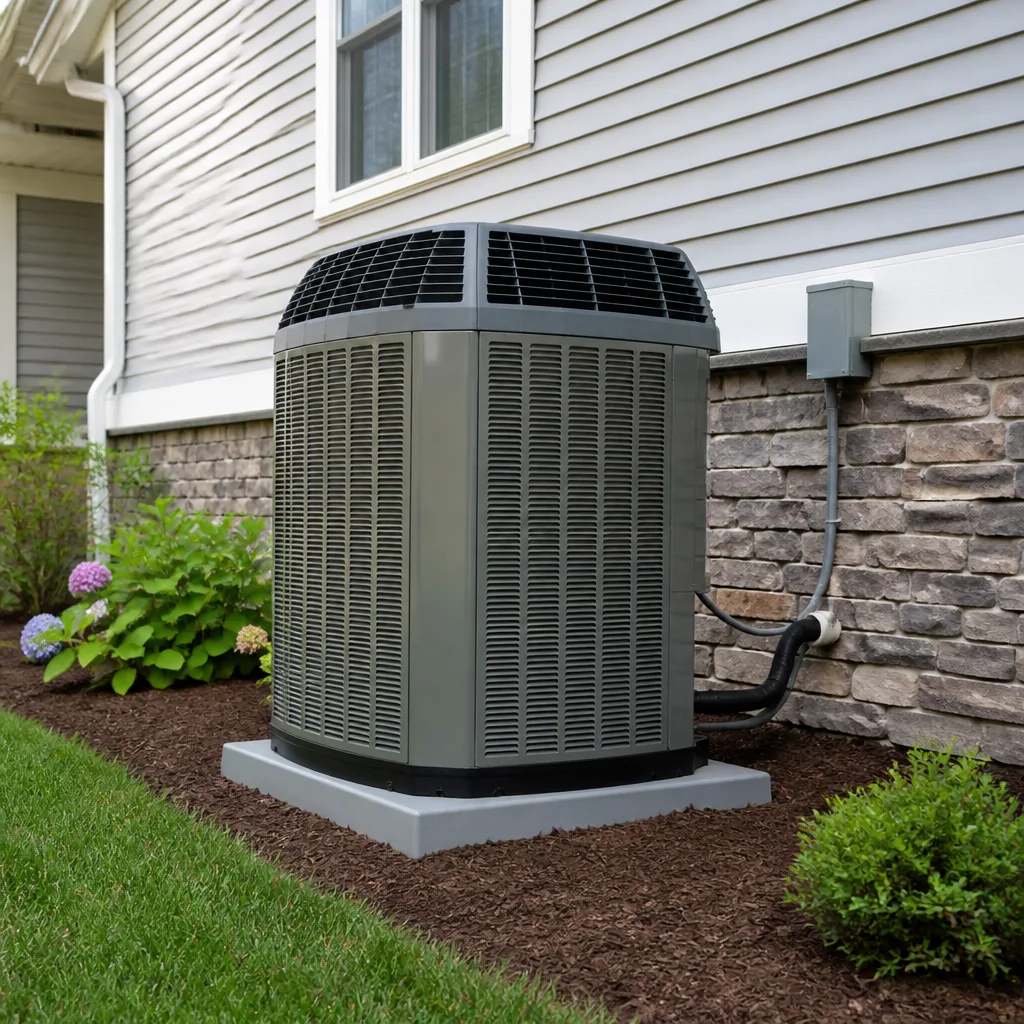
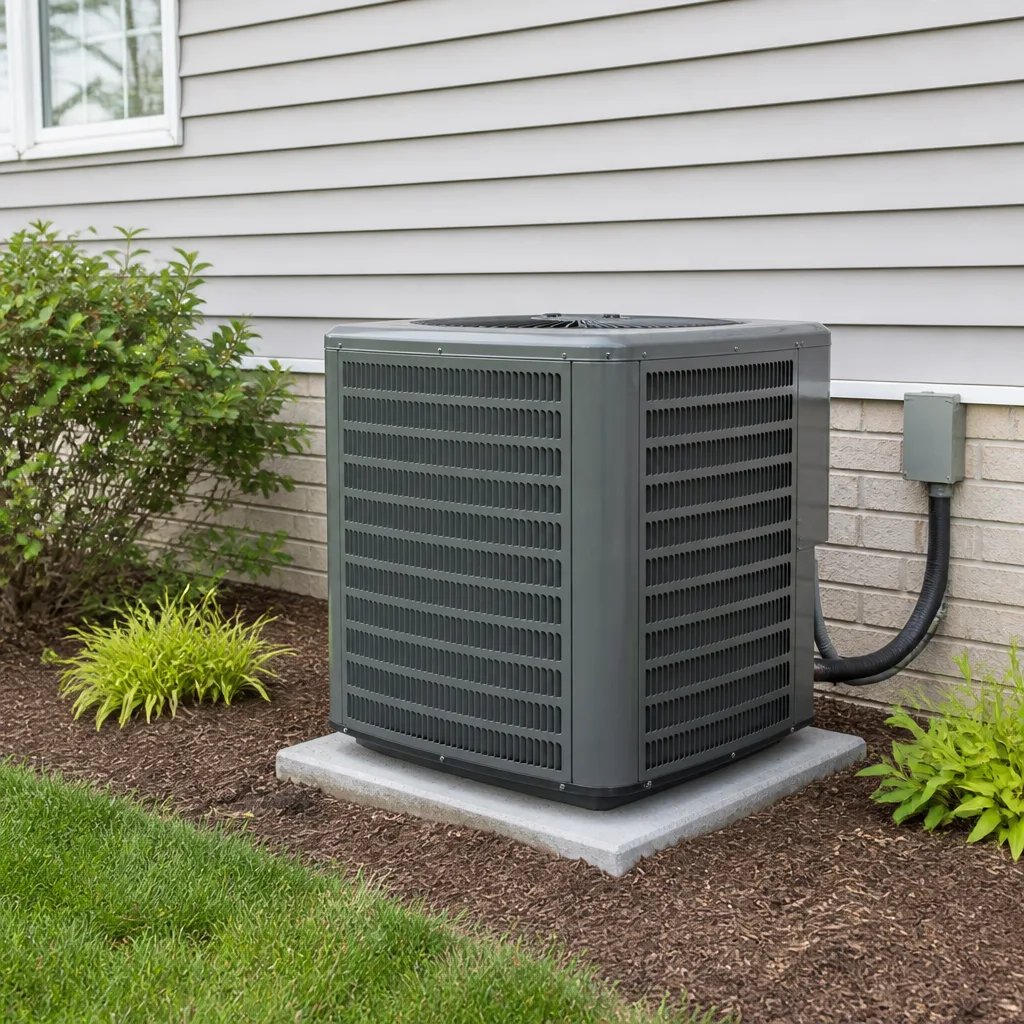
Heat Pump Maintenance in New York City is not optional if you want the efficiency numbers the equipment was rated for. A heat pump’s SEER2 rating assumes clean coils, correct refrigerant charge, and a blower motor that isn’t fighting a clogged filter. In New York City, where condensers sit in apartments closet, on rooftops behind parapet walls, or in rear yards where construction dust is constant, that baseline degrades fast. A tune-up runs $95 to $235, and it catches the stuff that turns into a $700 repair six months later.
Here’s what regular maintenance actually involves: checking refrigerant charge against the manufacturer’s spec, measuring static pressure across the air handler, cleaning the condenser and evaporator coils, testing the reversing valve, and verifying thermostat calibration. That last one matters more in New York City than almost anywhere else, because so many buildings still run steam heat. If your heat pump’s thermostat isn’t calibrated with the steam system in mind, the auxiliary heat can kick on in 50-degree weather and erase the savings you installed the heat pump to get.
The NYC-Specific Problem
Most heat pump maintenance plans are written for suburbia: a single-family house, a clean condenser pad, predictable seasons. New York City adds co-op access rules, rooftop condensers you can only reach between the building’s window-cleaning schedule, and apartments where the air handler lives in a closet that also holds the ironing board. Our maintenance visits are scheduled around the building, not just the calendar. We tell the super when we’ll be there, we sign in at the desk, and we’re out before the board meeting starts.
What You Should Do Each Year
Plan for one full maintenance visit in spring before the cooling season, and a second check in fall if the heat pump also carries your heating load. At minimum, change or clean the filters every 60 to 90 days during peak season. A clogged filter in a Manhattan apartment with radiator dust and construction grit can cut airflow enough to freeze the coil by July. Our tune-up includes the written report of what we found and what we fixed, so you know exactly what you paid for.
Trusted Brands We Service in New York City
Our technicians are factory-trained on the equipment New York City homes actually use: Rheem, York, Daikin, Bryant, and the rest of the nine major residential brands we service. We stock common parts and filters for these systems locally, so we’re not waiting on a distributor in Jersey when your heat pump goes down in August. That local parts stock matters here, because a New York City condenser on a roof behind a bulkhead is a different service call than a condenser on a slab in a driveway. We know what fails first on each brand, and we carry the parts to fix it the same day.
Common Heat Pump Installation Problems We See in New York City Homes
- Sizing by square footage instead of room-by-room load calculation. A pre-war apartment with single-pane windows and a steam riser in the corner doesn’t cool like a suburban room with the same square footage. Undersized units never reach set point; oversized units short-cycle and leave the space clammy. We calculate room by room, every time.
- Skipping refrigerant charge and static pressure checks on mini splits in tight closets. A condenser coil or blower motor working harder than the SEER2 rating promises burns more electricity than the sticker says. In a Manhattan closet with limited airflow, that efficiency gap shows up in the bill within the first year.
- Treating a heat pump like a drop-in AC replacement without fixing thermostat calibration. If the building’s steam system still fires and the heat pump’s thermostat isn’t calibrated to switch cleanly, the auxiliary heat can run in mild weather. That wipes out the operating savings you bought the heat pump for.
- Ignoring the party wall or the steam riser until installation day. We’ve seen line-set paths drawn through a steam riser on plans that looked fine on paper. In a pre-war co-op, you have to map the risers, the chases, and the building’s structural walls before you order equipment, not after the crew shows up.
Pricing for Heat Pump Installation in New York City, NY
Here’s the straight answer on what heat pump work costs in New York City. A full heat pump or mini split installation runs $4,130 to $8,850. Heat pump repair runs $175 to $765, and furnace repair runs $175 to $825 if you still have one handling the shoulder season. A tune-up runs $95 to $235. The installation price moves based on the number of zones, whether you need ceiling cassettes or wall units, line-set distance, and what we find in the walls.
| Service | Price Range in New York City |
|---|---|
| Heat Pump or Mini Split Installation | $4,130 – $8,850 |
| AC Repair | $175 – $765 |
| Furnace Repair | $175 – $825 |
| Tune-Up | $95 – $235 |
Call (361) 306-9515 for a free estimate. We’ll send a technician, not a salesman, and the price we quote is the price in writing before any work starts.
We Also Serve Cities Near New York City
Dalton Heating & Air handles Heat Pump Installation throughout the five boroughs and the surrounding metro. If you’re in Brooklyn, Queens, Manhattan, or Staten Island, you’re still inside our service area. The same written pricing, the same one-year guarantee, the same crews who know New York City building codes and co-op requirements. When your heat pump needs work, you don’t have to settle for a crew that’s never touched a steam riser.
Serving New York City, NY - Our Local Coverage Area
We’re based in the New York City area and know this community well. Use the map below to see our service coverage - if you’re nearby, we can almost certainly help.
FAQs About Heat Pump Installation in New York City
We use a simple math line: if the repair cost is under about a third of the system’s remaining value and the equipment is less than 8 to 10 years old, repair it. If it’s older, leaking refrigerant, or the compressor is gone, replace it. In New York City, that math shifts because replacement often requires co-op board approval, building permits, and line-set routing that didn’t exist in the original install. We’ll give you the honest numbers for both options and let you decide. Call (361) 306-9515 and we’ll schedule a proper diagnosis, not a sales pitch.
Because matching the old tonnage assumes the old system was sized right, and in pre-war New York City, it usually wasn’t. Window loss from single-pane sashes, heat gain from steam risers, and brownstone wall thickness all change the cooling load room by room. A load calculation measures each room’s actual heat gain and loss, which means you don’t pay to over-cool one room while another never reaches set point. We do it on every installation, not just when something seems off.
SEER2 is the efficiency rating for cooling, and the higher the number, the less electricity the heat pump uses per unit of cooling. But the rating assumes a clean, properly charged system with correct airflow. In New York City, where condensers sit in closets or behind parapet walls and filters clog with construction dust, real-world efficiency can be lower than the sticker. That’s why we verify refrigerant charge and static pressure at installation and during maintenance. A 20 SEER2 unit running with a dirty coil and low charge costs you the same as a 15 SEER2 unit on its best day.
Yes. Ductless mini splits are the standard solution for Manhattan co-ops with steam heat and no ductwork, but the job depends on what the building will approve. We’ve installed ceiling cassettes in pre-war co-ops on West 72nd Street where the steam riser ran through the intended line-set path. We rerouted through a party-wall soffit and verified refrigerant charge and static pressure before commissioning. The key is doing the building’s paperwork right: submit the plans the board wants, show where the condenser will sit, and schedule the work around the building’s rules. We handle that coordination.
Plan for one full maintenance visit in spring before cooling season, and a second visit in fall if the heat pump handles winter heating. During each visit we clean coils, check refrigerant charge, measure static pressure, test the reversing valve, and verify thermostat calibration against the building’s steam system. A New York City tune-up runs $95 to $235. Skip it and you’ll pay for it in higher electric bills and a shorter equipment life. Call (361) 306-9515 to schedule your maintenance visit.
Written by Marco Benitez, Owner at Dalton Heating & Air, serving New York City.
Ready to stop living with window units and space heaters? Call (361) 306-9515 for a free estimate on heat pump installation in New York City. The price is in writing before we start, and the work is guaranteed in writing for a full year.