
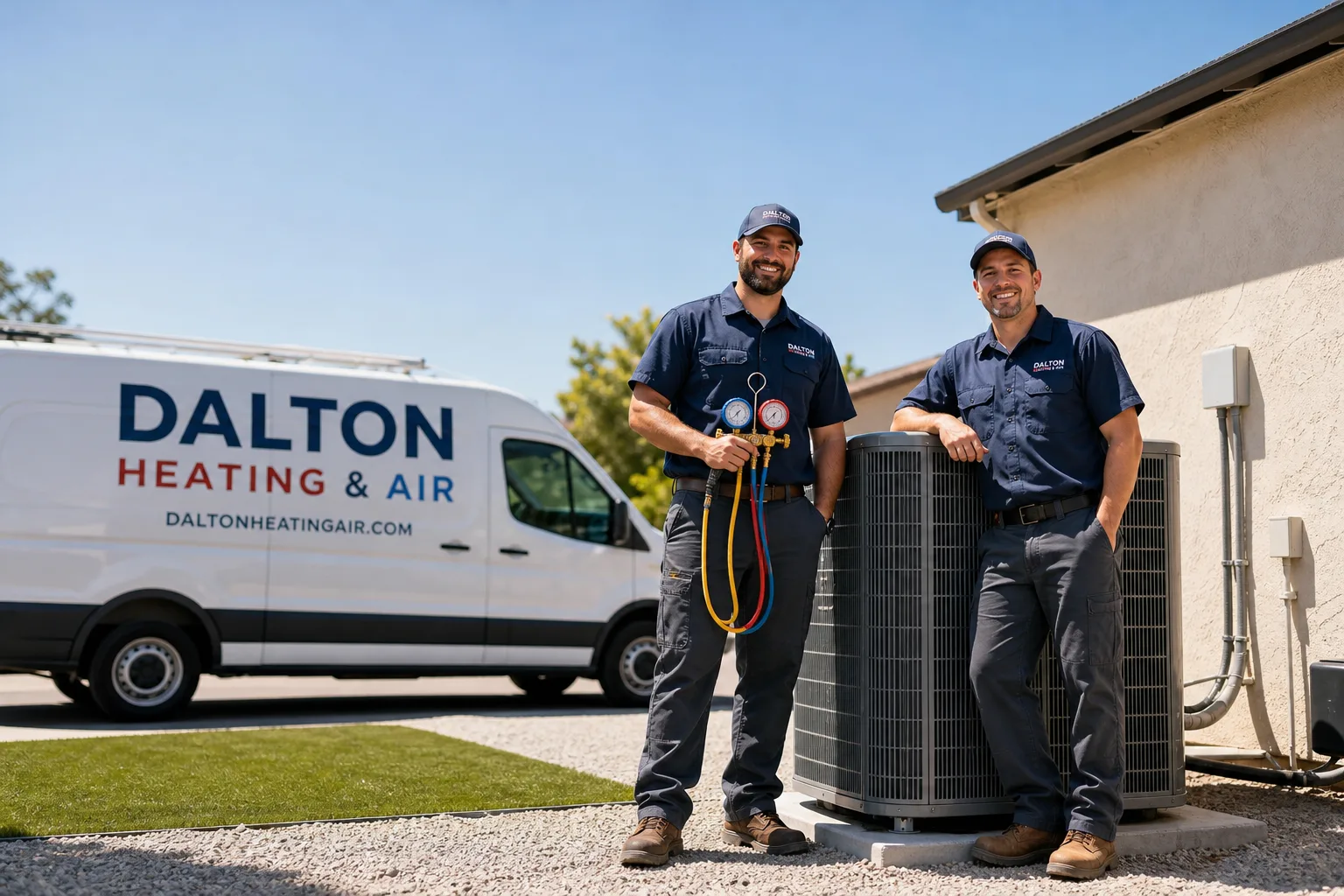
Seasonal tune-up and full diagnostic on your Carrier, Trane, or Goodman system - readings shown to you before any repair is proposed
Diagnosis first, numbers second - you approve the repair price before a single part goes in.
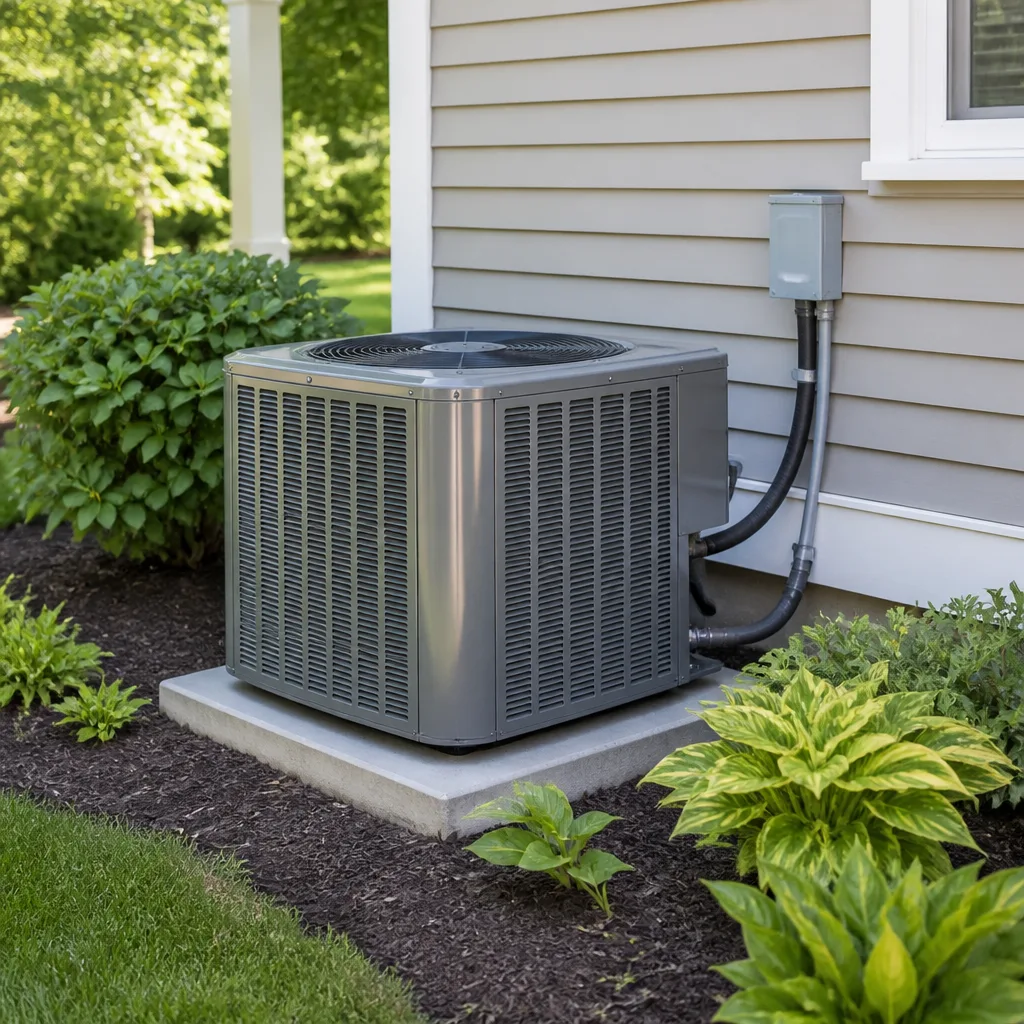
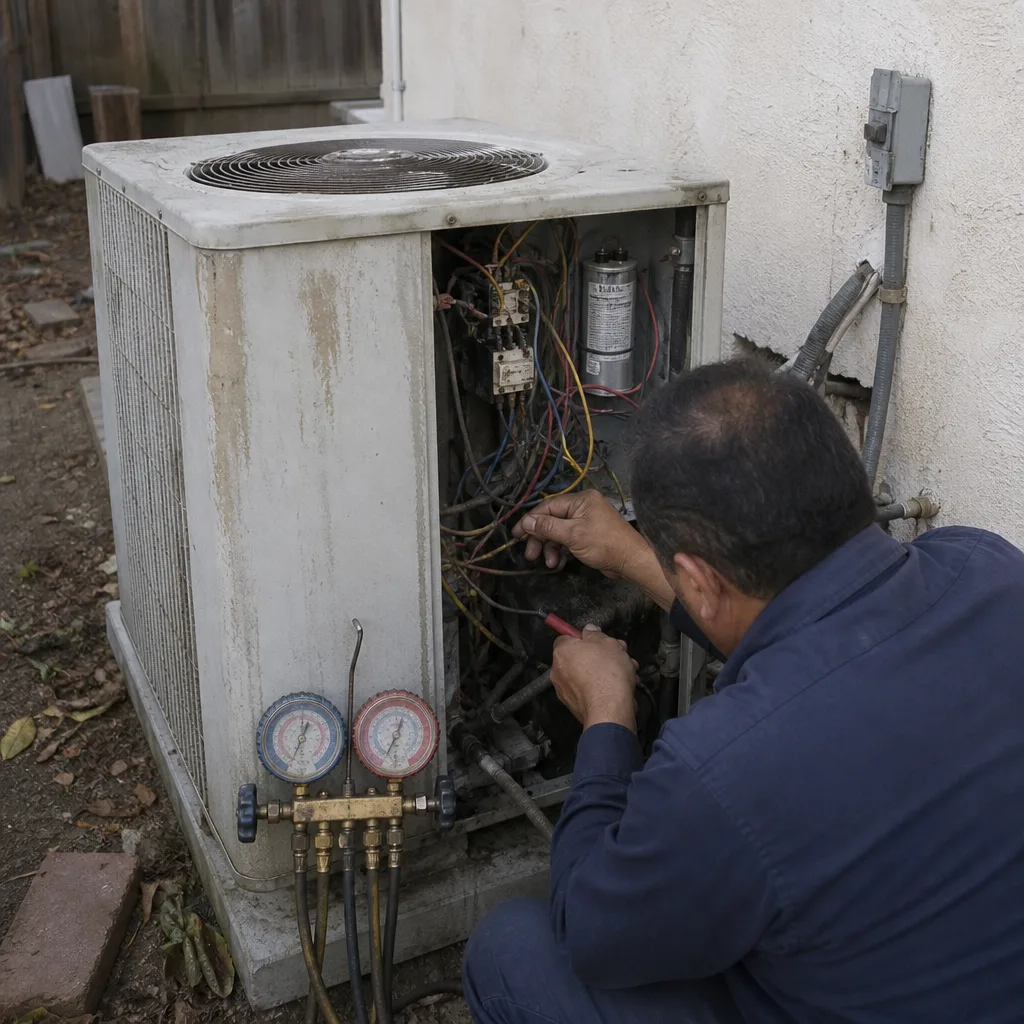 Before
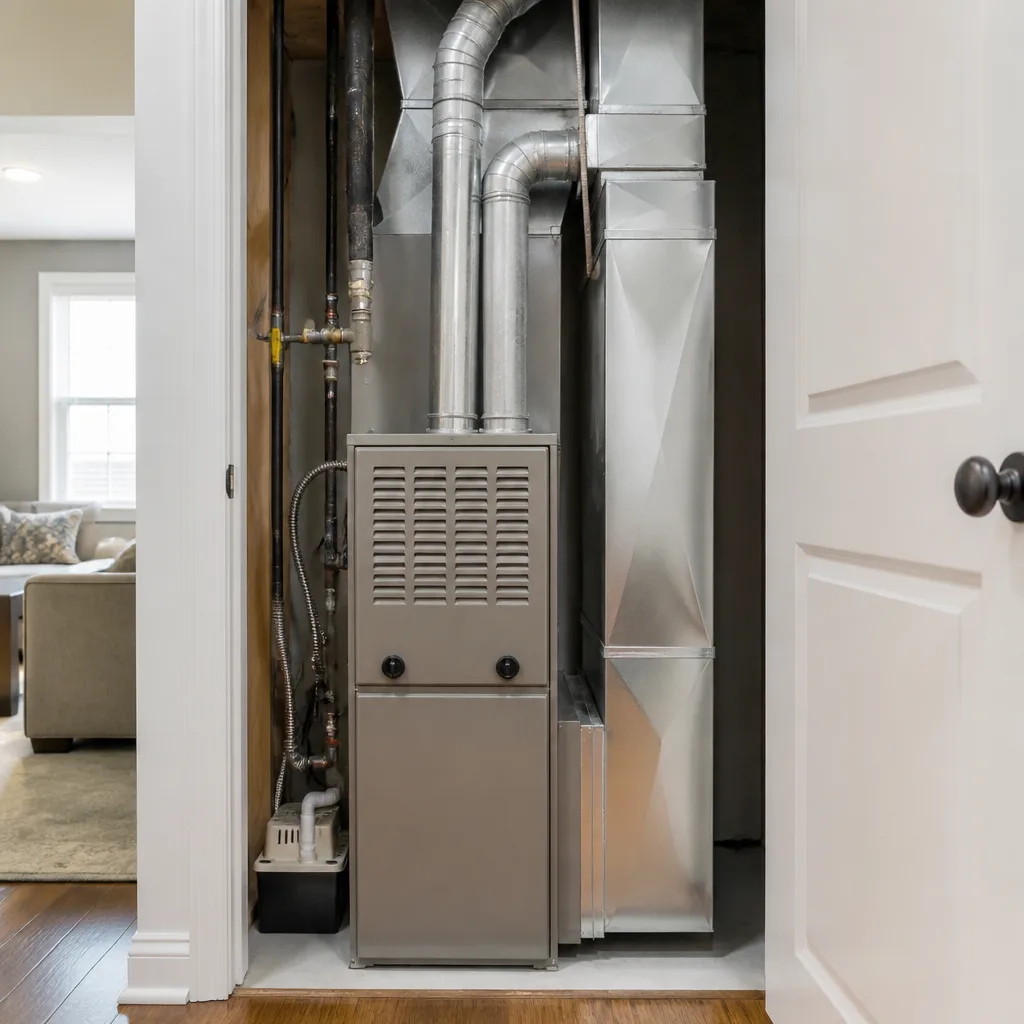
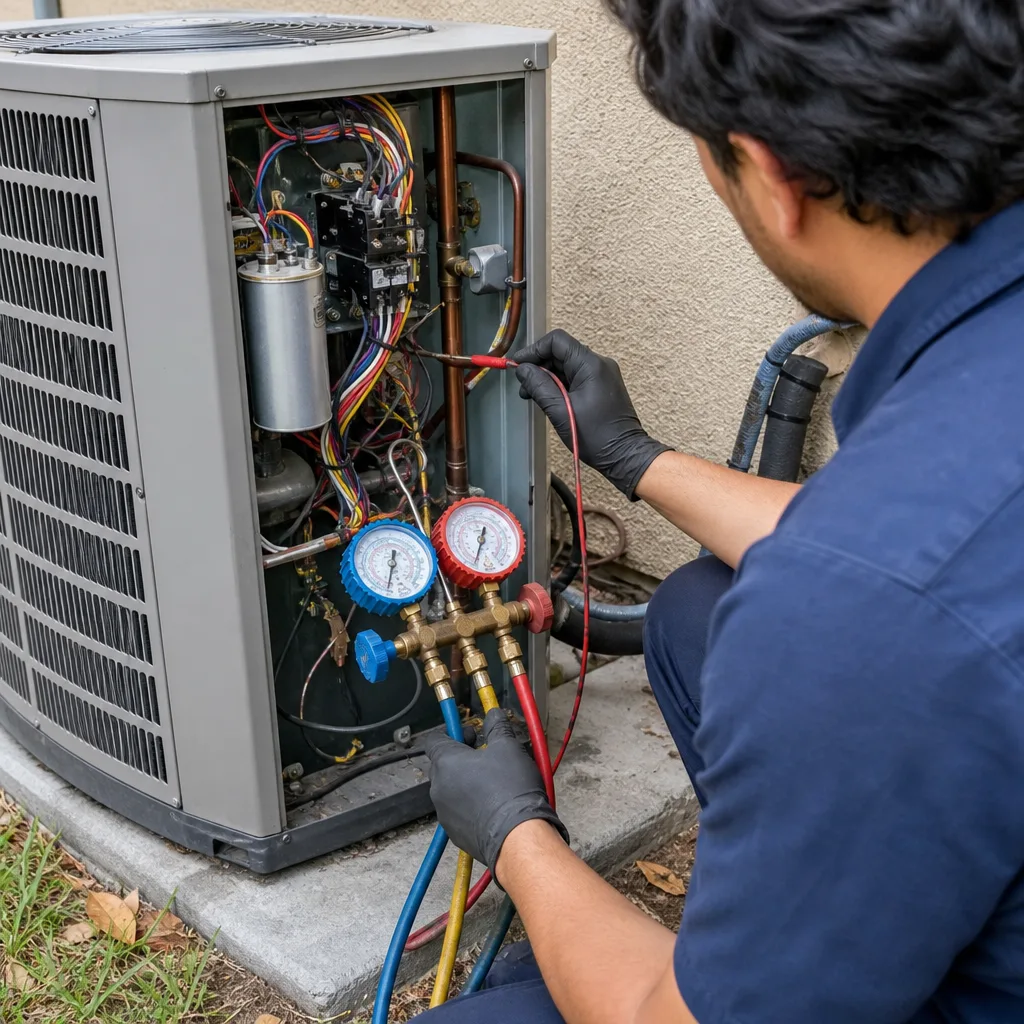 After
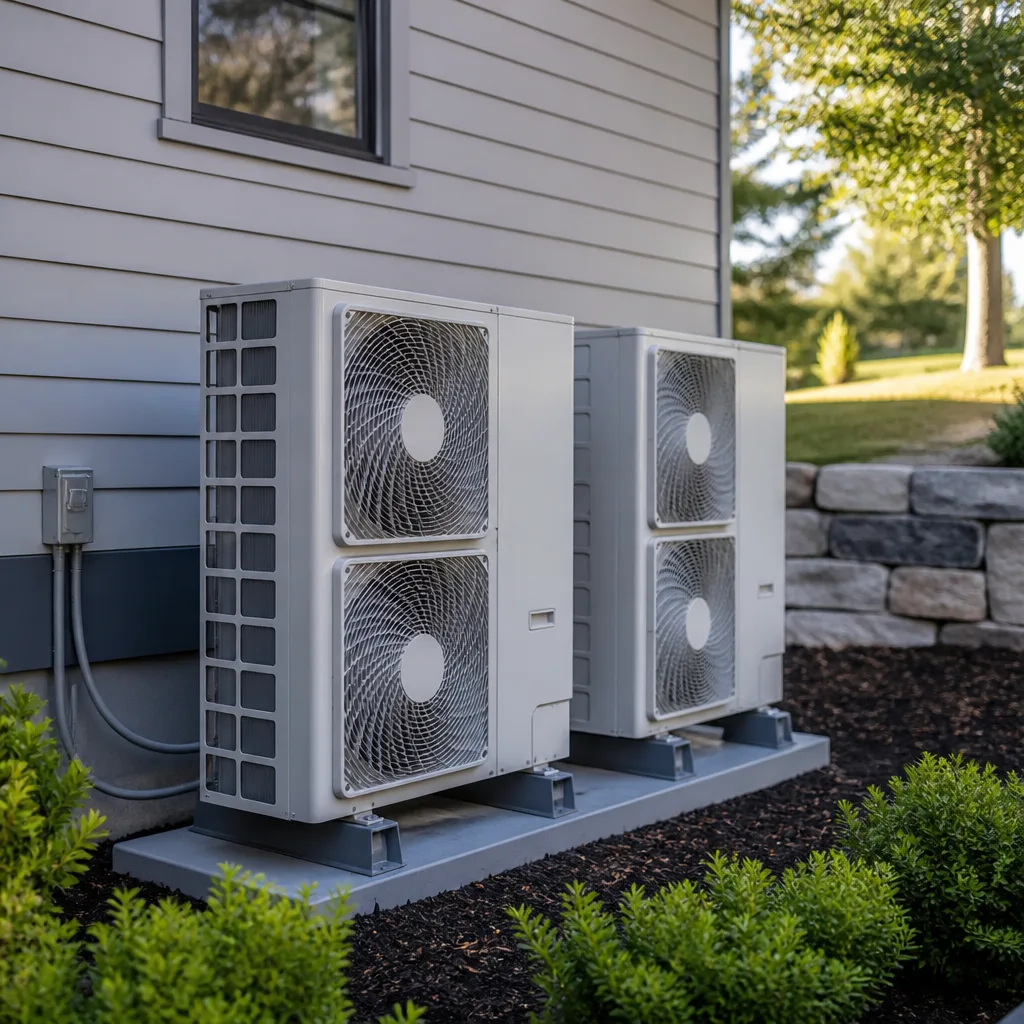
After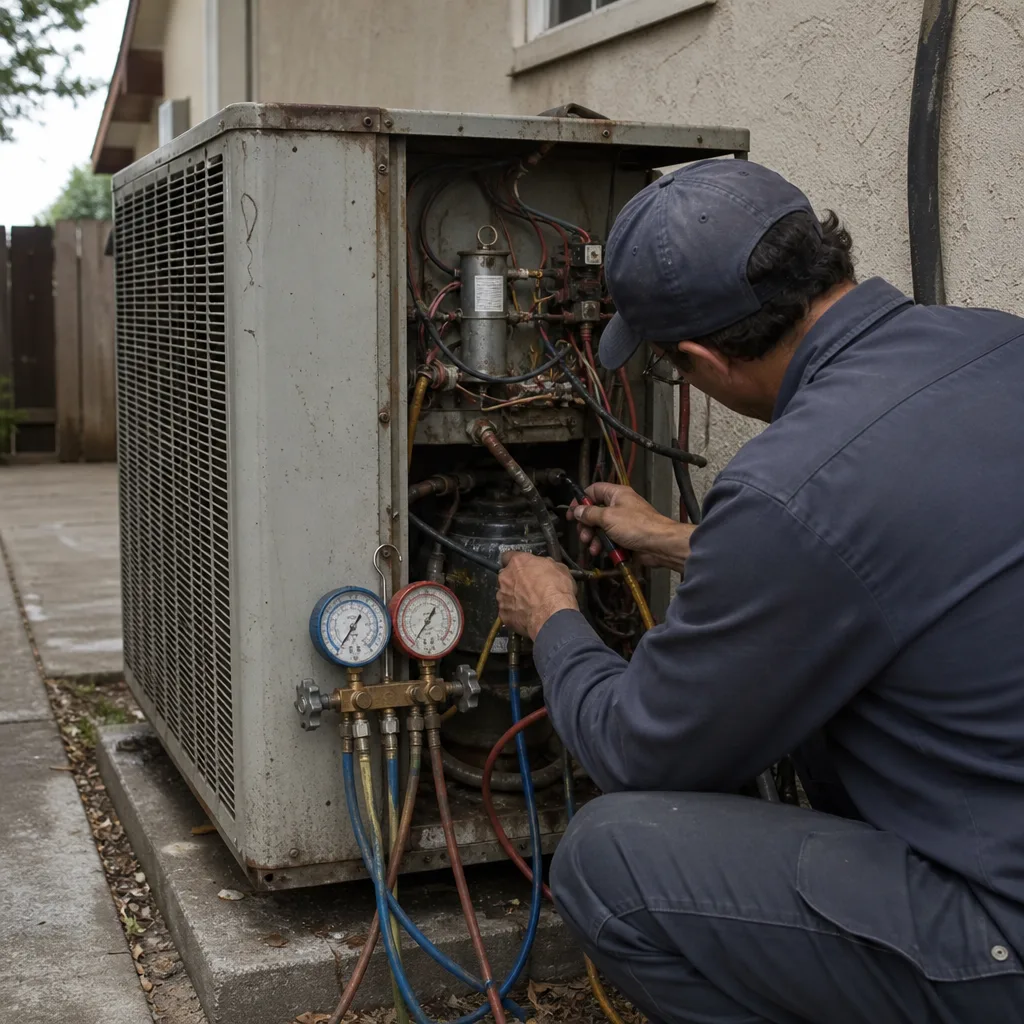 Before
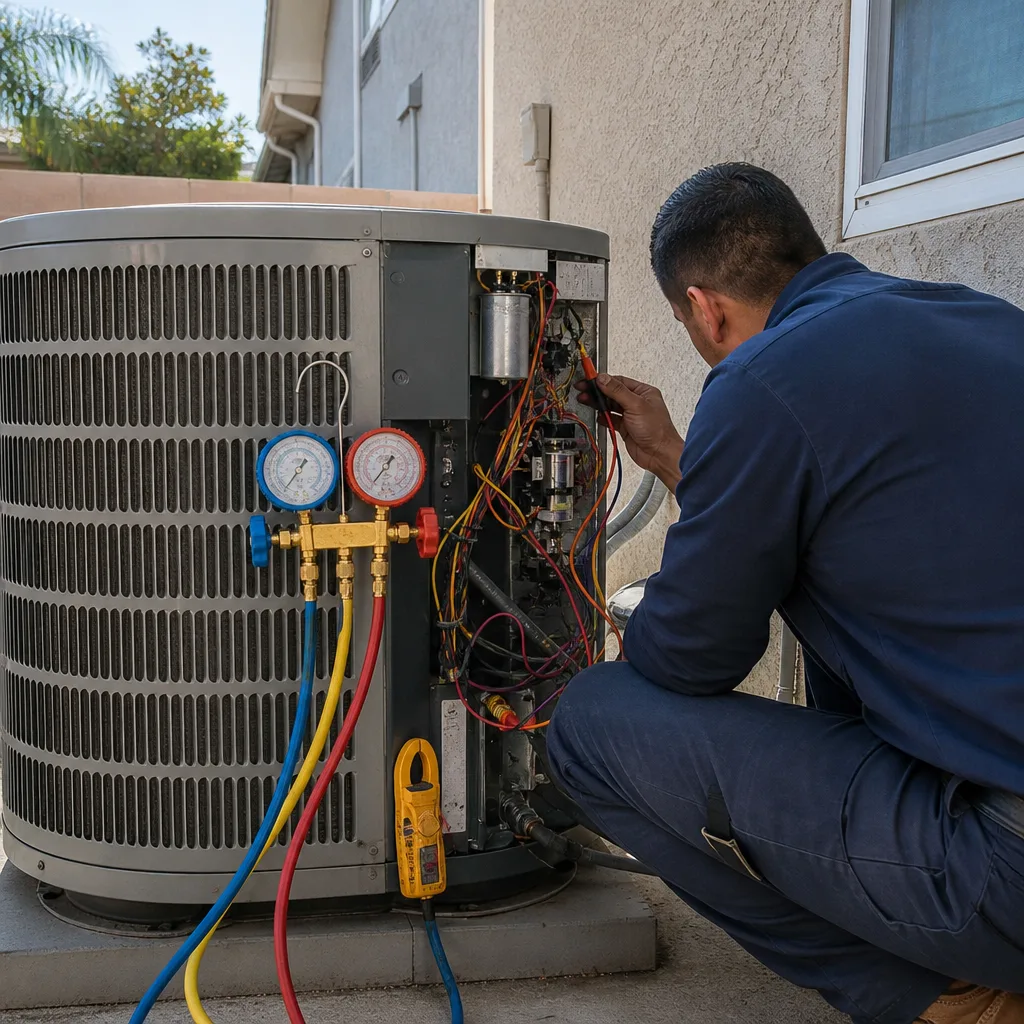 After
After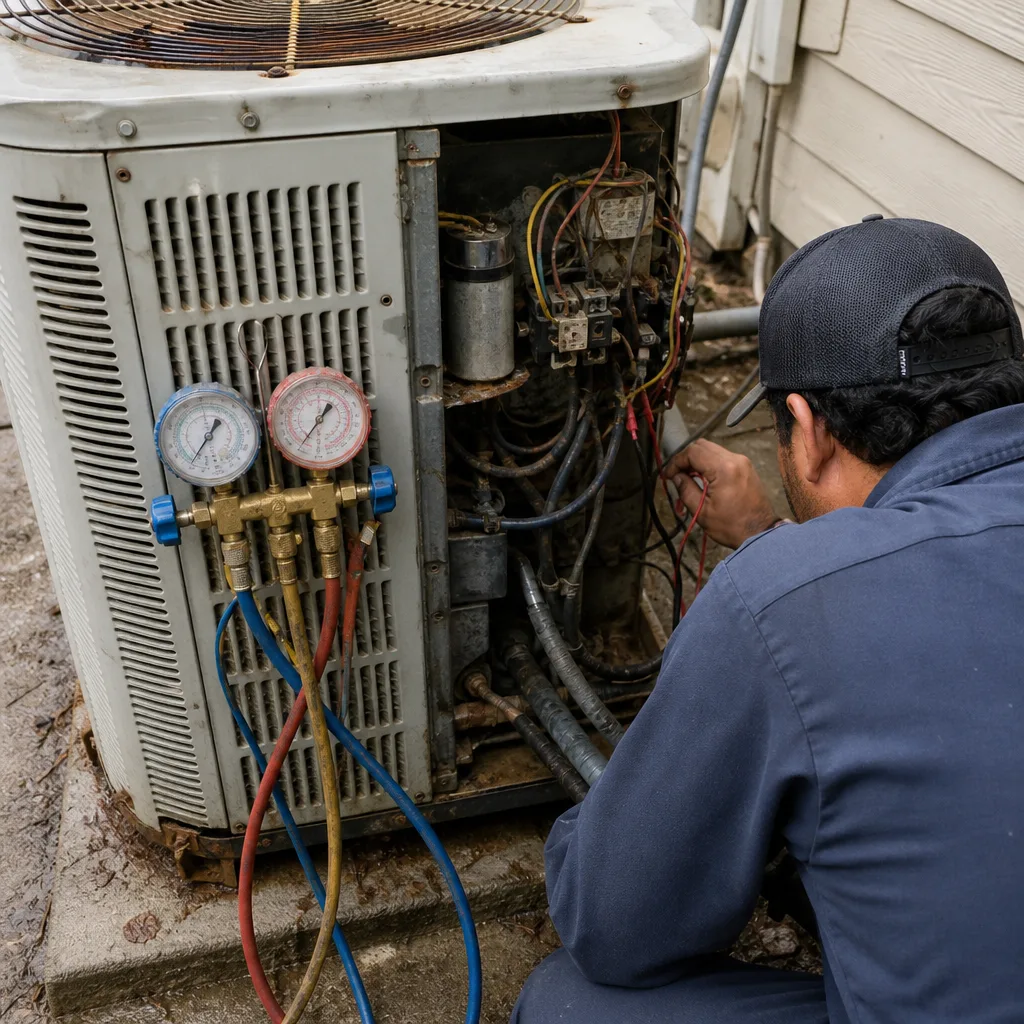 Before
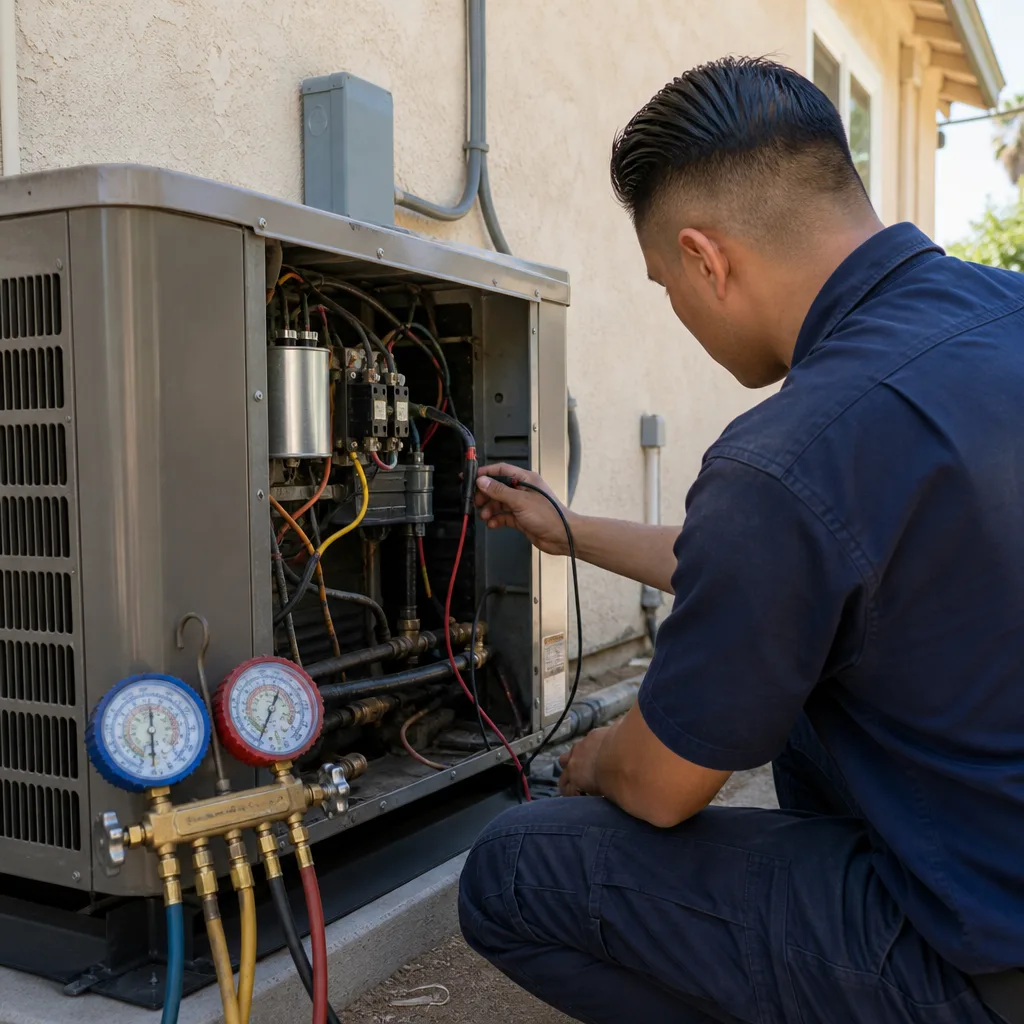 After
AfterFast, Reliable Furnace Repair Across Peabody
Furnace repair in Peabody typically runs $150 – $700 depending on the part and the furnace, and most calls are completed the same day. That is the honest range we quote before any work starts, in writing, so there is no bill shock when the job is done. Dalton Heating & Air has been fixing furnaces under The Garrison Standard since 2003, and our crews know Peabody’s heating systems well enough to diagnose the problem quickly instead of guessing. If your heat is out in a Peabody winter, call (361) 306-9515 and a live person answers, day or night.
Why Dalton Heating & Air Is Peabody’s Preferred Furnace Repair Company
Peabody homeowners call us because we show up inside the window we give you, put the price in writing before any work starts, and stand behind the repair for a full year. That is not marketing language. It is The Garrison Code, and every technician who works in Peabody is bound to it. Marco Benitez, who leads our team, holds every job to that standard.
We serve the whole city, from the streets off Lynnfield Street up to the neighborhoods along Lowell Street, and we know the housing stock here. A 1950s cape in South Peabody has different ductwork problems than a condo conversion near Main Street, and the furnace behaves differently in each. Our techs are background-checked and uniformed, so the person at your door is the same person dispatch told you to expect. When a Peabody customer calls at 2 a.m. with a no-heat emergency, a real person answers the phone and gets a truck rolling.
Heat Pump Repair in Peabody
Heat pump repair in Peabody usually costs $150 – $650, and our technicians are factory-trained on Carrier, Trane, Lennox, Goodman, Rheem, York, Daikin, Bryant, and American Standard systems. A heat pump is both a heater and an air conditioner, which means a single fault can take down your only source of heat in January or your only cooling in July. In Peabody’s coastal New England climate, where winter temperatures swing fast, a heat pump that is not defrosting properly or is low on refrigerant means real discomfort within hours.
The most common heat pump issues we see in Peabody are refrigerant leaks at flare connections, failed reversing valves, and defrost control boards that get confused by rapid temperature swings. Because a heat pump moves heat rather than creating it, even a small refrigerant undercharge kills efficiency and drives up your electric bill before you notice the house is not holding temperature.
Refrigerant Recharge and Leak Repair
A refrigerant recharge is topping off the cooling fluid your heat pump needs to move heat in either direction. If a Peabody home needs a recharge every season, that means there is a leak, and finding the leak is the actual repair. Leak search and repair on a heat pump typically runs $150 – $650 depending on the leak location and the refrigerant type.
Reversing Valve and Defrost Control
The reversing valve is what switches your heat pump between heating and cooling modes. When it sticks, your system might blow cold air in heat mode. This is a common call in mill-converted condos in Peabody where the system runs more cycles per day due to shared walls and tight spaces.
Heating Repair in Peabody
Heating repair in Peabody means any fix to the system that warms your home, whether that is a gas furnace, a boiler, or a heat pump. For furnaces, most repairs fall in the $150 – $700 range, and we give you that number in writing before the first tool comes off the truck. In Peabody, heating repair often becomes urgent in January and February, when a failed system on a single-digit night is not a nuisance, it is a pipes-freezing emergency.
Our heating repair work in Peabody spans the full system: ignitors, gas valves, blower motors, heat exchangers, control boards, and thermostats. We carry common parts for the major brands on our trucks, because driving back to the shop costs you time you do not have when the house is cold.
Ignitor and Flame Sensor Diagnosis
A furnace that clicks but will not light often has a failed ignitor, especially in Peabody basements where humidity from older foundations causes corrosion on the flame sensor. We test the ignitor’s resistance with a meter rather than just replacing parts. A flame sensor that is coated with dust or oxidation can be cleaned, but a cracked ignitor gets replaced, usually inside an hour for most Peabody homes.
Blower Motor and Airflow Correction
A blower motor that pulls high amps will trip the limit switch and shut the furnace down mid-cycle. In Peabody capes and ranches with older ductwork, airflow issues are often the root cause of blower motor failure, not the motor itself. We check static pressure before replacing a motor, because putting a new motor on undersized ducts just burns out the next one.
Trusted Brands We Service in Peabody
Dalton Heating & Air is factory-trained on all nine major residential HVAC brands, and in Peabody we service a lot of Goodman, Rheem, York, and Daikin equipment. That matters because each brand has its own common failure patterns: Goodman gas valves behave differently than Rheem control boards, and York ignitors fail in a particular way. We stock common parts locally so most Peabody repairs finish same-day, not same-week. When you schedule a furnace repair in Peabody, you get a tech who knows your specific brand and its failure modes, not someone reading the manual at your furnace.
Common Furnace Repair Problems We See in Peabody Homes
- Short-cycling from undersized ducts in older capes and ranches. Peabody’s postwar housing stock often has return-air sizing that was marginal when the home was built and is now too small for modern furnaces. A furnace that fires for two minutes and shuts off is often misdiagnosed as a thermostat or control board issue, but the real problem is airflow.
- Cracked heat exchangers in furnaces run hard through coastal New England winters. The salty, damp air coming off the Atlantic accelerates corrosion on heat exchanger seams, especially in furnaces that have not been tuned in years. A cracked heat exchanger is a carbon monoxide risk and means replacement, not repair.
- Ignition and flame-sensor failures from basement humidity and dust. Peabody’s older housing stock often has stone or block foundations that hold moisture. Humid basements cause flame sensors to oxidize and ignitors to crack prematurely, leading to furnaces that will not light on the first try.
- Blower motor failure from high static pressure. When ducts are too small or too many supply registers are closed off, the blower works against pressure and pulls high amps until the motor overheats. This shows up most often in Peabody homes where a previous owner finished the basement and tied new supplies into old duct runs.
Pricing for Furnace Repair in Peabody, MA
Furnace repair in Peabody typically runs $150 – $700. A flame sensor cleaning or ignitor replacement sits at the lower end of that range. A gas valve replacement or blower motor replacement lands in the middle. A heat exchanger replacement, when it is possible, hits the top end, and a cracked heat exchanger usually means a new furnace instead, because the labor to replace the exchanger often approaches the cost of a properly sized new unit.
| Service | Typical Peabody Price Range |
|---|---|
| Furnace Repair | $150 – $700 |
| AC Repair | $150 – $650 |
| Tune-Up | $80 – $200 |
Your price is in writing before any work begins, every time. That is The Garrison Standard, and it applies to every furnace repair we do in Peabody. Estimates are free, so call (361) 306-9515 and get a real number for your specific furnace.
Why Load Calculation Changes the Repair-or-Replace Decision in Peabody
Peabody’s housing stock is split between older postwar capes and ranches with original ductwork and newer downtown condo conversions, so a furnace that works fine in one home can short-cycle in another due to duct design and return-air sizing. This makes a room-by-room load calculation and static pressure measurement the deciding factor in repair-vs-replace, not the age of the unit. A furnace that is 18 years old and properly sized might be worth repairing. A furnace that is 9 years old but paired with undersized ducts will burn out blower motors and gas valves repeatedly, and throwing repair parts at it is throwing money at the wrong problem.
We got a no-heat call in the Proctor neighborhood on a 1960s ranch with a Carrier furnace short-cycling on high-limit. Our tech found a failing blower motor pulling high amps and a heat exchanger showing minor cracks, and after a load calculation showed the ductwork was undersized for the home’s actual tonnage, we recommended replacement rather than another repair. We installed a properly sized Trane system and set the thermostat calibration, and the homeowner saw a noticeable drop in gas usage the next month. That is what the load calculation does: it tells you whether the furnace is right for the house, not just whether the part failed.
What SEER2 Means on an Actual Peabody Gas Bill
SEER2 is the federal efficiency metric for air-source heat pumps and cooling equipment, updated in 2023 to reflect real-world operating conditions including duct losses. A Peabody home with a heat pump rated at 15 SEER2 will use roughly 13 percent less electricity than the same home with a 13.4 SEER2 minimum unit, and in our heating season that difference shows up on the electric bill every month from October through April. When a heat pump repair approaches $600 and the system is 12 years old with a 13 SEER rating, the honest advice is often to apply that $600 toward a modern unit rather than prolonging an inefficient system.
If your furnace is gas-fired, SEER2 does not apply to it directly, but it does apply to any heat pump or central AC paired with the furnace. Peabody homes with a furnace and a separate AC condensing unit should know both numbers: the furnace’s AFUE rating and the AC’s SEER2 rating. Together they determine what your heating and cooling actually cost.
We Also Serve Cities Near Peabody
If you are in a neighboring community, our Furnace Repair team covers Danvers, Salem, Lynnfield, and Beverly as well. Dispatch and scheduling are coordinated from our Boston office, and crews serve Peabody locally. If you are comparing furnace repair options around the North Shore, call (361) 306-9515 for a written quote before you commit anywhere.
Serving Peabody, MA - Our Local Coverage Area
We’re based in the Peabody area and know this community well. Use the map below to see our service coverage - if you’re nearby, we can almost certainly help.
FAQs About Furnace Repair in Peabody
Run a load calculation and measure static pressure on your current system, and compare the cost of the repair against the remaining efficiency of your furnace. In Peabody, the answer is usually repair if the heat exchanger is sound and the ductwork is correctly sized, and replacement if the ducts are undersized or the exchanger is cracked. A cracked heat exchanger means replacement, no exceptions. Call (361) 306-9515 and we will do the math for you at no cost.
It tells you whether the furnace is the right size for your house, which changes whether a repair is worth doing at all. Many Peabody capes and ranches have furnaces that are oversized for the home’s actual heat loss, which causes short-cycling, uneven heating, and premature blower motor failure. If the load calculation shows the furnace is mismatched, repairing a failing part on it is a temporary fix, not a real one.
Most furnace repairs in Peabody run $150 – $700 depending on the part. Ignitor and flame sensor work sits at the low end, gas valves and blower motors in the middle, and a heat exchanger replacement at the top, when it is worth doing at all. Your price is in writing before any work begins. Call (361) 306-9515 for a free estimate on your exact furnace.
SEER2 is an efficiency rating for heat pumps and air conditioners, and the higher the number, the lower your electric bill. A 15 SEER2 heat pump in Peabody uses about 13 percent less electricity than a minimum-efficiency 13.4 SEER2 unit, and that difference accumulates through our long heating season. If your current heat pump is old and inefficient, a high repair bill is often better applied toward a replacement with a higher SEER2 rating.
Yes, we repair both, and many Peabody homes have both a furnace and a heat pump or a furnace and a central AC. Our techs are factory-trained on nine major brands, including Goodman, Rheem, York, and Daikin. One call covers the whole system, and the repair is guaranteed in writing for a full year.
Written by Marco Benitez, Owner at Dalton Heating & Air, serving Peabody since 2003.