
Seasonal tune-up and full diagnostic on your Carrier, Trane, or Goodman system - readings shown to you before any repair is proposed
Diagnosis first, numbers second - you approve the repair price before a single part goes in.
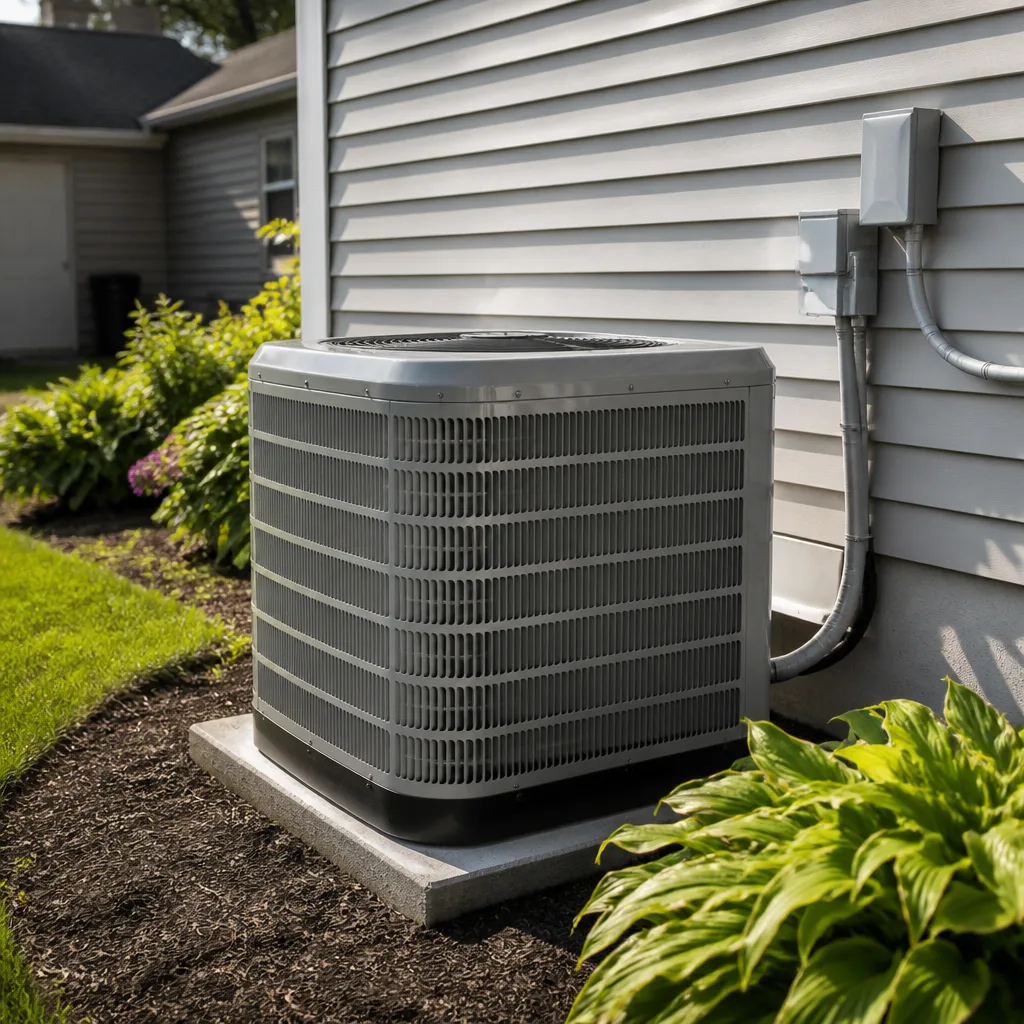
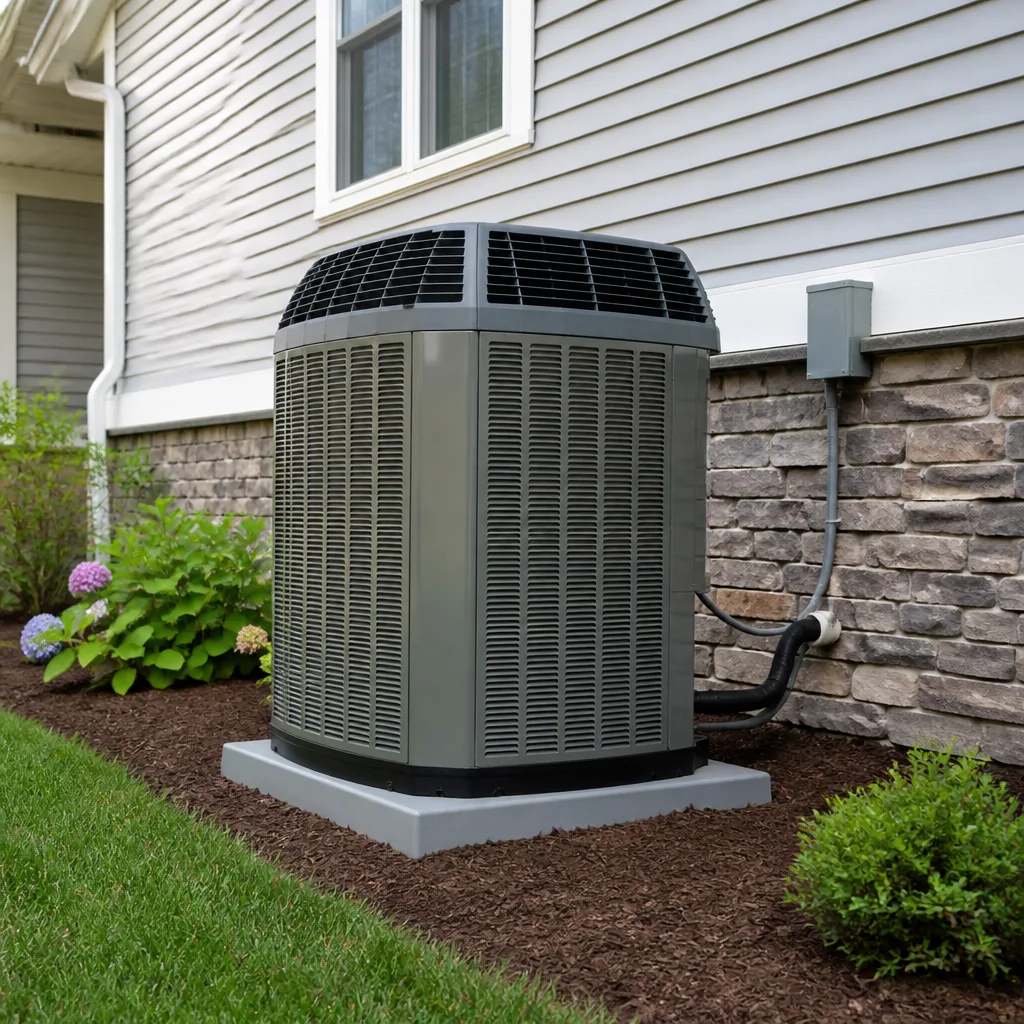
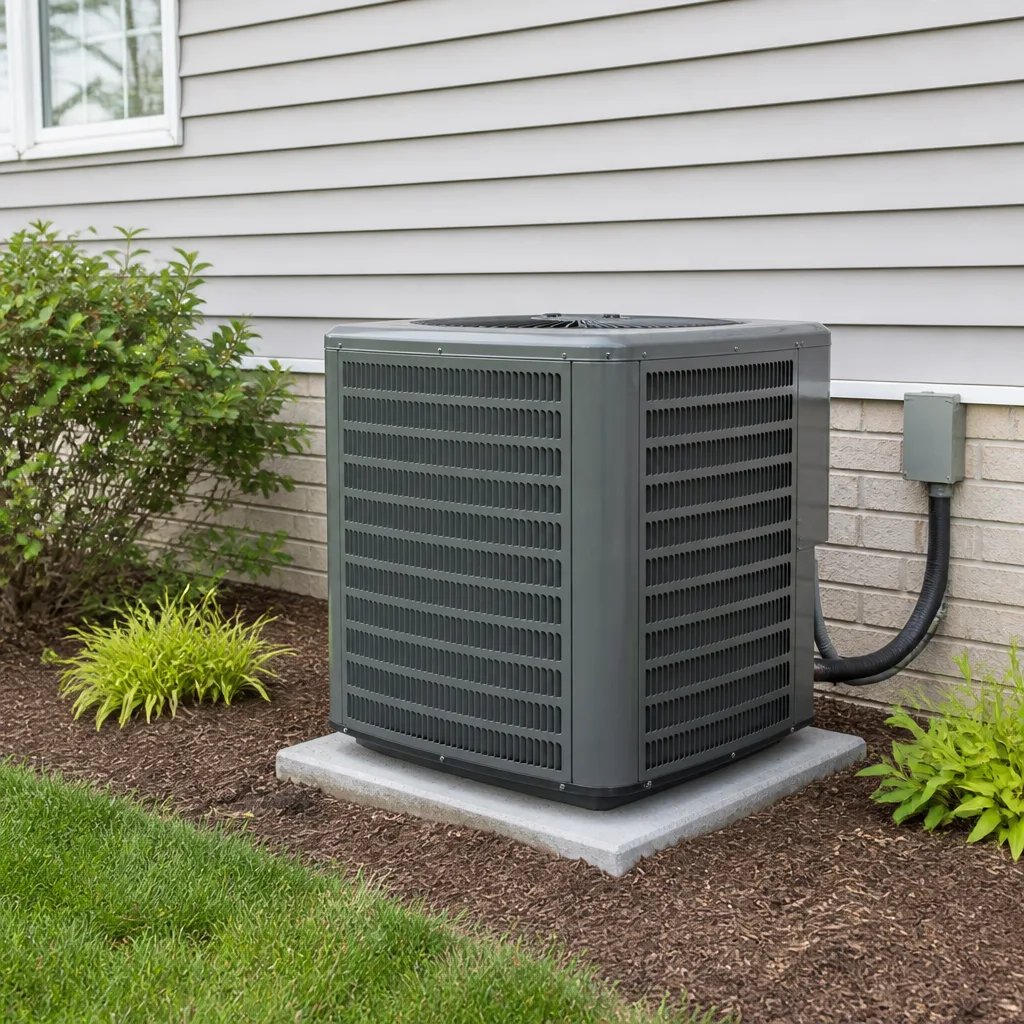
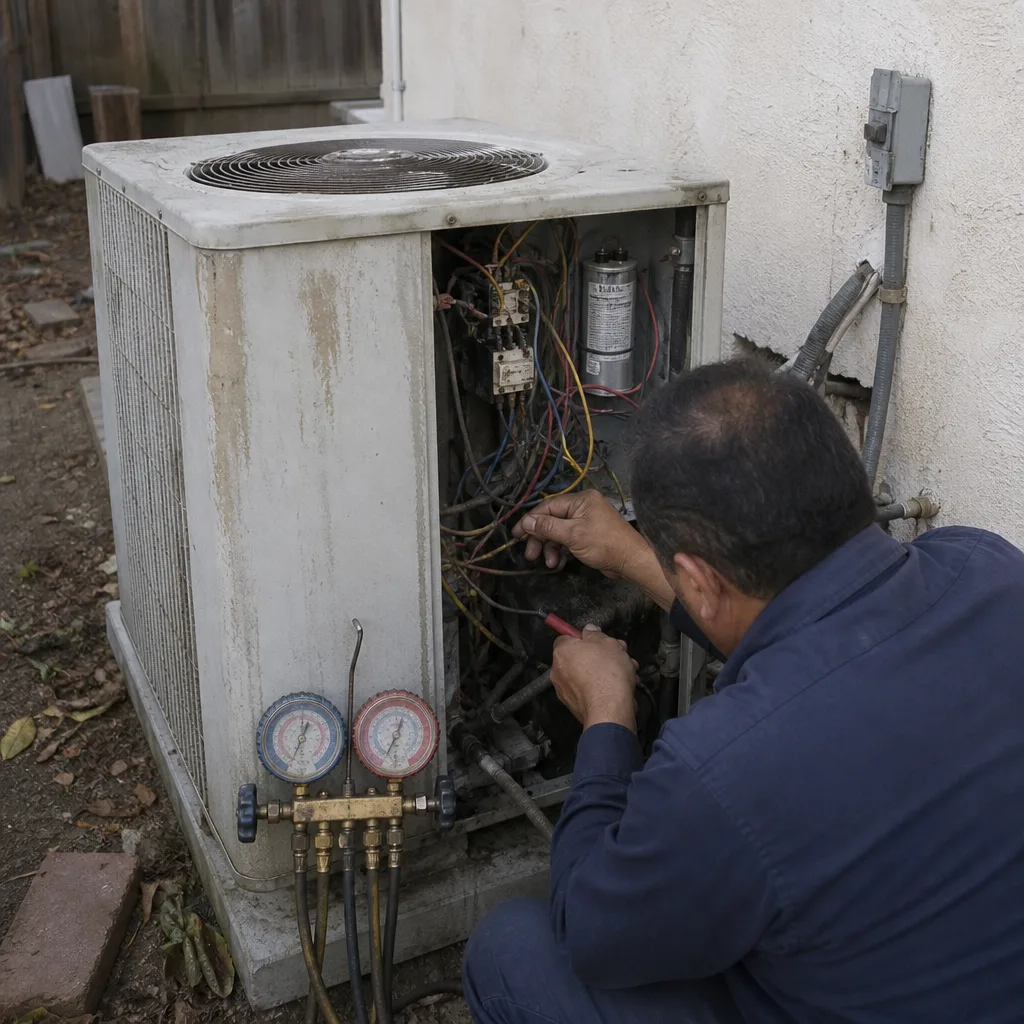 Before
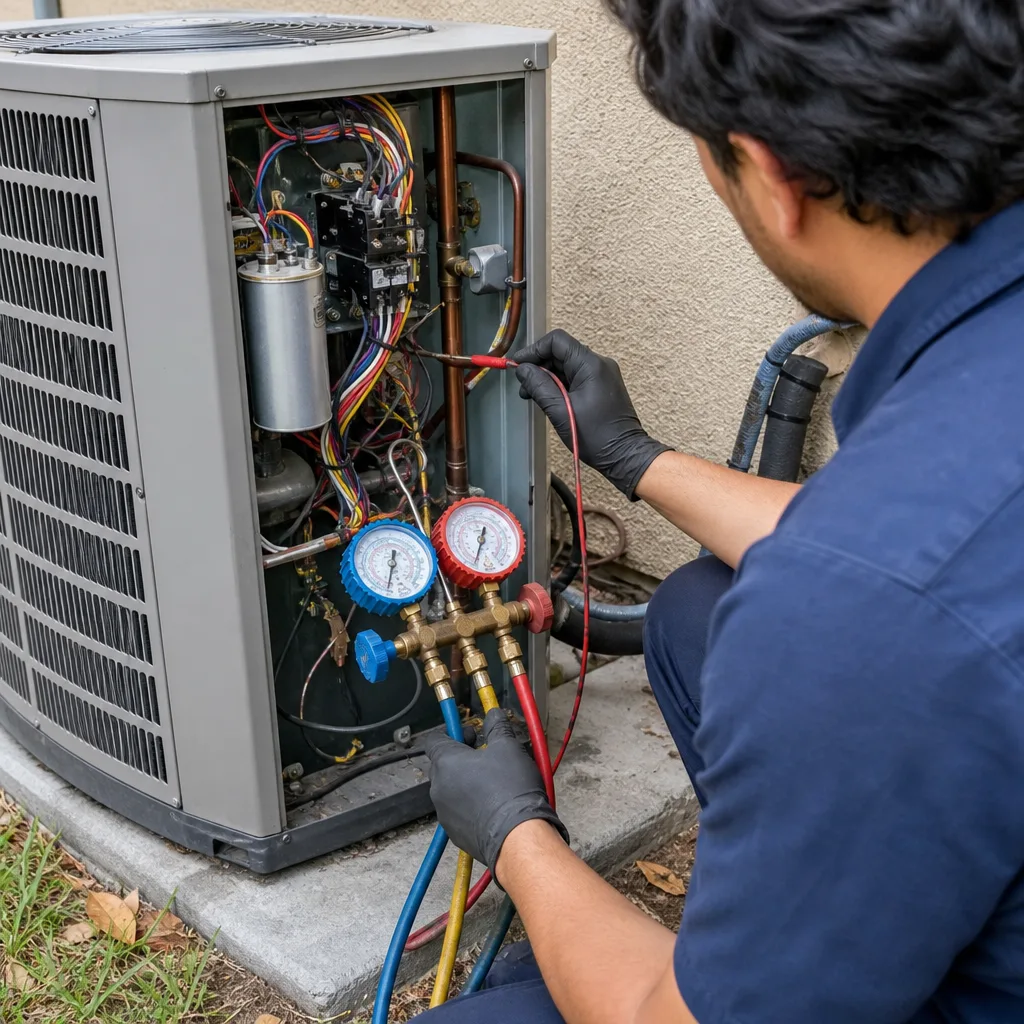 After
After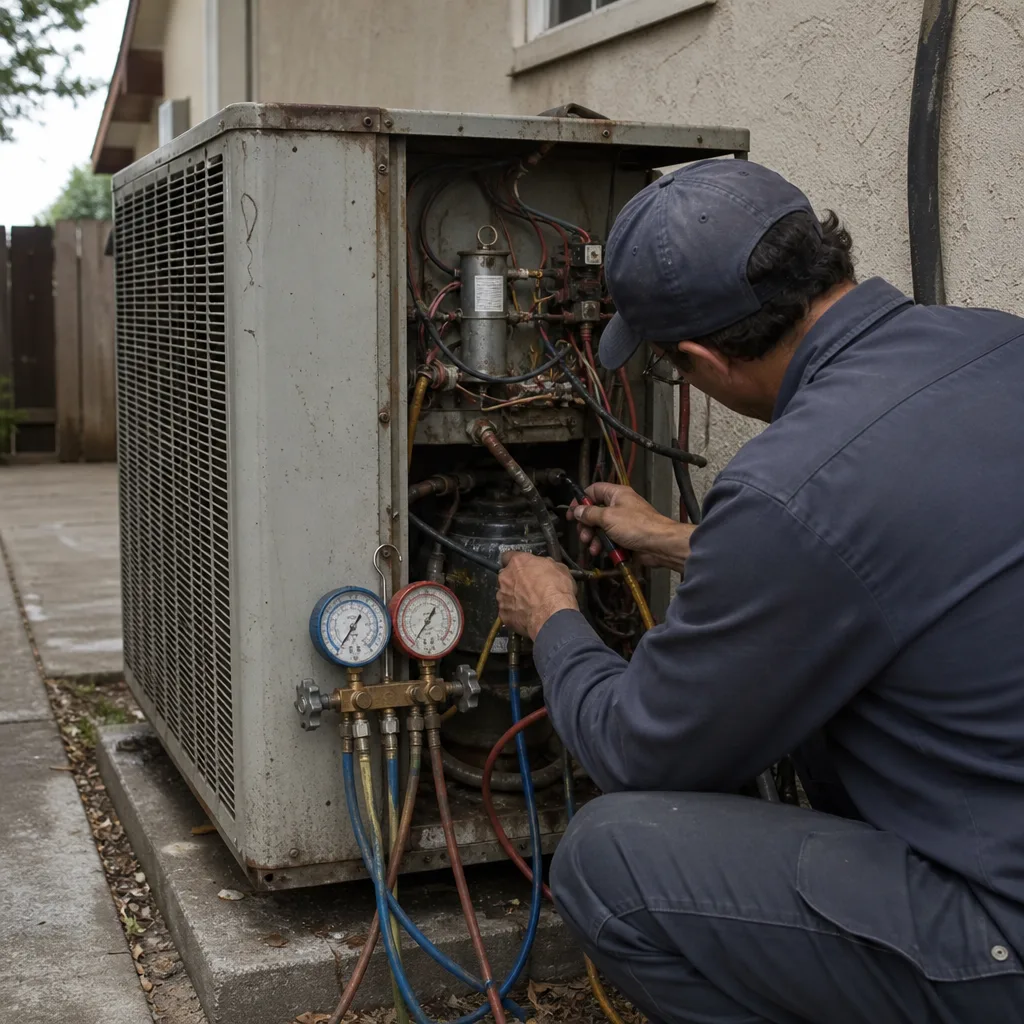 Before
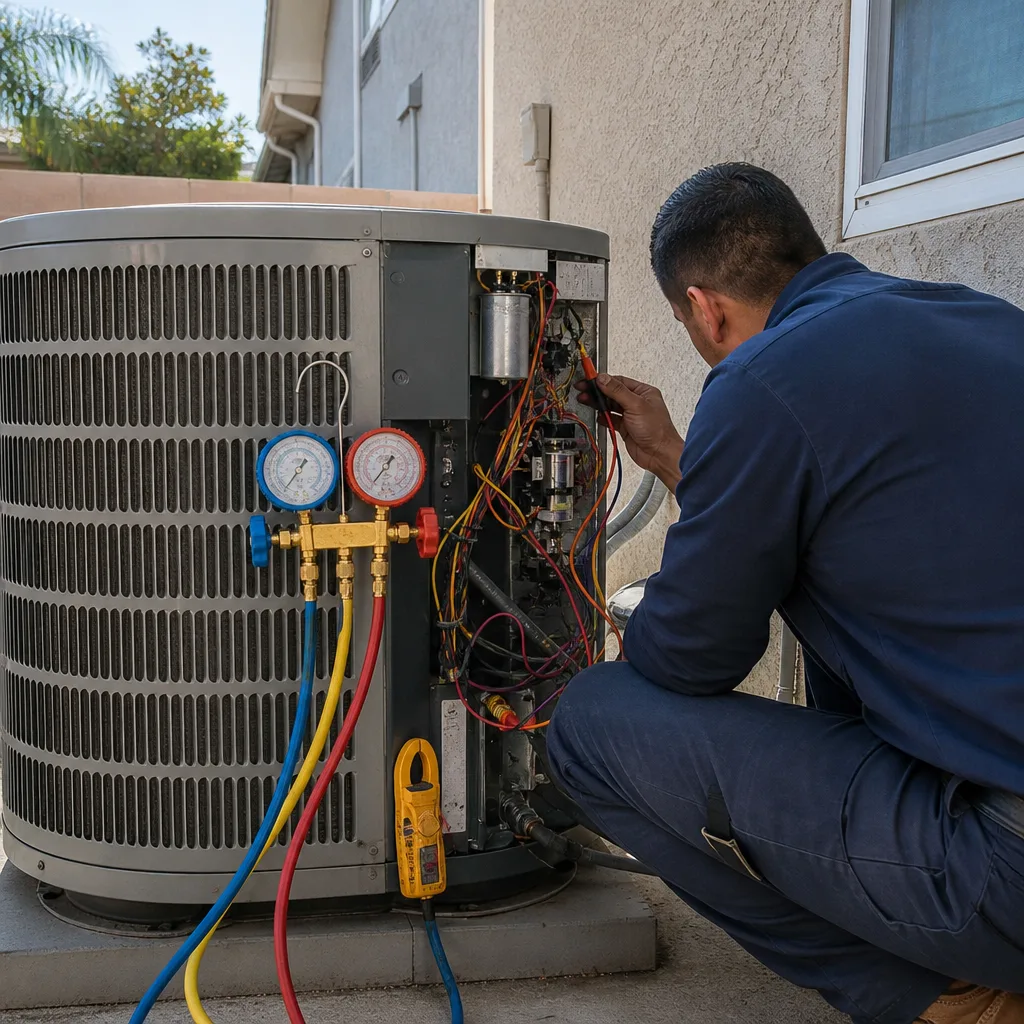 After
After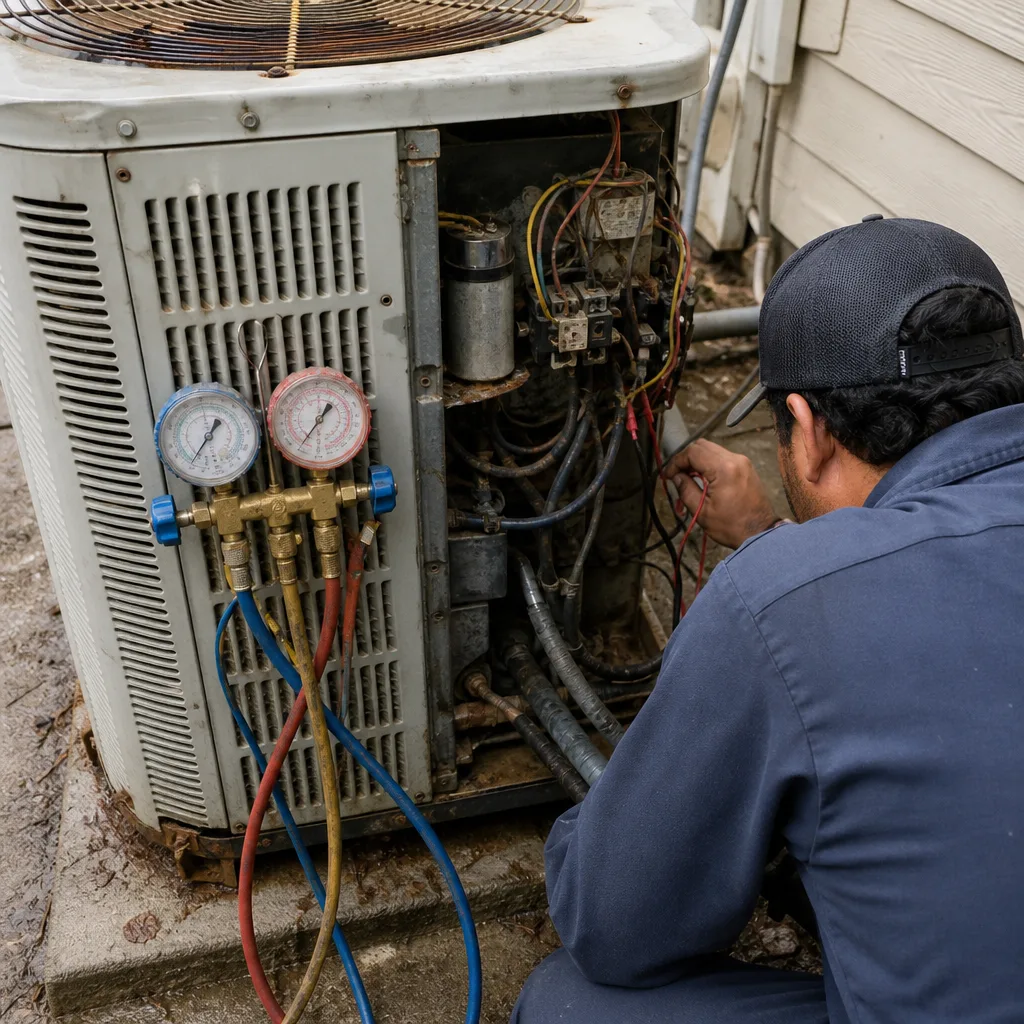 Before
 After
AfterAmerican Standard Capacitor Replacement: The Los Angeles Owner’s Guide
We stock and install American Standard-compatible capacitors across Los Angeles, with most replacements running $175 – $385 installed depending on the capacitor’s spec and your system’s configuration. Same-day service is available in most LA neighborhoods, and we carry the common dual-run and single-run ratings on the truck. Most homeowners find out their capacitor failed when the AC makes a faint hum but the fan won’t spin, or when the compressor struggles to kick on during a hot afternoon in the Valley.
A capacitor is the electrical component that gives your compressor and fan motor the jolt they need to start and keep running. When it goes, the whole system stalls. It’s a small part, usually a silver or gray cylinder about the size of a soda can, and in Los Angeles heat it takes a beating. We see capacitors fail in two ways: they lose their ability to hold charge gradually over years, or they blow out suddenly during a heat wave when the system is running nonstop.
Which American Standard Models This Applies To
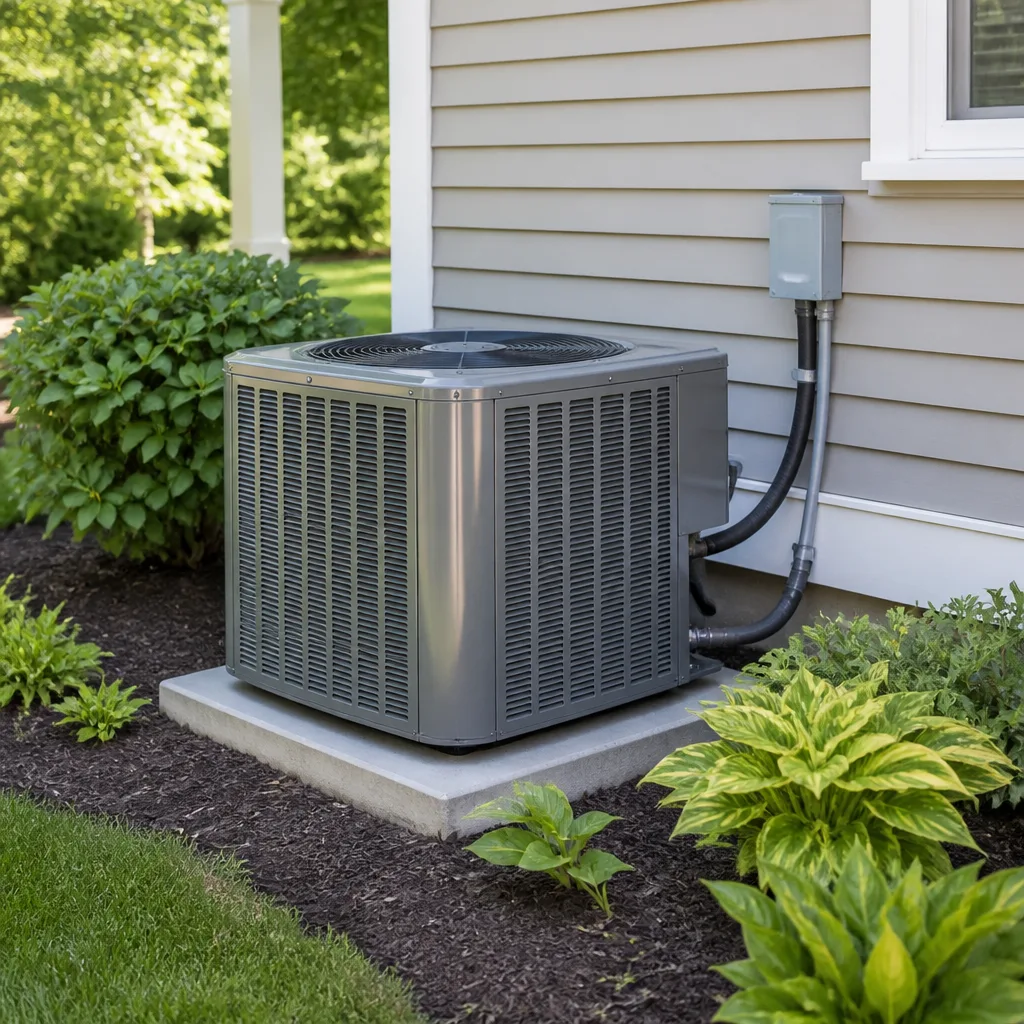
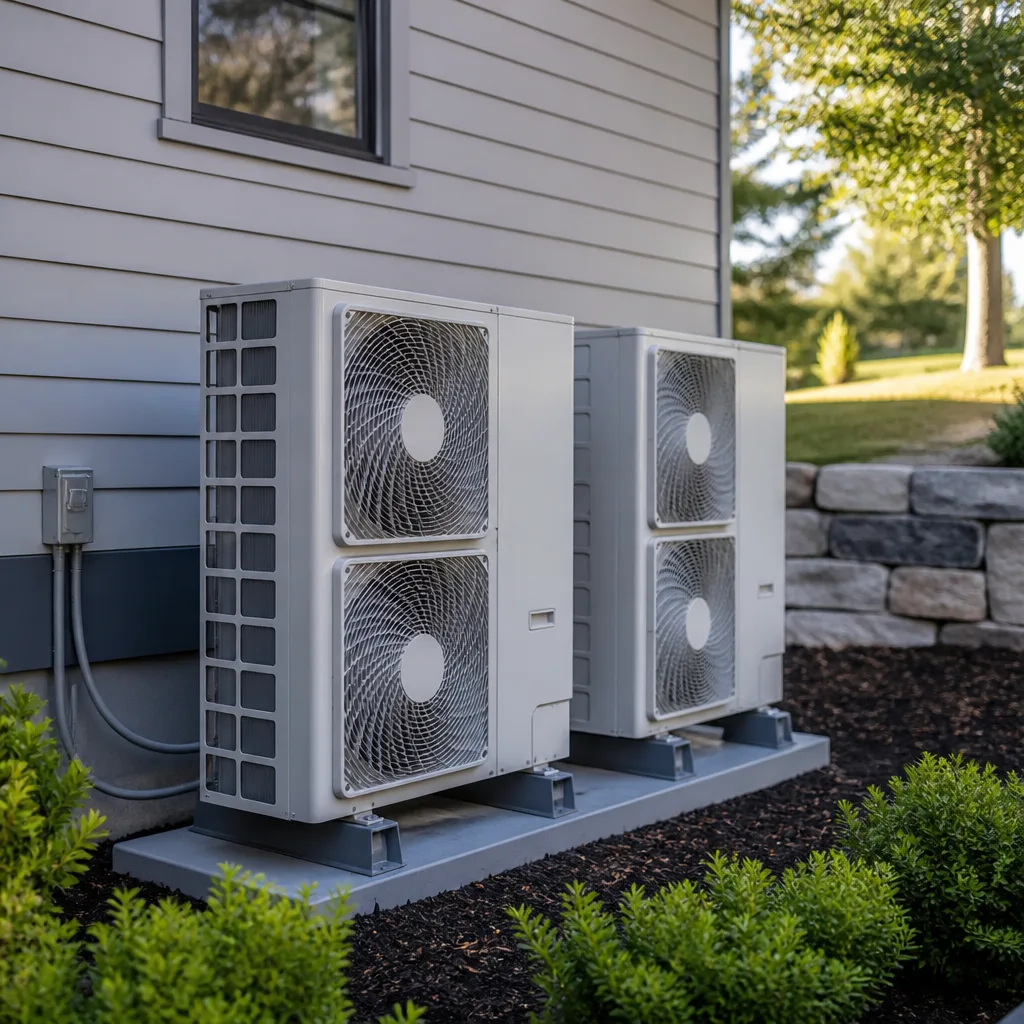
American Standard uses capacitors across its entire residential AC and heat pump lineup: the Silver, Gold, and Platinum series, plus the Allegiance and Heritage lines that many Los Angeles homes still run from the 2000s and early 2010s. Whether you’ve got a Silver 14 that a builder dropped into a track home in Valencia or a Platinum 20 in a Sherman Oaks remodel, the capacitor is doing the same job: storing and releasing the electrical charge the motors need.
The compatibility gotcha with American Standard is the dual-run capacitor. Most American Standard condensers use one dual-run capacitor that serves both the compressor and the fan motor, rather than two separate single-run capacitors. The difference matters when you’re matching a replacement. A dual-run unit has three terminal groups (C, HERM, FAN) and a rating printed on the side like “45/5 MFD 440V.” That means 45 microfarads for the compressor, 5 for the fan, and a 440-volt tolerance. Read that label before buying anything. We’ve seen owners grab a 35/5 or a 40/5 off a shelf because it was cheaper, wire it in, and wonder why the compressor trips the breaker two weeks later. The spec has to match. Close is not close enough with capacitors.
On the OEM-versus-aftermarket question: American Standard doesn’t manufacture capacitors. They source them from electrical component makers and put their name and part number on the label. A quality aftermarket capacitor from a name like AmRad, Titan HD, or GE with the same MFD and voltage rating will do the job just as well and typically lasts just as long. The real difference is the label and the markup. We stock both OEM-labeled and quality aftermarket equivalents, and we quote each honestly so you can decide.
Signs Your American Standard Capacitor Replacement Is Failing
- Humming sound, no fan movement. The compressor or fan motor is getting power but not enough of a kick to spin up. This is the most common capacitor failure we hear about in Los Angeles during the first real heat spike of the year.
- AC runs but blows warm air. The fan motor can limp along on a weak capacitor even when the compressor can’t. The fan spins slowly, air moves through the vents, but the refrigerant never circulates properly and the house won’t cool.
- System starts, runs for a few minutes, then shuts off. A capacitor that can’t hold its rated charge will cause the compressor to overheat and trip its thermal overload switch. The unit cycles on and off without ever cooling the home.
- Visible bulging or leaking from the capacitor cylinder. A capacitor that has overheated will swell at the top or sides, and sometimes you’ll see an oily residue around the terminals. Either one means the part is done and should be replaced before it damages the motors it serves.
- AC won’t start at all after a power blip or brownout. Southern California Edison brownouts are rough on capacitors. When voltage fluctuates, capacitors absorb the stress. Many older capacitors fall right after a flickering-lights evening in August.
Replacement Cost & What’s Included
A capacitor replacement for an American Standard system in Los Angeles typically runs $175 – $385 installed. That’s the full price: the part, the labor, the diagnostic time, and the written guarantee. What moves the number within that range is the capacitor spec. A standard 35/5 or 45/5 dual-run capacitor falls at the lower end. A 440-volt rated unit, a larger MFD rating on a bigger Platinum unit, or a system that needs two separate capacitors runs closer to $385. Supply chain hasn’t made these parts dramatically more expensive, but LA labor costs are what they are.
Every capacitor replacement from Dalton Heating & Air includes the written price before any work starts, so there’s no door-price surprise. The repair is guaranteed in writing for a full year. If the capacitor or the work fails in that time, we return at no charge. That’s the Garrison Standard, and it applies to every service call we run from Pasadena to the Westside.
DIY or Call Us?
A capacitor stores enough electrical charge to stop a heart, even after the power is cut. This is not a part you pop out and pop in like a furnace filter. If you don’t know how to safely discharge a capacitor and confirm it’s dead with a multimeter, don’t touch it. We say that plainly because we’ve seen what happens when someone watches a YouTube video, grabs a screwdriver, and shorts the wrong terminals.
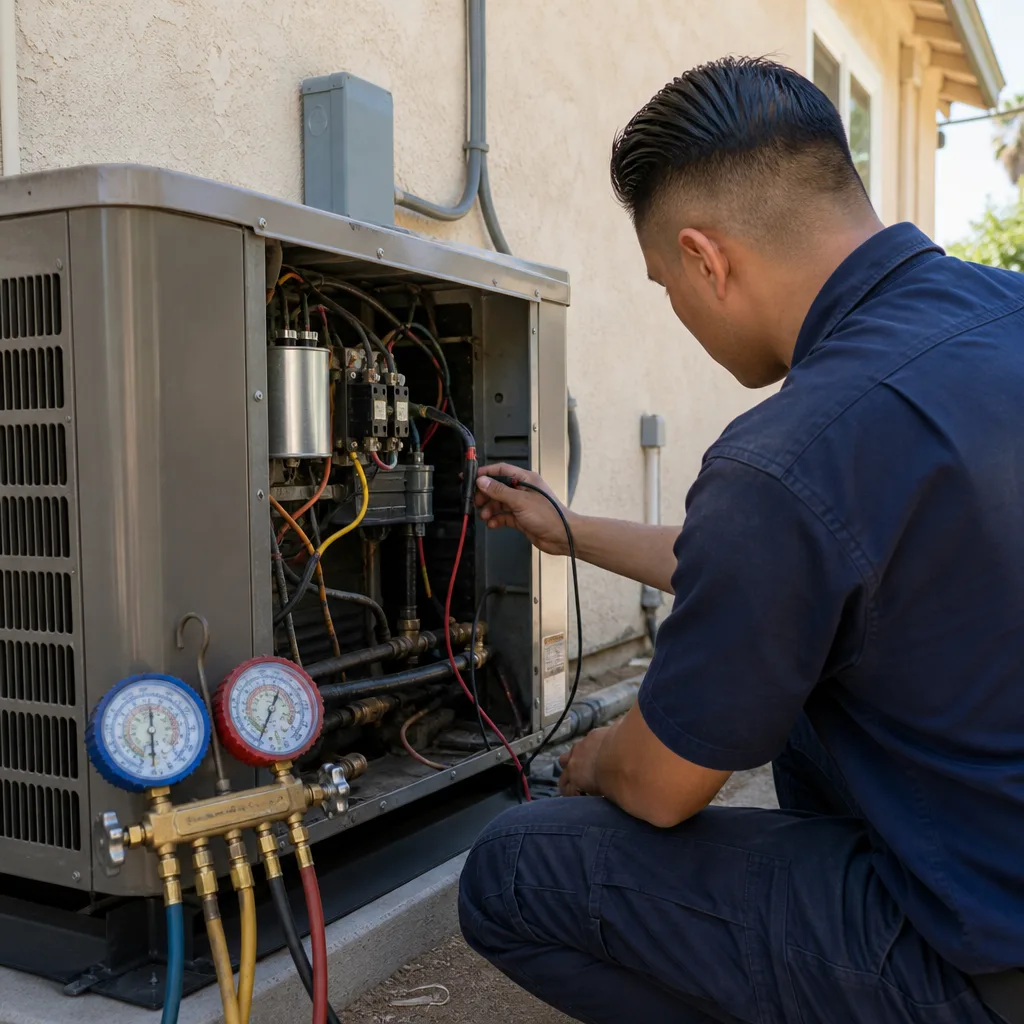
What you can safely do is read the label. Take a photo of the capacitor through the condenser’s access panel without touching anything inside. If the top is domed or there’s oil seeping around the wiring, you’ve got your answer and we can quote the replacement accurately from that photo. If the label is faded or burned, we’ll match the spec off the compressor and fan motor data plates when we arrive. Either way, call (361) 306-9515 and we’ll get a tech out to your Los Angeles home, identify what failed, and hand you a written price before any tool comes off the truck.
FAQs
A capacitor in Los Angeles typically lasts 5 to 10 years, but the real variable is heat and voltage quality. Units in the San Fernando Valley or inland areas where the AC runs hard from June through October often burn through capacitors faster than coastal systems in Santa Monica or Redondo Beach. Brownouts and dirty condenser coils shorten that lifespan further. If your unit sits in direct afternoon sun with no shade, expect the shorter end of that range.
No. Capacitors are sealed, non-serviceable components. Once the dielectric inside breaks down or the case deforms, there’s no rebuilding it. Any tech who claims they can fix a capacitor rather than replace it is not doing you a favor. Replacement is the only legitimate repair.
The swap itself takes 20 to 40 minutes once the system is safely discharged and the new part is confirmed against the compressor and fan specs. With diagnostic time, most capacitor replacement calls are done in under an hour. We’ll also do a quick check of the contactor and wiring while we’re in there, since a weak capacitor sometimes isn’t the only thing wearing out.
Yes. Our trucks carry the most common American Standard dual-run ratings (35/5, 40/5, 45/5, and 50/5 in both 370V and 440V configurations) plus a range of single-run capacitors for blower motors. If your system needs an uncommon spec, we can typically have it in hand within a day and will quote you the whole job before ordering. We also stock capacitors compatible with Carrier, Trane, and Lennox systems, since most Los Angeles homes have more than one brand in the neighborhood.
Call (361) 306-9515 for a free estimate on your American Standard capacitor replacement. A live person answers 24/7, and the price you’re quoted is the price in writing before any work begins.
Written by Marco Benitez, Owner & Lead HVAC Technician, Dalton Heating & Air at Dalton Heating & Air, serving Los Angeles and nearby areas.