
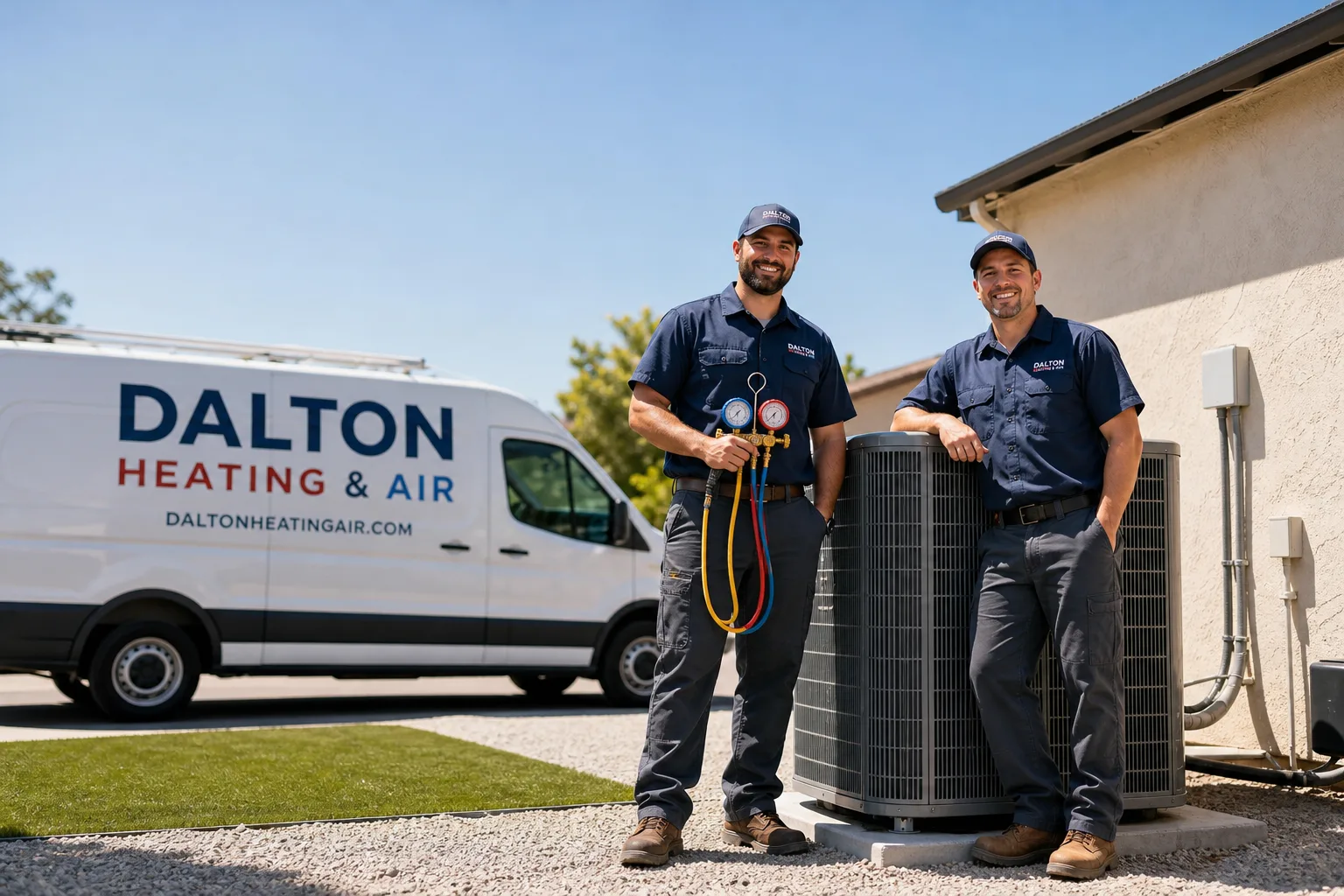
Seasonal tune-up and full diagnostic on your Carrier, Trane, or Goodman system - readings shown to you before any repair is proposed
Diagnosis first, numbers second - you approve the repair price before a single part goes in.
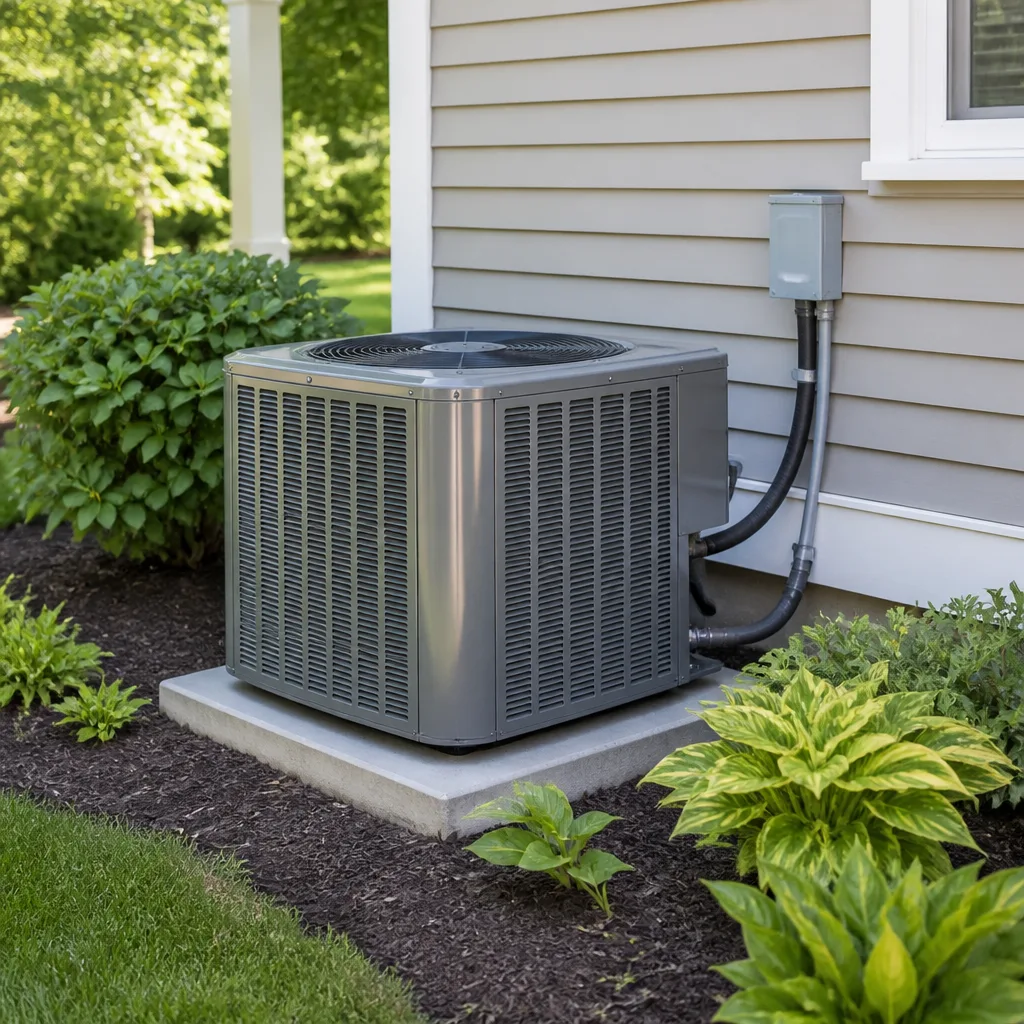
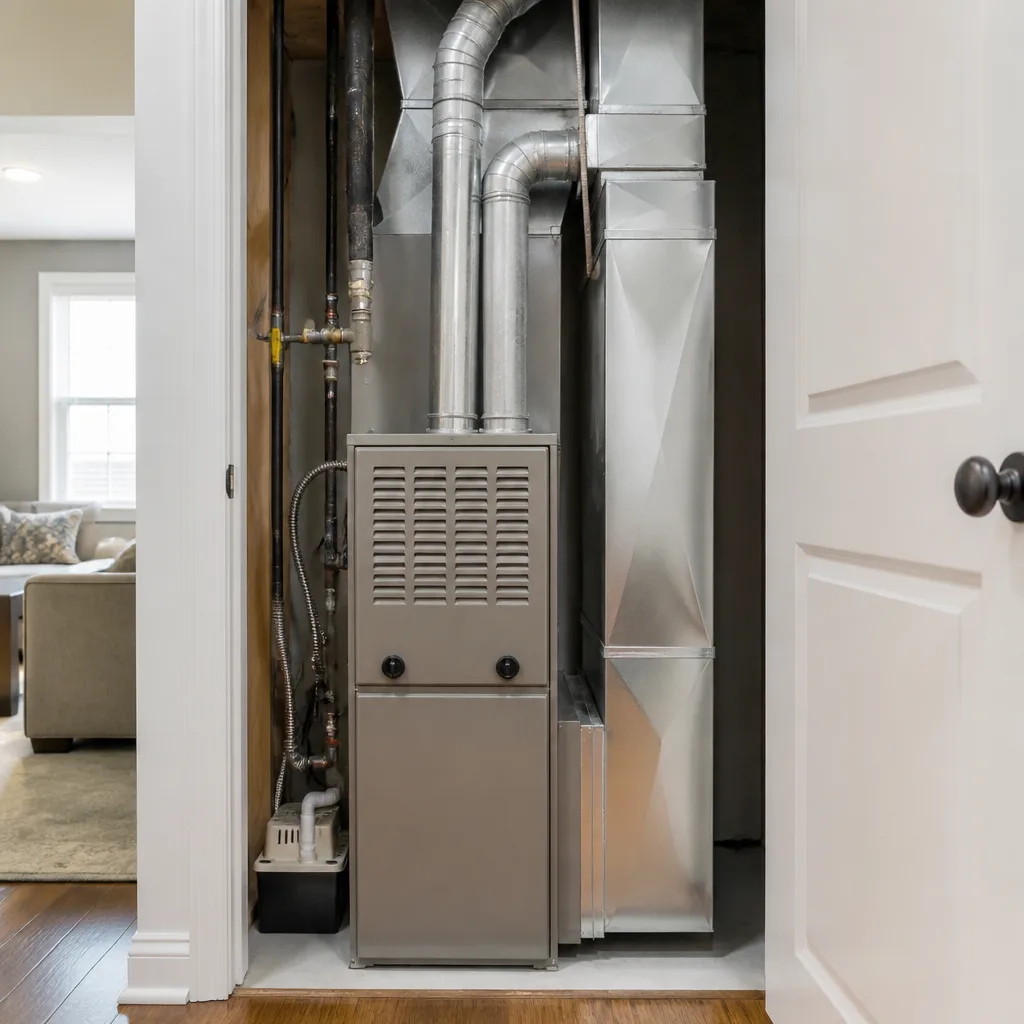
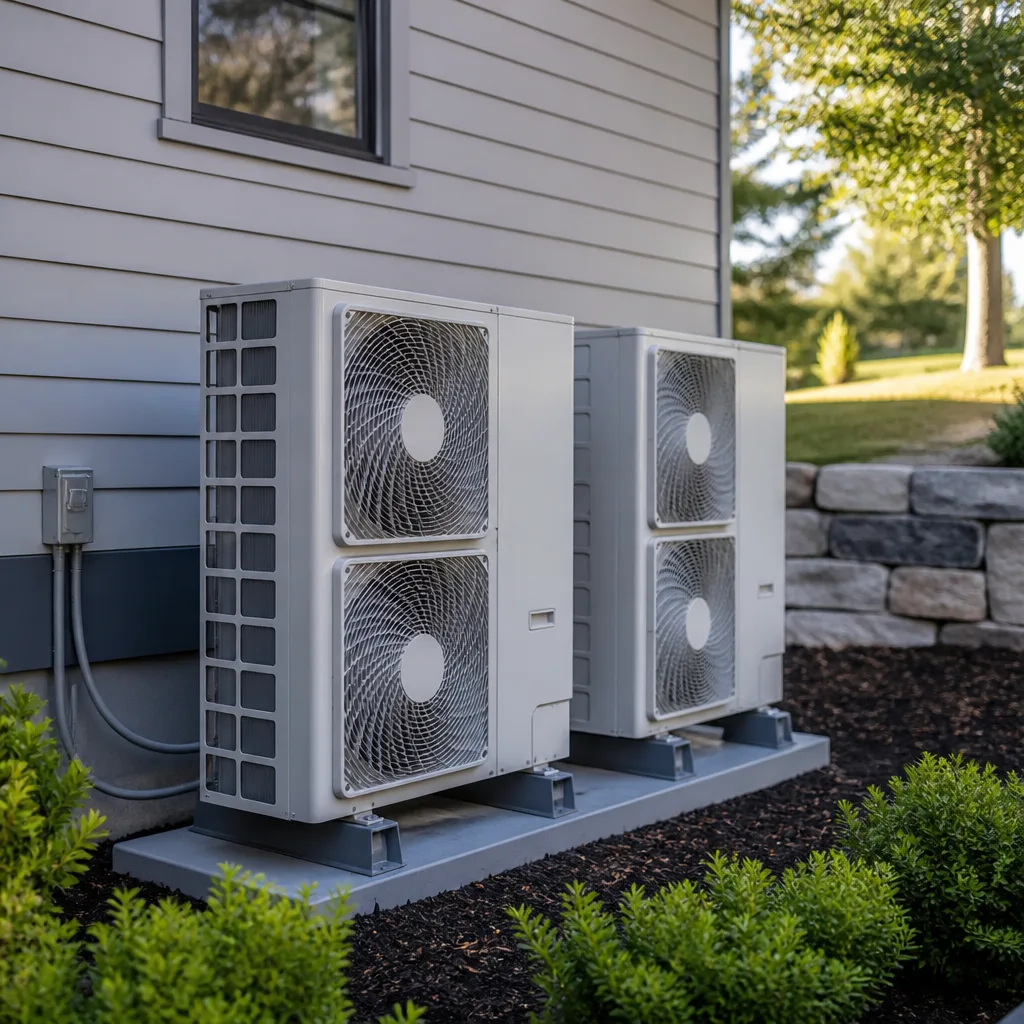
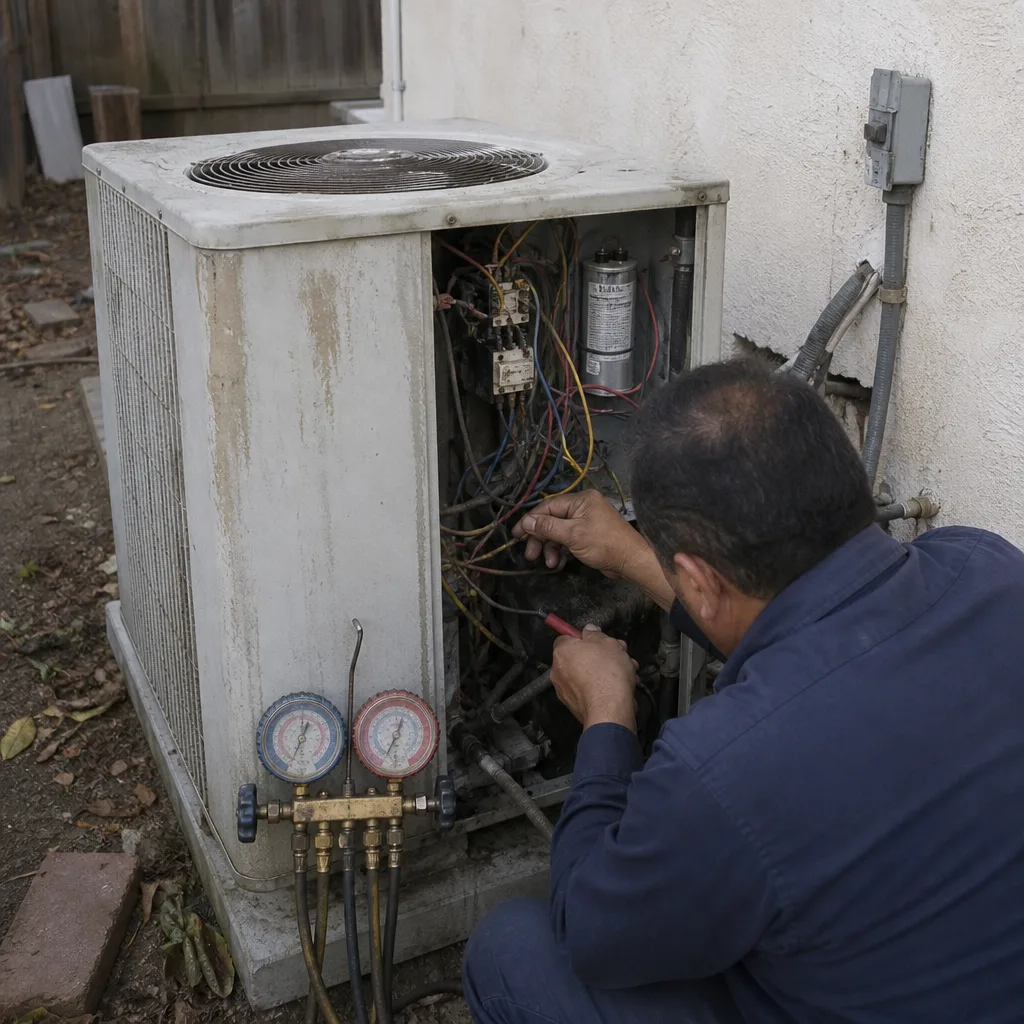 Before
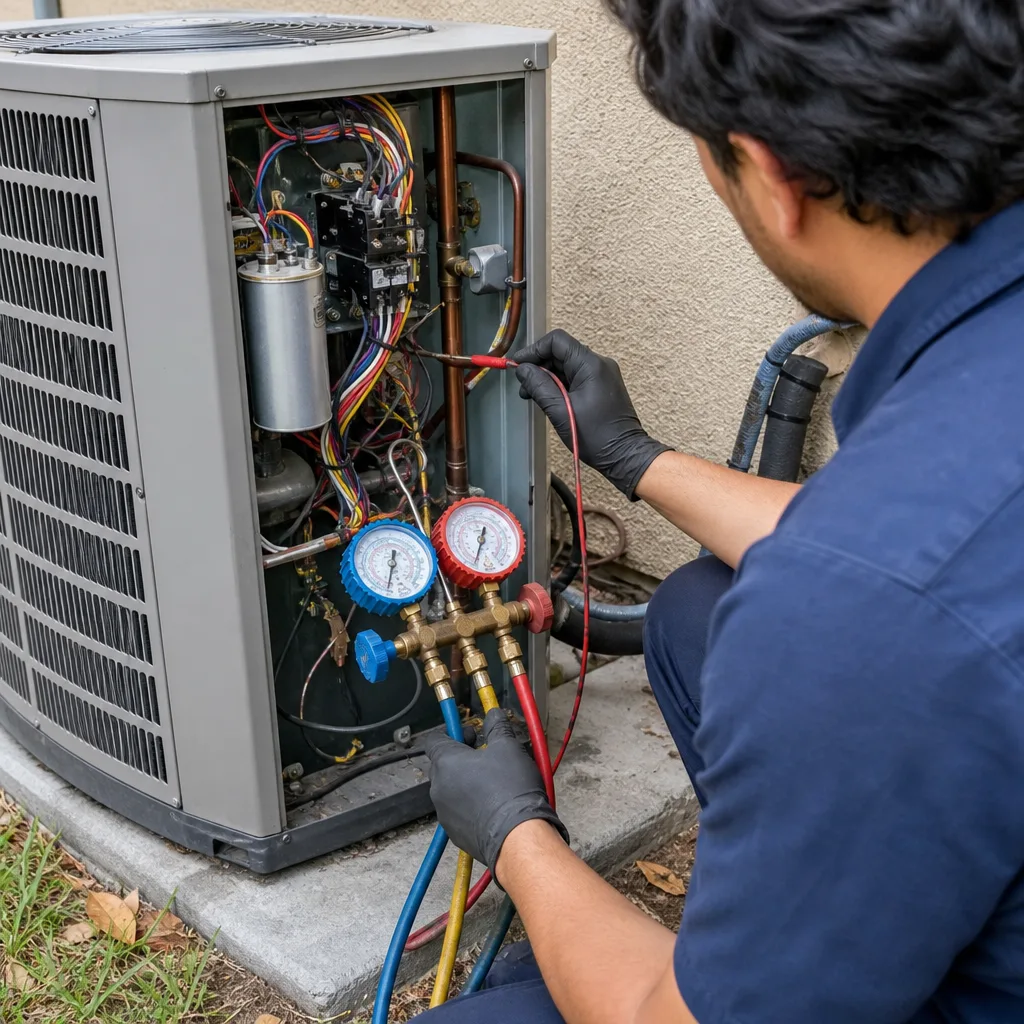 After
After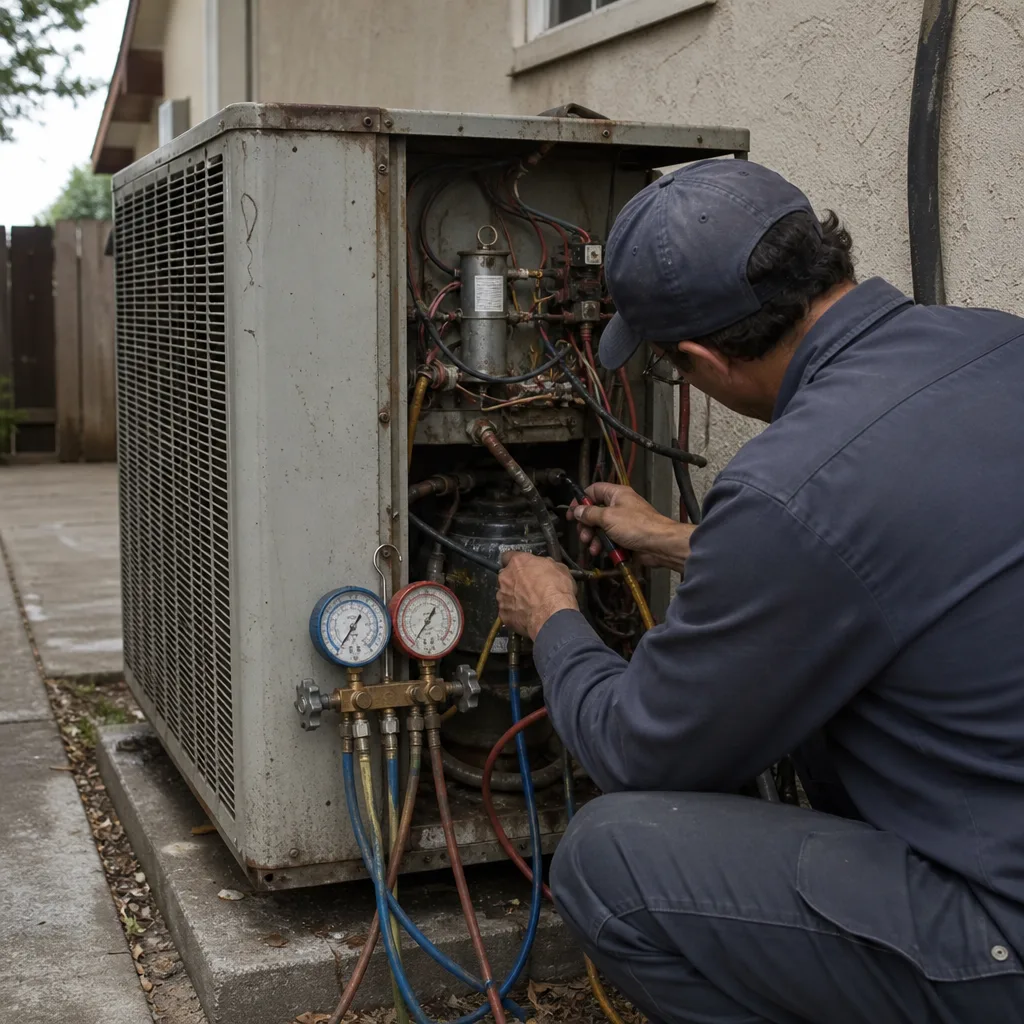 Before
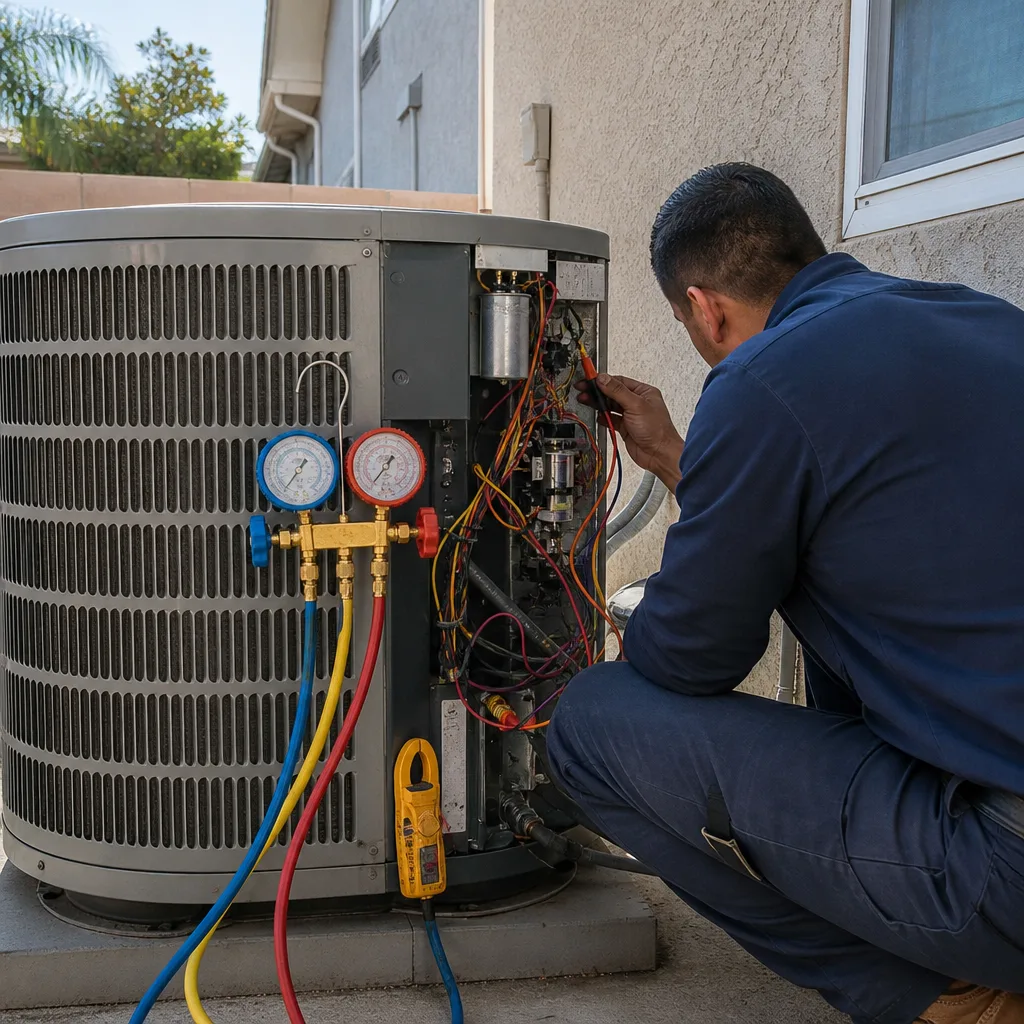 After
After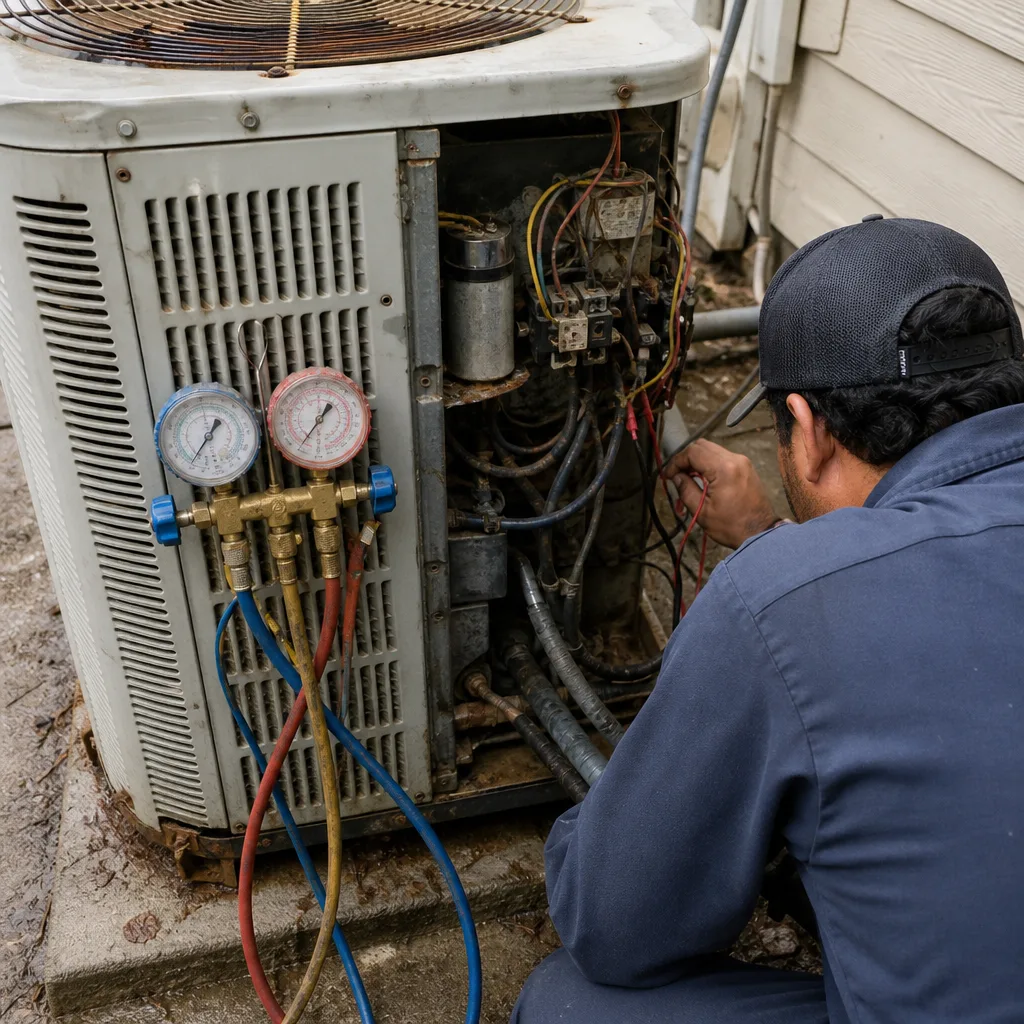 Before
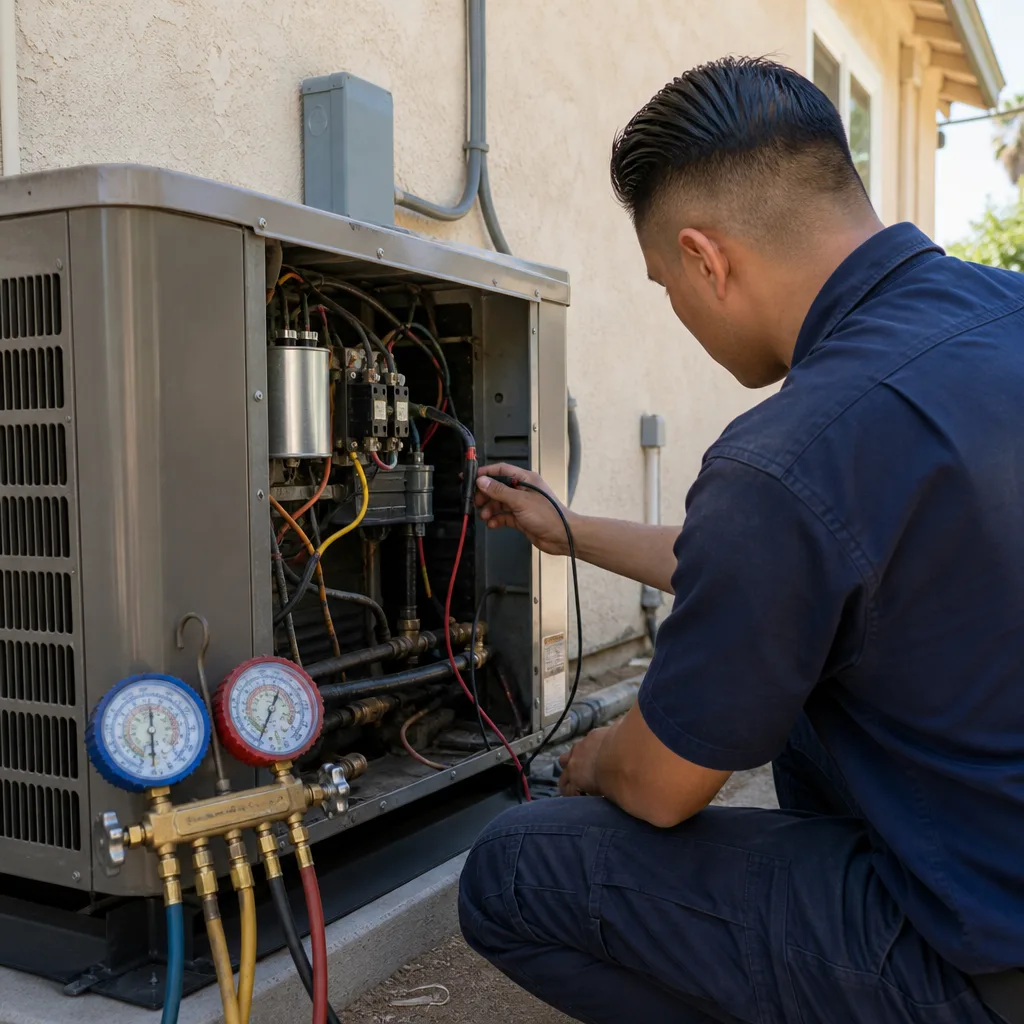 After
AfterFast, Reliable AC Repair Across Progress Village
Most AC repairs in Progress Village run $150 – $650, and when your system dies on a 94-degree afternoon, you want a crew that shows up inside the window, puts the price in writing, and fixes it the first trip. That’s what we do. Dalton Heating & Air serves all of Progress Village with same-day service on genuine no-cooling calls, and every repair carries a written one-year guarantee. If your system is short-cycling, blowing warm, or making a noise you’ve never heard before, call (361) 306-9515 and a live person answers, day or night.
Why Dalton Heating & Air Is Progress Village’s Preferred AC Repair Company
Progress Village homeowners deal with a specific kind of AC problem: afternoon sea-breeze storms off the Gulf push salt air, pollen, and yard debris into condenser coils, and that mess hardens into a mat that makes systems run hot and inefficient. We see it constantly. Our technicians live in this climate, know how the humidity loads up systems here, and they arrive ready to diagnose the actual cause instead of guessing.
Every call is run through The Garrison Standard, the set of rules we’ve followed since 2003. That means a written price before any work starts, a written guarantee on every repair, and a technician who’s background-checked and uniformed. You know who’s coming before they show up. And if the repair fails within a full year, we return at no charge under the 365-Day Done Right Promise. We don’t make you call a separate warranty line or wait on a callback. One call, one crew, one standard.
Marco Benitez, who leads the Dalton Heating & Air team, keeps the operation tight: dispatch from the South FL office, local crews in Progress Village, and phones answered by a real person 24/7. No voicemail queue, no “leave a message and we’ll get back to you by end of day.”
AC Capacitor Replacement in Progress Village
AC capacitor replacement in Progress Village is one of the most common repairs we do, and it’s often the difference between a $185 fix and a $1,100 compressor replacement down the road. The capacitor is the small cylindrical part that gives your compressor and fan motor the electrical jolt they need to start and keep running. When it weakens, your system short-cycles, hums without starting, or runs hot until something bigger fails.
In Progress Village, capacitors age fast. The heat index regularly pushes past 100, and the hard starts that come with afternoon storms put extra strain on the capacitor each time the system kicks back on. A capacitor that drifts below its rated microfarads may still start the system for weeks, but it’s actively punishing the compressor every cycle. Catching it early costs $150 – $300, and the part is installed with a written guarantee.
What a weak capacitor sounds like
A condenser that hums but the fan isn’t spinning, a system that starts and stops every few minutes, or a compressor that trips the breaker are the classic signs. If you hear a clicking sound from the outdoor unit before it fails to start, that’s often the capacitor trying and failing to do its job.
Why we test it first
Our techs test capacitor microfarad drift on every repair call, not just the ones where it’s obviously dead. A capacitor can be 20% off its rating and still technically working – while it’s slowly destroying the compressor. We test, show you the number, and if replacement makes sense, the price is in writing before we touch a wire.
AC Recharge in Progress Village
AC recharge in Progress Village, what we call refrigerant charge correction, runs $200 – $650 depending on the refrigerant type and how far the charge has fallen. “Recharge” is the trade word for topping off the cooling fluid your system needs to reach setpoint. But here’s the honest part most homeowners don’t hear: if a system is low on refrigerant, it has a leak. Topping it off without finding and fixing the leak means you’ll pay for the same recharge again, usually within a year.
Progress Village’s salt air is harder on coils and line sets than inland Florida. Rust on the copper connections and coil fins creates slow leaks that don’t show liquid signs but steadily bleed pressure. A system that’s low on refrigerant will blow cool-ish air but never actually hit the number on the thermostat, which is why so many homeowners run the system harder and see a higher Duke Energy or TECO bill without knowing why.
Signs your system is low on refrigerant
Air blowing lukewarm, a longer runtime than normal, ice on the insulated line at the condenser, or a hissing sound near the indoor coil. If the house won’t get below about 80 with the system running nonstop, the charge is often the culprit.
Leak check before you refill
We don’t just pump refrigerant into a leaking system. We locate the leak, quote the fix, and only recharge once the system will actually hold it. That’s the difference between a $250 band-aid and a repair that holds. Every recharge includes a written price before we start and falls under the first-visit diagnostic of our full AC Repair service.
Trusted Brands We Service in Progress Village
We’re factory-trained on nine major residential HVAC brands, and in Progress Village we work on Trane, Lennox, and Goodman systems most often. That matters because parts for those brands are not interchangeable, and a universal part that “probably works” is exactly what we refuse to install. Whether you have a Rheem heat pump, a Goodman split system, or an older Lennox condenser near Bullfrog Creek Road, our techs carry common capacitors, contactors, and fan motors stocked for this market, which means most repairs are done in one visit, not two.
Common AC Repair Problems We See in Progress Village Homes
- Storm-driven condenser coil blockages. Afternoon storms off the Gulf push pollen, grass clippings, and construction dust into the condenser coil, where it bakes into a mat that raises head pressure and makes a healthy system look like it’s failing. Cleaning the coil is part of every repair visit.
- Weak run capacitors in aging condensers. Progress Village’s housing stock includes a lot of systems from the mid-2000s, and their capacitors are at the end of their expected life. When the capacitor drifts low, the compressor pulls too many amps and its lifespan shrinks by months, not weeks.
- Low refrigerant from slow leak points. Salt air from the Gulf accelerates corrosion on copper line connections and coil fins, which is where most slow refrigerant leaks start. A slow leak can take two seasons to show up as a comfort problem, but it’s been raising your electric bill the whole time.
- Short-cycling near the coast. Rapid temperature swings from afternoon storms cause systems to cycle harder than inland units. Homes closer to the Gulf see more start-stop stress on contacts, capacitors, and compressor windings than the county average.
Pricing for AC Repair in Progress Village, FL
Here are the honest numbers for AC repair in Progress Village, and they don’t change at the door.
| Repair Type | Typical Range in Progress Village |
|---|---|
| AC capacitor replacement (diagnostic + part + labor) | $150 – $300 |
| AC recharge / refrigerant charge correction | $200 – $650 |
| Full AC repair visit (capacitor, contactor, blower motor, thermostat calibration) | $150 – $650 |
On a refrigerant issue, the type of refrigerant in your system is the biggest driver of cost. Older R-22 systems cost more per pound to recharge than R-410A systems, and that’s a real market price, not a tacked-on fee. Emergency no-cooling calls in Progress Village are answered 24/7 with no overtime surcharge. Every estimate is free, and the price you approve is the price you pay, in writing, before any work starts. Call (361) 306-9515 for an exact quote on your system.
- Same-day genuine no-cooling service – When your AC is dead and the house is climbing, we’re there the same day.
- Written price before work begins – No door-price surprises, no add-ons you didn’t approve.
- 365-Day Done Right Promise – A full year of coverage on every repair, not a 30-day window.
- Free second visit if the repair fails – If the work doesn’t hold, Dalton comes back at no charge.
Progress Village sits roughly midway between Tampa Bay and the Gulf, so its afternoon sea-breeze storms arrive earlier and drop more rain than inland Hillsborough County. Airborne pollen and construction dust get pulled into the condenser coil, then baked into a mat that raises head pressure and makes a clean, fully-charged system look like it’s failing. We see this specific pattern on our Progress Village calls constantly, and it’s exactly why we start every repair with a full condenser inspection rather than assuming the first symptom is the actual problem.
A family off Bullfrog Creek Road called us when their 3-ton Carrier condenser was short-cycling every few minutes on a 94-degree afternoon. Our tech tested the capacitor (it had drifted well below its rated microfarads), replaced it, then rinsed two years of storm-driven yard debris out of the condenser coil. The compressor was running cool and the house was back to setpoint without a single upsell.
Honest repair-versus-replace guidance is the right thing to give the homeowner, and it’s the standard in Progress Village. We don’t push replacement on a repair that has years left in it, and we don’t patch up a system that’s done. The decision comes down to three things: the age of the system, the cost of the repair, and what a proper load calculation says about whether the equipment was ever sized right for your house in the first place.
That last point matters more in Progress Village than most people realize. A load calculation is the professional method for sizing air conditioning: we measure square footage, window direction, insulation, and the local heat and humidity load, then calculate the exact tonnage your house needs. A system that’s oversized will short-cycle and never dehumidify properly. One that’s undersized runs nonstop and still can’t hit setpoint on a humid 96-degree day. If a repair estimate keeps coming up on a system that was never sized right, that’s a sign you’re fixing a mismatch, not a malfunction.
The repair-versus-replace question is worth taking seriously on any system over 12 years old. A $300 capacitor replacement on a 9-year-old system is usually the obvious call: fix it and keep going. A $650 refrigerant repair on a 14-year-old R-22 system with a corroded coil is different – that’s when we’ll sit down and give you real numbers on what a new, properly sized system costs to run versus what the old one is costing you. We don’t take a commission on your decision either way. Our techs are not paid on what they sell, which is a rule of The Garrison Code, not a marketing line.
SEER and SEER2 are efficiency ratings for air conditioners. SEER2 is the newer, more accurate testing standard that went into effect in 2023, and it reflects real-world conditions better than the old SEER number. In Progress Village, where cooling season runs from March through November, a higher SEER2 means real money on your monthly bill. A 15-SEER2 system will cost meaningfully less to run over a summer than a 10-SEER system, and when you’re comparing replacement quotes, that efficiency gap is worth more than the upfront price difference. The honest number is this: in our climate, an efficient system often pays for the upgrade within five to seven years, just on electricity.
What a load calculation changes about your AC repair
Plenty of Progress Village homes were built in different decades of the county’s building boom, and original equipment was sometimes chosen with rule-of-thumb sizing rather than a real Manual J load calculation. When we repair a system that was never sized correctly, we tell you. It’s the difference between fixing the symptom and fixing the cause. The load calculation is also the honest way to answer whether your existing system is worth repairing at all, or whether the money is better spent on the right-sized replacement.
We Also Serve Cities Near Progress Village
Dalton Heating & Air provides the same written-price, one-year-guarantee service to homeowners in Progress Village and the surrounding communities, including Jacksonville, Miami, Tampa, and Orlando. If you’re in one of those areas and your AC is down, the same live 24/7 phone and The Garrison Standard follow you there. Call (361) 306-9515.
Serving Progress Village, FL - Our Local Coverage Area
We’re based in the Progress Village area and know this community well. Use the map below to see our service coverage - if you’re nearby, we can almost certainly help.
FAQs About AC Repair in Progress Village
It could be either. A low refrigerant charge from a slow leak is a common cause, and so is a condenser coil matted with storm debris raising head pressure. If the system runs constantly and blows lukewarm, a recharge may fix it – but only after we find and repair the leak. If the system is short-cycling or the compressor is struggling, the issue is more likely a weak capacitor or a failing compressor, which is a different repair and a different price. The way to know is a proper diagnostic, which is part of every visit. Call (361) 306-9515 for a free estimate.
A load calculation tells us the exact tonnage your home needs based on its square footage, window area, insulation, and our local humidity. If your existing system was never sized right, a repair can mask the problem without solving it. That’s how we separate a legitimate repair from a replacement that’s actually the better use of your money. We run the calculation before recommending anything.
Most Progress Village AC repairs fall between $150 and $650. A capacitor replacement runs $150 – $300, a refrigerant recharge runs $200 – $650, and a full repair visit covering a capacitor, contactor, blower motor, or thermostat calibration stays inside that $150 – $650 range. The price is in writing before we start, and the one-year guarantee is included. Call (361) 306-9515 for your exact number – the estimate is free.
It depends on the repair and the refrigerant. A $200 capacitor replacement on a 12-year-old system that’s otherwise running fine is usually worth doing. A $650 refrigerant leak repair on an R-22 system with a corroded coil is a different math problem – you’d be putting money into a unit that’s near the end of its life and uses refrigerant that’s no longer produced. We’ll lay out both options with real numbers and no pressure either way.
SEER2 is the updated efficiency standard that took effect in 2023, and it measures real-world performance more accurately than the old SEER rating. Yes, it matters. In Progress Village’s cooling season, which runs most of the year, a higher SEER2 rating means a lower monthly electric bill. When you’re looking at replacement options, a 15-SEER2 system will cost less to run every month than a 10-SEER system from a decade ago.
Written by Marco Benitez, Owner at Dalton Heating & Air, serving Progress Village since 2003.