
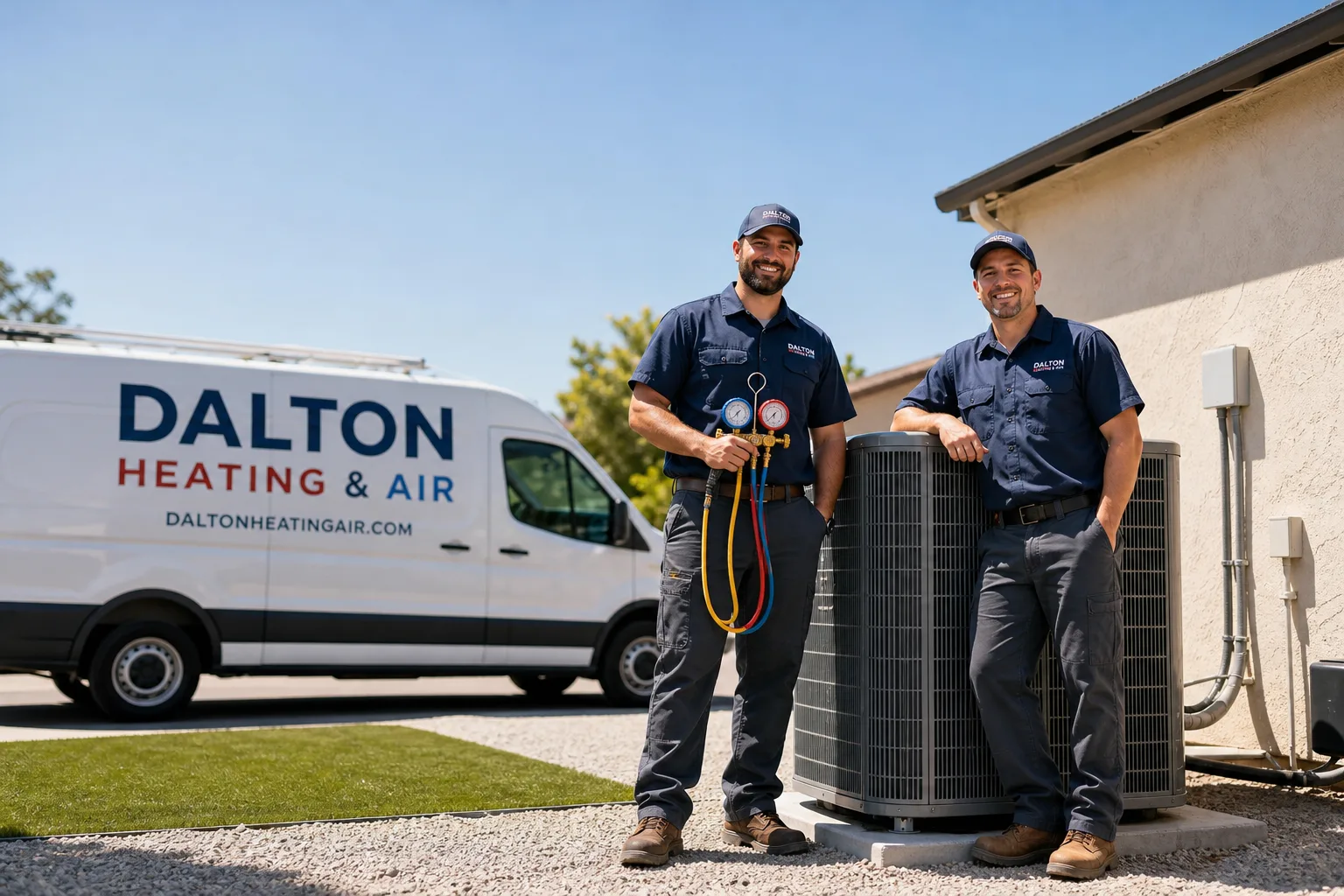
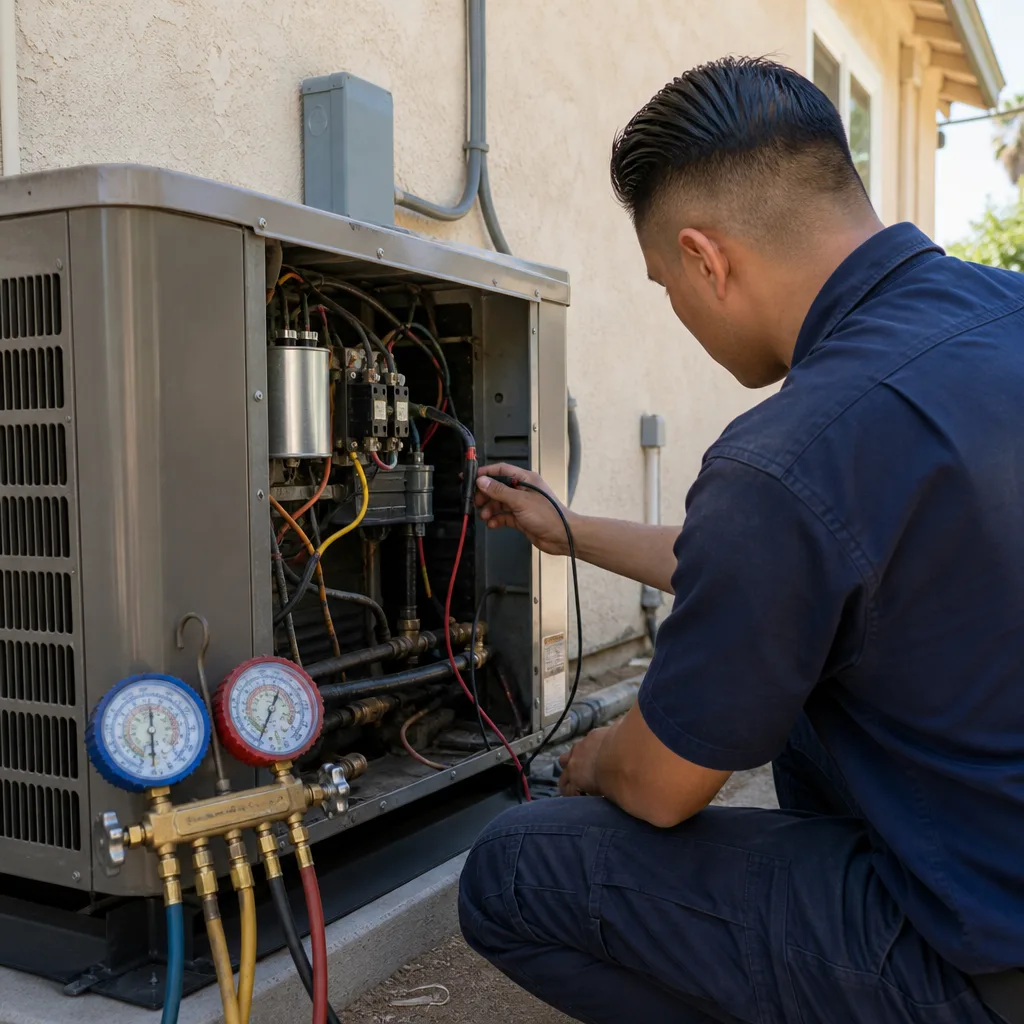
Seasonal tune-up and full diagnostic on your Carrier, Trane, or Goodman system - readings shown to you before any repair is proposed
Diagnosis first, numbers second - you approve the repair price before a single part goes in.
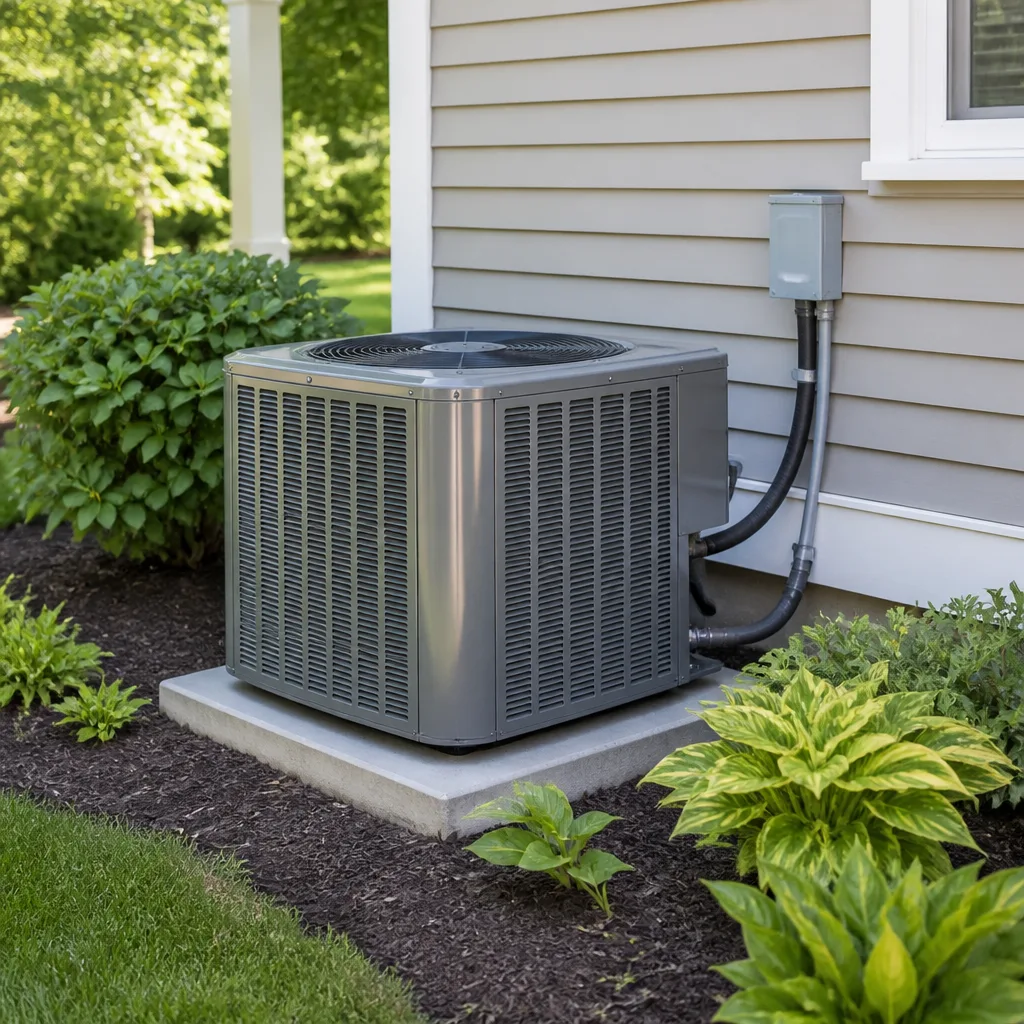
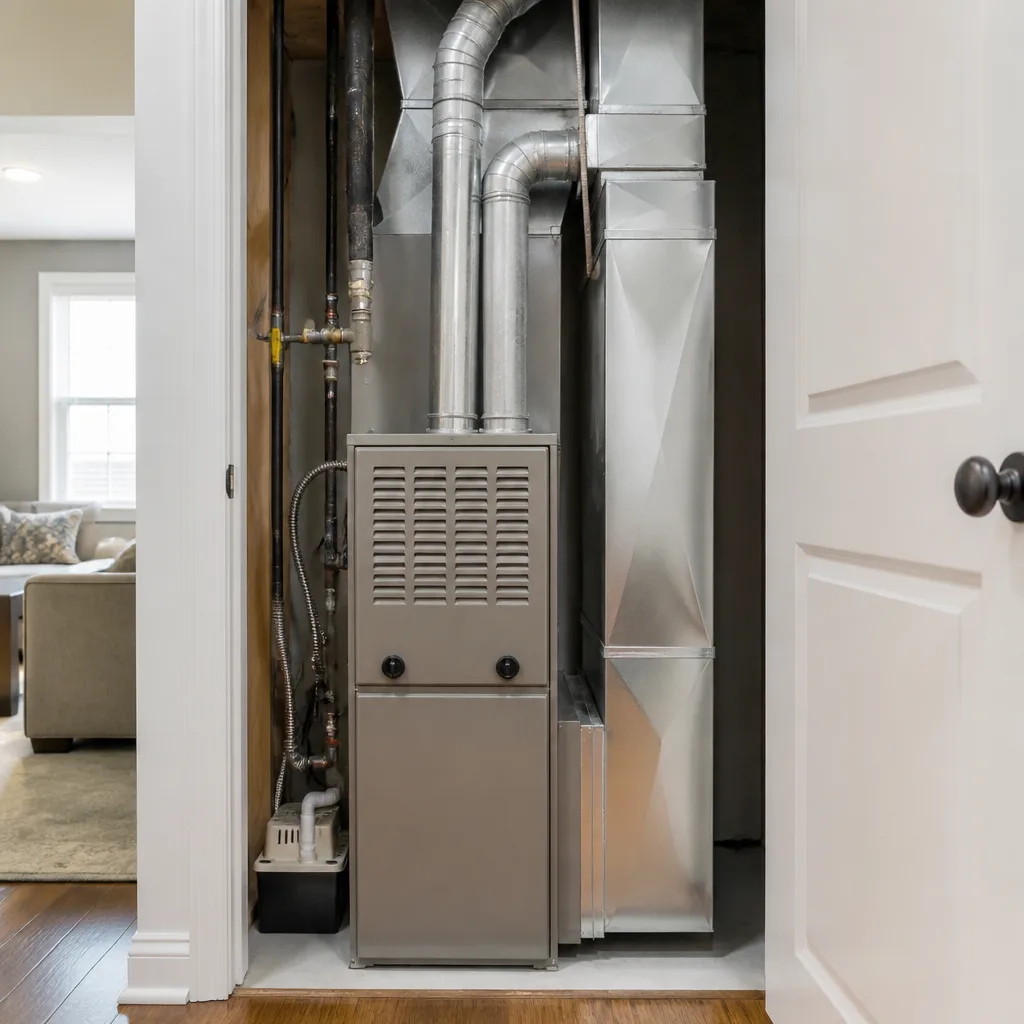
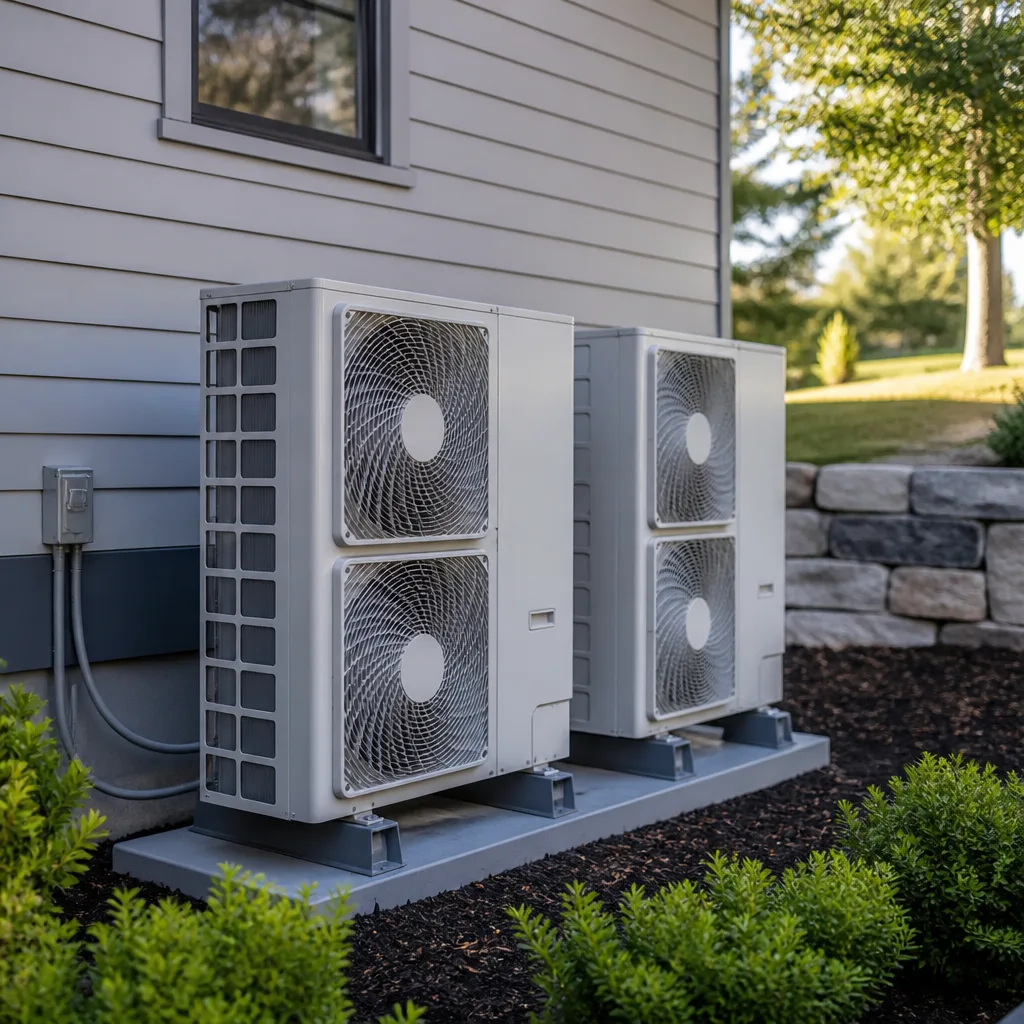
 Before
 After
After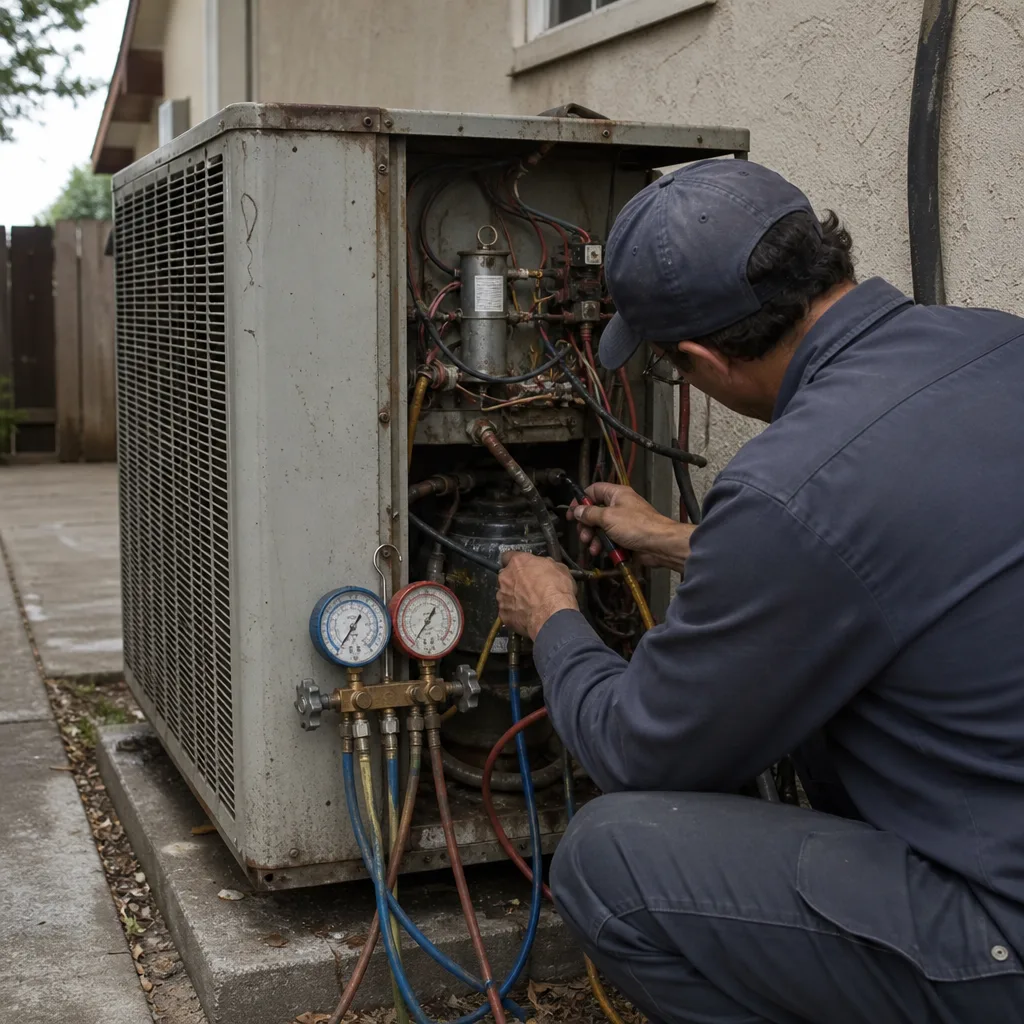 Before
 After
After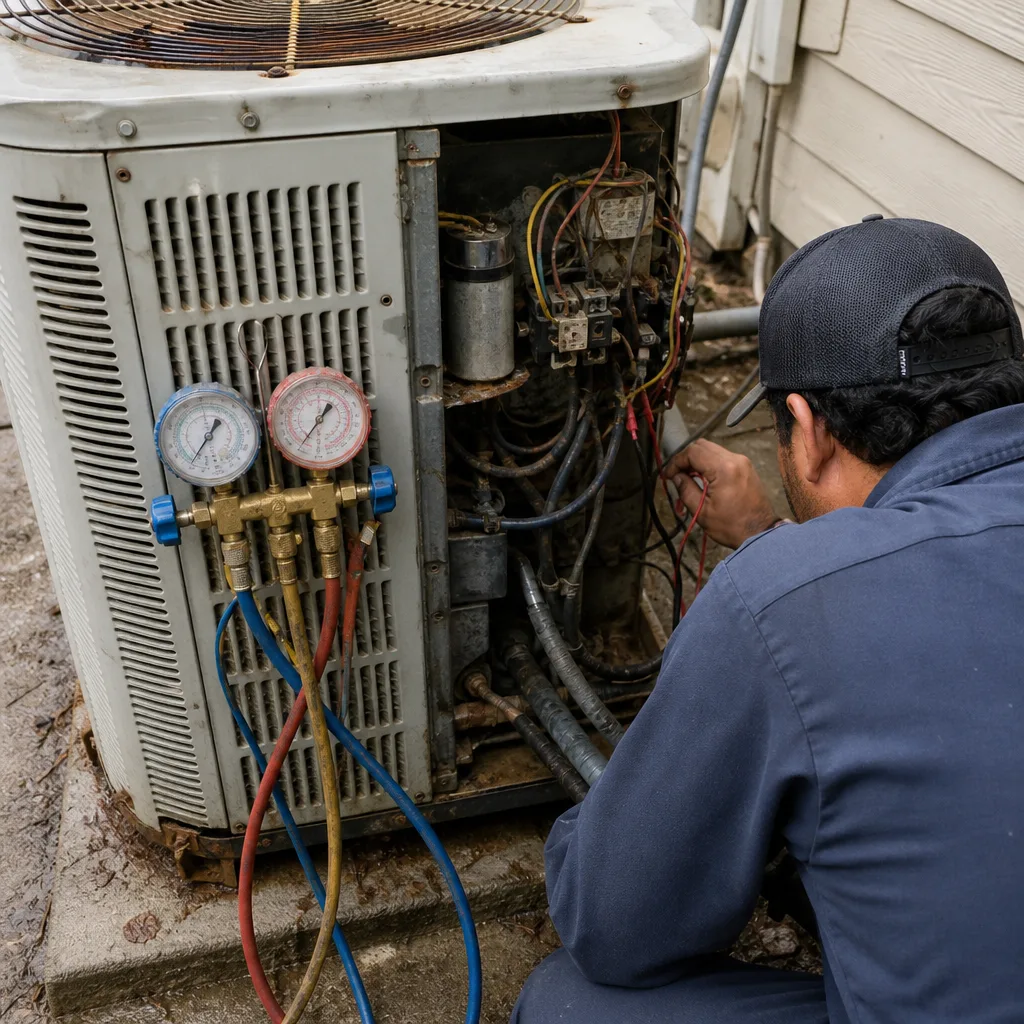 Before
 After
AfterFast, Reliable AC Repair Across Lowell
When your air conditioner quits on a 90-degree afternoon in Lowell, you need a straight answer: what’s wrong, what it costs to fix, and when someone can get there. Most AC repairs in Lowell run $150 – $650 depending on the part and the system, and we’re usually at your door the same day you call. Our crews know the Acre, Belvidere, Pawtucketville, and the Highlands the way a local should, because we’re working those streets every week. Call (361) 306-9515 and you’ll get a live person, a straight answer, and a written price before any tool comes off the truck.
Why Dalton Heating & Air Is Lowell’s Preferred AC Repair Company
We’re a Garrison Partners company, and we’ve been held to The Garrison Standard since 2003. That means a few things Lowell homeowners notice pretty quickly. The price goes in writing before we start, every time. The repair gets a written guarantee for a full year, not a 30-day window. If the work doesn’t hold, we come back at no charge. No arguing, no re-invoicing.
Lowell customers tend to call us after a bad experience elsewhere: a no-show, a price that changed at the door, a “fixed” unit that failed a week later. Marco Benitez runs our crews to a different standard. Our technicians are background-checked and uniformed, and you’ll know who is coming before they arrive. They’re factory-trained on nine major brands, including Rheem, York, and Bryant. They leave the site clean. They do the job by the book. That’s The Garrison Code, and it applies on every call in Lowell.
Response time matters when it’s 93 degrees and humid. We dispatch from our Boston office directly to Lowell neighborhoods, usually inside a two-hour window. If your system is down and it’s dangerous hot, we treat it as the emergency it is.
AC Not Blowing Cold Air in Lowell
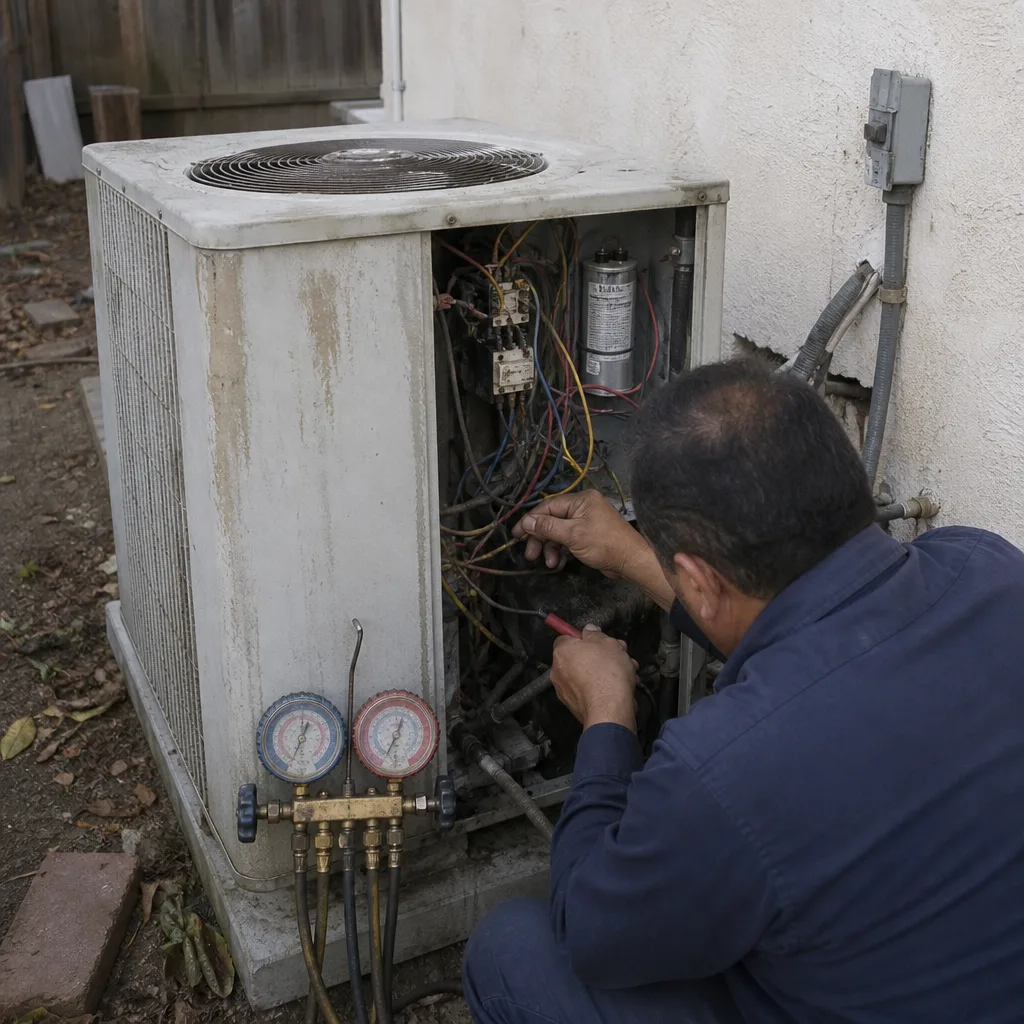
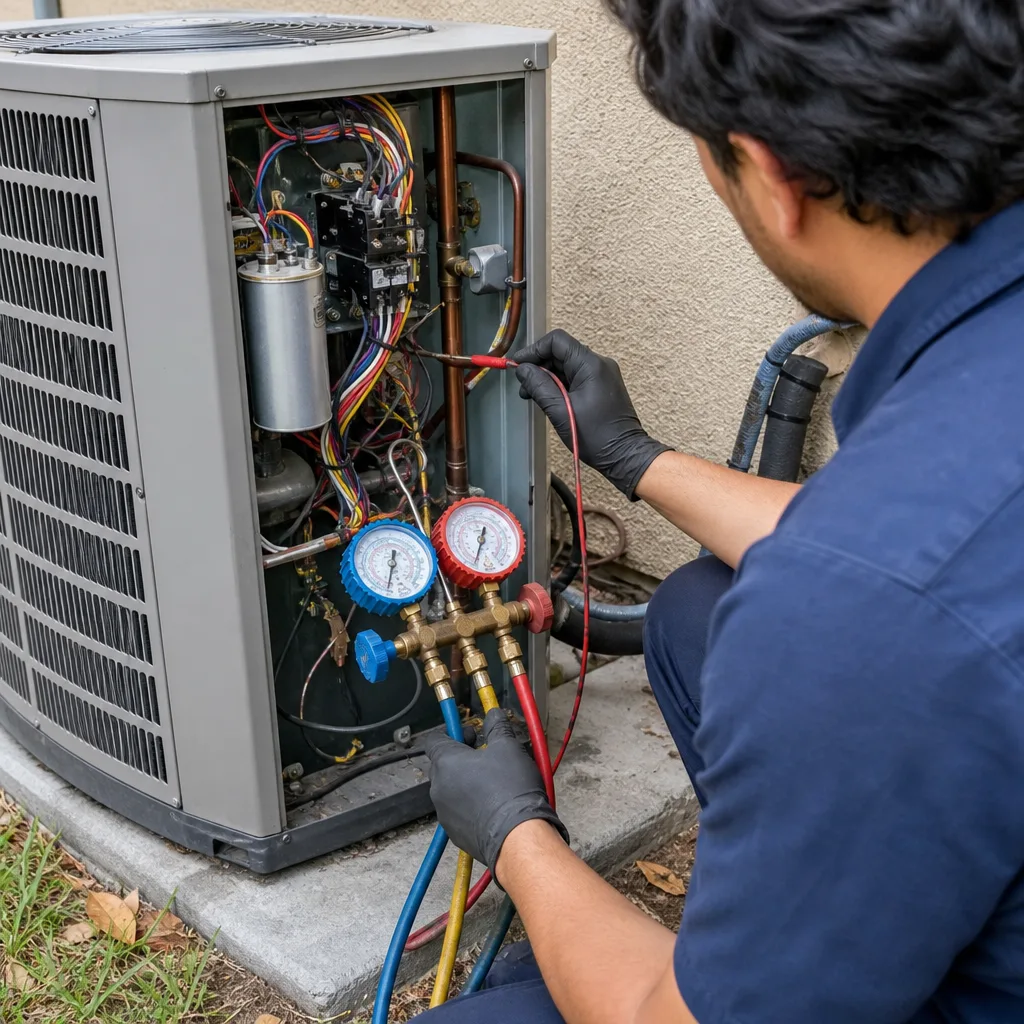
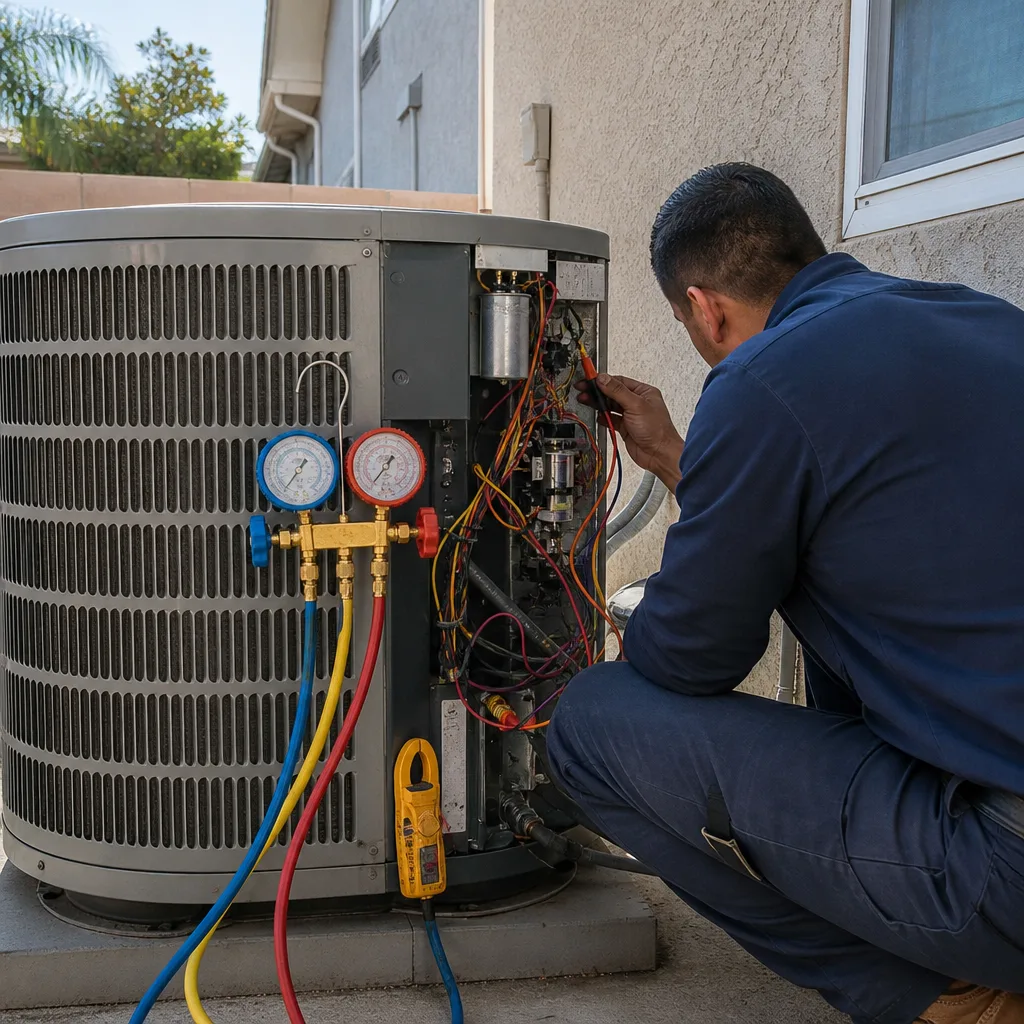
AC Not Blowing Cold Air in Lowell is the most common call we get from late June through early September, and it usually comes down to one of a handful of things: a refrigerant charge that’s drifted low, a capacitor that gave out, a clogged condenser coil, or a frozen evaporator from low airflow. Our techs start with a diagnostic: they check the temperature split across the coil, test the capacitor, read the refrigerant pressures, and check static pressure if the airflow looks wrong. Most repairs run $150 – $650 in Lowell, depending on whether it’s a simple part swap or a refrigerant issue on an older R-410A system.
Refrigerant Recharge
A refrigerant recharge means topping off the cooling fluid your system needs to hit setpoint. If the charge is low, it leaked out somewhere, and code requires us to find that leak before adding refrigerant. On a Lowell triple-decker, we often find it at a Schrader valve or a braze joint that’s been vibrating for a decade. If your system is losing charge every season, we’ll tell you straight whether a repair makes sense or whether that money is better spent toward a new system.
Capacitor and Fan Motor Repair
The capacitor is the little cylinder that gives your compressor and fan motor the jolt they need to start. When it bulges or fails, your outdoor unit will hum and not spin, or it’ll short-cycle every few minutes. A new capacitor is usually a $150 – $350 repair in Lowell, including the service call. Fan motors cost more, but both are same-day jobs for us.
AC Maintenance in Lowell
AC Maintenance in Lowell is the single best way to avoid a July breakdown, especially if your unit sits near one of the city’s older mill buildings or a stretch of cottonwoods along the Concord River. A maintenance visit is $80 – $200 and includes cleaning the condenser coil, checking the refrigerant charge, testing capacitors and contactors, measuring temperature split, and inspecting the condensate drain. We give you a written report of what we found and what it means. Our techs are not paid on what they sell, so if nothing’s wrong, they’ll say so.
Coil Cleaning and Airflow Check
Lowell’s older masonry buildings and mill conversions shed brick dust and cottonwood fluff that plugs condenser coils fast. A dirty coil drives up head pressure until a weak capacitor or blower motor gives out on the hottest afternoon of the year. We clean the coil, clear the drain line, and check static pressure on the duct side so you don’t get a frozen evaporator in August.
Tune-Up Before the Heat Wave
May and early June are the smartest times to schedule maintenance in Lowell. You’ll beat the rush, get the system checked before it’s working hard, and have time to plan if something’s wearing out. A tune-up now costs less than an emergency repair in a heat wave, and the numbers bear that out.
Trusted Brands We Service in Lowell
Our techs are factory-trained to service nine major residential HVAC brands, and that includes the equipment we see most often in Lowell homes: Rheem, York, Daikin, and Bryant. That training matters when a system is out of warranty and the repair has to be right the first time. We stock common parts for these brands on our trucks, so most repairs in Lowell are same-visit jobs, not “we’ll order it and come back next week.” If your system is a less common brand, our AC Repair team can still diagnose and quote it honestly.
Common AC Repair Problems We See in Lowell Homes
- Third-floor units that never keep up. Triple-decker top floors bake under low-slope roofs, and if the original installer sized the unit by square footage instead of a real load calculation, it was never going to hold setpoint. Homeowners call for repair when the system is actually undersized.
- Condenser coils plugged with brick dust and cottonwood. Converted mill buildings and older masonry homes in Lowell produce fine dust that coats the outdoor coil, raising head pressure until the system trips or a component fails.
- Frozen evaporator coils from bad ductwork. Many of Lowell’s older two- and three-families run ductwork through uninsulated basements and crawl spaces. Static pressure climbs, airflow drops, and the coil ices over, which gets misread as a refrigerant problem when it’s really a duct issue.
- Capacitors that fail during a heat wave. We replace more capacitors in Lowell during the first 90-degree stretch of summer than any other part. It’s a cheap repair if you catch it early, and a compressor-killer if you keep running the system while it’s short-cycling.
Pricing for AC Repair in Lowell, MA
Here’s what you can expect to pay in Lowell, in plain numbers.
| Service | Typical Range in Lowell |
|---|---|
| AC Repair (diagnostic + repair visit) | $150 – $650 |
| AC Tune-Up / Maintenance | $80 – $200 |
| AC Installation (repair-vs-replace comparison) | $3,500 – $7,500 |
Most repairs live in the lower half of that range. A capacitor, a contactor, a drain-line clear out, a thermostat issue: those are $150 – $350 jobs. Refrigerant work, fan motors, and compressor-related repairs push toward the top end. Before any work starts, you’ll have the exact price in writing, and that price will not change at the door. Estimates are free. Call (361) 306-9515 and we’ll give you a straight number.
We Also Serve Cities Near Lowell
If you’re just outside the city, we also run calls to Andover, Lawrence, Wilmington, and Pinehurst. Same crews, same written pricing, same one-year guarantee. Our AC Repair in Lowell team covers the whole Merrimack Valley corridor, so if you’re in a neighboring town and your system’s down, call us.
An Honest Repair-or-Replace Guide for Lowell’s Two Kinds of Buildings
Here’s the thing most HVAC websites won’t tell you: Lowell’s housing stock splits hard into two very different building types, and they fail air conditioning for opposite reasons. Triple-deckers run undersized returns and hot third floors. Converted mill lofts run oversized glazing with no wall cavity to hide ducts. A right answer in one building is the wrong answer two streets away.
We were called to a third-floor unit on a triple-decker near Middlesex Street where the outdoor unit was short-cycling every few minutes on the hottest afternoons. Our tech found a bulged capacitor and a refrigerant charge that had drifted low after a bad Schrader valve, tested both in about five minutes, and had cold air back the same visit, no compressor replacement needed. But the bigger finding came from a load calculation on that same top-floor unit: the original installer had picked tonnage off square footage alone and ignored the roof-side solar gain. That’s why it never really kept up. The repair fixed the immediate failure. The load calculation answered the question of why it happened every August.
If you live in a converted mill building, your system is probably fighting a different battle. Big windows, exposed brick, and high ceilings look great, but they put brutal load on cooling equipment, and many of those buildings were retrofitted with duct systems that couldn’t be hidden, so they got squeezed into closets and soffits. That means high static pressure, weak airflow, and a coil that freezes on the hottest days. Before you replace a system in a building like that, someone needs to measure the actual airflow, not just the refrigerant pressures.
What a Load Calculation Actually Changes
A load calculation, called Manual J in the trade, sizes equipment based on the actual heat gain and loss of your specific building. Not square footage, not a rule of thumb. It accounts for window area, wall insulation, ceiling height, roof exposure, and which direction the building faces. In Lowell, it matters more than most places, because you can stand on a street in the Acre and look at a 1910s wood-frame triple-decker next to a 1990s vinyl-sided rental next to a 2000s condo conversion. They all need different equipment.
If a load calculation says your current system is undersized, every repair you make is just buying time. The system will keep failing because it’s running at full tilt from June to September. If a load calculation says the size is fine, then the problem is airflow, a refrigerant issue, or a failing component, and that’s a repair. Knowing which one you’re dealing with changes whether you spend $300 or $6,000. And we’ll give you that answer in writing before you spend either.
What SEER2 Means on Your Electric Bill
SEER2 is the federal efficiency rating for air conditioners, updated in 2023 to reflect real-world conditions more accurately than the old SEER standard. The number tells you how many BTUs of cooling you get per watt of electricity. A SEER2 14 system uses about 7% more electricity than a SEER2 16 system to produce the same cooling. On a Lowell home with a typical summer electric bill, that difference is maybe $40 – $80 a season. It’s real money, but it’s not “replace your perfectly good system” money.
Where SEER2 really matters is when you’re replacing a system that’s 15 or 20 years old. An older 10 SEER unit moving air through a triple-decker in Lowell might be costing you $150 – $250 more per summer than a modern SEER2 16 system would. Over a 15-year system life, that’s thousands. But the right time to have that conversation is when a major repair, like a compressor, is on the table. Not before.
Serving Lowell, MA - Our Local Coverage Area
We’re based in the Lowell area and know this community well. Use the map below to see our service coverage - if you’re nearby, we can almost certainly help.
FAQs About AC Repair in Lowell
It’s usually neither, at least not in the way you’re thinking. If the system runs and the first two floors stay comfortable while the third floor cooks, the most likely cause is an undersized return and heat gain from the roof that was never accounted for. The fix starts with a load calculation and airflow measurement. Sometimes the answer is a repair, like adding a return or rebalancing dampers. Sometimes the system is genuinely undersized and needs replacement. We’ll tell you which one applies to your building, and give you the numbers in writing before you decide. Call (361) 306-9515 to schedule a diagnostic.
Use the $5,000 rule: if the repair cost times the system’s age in years is under $5,000, repair usually makes sense. If it’s over, replacement is worth a look. So a $450 repair on a 7-year-old system is $3,150, well under the line. Repair it. A $650 compressor-related repair on a 16-year-old system is $10,400. That’s replace territory. But the rule only works if the system is the right size to begin with. In Lowell, where so many systems were sized off square footage alone, we’ll do a load calculation before we advise you either way.
SEER2 is how many BTUs of cooling you get per watt of electricity. Higher number, lower bill. Going from SEER2 14 to SEER2 16 saves a typical Lowell homeowner roughly $40 – $80 per summer. Going from a 20-year-old 10 SEER unit to SEER2 16 can save $150 – $250 per season. The efficiency number only matters when you’re comparing replacement systems or deciding whether a repair on an old unit is throwing good money after bad. We’ll run the math for your building and your bill, not some generic spreadsheet. Call (361) 306-9515 and ask for a written estimate.
Most repairs run $150 – $650. A capacitor, contactor, or drain line clear-out is usually $150 – $350. Refrigerant work, fan motors, and anything compressor-related push toward the top of the range. Every job gets a written price before work starts, and the estimate is free. If the repair fails within a year, we come back at no charge. That’s the guarantee, in writing, on every call in Lowell.
Running hard for days straight tends to expose weak parts. Usually it’s a capacitor that finally gave out, a condenser coil that’s plugged with cottonwood and brick dust, or a refrigerant leak that was marginal all spring and finally dropped below the point where the system can cool. Whatever the cause, we’ll diagnose it, show you the failed part or the reading that’s out of range, and put the fix in writing before we do the work. Call (361) 306-9515 and we’ll get to you the same day in Lowell.
If your AC is down in Lowell, don’t wait through a heat wave. Call (361) 306-9515 for a free estimate. You’ll get a live person, a straight answer, and a written price before any work begins. That’s The Garrison Standard, and it applies on every call we make in Lowell.
Written by Marco Benitez, Owner at Dalton Heating & Air, serving Lowell and the Merrimack Valley.