
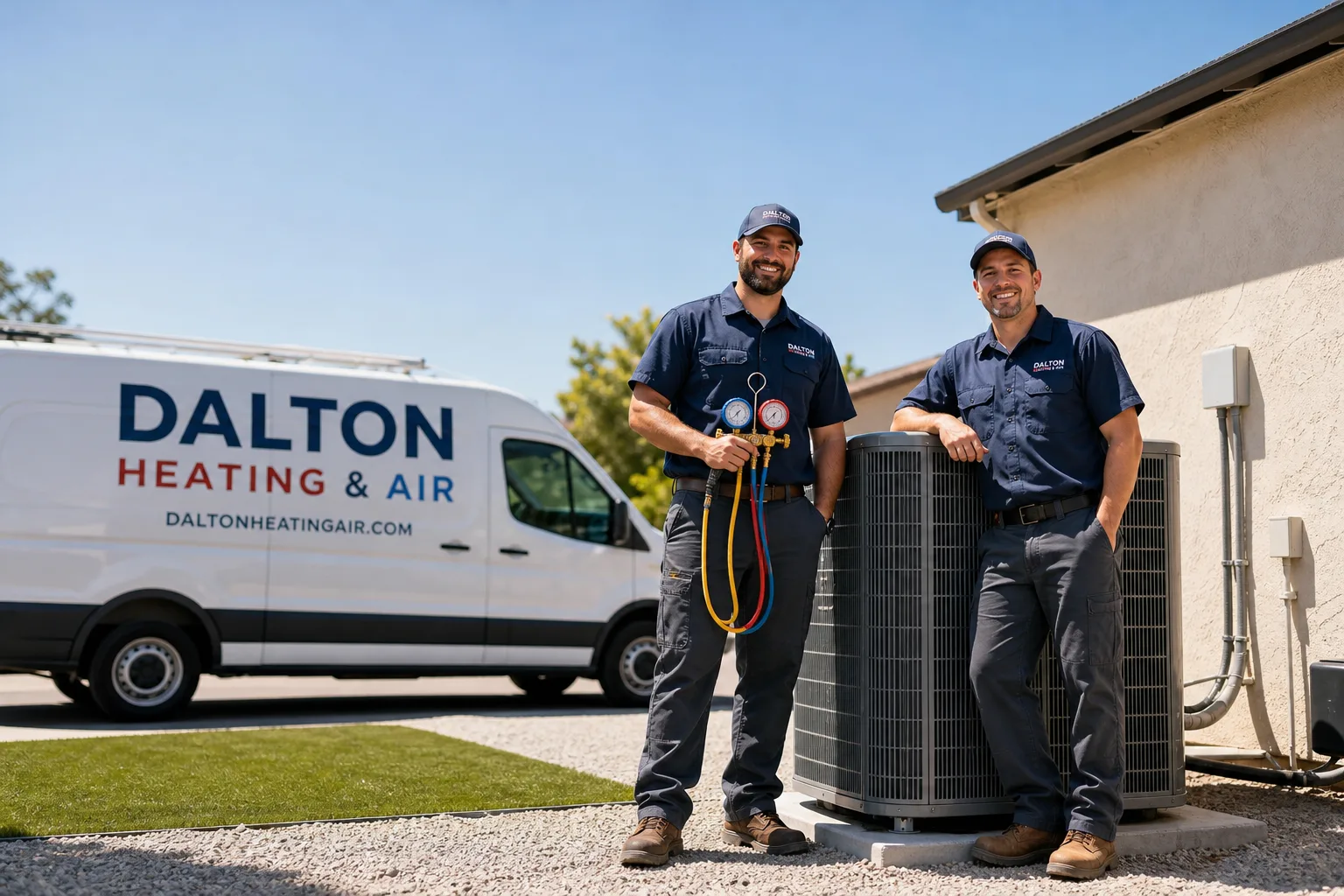
Seasonal tune-up and full diagnostic on your Carrier, Trane, or Goodman system - readings shown to you before any repair is proposed
Diagnosis first, numbers second - you approve the repair price before a single part goes in.
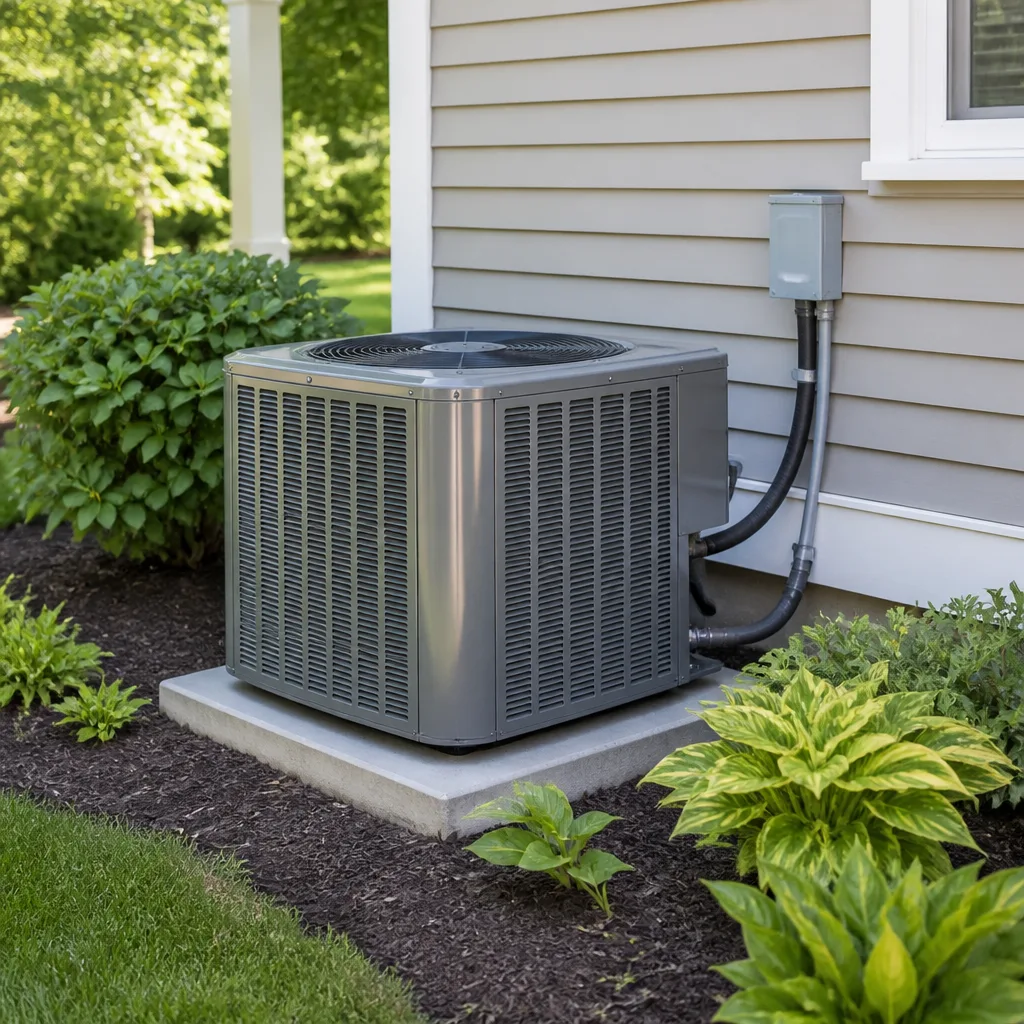
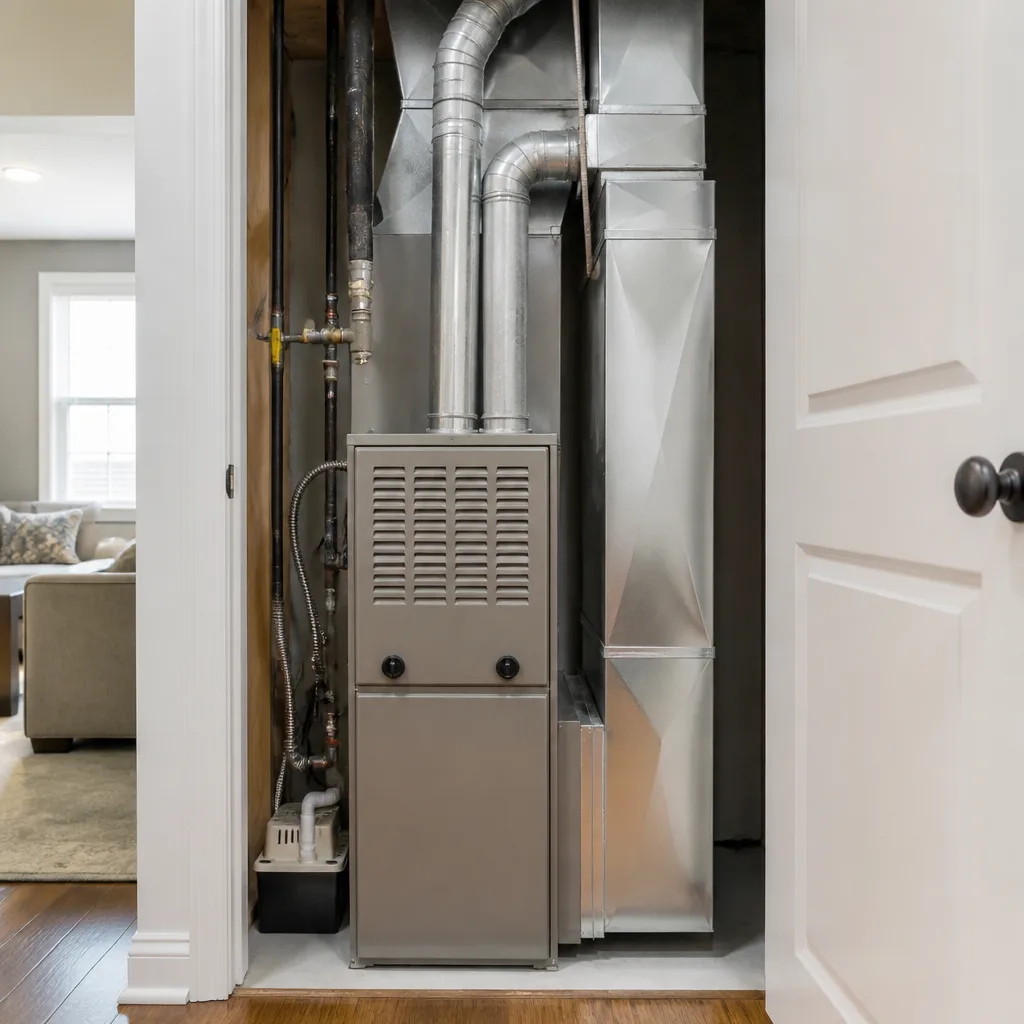
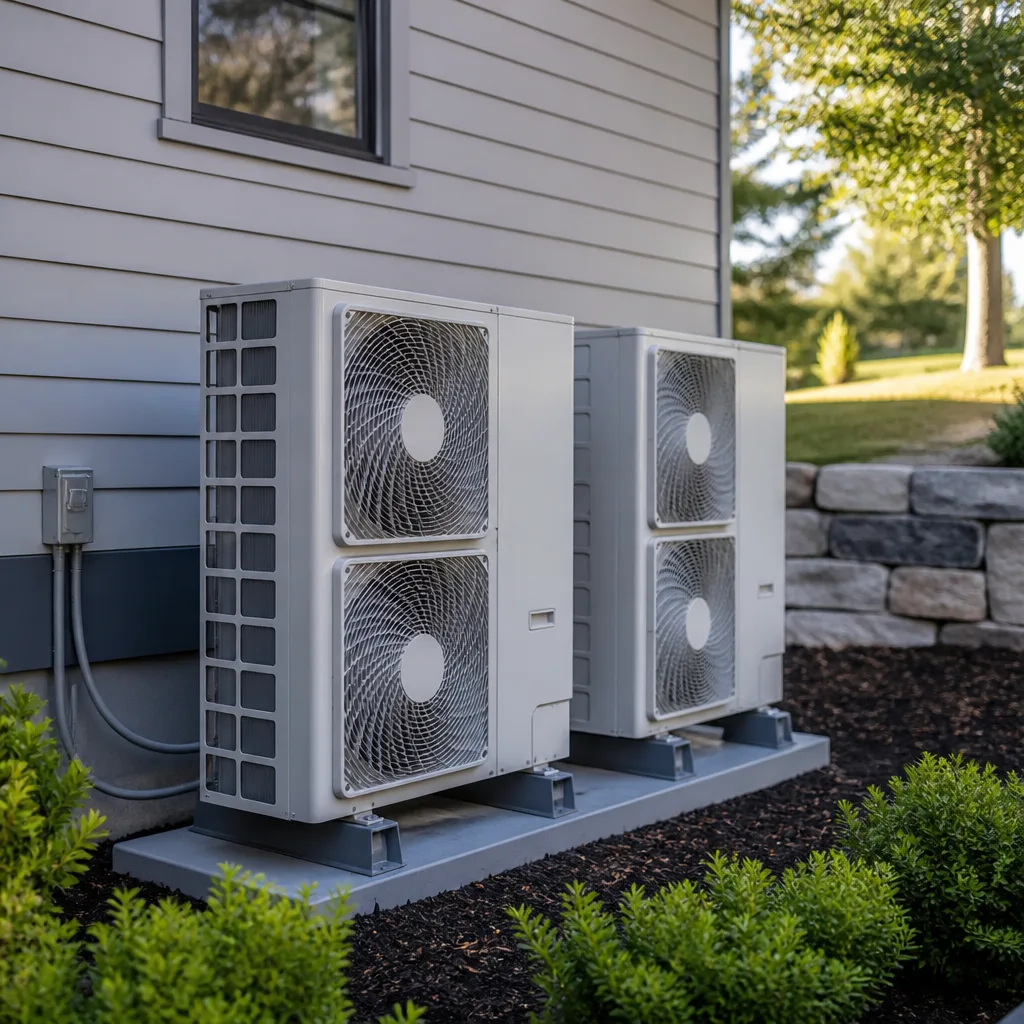
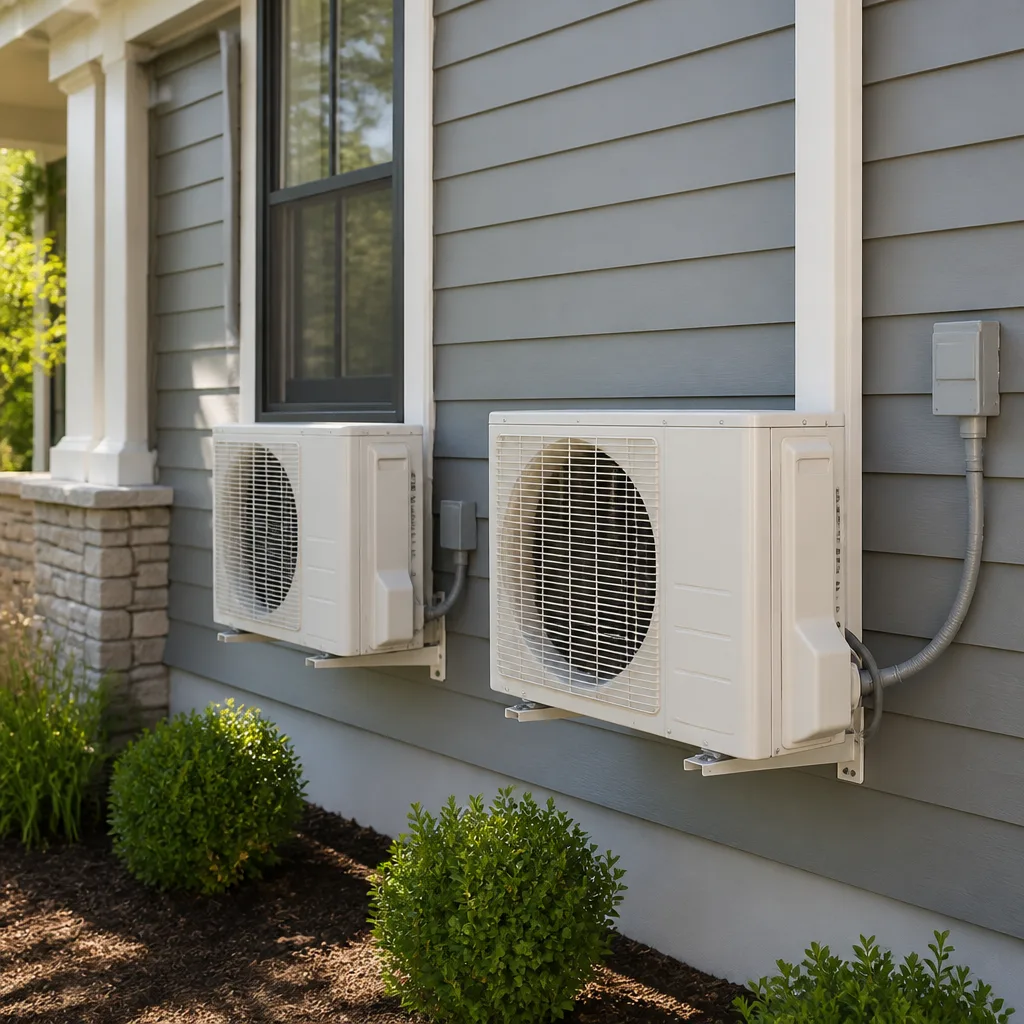
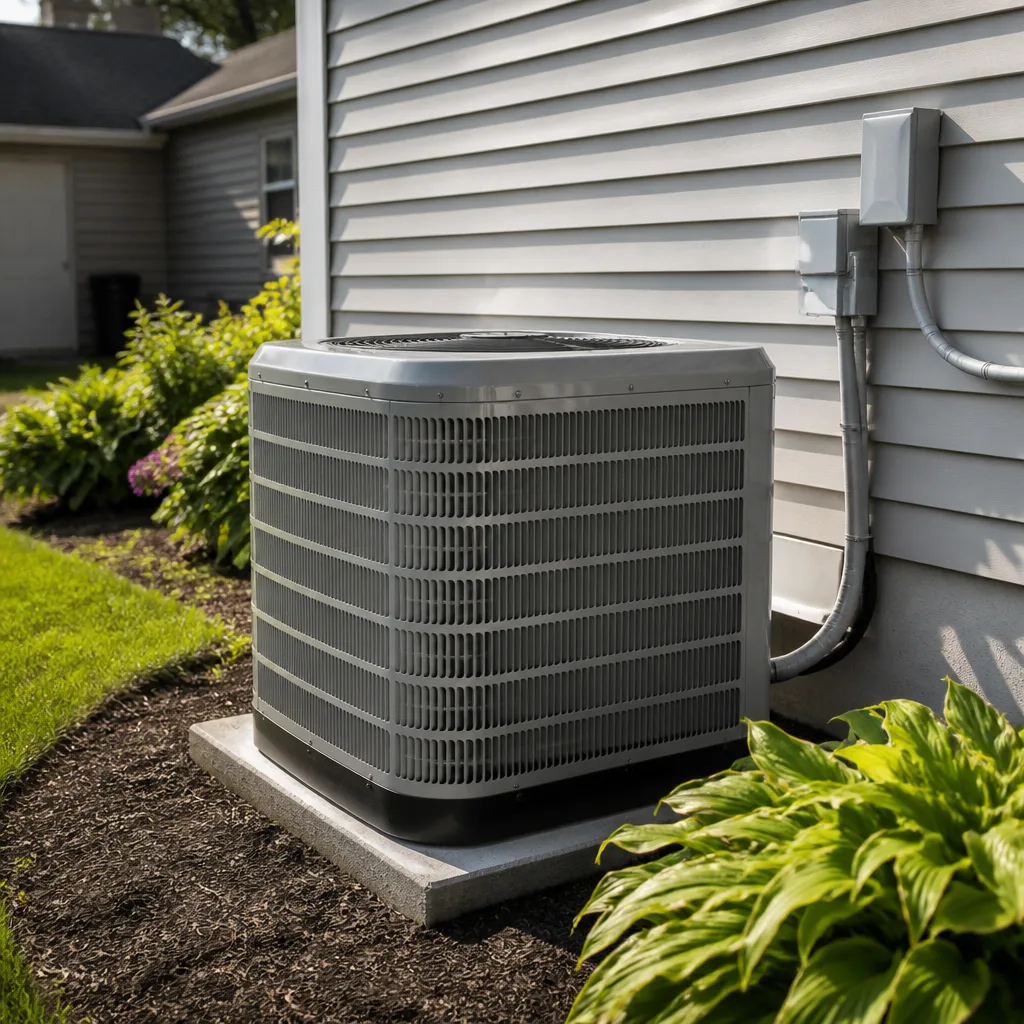
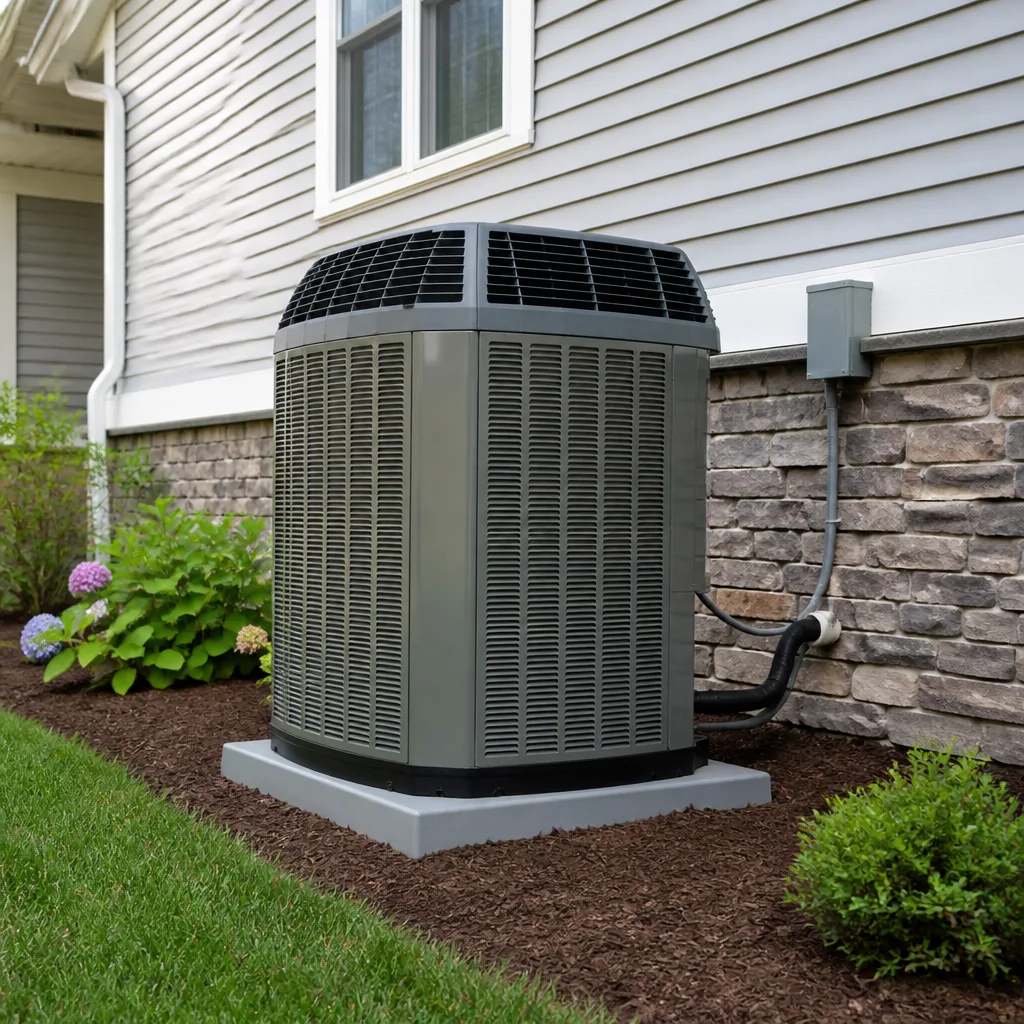
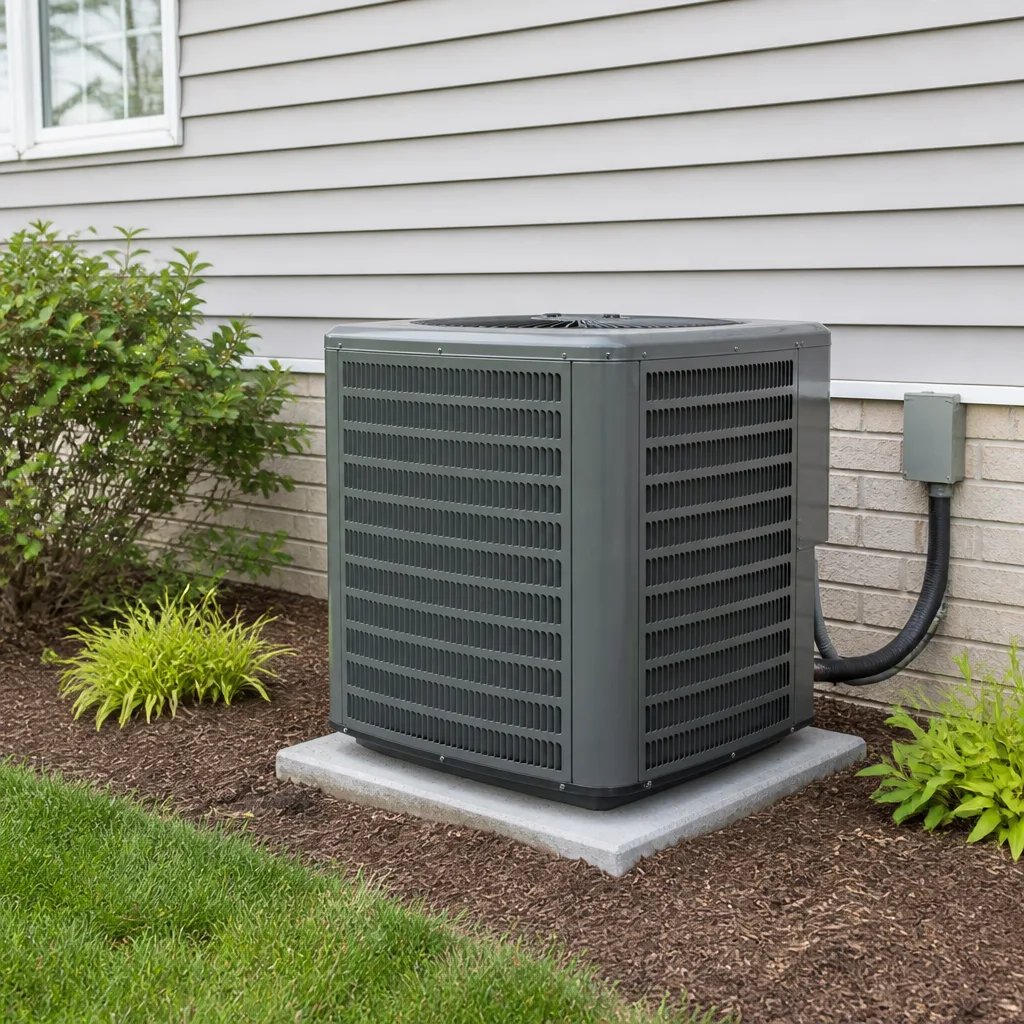
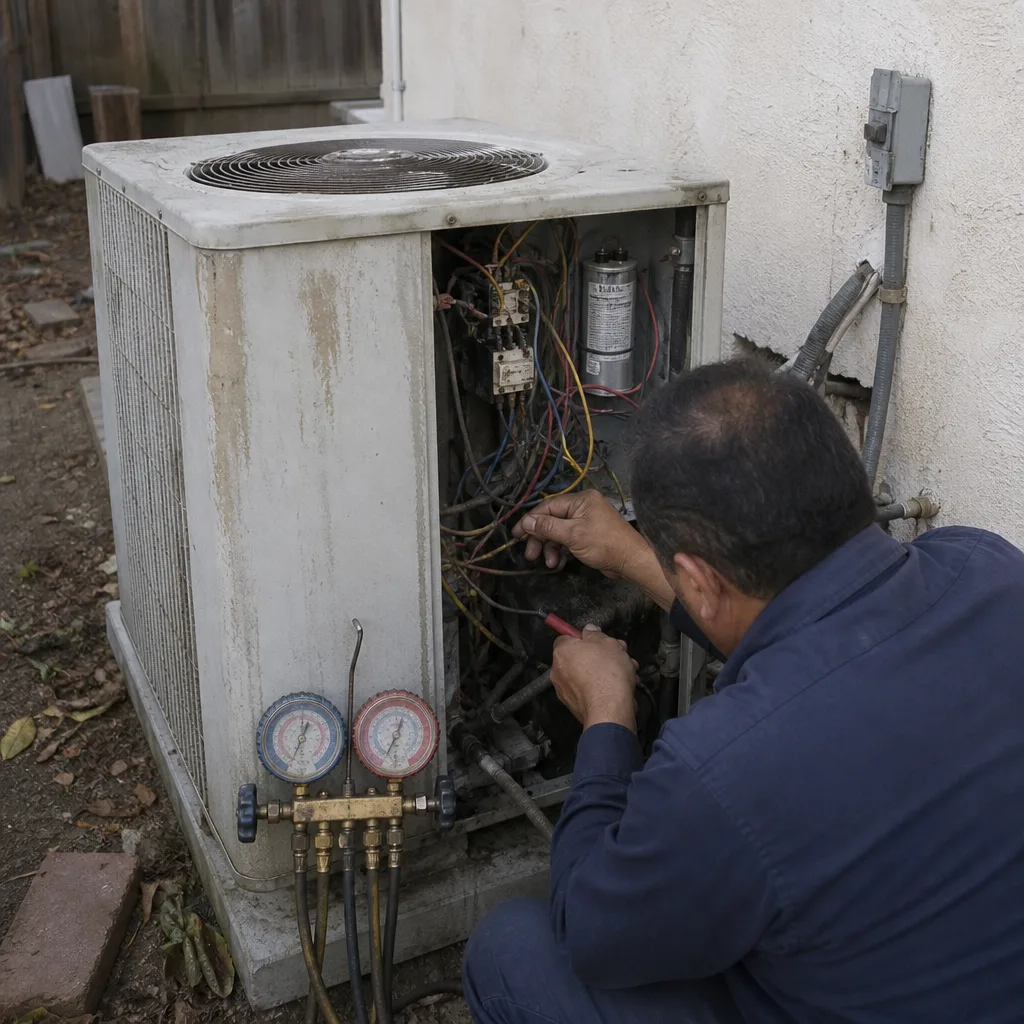 Before
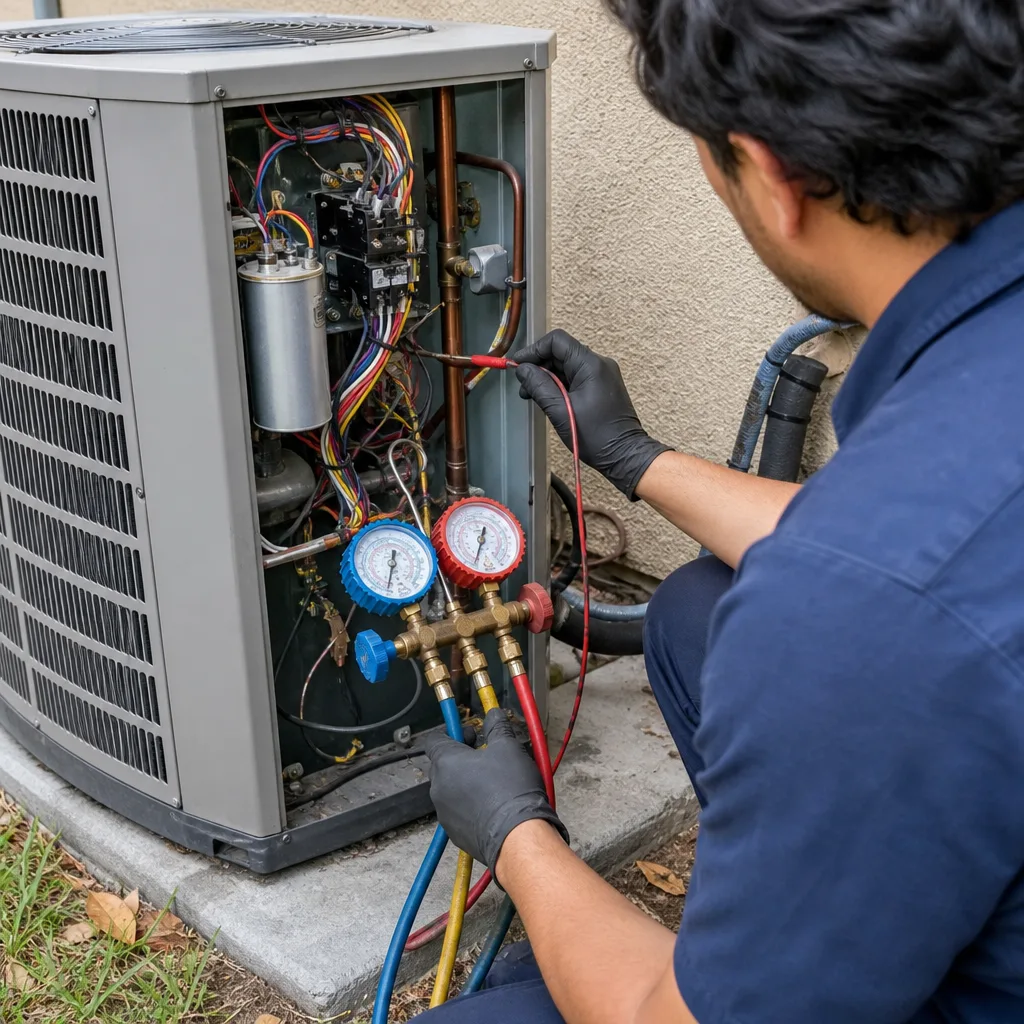 After
After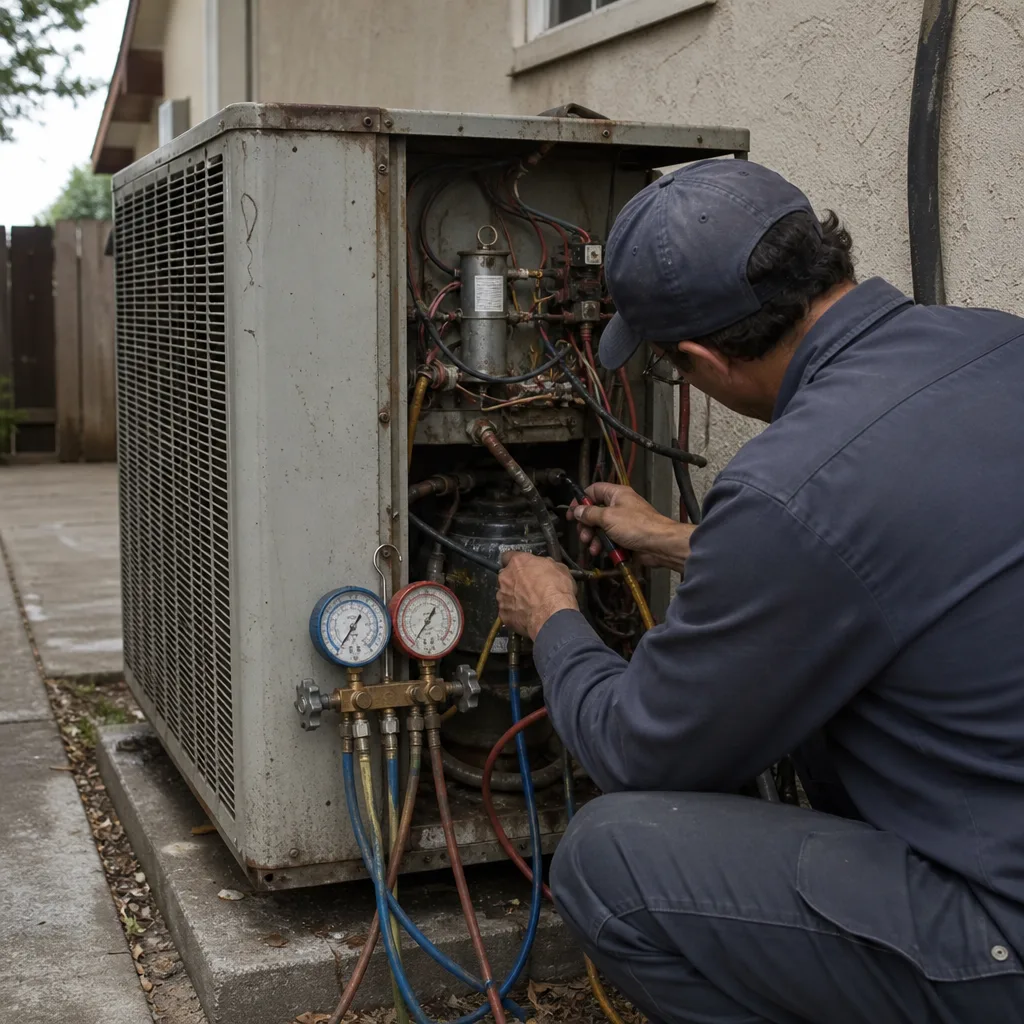 Before
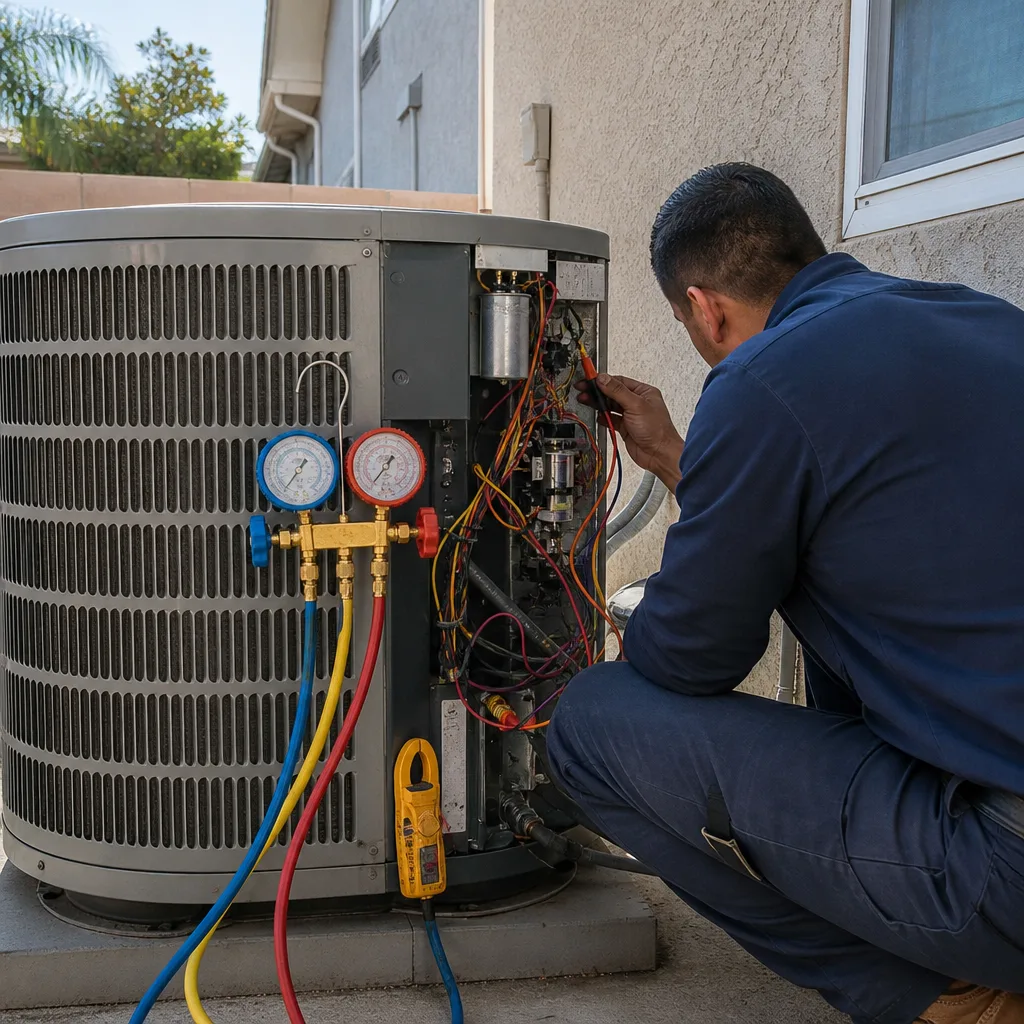 After
After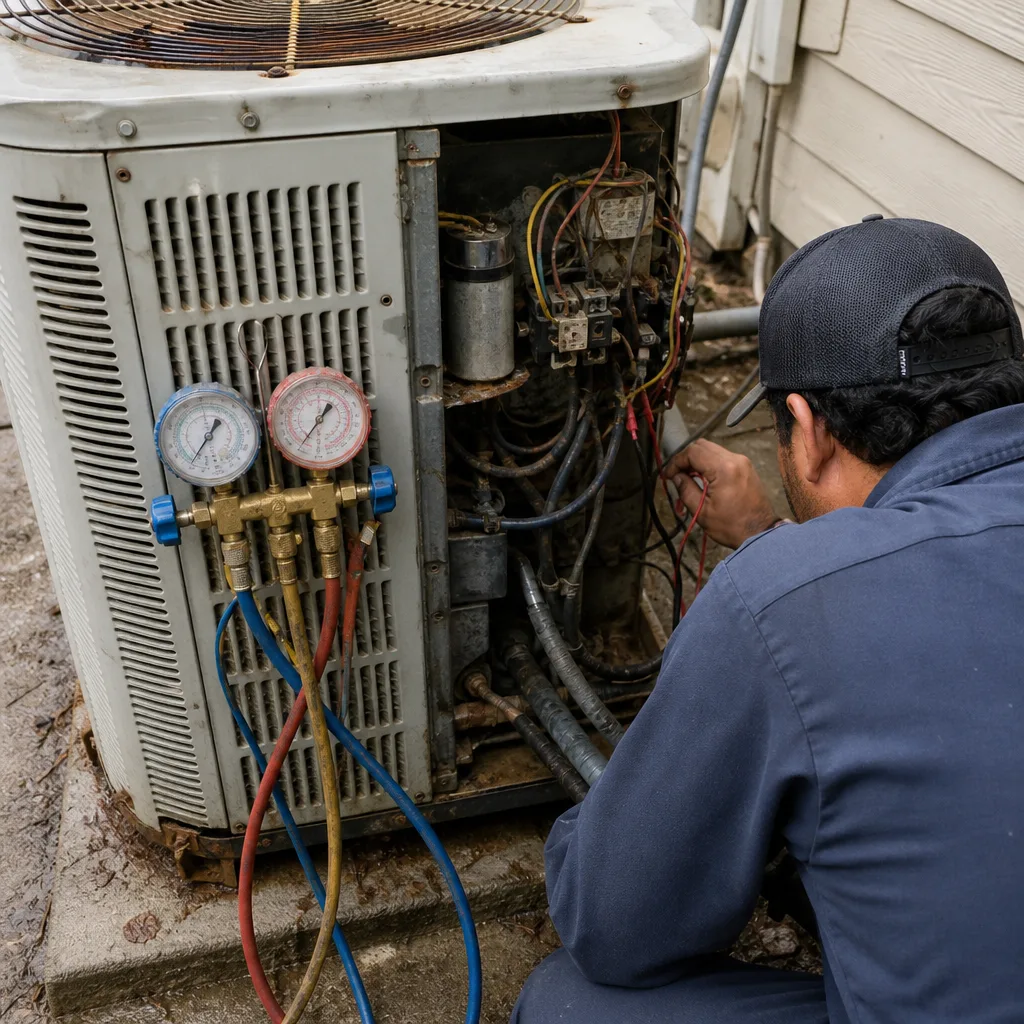 Before
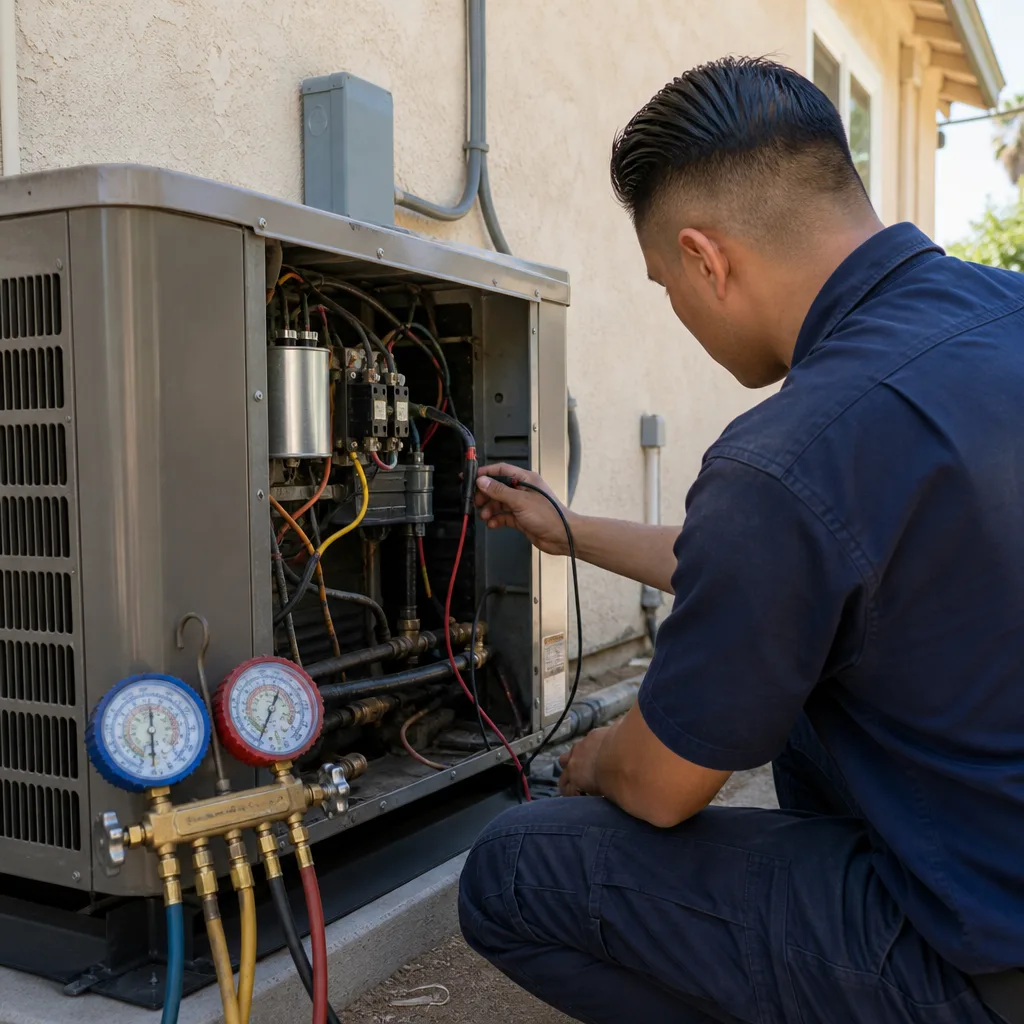 After
AfterFast, Reliable AC Repair Across Keystone
AC repair in Keystone typically runs $150 – $650 for most common fixes involving capacitors, contactors, and refrigerant recharge, and we can usually have a technician at your door the same day you call. If you need Keystone Furnace Repair, we handle that too. We know Keystone’s streets, the quickest routes from Van Dyke Farms to Gunn Highway, and how a late-afternoon thunderstorm changes the heat load on your condenser. When your AC quits in July, you don’t need a callback window that spans four hours – you need someone who knows Keystone and shows up. Call us at (361) 306-9515 and you’ll get a live person, a straight answer, and a written price before we touch a single component.
Why Dalton Heating & Air Is Keystone’s Preferred AC Repair Company
We’re a Garrison Partners company, and we’ve operated under The Garrison Standard since 2003. That’s not a slogan – it’s a written code that every Dalton technician follows on every call. We arrive inside the window we give you. We hand you a written price before any work begins. We do the job by the book, leave the site clean, and stand behind the repair in writing for a full year. If the repair fails during that year, we return at no charge. No fine print, no exclusions buried in a terms sheet.
Keystone homeowners deal with a specific set of AC problems that a technician from outside the area might not catch quickly. Our techs see these failure patterns weekly across Keystone, from Odessa to Lutz and through the neighborhoods along Patterson Road. We carry the parts that fail most often in this climate – capacitors, contactors, fan motors, thermostats, and refrigerant – on every truck. That means when a condenser capacitor blows on your Rheem or York, we’re typically installing a replacement that afternoon, not ordering it for a second visit days later.
Every Dalton technician is background-checked and uniformed. You’ll know who is coming before they arrive, and Marco Benitez runs a team that takes that seriously. We service all nine major residential HVAC brands: Carrier, Trane, Lennox, Goodman, Rheem, York, Daikin, Bryant, and American Standard. If your condenser says any of those names on the data plate, our tech is factory-trained to work on it.
AC Capacitor Replacement in Keystone
AC capacitor replacement in Keystone runs $150 – $650 depending on whether you need a single run capacitor or a dual-run unit for the compressor and condenser fan, and it’s the single most common repair we perform across Keystone’s neighborhoods. The capacitor is the electrical component that gives your compressor and fan motor the jolt they need to start turning. When it weakens, the motor either won’t start at all or it draws excess current every time it tries – which is how a $200 repair turns into a $2,400 compressor if ignored. In Keystone’s climate, capacitors fail faster than in drier regions because the same humidity that makes July feel heavy also stresses the dielectric material inside the capacitor case.
Signs Your Capacitor Is Failing
You’ll usually hear it before you see it. A condenser that hums for a few seconds and then goes silent – or a fan that won’t spin until you give it a push with a stick – points to a dead or dying capacitor. Sometimes the AC runs but every start-up makes the lights in the house flicker slightly. Marco Benitez tells his customers to treat a hard-starting compressor the same way you’d treat a check-engine light: don’t keep running it and hoping. A five-minute meter test tells us exactly where the capacitor stands, and that test is part of every repair visit in Keystone.
Why Prompt Replacement Matters Here
Keystone’s afternoon thunderstorms roll in fast and push the condenser to cycle more often in a single day than a unit in, say, Phoenix cycles in a week. Every start-up is an opportunity for a weak capacitor to fail completely – and a compressor that starts against a dead capacitor draws locked-rotor current. That’s the amperage spike that takes out the compressor windings. Replacing a capacitor the same day we diagnose it is a fraction of the cost of a new compressor, and we carry the common sizes on the truck.
AC Recharge in Keystone
AC recharge in Keystone – topping off the cooling fluid your system needs to reach set temperature – costs $150 – $650 and is necessary when the system has developed a slow refrigerant leak or the factory charge is no longer right for the house’s heat load. This one catches a lot of Keystone homeowners off guard because the house feels humid and the AC never seems to hit the thermostat setting, even though the unit is technically running. Refrigerant is not a consumable – a properly sealed system doesn’t need recharging – so a low charge always means a leak. Fixing the leak is the repair; the recharge restores capacity.
What a Correct Charge Does for Humidity
Keystone sits just inland of Tampa Bay, where summer dew points routinely run 75°F and higher. A system running even slightly low on refrigerant loses latent capacity first. That’s the ability to remove moisture from the air, not just lower the temperature. The result is a house at 78°F that feels like a locker room. When we recharge a system in Keystone, we’re not just adding refrigerant – we’re resetting the removal rate so the evaporator coil can actually condense water out of the air. A proper charge and clean coil will drop the indoor dew point, and the house feels different the first hour.
Leak Repair Before Recharge
Anyone can shoot refrigerant into a system and leave. That’s how you get a second $300 bill eight weeks later when the charge has leaked out again. Our approach in Keystone is leak-detection first. We use an electronic sniffer and sometimes UV dye to locate the leak – usually at a braze joint, Schrader valve core, or somewhere along the copper lineset. We write the leak location into the repair estimate, fix it before recharging, and then verify the gauge readings hold static pressure before we call the job done. You get a written guarantee on the repair for a full year, and if the charge drops again inside that year, we return at no charge.
Trusted Brands We Service in Keystone
We service all nine major residential HVAC brands across Keystone, and our factory training covers the specific quirks of Rheem, York, Daikin, and Bryant systems that show up in this market most often. Rheem’s Copeland scroll compressors respond differently to a low charge than York’s reciprocating compressors, and a Daikin inverter-driven system needs a different diagnostic approach than a single-stage Bryant. Our trucks carry common parts for these brands, so a capacitor or contactor swap on a Rheem doesn’t mean waiting for a parts house delivery. For Keystone homeowners, that means a faster repair and fewer trips back to the house.
Common AC Repair Problems We See in Keystone Homes
- Compressor won’t start because a failed capacitor was never caught in a spring tune-up. A weak run capacitor can limp a compressor through the mild season and then fail completely the first week of real heat. The compressor pays the price when that weak run cap is ignored long enough – locked-rotor current takes out the windings, and the repair becomes a replacement.
- Coils foul fast in Keystone’s humid, pollen-heavy air. The evaporator coil inside the air handler collects pollen, dust, and microbial growth, and the condenser coil outside catches oak pollen, grass clippings, and dirt. A dirty evaporator and low refrigerant charge mimic the symptoms of a system that needs replacing, when an AC recharge and a coil cleaning actually fix it.
- Oversized replacement units bought by square footage instead of a load calculation. A contractor sells a 4-ton unit for a 2,400-square-foot house because “that’s what the old one was.” The unit short-cycles in Keystone’s mild winters and muggy shoulder seasons, leaving humidity high and the condenser cycling itself to death. A proper Manual J load calculation would have called for a smaller, better-matched system.
- Clammy air at the thermostat setting. The house reads 74°F but feels damp. That’s a classic Keystone problem tied to low refrigerant charge, a slowed evaporator blower, or a coil that’s no longer condensing moisture. It’s usually repairable, and the repair reclaims the comfort the house had when the system was new.
Pricing for AC Repair in Keystone, FL
Most AC repairs in Keystone land between $150 and $650 for parts and labor combined. Here’s what that covers.
| Service | Typical Keystone Price Range |
|---|---|
| AC Repair (diagnostic, capacitor, common repairs) | $150 – $650 |
| AC Recharge (refrigerant charge restore) | $150 – $650 |
| AC Capacitor Replacement (part + labor) | $150 – $650 |
The total depends on the part, the refrigerant type, and the time on site – but the number is in writing before any work starts, on every job, without exception. That’s The Garrison Standard. You’ll never get a door price that’s higher than the quote. Estimates are free, and a diagnostic visit gives you an exact repair cost before you commit. Call (361) 306-9515 to book.
We Also Serve Cities Near Keystone
Our AC Repair team works throughout the Tampa Bay region, and we extend service beyond Keystone into Keystone and the surrounding communities. We schedule calls in Jacksonville, Miami, Tampa, and Orlando with the same written-price standard that applies everywhere. If you’re outside Keystone but need a straight answer and a guaranteed repair, call us – dispatch and scheduling are coordinated from our South FL office, and crews serve each area locally.
Serving Keystone, FL - Our Local Coverage Area
We’re based in the Keystone area and know this community well. Use the map below to see our service coverage - if you’re nearby, we can almost certainly help.
FAQs About AC Repair in Keystone
We confirm a failing capacitor with a capacitance meter, not a guess. A healthy capacitor reads within a few microfarads of its nameplate rating; a weak one reads noticeably lower, and a failed one reads open or shorted. On a Keystone unit, we also look at the compressor’s start behavior – sluggish starts, a hum that doesn’t turn into rotation, or a fan that needs a manual push are all capacitor tells. The test takes about five minutes and it’s part of every diagnostic visit. If your capacitor is weak, we show you the meter reading, give you a written price to replace it, and recommend doing it the same visit – because the next hard start could take the compressor with it. Call (361) 306-9515 and we’ll check it.
You need a load calculation – a Manual J – on any replacement in Keystone, and matching the old tonnage is how oversized systems get installed in the first place. A load calculation measures the house, the window orientation, the insulation, the duct leakage, and the local climate data to determine exactly how many BTUs per hour the home needs. Keystone’s humidity load matters as much as its temperature load, and a unit sized only for peak temperature will short-cycle through the shoulder months and leave the house damp. Any contractor who skips a load calculation and quotes “same size as before” is not doing the job by the book. We include the load calculation in every replacement quote, at no separate charge.
SEER2 is the updated efficiency rating standard that took effect in 2023, and it tests units under more realistic operating conditions than the old SEER number did. In Keystone, a higher SEER2 rating translates to lower energy use because the compressor runs efficiently across a wider range of humidity and part-load conditions. A jump from a 14 SEER2 to a 18 SEER2 system can cut cooling energy use by roughly 20 – 25 percent, depending on the house. We can run the specific numbers on your current system’s energy use against a proposed replacement so you see the expected bill impact in dollars, not just efficiency percentages. The math belongs in writing before you sign anything.
It’s almost always a repair in Keystone – specifically, an AC Repair involving a refrigerant recharge, an evaporator coil cleaning, or a blower motor that isn’t moving enough air. Clammy air means the system has lost latent capacity, which is the ability to remove moisture from the air. The most common causes in Keystone are a low refrigerant charge, a fouled evaporator coil, an oversized system that short-cycles, or a blower set to the wrong speed. We diagnose the exact cause with a static pressure check and a refrigerant gauge reading, then quote the repair in writing. Replacement is a last resort, and we’ll tell you honestly if we believe the repair is not worth the money. Call (361) 306-9515 for a diagnostic.
We use a simple rule in Keystone, and we’ll show you the math rather than push you one way. If the repair is a capacitor, contactor, fan motor, or recharge on a system under about 12 years old, repair it. Those are wearable parts, and a $150 – $650 repair on a system with years left in it beats spending $3,500 – $7,500 on new equipment. If the compressor is dead, the system is over 15 years old, or the repair exceeds about half the cost of a properly sized replacement with a load calculation, replacement starts making sense – especially if the old unit is an R-22 system with refrigerant that’s no longer manufactured. Marco Benitez instructs every tech to present the repair option and the replacement option with real numbers and let the homeowner decide. No pressure, no upsell.
How Keystone’s Climate Changes AC Repair
Keystone sits just inland of Tampa Bay, where summer dew points routinely run 75°F and higher. This changes what “AC repair” means here compared to drier, hotter markets. A unit that “works” in the sense of blowing cold air but leaves the house clammy at 78°F is usually overcharged on refrigerant or running with a dirty evaporator coil, not flat-out broken. The coastal humidity forces the system to remove gallons of moisture per day before it can meaningfully lower the temperature, and any degradation in charge, airflow, or coil cleanliness shows up first as wet, sticky indoor air. We see this pattern across Keystone’s neighborhoods, from the homes along Patterson Road to the developments near Van Dyke Farms.
That’s also why pollen-heavy springs in Keystone fold into summer repair calls. Live oaks, pines, and the dense landscaped lots throughout the area coat condenser coils in a fine layer of organic material that cuts the heat transfer the system needs. Combined with high ambient humidity, a dirty condenser forces the compressor to run hotter and longer, which shortens the life of the capacitor and the compressor itself. A spring tune-up that catches a dirty coil and a weak capacitor before June pays for itself in Keystone. We offer flat-rate maintenance that includes a written report of what we actually found, not a sales pitch.
One Call That Shows How We Work
In Keystone’s Van Dyke Farms area, our tech answered a no-cooling call on a 2015 Trane condenser that was humming but not starting. The homeowner was a day into 92°F heat and had been told by another company that the compressor was shot. Our tech ran a five-minute meter test and found a dead capacitor on the compressor circuit – a part that had likely been failing for months. We swapped the capacitor, checked the refrigerant charge and static pressure, and had the homeowner back to a 74°F setpoint that same afternoon for well under the top of our AC repair range. That’s the difference between diagnosing by meter reading and diagnosing by guess. A compressor replacement would have been $2,400 and the real fix was a fraction of that.
Written by Marco Benitez, Owner at Dalton Heating & Air, serving Keystone since 2003.