
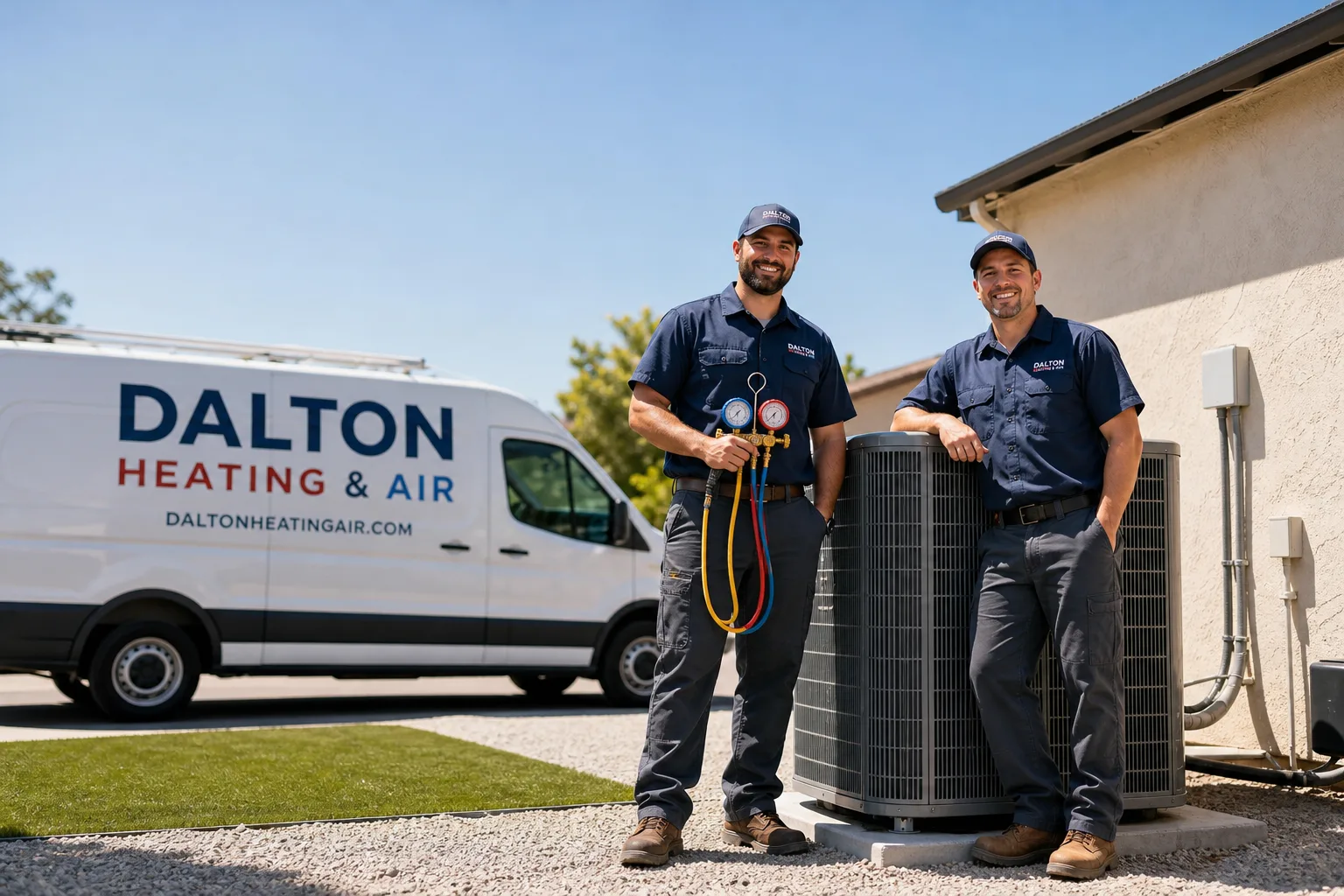
Seasonal tune-up and full diagnostic on your Carrier, Trane, or Goodman system - readings shown to you before any repair is proposed
Diagnosis first, numbers second - you approve the repair price before a single part goes in.
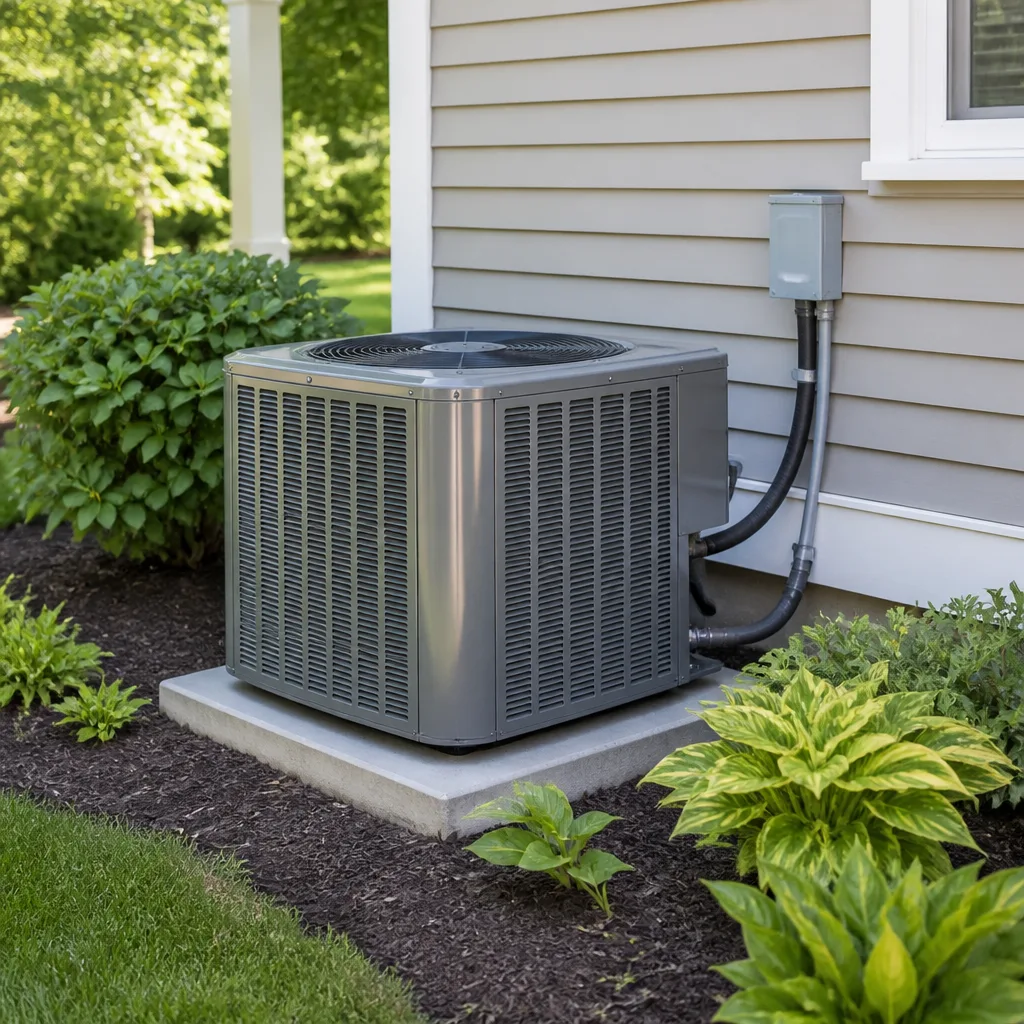
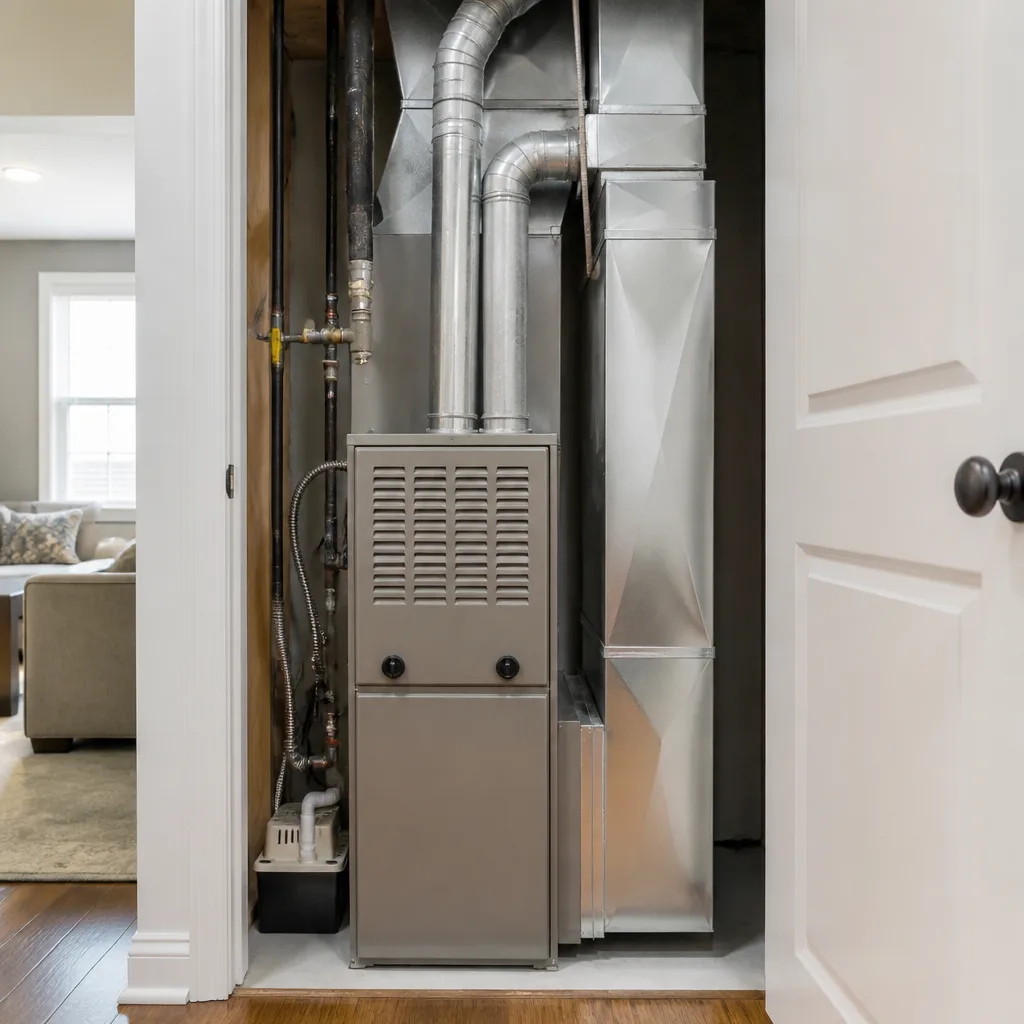
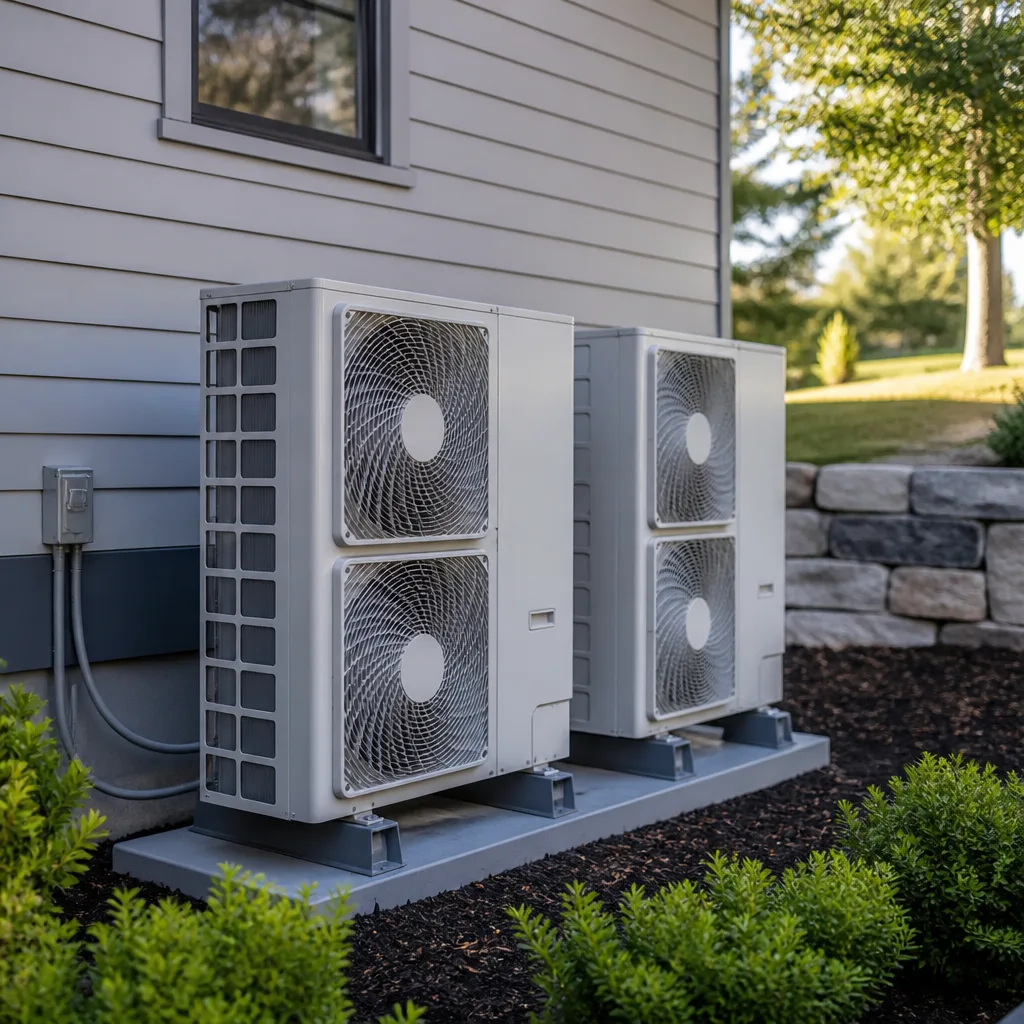
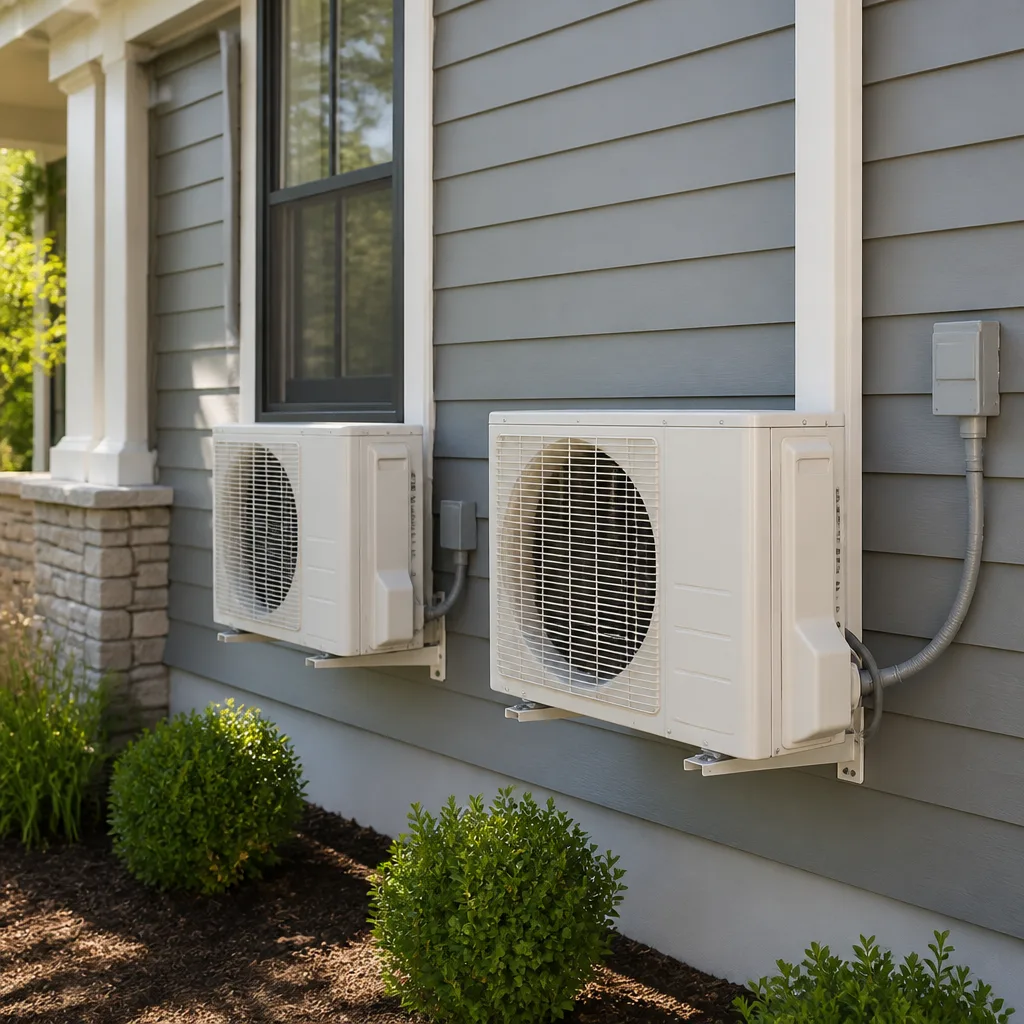
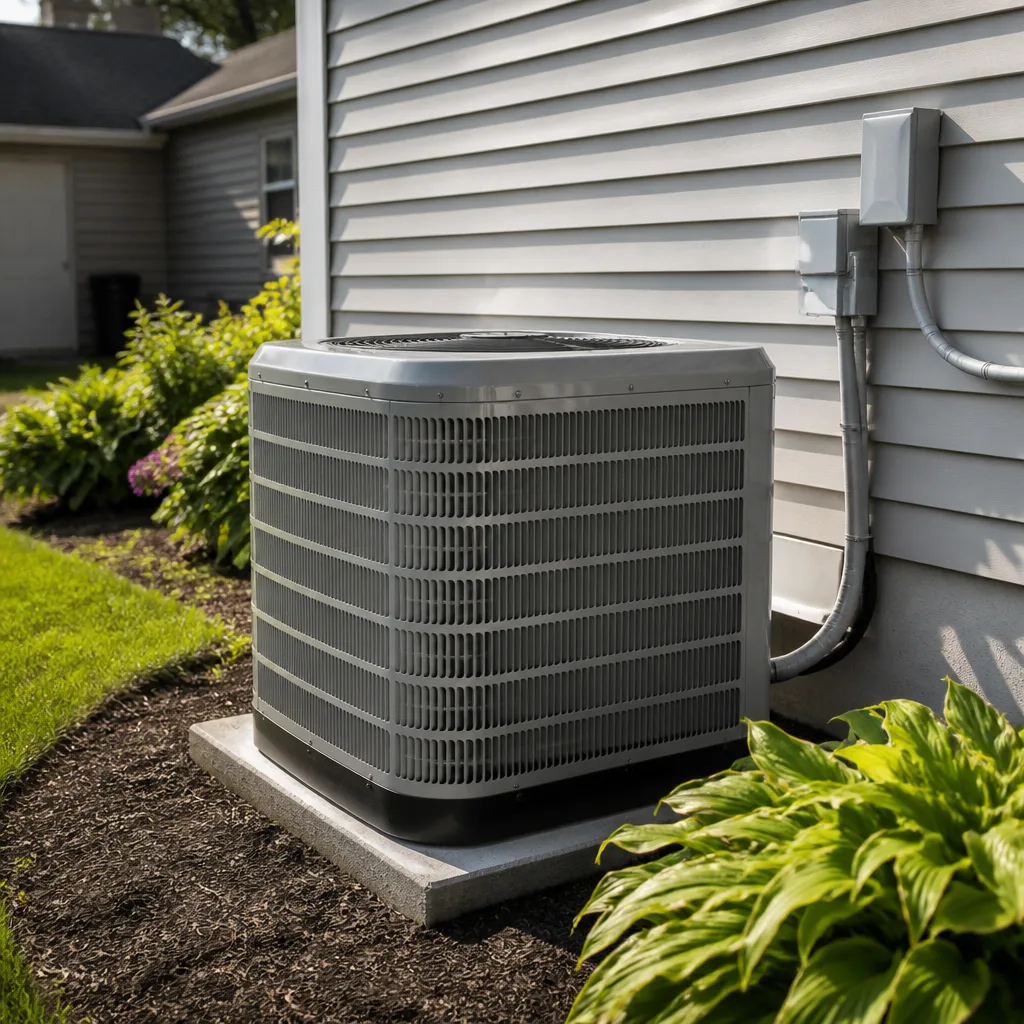
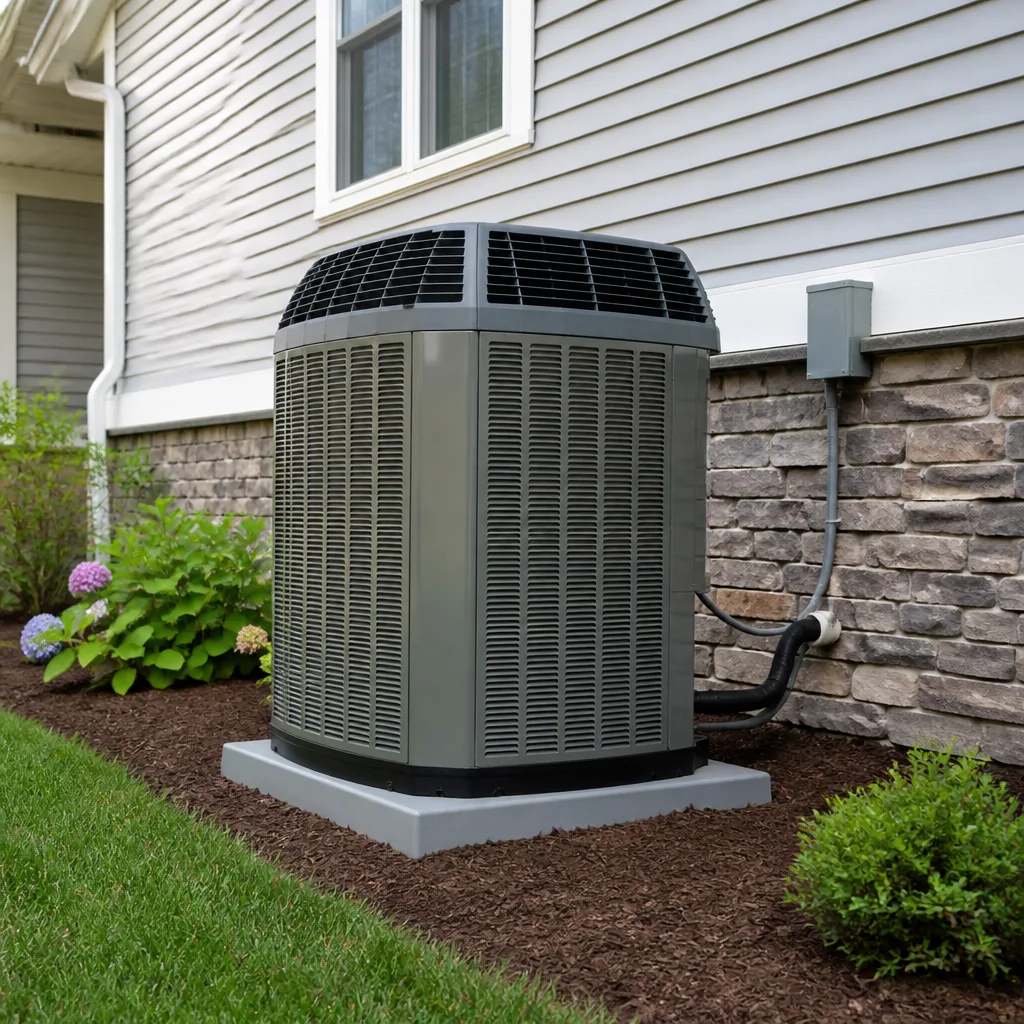
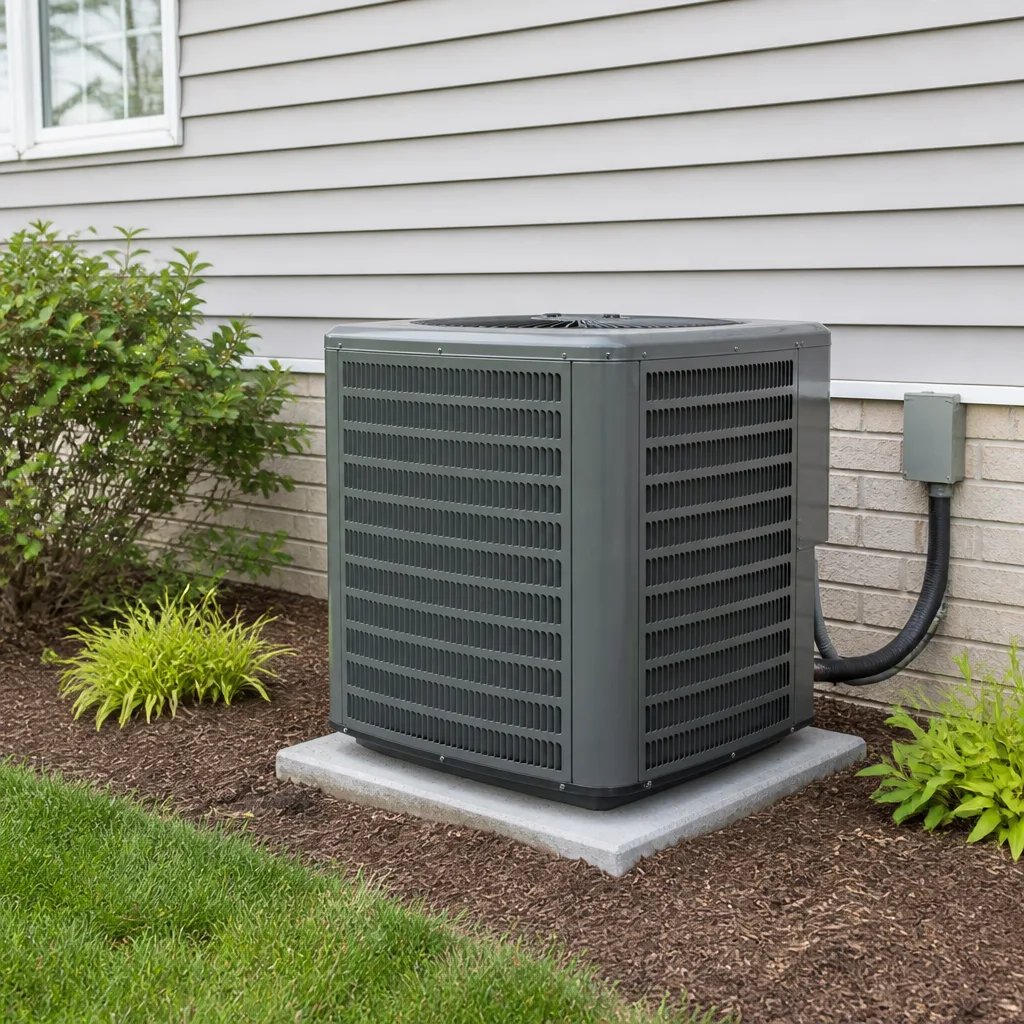
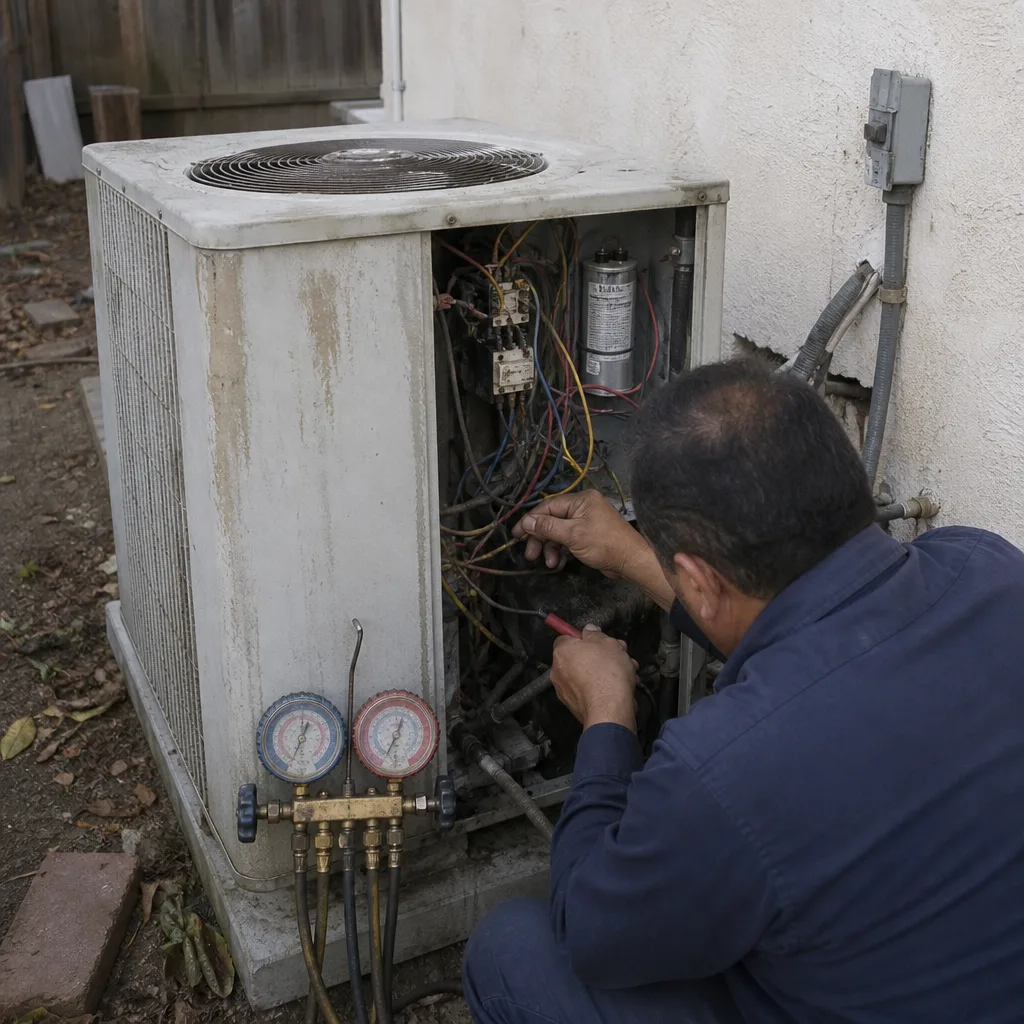 Before
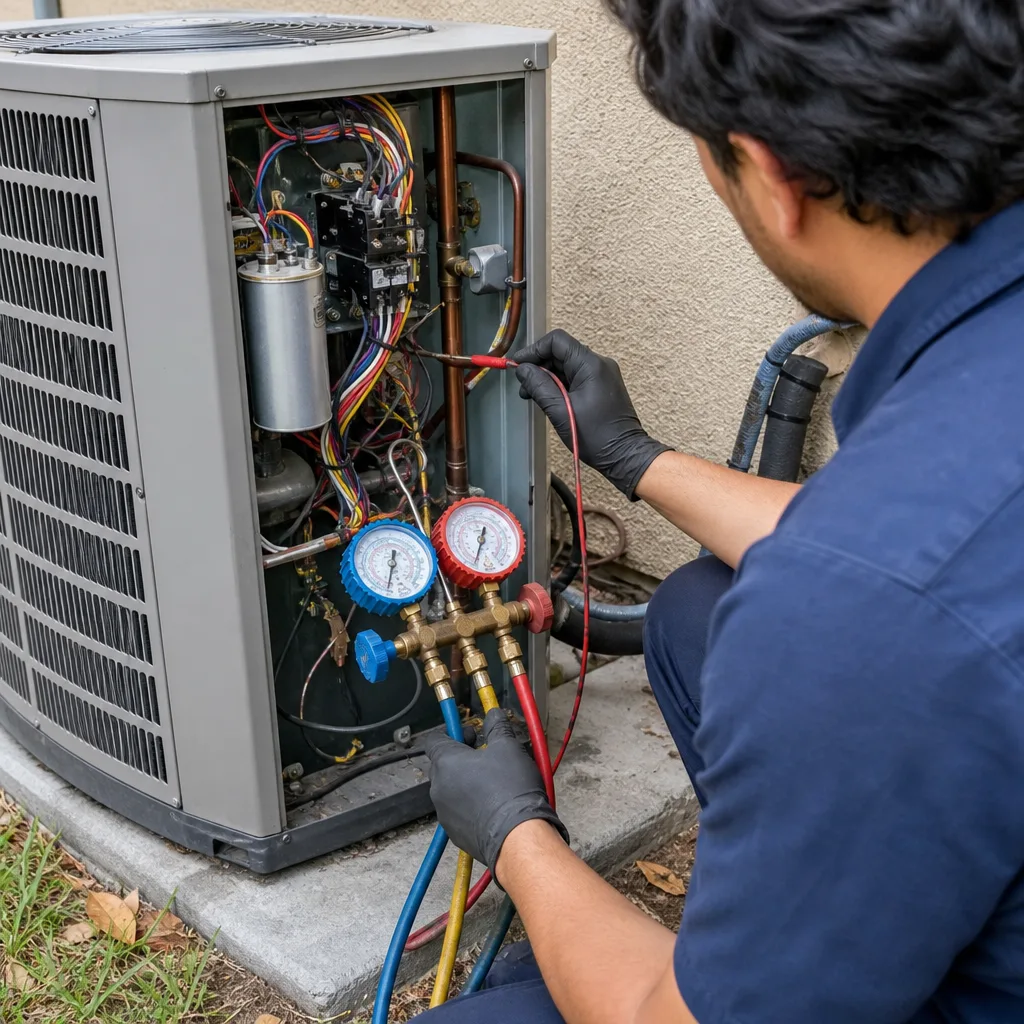 After
After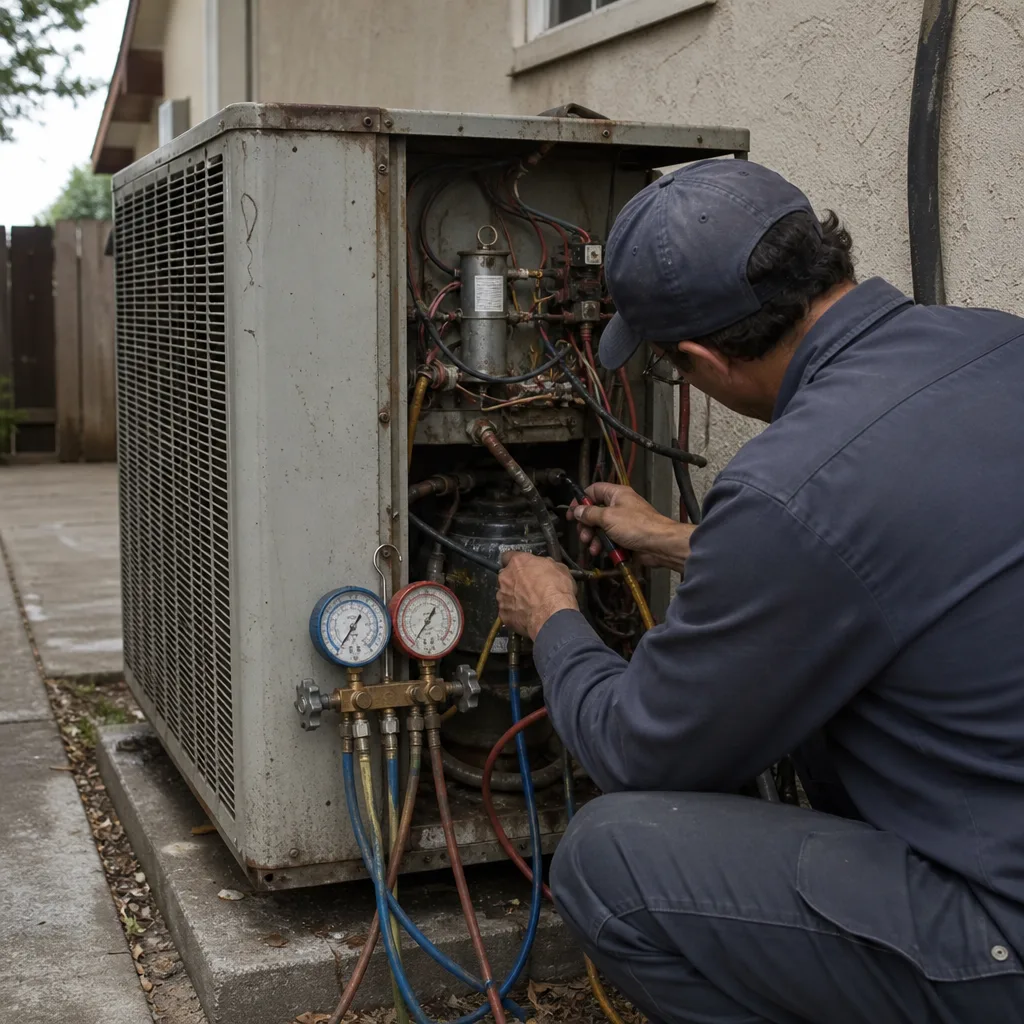 Before
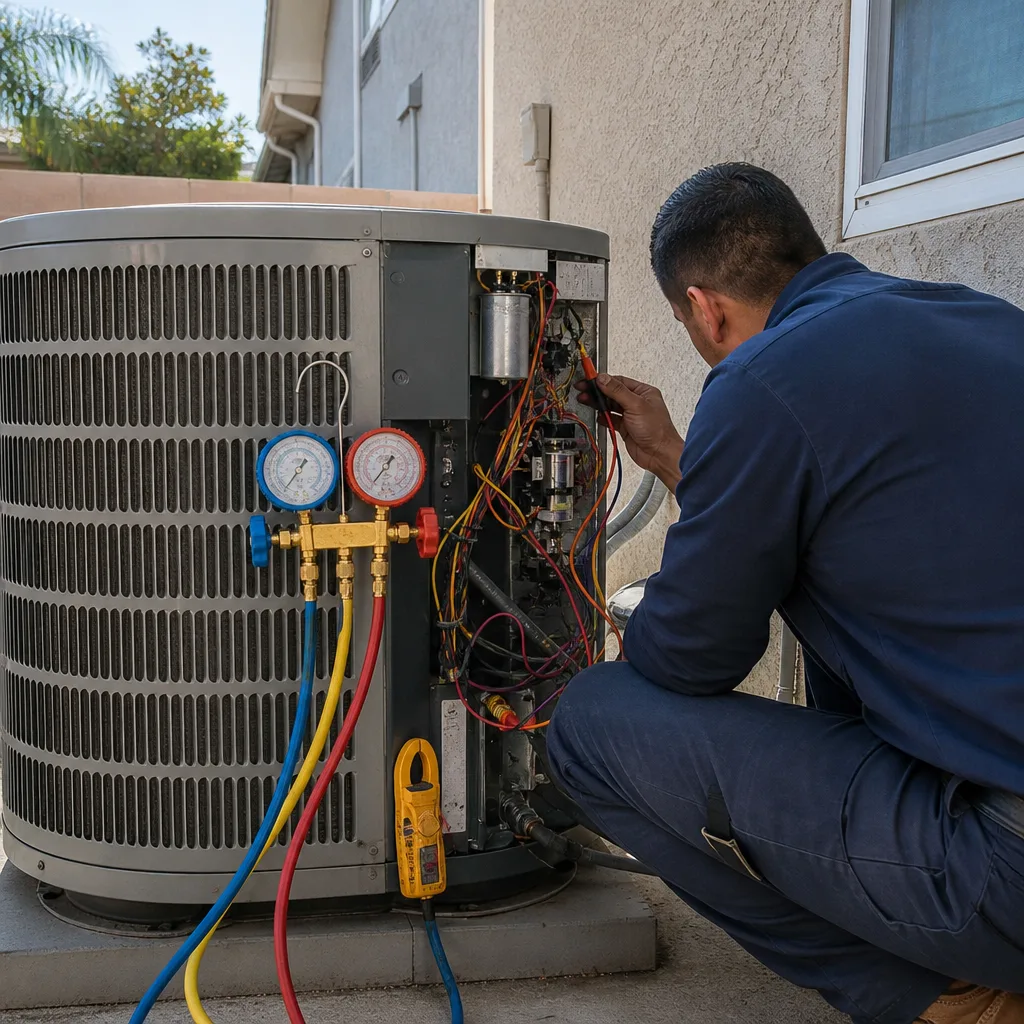 After
After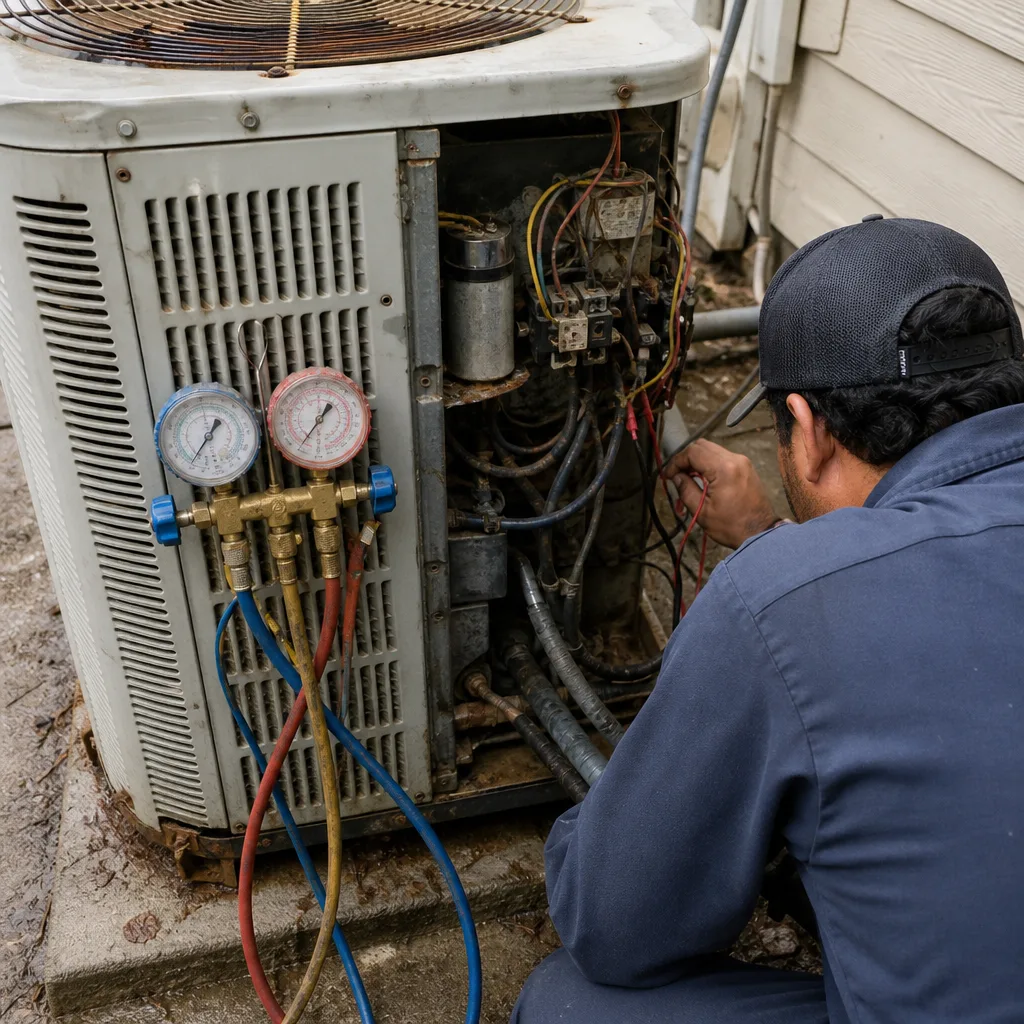 Before
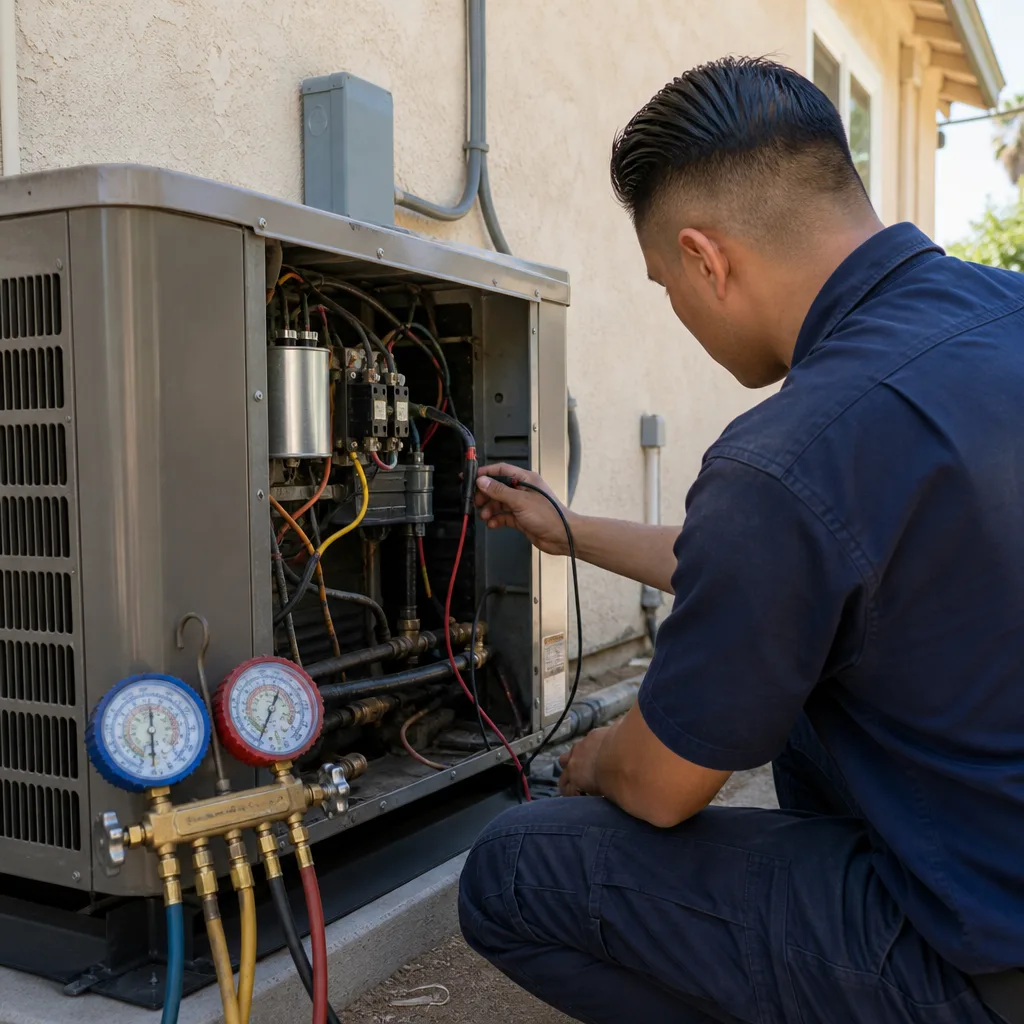 After
AfterFast, Reliable AC Repair Across Jacksonville Beach
Most AC repairs in Jacksonville Beach run between $150 and $650, and the majority of calls we take from beaches and neighborhoods like Pablo Keys are diagnosed within the hour. The real cost driver here isn’t the part itself, of course, it’s when the repair gets misread and the wrong fix gets sold. Our AC repair team arrives with a written price before any work begins, and every repair carries a one-year written guarantee. If you’re in Jacksonville Beach and your system is short-cycling, running warm, or flat dead, call (361) 306-9515 and a live person answers, day or night.
Why Dalton Heating & Air Is Jacksonville Beach’s Preferred AC Repair Company
Dalton Heating & Air is a Garrison Partners company, and that means something concrete. Since 2003, every one of our locations has worked under The Garrison Standard: arrive inside the window, put the price in writing before starting, do the job by the book, leave the site clean, and stand behind the work for a full year. Marco Benitez leads our Jacksonville Beach crews to that same standard, and he’s the one you’ll see or hear from if the repair doesn’t hold.
Our Jacksonville Beach customers tend to come to us after a different company skipped a window, upsold a compressor that wasn’t bad, or left a beachside condenser half-rinsed. We answer phones with a person, not a queue. Our technicians are background-checked, uniformed, and factory-trained on Carrier, Trane, Lennox, Goodman, Rheem, York, Daikin, Bryant, and American Standard. You’ll know who’s coming before the truck turns onto 3rd Street South or over the Intracoastal from Neptune Beach.
Response time to Jacksonville Beach is tight because we schedule local crews through our South Florida dispatch office, and our Jacksonville Beach coverage is built around the parts of town where salt air ages equipment fastest. That local knowledge changes how we diagnose, which you’ll see in the next section.
AC Capacitor Replacement in Jacksonville Beach
AC Capacitor Replacement in Jacksonville Beach is one of the most common repairs we make between May and October, and it’s a job the coastal climate accelerates. The capacitor is the small cylinder inside the outside unit that gives the compressor and fan motor the starting jolt they need. Salt-laden humidity from the Atlantic makes capacitor terminals and internals degrade faster here than inland. A capacitor that is bulging, leaking, or under-reading by more than 10 percent is either failing or already causing breaker trips, and a Jacksonville Beach system that won’t start on a 94-degree afternoon is usually this part, not the compressor.
What the job involves
We shut down the disconnect at the condenser, discharge the old capacitor safely, confirm the microfarad rating on the label, and install a replacement rated for the same voltage and tolerance. Then we test the compressor and fan motor startup draw. In Jacksonville Beach, capacitor replacement typically runs $150 to $350 total, including the part and the service call. If the capacitor failed because the condenser is fighting a corroded coil, we’ll tell you that, because swapping the capacitor alone won’t fix high head pressure.
Why it fails early at the beach
Salt in the air here settles on capacitor terminals and slowly bridges them. We see Jacksonville Beach units with capacitors that read fine in spring and fail by July. The fix is straightforward, but it has to be diagnosed as a capacitor issue, not a motor or compressor failure. We test the part with a multimeter and show you the reading before we replace anything.
AC Recharge in Jacksonville Beach
AC Recharge in Jacksonville Beach means adding refrigerant, the cooling fluid that carries heat out of your house, and it’s a repair that people on the island often need earlier than the rest of Duval County. A system that is low on refrigerant runs long, blows lukewarm air, and ices up at the indoor coil. In Jacksonville Beach, we find low refrigerant for two main reasons: pinhole leaks in evaporator or condenser coils, and salt-corrosion on the service valves and schrader ports where the refrigerant is measured. Recharging without finding the leak is a waste of money, and we don’t do it.
How we charge it
We recover whatever refrigerant is left, pressure-test the system with nitrogen to find the leak, repair the leak if it’s in an accessible spot, then pull a vacuum and weigh in refrigerant to the manufacturer’s exact charge. An AC Recharge in Jacksonville Beach runs $250 to $650 depending on how much refrigerant the system needs and whether the leak repair is straightforward. If your system is R-22 and old enough that a recharge doesn’t make sense, we’ll tell you that plainly and show you the replacement numbers instead.
Coastal leak patterns
The pattern we see on Jacksonville Beach is different from Jacksonville proper. Here, leaks cluster at the outdoor unit, where salt has eaten away at valve caps, king valves, and copper fittings. Inside the house, the evaporator coil often stays tight for years. That’s useful, because it means a decent portion of beachside leaks are repairable at the condenser without opening the indoor air handler.
Trusted Brands We Service in Jacksonville Beach
Our technicians work on all nine major residential HVAC brands, and in Jacksonville Beach we service a lot of Trane, Lennox, and Goodman systems, with a fair share of Rheem on the newer condos and townhomes along Beach Boulevard. Because we’re factory-trained across those brands, we know which coil coatings each manufacturer ships and which parts are worth stocking. We keep common capacitors, contactors, fan motors, and valves on our Jacksonville Beach trucks, which means a repair that needs a common part is often done the same day instead of waiting on a distributor run from Jacksonville.
Common AC Repair Problems We See in Jacksonville Beach Homes
- Salt-eaten condenser coils: Bare copper and aluminum fins show green verdigris and pitting after four or five seasons by the ocean. The coil loses heat transfer, head pressure builds, and the system works harder to cool less.
- Corroded contactors and disconnects: The electrical connector that closes to start the system gets a white, crusty film from salt air. That causes intermittent no-starts and nuisance breaker trips. Homeowners often think it’s a bad compressor when it’s a $25 contactor.
- Sand-clogged condenser fins: Wind off the beach blows fine sand into outdoor units, and it packs into the fins. Airflow drops, the system runs constantly, and the supply air never gets cold enough.
- Weak capacitors on hot afternoons: Heat plus salt stress means capacitors fail in the exact hours you need cooling most. A unit that runs fine at night and trips by 3 p.m. is the classic coastal capacitor symptom.
Pricing for AC Repair in Jacksonville Beach, FL
The page’s lead range for Jacksonville Beach is $150 to $650 for most repair calls. Here’s the breakdown we quote on the phone before we ever dispatch:
| Repair Type | Jacksonville Beach Price Range |
|---|---|
| AC Repair (diagnostic and repair visit) | $150 – $650 |
| AC Capacitor Replacement | $150 – $350 |
| AC Recharge (refrigerant charge) | $250 – $650 |
What moves a job within those ranges is the part itself, the refrigerant type, and whether the coil or compressor is involved. You’ll get the exact price in writing before we touch anything. Estimates are free, and the repair is guaranteed for a full year. If it fails in that year, we return at no charge under the 365-Day Done Right Promise.
Jacksonville Beach’s ocean air pushes salt-laden humidity against every outdoor condenser on the island. Bare-copper condenser coils here often show green verdigris and fin loss at year four or five, years before the same unit inland would. That’s why coated or fully corrosion-resistant condenser coils are usually worth the premium on this side of the Intracoastal. It’s also why coastal AC repair calls so often end with a coil verdict rather than just a part swap. A capacitor that keeps failing, a recharge that won’t hold, a system that cools fine at night but dies by afternoon: on Jacksonville Beach, that pattern points at the coil far more often than the compressor.
We were called out to a beachside rental off 1st Street North where a Carrier unit kept tripping its breaker on the hottest afternoons. Our tech found a bulging run capacitor under-reading at startup and a condenser coil already pitted white with salt corrosion despite the cabinet being only five years old. We swapped the capacitor, rinsed the coil, verified refrigerant charge, and put the homeowner on a twice-a-year rinse schedule to stretch the condenser the rest of the way to replacement.
We Also Serve Cities Near Jacksonville Beach
Our dispatch for Jacksonville Beach also covers Neptune Beach, Atlantic Beach, Jacksonville, and Fleming Island. If you’re just over the bridge or a few blocks off A1A, the same written-price standard and one-year guarantee apply.
Serving Jacksonville Beach, FL - Our Local Coverage Area
We’re based in the Jacksonville Beach area and know this community well. Use the map below to see our service coverage - if you’re nearby, we can almost certainly help.
FAQs About AC Repair in Jacksonville Beach
Twice a year, and ideally once in early spring before the heat builds and once around late September after the worst of the beach season. Salt builds up quickly on condenser fins, and a rinse schedule is the cheapest way to keep static pressure down and stop premature coil failure. We include a coil rinse with every repair visit and can set you up on a flat-price maintenance plan if you’d rather not think about it.
That’s the signature of a weak or failing capacitor, combined with the afternoon heat load. The capacitor gives the compressor and fan motor the starting boost they need, and as outdoor temperatures climb, a marginal capacitor loses its ability to get the system started. On Jacksonville Beach, salt corrosion on the capacitor terminals compounds it. The repair is usually in the $150 to $350 range. Call (361) 306-9515 and we’ll confirm the reading before replacing anything.
Usually, yes. The coil is the most expensive single component on a condenser, and a bare-copper coil that dies at year five forces a decision between a $2,000-plus coil replacement and a whole new condenser. A coated or all-aluminum corrosion-resistant coil often costs a few hundred more up front and reliably outlasts a bare coil by years in Jacksonville Beach’s salt air. If you’re calculating total cost of ownership over 10 years, the coated coil wins in this ZIP code.
Yes. Inland Jacksonville can often get by with one tune-up a year. Jacksonville Beach units should be inspected and rinsed twice a year because of the salt load, and the maintenance should include checking the contactor, disconnect, and capacitor terminals for corrosion. A standard $80 to $200 tune-up costs a lot less than finding out in August that corrosion took out the contactor.
Yes, but SEER2 alone won’t tell you how long the unit will last by the ocean. SEER2 is the updated efficiency rating standard, and it’s useful for comparing operating costs, but the more important spec for Jacksonville Beach is the coil material and coating. A high-SEER2 unit with a bare copper coil will still corrode early here. Ask about the condenser coil coating first, and use SEER2 to compare the options that survive the salt.
If your AC is running warm, tripping a breaker, or just not keeping up with a Jacksonville Beach afternoon, call (361) 306-9515. We’ll get a tech to you, put the price in writing before any work starts, and every repair is guaranteed for a full year. Marco Benitez and the team are ready when you are.
Written by Marco Benitez, Owner at Dalton Heating & Air.