
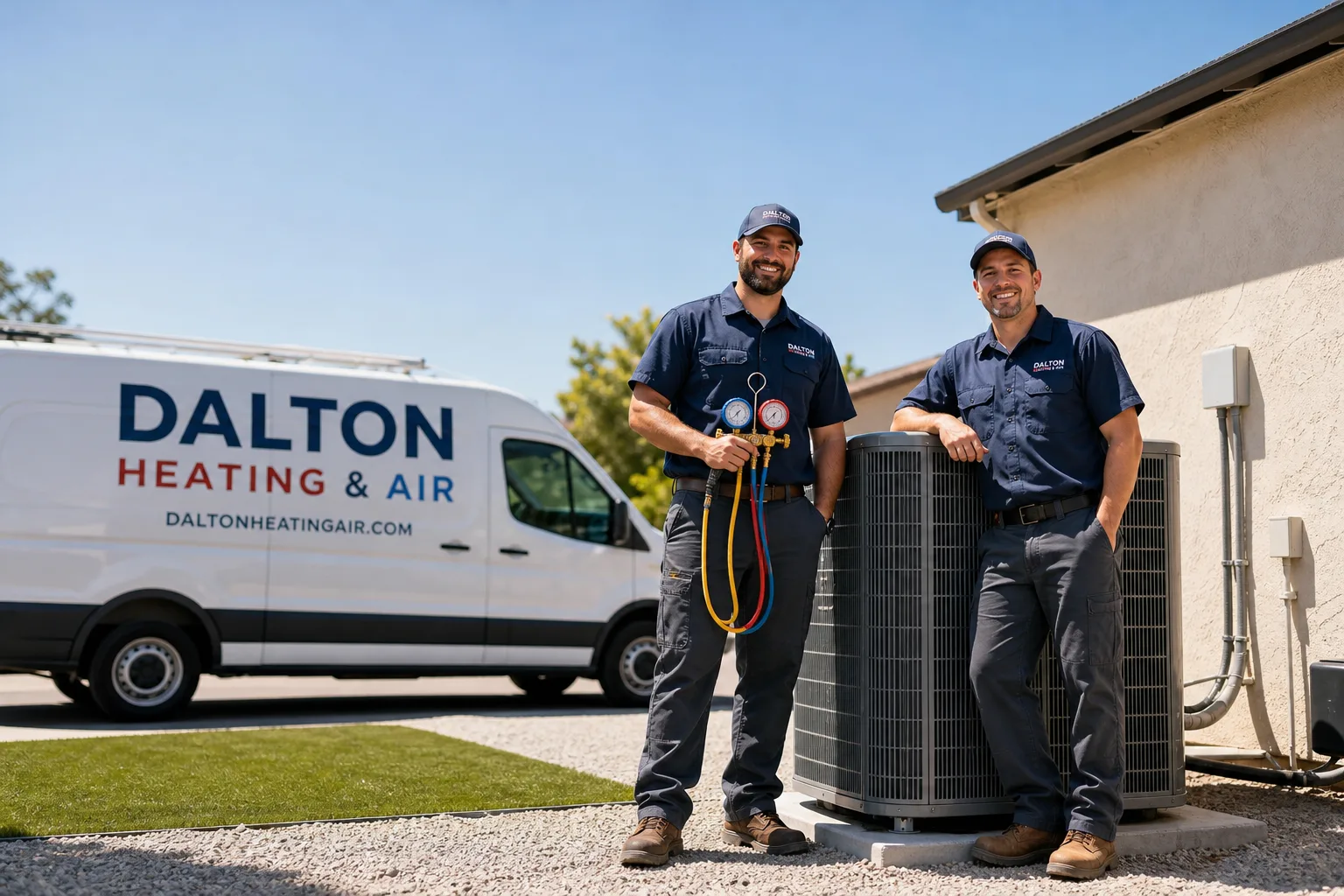
Seasonal tune-up and full diagnostic on your Carrier, Trane, or Goodman system - readings shown to you before any repair is proposed
Diagnosis first, numbers second - you approve the repair price before a single part goes in.
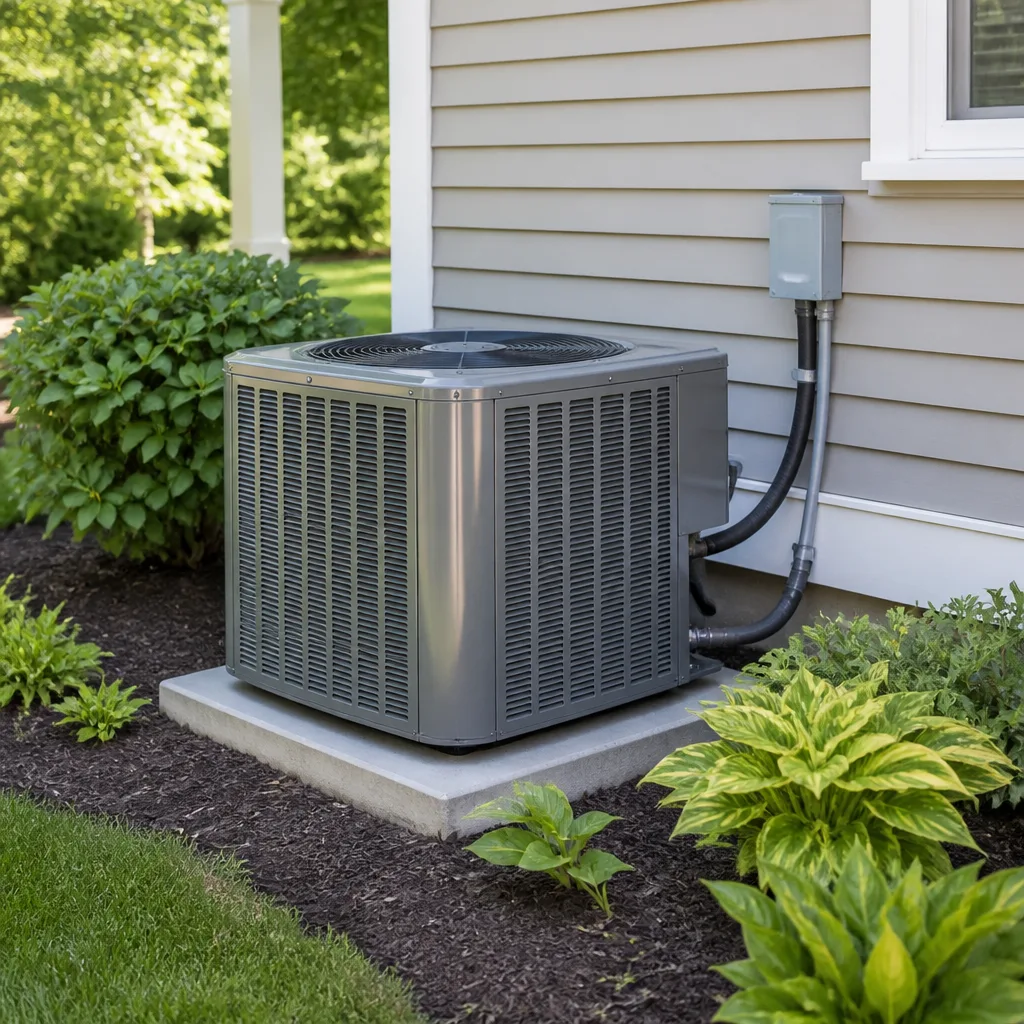
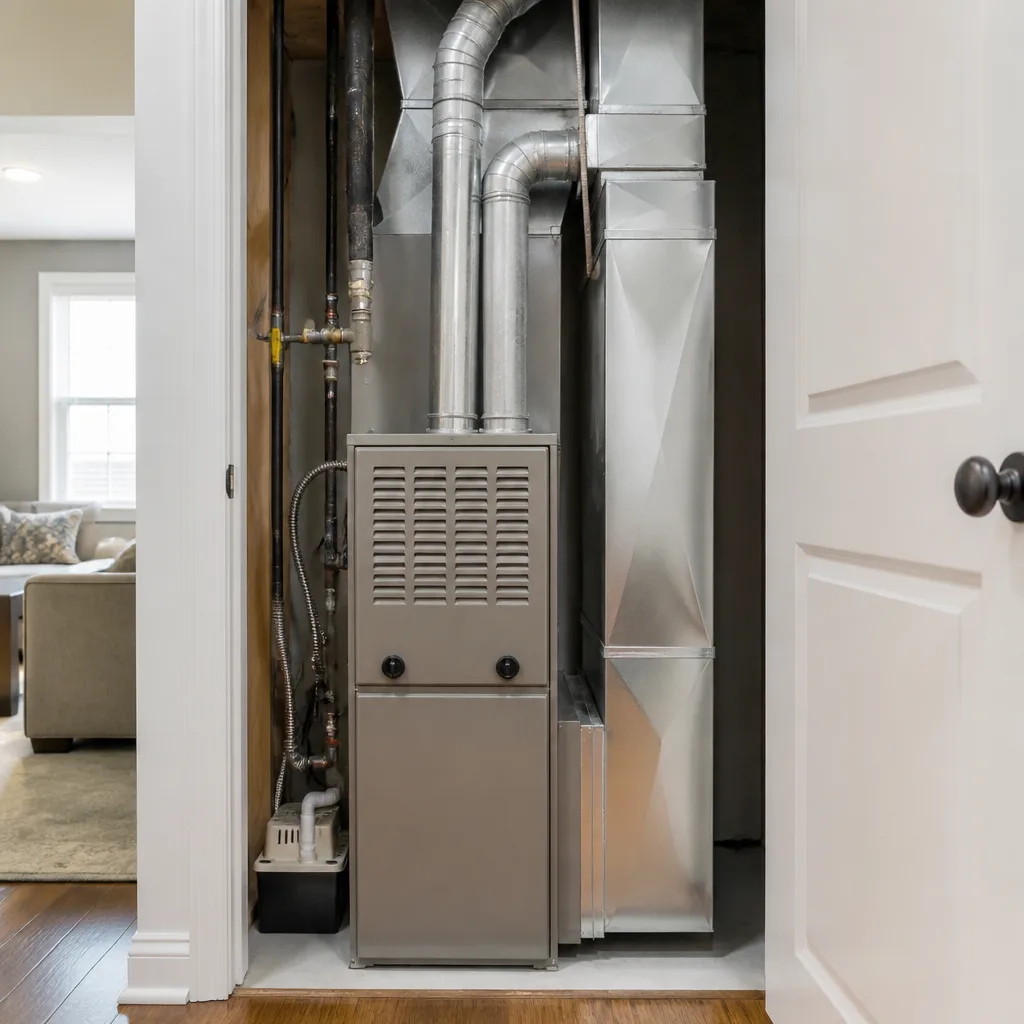
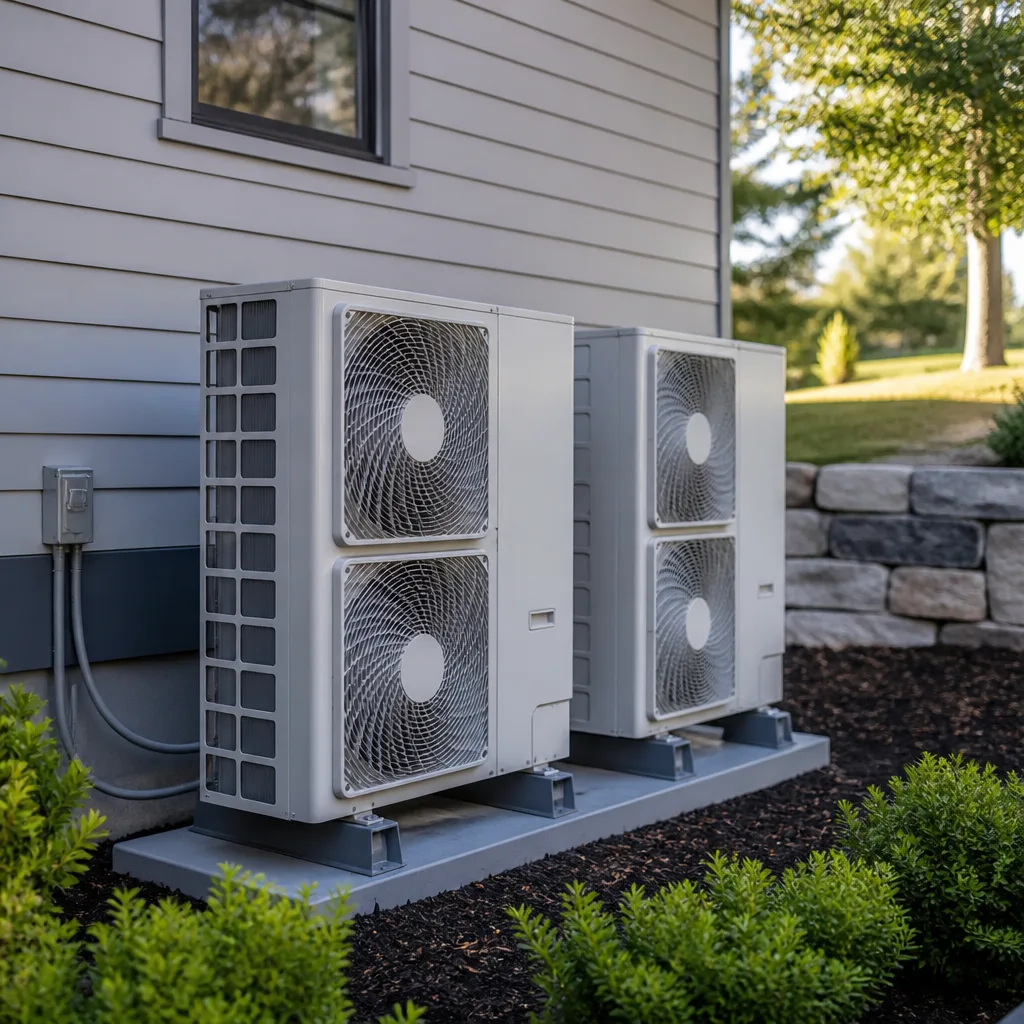
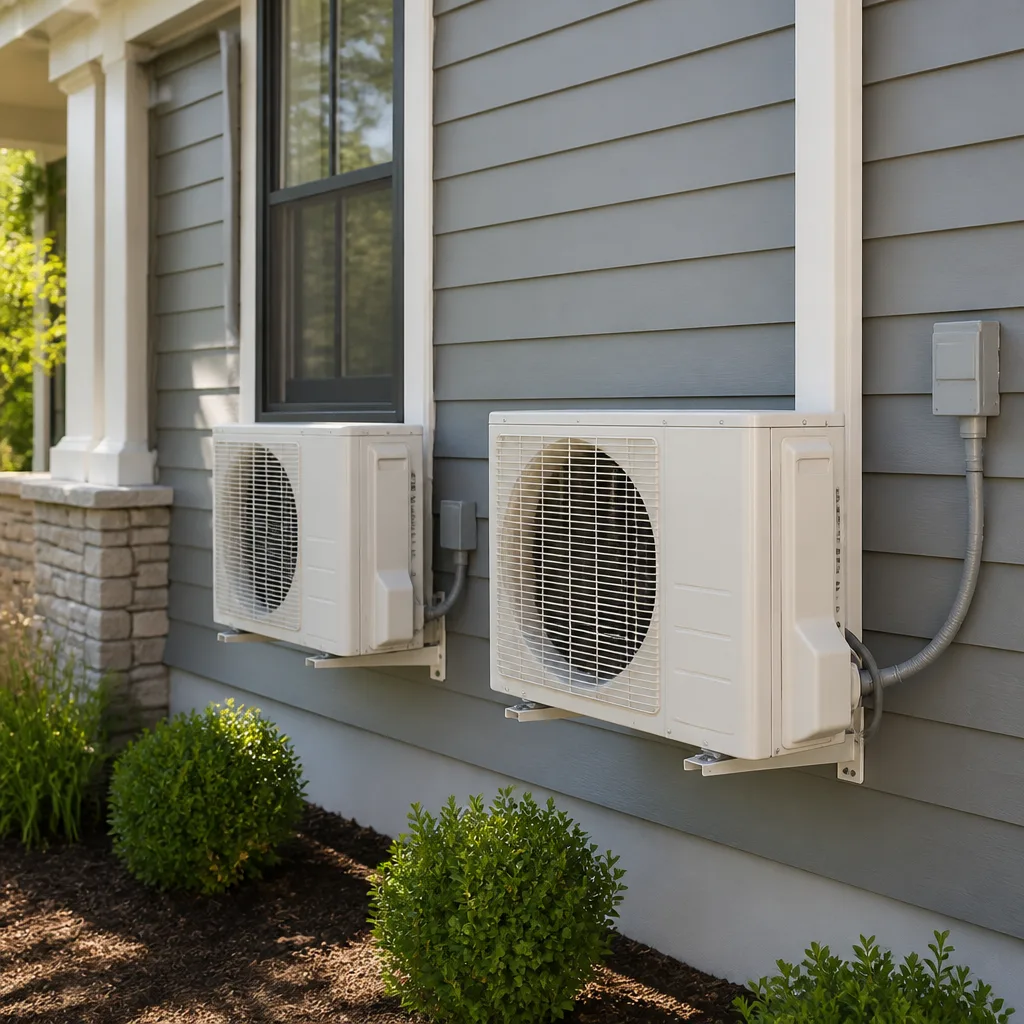
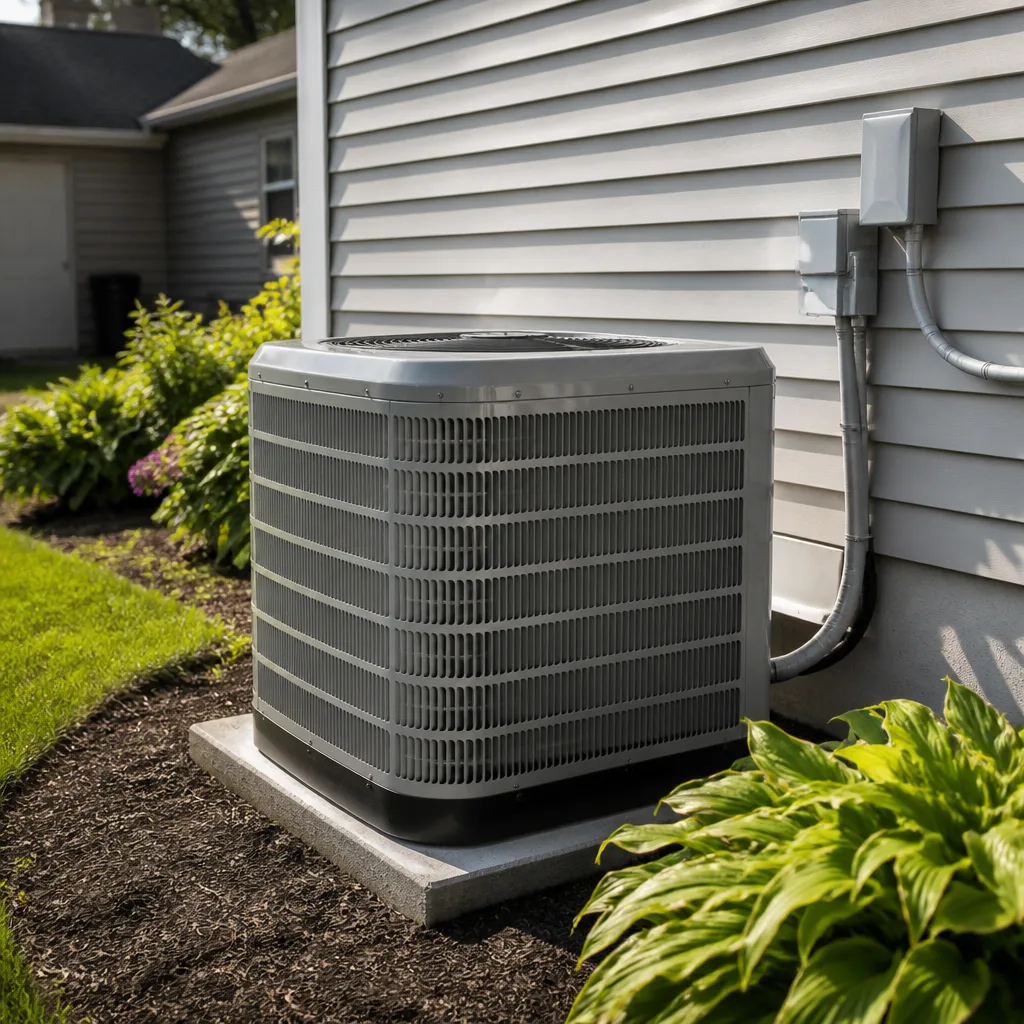
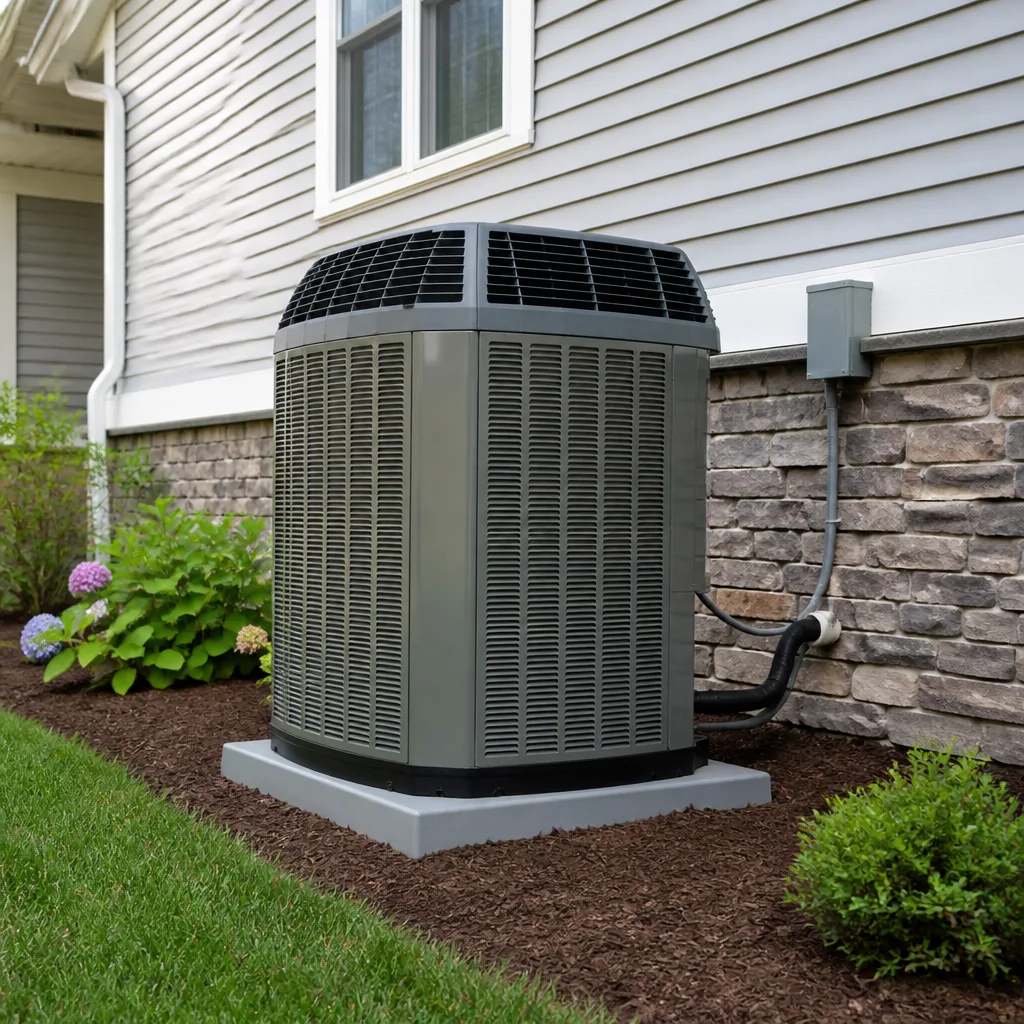
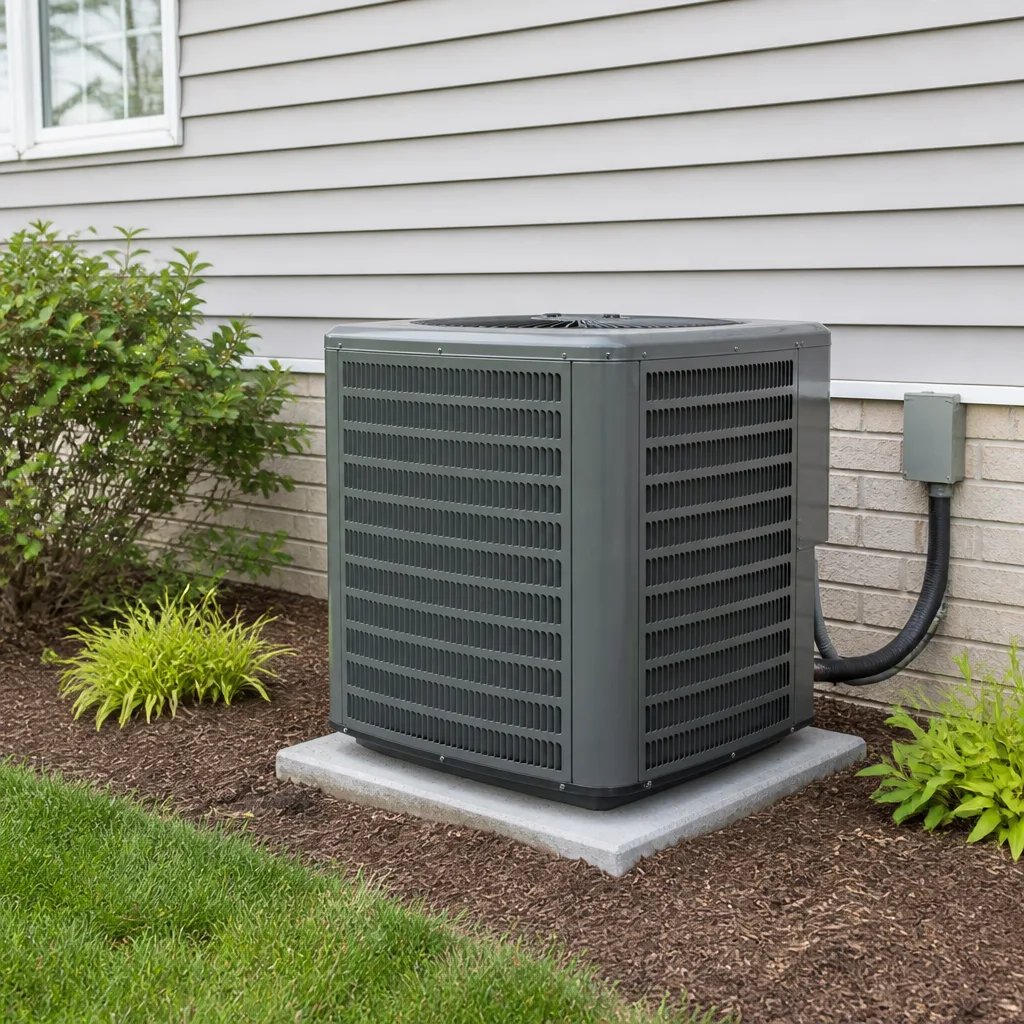
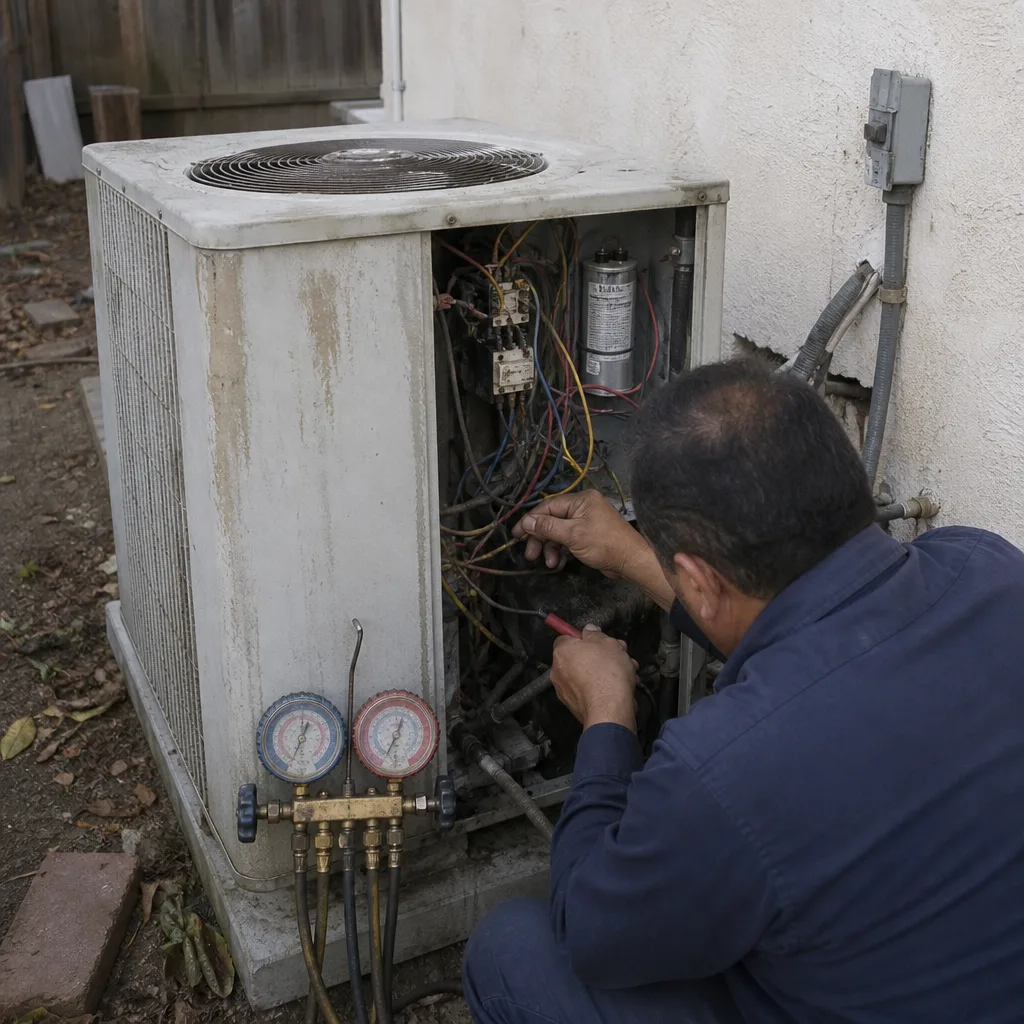 Before
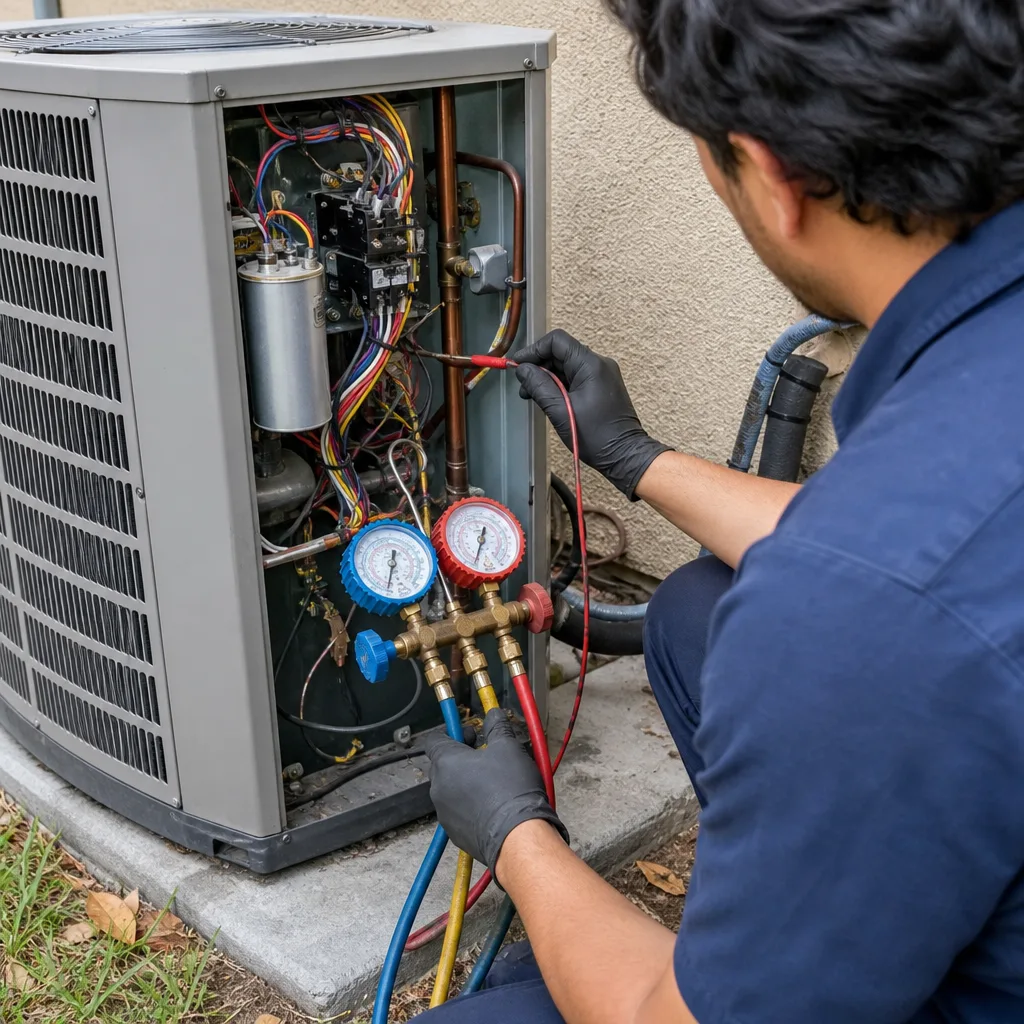 After
After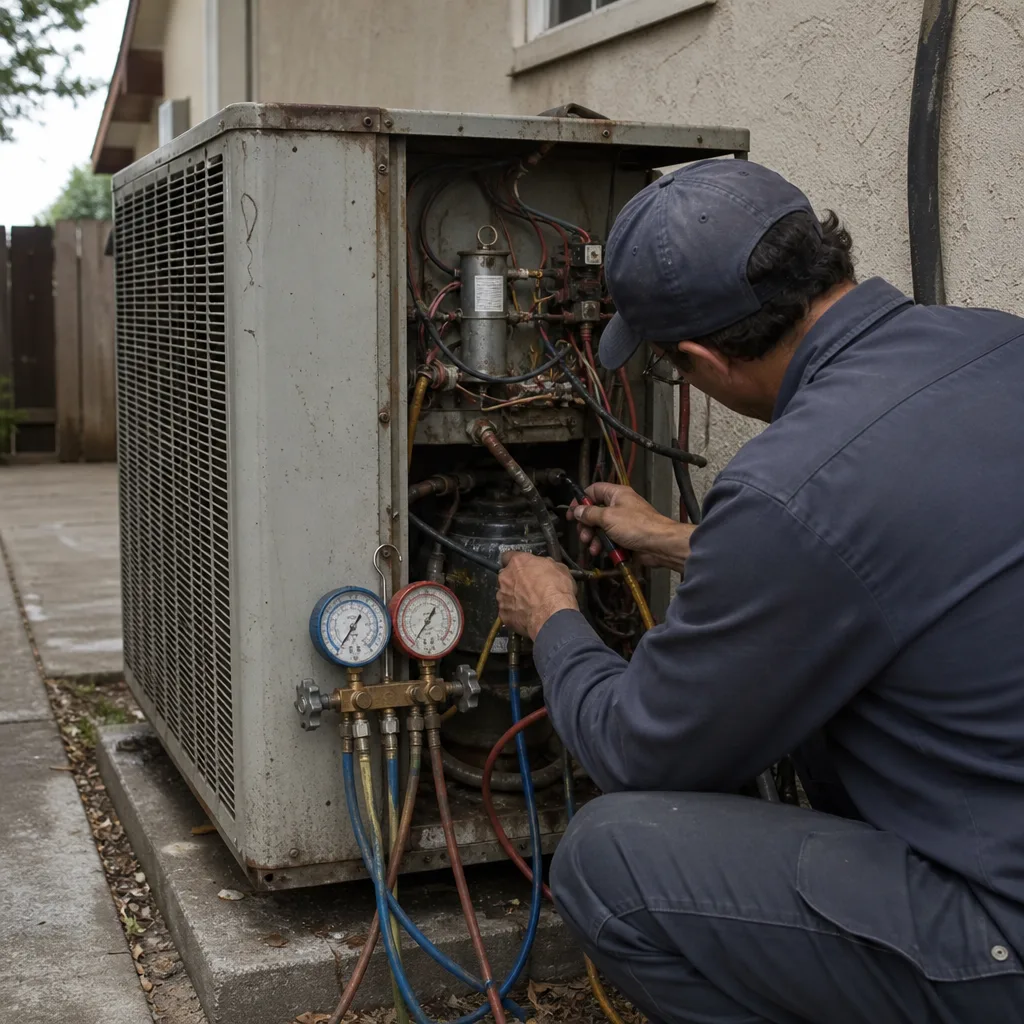 Before
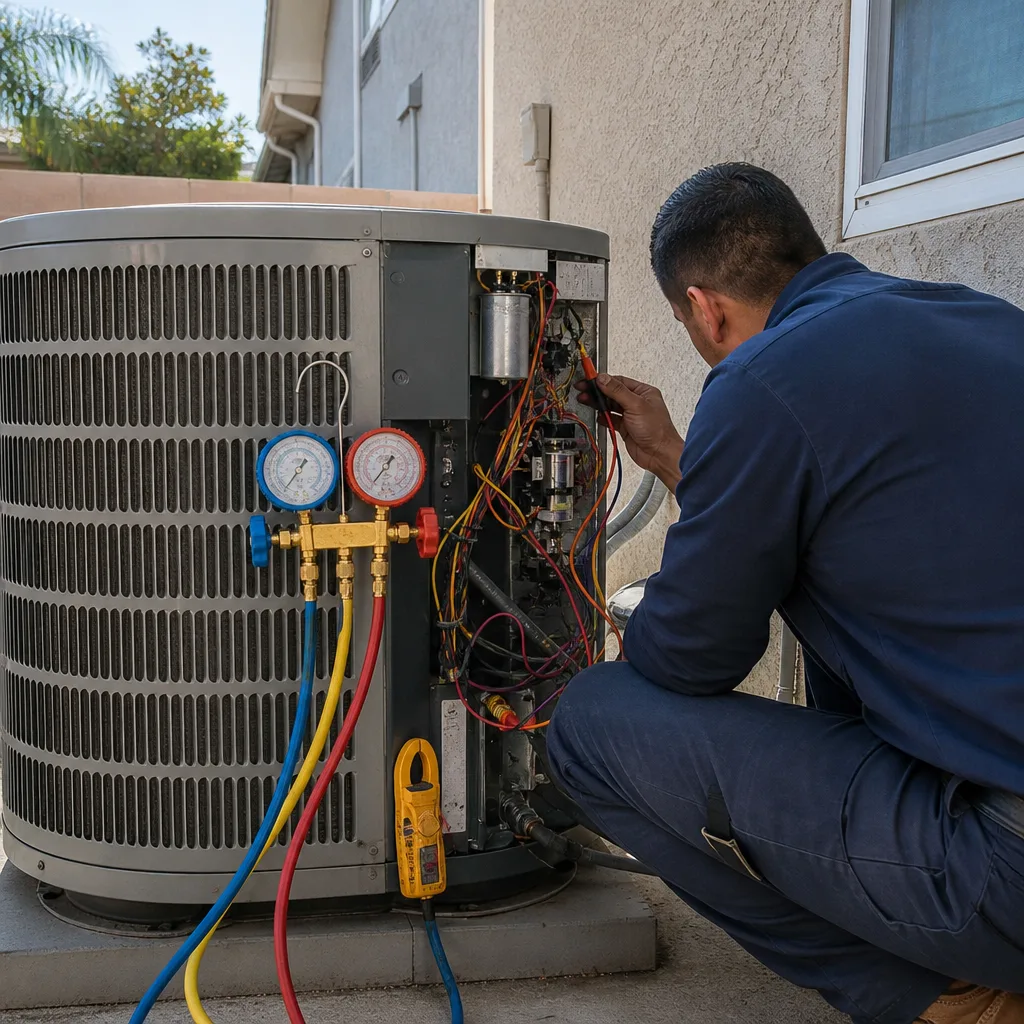 After
After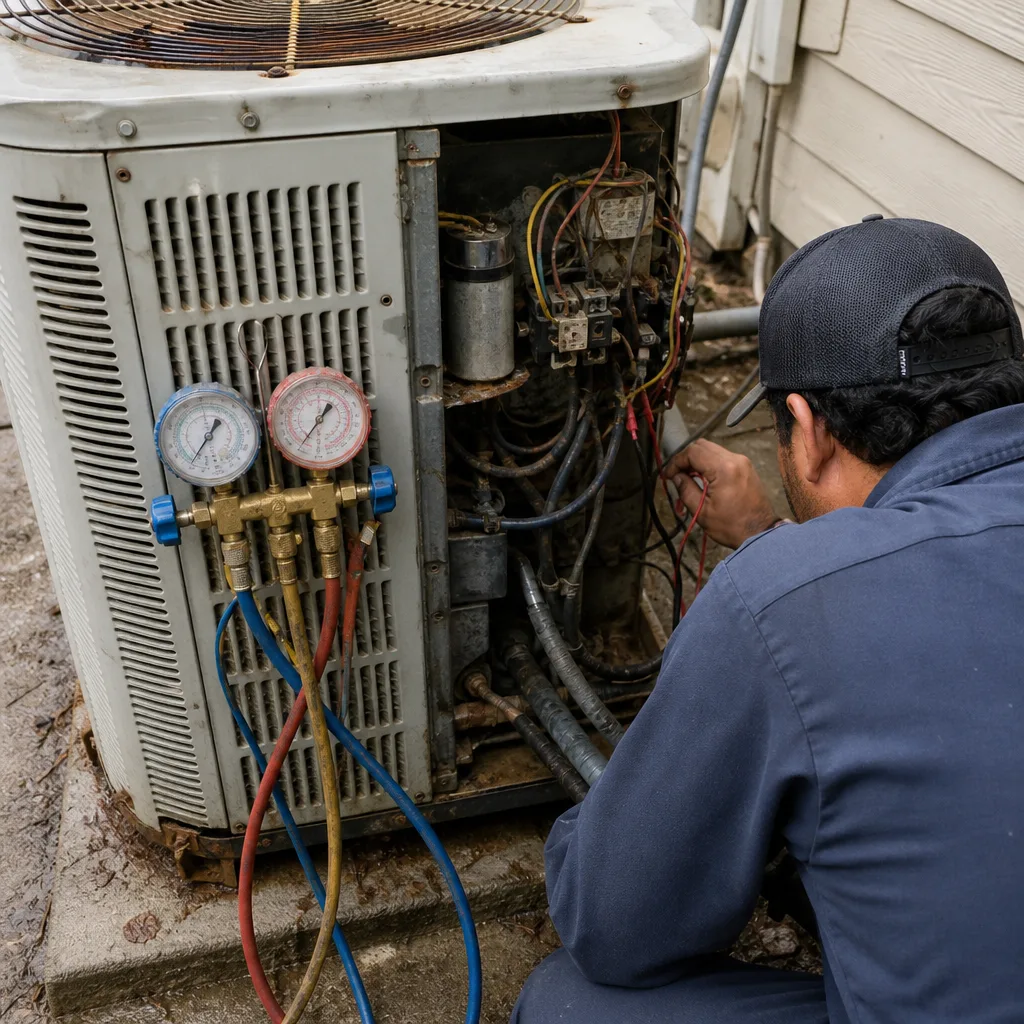 Before
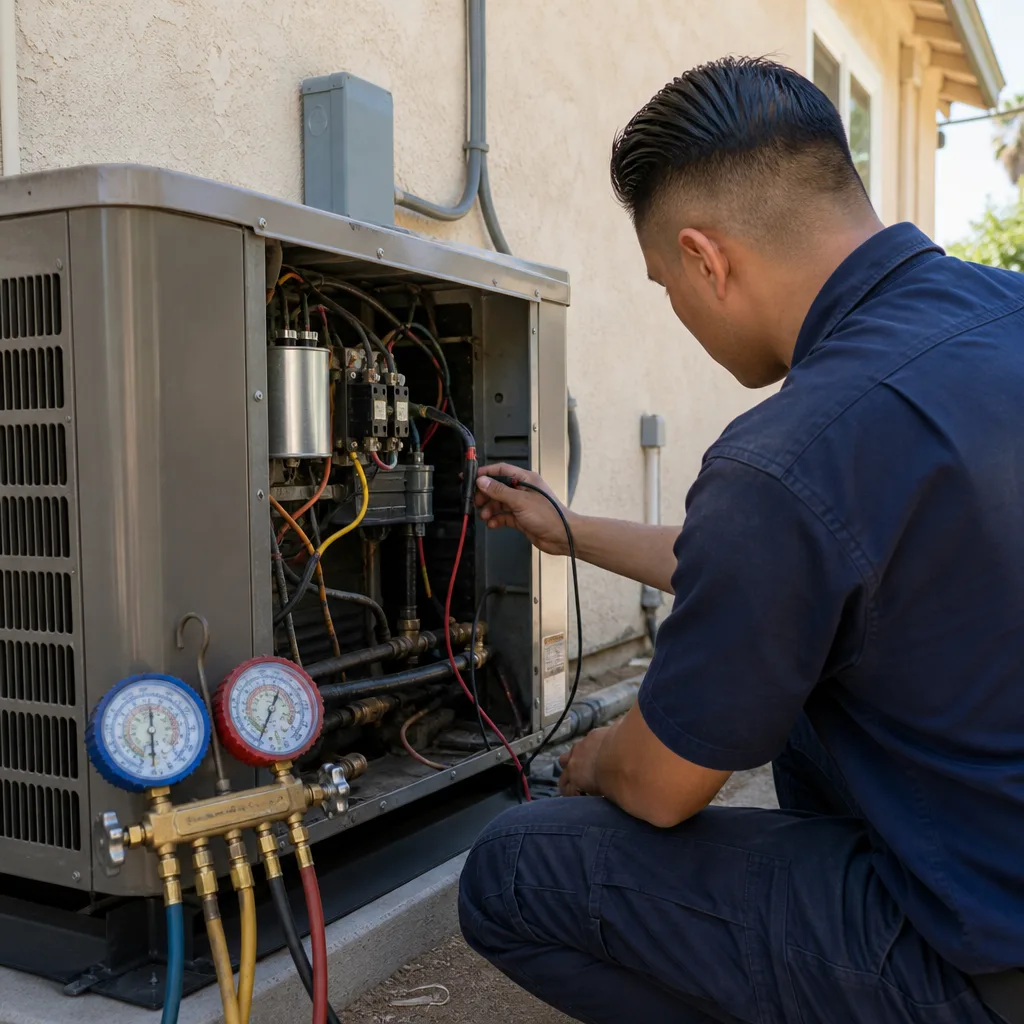 After
AfterFast, Reliable AC Repair Across Homeland
When your AC quits in Homeland, you need a real diagnosis and a written price, not a tech who shrugs and starts talking replacement before he’s even opened the unit. Most AC repairs in Homeland run $150 – $650, and most are back up and running the same day we come out. We know the homes off Ritter Avenue, the tracts near Highway 74, and the newer builds east of Menifee Road, and we schedule local dispatch around Homeland’s afternoon heat, not some faraway service hub. Call (361) 306-9515 and you’ll get a live person who can tell you when a tech will be at your door.
Why Dalton Heating & Air Is Homeland’s Preferred AC Repair Company
Homeland sits in a hot inland pocket of Riverside County where summer afternoons regularly run 10 – 15°F hotter than the coast. That’s not a marketing line; it’s the load your system actually has to carry. Our techs work in those conditions every day, and they know what fails here: capacitors that cycle too many hours, refrigerant charges that drift low at the Schrader valves, ductwork that was undersized when the tract was built. We don’t guess. We diagnose, put the price in writing before any work starts, and every repair carries a written guarantee for a full year under the 365-Day Done Right Promise. If it fails in that time, we return at no charge.
Dalton Heating & Air is a Garrison Partners company, founded in 2003 and held to The Garrison Standard on every job: arrive inside the stated window, price in writing before starting, do the job by the book, leave the site clean, and stand behind the work for a full year. Marco Benitez leads our team, and he holds every tech to The Garrison Code, including the part where the price you’re quoted is the price you pay. Our technicians are background-checked and uniformed, and they’re factory-trained to service nine major residential HVAC brands: Carrier, Trane, Lennox, Goodman, Rheem, York, Daikin, Bryant, and American Standard. Calls are answered by a live person 24/7, because a no-cooling call in Homeland at 9 p.m. in July can’t wait for a callback window.
AC Capacitor Replacement in Homeland
Capacitor failure is the single most common AC repair we make in Homeland, and the long cooling season is the reason. A capacitor is a small cylinder inside the outdoor condensing unit that stores and releases the voltage needed to start the compressor and fan motor. In coastal cities, a capacitor might cycle 1,500 hours a year. In Homeland, where systems run from April through October and often past midnight, that number climbs past 3,000. The part itself is inexpensive. The labor and diagnosis are straightforward. Most capacitor replacements in Homeland run $150 – $650 depending on the unit’s brand, age, and whether it’s a single or dual-run capacitor.
Signs the capacitor is going
The classic Homeland symptom in July: the outdoor unit hums but the fan doesn’t spin, or the compressor tries to start and clicks off after a few seconds. Homeowners sometimes describe it as the AC “sounding like it wants to start.” A weak capacitor draws higher amps than the motor is designed for, which trips breakers and overheats windings. If you catch it early, you replace a $20 part. If you let it ride, you replace a compressor.
What we actually do on the call
A Dalton tech tests the capacitor’s microfarad rating under load, not just on a bench. A capacitor can test fine cold and fail hot, which is why a textbook reading doesn’t end the diagnostic. We check the contactor, confirm the fan motor’s amp draw, and replace the capacitor with the exact microfarad rating the unit calls for. Then we test the full startup cycle while the system is still heat-soaked from the afternoon, because that’s when capacitors actually fail in this town.
AC Recharge in Homeland
When a Homeland homeowner says “the AC is running but the air isn’t cold,” we usually find a refrigerant charge that’s drifted low. Refrigerant recharge means recovering what’s left, pulling a proper vacuum, and charging the system to the exact spec on the unit’s nameplate. It’s not “topping off” the way you’d top off wiper fluid. In Homeland, thermal cycling on the condenser coil and the constant expansion and contraction at the fittings mean Schrader valves and line-set connections develop slow leaks over time. A proper recharge in this market runs $150 – $650, and that includes finding where the charge went, not just putting gas back in and hoping it holds.
Low charge symptoms in a hot inland climate
The first thing you notice is a system that runs constantly but can’t hold setpoint in the late afternoon. By 4 p.m., when Homeland is sitting at 100°F plus, a low system falls 8 – 10°F behind. You’ll also see ice forming on the indoor coil or the larger copper line, which seems backwards but is a classic low-charge tell. If anyone adds refrigerant without fixing the leak, you’ll be calling again by August.
How we find and fix the leak
We add a trace dye and use an electronic leak detector on the Schrader valve cores, service caps, line-set connections, and both coils. Most Homeland leaks are at the valve cores or the braze joints near the condenser, and the fix is often under an hour once the system is open. After the repair, we re-pull the vacuum to remove moisture, charge by superheat and subcooling, not by gauge pressure alone, and log the final numbers on your work order so you have a record of what was done.
Trusted Brands We Service in Homeland
We service all nine major residential brands, but the ones we see most in Homeland are Trane, Lennox, Goodman, and Rheem. Each has its own failure patterns in this climate: Goodman condensers tend to run through capacitors faster, Rheem units have a particular control board failure we know by heart, and Trane compressors are tough but unforgiving if the charge is even slightly off. Dalton techs carry common parts for these brands on the truck, which means fewer “we’ll have to order it” moments in the middle of a 100-degree week. If we don’t have a part, our parts network gets it to Homeland fast, usually same day or next morning.
Common AC Repair Problems We See in Homeland Homes
- Capacitor failure on the condensing unit. Homeland’s long cooling season means capacitors cycle far more annual hours than in coastal cities, so they hit end-of-life sooner. A unit that ran 10 years at the beach may eat a capacitor every 4 – 5 years here.
- Refrigerant charge loss at the Schrader valves and line-set fittings. Inland heat stress and thermal cycling on the condenser coil accelerate tiny leaks. We see slow, year-over-year drift more than sudden blowouts.
- High static pressure from undersized or crushed ducts. Many Homeland tract homes were built with duct systems that never accounted for the tonnage actually installed. High static pressure trips the high-limit switch, shortens blower motor life, and makes the system noisy.
- Breaker trips on the hottest afternoons. When it’s 108°F outside, everything is drawing more current: the compressor, the fan, the condenser itself. A weak capacitor or a dirty coil pushes the amp draw past the breaker’s limit at exactly the wrong time.
Pricing for AC Repair in Homeland, CA
Here’s what AC repair work actually costs in Homeland, in writing. These are the ranges we quote on the phone and the ranges that show up on the final invoice. The price you’re quoted before we start is the price you pay, which is the whole point of The Garrison Standard.
| Service | Price Range (Homeland, CA) |
|---|---|
| AC Repair (diagnostic + typical repair) | $150 – $650 |
| AC Capacitor Replacement | $150 – $650 |
| AC Recharge (refrigerant) | $150 – $650 |
| AC Installation (full system) | $3,500 – $7,500 |
| Tune-Up | $80 – $200 |
What moves the number is the part, the brand, and how long the repair takes. A capacitor on a basic Goodman is toward the low end. A dual-run capacitor plus a contactor on a Trane is higher. Either way, you’ll see the exact number before we turn a wrench. Estimates are free, and the same number covers the diagnostic even if you decide not to repair.
We Also Serve Cities Near Homeland
Our techs run calls in Homeland every weekday and on weekends, and we cover the surrounding Inland Empire corridor. That includes Nuevo, Menifee, Hemet, and Winchester, and our AC Repair team schedules multiple stops per day through this stretch of Riverside County, so dispatch times stay tight even in July.
Serving Homeland, CA - Our Local Coverage Area
We’re based in the Homeland area and know this community well. Use the map below to see our service coverage - if you’re nearby, we can almost certainly help.
FAQs About AC Repair in Homeland
The practical answer for Homeland: if the repair costs less than about a third of a new system and the unit is under 12 years old, repair it. A $400 capacitor or recharge job on an 8-year-old unit almost always makes more sense than a $5,000 replacement. But if your compressor has failed on a 15-year-old R-22 system, you’re looking at a replacement decision, because R-22 refrigerant is effectively obsolete and the replacement cost approaches the cost of a new unit. We’ll show you both numbers in writing before you decide, and we won’t push replacement when a repair is the honest call. Call (361) 306-9515 if you want a straight read on your system.
In Homeland specifically, a breaker trip on a 100°F afternoon usually means one of two things: a weak capacitor is pulling high amps at startup, or the condenser coil is dirty enough to push the compressor past its rated draw. Both are common in inland heat where systems run for hours without cycling off. The fix is usually a new capacitor and a coil cleaning, not a new unit. The dangerous part is letting it trip repeatedly, because each hard start shortens compressor life. If your breaker’s tripping, call us before you reset it a third time.
A proper Manual J load calculation tells you exactly how many tons of cooling your square footage actually needs in Homeland’s climate, and getting it wrong is expensive. Undersize the system and it runs 18 hours a day in July and never hits setpoint. Oversize it and it short-cycles, which kills compressors and leaves the house clammy because the system never runs long enough to pull humidity. In Homeland, where summer design temps run higher than coastal ZIP codes, the load calc is the difference between a system that’s matched to your house and one that’s just close enough. We run the numbers before we quote a single replacement.
SEER2 is the updated efficiency rating that reflects real-world duct loss, and the short version is this: a SEER2 16 system uses about 20% less electricity than a SEER2 13 system producing the same cooling. In Homeland’s long cooling season, that’s not abstract. If your July bill with a 13 SEER2 unit is $350, the same house with a 16 SEER2 unit might run $280. Over a season that runs April through October, the savings add up fast. The sweet spot for most Homeland homes is SEER2 15 – 17, where the equipment cost stays reasonable and the bill impact is real.
For a no-cooling call in Homeland, we aim for same-day dispatch whenever we get the call before early afternoon, and our phone lines are answered by a live person 24/7. In July and August, we run extra crews through the Homeland, Menifee, and Nuevo corridor because we know a house without AC in this heat is a health problem, not just a comfort problem. The best way to get a real arrival window is to call (361) 306-9515 and talk to the dispatcher, who can see exactly which tech is closest.
Written by Marco Benitez, Owner at Dalton Heating & Air, serving Homeland, CA.