
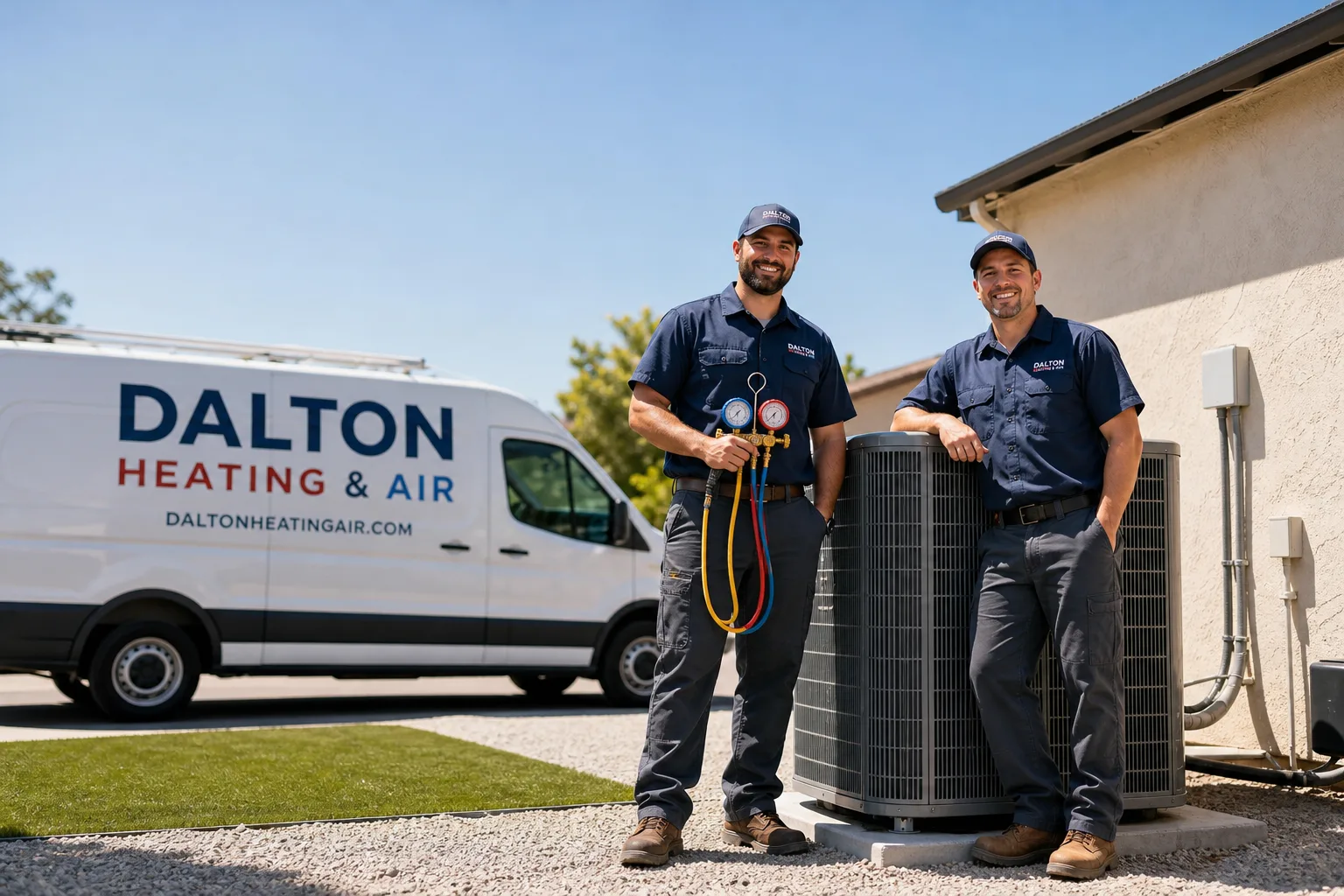
Seasonal tune-up and full diagnostic on your Carrier, Trane, or Goodman system - readings shown to you before any repair is proposed
Diagnosis first, numbers second - you approve the repair price before a single part goes in.
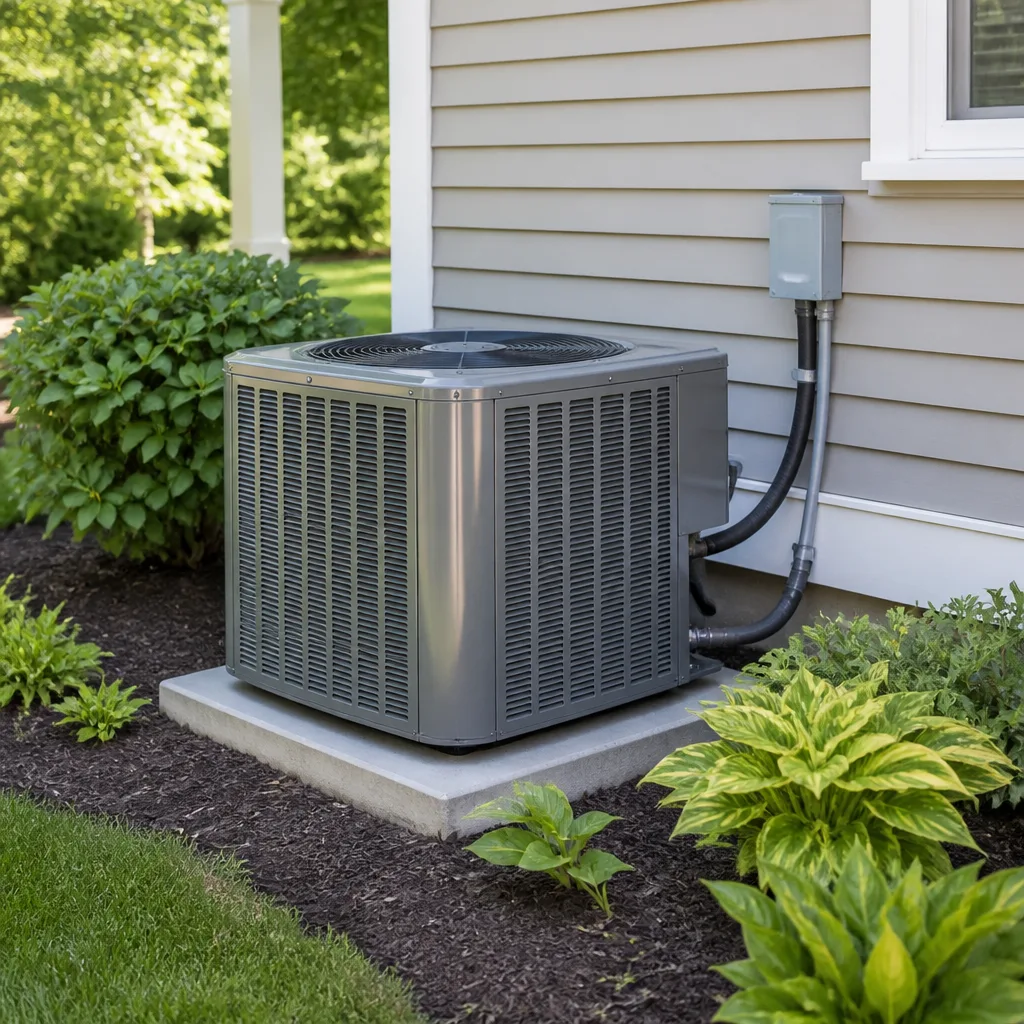
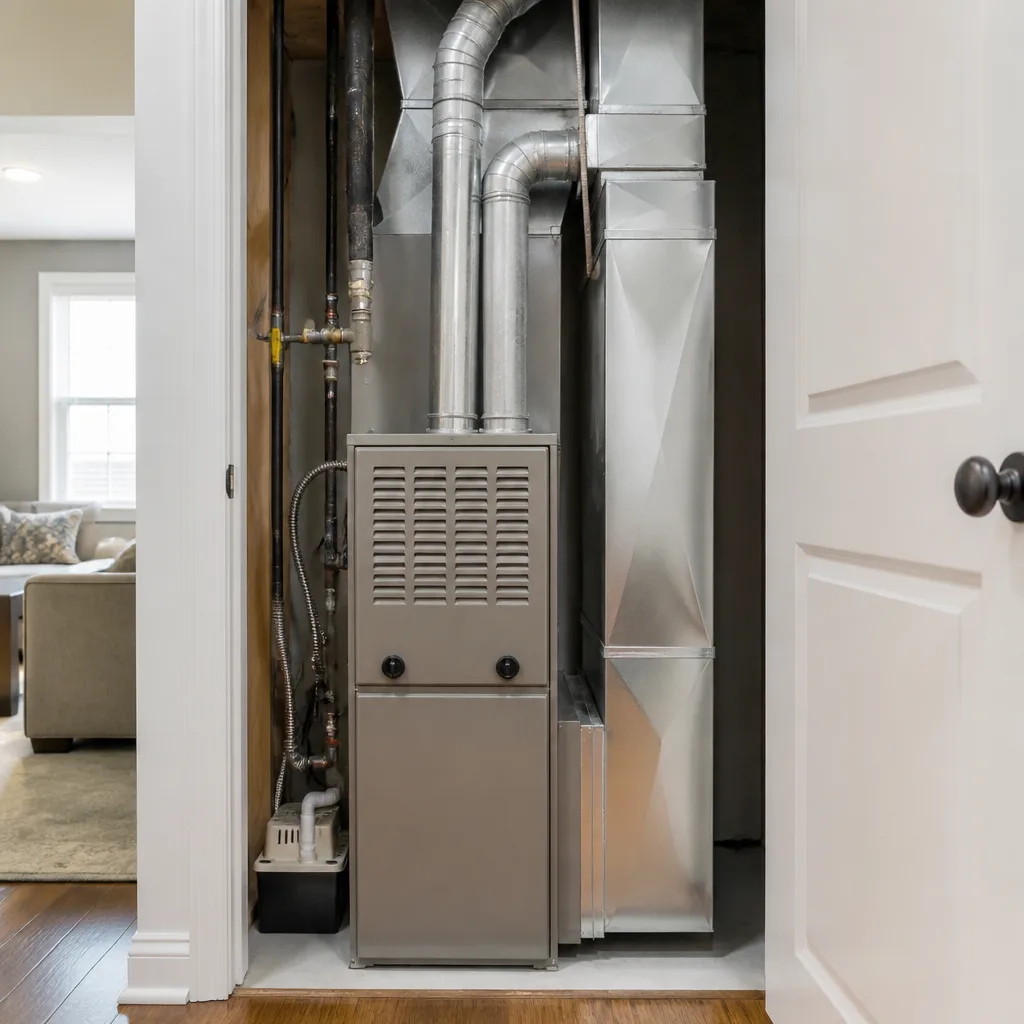
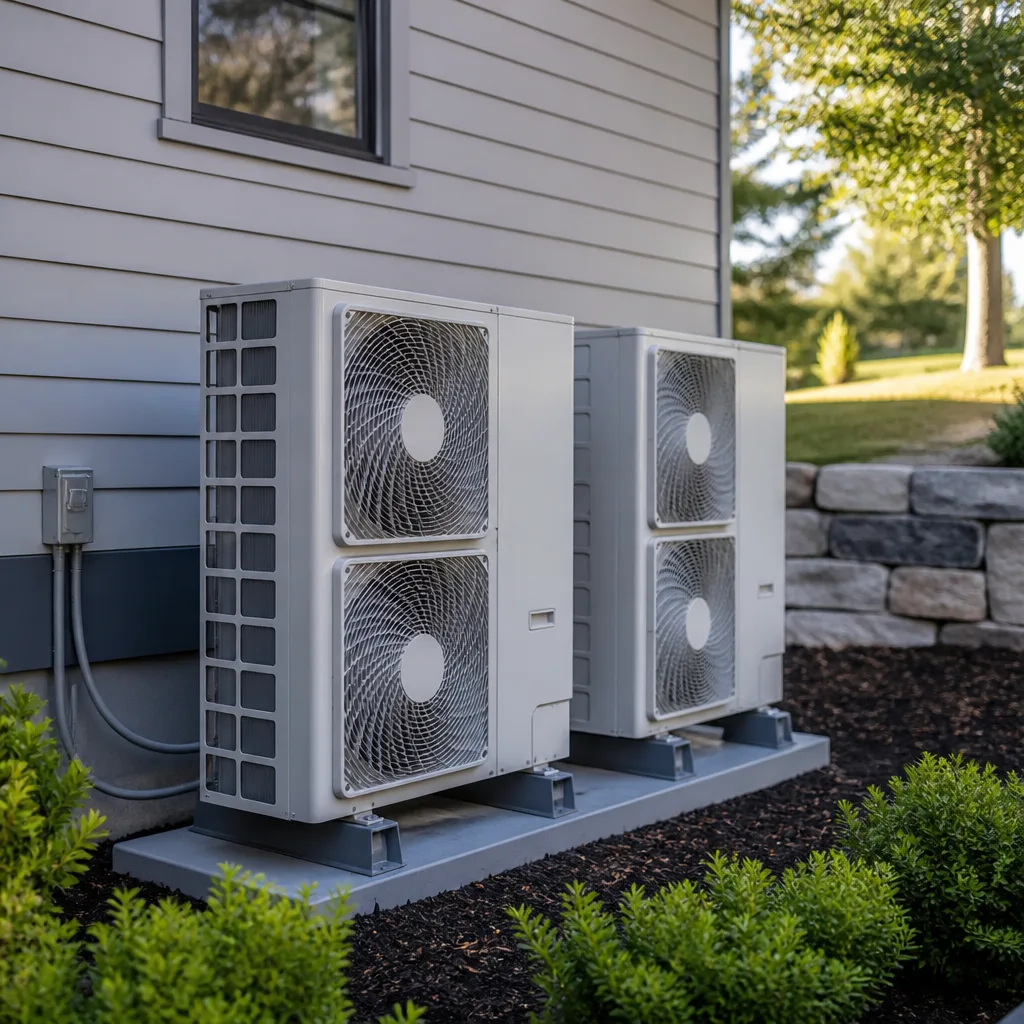
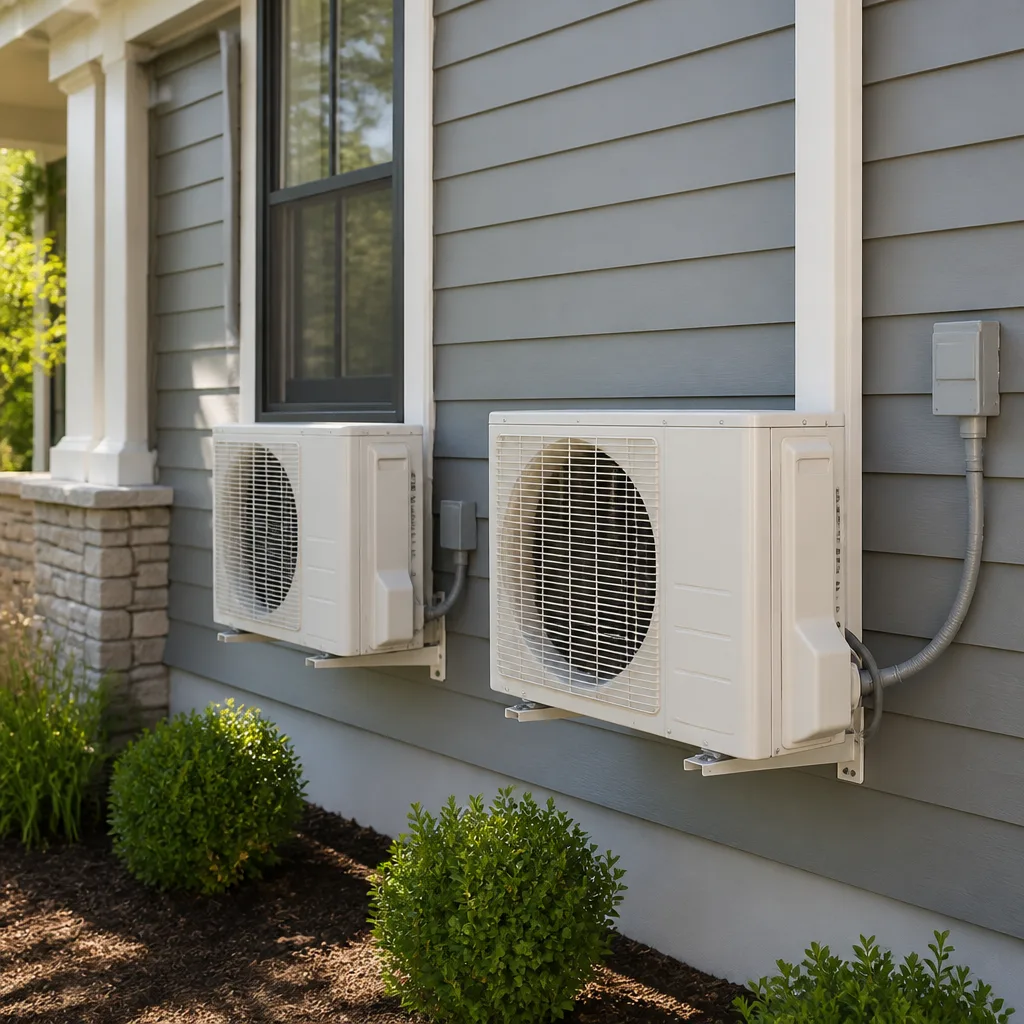
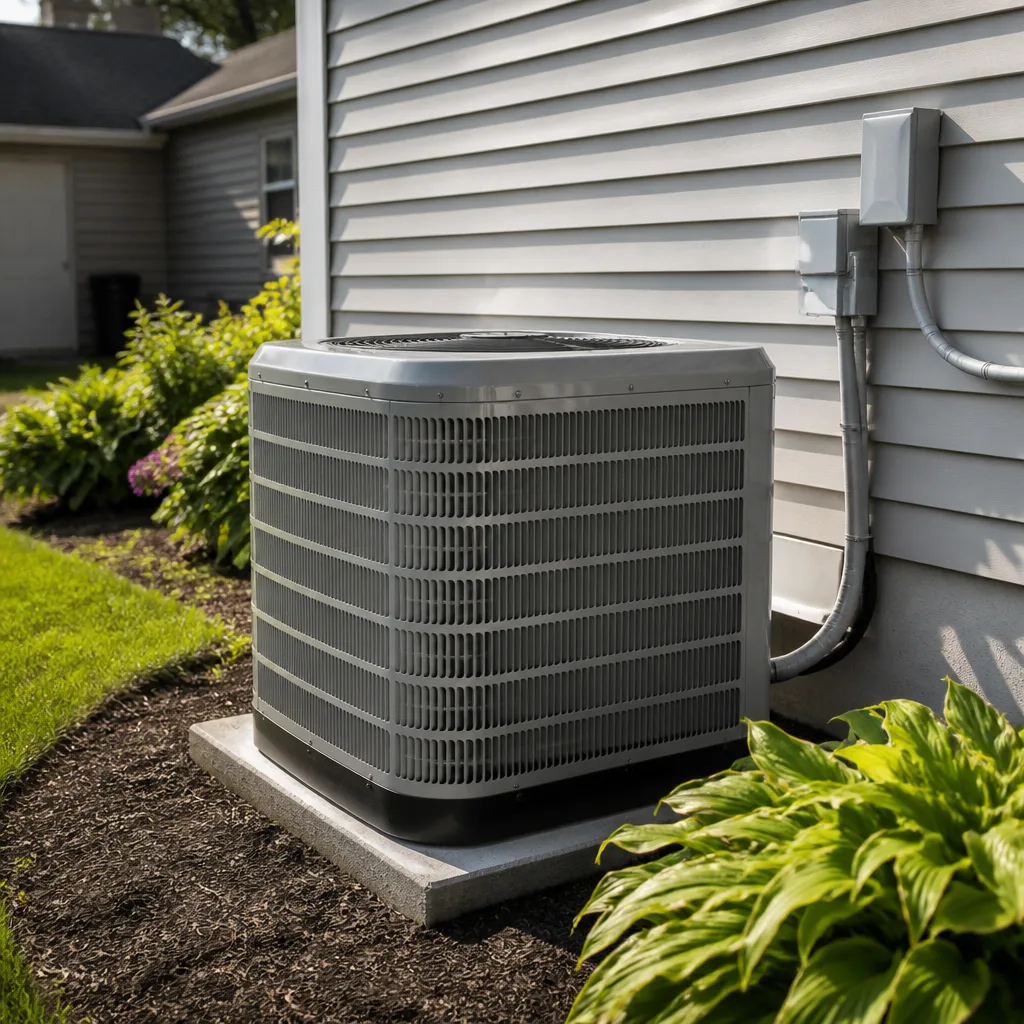
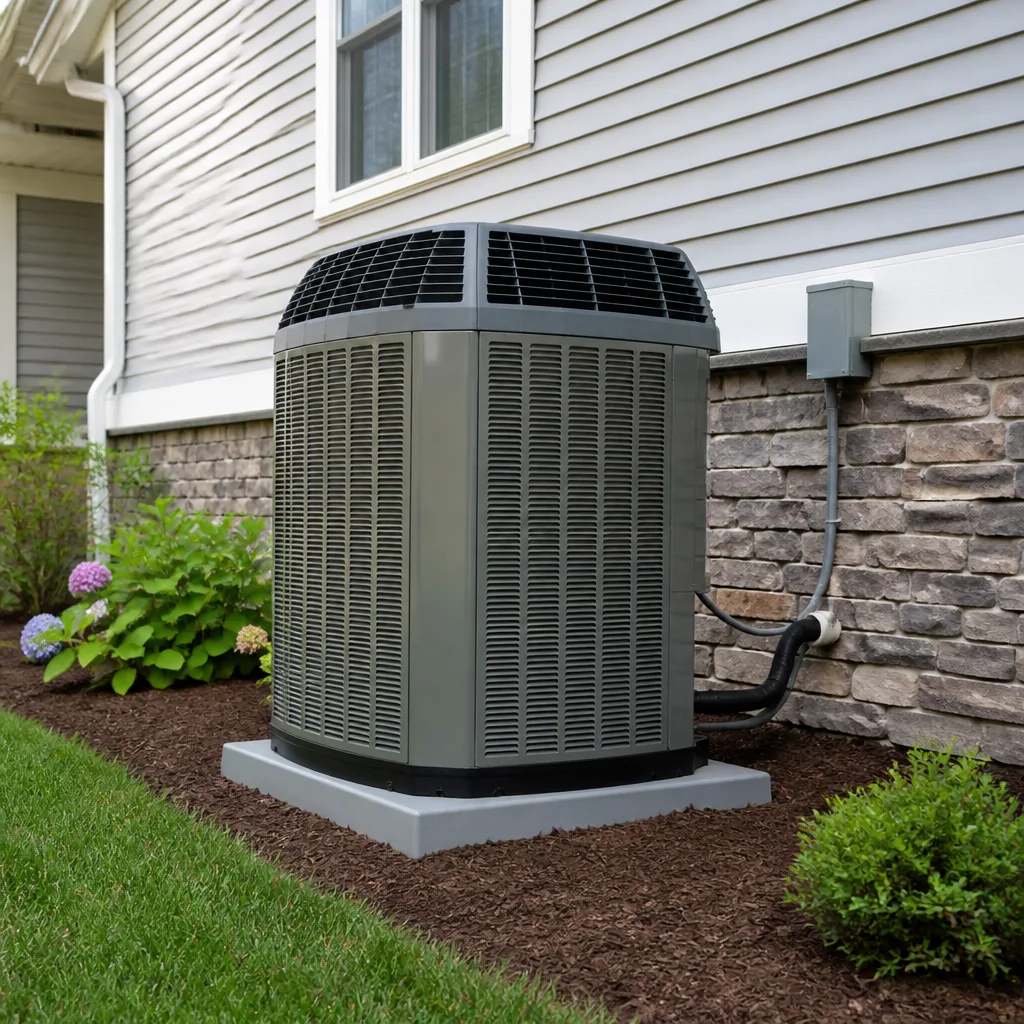
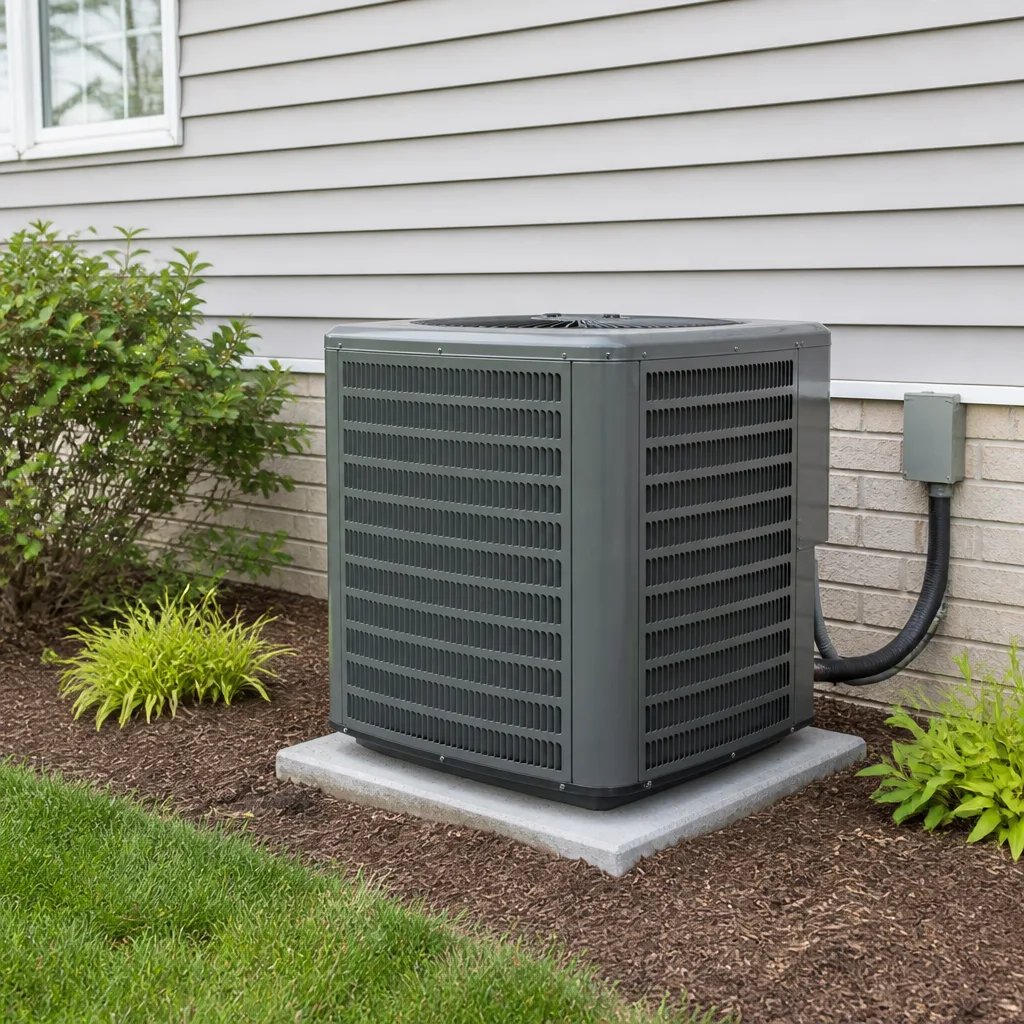
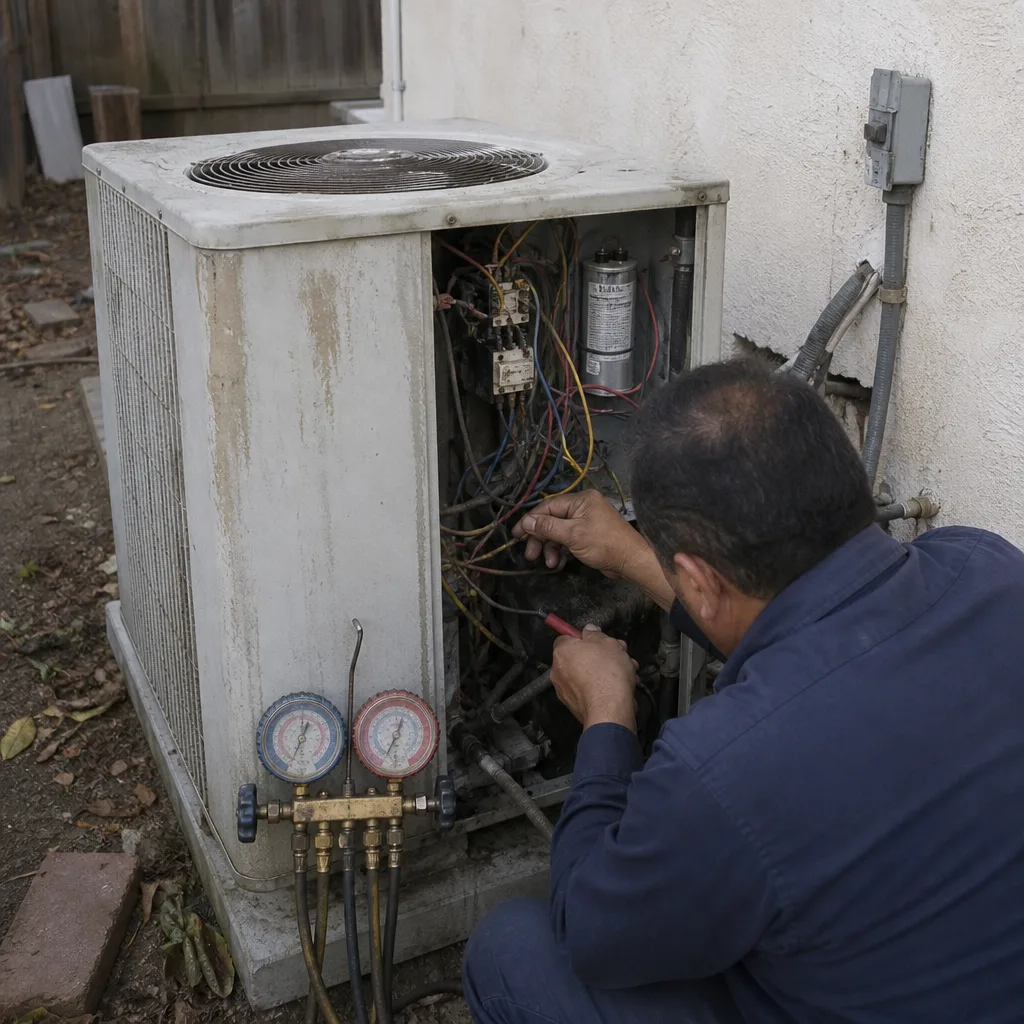 Before
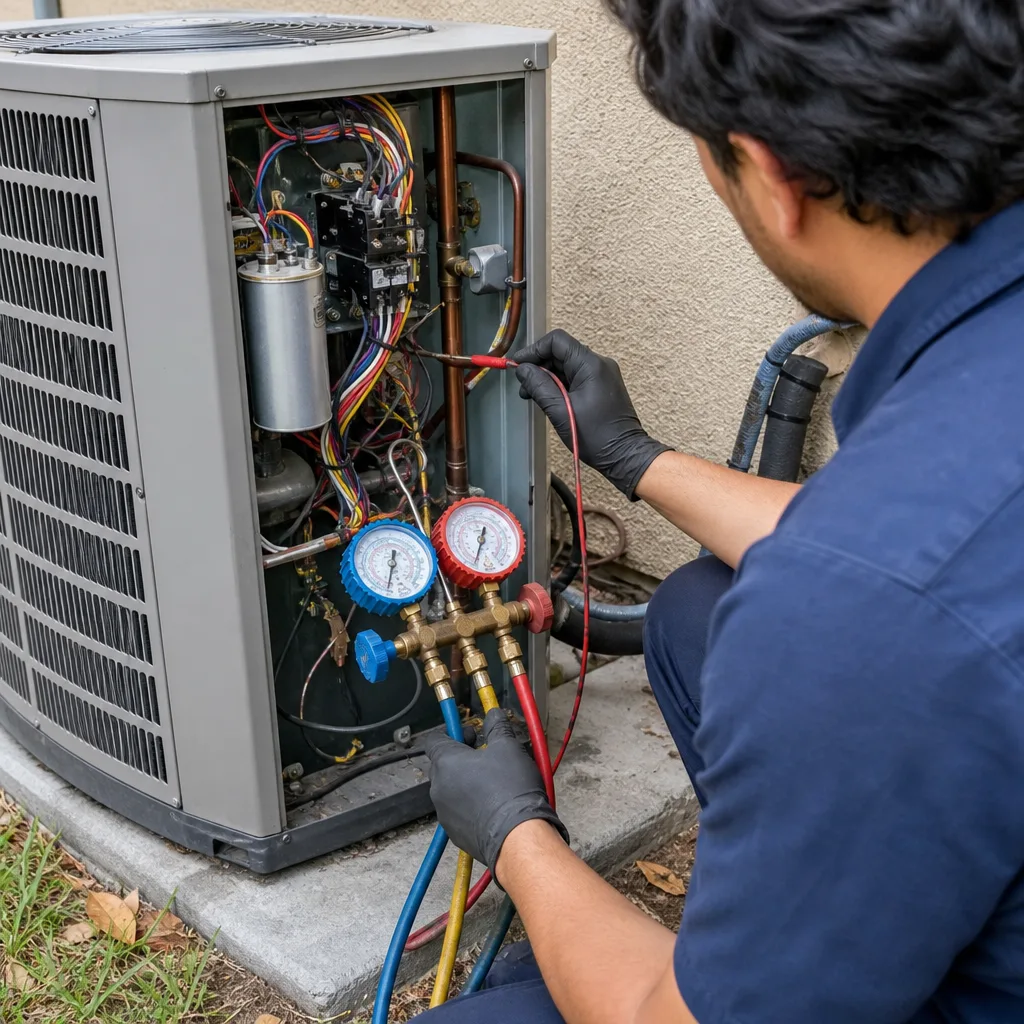 After
After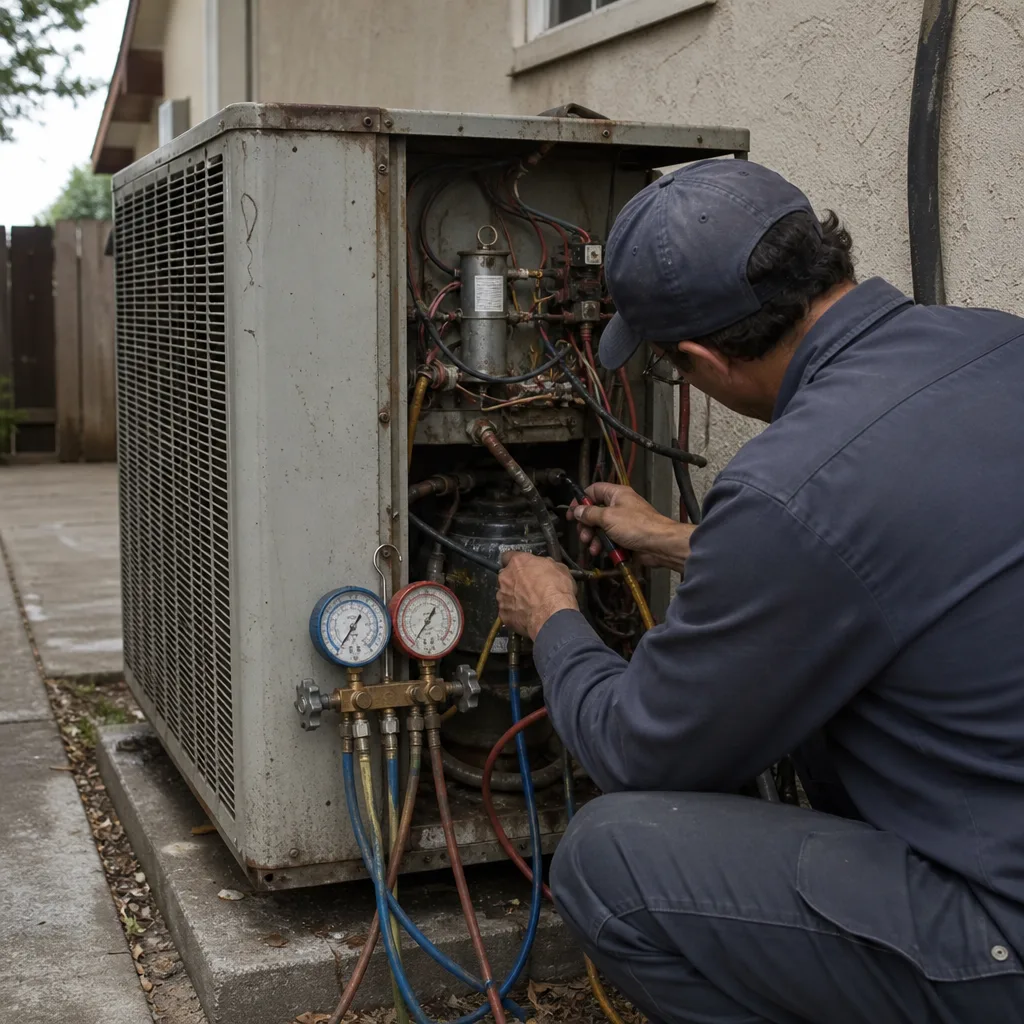 Before
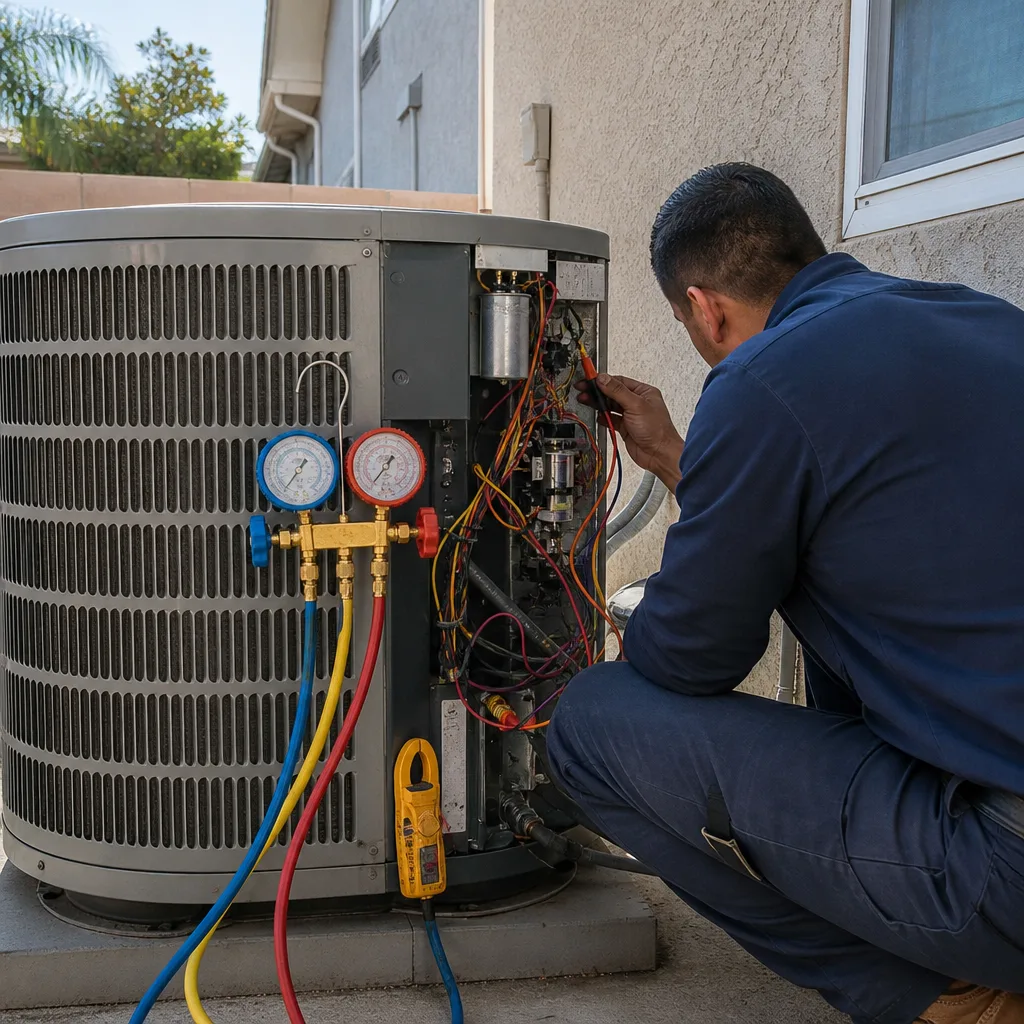 After
After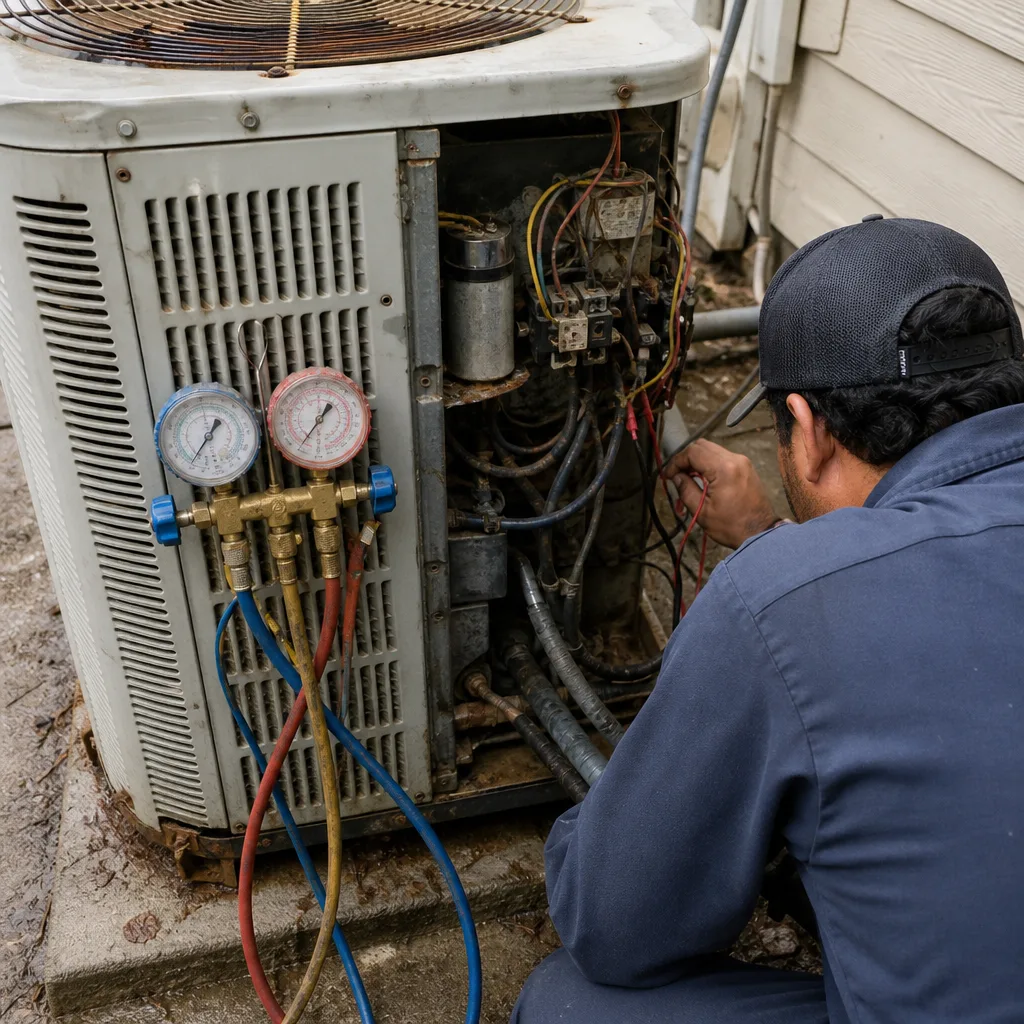 Before
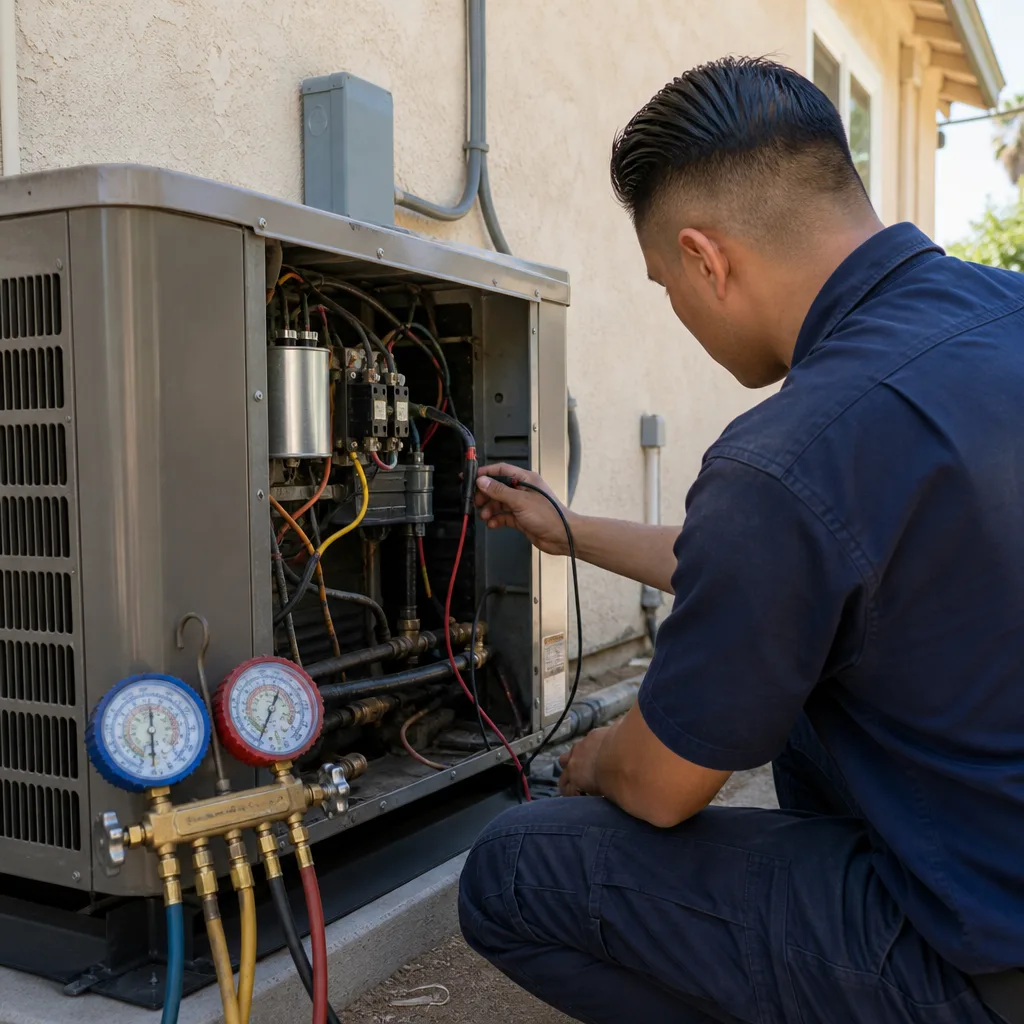 After
AfterFast, Reliable AC Repair Across Apple Valley
Air conditioning repair in Apple Valley usually runs $150 – $650, and the most common fix we handle in this high-desert climate is a failed capacitor or a low refrigerant charge. When your AC quits on a 104°F afternoon, speed matters, but so does an honest diagnosis. We dispatch local crews to Apple Valley neighborhoods with written pricing before any work begins. Call (361) 306-9515 for a free estimate, and you’ll know what the job costs before we open the toolbox.
The AC Repair team at Dalton Heating & Air knows how hard Apple Valley summer afternoons are on condensers. We see the same failures week after week because the physics of high desert heat doesn’t change. What does change is whether the tech who shows up takes five minutes to test before recommending a $4,000 replacement.
For everything we do in this part of the Victor Valley, we follow The Garrison Standard: arrive inside the window, give you a written price before starting, do the job by the book, leave the site cleaner than we found it, and back every repair with a written guarantee. If it fails within a full year, we return free of charge. That’s not an upgrade. That’s the default.
Why Dalton Heating & Air Is Apple Valley’s Preferred AC Repair Company
We’re a Garrison Partners company founded in 2003, and we’ve built our reputation in the Victor Valley the hard way: by showing up when we said we would and standing behind the repair after we leave. Homeowners off Highway 18, near Jess Ranch, and up around Mariana Road have called us after a previous company no-showed, quoted one price over the phone and another at the door, or replaced a part that didn’t fix the problem. The Garrison Code exists because of those calls.
Every tech who arrives at your Apple Valley home is background-checked, uniformed, and factory-trained to service Carrier, Trane, Lennox, Goodman, Rheem, York, Daikin, Bryant, and American Standard systems. You’ll know who’s coming before they knock. And when you call, a live person answers, 24/7. No voicemail queue, no callback window, no “we’ll get back to you within 48 hours.”
Our mission is to set a new standard in home services through trusted, local operations that serve residents with respect and technical precision. In Apple Valley, that means honest repair-versus-replace guidance instead of a sales pitch. The repair is guaranteed in writing for a full year. If it doesn’t hold, we return at no charge. That’s the 365-Day Done Right Promise, and it’s printed on every invoice.
Dispatch and scheduling for Apple Valley calls are coordinated from our Inland Empire office, but the crews we send know the area roads, the neighborhoods, and the specific ways high-desert heat punishes AC equipment. Marco Benitez leads our team with a simple rule: if you wouldn’t recommend it to your own mother, don’t recommend it to a customer.
AC Capacitor Replacement in Apple Valley
AC Capacitor Replacement in Apple Valley is the single most common repair we perform between June and September, and in most cases it runs $150 – $650 including the diagnostic and the part. The capacitor is a small cylinder inside the outdoor condenser that gives the compressor and fan motor the starting jolt they need. When it weakens, the compressor can’t start, or it draws locked-rotor current and trips the breaker, usually during the hottest stretch of the day between 3 and 6 p.m. In Apple Valley, where air temperatures routinely push past 100°F, a tired capacitor doesn’t fade gradually. It fails at the exact moment the system is working hardest.
What a capacitor test actually tells us
A five-minute capacitor test with the power off shows us the microfarad reading compared to the rating printed on the part. If it’s more than 10% below rating, the capacitor is done. If it’s swollen, leaking, or the top is domed, it’s done. We don’t replace a capacitor just because it’s old, and we don’t skip the test just because the system cooled the house fine last week.
Why the breaker keeps tripping in the afternoon
When a weak capacitor can’t get the compressor spinning, the motor pulls locked-rotor current for a few seconds, which can trip the breaker. Homeowners near Apple Valley Road and Bear Valley Road tell us it happens every afternoon around 4 p.m. The fix is the capacitor, not a new compressor. Replacing the compressor without testing the capacitor first is a $3,000 mistake that happens more often than it should.
AC Recharge in Apple Valley
AC Recharge in Apple Valley, meaning a refrigerant top-off to restore cooling capacity, typically runs $150 – $650 depending on how much refrigerant the system has lost and what type it uses. When a system is low on charge, the evaporator coil can’t absorb enough heat, and the air coming out of the vents feels cool but not cold. In Apple Valley’s high-desert summers, a low charge often only becomes obvious when the system runs continuously through a July or August afternoon and can no longer hold temperature.
Refrigerant recharge explained plainly
Refrigerant recharge means topping off the cooling fluid your system needs to reach set temperature. The key is finding why it’s low. Refrigerant doesn’t burn up like gasoline. If it’s low, there’s a leak somewhere, usually a slow one in the evaporator coil that only shows up after months of hard daily use. We find the leak and tell you honestly whether a recharge buys you time or whether the coil itself needs replacement.
What a proper recharge includes
A proper recharge on a modern R-410A system starts with a pressure and superheat or subcooling check, not just adding a pound of refrigerant and driving off. We check the filter, the coil, the blower speed, and the condenser airflow before we add anything. If the charge was fine and the real problem was a dirty condenser coil or a failing capacitor, we’ll tell you that too. We don’t sell a recharge when the system doesn’t need one.
Trusted Brands We Service in Apple Valley
We’re factory-trained to service all nine major residential HVAC brands, and in Apple Valley we regularly work on Trane, Lennox, Goodman, and Rheem equipment. That matters because a Trane condenser and a Goodman heat pump have different factory charge specs, different capacitor ratings, and different diagnostic procedures. Our crews keep common parts, including dual-run capacitors, contactors, and fan motors, stocked locally for fast turnaround. We don’t have to order a capacitor from a supplier and make you wait with a hot house. If it’s a common failure part, we likely have it on the truck. If it’s a proprietary board or a less common component, we’ll give you a straight answer on lead time before you spend a dollar.
Common AC Repair Problems We See in Apple Valley Homes
- Weak capacitor tripping the breaker in late afternoon. Apple Valley’s high-desert temperature swings mean the system’s hardest moment is 3 – 6 p.m. A weak capacitor fails precisely then, not at 9 a.m. before the heat builds.
- Low refrigerant from a slow evaporator coil leak. We see this most in homes that run the AC continuously through July and August. The leak only shows up under sustained high-side pressure, which is what Apple Valley summers create every day for weeks.
- Dirty condenser coil combined with undersized return duct. This drives up static pressure and freezes the evaporator coil by evening. Homes built in the 1980s and 1990s in Apple Valley’s older subdivisions often have return ducts sized for a smaller system than what’s currently installed.
- Contactors and fan motors burned out by dust. High-desert dust gets into everything. The fine particulate of the Mojave wears contactors and fan motor bearings faster than coastal air does. Regular coil cleaning and contactor inspection catch these before they kill a system during a heat wave.
Pricing for AC Repair in Apple Valley, CA
Here’s the straight answer on what AC repair costs in Apple Valley. A diagnostic plus a typical capacitor replacement runs $150 – $650. A refrigerant recharge runs $150 – $650 depending on refrigerant type and how much the system is down. A seasonal tune-up runs $80 – $200. You’ll get a written price before any work begins on every job, without exception. That’s a non-negotiable part of The Garrison Standard.
| Service | Typical Apple Valley Price Range |
|---|---|
| AC Repair (diagnostic + capacitor replacement) | $150 – $650 |
| AC Recharge (refrigerant top-off) | $150 – $650 |
| Tune-Up | $80 – $200 |
The two biggest cost factors are refrigerant type and whether the repair is a simple part swap or a system-level issue. R-410A is standard on most systems made after 2010 and costs less to top off than older R-22 systems, which are being phased out. Replacement systems in Apple Valley run $3,500 – $7,500 installed. If a repair pushes past 40% of that number and the system is over 12 years old, we’ll tell you honestly and let you decide. Call (361) 306-9515 for an exact quote. Estimates are free.
One thing that makes this page different from every other Apple Valley AC repair guide: we’re the only ones who tie those price ranges to a load calculation and explain what a SEER2 rating actually does to your high-desert summer bill. Most companies quote a number, but they can’t tell you whether that number makes sense for your house, your ductwork, or your actual usage pattern.
We Also Serve Cities Near Apple Valley
Our crews handle calls in AC Repair in Apple Valley and across the Victor Valley. We also serve Hesperia, Victorville, Adelanto, and Lucerne Valley. If you’re just outside Apple Valley city limits, give us a call and we’ll confirm our next available dispatch window to your street.
Serving Apple Valley, CA - Our Local Coverage Area
We’re based in the Apple Valley area and know this community well. Use the map below to see our service coverage - if you’re nearby, we can almost certainly help.
FAQs About AC Repair in Apple Valley
Start with a load calculation and a straight answer on what the failed part costs. As a rule of thumb: if the repair totals less than 40% of a replacement system’s installed price, and the system is under 12 years old, repair usually makes sense. In Apple Valley, repairs run $150 – $650 and replacement systems run $3,500 – $7,500. We’ll show you the actual numbers for your specific system before you decide. Call (361) 306-9515 and we’ll walk through it honestly.
Most AC repairs in Apple Valley run $150 – $650, which includes the diagnostic, the part, and the labor to install it. A typical capacitor replacement lands in the lower half of that range. A refrigerant recharge lands in the middle depending on how much refrigerant is needed. You get a written price before any work starts, and every repair includes a written one-year guarantee. If it fails during that year, we return free of charge. Call (361) 306-9515 for an exact quote.
It’s more often a capacitor than a refrigerant problem, and the test takes five minutes. If the outdoor fan is spinning but the compressor isn’t running, or the breaker trips in the late afternoon, that points to a weak capacitor. If the system runs constantly and the air coming out is cool but not cold, that points to low refrigerant. In Apple Valley’s July heat, we see both. We test the capacitor first because it’s fast, cheap, and definitive. Call (361) 306-9515 and we’ll diagnose it today in most cases.
Look for a SEER2 rating of 15 – 17 as the practical sweet spot for Apple Valley. SEER2 is the updated efficiency measurement that reflects real-world conditions more accurately than the older SEER rating. Going from a 10 SEER2 system to a 16 SEER2 unit can cut cooling costs by roughly a third during high-desert summers. Above 17 SEER2, the added upfront cost often takes longer to pay back than most Apple Valley homeowners stay in the home. We’ll show you the math on your specific house and usage, not a showroom brochure number.
We answer the phone 24/7 with a live person, and we prioritize no-cooling calls in Apple Valley during heat waves when daytime highs pass 100°F. In most cases we can have a tech at your door the same day, often within a few hours for emergency calls in neighborhoods like Jess Ranch, Sycamore Rocks, or off Highway 18. Call (361) 306-9515 and we’ll give you a specific window, not a four-hour range with no follow-up.
What a Load Calculation Changes in Apple Valley
Apple Valley’s high-desert temperature swings are the defining fact of HVAC work here. Systems run hard through 100°F+ afternoons but the air cools off sharply after sunset, often dropping 30 degrees or more by midnight. That means a system that’s slightly undersized for the peak load will still recover overnight, while a borderline refrigerant charge or a tired capacitor will fail at the exact worst moment. The problem isn’t gradual. It’s binary: the system works at noon, and by 4 p.m. it’s blowing warm air and the breaker’s tripping.
That’s why a load calculation matters more here than in a mild coastal metro. A proper Manual J calculation looks at your home’s square footage, window orientation, insulation levels, and Apple Valley’s specific summer design temperature. Many Apple Valley homes have systems that were sized by a rule of thumb, not a calculation, and the correction is the difference between a system that holds 75°F at 3 p.m. and one that can’t. We do the calculation before recommending any replacement. It changes the size, the price, and the comfort. No sales pitch, just the numbers.
Our tech was called to a home off Navajo Road near the Apple Valley Gun Club for an AC blowing warm air on a 104°F afternoon. The five-minute capacitor test showed a weak run capacitor on a 12-year-old Carrier condenser. After replacing it, we checked refrigerant charge and static pressure. The charge was fine, so we didn’t sell a recharge. The homeowner avoided a compressor replacement that would have been the default “replace” recommendation from a less careful tech. That’s the job, done the way The Garrison Code says to do it.
The SEER2 Question Nobody Answers Straight
SEER2 is Seasonal Energy Efficiency Ratio, version 2. It’s the federal efficiency standard updated in 2023 to reflect real ductwork and real operating conditions instead of laboratory conditions. What that means on an actual Apple Valley bill depends on your current system’s efficiency. If you’re running a 2009-era 10 SEER unit and you replace it with a 16 SEER2 unit, you’re looking at roughly 35 – 40% less electricity used for cooling during summer months. For a typical 2,000-square-foot Apple Valley home running the AC hard from May through September, that can mean several hundred dollars saved per year.
The honest guidance is this: don’t pay for a 20 SEER2 unit if your ductwork leaks 30% and your attic insulation is R-19 from 1987. Fix the envelope and the ducts first, then size the new system. We’re not here to sell the highest-efficiency unit we can talk you into. We’re here to match the system to how your Apple Valley house actually performs. Marco Benitez has drilled that into every tech on our crew.
Call Dalton Heating & Air for AC Repair in Apple Valley
If your AC is blowing warm air, tripping a breaker, or just not keeping up with the high-desert heat, call (361) 306-9515. You’ll get a live person on the phone, a specific arrival window, and a written price before any work begins. Every repair includes a written one-year guarantee. If it fails during that year, we return at no charge. That’s The Garrison Standard, and it applies to every Apple Valley job we do.
Written by Marco Benitez, Owner at Dalton Heating & Air, serving Apple Valley and the Victor Valley since 2003.