
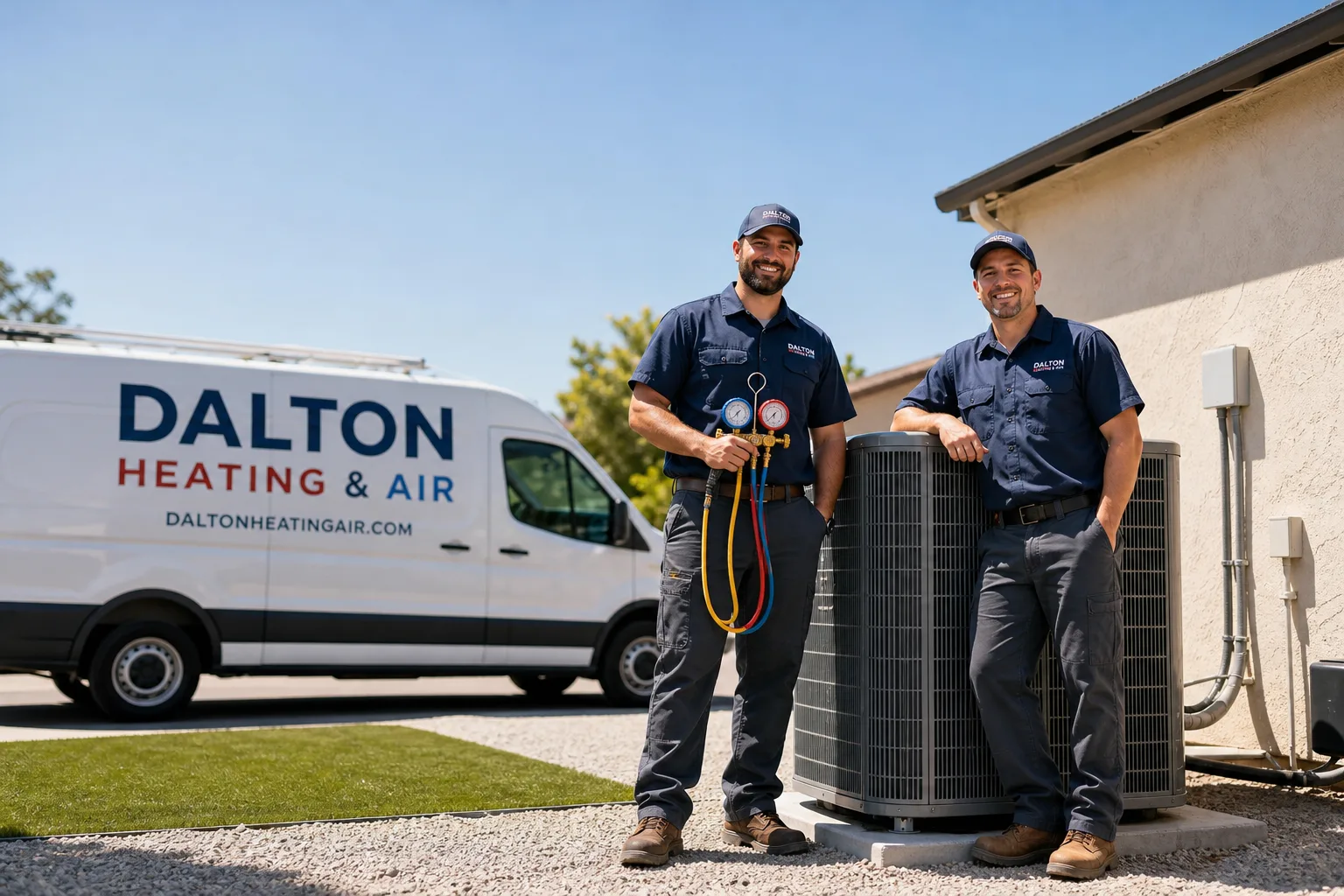
Seasonal tune-up and full diagnostic on your Carrier, Trane, or Goodman system - readings shown to you before any repair is proposed
Diagnosis first, numbers second - you approve the repair price before a single part goes in.
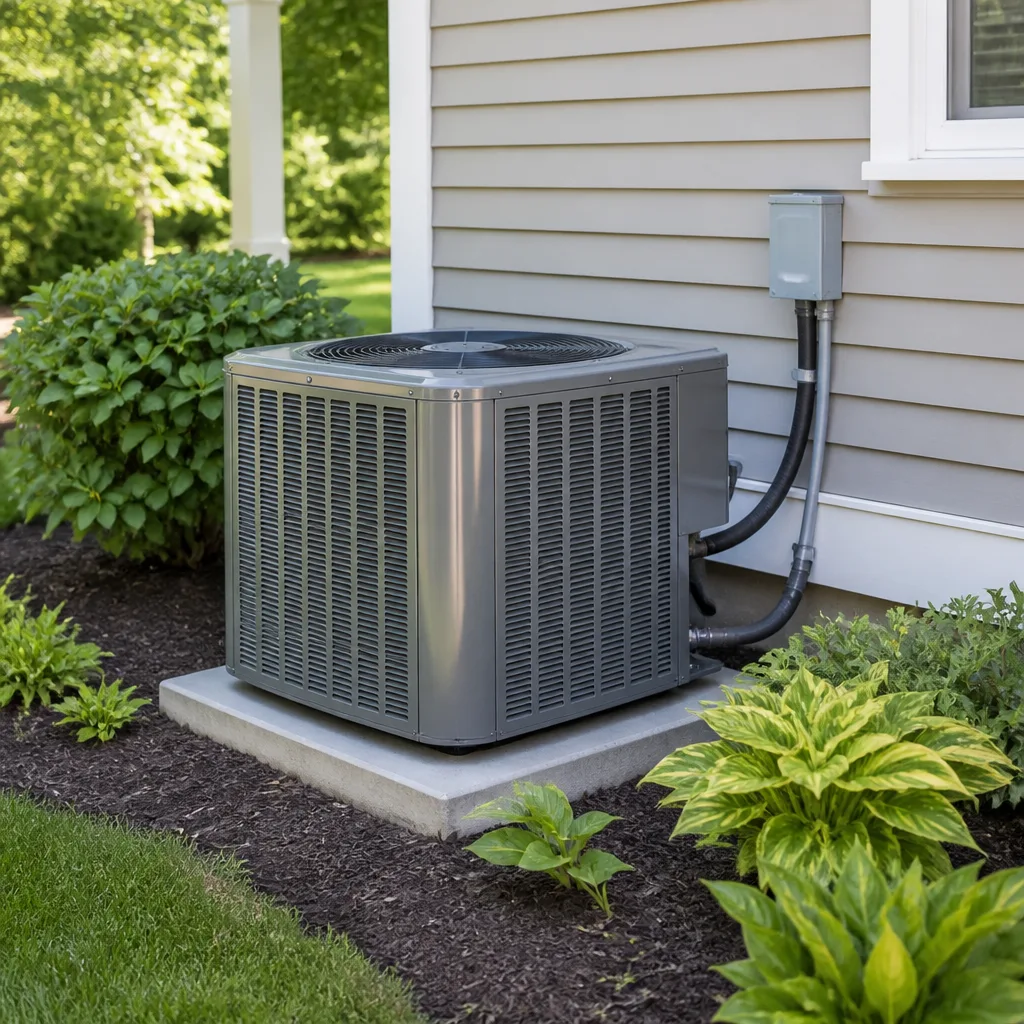
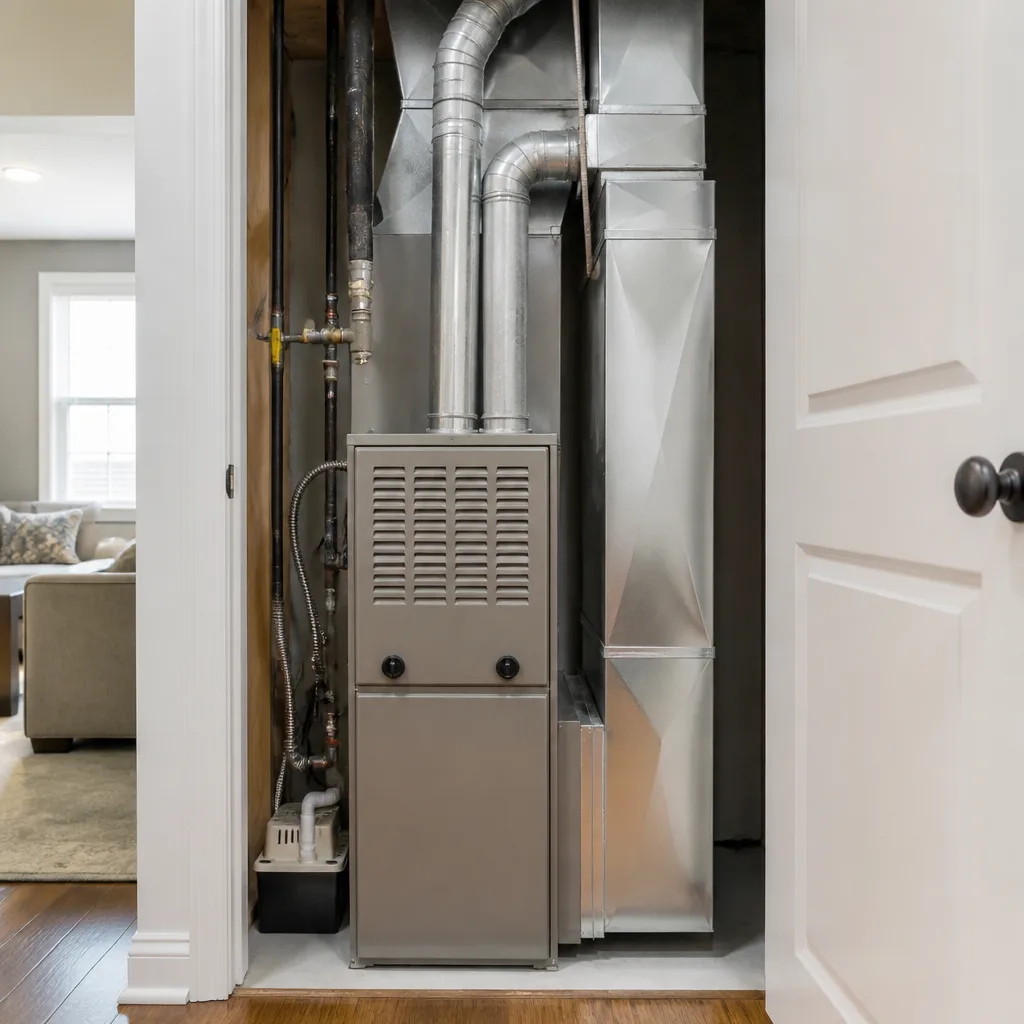
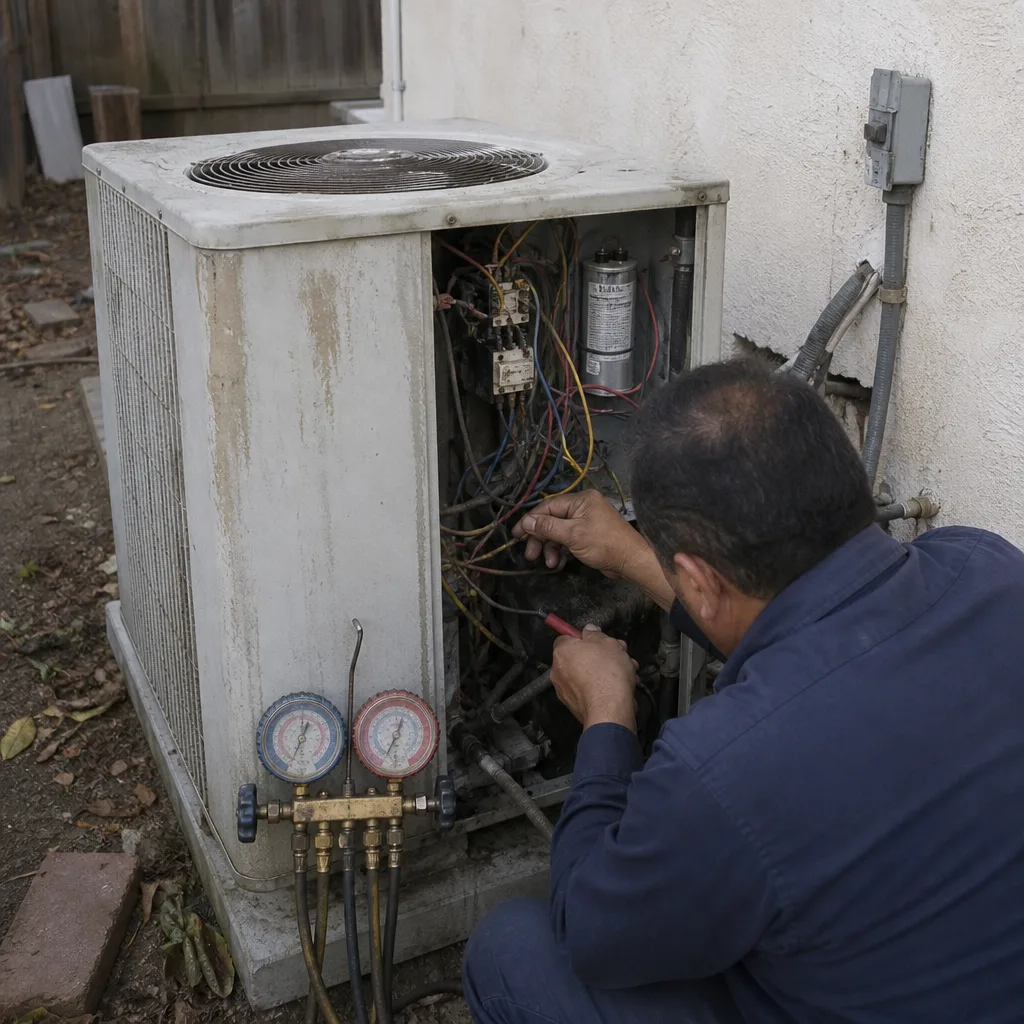 Before
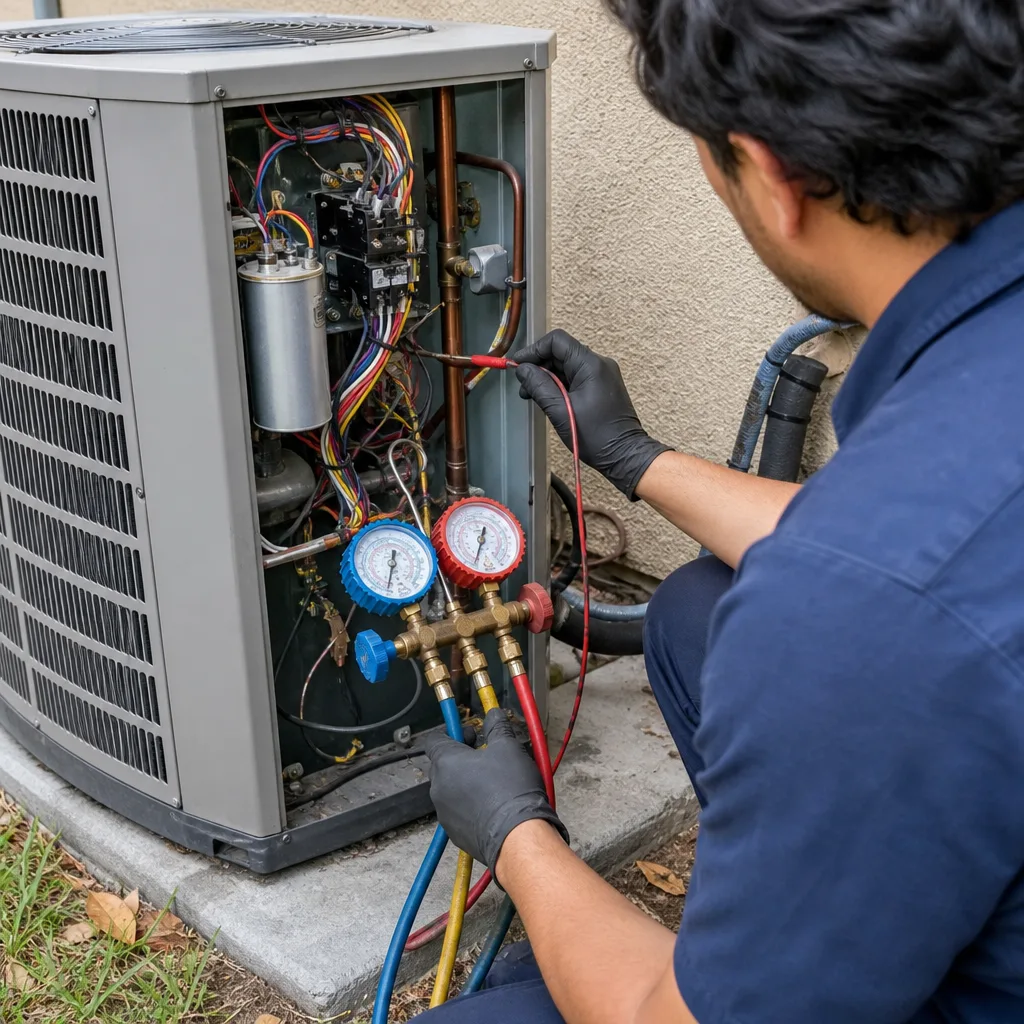 After
After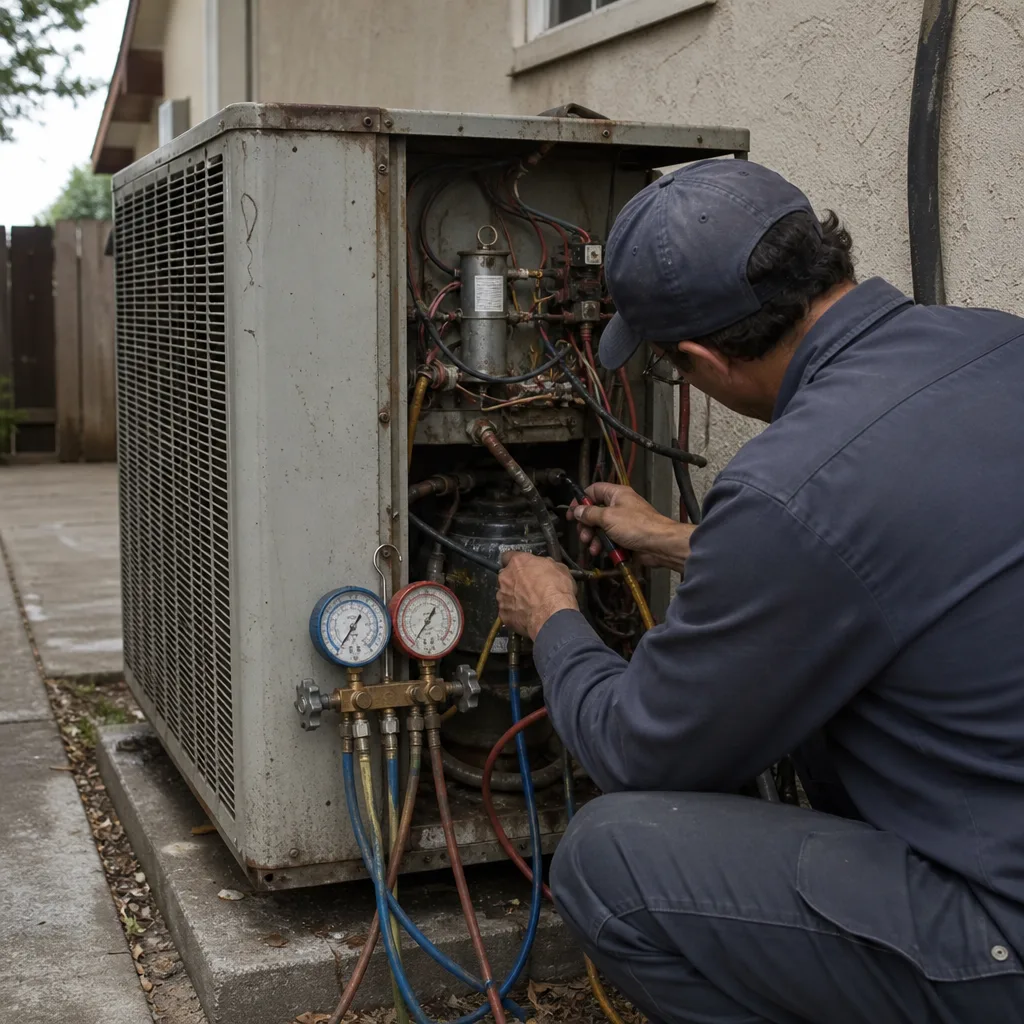 Before
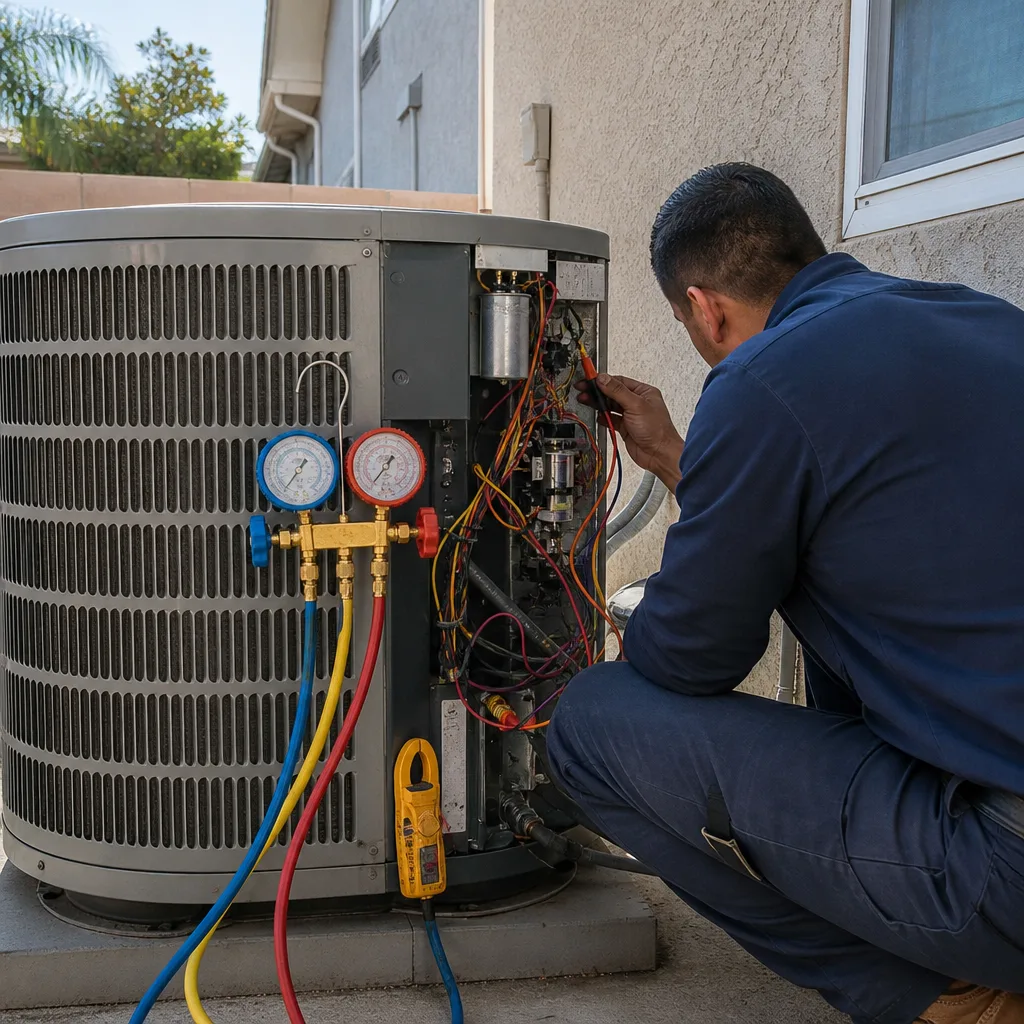 After
After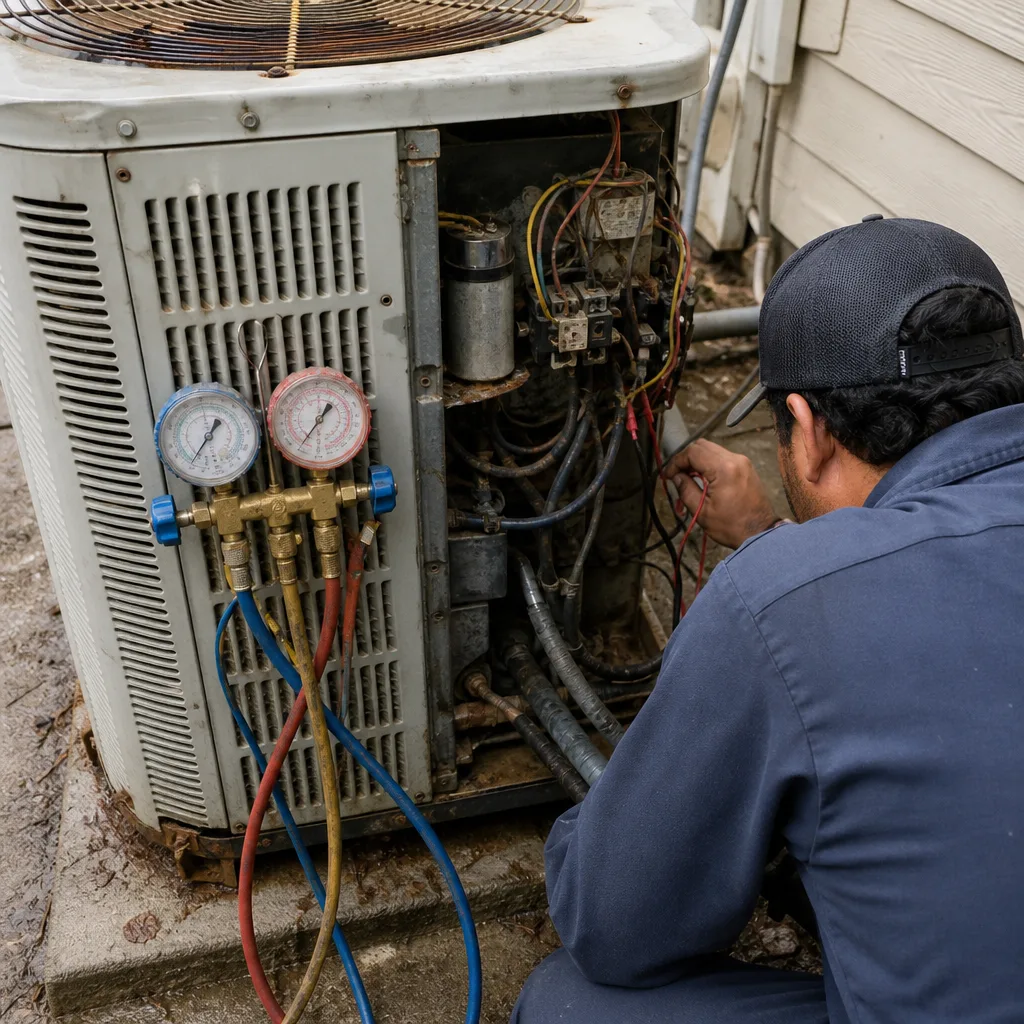 Before
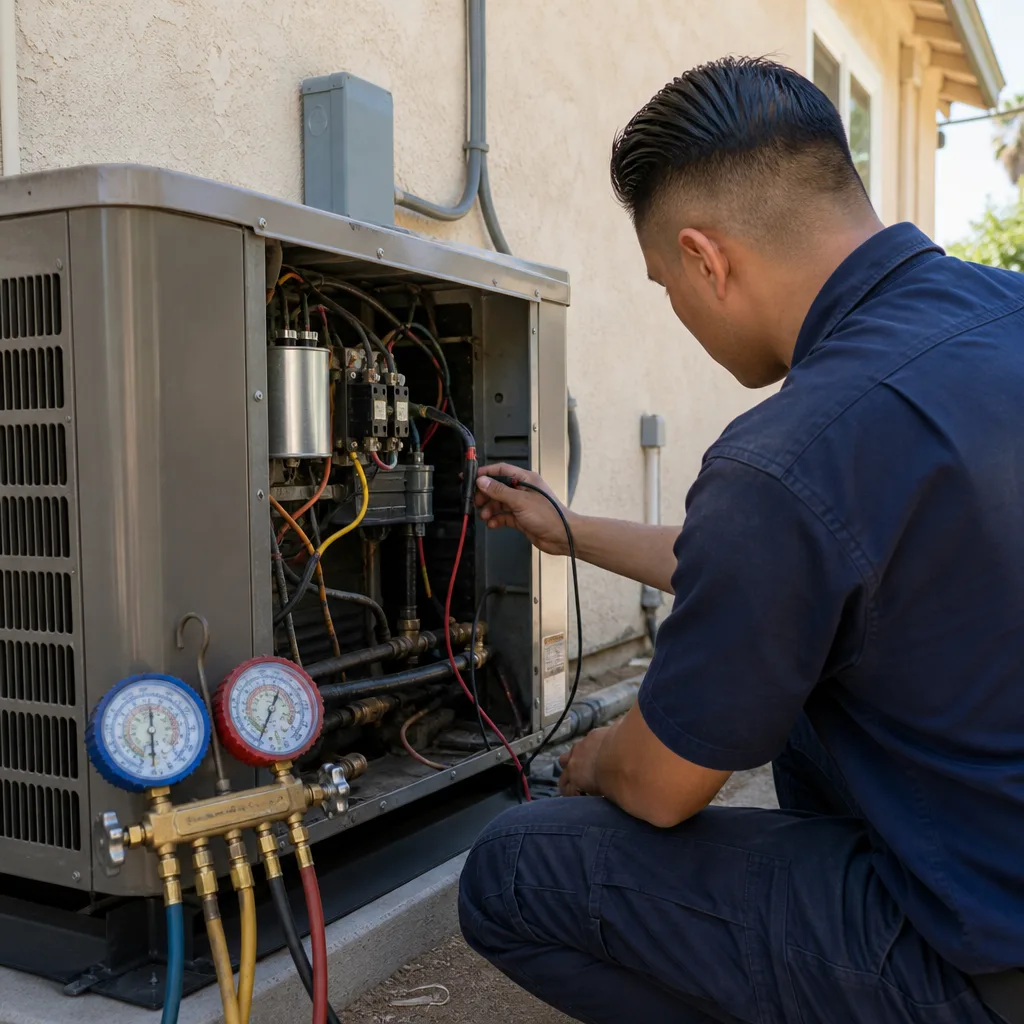 After
AfterFast, Reliable Heat Pump Installation Across Galveston
Heat pump installation in Galveston runs $3,500 to $7,500 for a standard split system on the Island, with most homeowners landing between $4,200 and $5,800 after sizing and efficiency choices. We get calls from the East End, Evia, and west toward Jamaica Beach asking the same thing: can you put a system in that actually holds up to the Gulf air? Yes. Our crews run the same load calculation on every job, we put the price in writing before anything gets bolted down, and we answer the phone with a live person when you call (361) 306-9515.
Galveston is not Houston. The salt air off the Gulf does things to HVAC equipment that inland installers never think about, and most standard installations fail early because nobody accounted for it. We do. Marco Benitez runs the crew here, and he’s made sure every Galveston install gets treatment for the conditions that actually exist on this island.
Why Dalton Heating & Air Is Galveston’s Preferred Heat Pump Installation Company
Homeowners on the Island have watched too many crews show up late, quote one number over the phone, and then pad the invoice at the door. That doesn’t happen with us. The Garrison Standard, which Dalton has operated under since 2003, requires written pricing before any work starts on every job without exception. If we can’t put a fixed number in writing, we don’t start the work. That’s a rule, not a suggestion.
Marco Benitez and his technicians know the streets here. When someone calls from a house near 61st Street or up toward Offatts Bayou, they know whether they’re dealing with a pier-and-beam home with tight clearance or a newer build in Evia with different duct assumptions. That local knowledge changes what gets quoted and what gets installed. We don’t send out a generic crew with a generic checklist. We send people who understand Galveston’s housing stock, its humidity, and its salt-laden wind. Every technician is background-checked, uniformed, and factory-trained on nine major brands: Carrier, Trane, Lennox, Goodman, Rheem, York, Daikin, Bryant, and American Standard.
Our reputation in Galveston is built on showing up inside the window we set, doing the job by the book, leaving the site clean, and standing behind the work for a full year. The 365-Day Done Right Promise means if something isn’t right, we come back and make it right at no charge. A written guarantee comes with every repair and installation, not as an upsell. If the work fails inside that year, the return visit is free.
Geothermal Heat Pump Installation in Galveston
Geothermal Heat Pump Installation in Galveston is a different animal from a standard split system. Instead of using outside air to move heat, a geothermal system uses the constant temperature of the ground through buried loop piping, which means it doesn’t fight 95-degree August air or salt-laden wind against an outdoor coil. For Galveston homeowners, the appeal is straightforward: no exposed condenser for the Gulf to corrode, lower operating costs, and much longer equipment life. The tradeoff is the up-front cost. A geothermal installation typically runs higher than the $3,500 to $7,500 range of a standard heat pump because of the loop field work, drilling or trenching, and the specialized equipment involved. We walk every homeowner through what the payback actually looks like on their bill before anyone signs anything.
Loop Field Considerations on the Island
Galveston’s shallow water table and sandy soils affect how a geothermal loop gets designed. In some parts of the island, the water table sits high enough that horizontal loops work well; in others, the soil conditions push toward a vertical bore design. We evaluate the specific lot, not a generic template. A loop field sized for a Houston suburb won’t necessarily be right for a property off Stewart Road, and guessing here costs thousands.
Equipment Protection Goals
The main benefit we emphasize for Galveston is removing the outdoor coil from the salt-air equation entirely. A geothermal unit lives indoors, where the compressor and refrigerant path aren’t being sandblasted by Gulf wind. That matters when the same neighbors who got a standard heat pump six years ago are already chasing refrigerant leaks. For the right property, geothermal can be the answer. We tell people honestly when it isn’t worth the added cost.
Ductless Heat Pump Installation in Galveston
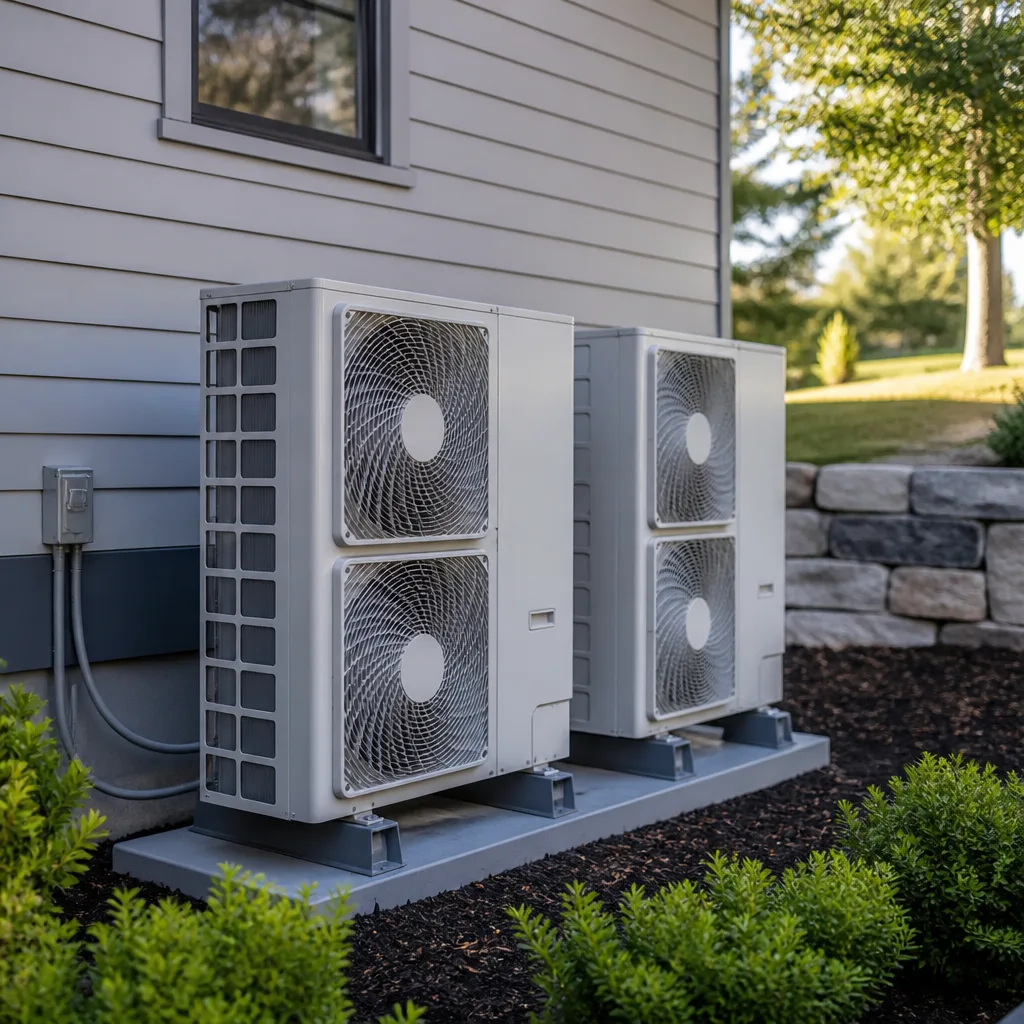
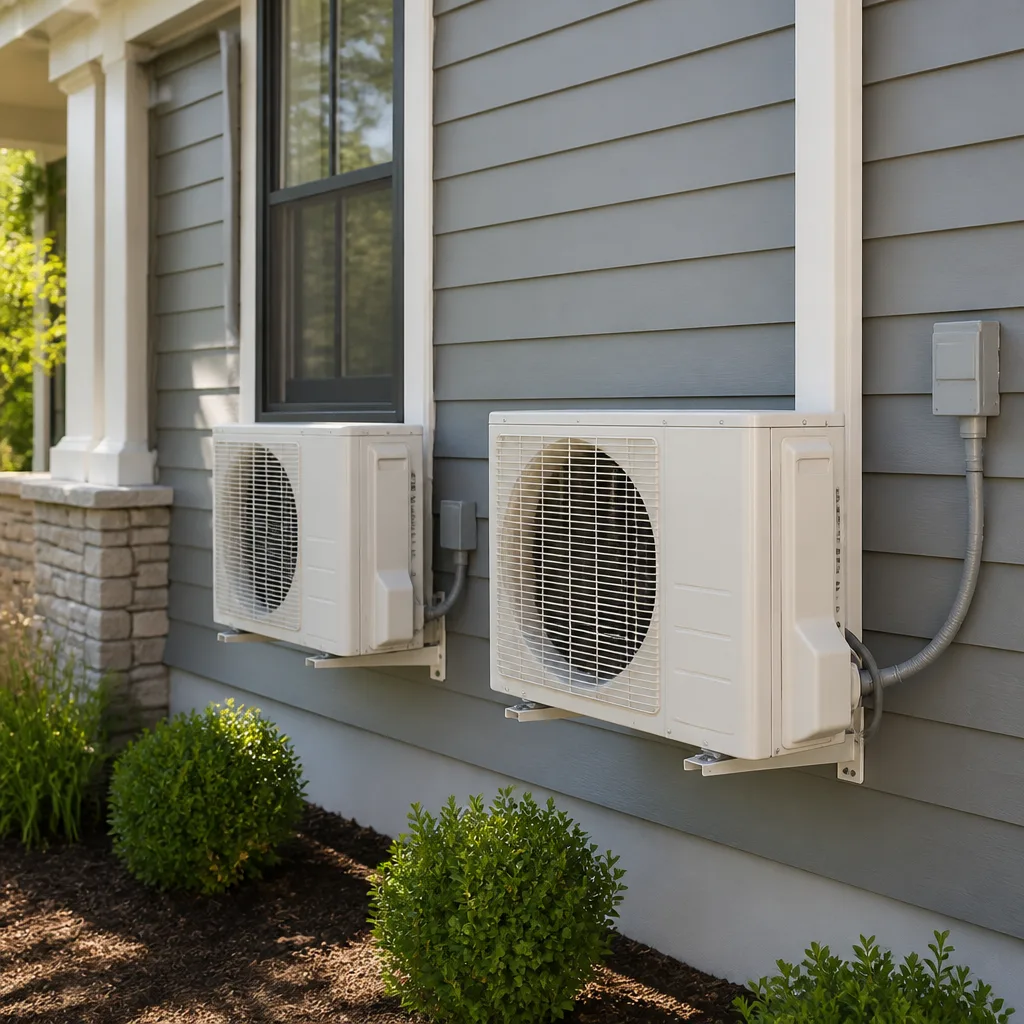
Ductless Heat Pump Installation in Galveston works well for two situations we see constantly: older homes that never had ductwork, and add-on spaces like enclosed porches, garage apartments, or the second-story bedrooms common in East End bungalows. Instead of forcing ducts through walls that were never built for them, a ductless system pairs an outdoor condenser with slim indoor wall units connected by a small refrigerant line. Installation cost for a ductless system depends on how many indoor heads you need, but a single-zone setup generally falls in the $3,500 to $7,500 range for this market, while multi-zone projects run higher. The efficiency gain matters here because Galveston cooling season runs long, and a ductless system isn’t losing conditioned air through leaky ductwork.
Salt-Air Coil Protection for Ductless Units
Ductless outdoor units sit close to the ground and get hit harder by salt spray than most people expect. We specify coated coils on ductless condensers in Galveston because the standard aluminum fins pit and corrode within a few years of Gulf exposure. The coated option costs a little more up front and saves a refrigerant leak repair bill that can run $150 to $650 or more depending on the damage. If you’re installing ductless on the island, skip the uncoated coil. We won’t offer it.
Where Ductless Makes Sense
We install ductless systems in Galveston homes where running ductwork would mean tearing out ceilings or building soffits through historic trim. The indoor units mount high on the wall and need only a small hole to the outside, which means less disruption and a faster install than a full ducted system. For a one-room comfort problem or a converted garage, it’s often the cleanest answer.
Trusted Brands We Service in Galveston
Dalton Heating & Air is factory-trained on nine residential brands, and in Galveston we stock parts locally for Daikin, Rheem, Goodman, and York so we’re not waiting on a distributor truck from the mainland when a repair pops up. That local parts shelf means a failed capacitor or a worn contactor gets replaced same-day most of the time, not next week. Whether you’re installing new or keeping an older system alive, we service what we install and we service what someone else installed. If it’s a major residential brand, our techs have the training and the parts access to handle it.
Common Heat Pump Installation Problems We See in Galveston Homes
- Corroded condenser and evaporator coils. Salt air from the Gulf eats through unprotected aluminum coil fins years before the compressor gives out. The first sign is usually a slow refrigerant leak and rising electric bills, followed by a system that runs constantly and still can’t hold temperature.
- Oversized systems from skipped load calculations. When a contractor guesses instead of measuring, Galveston homes get heat pumps that are too big. An oversized unit short-cycles, which means it turns on and off so fast it never removes enough humidity. Your air feels clammy and your blower motor wears out early.
- Improper refrigerant charge after installation. A system that leaves the install with too much or too little refrigerant strains the compressor and drives up your electric bill. It frequently gets misdiagnosed as a bad unit when the real problem is a rushed install that skipped the final charge verification.
- Drain line problems from high humidity. Galveston’s humidity makes condensate drain lines clog faster than inland systems. A blocked drain backs water into the unit and can damage the indoor air handler or the ceiling below. Proper slope and a clean drain line matter more here than in Dallas or Fort Worth.
Pricing for Heat Pump Installation in Galveston, TX
Here’s what heat pump work actually costs in Galveston right now. These are the ranges we quote, and the number we put in writing before starting is the number you pay.
| Service | Galveston Price Range |
|---|---|
| Heat Pump Installation (standard split system) | $3,500 – $7,500 |
| AC / Heat Pump Repair | $150 – $650 |
| Preventive Tune-Up | $80 – $200 |
What moves the install number? System size, efficiency tier, whether you need ductwork modifications, and whether you’re adding features like a coated coil or better filtration. A 2-ton single-stage unit in a small condo costs less than a 5-ton variable-speed system with a communicating thermostat in a big Victorian off Broadway. We give you a free estimate with the exact equipment list and the exact installed price. Call (361) 306-9515 and we’ll schedule it.
We Also Serve Cities Near Galveston
Our Heat Pump Installation crews work across Galveston and the neighboring communities. If you’re across the causeway or a few exits away, we cover Texas City, La Marque, Hitchcock, and Dickinson with the same written pricing and the same 365-day guarantee. Scheduling is coordinated from our Dallas-Fort Worth office, and crews are dispatched locally throughout the Galveston area. You can read more about our local reach on our Heat Pump Installation in Galveston page.
Serving Galveston, TX - Our Local Coverage Area
We’re based in the Galveston area and know this community well. Use the map below to see our service coverage - if you’re nearby, we can almost certainly help.
FAQs About Heat Pump Installation in Galveston
Salt air corrodes unprotected condenser and evaporator coils years faster than inland air, causing refrigerant leaks and higher bills. That’s why Dalton specifies corrosion-resistant coil coatings on outdoor units installed in Galveston and recommends more frequent coil cleaning to protect the refrigerant charge. Call (361) 306-9515 for an install quote that accounts for coastal conditions.
If the compressor is still sound and the leak is fixable, galvanizing a repair can make sense, but when a coil has rotted through from salt corrosion, you’re often better putting money toward a new system with a coated coil and a fresh warranty. We’ll give you the repair number and the replacement number side by side so you can make a real decision. Estimates are free at (361) 306-9515.
A proper load calculation, Manual J, measures your home’s actual heating and cooling needs instead of guessing from square footage. In Galveston’s humid climate, skipping this step leads to oversized systems that short-cycle and leave the air clammy. Every install we do starts with a load calculation, and we show you the results before we size the equipment. Call (361) 306-9515 to get an install started the right way.
SEER2 is the updated efficiency rating for heat pumps and air conditioners, and a higher rating means lower operating cost per degree of cooling. In Galveston, where the cooling season runs long, stepping up from a 14.3 SEER2 to a 16 SEER2 unit can cut your seasonal electric bill meaningfully. We’ll run the numbers for your home and show you the payback on paper. Call (361) 306-9515 for a free estimate with efficiency options spelled out.
Twice a year, once before cooling season and once before heating season. Salt air means Galveston systems need coil cleaning more often than inland units, and the tune-up runs $80 to $200. A clean coil and a verified refrigerant charge will keep your system running efficiently and catch small corrosion before it becomes a $650 repair. Call (361) 306-9515 to schedule preventive maintenance.
Written by Marco Benitez, Owner at Dalton Heating & Air, serving Galveston. Marco leads a team that installs and services heat pumps across the Island under The Garrison Standard, with every job priced in writing before work starts and guaranteed in writing for a full year.