
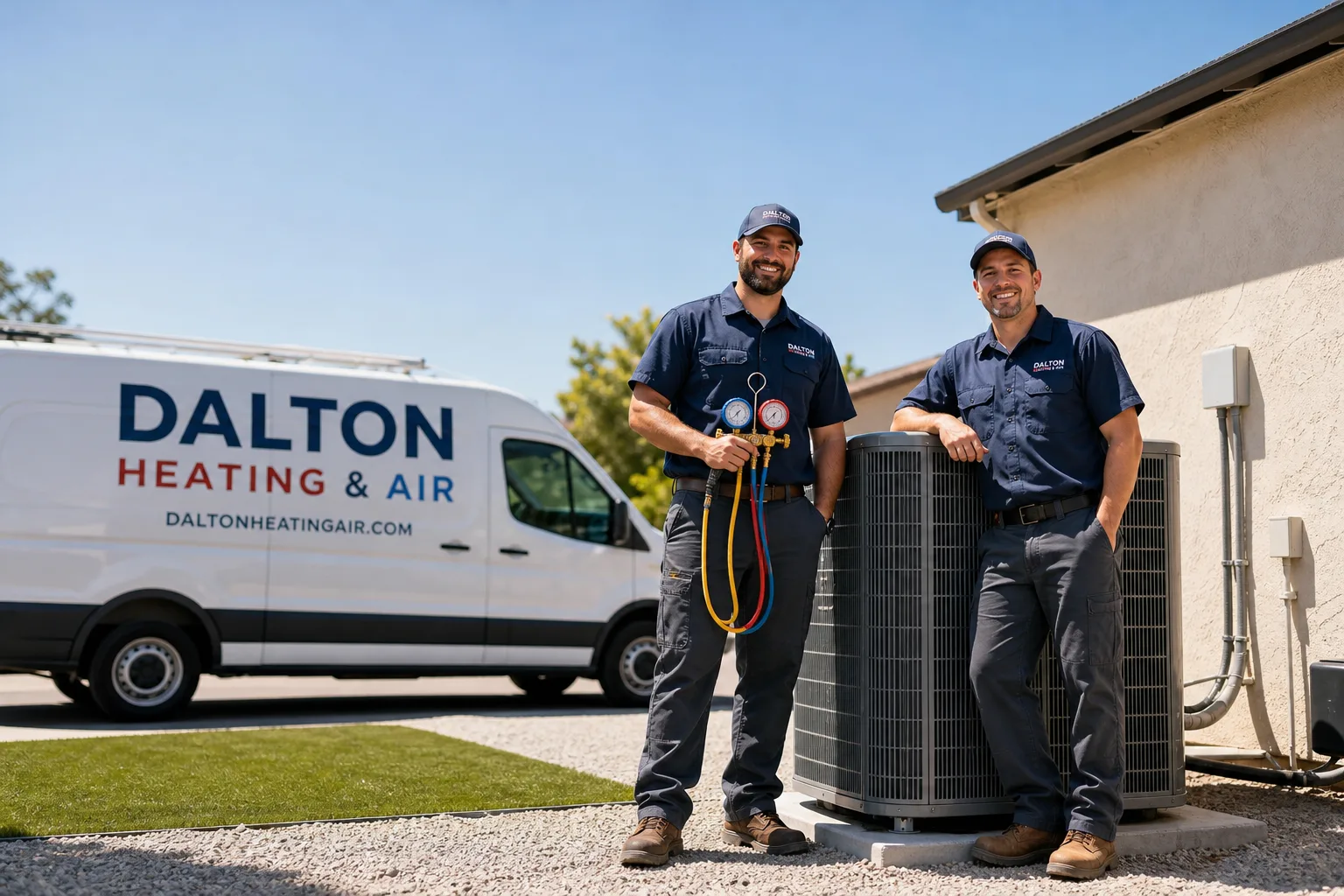
Seasonal tune-up and full diagnostic on your Carrier, Trane, or Goodman system - readings shown to you before any repair is proposed
Diagnosis first, numbers second - you approve the repair price before a single part goes in.
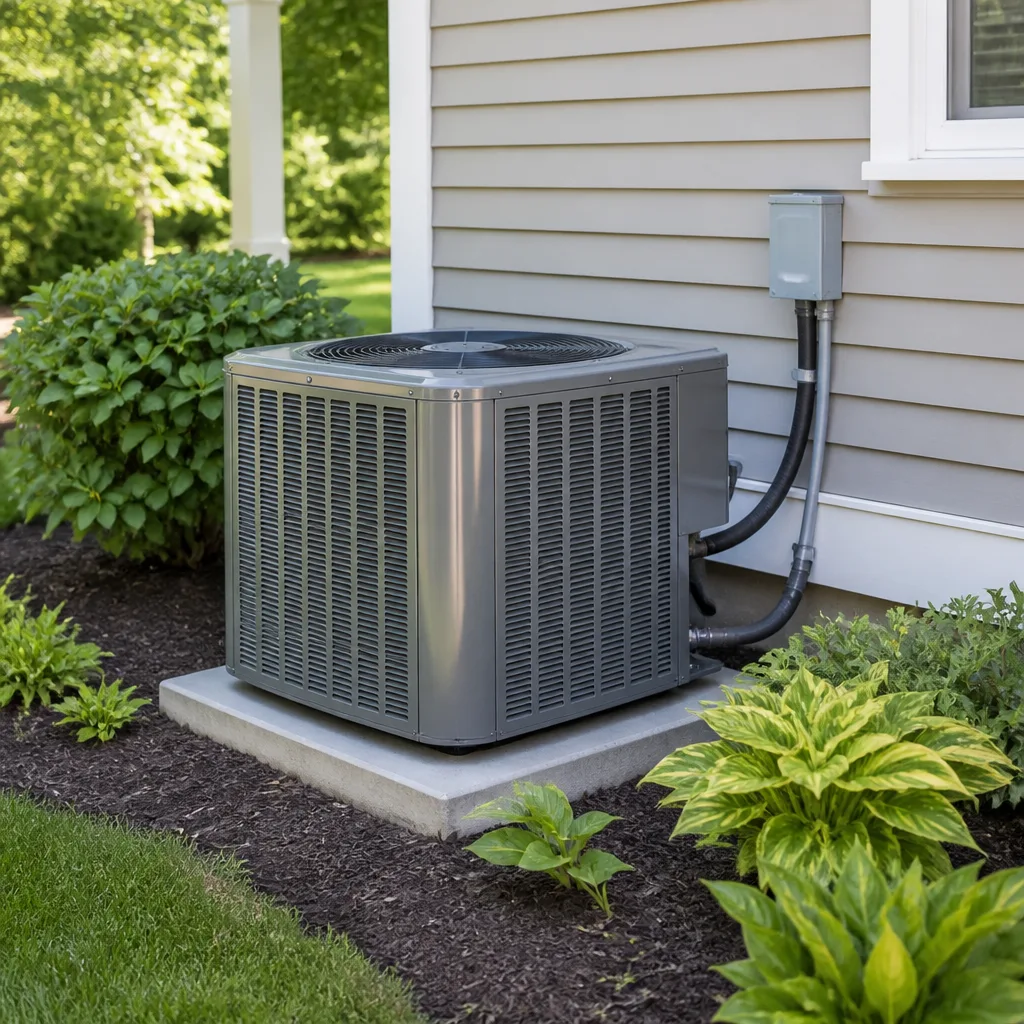
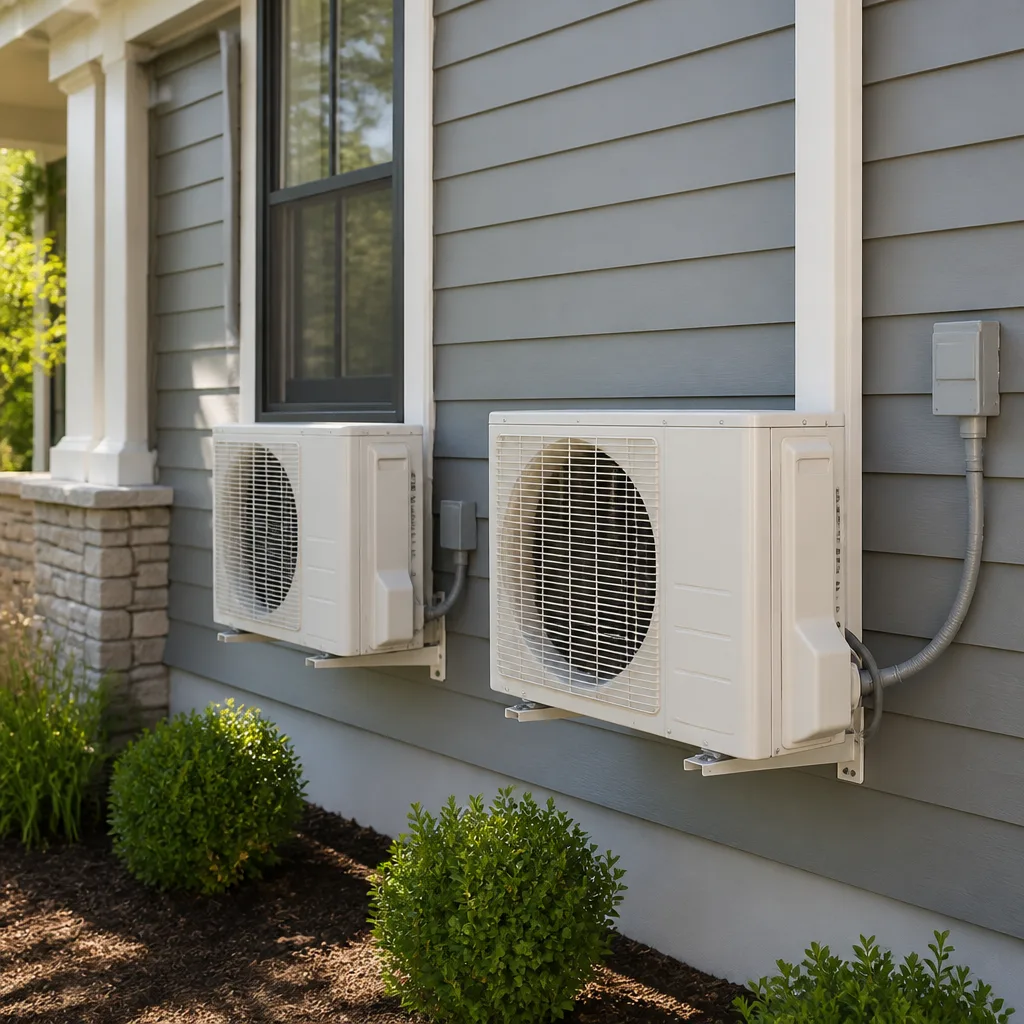
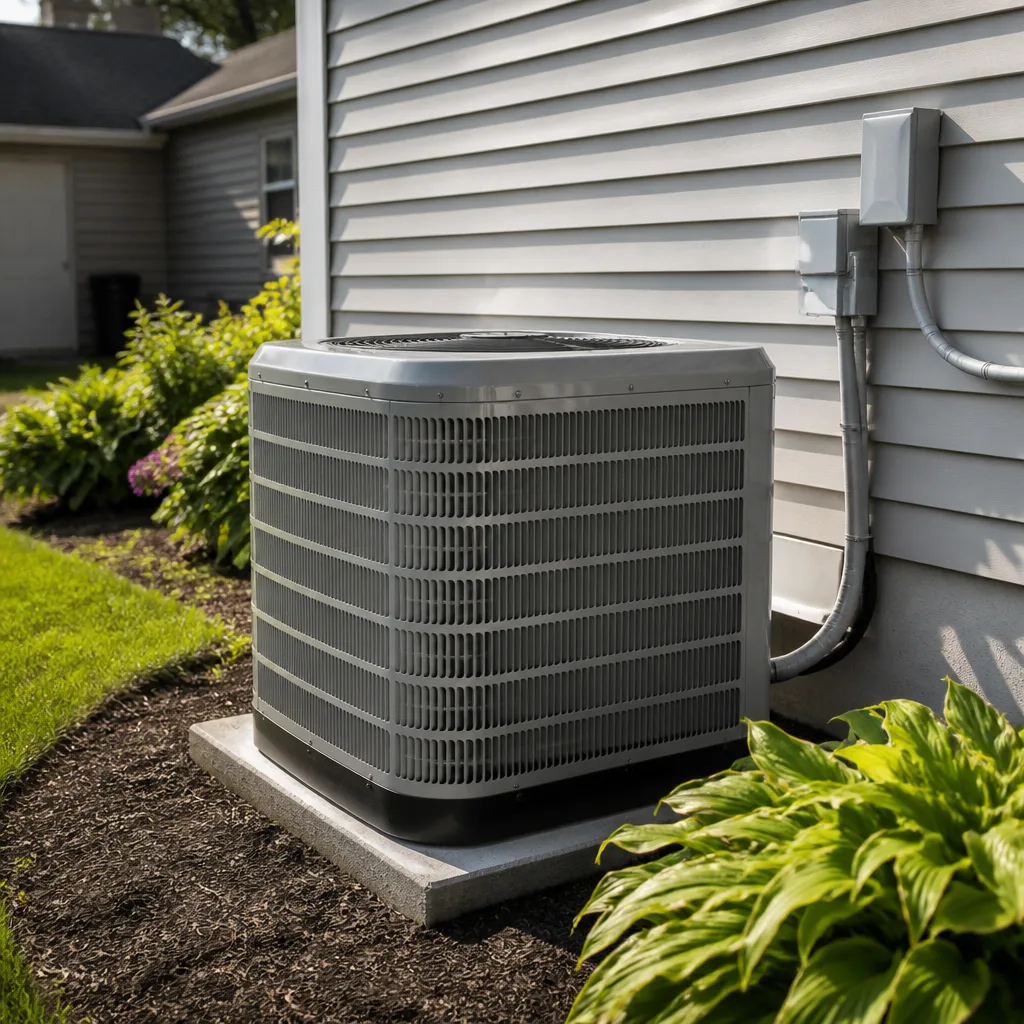
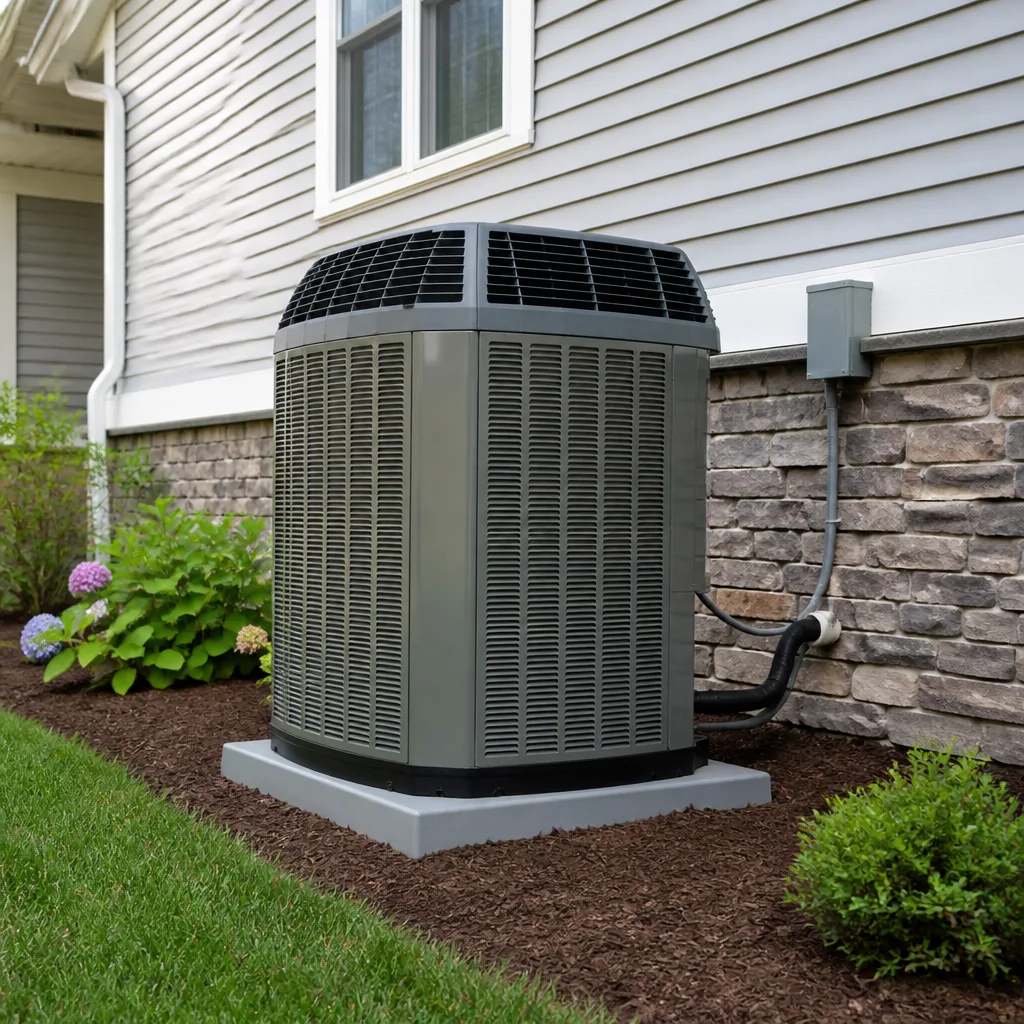
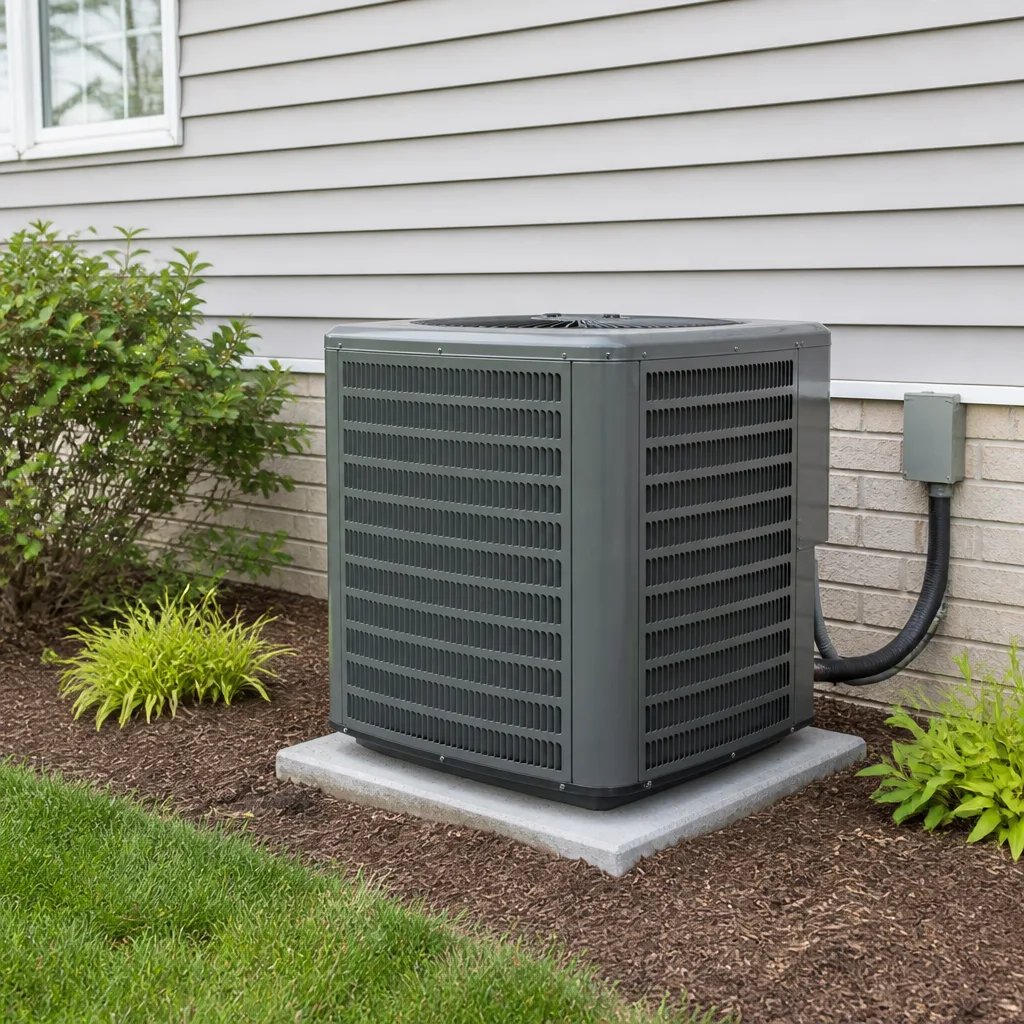
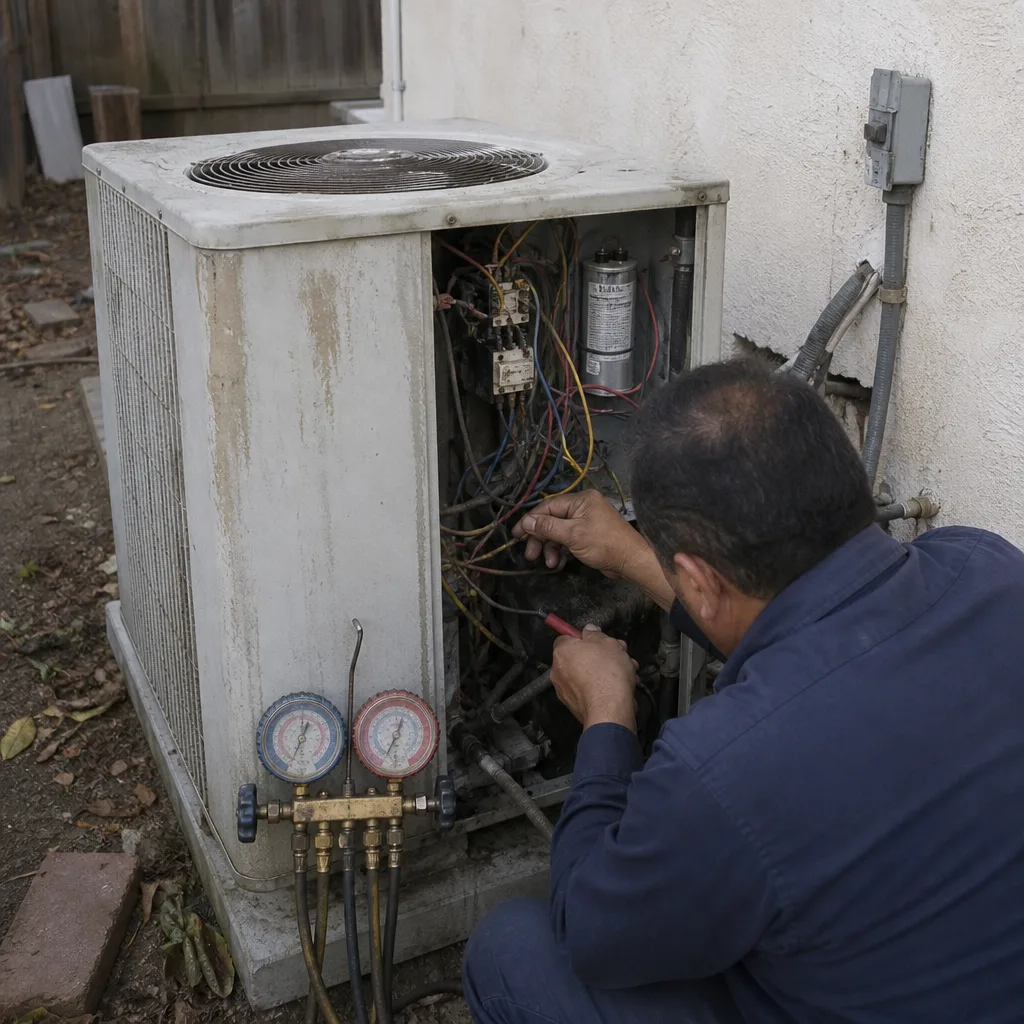 Before
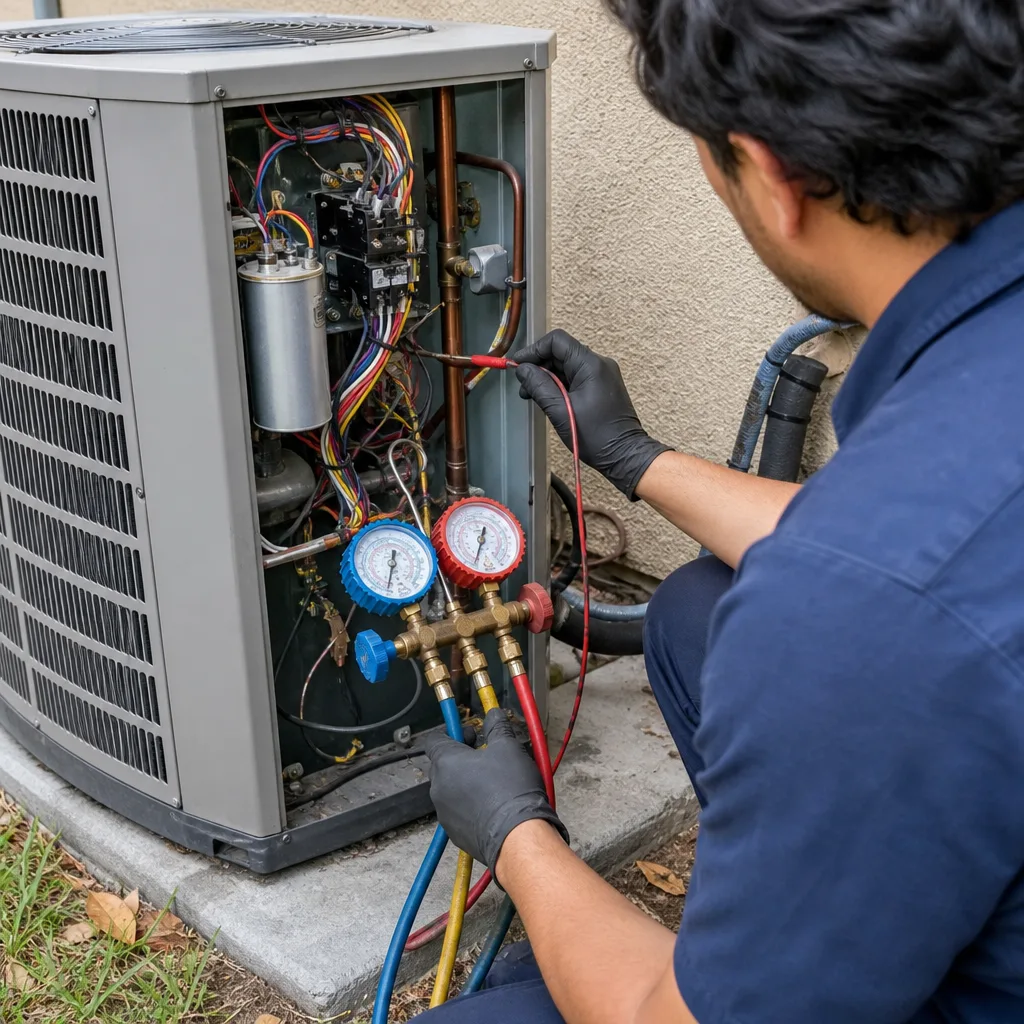 After
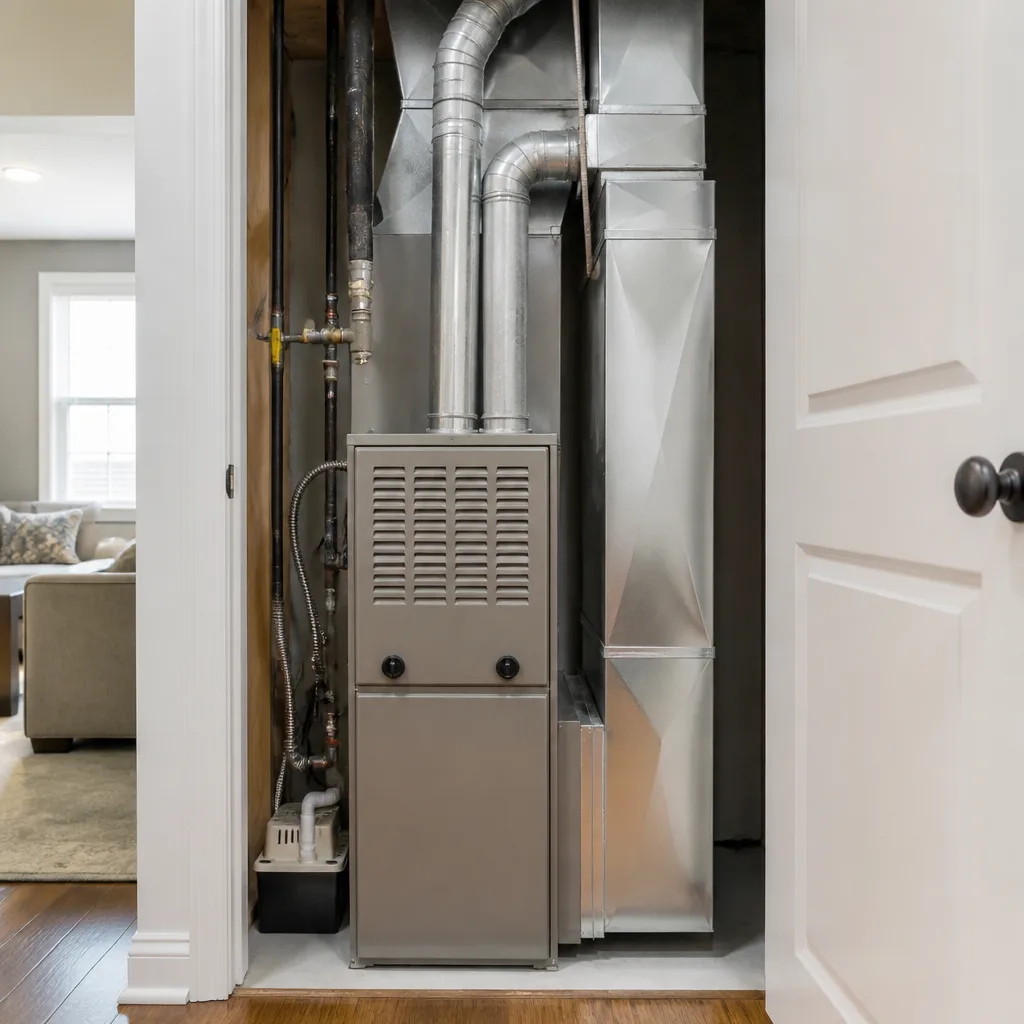
After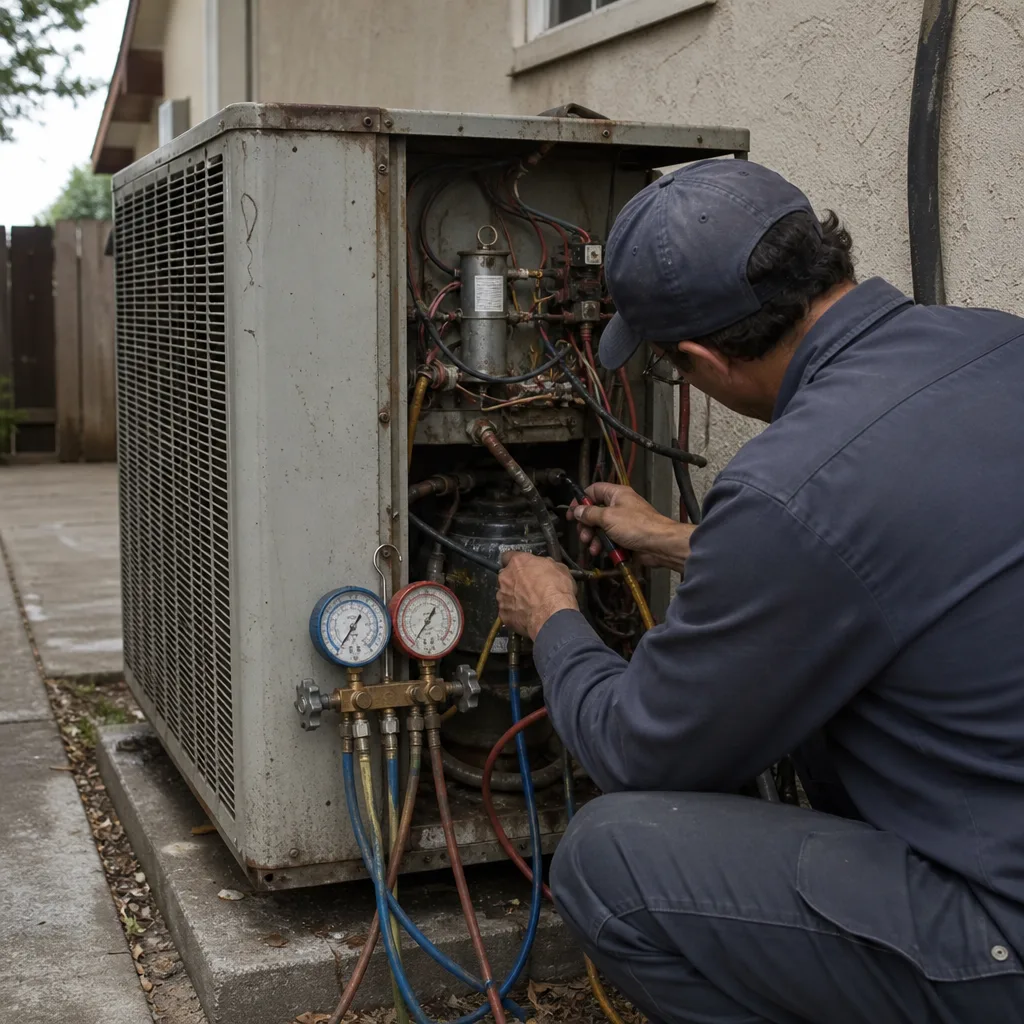 Before
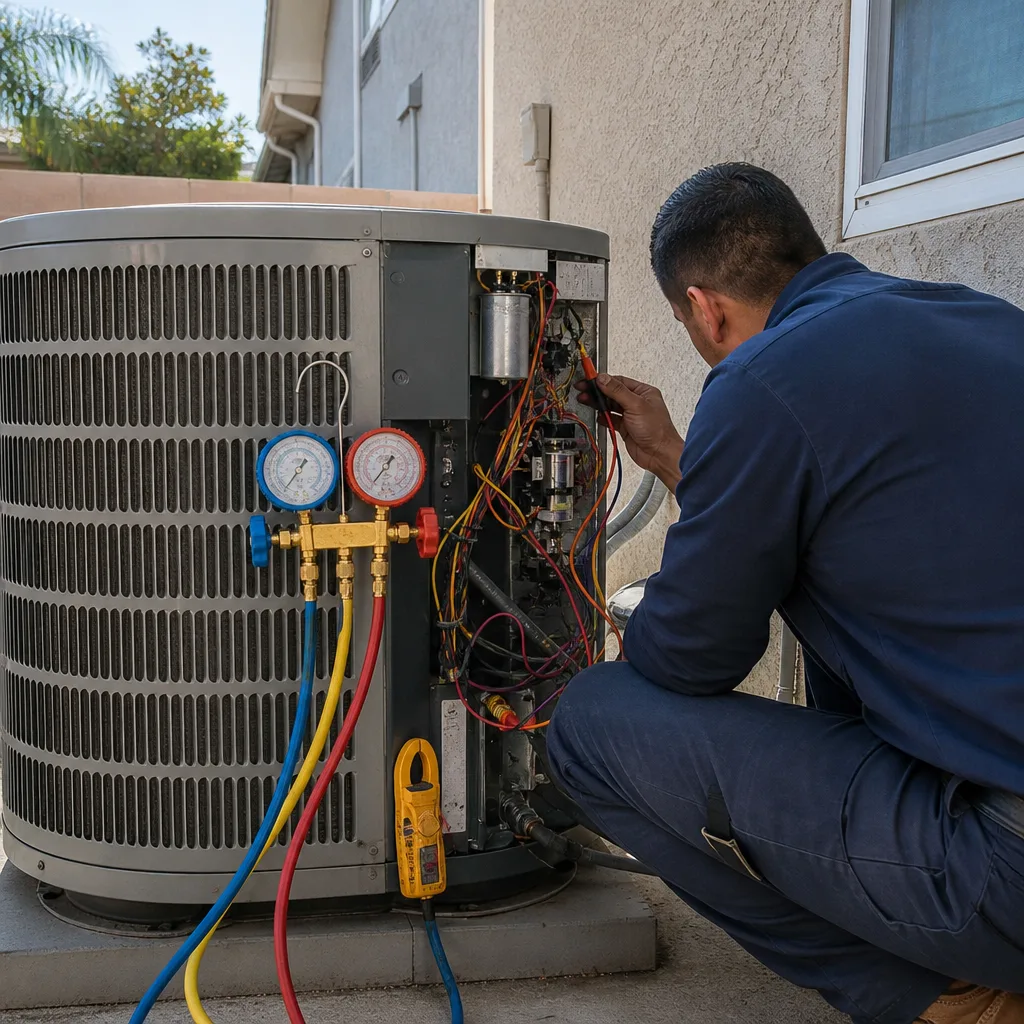 After
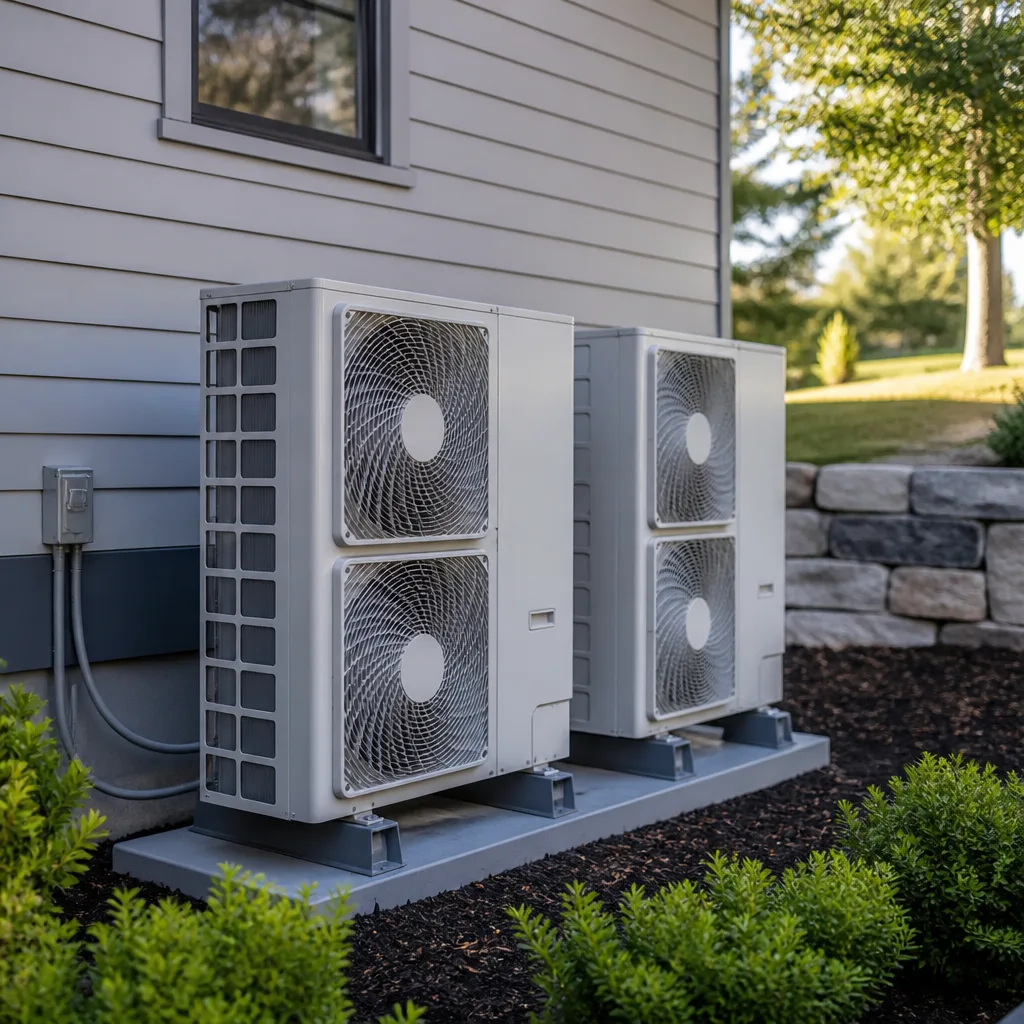
After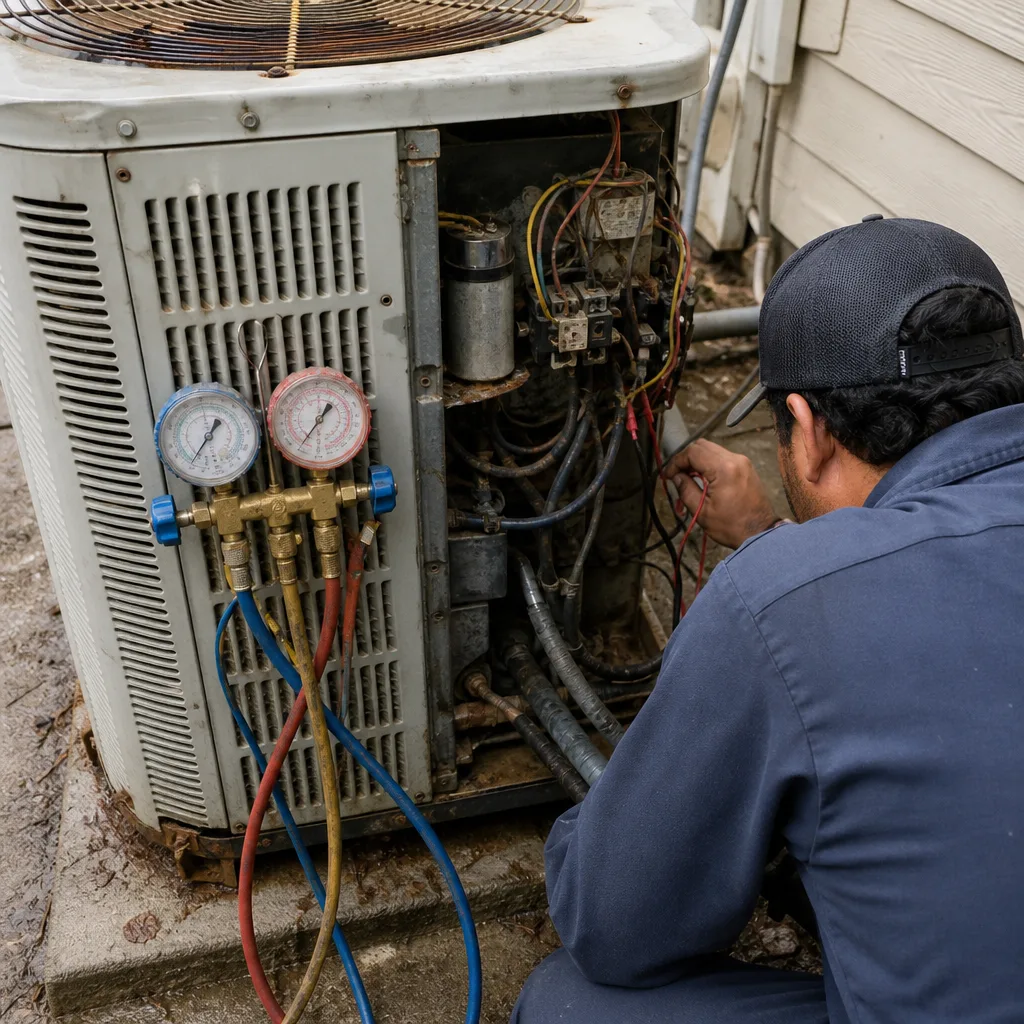 Before
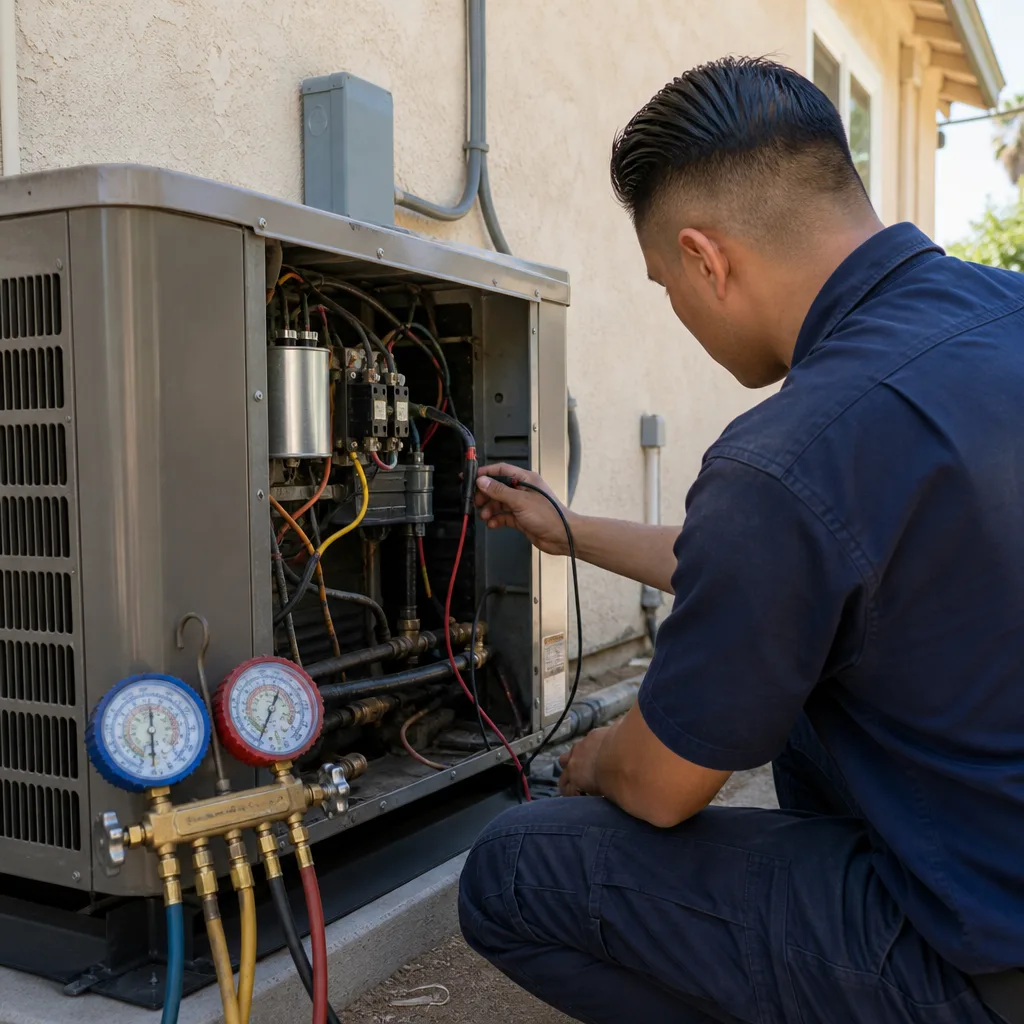 After
AfterFast, Reliable Furnace Repair Across Home
Furnace repair in Home, WA typically runs $150 – $700 depending on the part that failed, and most calls are handled the same day we hear from you. If your furnace quit overnight or is blowing cold air through the house, call (361) 306-9515 and a live person answers, every time. We dispatch crews to Home daily, and every job starts with the price in writing before any work begins.
Home sits in the South Sound’s mild marine climate, which shapes how furnaces here actually fail. We see fewer burned-out heat exchangers and more weak capacitors, tired blower motors, and short-cycling systems that never got their seasonal tune-up. That means a lot of Home furnaces are repairable for a few hundred dollars instead of condemned too early. We’ll tell you which one you’re looking at, straight.
Dalton Heating & Air is a Garrison Partners company, held to The Garrison Standard since 2003. Every repair includes a written guarantee for a full year.
Why Dalton Heating & Air Is Home’s Preferred Furnace Repair Company
We built our reputation in Home on showing up inside the stated window and putting the price on paper before a single tool comes off the truck. Marco Benitez runs our operation, and he’s the first one to tell you that the Garrison Code isn’t marketing copy. It’s five rules: arrive inside the window, price in writing before starting, do the job by the book, leave the site clean, and stand behind the work for a full year.
Our technicians are background-checked, uniformed, and factory-trained to service nine major residential brands, including Carrier, Trane, Lennox, Goodman, Rheem, York, Daikin, Bryant, and American Standard. You’ll know who’s coming before they park in your driveway. When they leave, you get a written report of what was found, what was fixed, and what the next 12 months should look like.
We answer our phones 24/7 with a real person. No voicemail queue, no callback window, no answering service that reads a script. You call, a person who knows HVAC picks up, and we get a crew moving toward Home right away.
Gas Furnace Repair in Home
Gas Furnace Repair in Home usually means tracking down an ignition failure, a gas valve that won’t open, a limit switch tripping, or a blower motor that has given up after years of pushing against dirty filters and undersized ductwork. Most of these jobs run $150 – $700, with the final number driven by the part itself and how long it takes to get to it. We stock common parts for Home jobs and can often finish the repair on the first visit.
Ignitor and Flame Sensor Work
A furnace that clicks but won’t light often has a failed hot-surface ignitor or a flame sensor coated in oxidation. In Home’s coastal air, flame sensors pick up a fine layer of corrosion faster than they would inland. The ignitor itself is a replaceable part, usually in the $150 – $450 range installed, and we test the full ignition sequence afterward so you’re not back in the same spot next month.
Gas Valve and Limit Switch Repair
When a gas valve sticks or a limit switch opens too early, the furnace either won’t fire at all or shuts down mid-cycle. On some Home homes with older Carrier and Lennox equipment, we find the limit switch reading a few degrees hot because the blower motor is dragging, not because the switch is bad. That kind of diagnosis changes the repair from a $200 part swap to a blower motor replacement in the $300 – $600 range, and we’ll show you the readings before you approve anything.
Furnace Tune Up in Home
Furnace Tune Up in Home is the single best defense against the no-heat calls we get during January cold snaps. The South Sound’s mild winters let homeowners push off maintenance, and then the first hard freeze hits and a weak capacitor or dirty flame sensor finally fails. A tune-up runs $80 – $200, and in a climate this humid near the sound, we pay extra attention to the blower wheel, the condensate path, and the heat exchanger surfaces.
Combustion and Safety Checks
Every tune-up includes checking the burner flame, testing carbon monoxide levels, and inspecting the heat exchanger for cracks or rust-through. That last one matters more in Home than it would inland because coastal humidity and duct-basement dampness eat at furnace cabinets over time. If we find a cracked heat exchanger, the repair-versus-replace conversation starts immediately, and we’ll show you the crack on camera so you’re making the decision with your own eyes.
Blower and Static Pressure Service
Home homes with older duct systems often run static pressure higher than the blower motor was rated for. That shortens motor life and makes the system sound louder than it should. During a tune-up we check static pressure, clean or replace the filter, and tighten the blower assembly. If the motor is pulling high amps, we’ll tell you before it strands you on a cold night.
Trusted Brands We Service in Home
Our techs work on Trane, Lennox, Goodman, and Rheem furnaces across Home regularly, along with the other five major brands we’re factory-trained on. Because we carry common ignitors, flame sensors, capacitors, and pressure switches from these brands on the truck, many Home repairs finish on the first visit. If a part isn’t on hand, our local parts network has it in the truck within a day, and you’ll know the cost before we order anything.
Common Furnace Repair Problems We See in Home Homes
- Weak capacitor failures on the first hard freeze. Home’s mild winters mean capacitors sit unused or under-loaded for months. When a cold snap finally forces the system to start repeatedly, a marginal capacitor fails and the inducer or blower won’t spin up.
- Dirty blower wheels from coastal humidity. Moisture from the South Sound and duct dampness in basements and crawlspaces coats blower wheels with dust that sticks. Over time the blower motor works harder, pulls more amps, and fails years early.
- Short-cycling from thermostat calibration drift. Home has a mix of older furnaces and newer smart thermostats. When the thermostat’s temperature offset drifts, the furnace fires for a few minutes, shuts off, and repeats. It never heats the house the way the load actually requires.
- Flame sensor corrosion from salt-tinged air. Even a few miles from the sound, Homes gets enough salt and moisture in the air to coat flame sensors faster than inland towns. A furnace that lights then shuts off after 20 seconds is often a dirty or corroded sensor.
Pricing for Furnace Repair in Home, WA
What you’ll actually pay for furnace repair in Home depends on the part and the system. A flame sensor cleaning or capacitor replacement usually lands at the low end, around $150 – $300. A gas valve or blower motor runs higher, typically $300 – $700. If we find a cracked heat exchanger, the repair cost jumps and we’ll walk you through the repair-or-replace math honestly before you spend a dollar.
Every quote is in writing before any work starts. That’s not an upgrade or a favor. It’s The Garrison Standard, and it applies to every call, no exceptions. Call (361) 306-9515 for a free estimate.
| Service | Typical Range in Home |
|---|---|
| Furnace Repair | $150 – $700 |
| Furnace Tune Up | $80 – $200 |
We Also Serve Cities Near Home
Our Furnace Repair crews cover Home and the surrounding South Sound communities. If you’re in Seattle, Spokane, Tacoma, or Vancouver, you can reach the same live-answer line at (361) 306-9515. For Home residents, this is your local page: Home crews dispatch from our Seattle office and know the area’s housing stock and weather patterns well.
Serving Home, WA - Our Local Coverage Area
We’re based in the Home area and know this community well. Use the map below to see our service coverage - if you’re nearby, we can almost certainly help.
FAQs About Furnace Repair in Home
You can skip it, and plenty of Home homeowners do, right up until the first hard freeze turns a weak capacitor into a no-heat call. The point of the tune-up is catching that $150 part before it becomes a $600 emergency. In Home’s climate specifically, corrosion builds on flame sensors and blower wheels even during mild winters, so skipping a year doesn’t just roll risk forward. It compounds it.
In Home, the answer usually comes down to the heat exchanger and the blower motor. Because our heating hours are modest compared to a mountain town, a 20-year-old furnace here often has a heat exchanger in better shape than the same unit inland. If the heat exchanger is sound and the blower motor isn’t failing, a $400 repair usually makes more sense than a $5,000 replacement. We’ll show you the condition of both, on camera, and let you decide with real numbers.
A load calculation tells us what your Home house actually needs in BTUs, not what the original builder guessed 30 years ago. Homes around the Key Peninsula and the rest of Home vary a lot in insulation, window age, and duct layout. If the load calc shows your existing furnace is oversized, some repairs become less urgent and some replacements become smaller. We run the numbers before we recommend a direction, because the right answer for your house isn’t always the same as the one for your neighbor’s.
Short-cycling on mild days is usually a thermostat calibration drift or an oversized furnace reaching setpoint too fast. On cold days the same furnace runs long enough that you don’t notice the cycling pattern. In Home, we see this a lot on older furnaces paired with newer smart thermostats. The fix is often a thermostat offset correction or a fan speed adjustment, not a major repair.
An 80% AFUE furnace sends 20 cents of every gas dollar up the flue. A 95% AFUE unit sends five cents. In Home’s mild climate, that difference shows up more as a percentage of your bill than as a huge dollar amount, because you simply don’t burn as many heating hours as someone in Spokane. The current SEER2 rating change mostly affects cooling efficiency, but on the heating side, if your furnace is below 90% AFUE and the heat exchanger is sound, the upgrade math usually favors keeping the furnace and spending the money on sealing ducts and air leaks instead. We’ll run the numbers for your actual bill, not a national average.
Call (361) 306-9515 now for a free estimate on furnace repair in Home. A live person answers, the price is in writing before work starts, and the repair is guaranteed for a full year.
Written by Marco Benitez, Owner at Dalton Heating & Air, serving Home since 2003.