
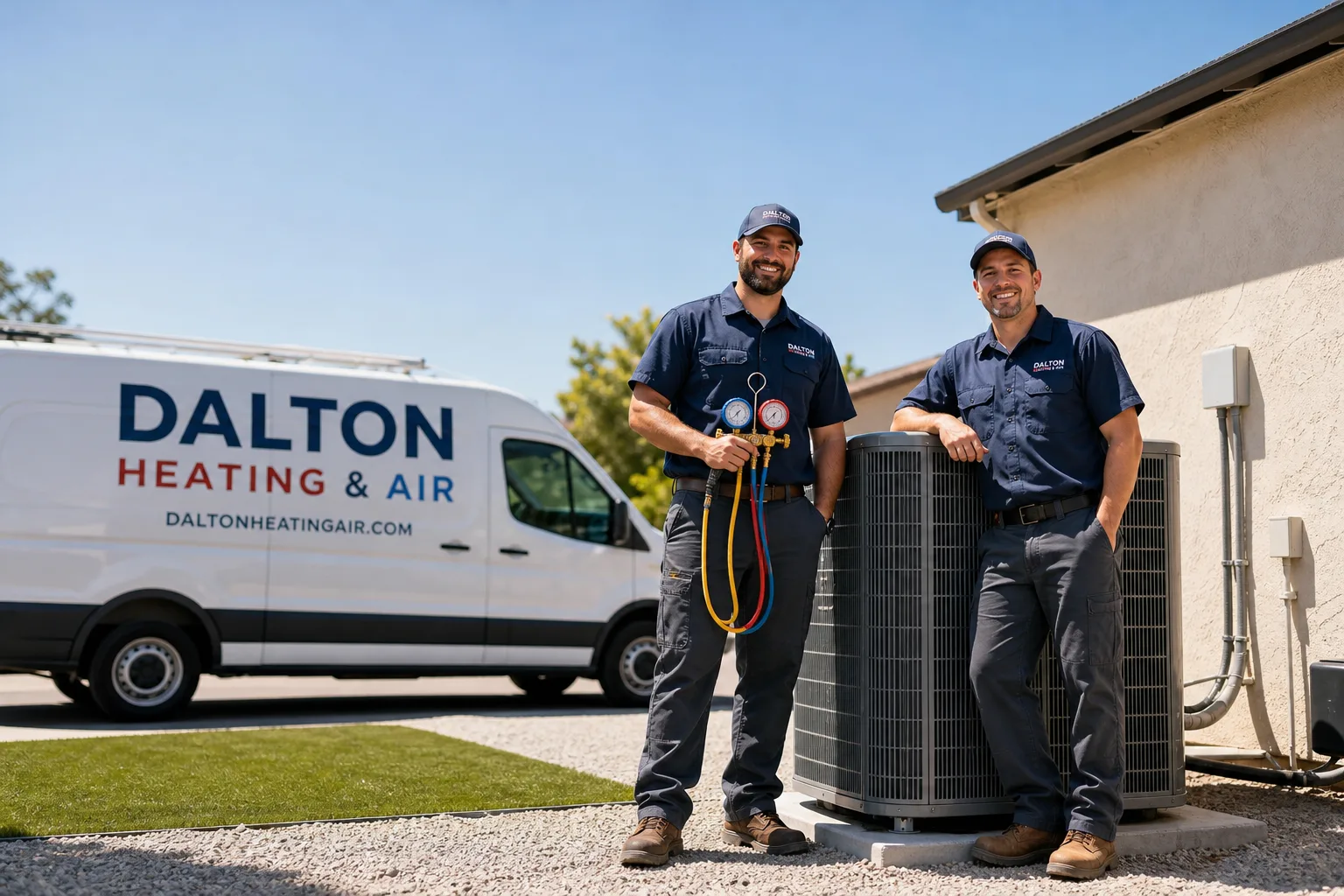
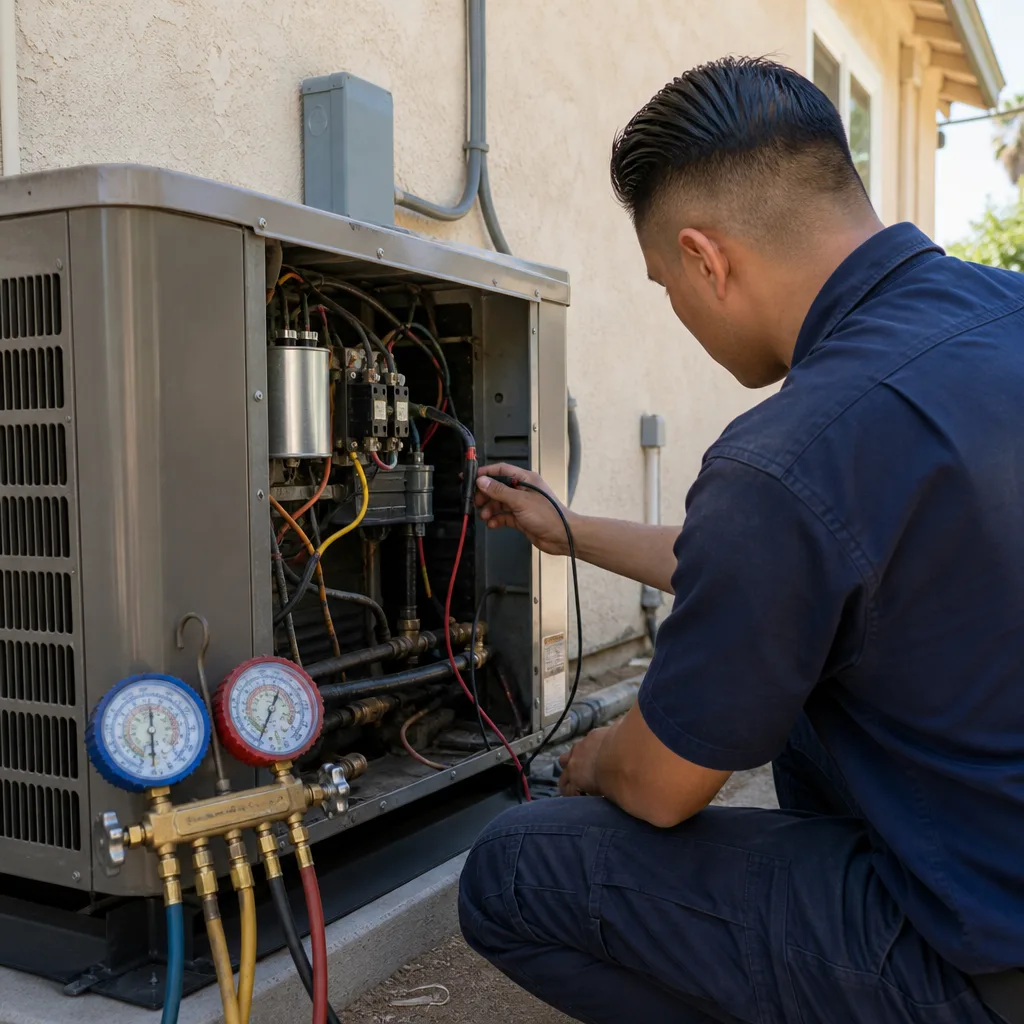
Seasonal tune-up and full diagnostic on your Carrier, Trane, or Goodman system - readings shown to you before any repair is proposed
Diagnosis first, numbers second - you approve the repair price before a single part goes in.
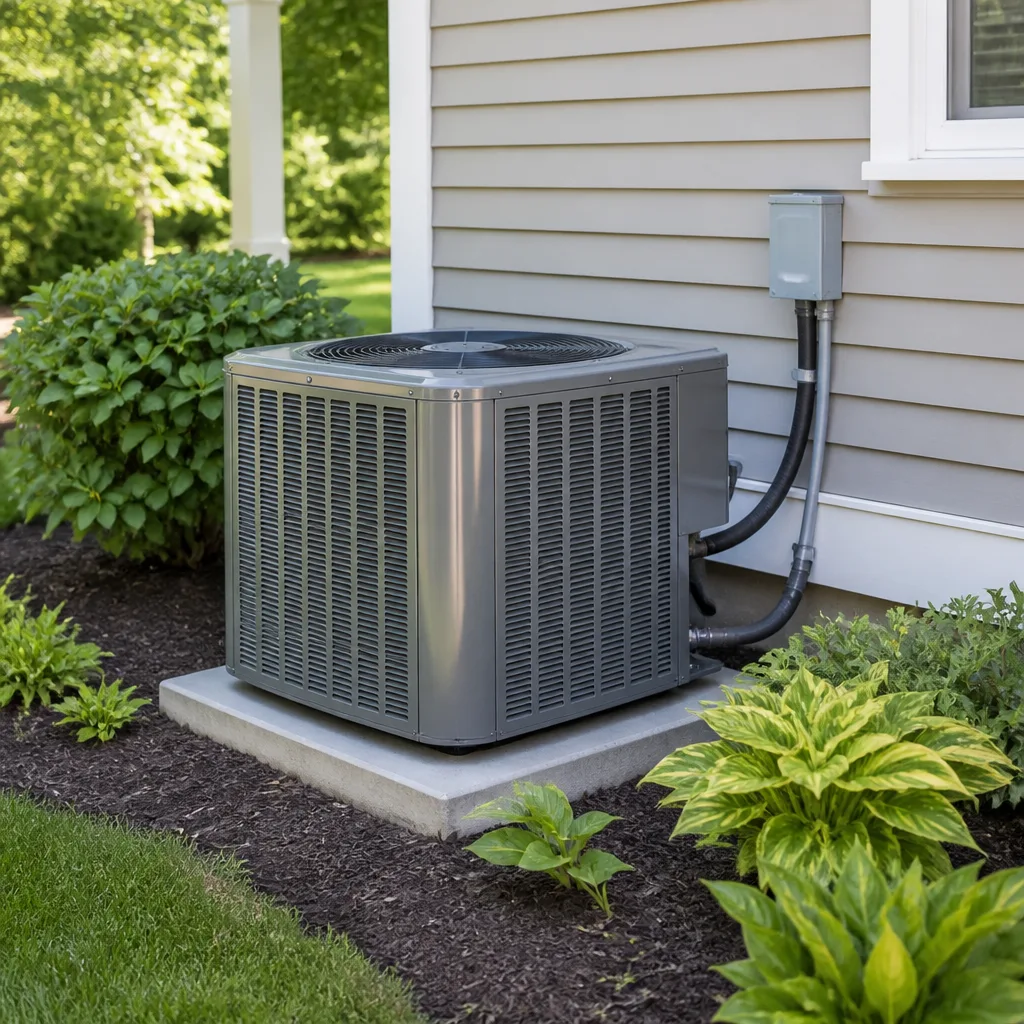
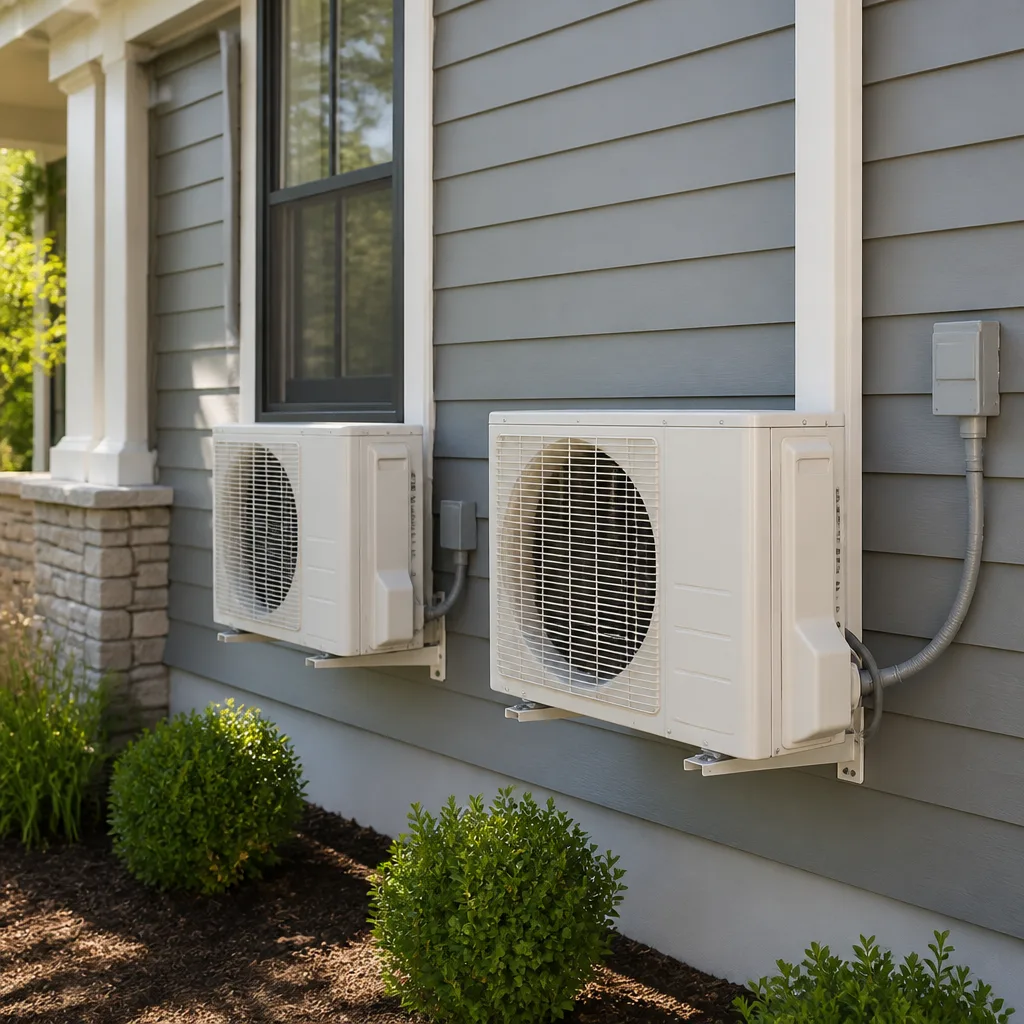
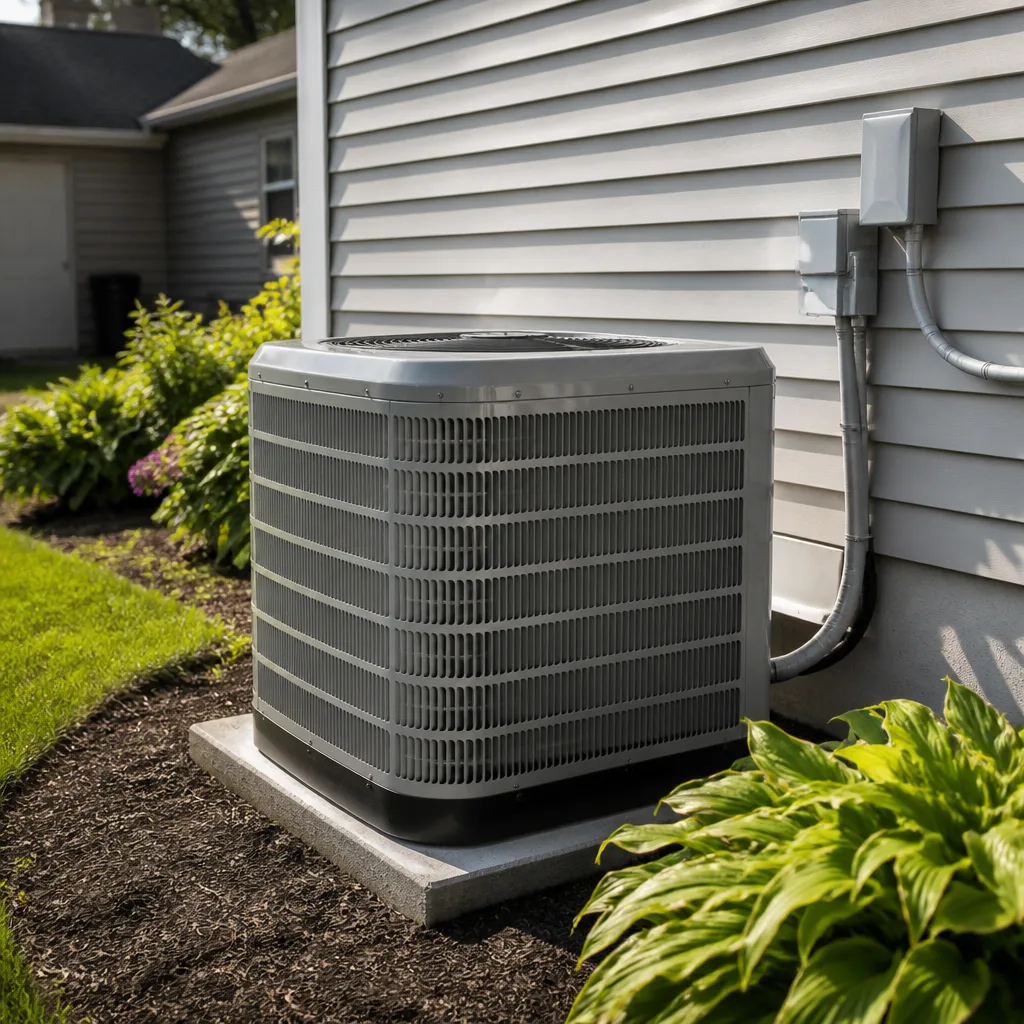
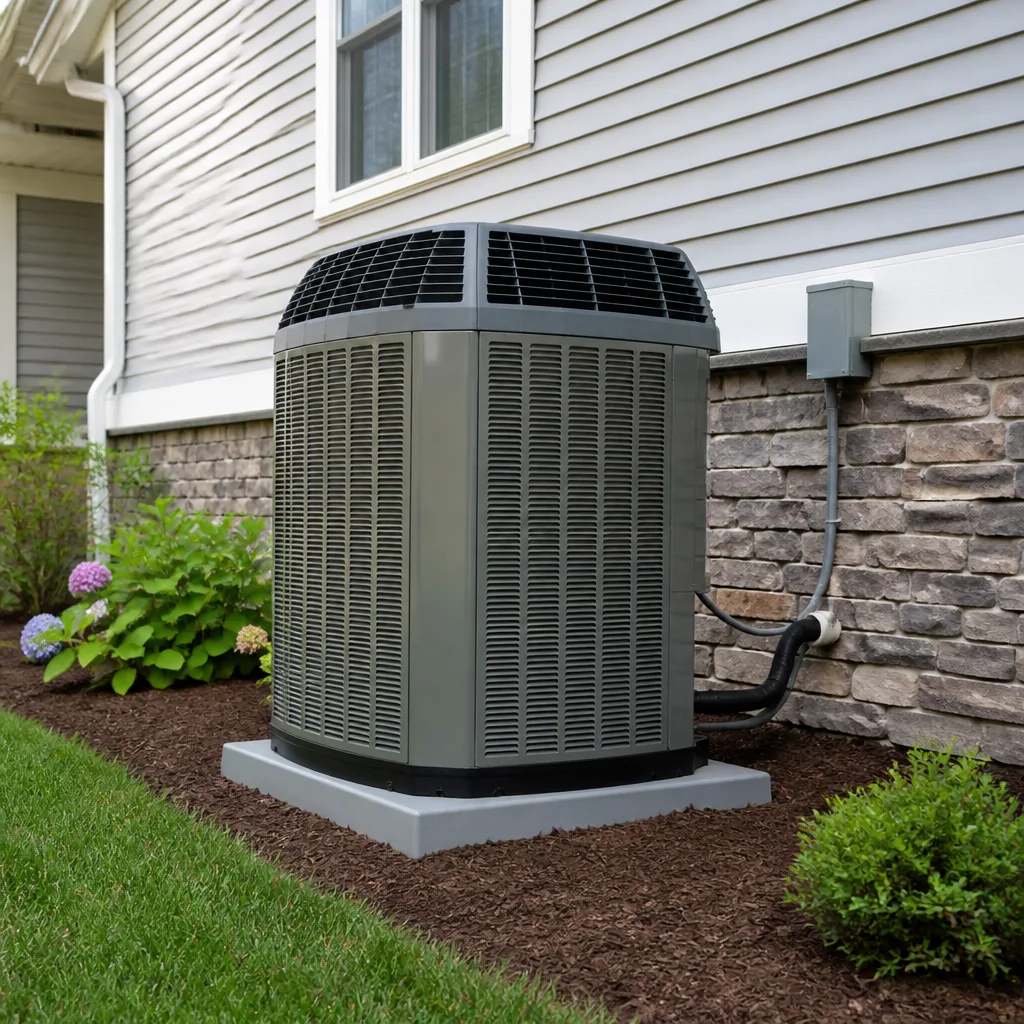
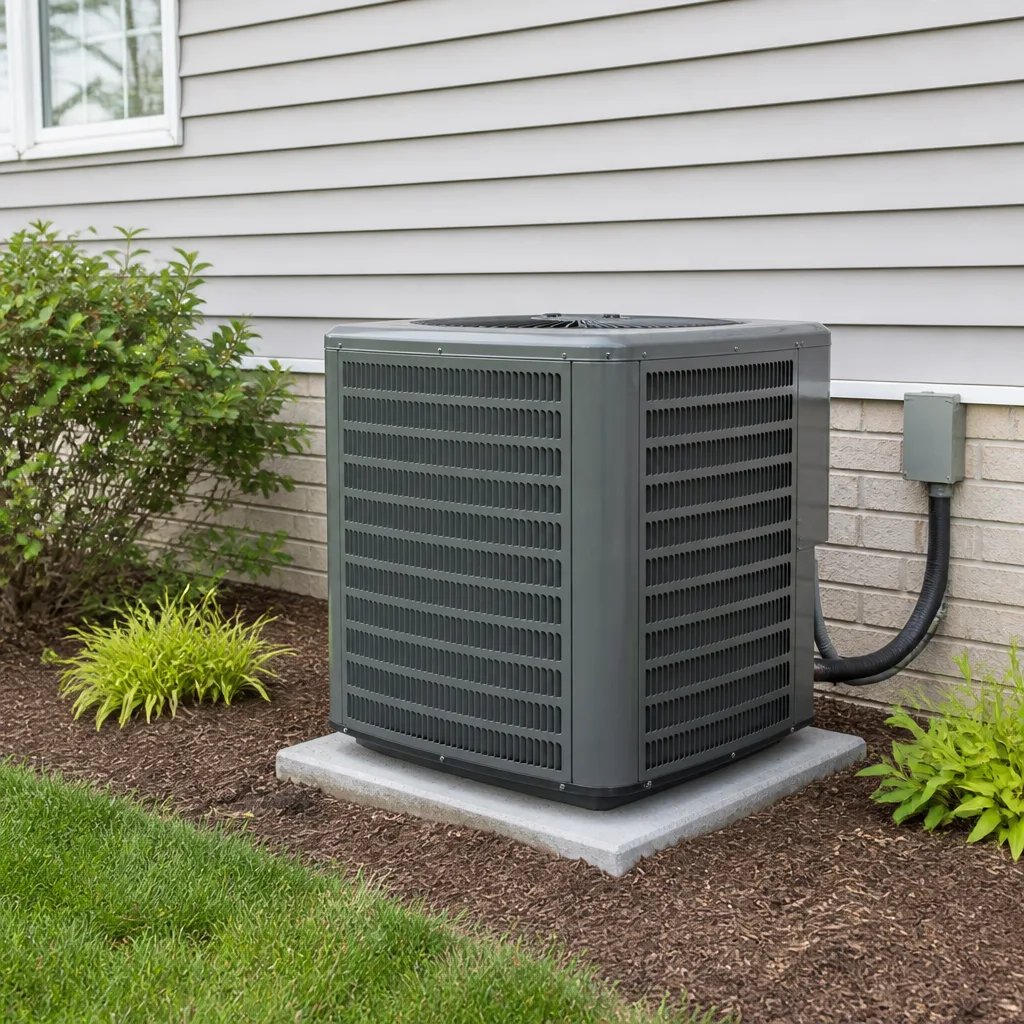
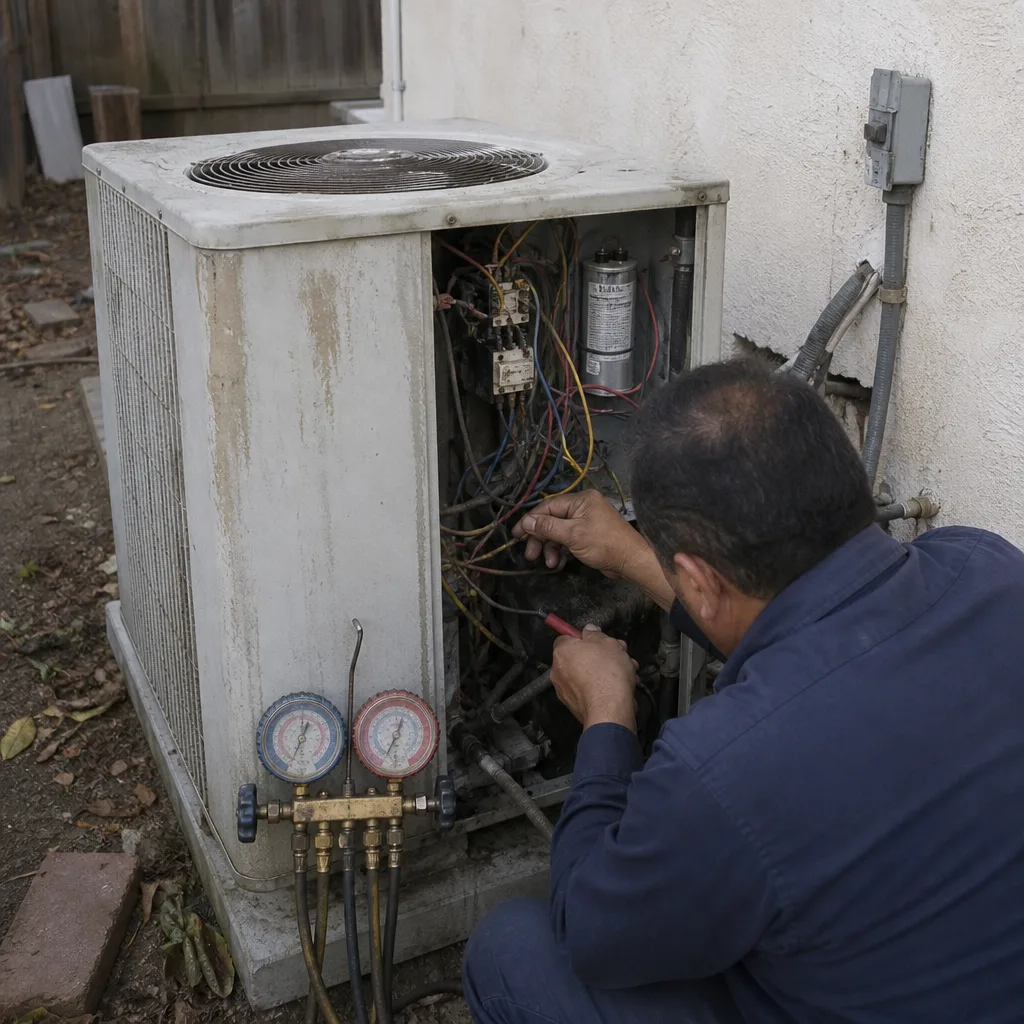 Before
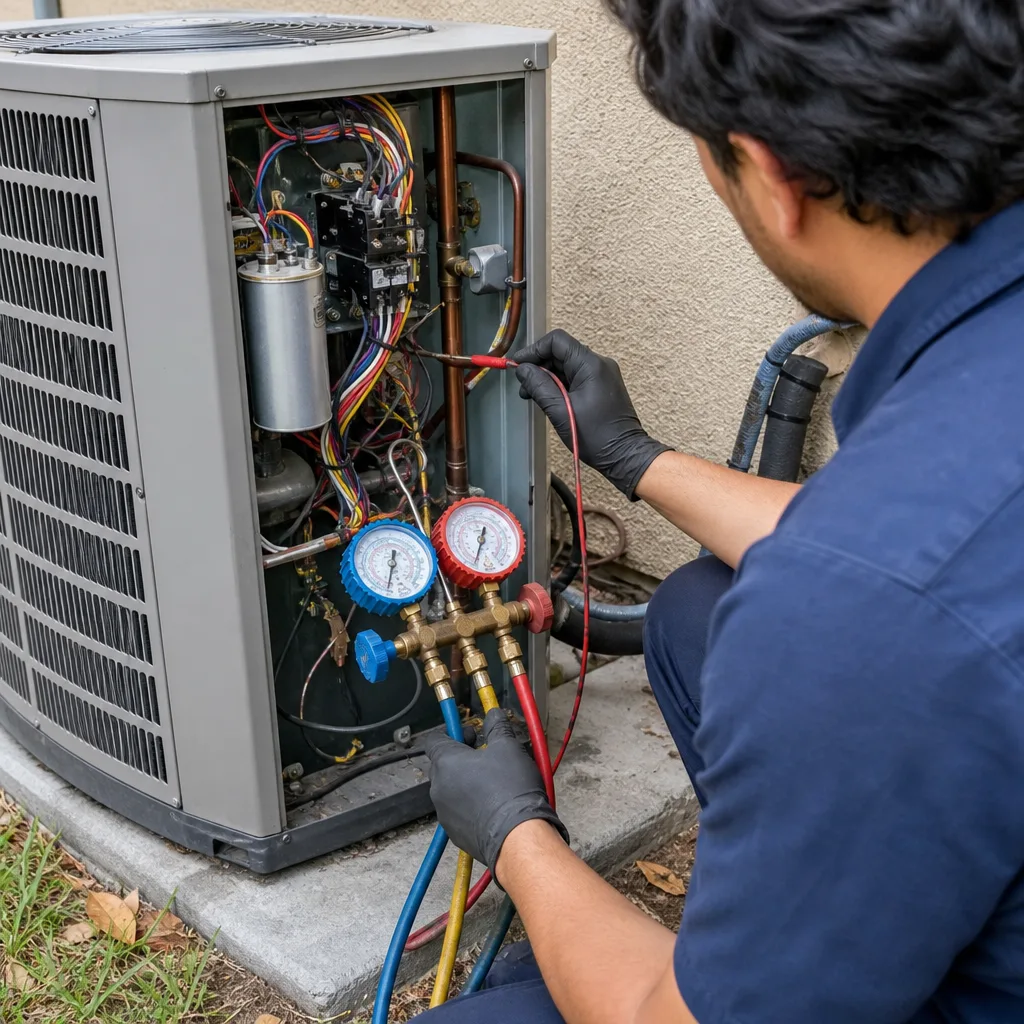 After
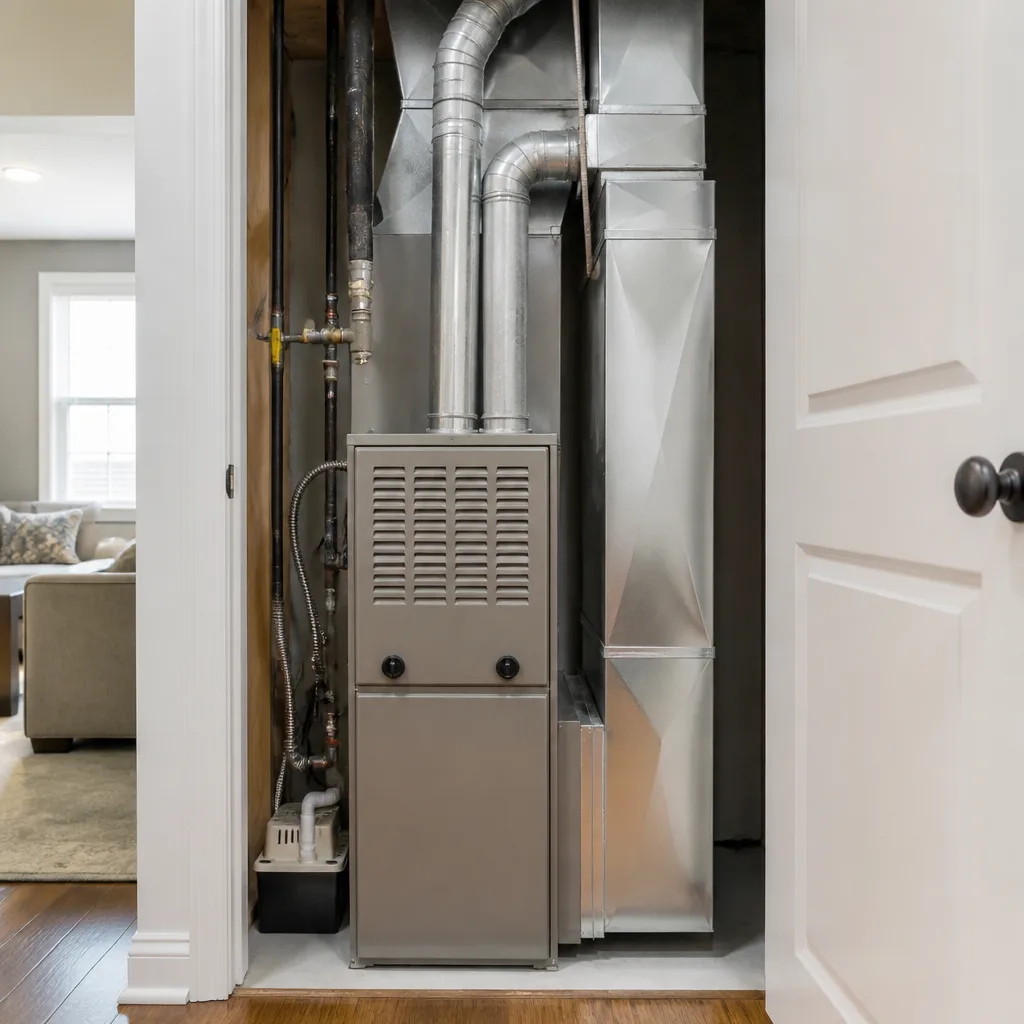
After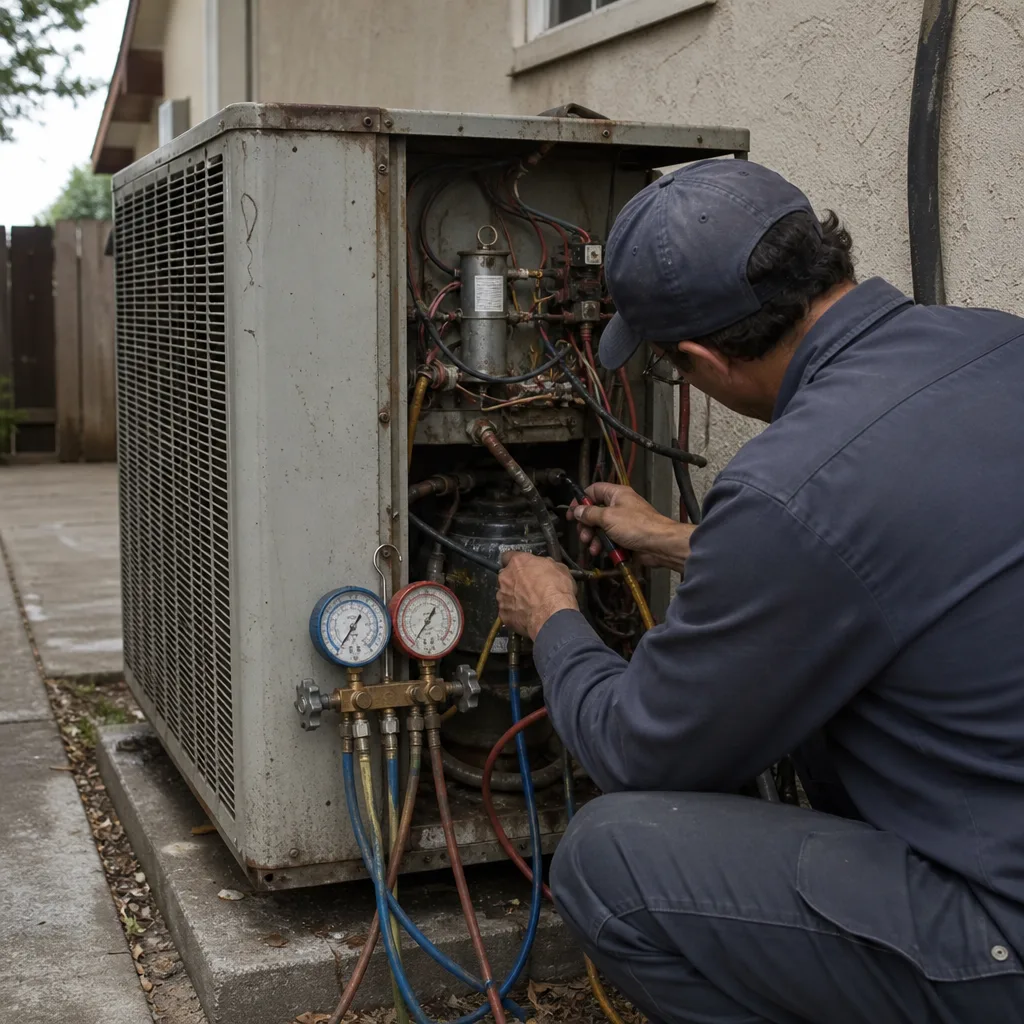 Before
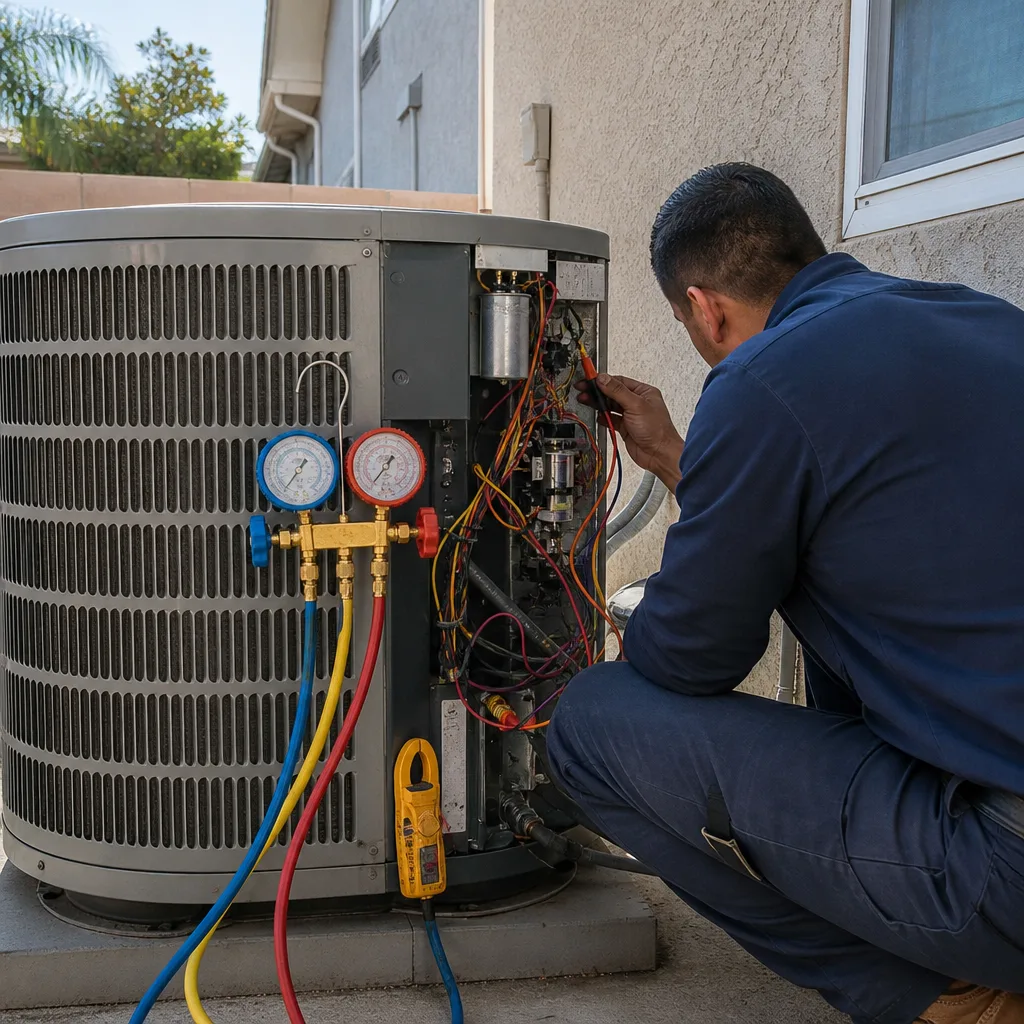 After
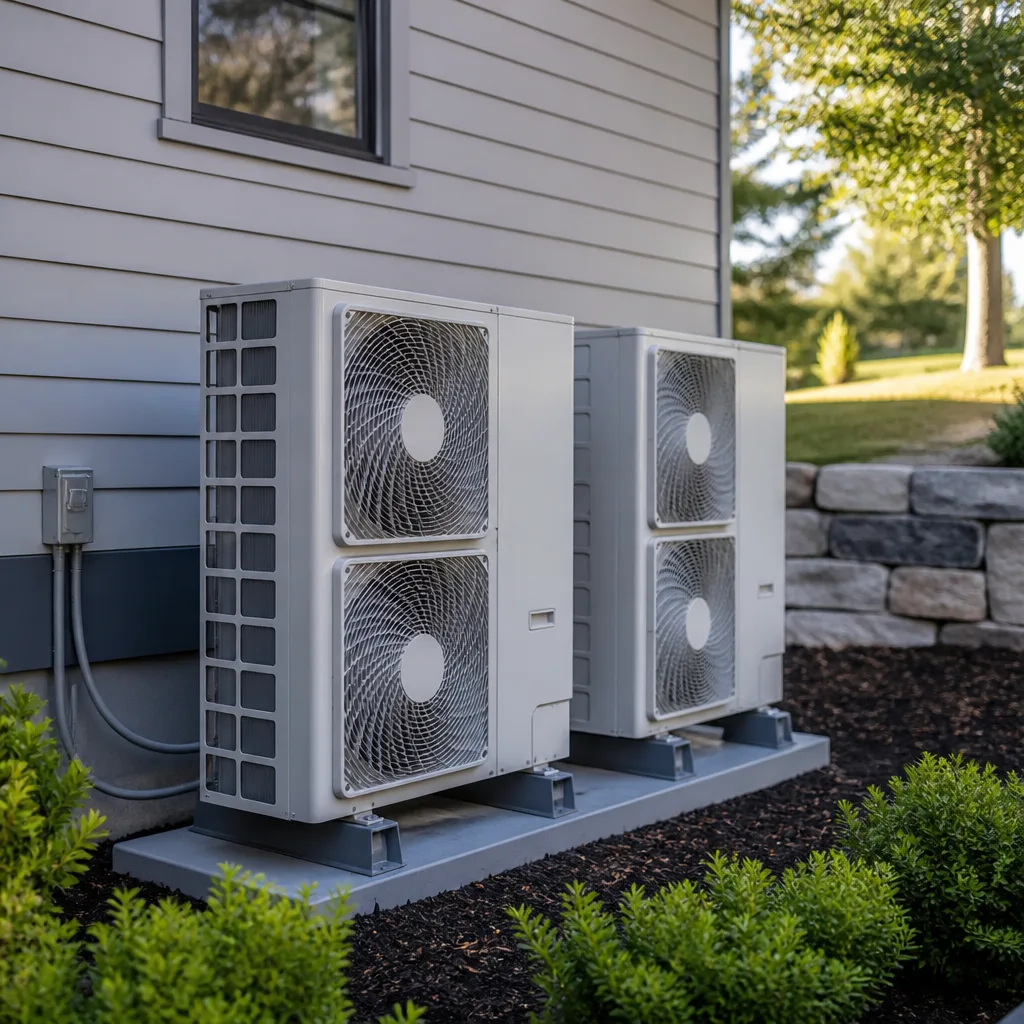
After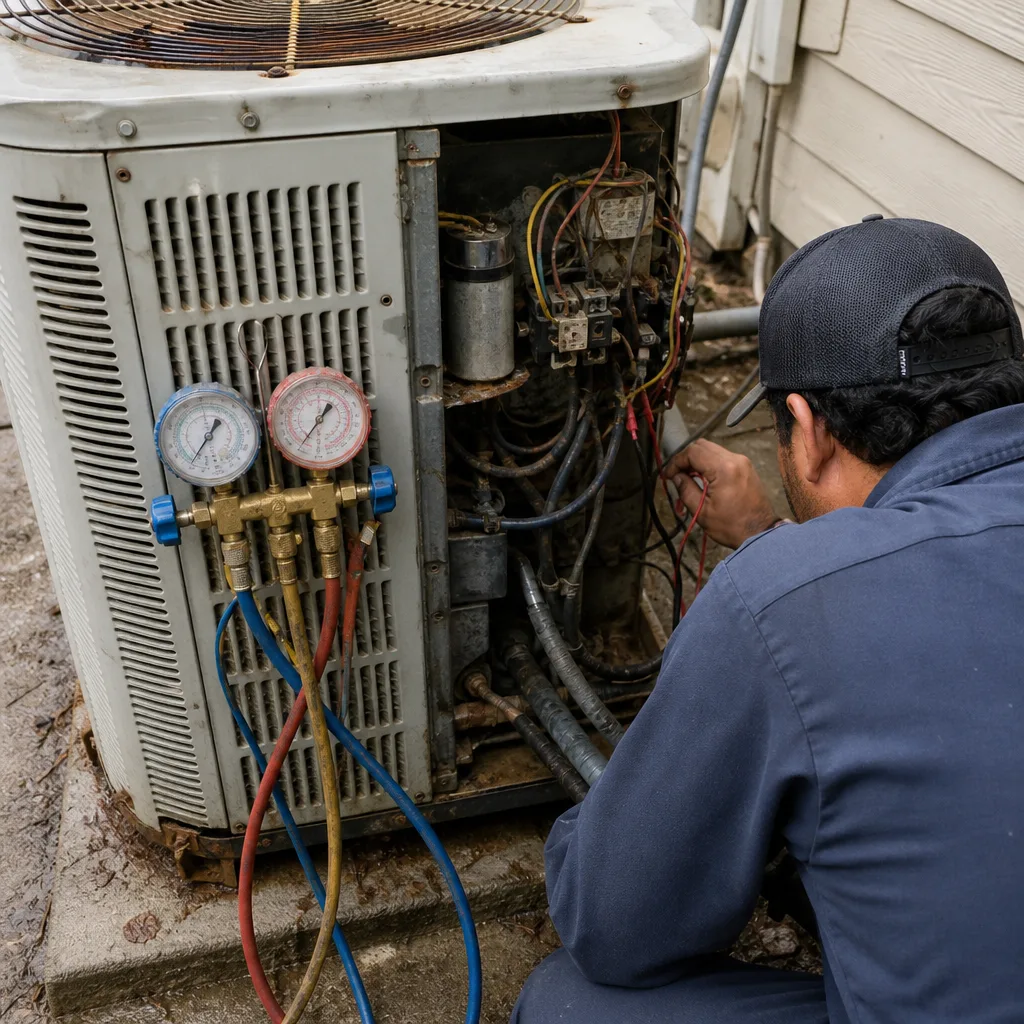 Before
 After
AfterFast, Reliable AC Repair Across Citrus Heights
AC repair in Citrus Heights runs $150 – $650 for most jobs, and Dalton Heating & Air gets a background-checked, uniformed technician to your door fast, with the price in writing before any work starts. Citrus Heights summers are brutal, and when your system quits during a 100-degree afternoon on Sunrise Boulevard or near Rusch Park, you don’t have time for a contractor who might show up. You need a crew that answers the phone 24/7 and handles the fix the same day. Call (361) 306-9515 and you’ll talk to a live person, not a voicemail queue.
Why Dalton Heating & Air Is Citrus Heights’s Preferred AC Repair Company
We’re a Garrison Partners company, and we’ve operated under The Garrison Standard since 2003. That’s not a slogan. It’s a code: arrive inside the window we give you, put the price in writing before we touch a single component, do the work by the book, leave your yard and mechanical closet cleaner than we found it, and stand behind the repair for a full year. Our AC Repair team lives by it on every call in Citrus Heights.
Marco Benitez leads our crews, and he’s the kind of manager who rides along on tough calls rather than hiding in a back office. The technicians who show up at your door are background-checked, uniformed, and factory-trained to service nine major residential brands including Carrier, Trane, Lennox, Goodman, Rheem, York, Daikin, Bryant, and American Standard. You’ll know who’s coming before they arrive.
When the heat spikes and every HVAC company in Sacramento County is slammed, our dispatch still answers live. That matters in Citrus Heights, where afternoon temps can hold above 100°F for days straight and an AC that’s down isn’t an inconvenience, it’s a health risk for kids, seniors, and anyone with a respiratory condition.
We also know the housing stock here. Citrus Heights is heavy with ranch-style homes built from the 1950s through the 1980s, many with original or poorly modified ductwork. That changes how we diagnose a failure. More on that below, because it’s the difference between a repair that holds and one that fails again in August.
AC Capacitor Replacement in Citrus Heights
AC capacitor replacement in Citrus Heights typically runs $150 – $650 depending on your unit’s make, model, and whether the capacitor is a single or dual-run style. The capacitor is the electrical component that gives your compressor and condenser fan motor the starting jolt they need to spin up. When it fails, you’ll usually hear a hum from the outside unit but no fan movement, and the compressor won’t engage. It’s the single most common AC failure we see during Citrus Heights August heat waves, because sustained 100°F+ afternoons cook the capacitor’s internal dielectric fluid until it leaks or the case bulges.
Dual-Run vs. Single Capacitors
Most Citrus Heights homes with a standard split system use a dual-run capacitor, which serves both the compressor and the condenser fan from one canister. These are compact and cheap to replace, but not all replacements are equal. A capacitor rated for 370 volts installed in place of a 440-volt part will fail early. We check the spec, not just the shape.
What Delays a Capacitor Diagnosis Costs You
Here’s the part homeowners don’t hear often enough. A failed capacitor left running for days can cause the compressor to short-cycle, overheat, and eventually burn out. A $200 capacitor replacement turns into a $3,500+ compressor job fast. If your outside unit is humming but the fan isn’t turning, shut the system off at the thermostat and call us. Don’t let it sit.
AC Recharge in Citrus Heights
AC recharge in Citrus Heights runs $150 – $650, and it means topping off the refrigerant, the cooling fluid your system needs to pull heat out of your home and dump it outside. In Citrus Heights, we see refrigerant charge drift frequently, and it’s not always a big leak. The day-night temperature swing here, often 30 degrees or more from a 65°F morning to a 101°F afternoon, causes thermal expansion and contraction at the Schrader valves and flare fittings. Over time, tiny amounts of refrigerant escape at those points, and the system slowly loses its ability to hit setpoint.
Recharge Only After a Leak Check
A proper recharge isn’t just adding refrigerant. It starts with a leak check using an electronic sniffer or a nitrogen pressure test. If your system has a real leak, say a corroded evaporator coil or a rubbed-through line set, adding refrigerant without fixing the leak is like filling a tire with a nail in it. You’ll be back in the same spot in three weeks, and you’ll have paid twice. We find the leak first, then charge to the manufacturer’s exact spec.
What Morning Cool, Afternoon Hot Means
Citrus Heights homeowners sometimes tell us the AC “works fine in the morning” but can’t keep up by 3 p.m. That pattern can be low refrigerant, but it can also be undersized ductwork or a dirty condenser coil. A recharge is only correct if the charge is actually low. We verify with gauges and a superheat or subcooling calculation before we add anything. If the charge is right and the system still underperforms, the problem is airflow or capacity, and we’ll tell you that straight.
Trusted Brands We Service in Citrus Heights
Our technicians are factory-trained to work on Rheem, York, Daikin, and Bryant systems, along with five other major residential brands. That covers the vast majority of what’s installed in Citrus Heights, from older Rheem units in Arcade Creek area homes to newer Bryant and Daikin systems in the newer developments off Antelope Road. We keep common capacitors, contactors, fan motors, and thermostats stocked on our trucks, which means we can finish most repairs in one visit rather than ordering a part and coming back next week. When you’re sitting in a 90-degree house, that’s the difference that matters.
Common AC Repair Problems We See in Citrus Heights Homes
- Capacitor failure from heat soak. Sustained 100°F+ afternoons degrade the dielectric fluid inside capacitors, especially on units mounted on west-facing walls that get direct sun from 2 p.m. to sunset. The unit hums but won’t start. This is a fast, affordable fix if caught early.
- Refrigerant drift at Schrader valves. Citrus Heights’s wide day-night temperature swing causes metal fittings to expand and contract. Over years, that lets refrigerant escape a few ounces at a time. The system cools in the morning but can’t hold setpoint by late afternoon.
- High static pressure in older ductwork. Many ranch homes around Rusch Park and Temple Heights were built before modern duct-sizing standards. Undersized or crushed return ducts force the blower motor to work harder, which can ice up the evaporator coil even when the refrigerant charge is perfect. The fix is duct evaluation, not more refrigerant.
- Dirty condenser coils from cottonwood and dust. Citrus Heights has mature cottonwood trees along creeks and in older neighborhoods, and the seed fluff packs into condenser coils every May and June. A coil matted with cottonwood can raise head pressure enough to trip the high-pressure switch. Regular cleaning prevents this.
Pricing for AC Repair in Citrus Heights, CA
Here’s what AC repair in Citrus Heights costs, in writing, before the first tool comes off the truck.
| Service | Price Range |
|---|---|
| AC Capacitor Replacement | $150 – $650 |
| AC Recharge | $150 – $650 |
| AC Repair (diagnostic and repair) | $150 – $650 |
| AC Tune-Up | $80 – $200 |
What moves a job within that range? The part itself, how long it takes to reach and replace, and whether your system uses standard or less common components. A basic single capacitor on a Goodman unit runs toward the lower end. A dual-run capacitor on a Bryant with limited under-deck clearance runs higher. Either way, you get the exact number in writing before we begin, and that number doesn’t change at the door. Estimates are free. Call (361) 306-9515 and we’ll come take a look.
We Also Serve Cities Near Citrus Heights
Our AC Repair in Citrus Heights team also runs calls to Orangevale, Fair Oaks, Roseville, and Antelope. If you’re on the edge of Citrus Heights near San Juan Avenue or the Roseville border, you’re still in our normal service area with no extra trip charge for the drive. Same Citrus Heights pricing, same written guarantee, same 24/7 live phone.
Serving Citrus Heights, CA - Our Local Coverage Area
We’re based in the Citrus Heights area and know this community well. Use the map below to see our service coverage - if you’re nearby, we can almost certainly help.
FAQs About AC Repair in Citrus Heights
If your system is under 10 years old and the failure is a capacitor, contactor, fan motor, or a minor refrigerant leak, repair makes financial sense, and it’s what we’d recommend for most Citrus Heights homes. The math changes when the compressor has failed, the evaporator coil is leaking, or the system uses R-22 refrigerant, which hasn’t been manufactured for new use in years and costs a premium. In those cases, a new system with a SEER2 rating of 15 or higher often pays for itself in lower SMUD bills within several years, especially given how hard Citrus Heights summers run an AC. We’ll give you honest repair-versus-replace numbers after a proper diagnostic, not a sales pitch. Call (361) 306-9515 for an exact assessment.
Most AC repairs in Citrus Heights run $150 – $650. The low end covers diagnostics plus a basic part like a capacitor or contactor. The high end covers more involved work like a blower motor replacement or a refrigerant recharge with leak repair. We give you the price in writing before work starts, and the repair is guaranteed in writing for a full year. If it fails during that year, we come back at no charge. Call (361) 306-9515 and we’ll tell you exactly what your job will cost.
SEER2 is the current federal efficiency rating for air conditioners, measuring cooling output per watt of electricity consumed under a standardized test that better reflects real-world duct pressure. In Citrus Heights, where your AC runs hard from June through September, the difference between a 14 SEER2 and a 17 SEER2 system shows up directly on your SMUD bill. A higher SEER2 number means lower operating cost, and if you’re pairing it with ducts that were sized correctly or repaired, the savings compound. When you’re deciding between repairing an old unit and replacing it, the SEER2 rating of the new system is the number to compare against what’s currently on your condenser nameplate.
If your system is low on refrigerant, either the charge was never correct or there’s a leak. Refrigerant doesn’t get used up like fuel. In Citrus Heights, slow leaks at Schrader valves and flare fittings are common because of the wide day-night temperature swing, but a leak is still a leak. We check pressures and temperatures with gauges, then run an electronic leak detector or a nitrogen pressure test to locate the source. If the charge is correct and the system still underperforms, the problem is usually airflow, not refrigerant. Adding refrigerant to a system with good charge won’t fix anything and can damage the compressor. Call (361) 306-9515 for a proper diagnostic.
Check the air filter first. A clogged filter restricts airflow, which can ice up the evaporator coil and dramatically reduce cooling. Replace it if it’s dirty, then give the system an hour. Next, check that all supply vents are open and the return vents aren’t blocked by furniture or boxes, which is common in Citrus Heights ranch homes where return air grilles sit low on walls near floor furniture. If those are clear and the system is still underperforming, the cause is usually a capacitor that’s about to fail, a dirty condenser coil, a refrigerant issue, or high static pressure from undersized ducts. None of those are DIY fixes. Call us at (361) 306-9515 and we’ll figure it out.
One Local Factor Most Companies Miss
Citrus Heights sits in the Sacramento Valley’s thermal belt, where summer design temperatures commonly reach 100 – 103°F. That’s the number engineers use to size equipment, and it’s higher than what a generic national chart assumes. Combine that with the fact that most Citrus Heights homes are older ranch-style builds with undersized or partially sealed duct systems, and you get a pattern: AC failures here often trace back to static pressure and refrigerant charge issues rather than a simple thermostat fault. A proper Manual J load calculation and a duct inspection are frequently what determine whether a fix holds through a Citrus Heights July. We got a call from a homeowner near Sunrise Boulevard after their Carrier system started blowing warm air mid-July. Our tech found a failed capacitor and a condenser coil matted with dust and cottonwood debris. We replaced the capacitor, cleaned the coil, and verified refrigerant charge. The unit held a 20°F temperature split all afternoon. We also checked blower motor amp draw and static pressure, which showed the return duct was undersized for the 3-ton tonnage, so we recommended a duct evaluation before the next heat wave. That’s the difference between a company that swaps parts and one that fixes the system.
If your AC is down in Citrus Heights, don’t wait for the house to hit 90 before you call. We answer live, 24/7, and we’ll get a technician out fast. The price is in writing before any work starts, and every repair carries a 365-Day Done Right Promise: if it’s not done right, we make it right. Call (361) 306-9515 for a free estimate.
Written by Marco Benitez, Owner at Dalton Heating & Air, serving Citrus Heights and the surrounding Sacramento Valley.