
Seasonal tune-up and full diagnostic on your Carrier, Trane, or Goodman system - readings shown to you before any repair is proposed
Diagnosis first, numbers second - you approve the repair price before a single part goes in.
 Before
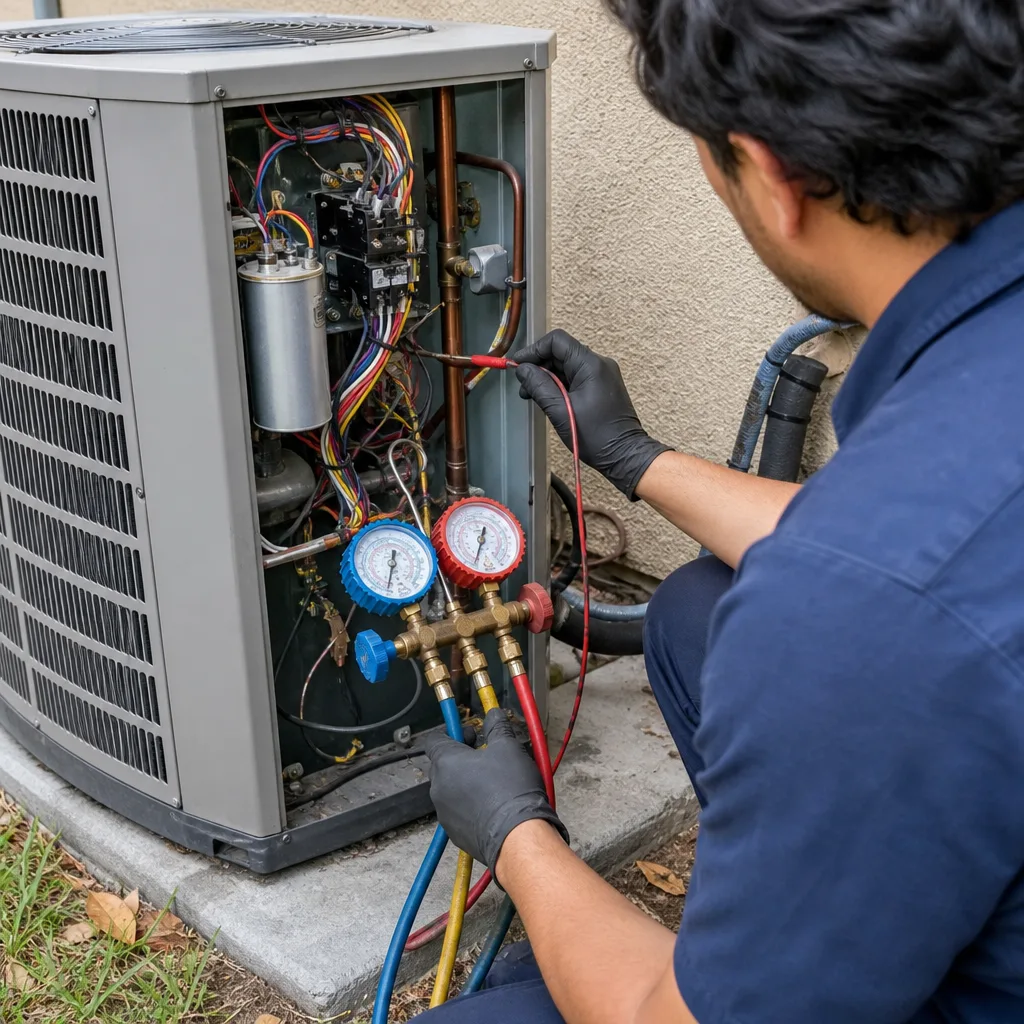 After
After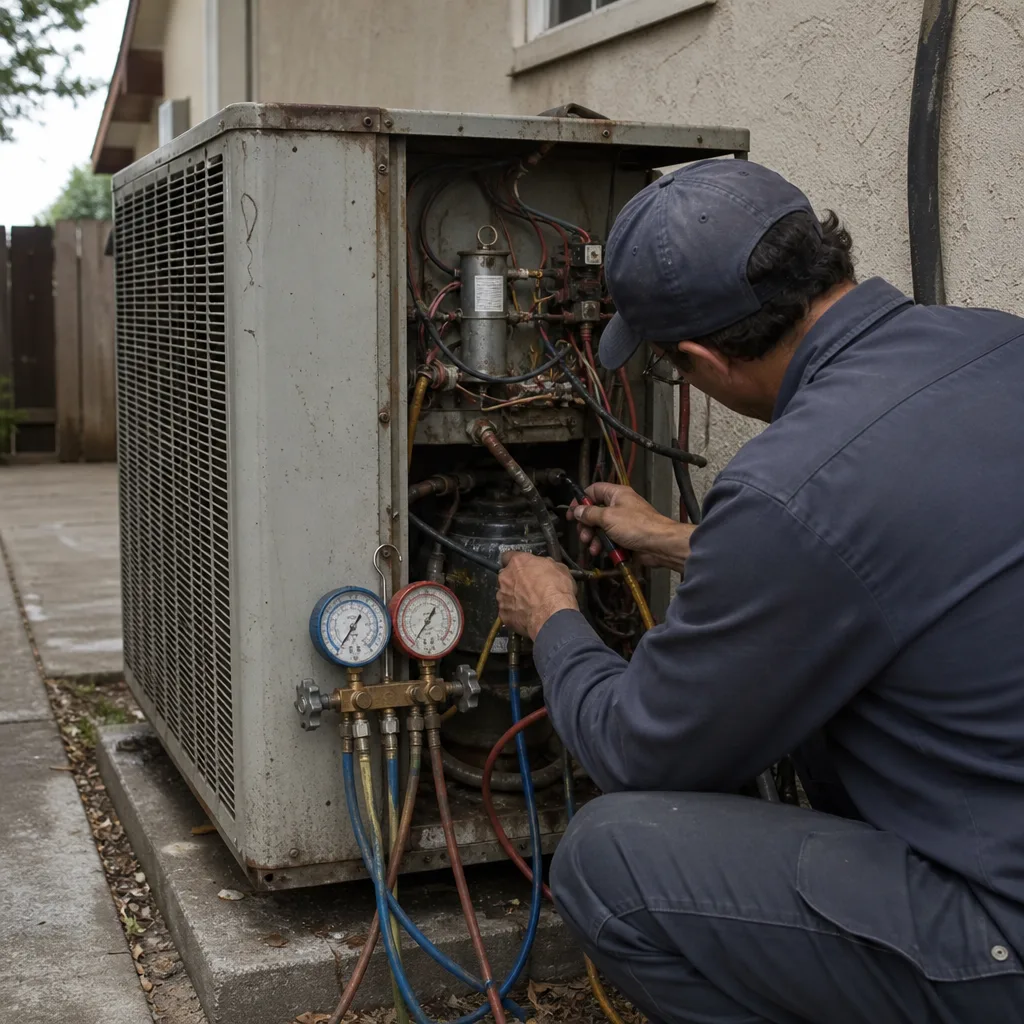 Before
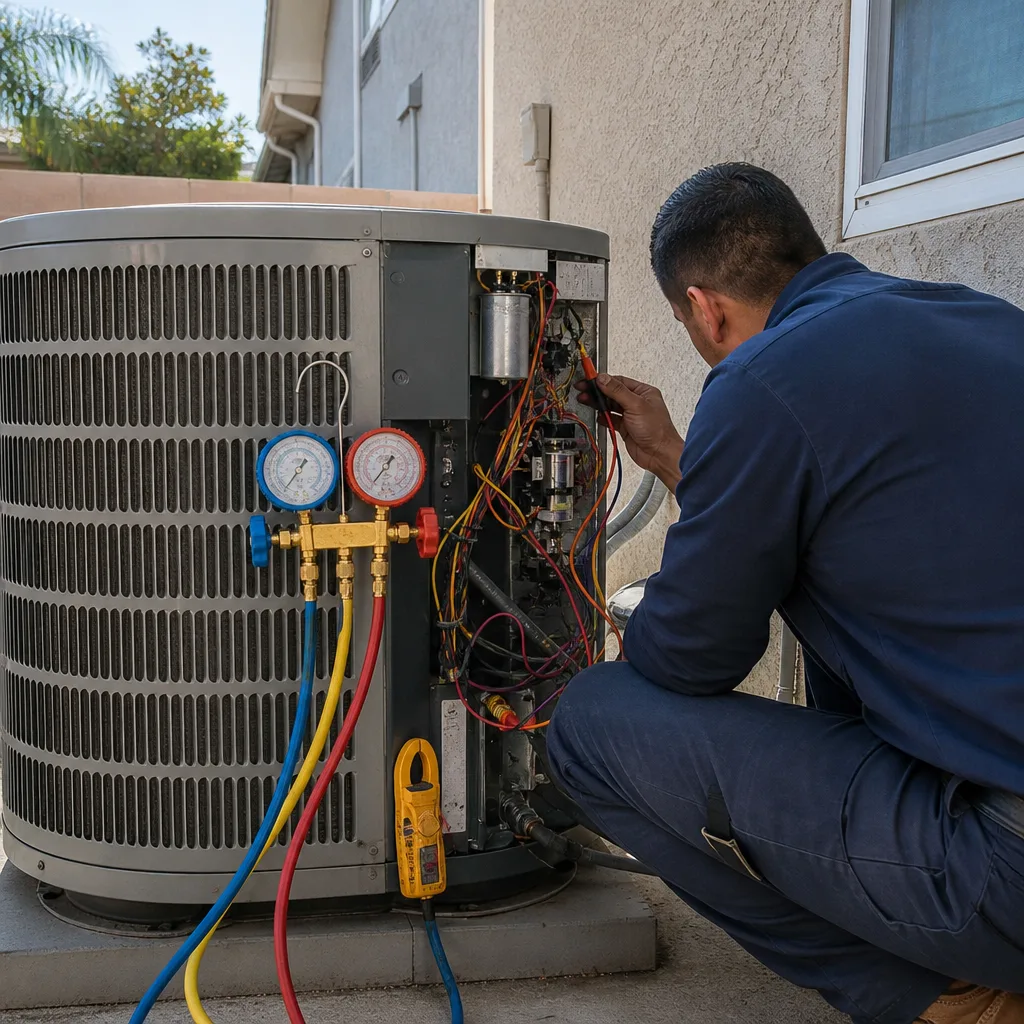 After
After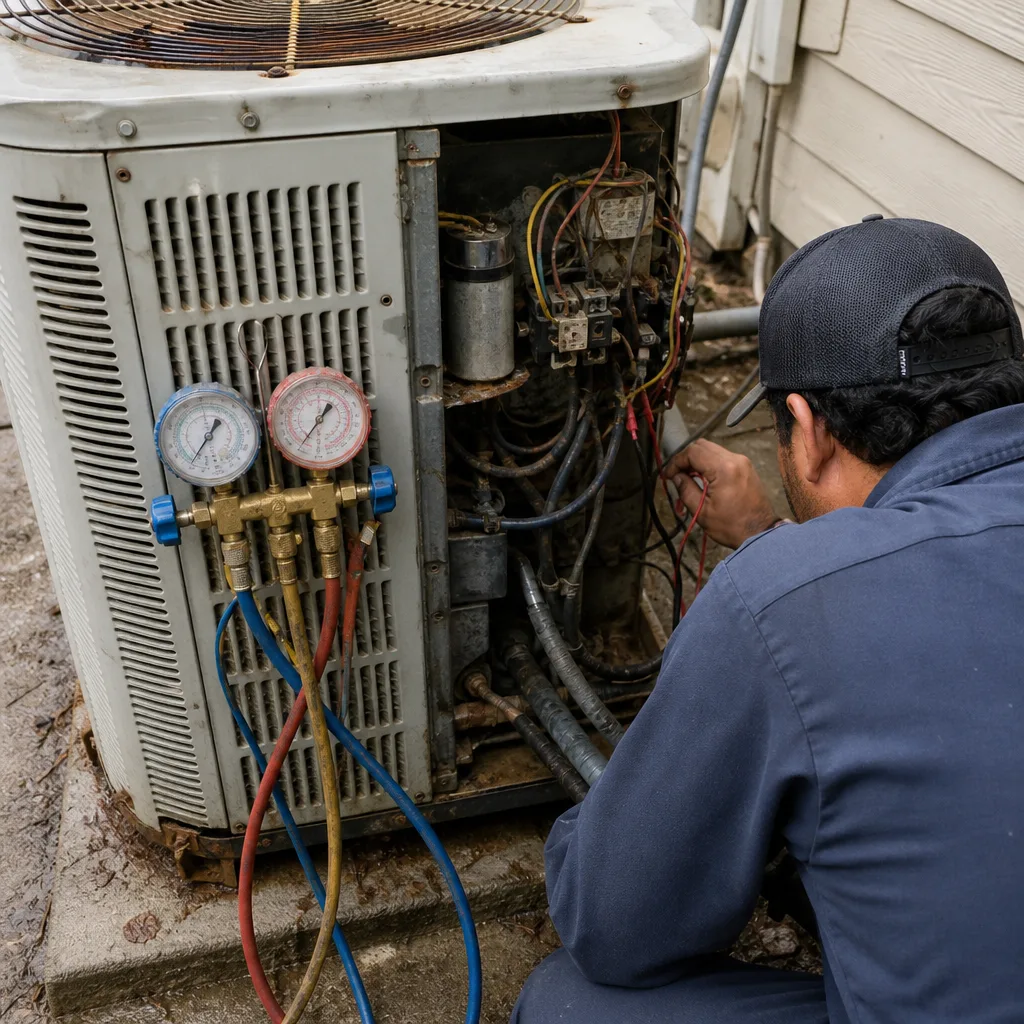 Before
 After
AfterYork Capacitor Replacement: The Los Angeles Owner’s Guide
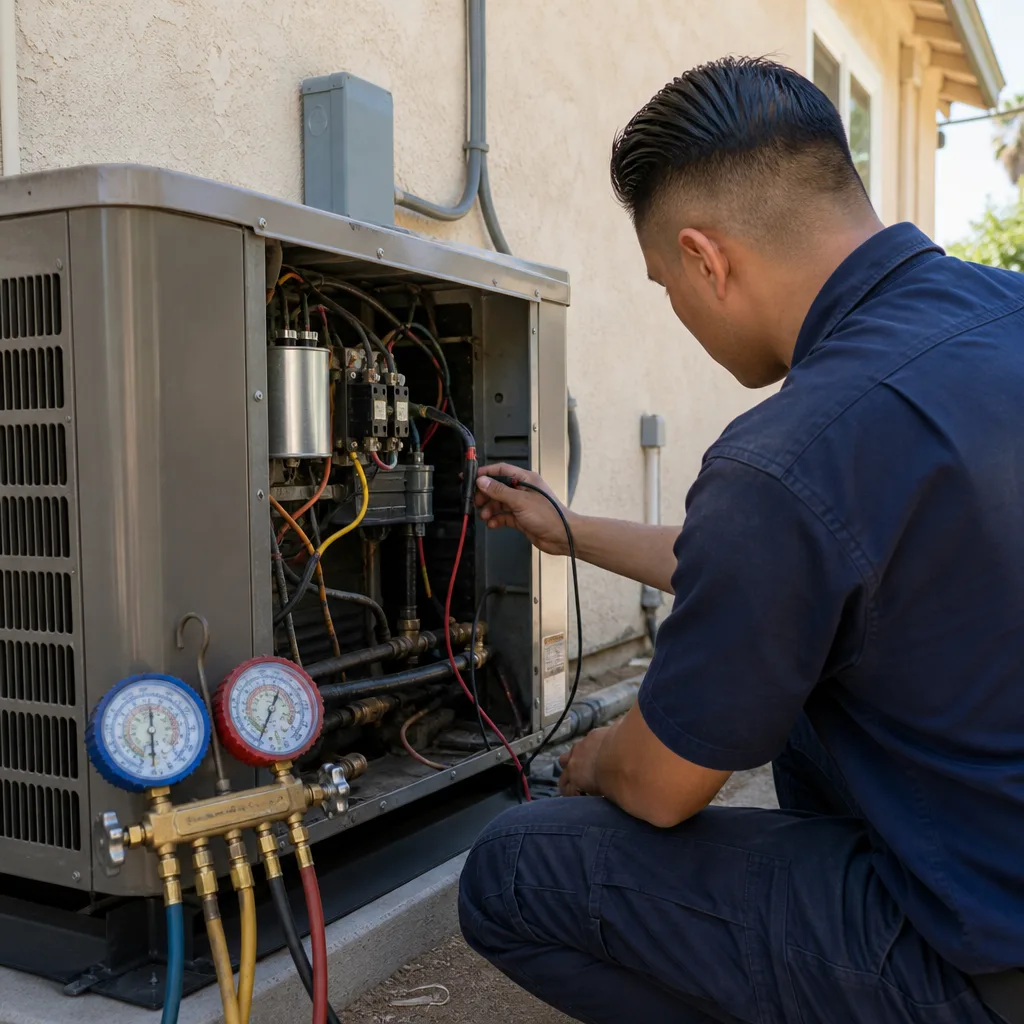
We stock York-compatible replacement capacitors on our trucks and install them same-day across Los Angeles, with most jobs running $175 – $395 installed depending on the capacitor’s rating and whether it’s a single or dual-run unit. A failing York capacitor usually announces itself in one of three ways: the outdoor unit hums but the fan won’t spin, the compressor clicks off after a minute of running, or the system simply won’t start on a hot afternoon. In Los Angeles, where late-summer rooftop temperatures hit 110°F and the condenser is baking in direct sun all day, capacitors fail faster than in almost any other climate we service. A capacitor is the small cylinder that stores the electrical jolt needed to start your fan motor and compressor, then levels out the voltage while they run. When it weakens, the whole system strains against it, and that strain turns into a dead unit faster than most homeowners expect.
Most Los Angeles homeowners discover this part has failed when the AC won’t turn on at all, or when the thermostat clicks and the outdoor unit just sits there buzzing. That buzz is the compressor trying to start without enough stored charge to spin up. Marco Benitez, Owner & Lead HVAC Technician here at Dalton Heating & Air, tells customers to listen for it before calling, because that sound alone usually tells us whether we’re dealing with a capacitor, a contactor, or something deeper in the compressor circuit.
Which York Models This Applies To
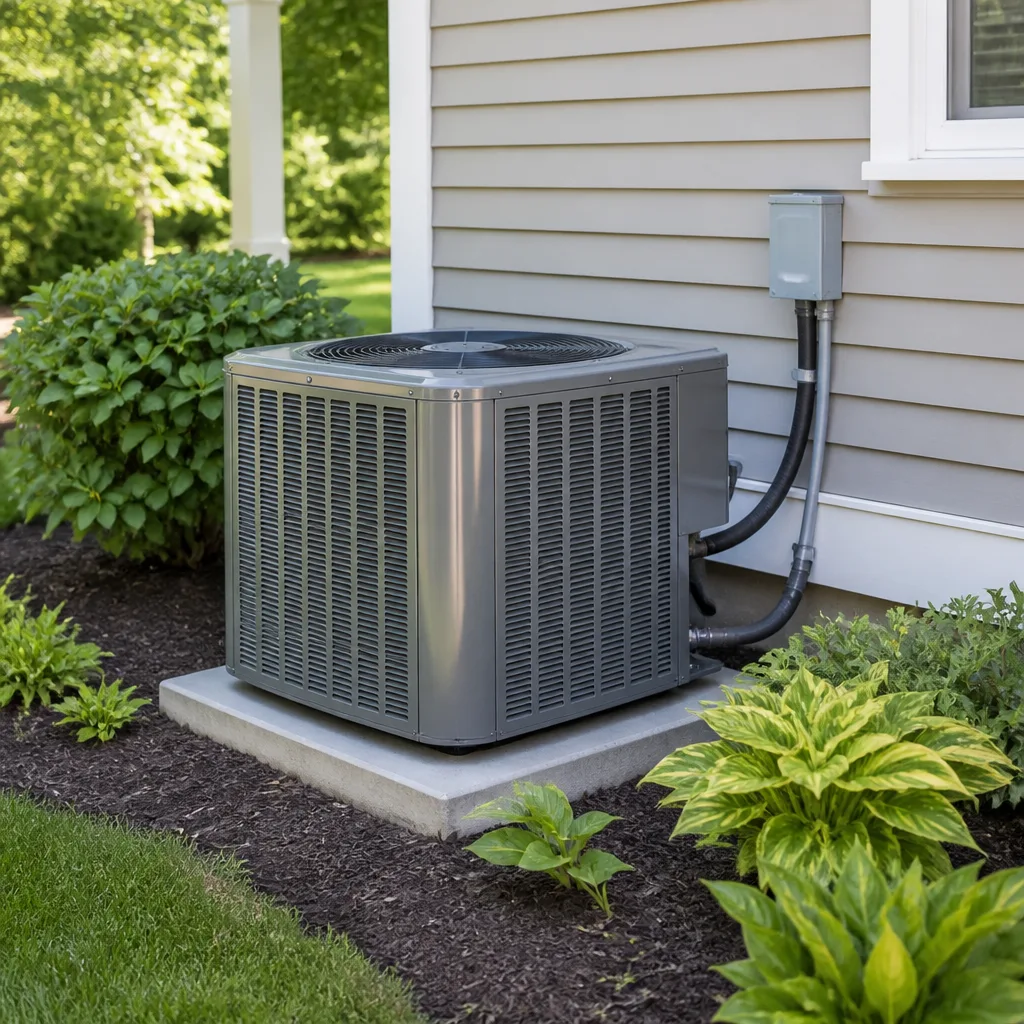
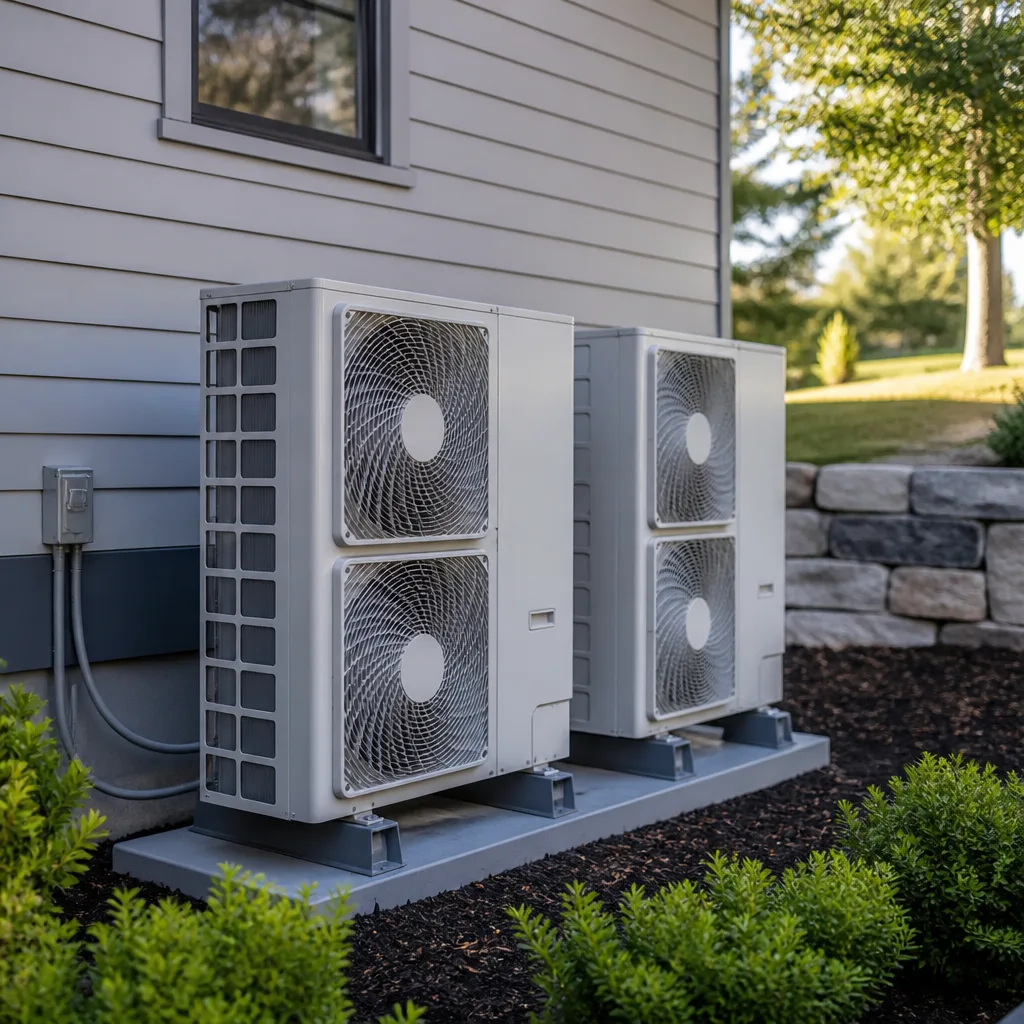
York’s residential condenser lineup, mainly the Affinity, LX, and Latitude series, all use run capacitors that follow York’s part numbering system but share the same general specifications across the brand. The capacitor itself is not proprietary magic. It’s a metal or plastic cylinder rated in microfarads (µF), usually 35/5, 40/5, 45/5, or 55/5 for York condensers, with a voltage rating between 370 and 440 VAC. The first number is the compressor side, the second is the fan side, and matching both is non-negotiable. A tech who slaps in a 45/5 because it’s on the truck when your York calls for a 35/5 is setting you up for a compressor that runs hot and a capacitor that dies again inside a year.
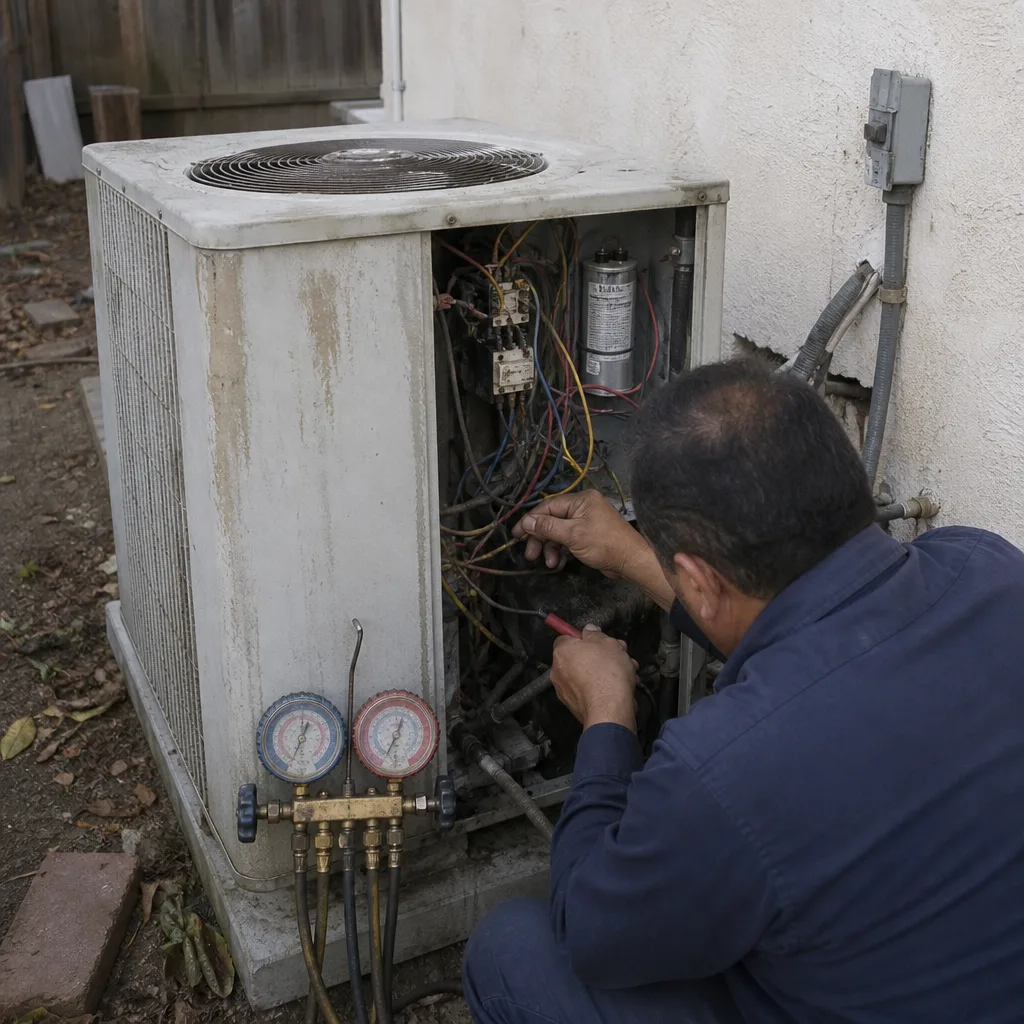
Here’s a York-specific gotcha we run into around Los Angeles: older York units from the mid-2000s often have the capacitor mounted inside the condenser’s electrical compartment behind a small metal plate, while newer models use a plastic cover cap on the capacitor itself, mounted externally. Neither is harder to replace, but the older mounting means the installer has to kill power at the disconnect and the breaker, then verify with a meter before touching anything. That’s a two-minute safety step we never skip.
On the OEM-versus-aftermarket question: York sources capacitors from major manufacturers like AmRad and Genteq, and those same companies sell under their own brand names at about 40% less than the York-labeled box. We stock both. If your unit is under York’s compressor warranty and a failed capacitor took out the compressor, a York-labeled capacitor makes the warranty claim paperwork cleaner. If you’re past warranty, a quality capacitor from AmRad or Genteq carries the same or better reliability, and the honest answer is that the label is the only real difference.
Signs Your York Capacitor Replacement Is Failing
- Humming outdoor unit with no fan movement. The compressor is pulling current but the capacitor can’t supply the starting torque, so the motor locks and the hum is the sound of a motor trying to turn against dead weight. If you hear this, turn the system off at the thermostat right away and don’t run it again until it’s checked.
- System starts, then shuts off after a few minutes. A capacitor that’s lost a chunk of its microfarad rating will start the compressor but can’t hold it running under load. This short-cycling pattern is especially common in Los Angeles on days above 95°F, when the system is already working at its thermal limit.
- No response at all from the outdoor unit. A fully failed capacitor reads zero microfarads, meaning the compressor never gets the start signal. The indoor blower may still run, pushing warm air through the vents, and that’s the confusion point: it sounds like the AC is “on” but the house gets warmer every hour.
- Bulging, split, or leaking capacitor housing. Heat causes the dielectric fluid inside the capacitor to expand. In Los Angeles attics and on hot rooftops, repeated heat soak cycles physically deform the aluminum can, visible as a domed top or a rust-colored stain at the seam. That’s a hard fail, not a maybe.
- Hard-start kit repeatedly installed by previous techs. If a prior company added a hard-start capacitor to your York and it’s still struggling, the underlying issue is often a weak run capacitor that should have been replaced first. A hard-start kit masks the problem instead of fixing it.
Replacement Cost & What’s Included
In Los Angeles, a York capacitor replacement runs $175 – $395 installed, with the part itself ranging from $20 – $80 and the rest covering the service call, diagnostic time, and labor. The spread comes down to three things: whether it’s a single-run or dual-run capacitor (dual-run costs more, and York condensers almost always use dual-run), whether the capacitor is a high-end US-made part or a mid-tier equivalent, and whether the job requires accessing a rooftop, a difficult crawlspace condenser, or a unit that’s rusted and needs extra time to open safely.
The price we give is written before we start. That’s The Garrison Standard, and it’s non-negotiable on every job we do in Los Angeles: no door price that shifts when the work is done, no “we also found this while we were in there” upcharge. When we replace a York capacitor, we show you the reading on the meter first, tell you what it should read, then put the replacement in and verify the new one with the same meter in front of you. The work is guaranteed in writing for a full year. If it fails in that time, we come back and replace it at no charge, not under a prorated formula, not with a “service fee.” Free.
DIY or Call Us?
Capacitors store a lethal electrical charge even after the power is off, and a charged capacitor can stop your heart. That’s not a scary line, that’s the reason capacitor replacement is the one HVAC repair we tell homeowners to never attempt themselves. The safe limit of DIY is what happens before we arrive: note the sound the system makes when it tries to start, check the thermostat for error codes, and feel whether the outdoor fan spins freely by hand with the system completely off. That information helps us get the right capacitor on the first trip.
What goes wrong with DIY is predictable. The new capacitor is wired backward, the microfarad rating is wrong for the York unit, or the person touches the terminals before discharging and gets a shock that puts them in a Los Angeles emergency room. We carry every common York capacitor rating on the truck, we discharge the old one safely, and we verify the new one before we leave. If you’re troubleshooting right now, call (361) 306-9515 and describe what the system is doing. We’ll tell you over the phone whether it sounds like a capacitor and what the next step is, no charge for the conversation.
FAQs
A York capacitor in Los Angeles typically lasts 7 – 10 years, but units installed on unshaded rooftops or west-facing walls regularly fail in 4 – 6 years because the LA heat accelerates the breakdown of the dielectric fluid inside. If your York condenser is in direct afternoon sun, plan on a capacitor replacement roughly every five years.
No, a capacitor is a sealed component and cannot be repaired; once the microfarad rating drops below about 10% of the label value or the housing shows bulging or leaks, replacement is the only fix. A good tech will show you the meter reading before installing the new one.
A capacitor swap on a York condenser takes 45 – 90 minutes, including discharging the old one safely, removing the mounting bracket, connecting the new leads, and verifying the microfarad reading under load. Most Los Angeles calls are completed same-day from the first call.
Yes, we stock 35/5, 40/5, 45/5, and 55/5 dual-run capacitors in 370 and 440 volt ratings on our trucks, along with the same common ratings for Carrier, Trane, and Lennox so we’re ready for mixed-brand systems. If your York uses an unusual rating, we can usually have the exact part on hand the next morning.
If your York system is humming, short-cycling, or just dead, call (361) 306-9515 for a free estimate. We’ll send a background-checked, uniformed technician who puts the price in writing before work starts, on every job, without exception. That’s how we at Dalton Heating & Air have done it since 2003.
Written by Marco Benitez, Owner & Lead HVAC Technician, Dalton Heating & Air at Dalton Heating & Air, serving Los Angeles and nearby areas.