
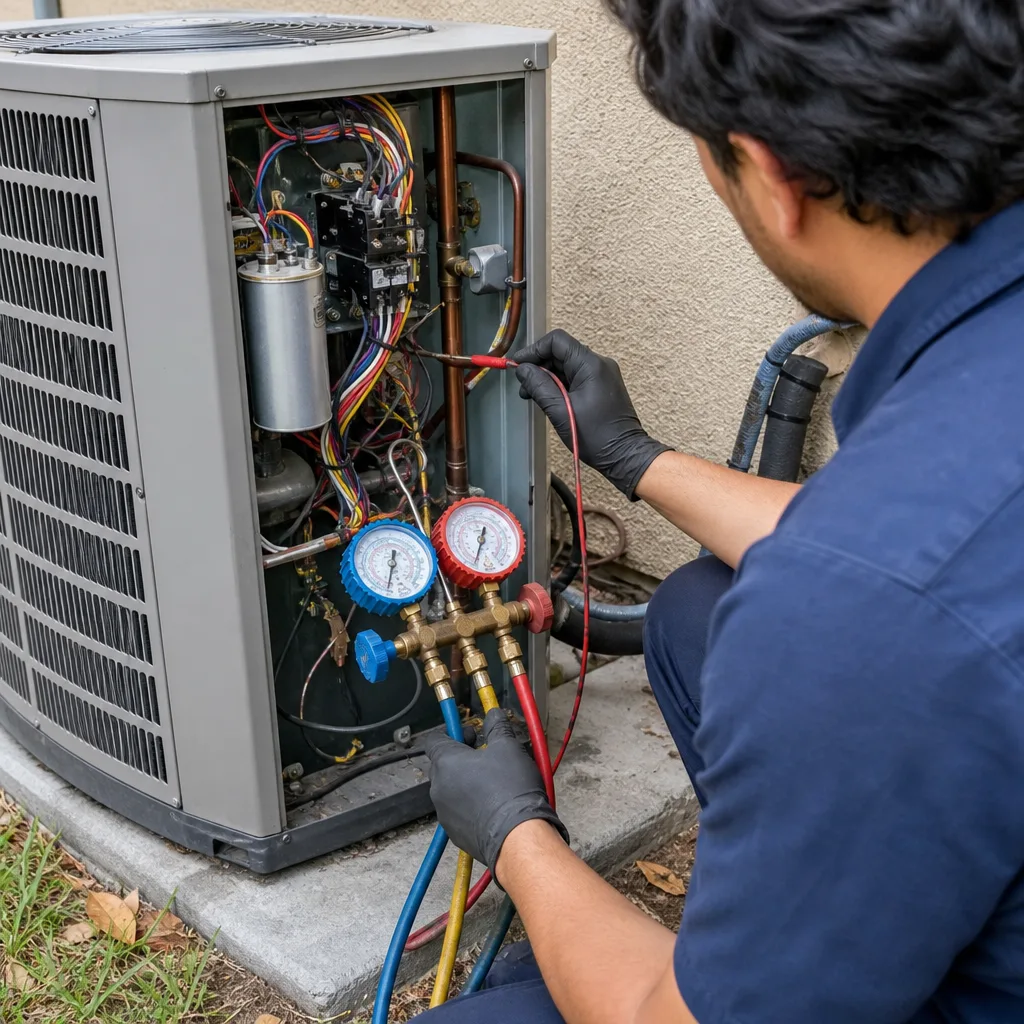
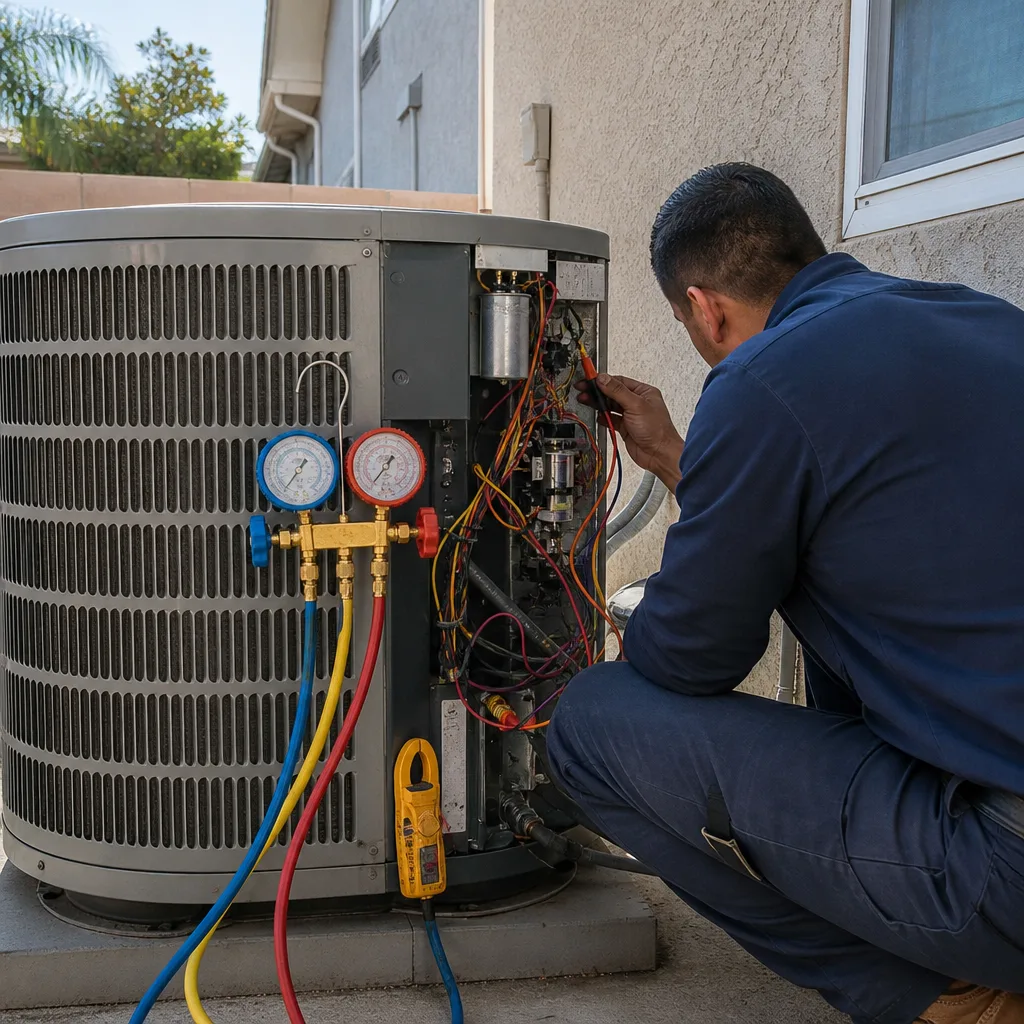
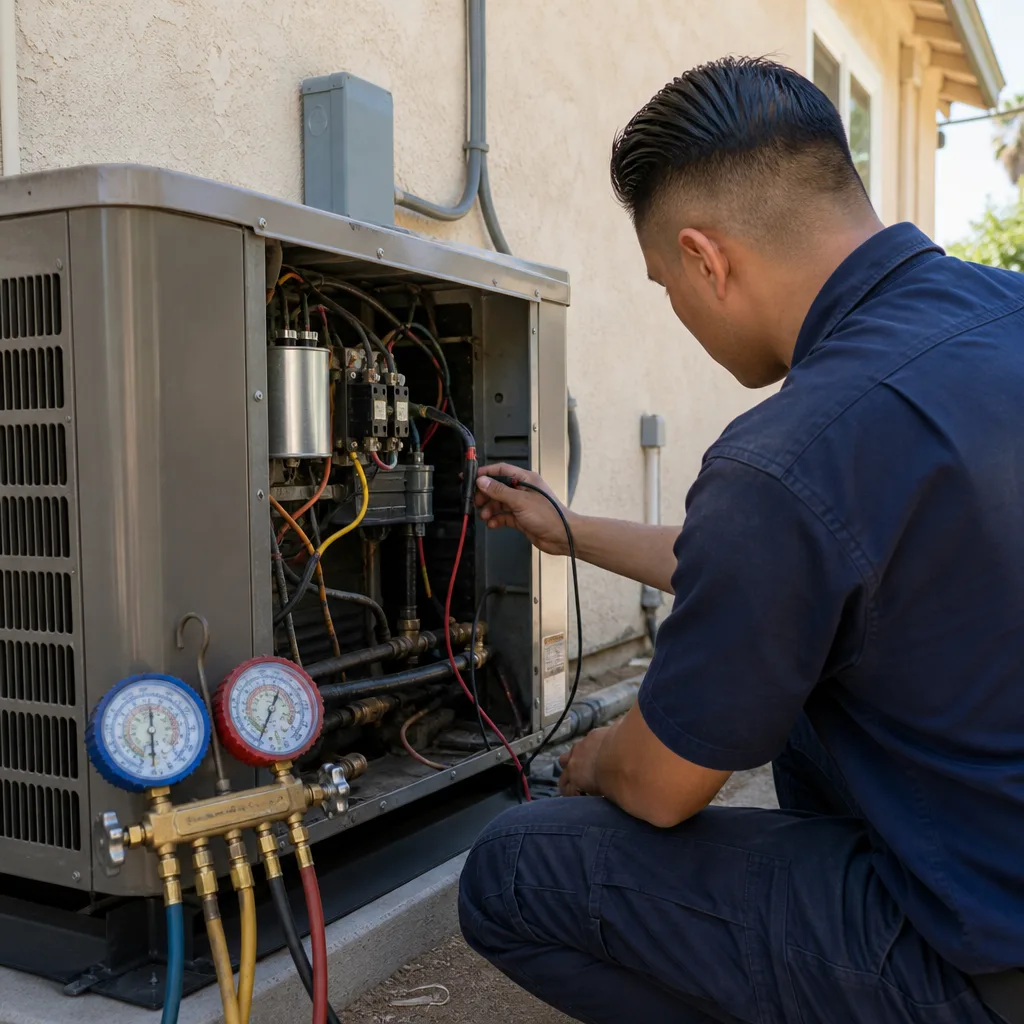
Seasonal tune-up and full diagnostic on your Carrier, Trane, or Goodman system - readings shown to you before any repair is proposed
Diagnosis first, numbers second - you approve the repair price before a single part goes in.
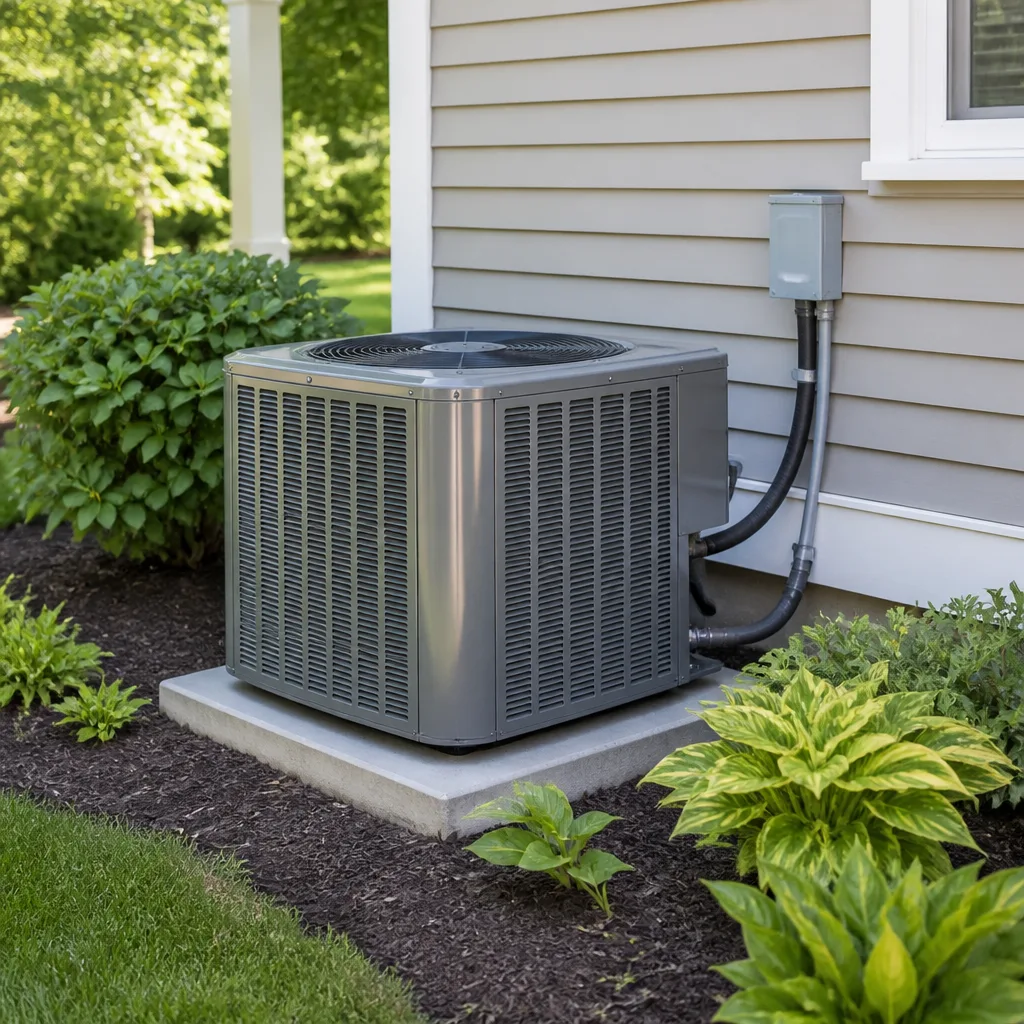
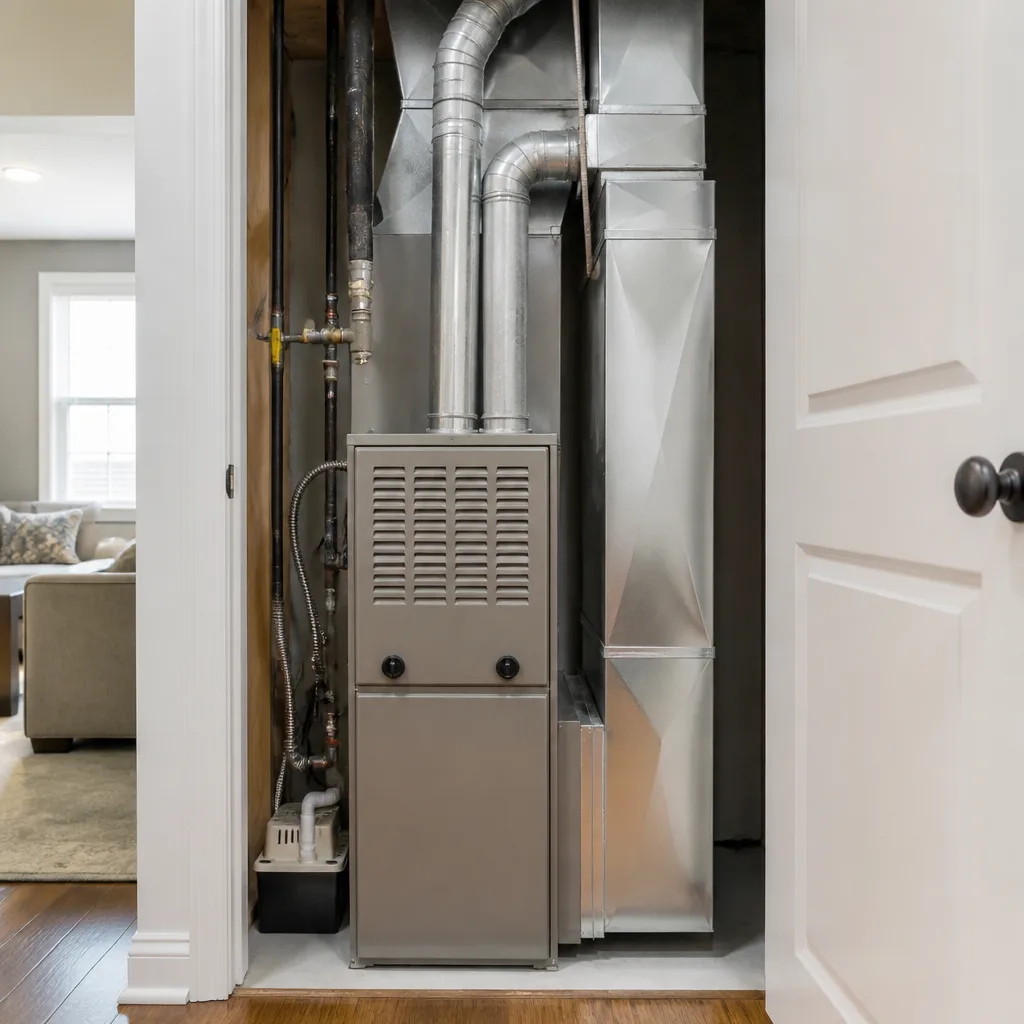
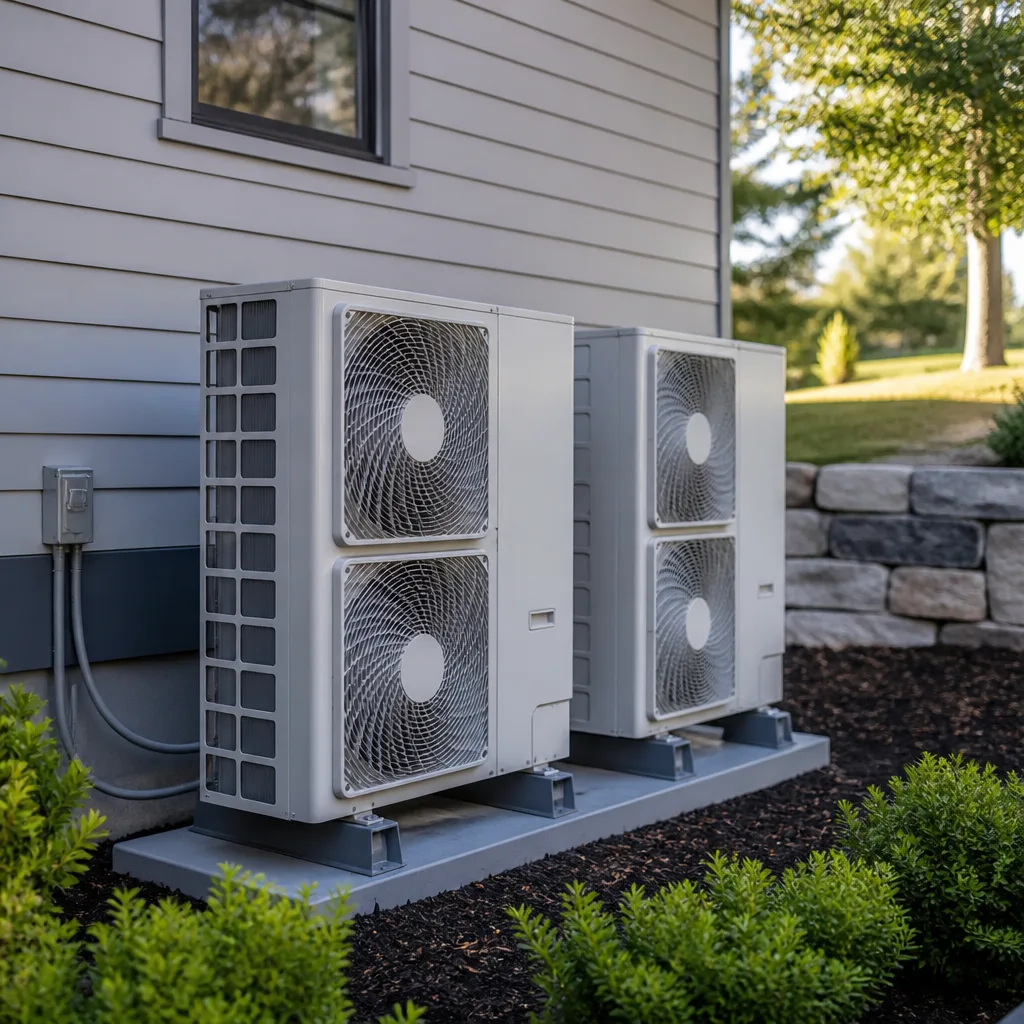
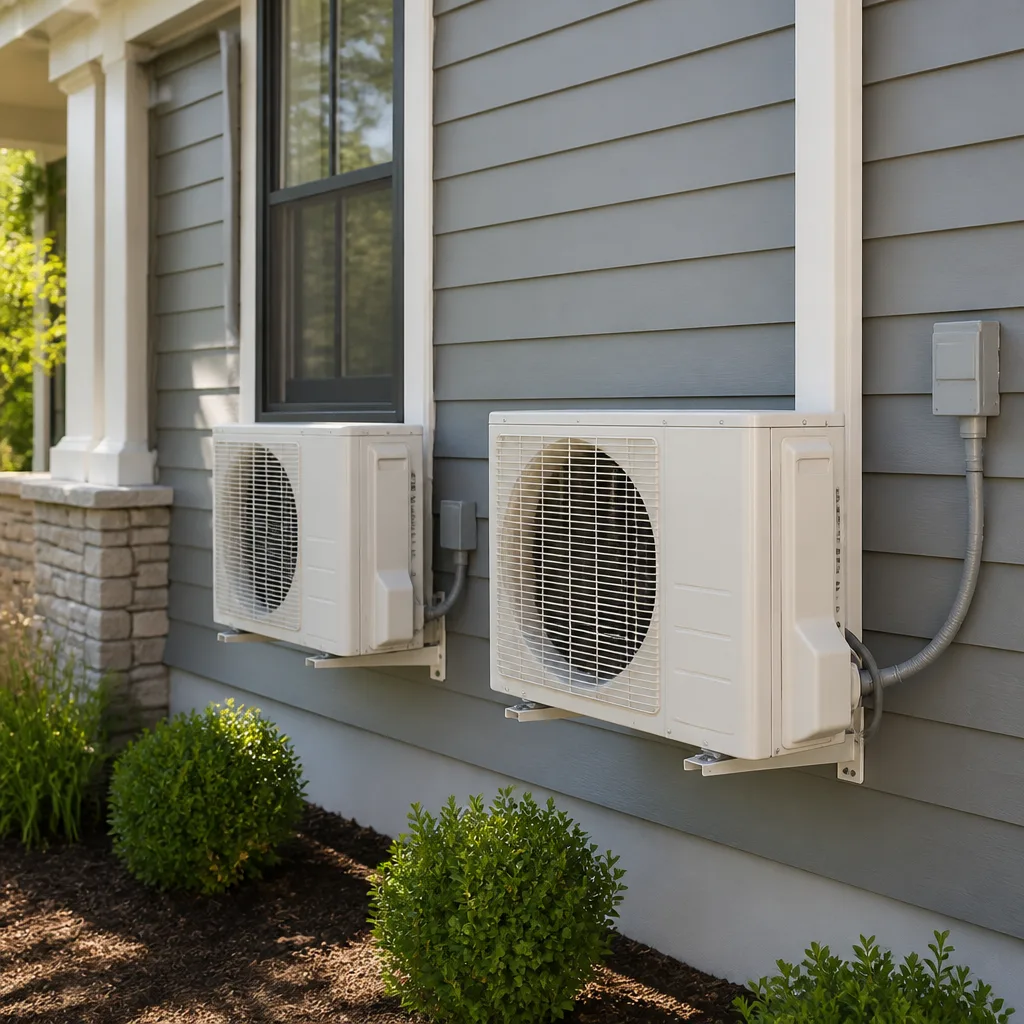
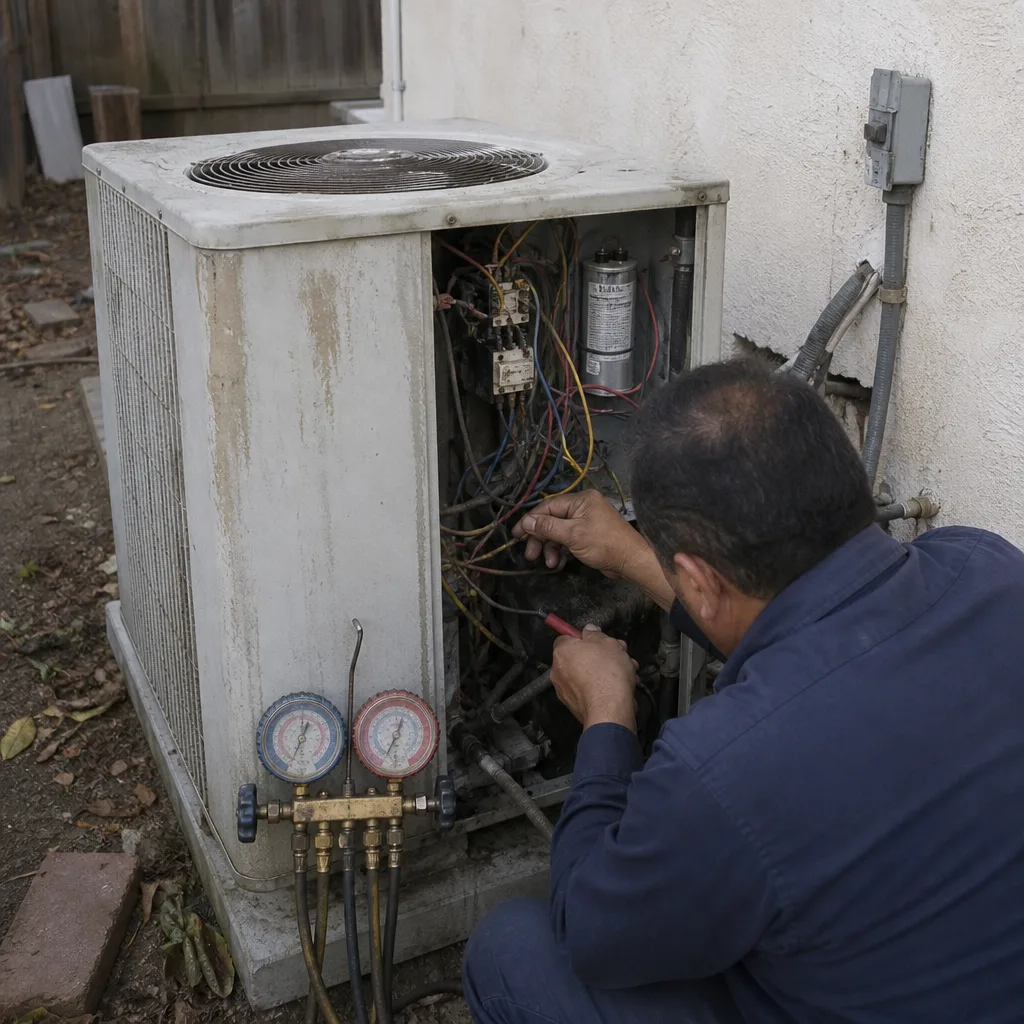 Before
 After
After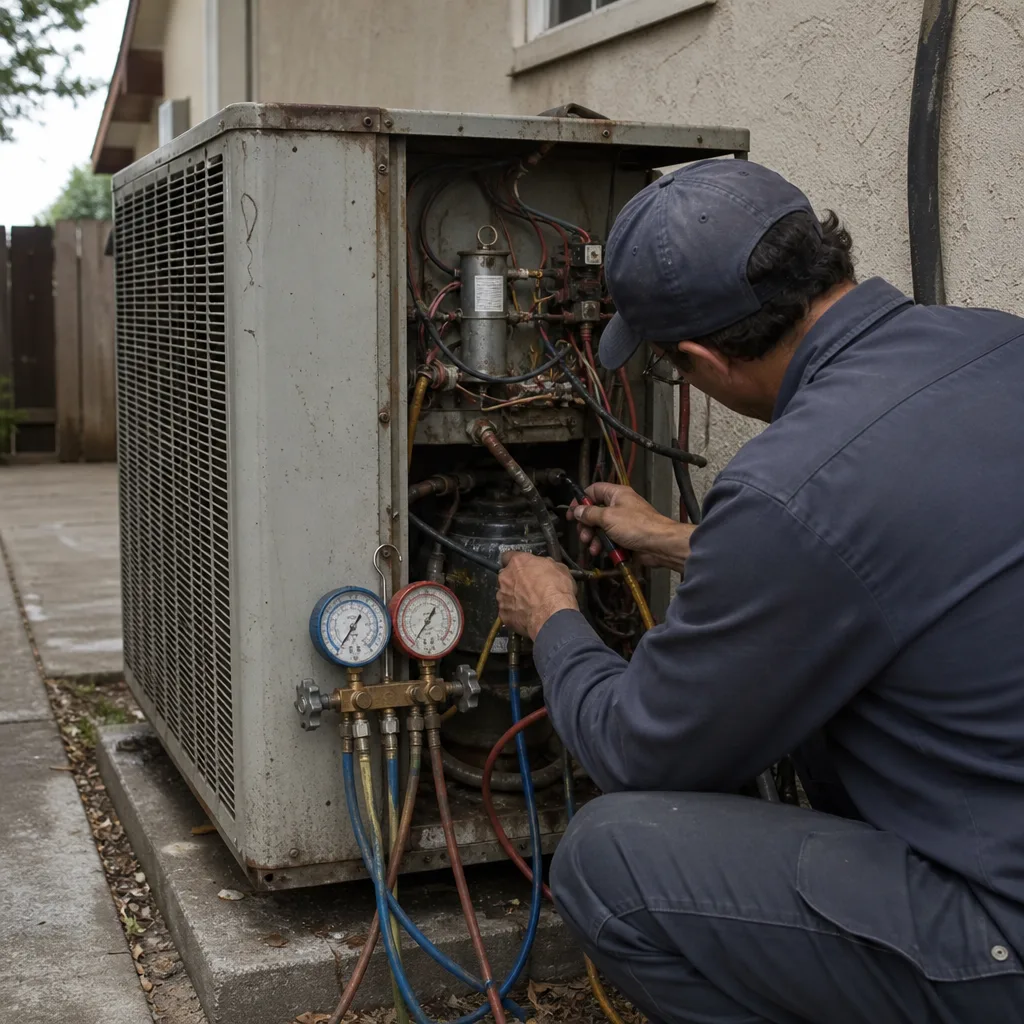 Before
 After
After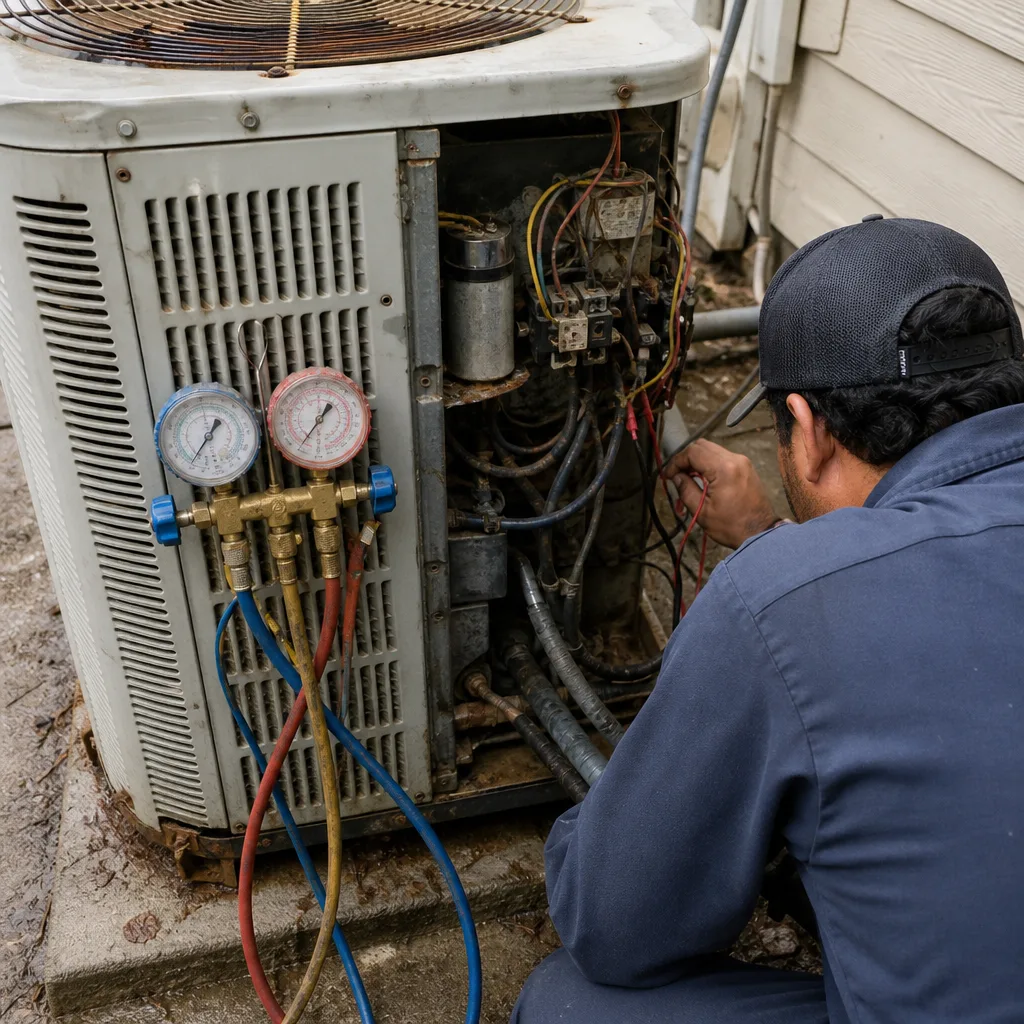 Before
 After
AfterRheem Mini-Split Installation: The Los Angeles Owner’s Guide
Rheem mini-split installation in Los Angeles typically runs $4,130 to $8,850 depending on system size, line-set runs, and whether your existing electrical can handle the load. Dalton Heating & Air stocks Rheem-compatible installation hardware and completes most single-zone swaps the same day we diagnose the failed part. Where we see owners get stuck is when the outdoor unit runs but the indoor head won’t respond, or the system short-cycles right after a power blip. That’s usually a control board or an inverter failure, not a refrigerant leak, and it’s the difference between a $400 repair and a $4,000 replacement you didn’t need.
Key Takeaways:
- Installed Rheem mini-split replacement in Los Angeles: $4,130 – $8,850
- We identify the exact failed part before quoting replacement
- Same-day swap available on most single-zone systems
- Written price before any work starts, warranty in writing
Which Rheem Models This Applies To
This guide covers Rheem’s current mini-split and multi-zone lines: the Classic series (single-zone, 9K – 24K BTU), the Classic Plus (single and multi-zone, up to 36K), and the Prestige series with high-efficiency inverter compressors. If you’re not sure which series you have, look at the data plate on the outdoor unit’s right side panel. The model number starts with R, followed by a string like R-09P or R-36M, and the nominal capacity is embedded there, 09 means 9,000 BTU.
The gotcha we see constantly in Los Angeles: older Rheem models use R-410A refrigerant, while newer Rheem equipment ships with R-454B, also called A2L, which is mildly flammable and requires a different evacuation procedure and line-set prep. You cannot drop an R-454B outdoor unit onto R-410A line sets without flushing and pressure-testing them. Skip that step and you’ll contaminate the oil and kill the compressor inside eighteen months. We handle both refrigerant paths, but the swap is not plug-and-play if you’re mixing generations.
OEM Rheem boards and coils are our default recommendation because the control logic matches the inverter profile. A generic aftermarket board sometimes works, but we’ve seen fan-speed drift and defrost errors that OEM parts don’t throw. If budget presses, we’ll quote an aftermarket equivalent and tell you exactly where the trade-off sits.
Signs Your Rheem Mini-Split Installation Is Failing
- Indoor head goes dark, outdoor unit still hums. This is usually the indoor control board or the communication wire between the two units. In LA’s coastal salt air, we see corroded terminal blocks on outside connections in places like Playa del Rey and San Pedro more than we see board failures inland.
- System cools fine for twenty minutes, then shuts off and restarts. The inverter board is sensing a false fault, or the coil thermistor is reading wrong. Short-cycling in a mini-split is almost never “normal operation.”
- Breaker trips when heating mode kicks in. The reversing valve solenoid or the crankcase heater is drawing too much. Homes in the San Fernando Valley with older panels see this more often because the wiring was sized for a window unit, not a 20-amp heat-pump circuit.
- You hear a rattling buzz from the outdoor unit on startup. That’s typically a failing inverter or a loose compressor mount. Ignore it and vibration kills the refrigerant fittings next.
- Room won’t hold set point even though air is moving. The EEV, the electronic expansion valve, is stuck or the system has lost charge. We recover, pressure-test, and find the leak if one exists. In Los Angeles, rubber O-rings at flare fittings dry out faster than in more humid climates.
Replacement Cost & What’s Included
Here’s what Rheem mini-split installation actually costs in Los Angeles, broken down the way we write it on the quote:
| Work | Typical Range |
|---|---|
| Single-zone full system replacement (12K BTU) | $4,130 – $5,800 |
| Multi-zone replacement (2 – 3 heads, 24K – 36K) | $6,200 – $8,850 |
| Indoor head and line-set only (outdoor unit re-used) | $1,900 – $3,400 |
| Control board or inverter replacement (repair, not full install) | $475 – $1,100 |
Every number above includes labor, refrigerant, disposal of the old unit, and the written one-year workmanship guarantee. The spread comes down to three things: how long the line-set run is, whether your breaker panel has room for a new circuit, and whether we’re reusing existing mounting hardware or starting fresh on a stucco wall in a neighborhood like Highland Park, where wall prep takes real time.
If the outdoor unit is still good and the failed part is the indoor head, fans, or board, we tell you that plainly. We do not push full replacement when a repair will hold. Marco Benitez has said it on job sites from Silver Lake to the South Bay: most no-cool mini-split calls are a $500 board, not a $6,000 system.
DIY or Call Us?
Here’s the honest split. You can safely check the circuit breaker, clean the washable filter on the indoor head, and make sure the outdoor unit isn’t buried in leaves or blocked by a planter. That last one matters in Los Angeles more than people expect. Bougainvillea grows over condenser coils in a single season.
What you should not do is open the electrical cabinet or touch the line-set flare fittings. The inverter board holds a capacitor bank that can discharge even with power disconnected. And releasing refrigerant requires an EPA-licensed recovery machine. A mini-split is not a window unit. Getting it wrong means an electrical shock or a refrigerant burn. If the filter is clean, the breaker is fine, and the unit still won’t run, call (361) 306-9515. We come out, put the diagnosis in writing, and the repair is guaranteed for a full year. On most single-zone Rheem systems we carry the common boards and sensors on the truck, so we can usually finish the job the same day.
FAQs
Twelve to fifteen years is realistic for a coastal or inland Los Angeles home. Units within five miles of the ocean in places like Marina del Rey, Santa Monica, or Long Beach corrode faster due to salt air, and we sometimes see coil failure at ten years. Inland units in the Valley run harder in summer heat, which shortens compressor life but extends coil life. Regular filter cleaning and annual refrigerant checks stretch the timeline.
Yes, most failed parts can be repaired or individually replaced. Control boards, thermistors, EEV coils, fan motors, capacitor banks, and even individual line-set sections are serviceable. We only recommend full system replacement when the compressor has failed and the unit is over ten years old, or when the system is leaking from a coil that Rheem no longer manufactures.
A single-zone swap takes four to six hours on most Los Angeles homes. That includes evacuation, pressure-testing, and startup verification. Multi-zone systems take one to two days depending on the number of indoor heads and how far the line sets run. We give you a written arrival window and a written price before we start, and the price doesn’t change at the door.
We stock common Rheem control boards, sensors, thermistors, and flare fittings on our service vehicles. Uncommon or model-specific parts we source from local Los Angeles supply houses, usually same day or next morning. We also stock compatible parts for Carrier, Trane, and Lennox systems when a customer has mixed equipment in the same house.
If your Rheem mini-split is acting up and you want a diagnosis you can trust, call (361) 306-9515. We’ll put the price in writing before any work starts and stand behind the repair for a full year. That’s the Garrison Standard, and it applies to every job we run in Los Angeles.
Written by Marco Benitez, Owner & Lead HVAC Technician, Dalton Heating & Air at Dalton Heating & Air, serving Los Angeles and nearby areas.